Week 7 Lecture: Classical Period Performance Practice: Exhaustive Study Notes
Performance Practice of the Classical Period
Comparison of Baroque and Classical Styles
Baroque Period Characteristics
Polyphonic Writing: Characterized by complex counterpoint.
Vertical Structure: Defined by frequent chord changes and a moving figured bass, which sometimes changed on every beat.
Emotional Uniformity: The use of "one emotion per character/piece/movement." Charles Rosen refers to this phenomenon as "dramatic sentiment."
Harmonic Flow: Featured a non-stop harmonic flow and textural uniformity within a single movement.
Terraced Dynamics: Dynamics shifted in blocks rather than smooth transitions.
Instruments: The harpsichord was the primary keyboard instrument, possessing a minimal dynamic range.
Classical Period Characteristics
Homophonic Writing: A shift toward melody and harmony over chords.
Harmonic Rhythm: The slowing of harmonic rhythm; a single harmony could last over several beats or even multiple bars.
Progression of Emotions: A piece could contain a progression of multiple emotions or even simultaneous emotions. Rosen calls this "dramatic action."
Musical Variety: Each movement focused on providing variety in texture and affect.
Gradual Dynamics: The introduction and mastery of the crescendo and diminuendo.
Instruments: The emergence of the fortepiano (literally meaning "loud-soft"), which allowed for a significantly greater dynamic range.
Thematic Shifts: Topics for compositions shifted from Classical/God-centered themes to stories concerning the middle class.
Structural Foundations: Sonata Form
Sonata form is a large-scale musical structure consisting of three primary sections:
Exposition: The first section, which is usually enclosed within repeat signs. It establishes the primary themes and keys.
Development: The middle section, characterized by modulations through various keys to challenge the stability of the exposition.
Recapitulation: A repetition of the first section, but with a crucial harmonic shift: all themes (including the secondary theme) are presented in the tonic key.
Mozart’s/Classical Ornaments
Mozart wouldn’t write out his ornaments when he was performing. However, he would write them out when distributing his music so that his performers would play the ornamentation that he desired.
He often adds turns and scale runs.
Mozart would be offended if people would add ornaments to his pieces because “If I had wanted that, I would have written it.”
Case Study: Mozart, Sonata in B-flat, KV 333 ( )
This sonata, composed in Linz toward the end of , serves as a textbook example of the Exposition section:
Primary Theme (): Set in the tonic key of major. It concludes with a perfect cadence.
Transition (): Utilizes material based on the primary theme to modulate toward the key of the dominant ( major).
Secondary Theme: Presented in the dominant key ( major). (Note: In minor-key pieces, the secondary theme is most commonly in the relative Major).
Codetta (): Follows a perfect cadence in major to bring the entire section to a definitive close.
Key Characteristics and Musical Affect
Theoretical Perspectives on Key Significance
Alfred Einstein (in Mozart: His Character, His Work, ) noted that the concept of "key" had a unique significance for Mozart compared to Bach or Beethoven. He asserted that particular types of melody and figuration were intrinsically associated with particular keys.
Werner Luthy (in his dissertation on Mozart and Key Characteristics) analyzed Lieder and opera texts to define the following affects:
major: Represents elevated, other-worldly events, scenes of high expectations, or the "hazy shimmering of lightly rippling sea waves."
major: The key of joyful people, a heightened feeling of life, brilliance, and beauty.
major: Associated with festive pomp, military sharpness, revenge scenes, and "grotesque shadows."
, , and majors: Predominantly used for simple characters.
major: The key of reality, testimonies of thanks/honor, dry collection of evidence, and zealous teachers or counselors.
and major: Associated with heart-felt feelings. Specifically, is the key of "profound love and tormenting love-pangs."
major: Reserved for "nothing but gloomy scenes."
Performance Context and Execution
The Importance of Context (Clive Brown)
In Classical and Romantic Performing Practice 1750-1900, Clive Brown emphasizes that context dictates execution:
Tempo vs. Style: An Adagio requires a more sustained style than an Andante, and an Andante is less detached than an Allegro.
Genre Distinctions: Church music, chamber music, and opera each require a unique approach to performance.
Notation Matters: A piece in will elicit a different style than a piece in , even if performed at the mathematically identical tempo.
Articulation: A note's articulation depends on the musical context rather than just the presence of a mark. In faster movements, a detached manner of playing was favored, while a smoother style was preferred for Adagio sections.
Insights into Beethoven: Carl Czerny
In his Complete Theoretical and Practical Fortepiano School, op. 500 (), Carl Czerny (Beethoven’s student) provided specific directions for Beethoven's works:
Character: Fervent, grand, energetic, noble, intellectual, and humorous. He notes that it is never "effeminately elegant" or "whiningly sentimental."
Integrity of Thought: Every embellishment must remain true to the "supported idea" of the piece. Melody must pervade every thought.
Technique: Rapid passages and finger agility are never the "end" goal; they are merely the "means" to an intellectual and aesthetic end.
Individuality: Beethoven’s works must be performed differently from those of Mozart, Clementi, or Hummel.
Evolution of Musical Dynamics
Period Transitions
Baroque Era: Defined by the "Primary Importance of Bar Hierarchy." Bart Kuijken notably stated, "A crescendo goes against nature" in this context.
Classical (Mozart): Focused on "micro-dynamics." An example includes subito patterns following bars of crescendo.
Early Romantic (Beethoven): Experimented with long-form dynamics, such as moving from to over , , or even more measures.
Orchestral Examples
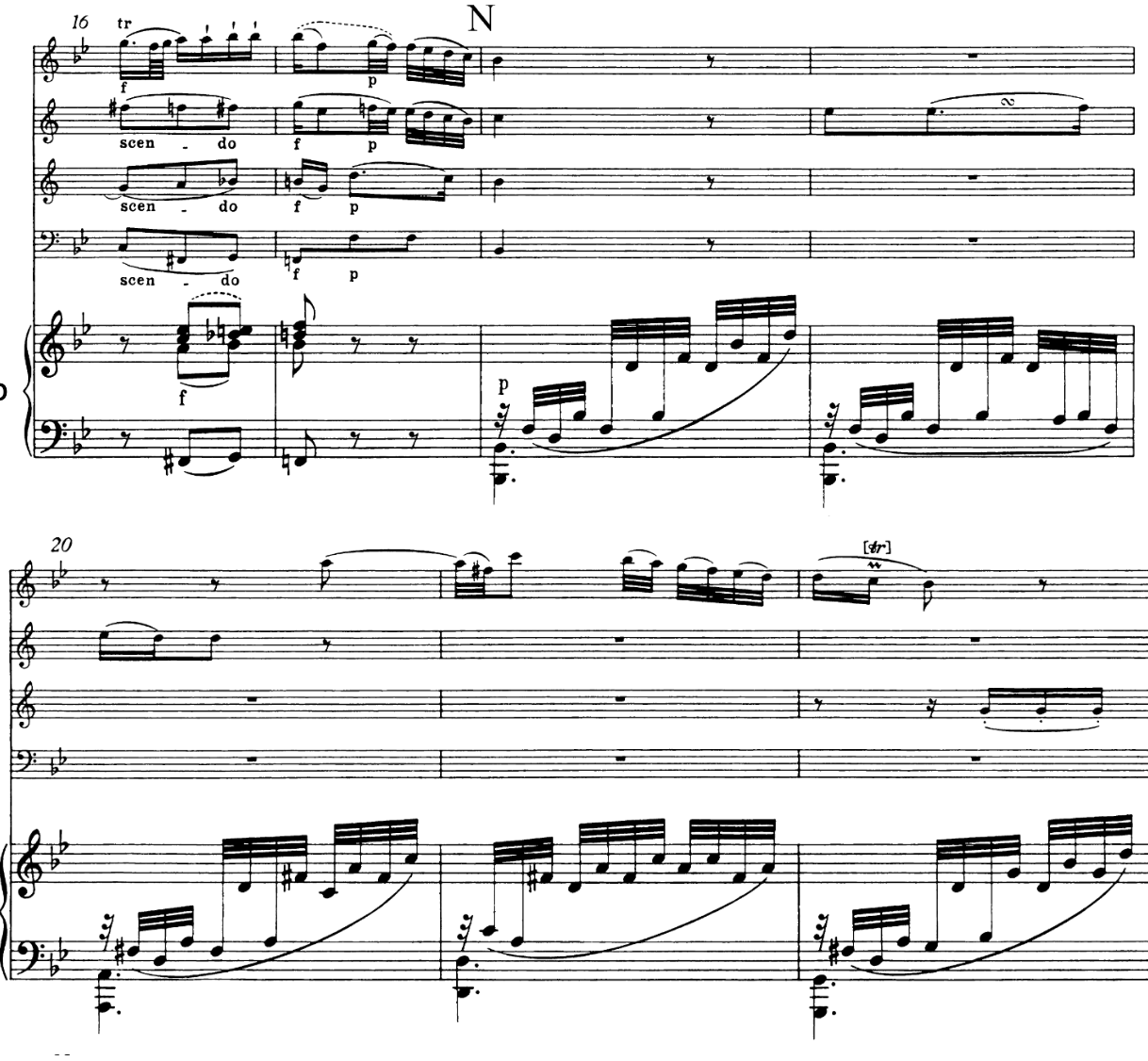
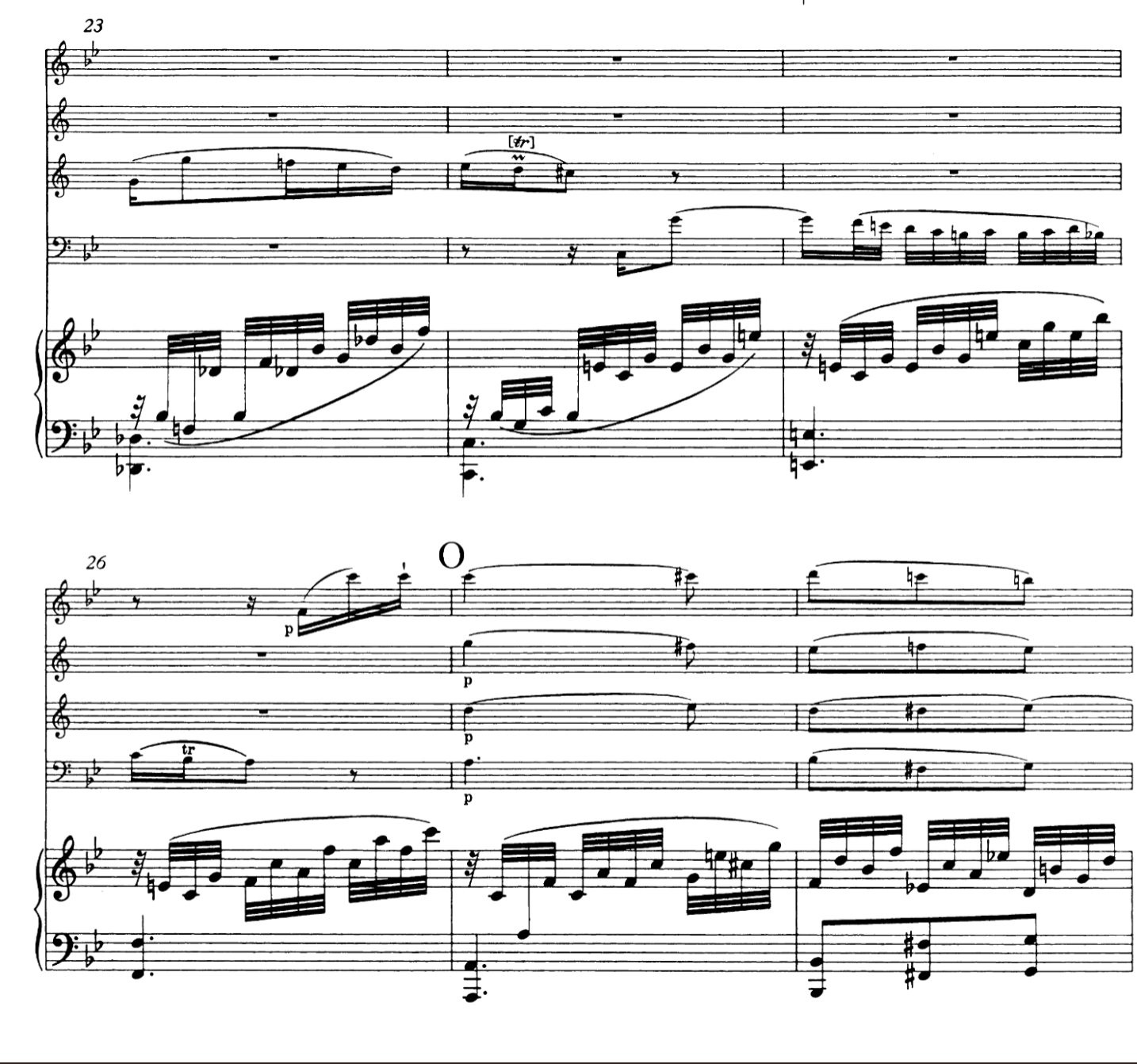
Mozart, Quintet for Winds and Piano, KV 452 (II. Larghetto): Features intricate micro-dynamics and fp (fortepiano) markings within single bars.
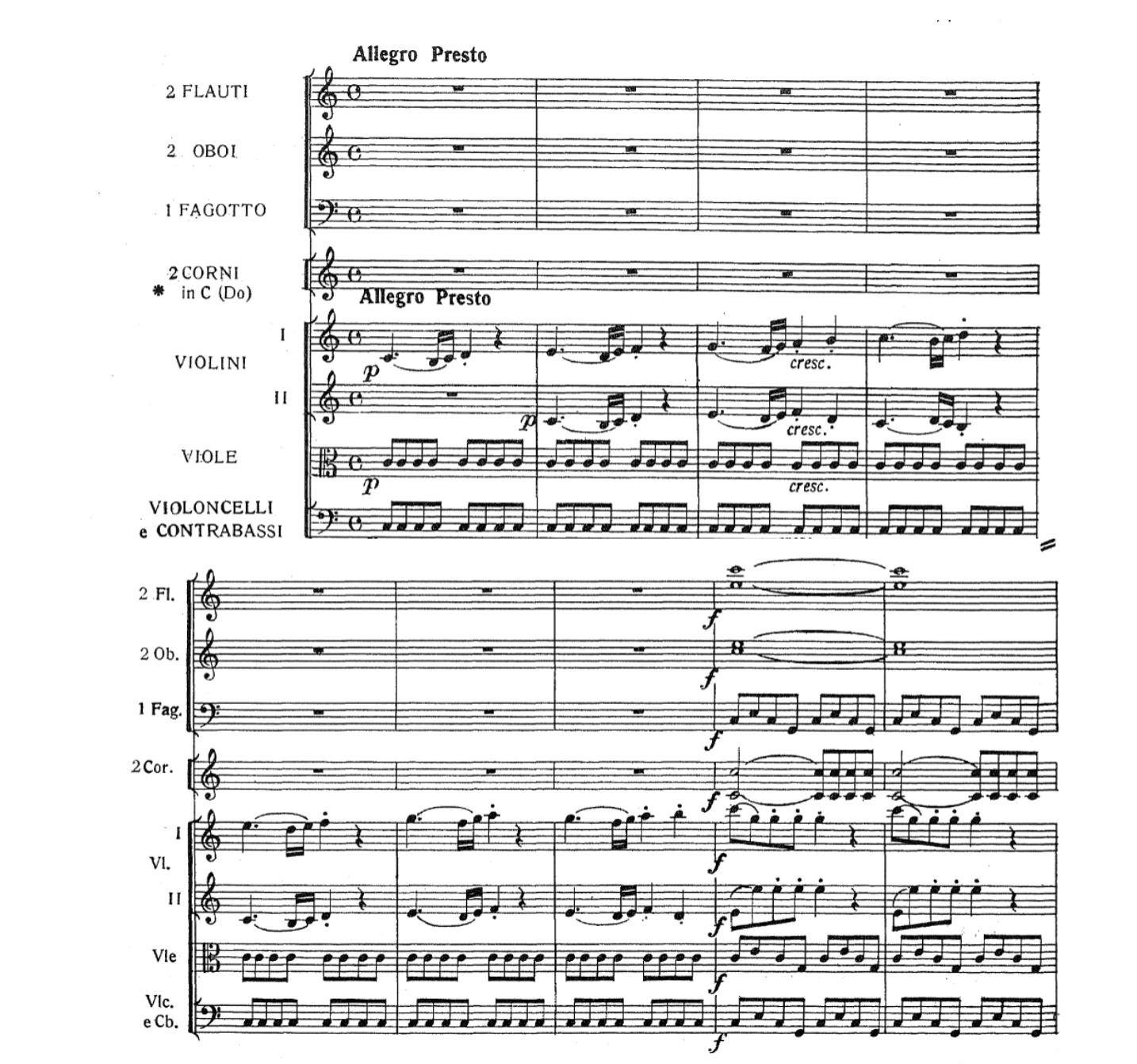
Paisiello, Overture to Il barbiere di Siviglia: Demonstrates early orchestral crescendos, where multi-instrument textures build tension over repeated patterns.
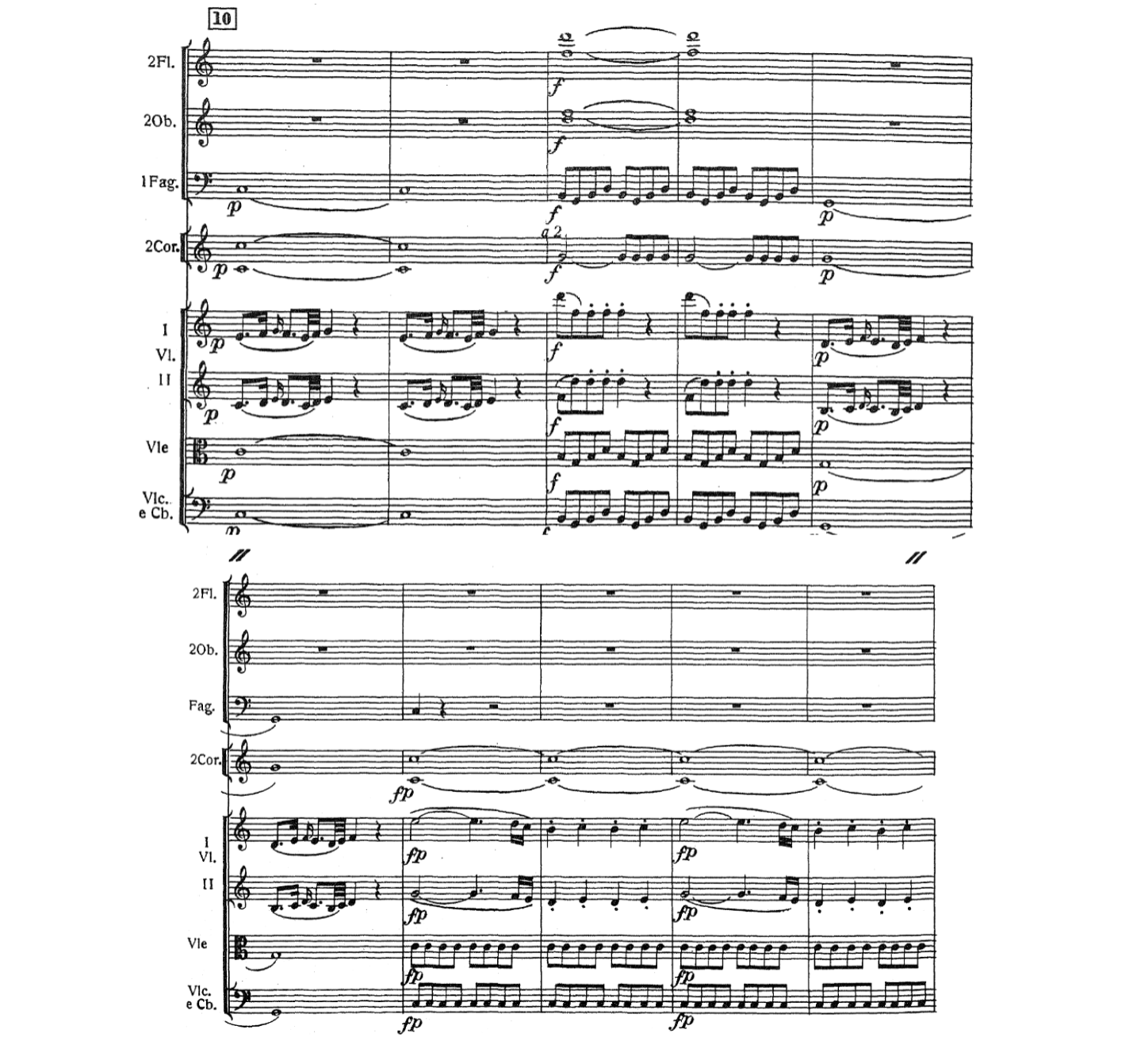
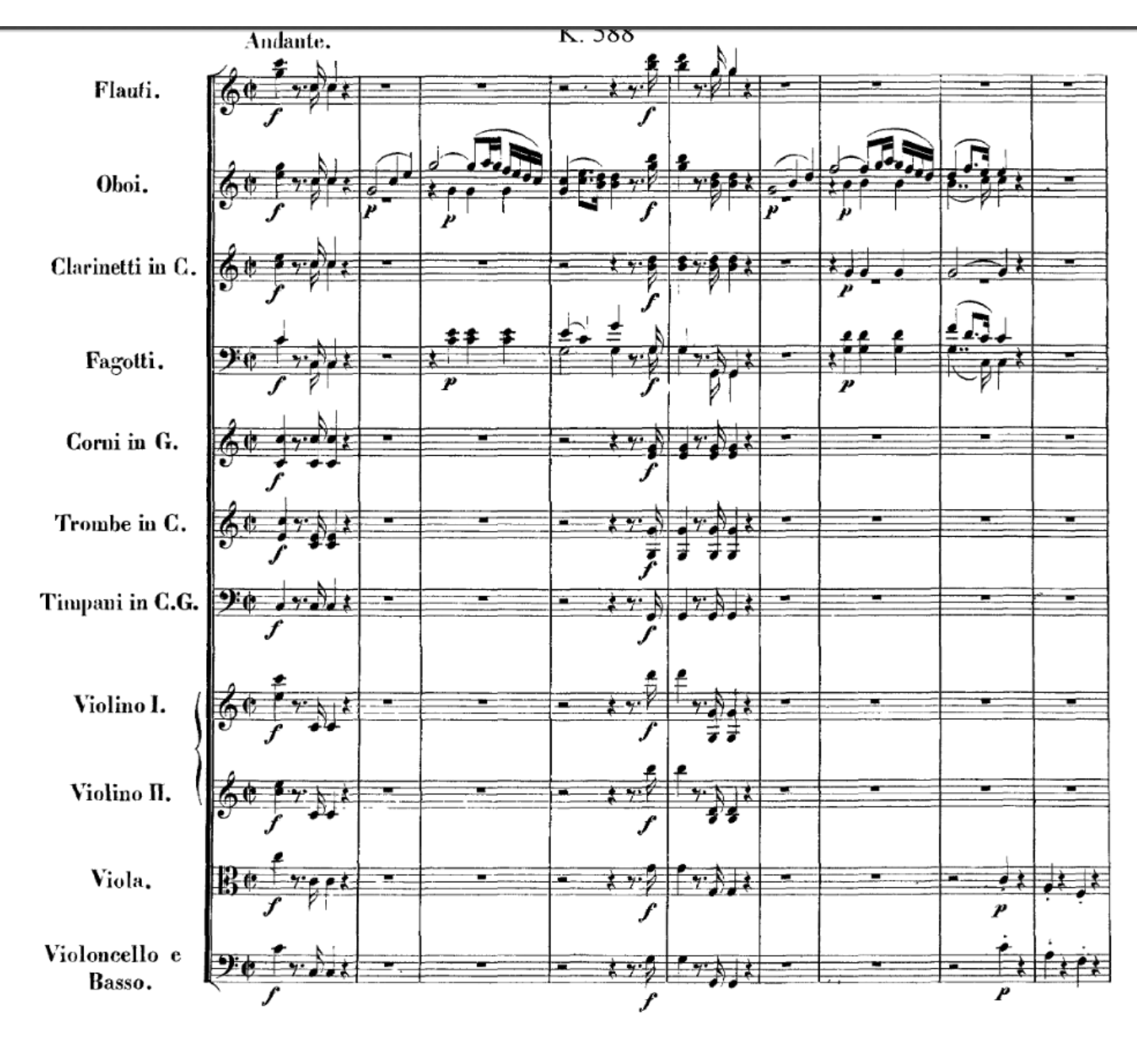
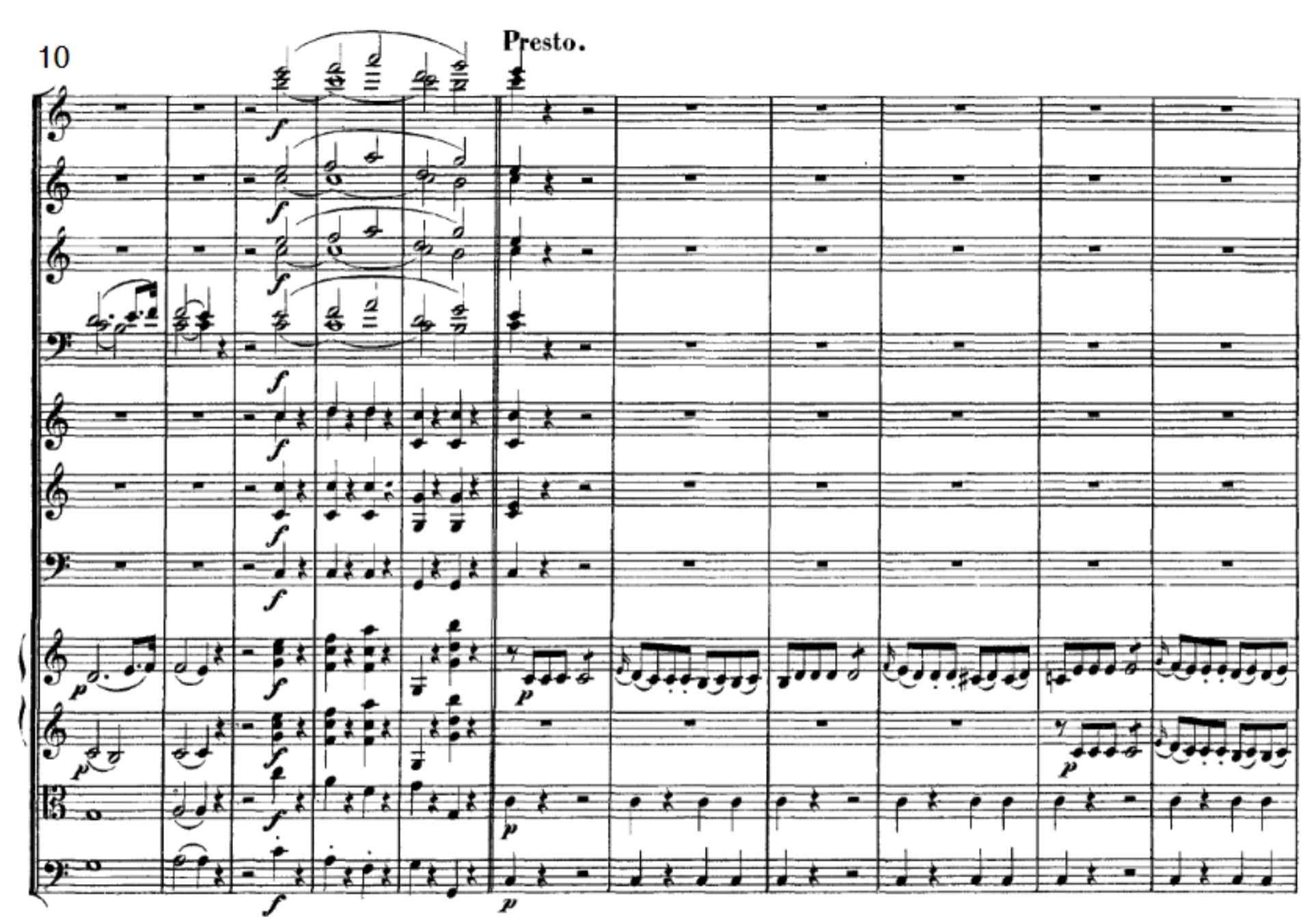
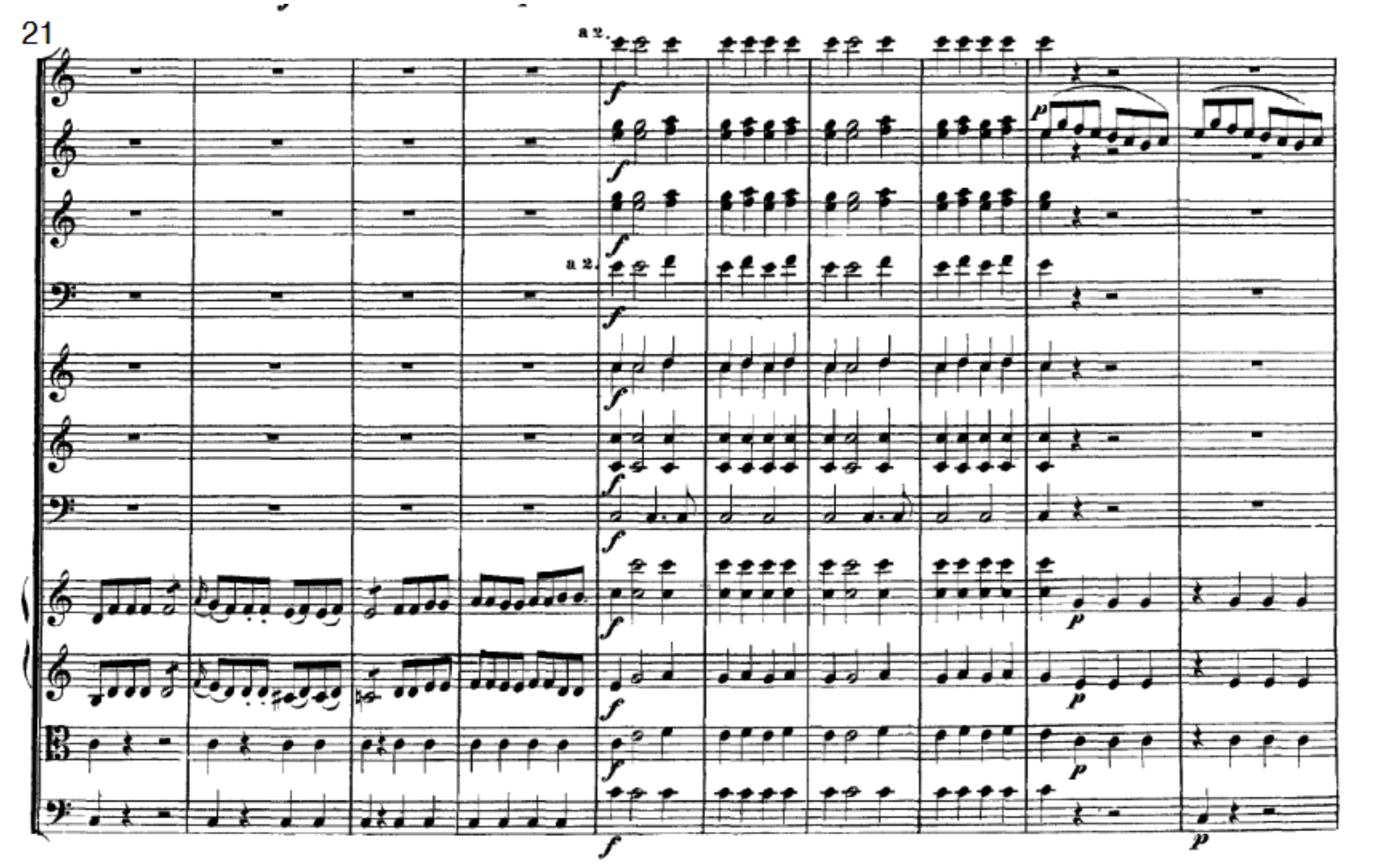
Mozart, Overture to Così fan tutte, KV 588: Transitions from a slow Andante introduction with subito to a Presto section utilizing sharp, sudden dynamic shifts.
Philosophical Approach to Historically Informed Performance (HIP)
Roger Norrington argues that Historically Informed Performance is not a restriction of freedom but an act of liberation:
Historical Integration: The movement seeks to give the composer "his share in the proceedings."
Knowledge vs. Power: Norrington critiques the 20th-century trend of performers taking excessive power over the music. He asserts, "You don’t lose power by knowing things."
Creative Inspiration: Sharing the stage with the composer’s age is meant to be creatively inspiring rather than frightening.
Classical Ornamentation
A dash through a grace note (acciaccatura) means that it is quick. None dashed grace notes with no hash sounds like 16th notes.
The first time through a passage will have less or/no ornamentation, then with each repeat, the performer should add more.
This is so that the audience can differentiate the theme from the ornamentation
Often people will add more and more ornamentations with each repeat.
Start plain, transform a small bit, then more, then the last will be virtuosic semiquavers.