Metal Shaping Tools
Types of Cutting Tools
Chisels (figure 1)
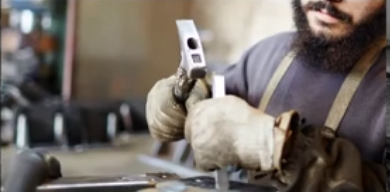
-Struck with hammer cut, gouge, or split metal objects
Files (figure 2)
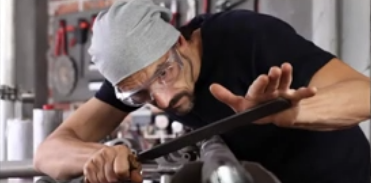
Used to shape metal by shaving away small amounts with each stroke
Chisels
Hardened metal tool for chipping or cutting metal
Can be used on metals to shear rivets and split damaged or seized nuts
Variety of types for different materials and applications
Held in one hand and struck with a ball peen hammer
Types of Chisels
-Flat chisels are general purpose to cut or chip metal such as rivets or nuts. Can be used on a wide range of metals
-Cape chisels are a special flat chisel with narrow blade for cutting square corners
-Roundnose chisels are for cutting grooves or corners that have fillet
-Diamond chisels are used for cutting grooves and inside of sharp angles
Files
Made of hardened and tempered high-grade steel
Comes in variety of sizes and shapes and type of teeth called the cut
Used on metal to:
Square ends
Round corners
Remove burrs and slivers
Straighten uneven edges
Clean or widen holes and slots
Smooth rough edges
File Characteristics
Length
The length of the useful portion of the cutting edge of the file
Shape
The physical configuration of the file. Width and thickness can be parallel or tapered
Cut
Character and coarseness of the teeth
Character refers to the type of teeth including single, double, or curved cut
Coarseness refers to the depth and number of the teeth
Types of Files
-Lead float files are used for soft metals
-Warding file is used for narrow spaces
-Knife files are specialized for tool ad die makers, designed for use on wood
-Vixen files have curved teeth for rapid and smooth filing of metal and wood. Also available with straight teeth for use on cast iron, soft steel, copper, brass, marble, spate, fiber and rubber
Filing Methods
Crossfiling: Moving the file end to end along the work
Drawfiling: Grasping the file with both ends on each end and drawing the file lengthwise along the work
Rounding Corners: Filing rounded surfaces. Starting with file at 45 degree angle on forward stroke and rock the file towards the curved surface towards end of the stroke
Removing Edges: Filing burred or slivered cut edges to remove, preventing damage, personal injury, and allowing a proper fit
Lathe Filing: When file is held against work revolving on a lathe. Stroke the file on the work and use a safe edge file to protect shoulders of the work
Care of Files
Use the correct file for the correct job and material
Keep files racked to avoid damaging each other
Keep in a dry places to prevent corrosion
Keep files clean. Tap file on hard surface after every few strokes and use file card to clean dirt and metal from teeth after use
Like a hack saw, always apply pressure on the away/forward stroke