Copy of AP Bio
Studying
Review material
Test knowledge via practice tests
Test Taking Tips
Skim all questions before beginning (5-10 min)
Spot easier questions, note information that could be useful in other questions
Read each question twice
If you’re taking a while to think, move on and come back later
Recall information by envisioning yourself in the room where you learned it
When in complete doubt, choose answers related to energy conservation or increasing diversity for evolution
Or choose C/all of the above
Usually two MCQ answers will be similar. One of those is usually correct, with the other being slightly off.
Try to re-word long questions in your head
~1.5 minutes per question
If given a “predict” prompt, answer either “increase, decrease, or stay the same.”
You need to both define and elaborate on it to receive full points. As a general rule, always support your definitions with at least one example.
Find value for each box in a graph by dividing the largest possible value by 20 (amount of boxes)
Unit 1
Water’s properties are earned through its polarity + hydrogen bonds
Oxygen is electronegative; it attracts Hydrogen’s electrons, gaining a negative charge, causing polarity
Bonds between Oxygen and Hydrogen are polar-covalent
Bonds between water molecules are hydrogen bonds. They’re very weak
Water has a high specific heat, meaning it absorbs a lot of heat energy before changing its temperature or evaporating, stabilizing temperature in living organisms that use it to absorb their body heat.
Water has cohesion (ability to stick to each other) and adhesion (ability to stick to other molecules) - important for water transport in plants and surface tension.
Water's density decreases as it freezes due to stretched hydrogen bonds, important for survival of aquatic organisms in cold environments.
Capillary action allows liquid to rise in narrow tubes and be drawn into small openings due to attractive forces between liquid molecules and surrounding surfaces. It is important for water and nutrient movement in plants and nutrient and oxygen movement in humans.
Water is a “universal solvent” = it has polar molecules that can dissolve many ions by shielding charged particles from each other
Macromolecules
Molecule | Monomer | Polymer | Components | Uses | Info |
|---|---|---|---|---|---|
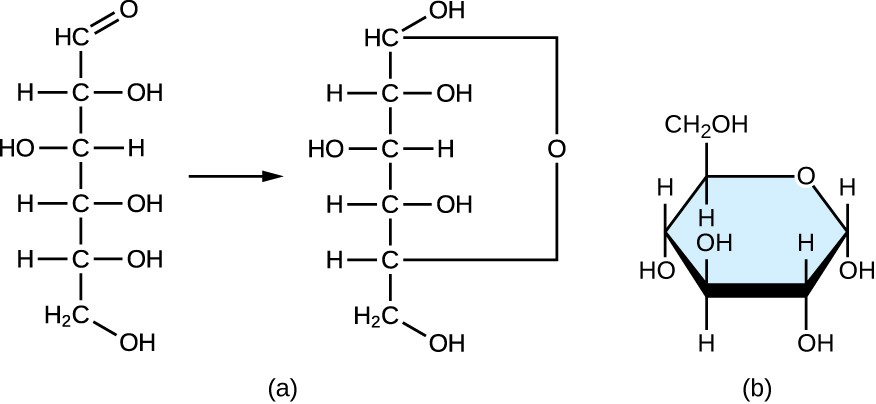
Carbohydrate | Monosaccharide | Polysaccharide | Carbon, Hydrogen, Oxygen | short or long term energy source, structure | 1:2:1 ratio of C:H:O, form rings or long chains, and usually end in -ose |
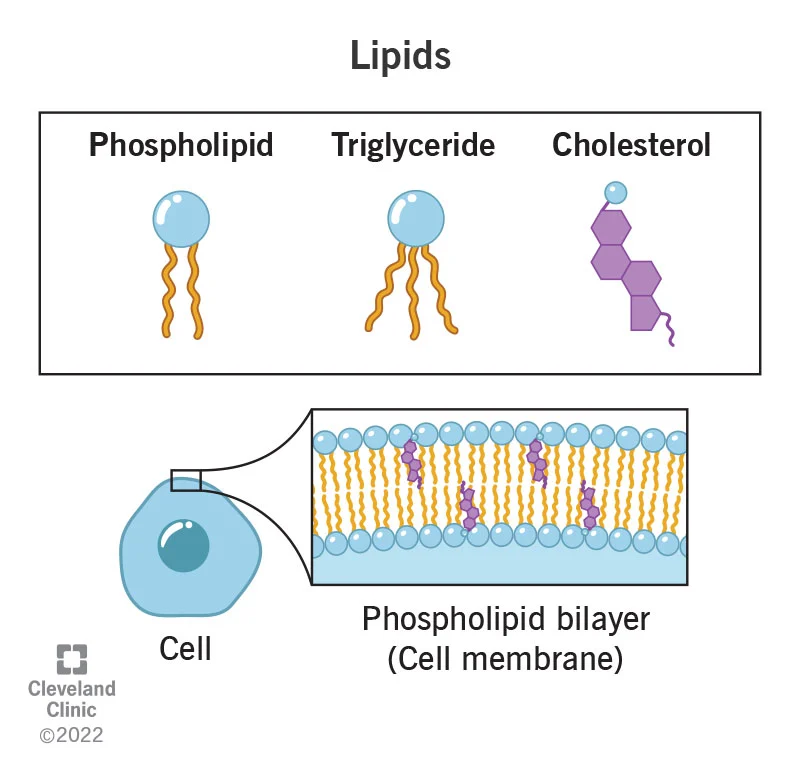
Lipid | Fatty acid, glycerol, sometimes cholesterol(steroid) | N/A | Carbon, Hydrogen, Oxygen | Long-term energy storage, cell communication | Nonpolar, hydrophobic, can form rings like steroids, H:O ratio > 2:1, can be solid (saturated with H) or liquid (unsaturated with H, high C) at room temperature. |
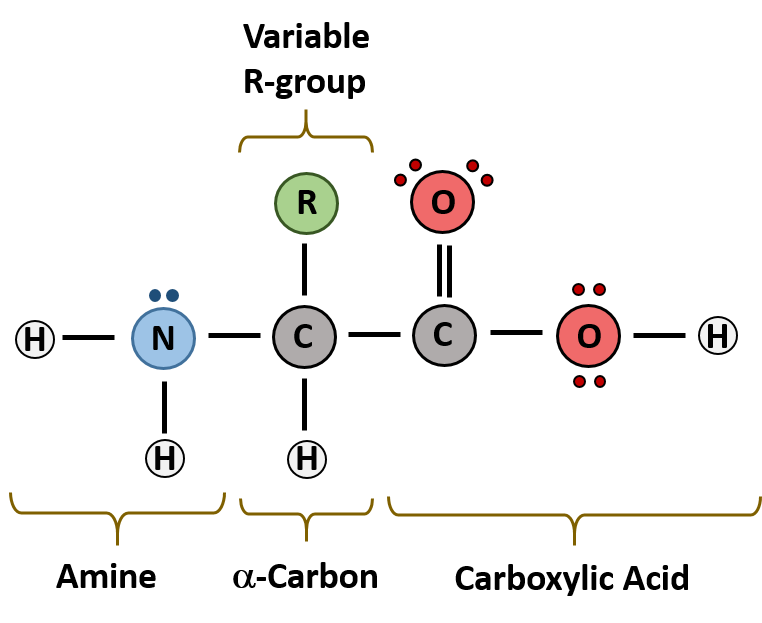
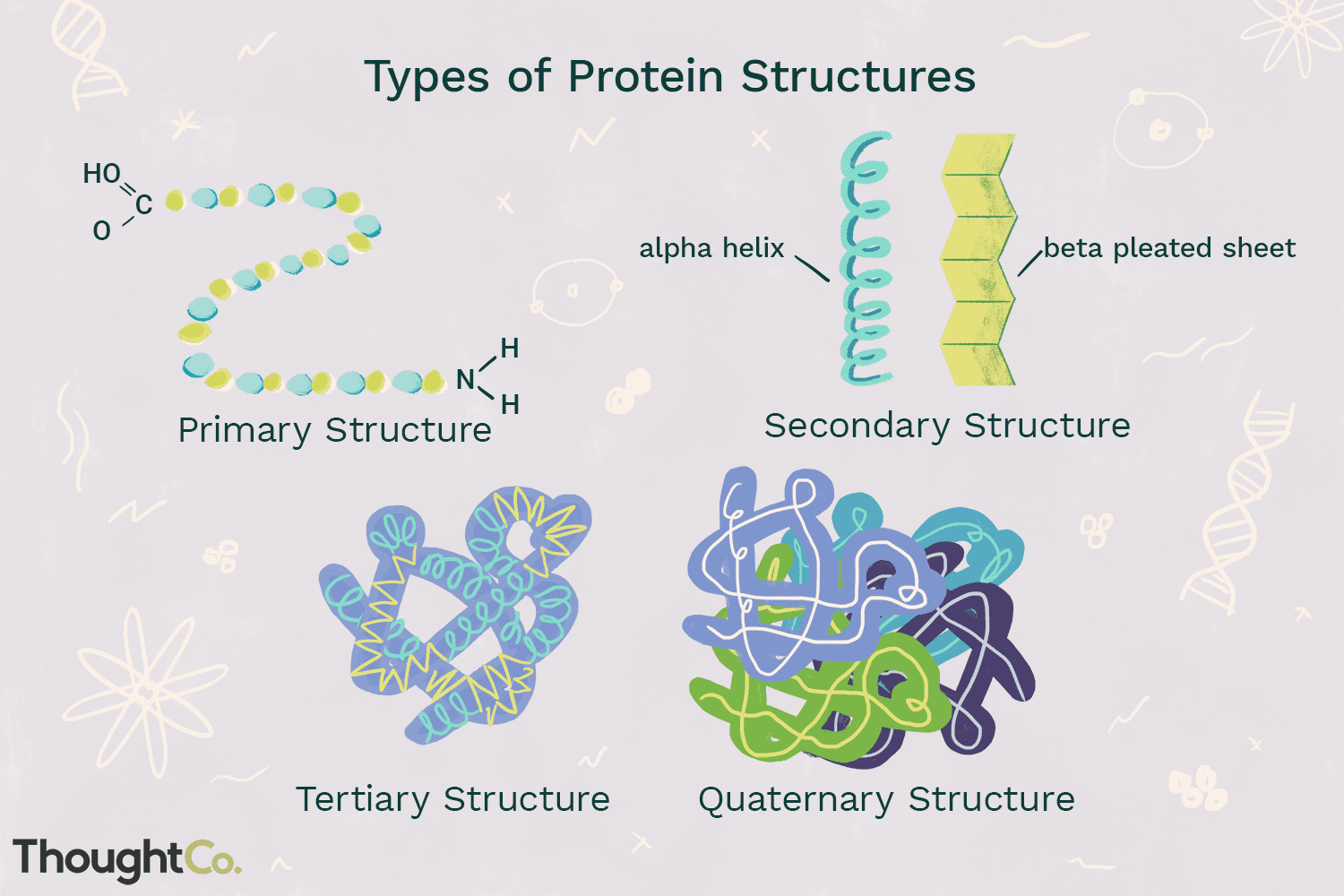
Protein | Amino acid (20 types) | Polypeptide | Carbon, Hydrogen, Oxygen, Nitrogen, (Sulfur) | Structure, enzymes, Transport, more | linked by peptide bonds, structure & function of polypeptide determined by DNA, fold into 3D shapes due to hydrogen bonds: primary (order of amino acids), secondary (beta pleated, alpha helices), tertiary (overall 3D shape), and quaternary (multiple protein units coming together). |
Nucleic Acid | Nucleotide (adenosine, thymine, uracil, cytosine, guanine) | DNA, RNA | Carbon, Hydrogen, Oxygen, Nitrogen, Phosphorus | Holding genetic material | have a sugar, a phosphate group, and a nitrogenous base. DNA has a double-stranded helical structure held together by covalent bonds between base pairs A-T and C-G (three ). RNA is usually single-stranded and can fold into various shapes. Nucleic acids carry genetic information and are essential for protein synthesis. A+G are purine (two rings) T+C+U are pyrimidine (one ring) |
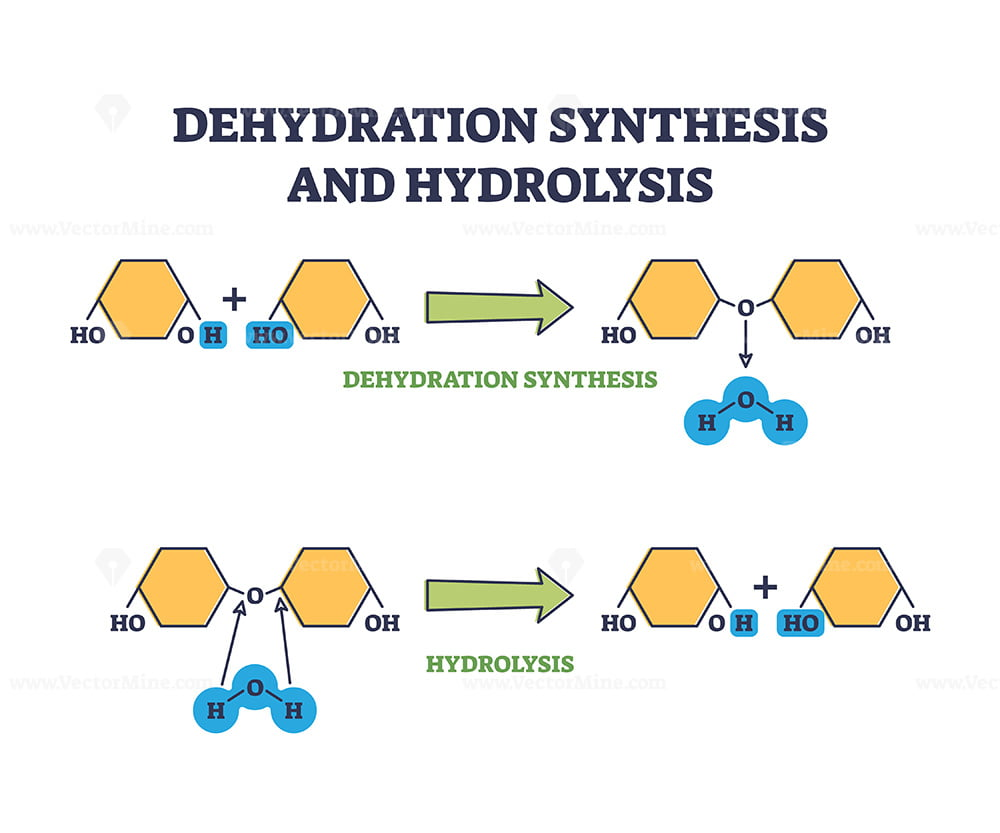
Monomers bond through dehydration synthesis (bond via removal of water components, producing water separately)
Polymers break down through Hydrolysis (breakdown via adding water molecule)
Carbohydrate
Lipid
Protein
Primary structure of proteins is a simple chain of amino acids, bound by peptide bonds. Changes in pH only denature the secondary, tertiary, and quaternary levels of protein structure.
Nucleic Acids
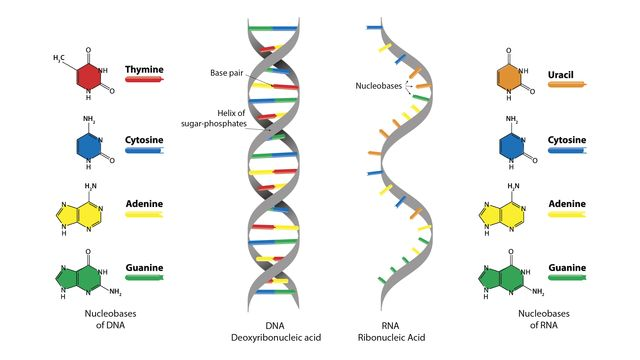
The nucleotides are linked together by covalent bonds between their sugar and phosphate groups.
The sequence is read in a specific direction, from 5' to 3'.
During DNA replication and RNA transcription, nucleotides are added to the 3' end of the growing strand. This process is called polymerization and involves the formation of covalent bonds between adjacent nucleotides.
DNA has a negative charge because of the presence of phosphate groups in its backbone. The phosphate group contains a negatively charged oxygen atom and when it forms a covalent bond with the sugar molecule, it contributes to the overall negative charge of the DNA molecule.
Pyrimidine = two rings, Purine = one ring
T+G+U=Pyrimidine, A+C=Purine
CG has 3 hydrogen bonds, AT/AU has 2 bonds
Unit 2
SA/Volume ratio (lower=better) due to less energy needed to transport material throughout cytoplasm.
Eukaryotes have membrane bound organelles
Endosymbiotic theory states that ancient prokaryotes engulfed smaller bacteria that evolved along with the larger organism, creating energy generating organelles e.g mitochondria
Cell organelles:
Organelle | Description | Function |
|---|---|---|
Ribosomes | Composed of RNA and protein; present in all forms of life | Synthesize proteins |
Endoplasmic reticulum (ER) | Provides mechanical support and plays a role in intracellular transport | Rough ER carries out protein synthesis in ribosomes; smooth ER helps in detoxification and lipid production |
Golgi complex | Membrane-bound organelle composed of flattened sacs called cisternae | Helps prepare and package proteins for transport |
Mitochondria | Double-membrane organelle that produces ATP | Site of cellular respiration, including glycolysis, citric acid/Kreb's cycle, and oxidative phosphorylation |
Lysosomes | Membrane-bound sacs containing hydrolytic enzymes | Break down excess or worn-out cell parts; help with programmed cell death |
Vacuole | Membrane-bound sac for storage and release of macromolecules and waste | In plants, central vacuole is important for water retention and turgor pressure |
Chloroplasts | Specialized organelles in photosynthetic organisms | Site of photosynthesis, including light-dependent and light-independent reactions; produce simple sugars |
Cell size | Important for surface area-to-volume ratios affecting resource acquisition and exchange | N/A |
Plasma membrane | Phospholipid bilayer with hydrophobic tails facing inward and hydrophilic heads facing outward | Selectively permeable; constantly changing; contains proteins with various functions; regulates movement of molecules across the membrane |
Membrane transport is the movement of molecules across the plasma membrane through different types of transport proteins, such as channels, pumps, and carriers.
Passive transport occurs when molecules move from high to low concentration without requiring energy, while active transport requires energy and moves molecules from low to high concentration.
Endocytosis is the process of taking bulk material into the cell, and exocytosis is the process of removing bulk material out of the cell.
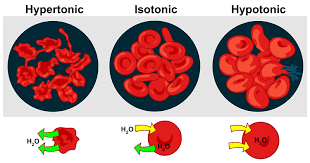
Osmoregulation helps maintain water balance by controlling the internal environment, and water moves by osmosis from areas of high to low water potential.
Water potential is a measure of the tendency of water molecules to diffuse from one area to another. It is affected by differences in solute concentration and pressure
Unit 3
Enzymes are proteins that bind to specific substrates at an active site
They decrease energy needed for chemical reactions, but energy difference between reactants and products remains constant
Enzymes can be denatured due to temperature, pH extremes, high salt concentration, heavy metals, and inhibitors.
! Endergonic means an input of energy is required, so it is not spontaneous. EXERgonic means energy is released, so it is spontaneous.
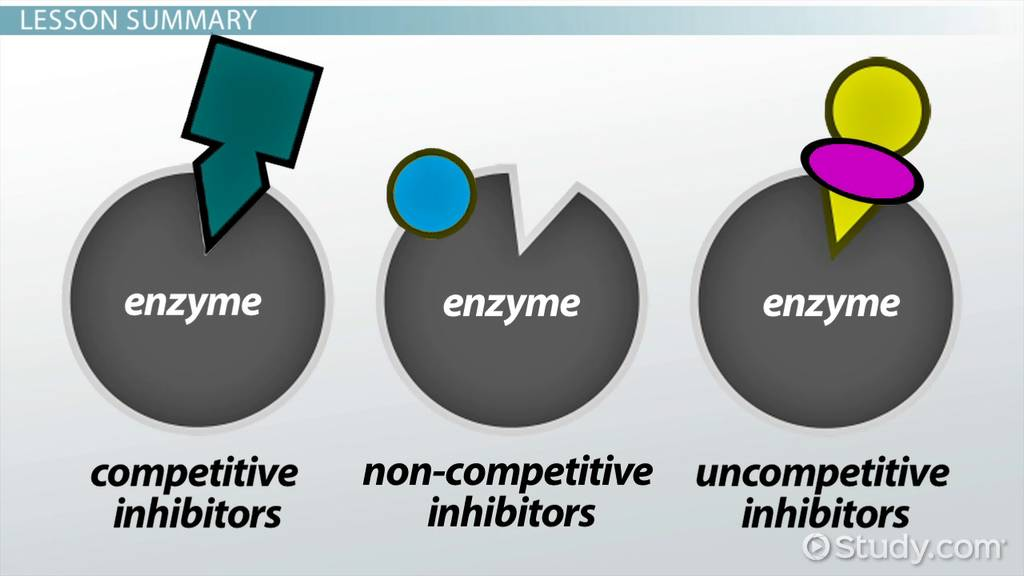
Competitive inhibitors compete with substrates for active site, slowing reaction. (reversible)
Non-competitive inhibitors bind to allosteric sites, causing enzymes to become less active.
Uncompetitive inhibitors bind to enzyme-substrate complex, slowing reaction when enzyme is already bound to substrate.
When the substrate concentration increases, so does the enzyme production rate. But there is a limit to the availability of enzyme active sites; when they are all occupied with a substrate and the environment still has more to offer, the enzyme is called "saturated."
Photosynthesis uses chlorophyll to capture light energy, transfer it to electron carriers, and fix it into a three-carbon molecule.
Cellular Respiration: C6H12O6 + O2 → H2O + CO2
Photosynthesis: H2O + CO2 → C6H12O6 + O2
Other key components
Electron carriers (NADH, FADH2, NADPH)
Electron carriers are responsible for carrying electrons in the form of a hydrogen ion. They drop these electrons either at the electron transport chain in order to make ATP or in the Calvin Cycle to contribute to bond formation.
ATP Synthase
ATP synthase is the enzyme responsible for synthesizing ATP. Remember that enzymes end in -ase. This enzyme harnesses the power of chemiosmosis in order to phosphorylate ADP into ATP.
Photosynthesis
Light Dependent
Uses electrons excited by sunlight to begin electron transport chain
As electrons leave thylakoids, H+ ions go with them, creating a gradient that pushes ATP Synthase like a wheel that creates ATP from ADP and forms NADPH
The energy captured in the light reactions of photosynthesis and transferred to ATP and NADPH powers the production of carbohydrates from carbon dioxide in the Calvin cycle, as well as creating oxygen as byproduct when water is oxidized
Light Independent (Calvin Cycle)
Light-independent reactions or Calvin Cycle don't require light and take place in the stroma of the chloroplast.
Ribulose bisphosphate carboxylase (rubisco the matchmaker) is responsible for carbon fixation, converting carbon dioxide into organic form, by forming a six molecule carbon with co2.
Electrons from ATP and NADPH reduce carbon dioxide further into G3P. For every 3 runs of calvin cycle G3P rejuvenates rubisco, and the remainder is used to make glucose, fatty acids, or glycerol. 3 G3P are required for one glucose, so cycle goes 3 times.
ATP and NADPH are broken down and can be recycled in light-dependent reactions.
Cellular respiration is broken down into three major steps: glycolysis, the Krebs cycle/citric acid cycle, and the electron transport chain/oxidative phosphorylation.
Glycolysis involves breaking down glucose into two 3-carbon molecules of pyruvate, producing 2 ATP and some NADH. (while also using NADH)
Pyruvate oxidation takes place before pyruvate can enter the Krebs cycle, produces a molecule of carbon dioxide and the formation of a 2-carbon molecule called acetyl CoA and 2 NADH
The Krebs cycle takes place in the mitochondria and results in the creation of 6 NADH, 2 FADH2 and 2 ATP. Acetyl CoA goes through it each time individually.
citric acid cycle comes from the fact that the first step of the cycle involves the combination of the two-carbon molecule acetyl-CoA with a four-carbon molecule called oxaloacetate to form a six-carbon molecule called citrate which is broken down through a series of to regenerate oxaloacetate and produce energy in the form of ATP.
32 total ATP formed by placing electrons through electron transport chain
Lactic acid fermentation is a separate metabolic pathway that occurs in the absence of oxygen and is used to regenerate NAD+ for glycolysis to continue. The electron acceptors are NAD+ and FAD, which are reduced to NADH and FADH2, respectively.
Fermentation takes place in organisms without access to oxygen, and involves the recycling of electron carriers through the creation of molecules like lactic acid, ethanol, and carbon dioxide.
Anaerobic respiration occurs in organisms without access to oxygen, such as some bacteria or during intense exercise.
Without oxygen, the Krebs cycle and electron transport chain cannot take place and electron carriers must be recycled through fermentation.
Fermentation allows cells to find other molecules to drop off their electrons, producing lactic acid, ethanol, or carbon dioxide.
In humans, lactic acid is produced during intense exercise and can cause sore muscles.
During anaerobic respiration, only glycolysis produces ATP, resulting in much lower ATP production compared to aerobic respiration.
Cells must recycle their electron carriers in order to continue producing ATP.
Organisms adapt to different environments through molecular variation. Distinct molecules have specific properties that suit different environments. Successful organisms pass on their DNA, leading to genetic changes over time.
Unit 4
Cell communication involves juxtacrine, paracrine, autocrine, and endocrine signaling, and is based on signal transduction with three steps: reception, transduction (amplify via phosphorylation), and response. It allows the cell to respond to its environment, including processes such as quorum sensing, metabolism, insulin signaling, and apoptosis.
Changes in signal transduction can be caused by mutations or chemicals, and can lead to unregulated cell division or cancer.
Homeostasis is maintained through negative (removed stimuli/remain the same) and positive (added stimuli/multiplying) feedback loops, and is crucial for regulating bodily functions.
The cell cycle + checkpoints to prevent mistakes that can lead to cancer.
G0 means the cell doesn’t divide. It can still reenter the cell cycle.
G1 - cell growing; G1 checkpoint: occurs at end of G1 phase, checks cell size and protein/nutrient levels for synthesis phase. If not ready, cell enters G0 resting phase.
S - DNA copies itself (now the cell has two copies of the same DNA)
G2 - cell continues to grow bigger; G2 checkpoint: occurs during S phase, checks for correct DNA replication. If correct, moves on to M phase.
Mitosis - cell divides; Metaphase checkpoint: occurs during M phase, checks for completion of metaphase. If complete, cell divides and process repeats.
Cytokinesis - cell cut into two new daughter cells
Cytokinesis is the process of dividing the cytoplasm after mitosis. Plant cells form a cell plate, while animal cells form a cleavage furrow to separate the daughter cells.
The Cdk-Cyclin complex, genes, and proteins like p53 play important roles in regulating the cell cycle and preventing the development of cancerous cells.
Cyclins activate Cdks to drive the cell cycle forward, while tumor suppressor genes like p53 act as "brakes" to halt the cell cycle in response to DNA damage. Mutations in p53 can lead to an increased risk of cancer development.
The maturation promoting factor, or MPF, forms when cyclins and cylin dependent kinase interact to trigger mitosis.
Mitosis Phase | Key Events |
|---|---|
Prophase | - Nuclear membrane disintegrates - Chromosomes condense - Spindle begins to form |
Metaphase | - Chromosomes line up in the middle of the cell - Centrosomes move to the ends of the cell |
Anaphase | - Centromeres separate - Spindle pulls apart sister chromosomes |
Telophase | - Chromosomes move to opposite ends of the cell - Chromosomes uncoil and return to their threadlike shape |
Unit 5:
Diploid organisms carry two copies of every gene, where one chromosome comes from the father and the other from the mother. All of us have two alleles for one gene. In Meiosis, the sister chromatids that carry the individual alleles for genes in the same location cross over in prophase, switching genetic information for the allele.
Stage | Mitosis | Meiosis I | Meiosis II |
|---|---|---|---|
Chromosomal Event | Crossing over | Homologous chromosomes pair | Chromosomes condensing |
Metaphase | Chromosomes line up in the middle in single file line | Homologous chromosomes line up in pairs in the middle | Chromosomes line up in single file line |
Anaphase | Chromatids are pulled away to opposite sides of the cell | Chromosomes are pulled away to opposite sides of the cell | Chromatids are pulled away to opposite sides of the cell |
Telophase | Chromosomes are at the complete opposite ends, and new nuclei are forming on each side to make new cells. | Chromosomes are at the complete opposite ends, and new nuclei are forming on each side to make new cells. | Chromosomes are at the complete opposite ends, and new nuclei are forming on each side to make new cells. |
Cytokinesis | Splitting of the cytoplasm to complete the actual dividing of the cell. | Splitting of the cytoplasm to complete the actual dividing of the cell. | Splitting of the cytoplasm to complete the actual dividing of the cell. |
Resulting Cells | Two identical diploid cells | Four non-identical haploid gametes | Four non-identical haploid gametes |
Chromosome Number | 46 chromosomes | 23 chromosome pairs | 23 chromosomes |
Purpose | Organism growth and cell replacement | Creation of variation | Halving of chromosome number for sexual reproduction |
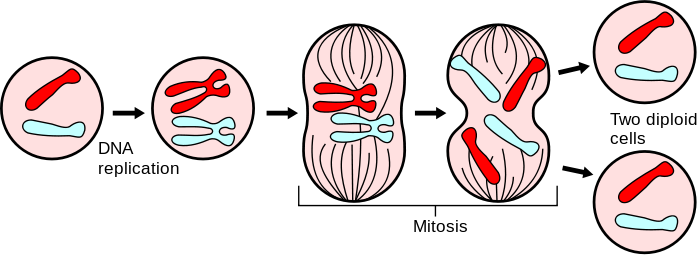
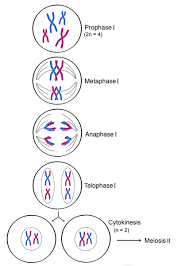
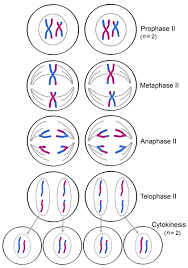
Meiosis creates variation through crossing over, independent assortment, and random fertilization. These processes exchange genetic material, mix up chromosome lining, and make fertilization random, resulting in unique offspring.
Mendel's three important laws of genetics are: Law of Dominance, Law of Segregation, and Law of Independent Assortment, which describe the patterns of inheritance for dominant and recessive alleles, the separation of alleles during gamete formation, and the independent inheritance of genes, respectively.
5.3 Mendelian Genetics:
Gregor Mendel discovered simple rules of inheritance
Dominant and recessive alleles determine phenotype
Three important laws: Law of Dominance, Law of Segregation, and Law of Independent Assortment
Non-Mendelian genetics have examples of incomplete dominance, codominance, and polygenic inheritance.
5.4 Non-Mendelian Genetics:
Multiple alleles can determine phenotype
Incomplete dominance results in a mix of alleles
Co-dominance shows both alleles together
Sex-linked traits depend on gender, usually X chromosome
Mitochondrial DNA depends on mother only
5.5 Environmental Effects on Phenotype:
Genotype can result in multiple phenotypes under different environmental conditions because gene expression can be influenced by environmental factors, such as temperature or diet, leading to variations in the way genes are expressed and affecting the physical traits that are expressed.
5.6 Chromosomal Inheritance:
Punnett squares can determine probability of offspring phenotype
DNA is coiled into chromosomes for distribution
Unit 6
DNA and RNA:
DNA and RNA are molecules that contain genetic instructions and are the primary source of heritable information. It is double-stranded with two complementary strands connected by chemical bonds between their bases, while RNA is single-stranded and plays a role in transferring genetic information.
Eukaryotic cells have DNA packaged in chromosomes in the nucleus, while prokaryotic cells have a single circular chromosome and plasmids. Other genetic materials like mitochondrial and chloroplast DNA also exist.
Purines (adenine and guanine) have a double ring structure, and pyrimidines (cytosine, thymine, and uracil) have a single ring structure. The specific base pairing of DNA and RNA allows for the accurate replication and transfer of genetic information.
The sugar-phosphate backbone of DNA and RNA provides a structural
framework, while the sequence of bases encodes genetic information.
DNA Replication
Replication passes genetic information to the next generation. Eukaryotes replicate in the nucleus, prokaryotes in the cytoplasm.
DNA replication involves enzymes like helicase, topoisomerase, and DNA polymerase III.
DNA replication occurs at specific points or sites where the DNA double helix is unwinded. Those points/sites are called "origins," and typically are referred to "origins of replication."
RNA primase adds RNA primers, and DNA polymerase I replaces them with DNA nucleotides.
Ligase connects the replicated segment with the rest of the DNA strand.
Replication is semiconservative and the lagging strand uses Okazaki fragments.
Telomeres are added to compensate for lost base pairs.
Telomere loss leads to DNA loss and cell death.
RNA transcription
mRNA carries genetic information from DNA to ribosomes for protein synthesis.
The mRNA sequence codes for the amino acid sequence of a protein, and mRNA structure affects its function.
tRNA brings the correct amino acid based on mRNA sequence to the growing peptide chain.
rRNA is the building block of ribosomes and interacts with mRNA and tRNA during translation.
rRNA sequence and structure are important for efficient and accurate protein synthesis.
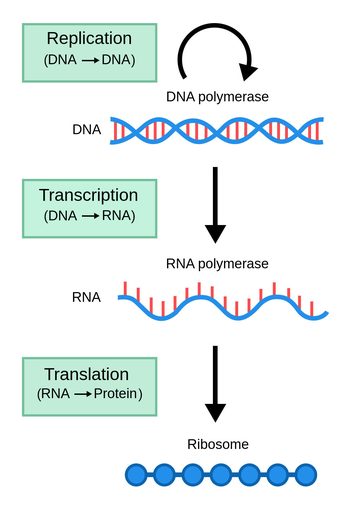
The central dogma of molecular biology: genetic info flows from DNA to protein via transcription and translation.
RNA polymerase synthesizes a complementary RNA strand during transcription using DNA as a template.
Translation occurs on the ribosome and produces a protein with a specific amino acid sequence determined by DNA.
Poly-A tail added to the 3' end of RNA transcript by polyadenylate polymerase for protection and transport out of the nucleus.
GTP cap added to the 5' end of RNA transcript by guanylyltransferase for protection and recognition by translation machinery.
Introns removed by RNA splicing, catalyzed by spliceosome, to retain exons for coding regions.
Mature mRNA molecule contains only the coding regions.
Alternative splicing can generate different mRNA molecules with different combinations of exons, producing different proteins or versions of a protein.
Alternative splicing increases diversity of protein products and allows a single gene to produce multiple proteins.
Translation is the process of using mRNA to synthesize a polypeptide chain (protein) and occurs on ribosomes. Ribosomes are present in the cytoplasm and also on the rough endoplasmic reticulum (RER) in eukaryotic cells.
During translation, mRNA is read in groups of three nucleotides called codons, each specifying a specific amino acid to be added to the growing polypeptide chain.
Translation involves three main sequential steps: initiation, elongation, and termination.
The binding sites in tRNA are as follows: E, P, and A. E is where the tRNAs exit. E for Exit. P holds the growing polypeptide. P for polypeptide. A temporarily holds the tRNA that has the next amino acid that needs to be added to the polypeptide chain. A for amino acid!
Initiation is when the ribosome binds to the mRNA and a specific initiator tRNA, while elongation is adding amino acids to the chain. Termination is when the polypeptide chain is released from the ribosome.
In prokaryotes, transcription and translation occur simultaneously, while in eukaryotes, mRNA must be transported to the cytoplasm for translation.
The energy required for translation comes from the hydrolysis of ATP and GTP.
. Inducible operons are typically shut off because their repressors are always binded to the promotor unless induced by a molecule that inactives it, allowing transcription to occur. A common example of this would be the lac operon.
Regulatory sequences control gene expression by turning genes on or off.
Enhancers increase gene expression, while silencers decrease it.
Transcription factors bind to regulatory sequences and control transcription rates.
Repressors bind to the promoter region and prevent binding of RNA polymerase and transcription factors.
Regulatory dysregulation can lead to disease.
Epigenetics refers to changes in gene function without changes to DNA sequence.
Epigenetic modifications affect gene expression by influencing DNA accessibility.
Phenotype is determined by expressed genes and their levels.
Transcription factors control gene expression during development.
Coordinated regulation of gene groups is important for efficient expression of genes in a process.
Genotype refers to an organism's genetic makeup, while phenotype refers to its observable characteristics.
Changes in the genotype can result in changes in the phenotype through disruptions in gene products.
Mutations can involve changes to a single nucleotide (point mutation), insertion or deletion of nucleotides (indel mutation), or alterations to regulatory regions that affect gene expression.
Environmental context determines whether a mutation is beneficial, detrimental, or neutral to an organism.
Gene regulation is necessary for cells to respond to their environment and maintain homeostasis.
Gene regulation occurs at multiple levels, including transcriptional, post-transcriptional, translational, and post-translational levels.
Transcriptional regulation controls the initiation of gene expression by controlling the binding of RNA polymerase to the promoter region of the gene.
Post-transcriptional regulation involves the processing of mRNA molecules before they are translated into proteins. This includes splicing, capping, and polyadenylation.
Translational regulation controls the initiation, elongation, and termination of protein synthesis by controlling the interaction between mRNA and ribosomes.
Post-translational regulation involves the modification of proteins after they are synthesized. This includes phosphorylation, glycosylation, and ubiquitination.
Gene expression can be regulated by various factors, including transcription factors, epigenetic modifications, RNA-binding proteins, and microRNAs.
Aberrant gene regulation can lead to various diseases, including cancer and genetic disorders.
Gene therapy aims to correct gene expression abnormalities by introducing therapeutic genes or modifying the expression of endogenous genes.
Mutations are the primary source of genetic variation, which allows natural selection to act on different variations, leading to the survival of the fittest.
Errors in mitosis or meiosis, the processes by which cells divide to form new cells, can result in changes in the chromosome number, which can result in changes in the phenotype of an organism.
Biotechnology uses living organisms or biological systems to create new products, processes, or technologies
Applications of biotechnology include medicine, agriculture, environmental management, industrial production, research, forensics, and food production
Recombinant DNA technology involves combining genetic material from different sources to create new organisms or study specific genes
Gene cloning is the process of isolating and copying a single gene or group of genes for various applications
Polymerase Chain Reaction (PCR) is a laboratory technique used to amplify specific DNA sequences for genetic research and diagnosis
Gel electrophoresis is a laboratory technique used to separate and analyze biomolecules based on their size and charge.
Unit 7
- Natural selection is caused by differences in genetic traits among individuals in a population. It affects populations by favoring traits that enhance survival and reproduction, leading to changes in the frequency of these traits over time.
- Phenotypic variation in a population is important because it provides the raw material for natural selection to act upon.
- Humans can affect diversity within a population through artificial selection by intentionally selecting for certain traits.
- Changes in the environment can drive evolutionary changes in populations by favoring certain traits over others.
- Random occurrences, such as mutations and genetic drift, can affect the genetic makeup of a population.
Evolution occurs when allele frequencies change over time.
Founder effect when many organism of same type go to same location reducing biodiversity, and bottleneck effect is sudden reduction
- Random processes can also play a role in the evolution of specific populations, particularly in small populations.
- The genetic makeup of a population can change over time through natural selection, genetic drift, and gene flow.
- Under certain conditions, allele and genotype frequencies will remain constant in populations (Hardy-Weinberg equilibrium): random mating, a large population size that prevents genetic drift, no mutation, no migration, and no natural selection.
- If any of these conditions are not met, it can lead to changes in allele and genotype frequencies in the population.
- Evidence for evolution comes from many sources, including fossil records, morphological and biochemical data, and geological data.
- Morphological, biochemical, and geological data all provide evidence that organisms have changed over time.
- Structural and functional evidence on the cellular and molecular levels provides evidence for the common ancestry of all eukaryotes.
- Evidence used to infer evolutionary relationships includes molecular, morphological, and behavioral data. A phylogenetic tree or cladogram can be used to show evolutionary relationships between species.
Phylogenetic trees show the relatedness and timing of different species.
Time moves forward in the tree, either diagonally or horizontally.
Nodes are points in the tree where two lines meet and indicate a common ancestor.
Species that share a recent node are more closely related than those with a more distant node.
Comparing the nodes of different species allows you to analyze their evolutionary relationships.
A cladogram is an image or diagram that shows the evolutionary relationship between different organisms based on their shared characteristics.
Along the side of the cladogram, there are different characteristics that separate the various organisms from one another.
As we move up the cladogram, we become more exclusive, and we start looking at different traits and excluding different organisms from what we're talking about.
Each point where lines connect in the cladogram represents a common ancestor of all organisms after that point.
The purpose of a cladogram is to show which organisms are most closely related in terms of evolution through structural comparison.
- New species can arise under certain conditions, such as geographic isolation or hybridization.
- The rate of evolution and speciation can vary under different ecological conditions.
- Processes and mechanisms that drive speciation include genetic drift, natural selection, and reproductive isolation.
- Factors that lead to the extinction of a population include habitat loss, environmental change, and human activities.
- The risk of extinction is affected by changes in the environment, such as climate change.
- Species diversity in an ecosystem is affected by both speciation and extinction rates.
- Extinction can create new environments for adaptive radiation.
- Genetic diversity can affect a population's ability to withstand environmental pressures.
- Scientific evidence supports models of the origin of life on Earth, including the Miller-Urey experiment and the discovery of fossils of early life forms.
Unit 8
Responses to the Environment:
Organisms have different behavioral and physiological responses to environmental changes, such as migration, hibernation, or changes in metabolic rate.
These responses can help organisms adapt and survive in their environment.
The response of an organism to its environment is related to its survival and fitness.
Behavioral Responses and Population Success:
Organisms with adaptive behaviors have higher fitness, meaning they are better able to survive and reproduce.
These behaviors can contribute to the success of the population as a whole.
Energy Flow Through Ecosystems:
Organisms use various strategies to acquire and use energy, such as photosynthesis, herbivory, or predation.
Changes in energy availability can affect populations and ecosystems, such as drought or over-harvesting.
Autotrophs (producers) and heterotrophs (consumers) work together to enable the flow of energy within an ecosystem.
Population Ecology:
Factors like birth rate, death rate, immigration, and emigration influence population growth.
Resource availability, predation, competition, and disease can also affect population growth.
Changes in population size can impact other populations in the ecosystem.
Effect of Density of Populations:
Population density is affected by resource availability.
Limited resources lead to increased competition and reduced growth.
Abundant resources lead to increased growth.
Community Ecology:
Community structure depends on species composition and diversity, such as the number and type of species present.
Interactions within and among populations affect community structure, such as competition, predation, or mutualism.
Energy availability is related to community structure, such as the amount and distribution of energy in the ecosystem.
Biodiversity:
Ecosystem diversity is related to resilience to environmental changes, such as the ability of the ecosystem to withstand disturbances or recover from them.
Adding or removing any component of an ecosystem can affect its overall structure and function, such as the loss of a keystone species or introduction of a non-native species.
Disruptions to Ecosystems: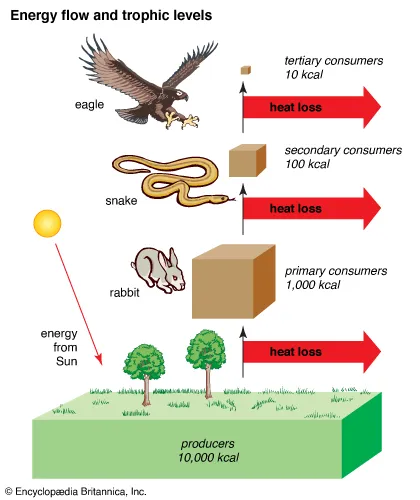
Random or preexisting variations in populations can cause ecosystem disruptions, such as natural disasters or disease outbreaks.
Invasive species can affect ecosystem dynamics, such as outcompeting native species or altering habitat.
Geological and meteorological activity can cause disturbances in ecosystems, such as volcanic eruptions or climate change.