Scotland
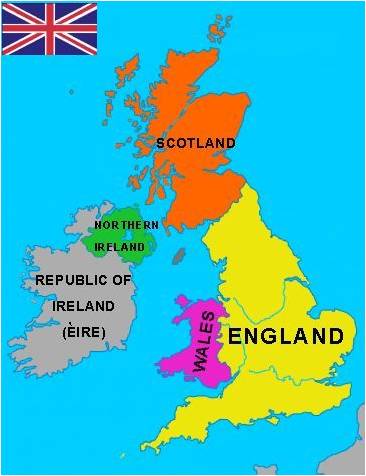
Has not been an independent country since 1707—it is a constituent part of the UK
End of 18th century—many Scots forced off the land by the English gentry owners (The Clearances 1790-1845)
Some Scots migrated to northern Ireland and stayed (the Scots-Irish)
Others moved through Ireland to North America – they provided the backbone of Appalachian culture in the US (and Canada) – bluegrass and early country music
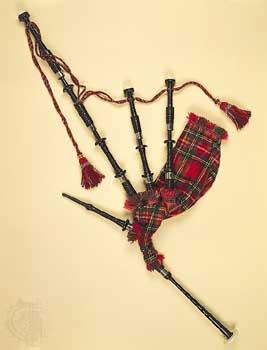
Highland Bagpipes –
A reed aerophone
Has drone
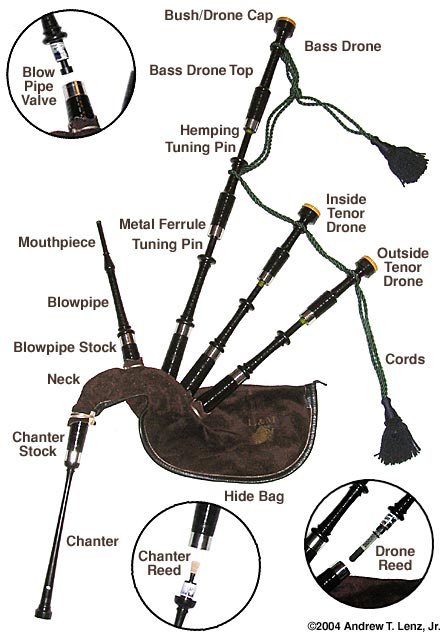
The Parts -
Parts consist of the airbag, a blow pipe (to fill airbag), three drone pipes, and a chanter pipe (for melody)
Pipes are made in sections allowing tuning
How They Work –
The bag is carried under the left arm
Player fills the bag with air through the blow pipe
Constant arm pressure on the bag pushes the air through the other pipes
Fingers of both hand play the melody on the chanter pipe
The Highland Pipes - A Folk Instrument –
The highland bagpipes illustrate the concept of “folk instrument”— instrument parts were obtained locally
Airbag was originally made from skin, stomach, or bladder of common farm animals (goats, sheep)
The pipes were originally placed into the natural opening or holes of the animal (leg holes for example)
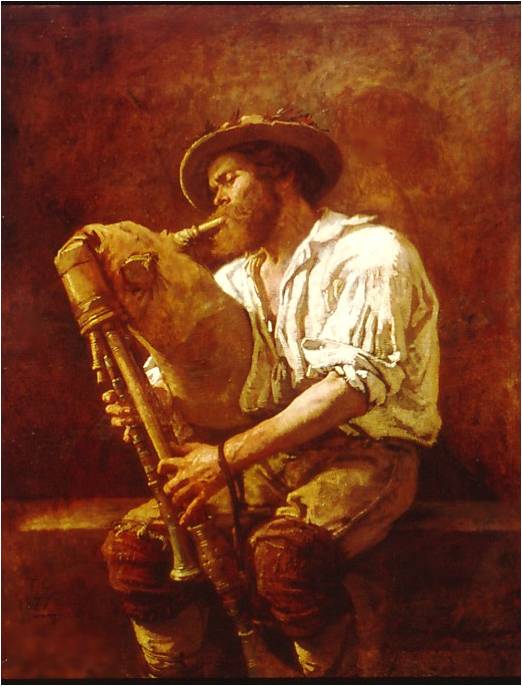
Musical characteristics of pipes
Loud, strident, nasal tones
Constant drone pitches
Melody - highly ornamented with short quick notes (grace notes) played by fast finger flicks on the chanter
When played in bands for marching – usually have snare, tenor, and bass drums
Types of music
Song tunes
Dance music—jigs (6/8 or 12/8 compound meter), reels (quick 2/4), marches (4/4), waltzes (3/4), polkas (2/4), sword dance
Most have a beat and meter – especially the dance tunes
Cultural Identity
Highland pipes are linked to Scottish identity visually and aurally
However highland pipes can only be traced back to sixteenth century – the 1500s
Pipes are traditionally associated with military divisions (battlefield), family clans, and martial and festive occasions
Pipes in North America—
Associated with cultural festivals, clans
Also associated with first responders (fire and police departments), parades and funerals
In the United States the pipes are also associated with celebration of St. Patrick’s Day in parades—although it is an Irish holiday – probably because of ist ties with first responders, and the police force has strong Irish roots on the east coast
The most famous song – Amazing Grace (song melody probably originated in North America not Scotland, words written by English poet and clergyman John Newton in 1772, published in 1779) )
What are 2 songs he plays from popular culture and 2 sound effects that he makes with the pipes?
star wars
an ambulance
If you know you want me song
made for loving you kiss
amwenbowae awenbowae