L12- Origin of the Angiosperms
angiosperms are flowering plants→ reproduce using flowers
have many different ecologies e.g. tree, shrubs, small, aquatic
over 90% of plants today are flowering plants
Why were angiosperms difficult to study?
uninformative fossil record- flowers are difficult to preserve
difficult to understand evolutionary relationships of extant flowering plants (until recently)
morphological gaps between angiosperms and other seed plants e.g. ginkgos, cycads
Why is it easier to study angiosperms now?
new exceptionally preserved fossils are being discovered (charcoalified flowers)
cladistics revolution→
used to use only morphological data
can now use molecular data and sequence plants
evo-devo studies
looking at genes e.g. those involved in flower formation
What are angiosperms?
are seed plants that have all these characteristics (other seed plants that are not angiosperms have some of these, but not all):
enclosed ovary (carpel)
flowers
specialised conducting tissues
ovules with a double-layered seed coat (two integuments)
pollen with a tectate wall
double fertilisation
reproduction:
one male hits the egg and fertilises it, one male hits the embryo sac (wall) and produces a triploid endosperm storage tissue- nutrients for the seed to survive
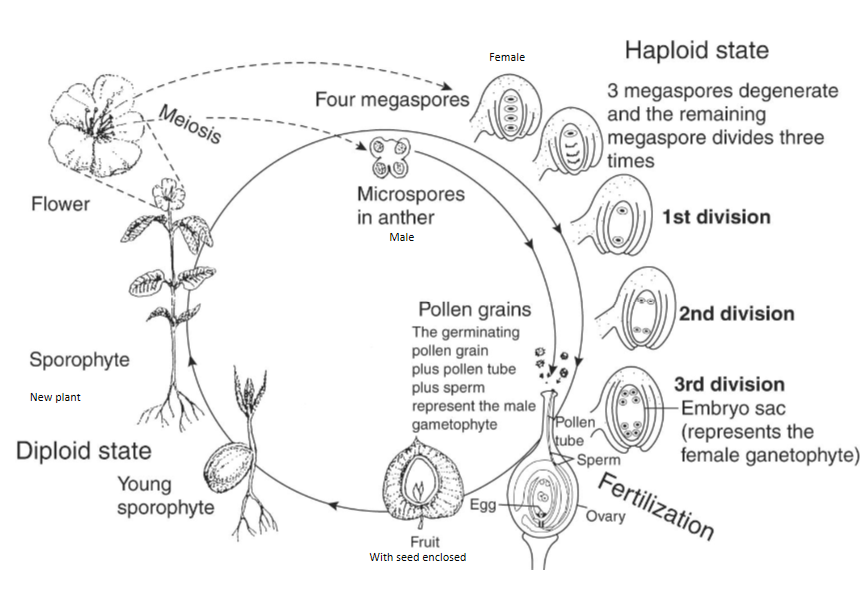
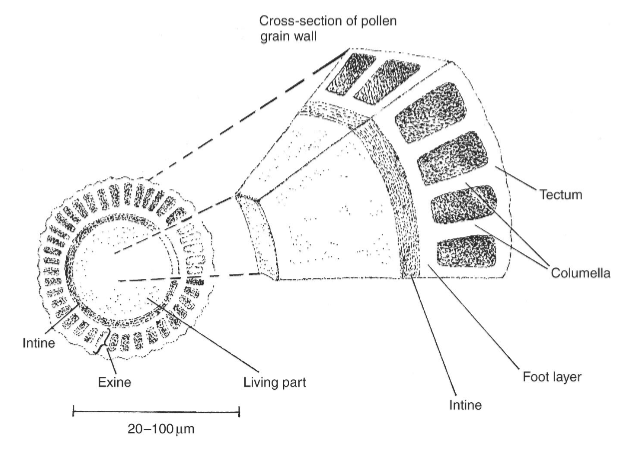
pollen grain:
has distinctive tectate walls
the holes in the wall have recognition compounds→ makes sure right species of pollen are fertilising
fossil record:
earliest fossils are from the Cretaceous
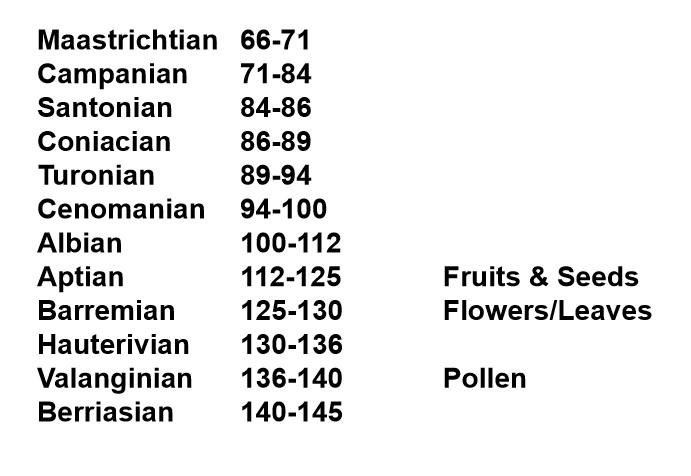
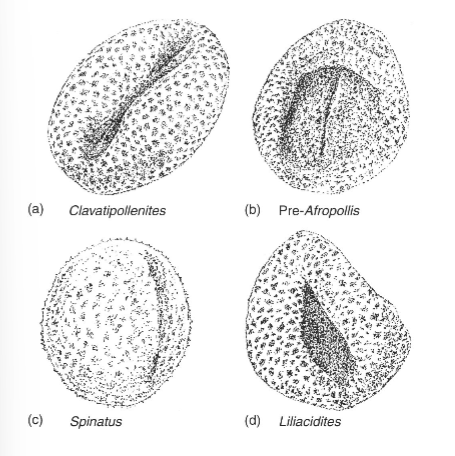
first pollen is in the Valanginian, Cretaceous e.g. TDM section shows they have the tectate wall:
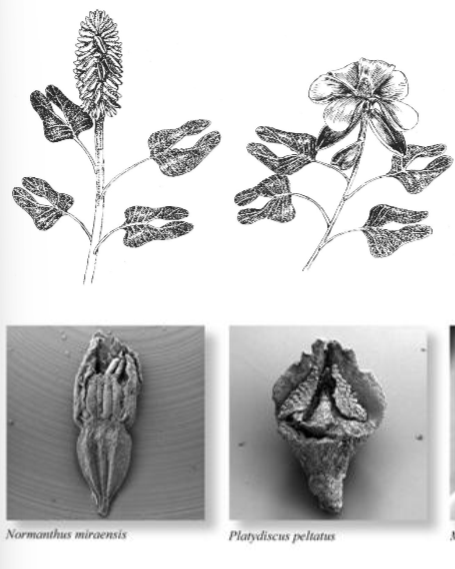
first flowers are in the Barremian, Cretaceous e.g. charcoalified and put under SEN:
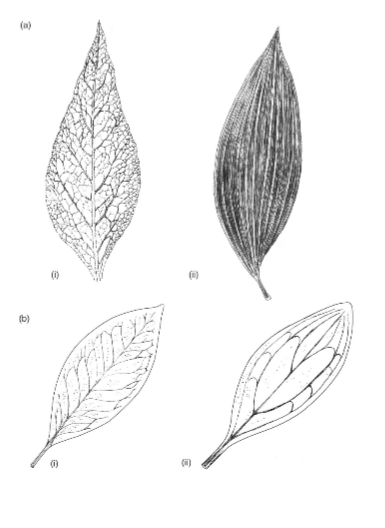
first leaves are in the Barremian, Cretaceous, get two types:
monocots e.g. palm trees, grasses, parallel veins
dicots e.g. interconnected veins
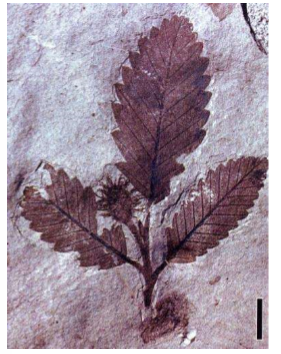
first fruits and seeds are in the Aptian, Cretaceous e.g. leaf attached to a seed- can do whole plant reconstruction
nature of the earliest angiosperms:
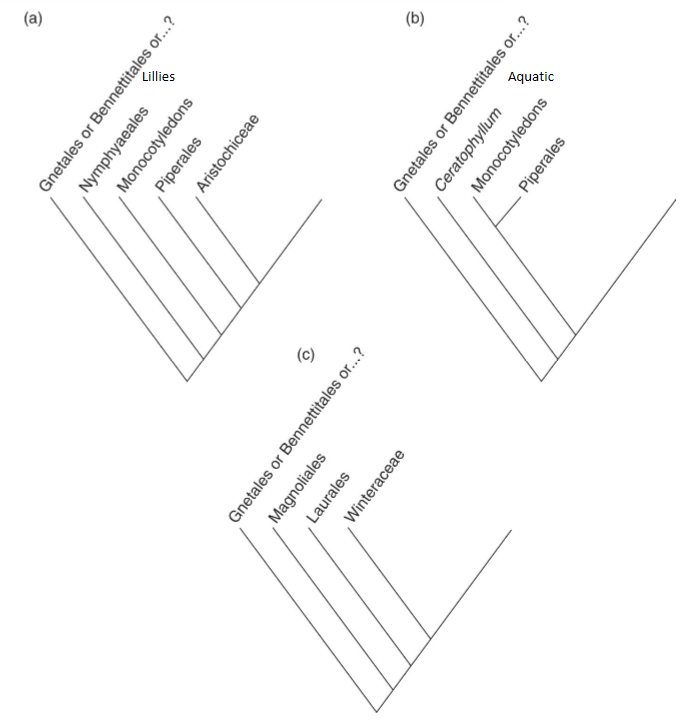
there are 3 hypotheses of what the angiosperms looked like:
trees e.g. magnolia
water plants e.g. lilies
herbaceous small shrubs→ is most likely:
angiosperm wood is rare
early seeds were small
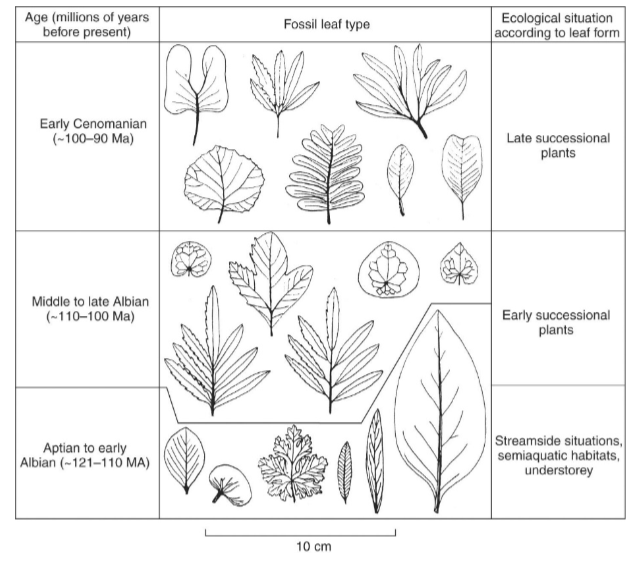
early leaves were small
leaves change in structure over time in a successional gradient (small shrub leaves to tree-like leaves)
Palaeogeography:
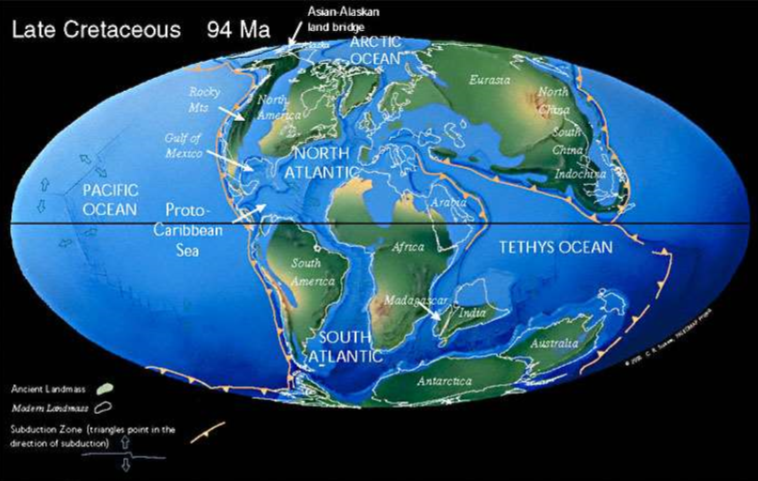
most continents separated, high sea levels, shallow epicontinental sea weaves
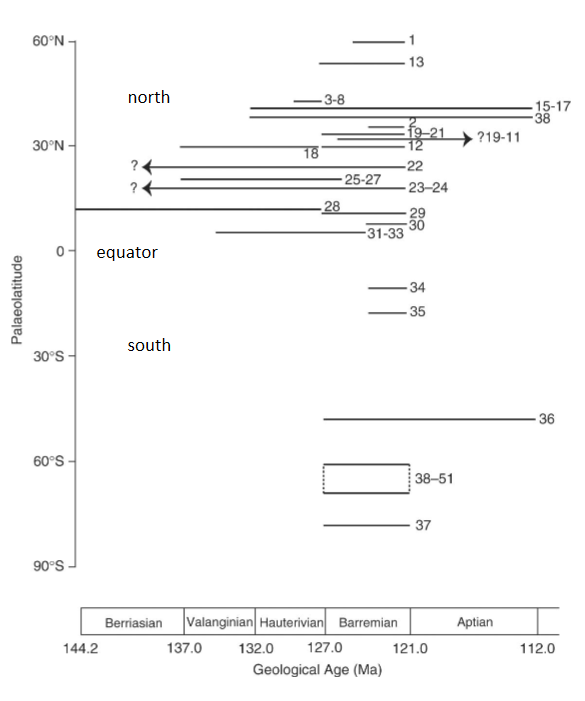
mapped earliest angiosperm pollen from around the world→ angiosperms evolved in the equatorial region (at the equator) but then moved north and south
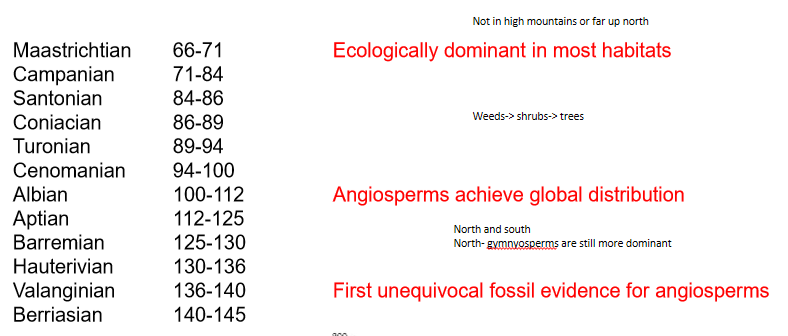
timeline→
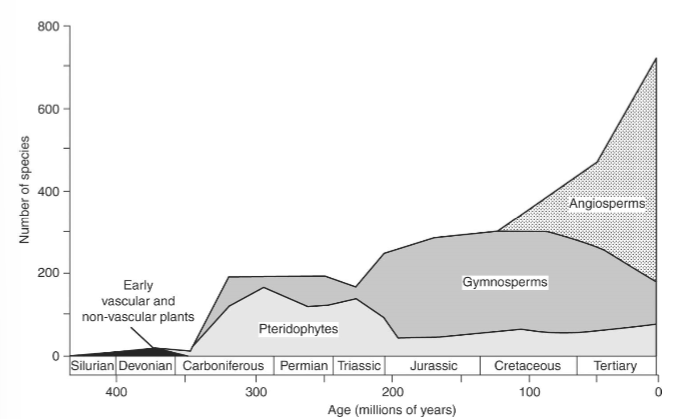
species abundance→ still get the other species but angiosperms are the most dominant
Origin of angiosperms:
molecular clock evidence-
maps differences between genomes of different species, works out the rate of change and when they divided but assumes the same rate for all
is not good with big events→ suggests far back origin
phylogeny-
are sister group to all the seed plants
diverged in the late devonian (but no fossils have been found from then)
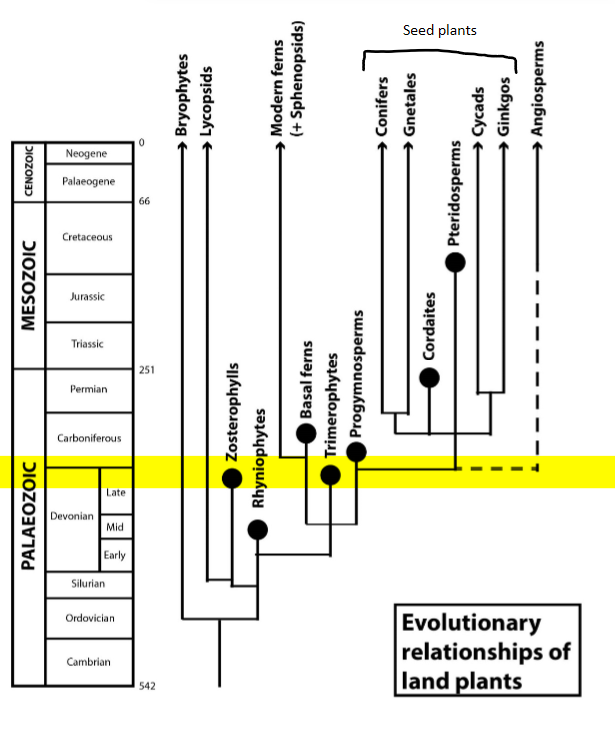
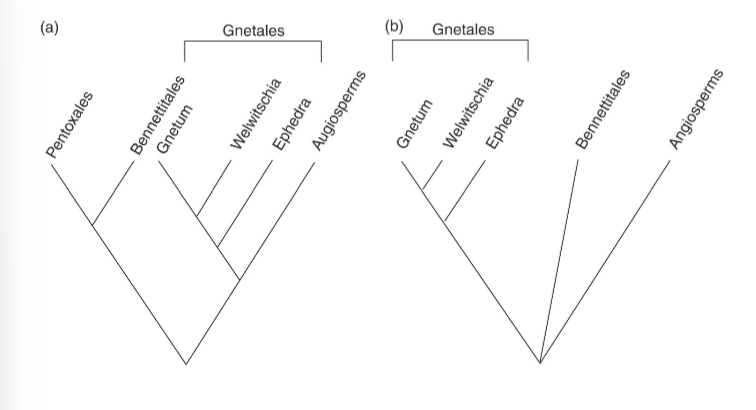
hypotheses of origin-
sister group to the gnetales (modern group of seed plants)
similar wood, are seed plants, some are close to double fertilisation, some have beetle fertilisation
sister group to the bennettitales (extinct group)
similar wood and flower-like structures
cladistic analysis evidence-
are actually sister group to the conifers
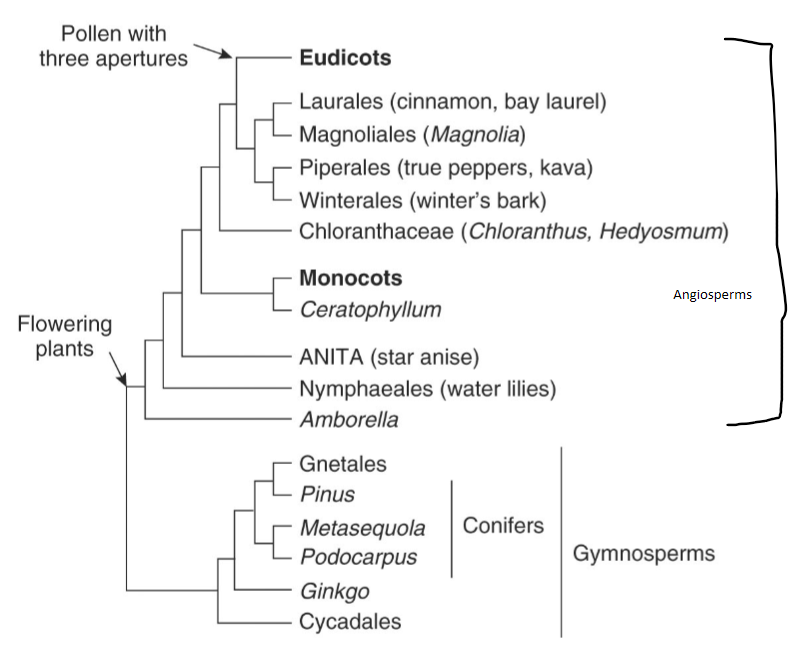
most basal angiosperms-
morphological data had three hypotheses (all rejected)
molecular data
split in the devonian
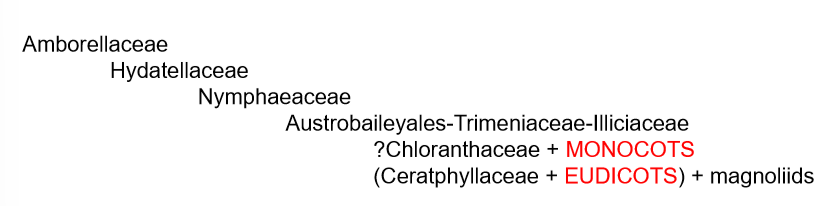
the most basal of living flowering plants is the amborella
evo-devo research-
theories to address the problem of how angiosperms evolved
e.g. ‘mostly male' theory→
gymnosperms have 2 paralogues (male and female) but angiosperms have lost their female paralogue (can’t produce female structures)
angiosperms have ectopically evolved their female cone from the male paralogue
now all angiosperms have this characteristic
more theories are coming out
Why did angiosperms evolved?
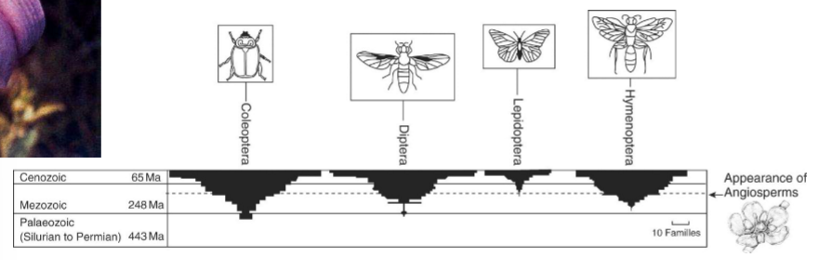
insects→ did the diversification of insect pollinators lead to angiosperm diversification?
no→ main insect groups diversify much earlier than the angiosperms
dinosaurs→ did the change from high browsing sauropods/stegosaurs to low browsing ornithischians cause the diversification of angiosperms?
is difficult to test
most likely the fact that angiosperms are good at speciating and adapting to different ecologies