Structure + Bonding
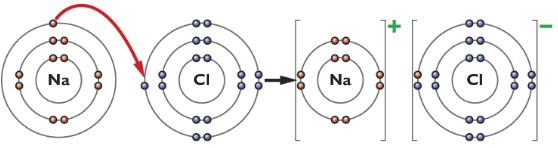
Giant Ionic structure - ions
- bonding between metals + non-metals
- High melting/boiling point due to the strong electrostatic attraction between oppositely charged ions -- so takes a lot of energy to pull the ions apart.
- Only conducts electricity when molten or aqueous because their ions are free to move.
Simple molecular structure - molecules
- bonding between non-metals
- VERY low melting/boiling point due to the weak intermolecular forces between its molecules -- so it doesn’t take much energy to pull the molecules apart.
- Does NOT conduct electricity because they have no ions or delocalised electrons to carry a charge.
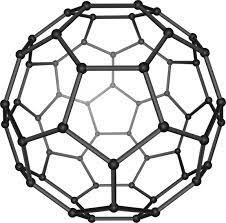
- Buckminsterfullerene: has a VERY low melting/boiling point.
- \
Giant Covalent structure - atoms
- bonding between non-metals - special cases (silicon dioxide, carbon diamond, carbon graphite)
- VERY high melting/boiling point due to many strong covalent bonds -- so takes a lot of energy to pull the atoms apart.
- MOST don’t conduct electricity as they don’t have any ions or delocalised electrons to carry charge -- because their electrons are shared in covalent bonds.
- Carbon graphite CAN conduct electricity however, because only three electrons are covalently bonded, leaving the fourth electron delocalised and able to carry charge.
Giant Metallic Structure - cations
- bonding between metal elements
- positive metal cations surrounded by a sea of delocalised electrons.
- High melting/boiling point due to the strong electrostatic attraction between the positively charged metal cations and the sea of delocalised electrons -- so it takes a lot of energy to pull the cations apart.
- CAN conduct electricity because they have a sea of delocalised electrons which can move to carry charge. It is a good lubricant because its structure has hexagonal layers which slide over each other due to the weak intermolecular force between the layers.