Geography Scholarship 2023
Powering the World - Energy in a Global Context
Central Idea: Energy plays a crucial role in a global context, impacting various aspects of society and the environment.
Main Branches:
Types of Energy
Fossil Fuels
Coal
Oil
Natural Gas
Renewable Energy
Solar
Wind
Hydroelectric
Geothermal
Biomass
Energy Consumption
Residential
Commercial
Industrial
Transportation
Energy Production
Power Plants
Thermal
Nuclear
Renewable
Off-grid Solutions
Solar Panels
Wind Turbines
Micro-hydro Systems
Energy Policies and Regulations
National Energy Policies
International Agreements
Carbon Pricing
Energy Efficiency Standards
Environmental Impact
Climate Change
Air Pollution
Water Pollution
Deforestation
Habitat Destruction
Energy Security
Energy Independence
Diversification of Energy Sources
Energy Infrastructure
Geopolitical Considerations
Future of Energy
Technological Advancements
Energy Storage Solutions
Decentralized Energy Systems
Transition to Clean Energy
Social and Economic Implications
Energy Access and Equity
Energy Affordability
Job Creation
Economic Development
Energy Conservation and Efficiency
Energy Conservation Practices
Energy-efficient Technologies
Energy Audits
Behavioral Changes
Energy and Sustainable Development
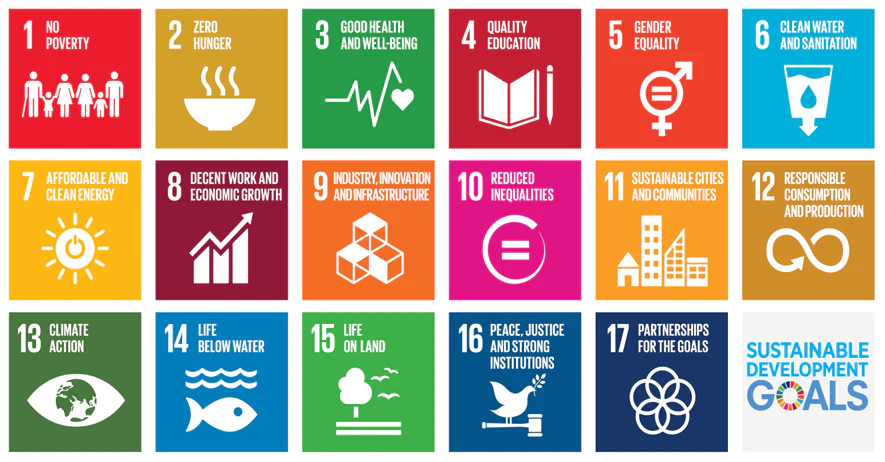
United Nations Sustainable Development Goals
Energy Poverty
Energy and Health
Energy and Education
Energy Transition Challenges
Infrastructure Upgrades
Cost Implications
Public Acceptance
Political Will
Energy Innovations
Smart Grids
Energy Harvesting
Energy from Waste
Advanced Energy Storage
Energy and Transportation
Electric Vehicles
Biofuels
Sustainable Mobility Solutions
Mass Transit Systems
Energy and Water Nexus
Energy for Water Supply
Water for Energy Production
Key Definitions:
Energy Definitions:
Energy measures the capacity to do work whereas power is the rate at which the work is done
Energy is the capacity of a system to do work or produce heat.
Energy has several forms: heat, kinetic or mechanical energy, light, potential energy, and electrical energy.
Energy is the action and power is the strength of the action
Non-Renewable Energy - Energy that can not be reproduced in the time it takes to consume e.g. coal.
Renewable Energy - Energy that is naturally occurring and potentially infinite.
Fossil Fuels - A natural fuel such as coal or gas, formed in the geological past from the remains of living organisms.
Climate - The term climate describes the representative atmospheric conditions of a certain region for a period of 50 years or more
Sustainability concept - Holding on to something regardless of the consequences and having a renewable spin on things but how are we able to sustain something for a future that we don’t know what it looks like?
Distributive Justice - Fairness in the allocation of costs and benefits of the energy system among society
Procedural Justice - Fairness in the process of making and implementing decisions about the energy system
Explanation:
What are the major air pollutants from energy production that we worry about?
Two contaminants were linked to thousands of deaths (nitrogen dioxide and PM 10 )
Climate change (worrying about methane and carbon dioxide) not looking at human health and
What are the consequences of air pollution from energy generation?
Acid rain
Climate-related disasters
Air pollution affecting people benefitting from power
Smog in the 1950s in London
Industry and power generation moved out of cities into rural areas
Technology for power transmission available
Large-scale coal and oil-fired power stations - efficient
Large-scale mitigation at source - scrubbers / clean fuel
Primary source for air pollution, Mid-latitude North American and European cities - vehicle emissions, Afghanistan (wood burning stoves, cooking and heating), Beijing and China
(Why) does scale matter?
The scale at which power generation occurs is important to the level of power generated
Although wood burning is a renewable source it does more harm than good in terms of greenhouse gas credits
90% of exposure to pollution occurs indoors in NZ
Hydroelectric is the highest proportion of electricity generation
Oil dominates energy consumption
Emphasis on increasing renewable electricity generation reflected in policy and legislation
Move to renewables is also partially a response to climate change ‘clean’ energy
Clean doesn’t mean there are no negative impacts on the environment or society
Hydropower enables cheap power prices, diversification of sources to argument hydro-electricity, opportunities to increase generation capacity to existing plants and to develop new ones
Calls for an energy transition to cleaner energy sources to have net zero emissions have amplified in recent years
The distribution of greenhouse gases is uneven and is changing as poorer countries consume more energy
Concerns as countries develop could mean an increase in global emissions
Leapfrog from oil-based energy to renewable sources of energy
300 - 400 years for industrialized countries to establish fossil fuels and then switch to renewable energy sources
Lacking access to energy means reliance of diesel generators
Is it fair to expect developing countries to have advanced energy sources
Thinking about how we move away from oil on a global scale in both LEDC’s and MEDC’s
Feasibility of switching from oil to renewable sources of oil
Another complicating factor, which has impacts at a global level which has impacts at a local level too, is the influence of geopolitics.
Globally, we are in the midst of an energy crisis, and this isn’t the first time
Three energy crises in the last 50 years with correlation with countries with inflation over 6%
The similarities of the crises have had geopolitical drivers - an increase in prices leading to an increase in inflation
Energy systems are fragile and dependent
The 1973 and 1979 crises trade of oil and the price of oil (securing oil) by contrast to the 2022 Ukraine Crisis have links to food insecurity.
1973 - oil-producing nations proclaimed an oil embargo based on geopolitical reasons, which increased the price of oil by nearly 300% by 1974
1979 - geopolitical unrest and a drop in oil production led to an increase in oil prices e.g. car-free days
Russia’s invasion of Ukraine has led to a period of extraordinary turbulence in energy markets, especially for natural gas. Last year energy deliveries to Europe were down by 80%
There is no single solution to an energy crisis
Vulnerability:
Energy crises of the 1970s exemplified the potential risks to countries around the world when access to resources withheld along geopolitical lines
Establishment of the International Energy Agency in the 1970s to help industrialized countries respond to oil shocks
Energy Security became a feature of energy policies in countries around the world
The problem of peak oil and whether it is an actual thing. It was first theorized in the 1950s it would require a shift to another energy type.
Along with increases in energy consumption, there is an increase in greenhouse gas emissions (greenhouse gases linked to climate change)
Global Scale - Oil is a fundamental input for contemporary economies and societies and has led to dependency
Energy conflicts and disputes:
Energy consumption has led to negative social and environmental effects but changing the types of energy we use is highly complicated
Energy consumption is increasing but people's access to energy is unequal
Impacts of climate change and focus on reducing greenhouse gas emissions caused by production and the use of energy
Energy consumption especially coal and oil, has enabled significant economic development over a relatively short amount of time
Richer companies consume more energy than middle-income and poorer countries
The distribution of oil and oil production is uneven
Oil is significant to economic growth
Will the energy transition benefit everyone?
Low-income regions and communities that have suffered from underdevelopment of energy infrastructure and/or energy affordability challenges
Those in sacrifice zones
Those who have lost their employment or local industries as a result of unplanned, rapid energy transitions
Those underrepresented in energy jobs and decision-making
Global energy governance
IEA: provide analysis of global energy trends and policy support
OPEC: stabilise the oil market among major producers
UNFCCC: coordinate global climate change response
EITI: ensure better domestic governance of fossil fuel industries

Evidence:
New Zealand:
Very little power generation/industry emissions
Very high car ownership
High amounts of houses still run on wood-burning
Issues with biomass can be made worse due to typography e.g. population density and location (for example Hamilton)
Public Works Act, Waikato River, Huntly power station with Waikato Tainui.
Dakota Access pipeline, 1,879 km crude oil pipeline Sioux reservation that had rights in relation to the land Fort Laramie Treaty
Has the ability to transport up to 750,000 barrels of oil per day
40% of the oil produced in the Bakken region
80% of the world's energy comes from fossil fuels
The energy sector accounts for >¾ of greenhouse gas emissions
Burning fossil fuels has health implications meaning that >8 million people suffer premature deaths as a result of air pollution from fossil fuels
Energy access is unequal
99% of the global population exposed to air pollution above WHO standards
7-9 million people die annually due to exposure to air pollution
Medc's (More Economically Developed Countries) having more choice when it comes to energy compared to Ledc's (Less Economically Developed Countries) can have several impacts:
Greater access to cleaner and more sustainable energy sources: Medc's often have the financial means to invest in renewable energy technologies such as solar, wind, and hydro power. This allows them to reduce their reliance on fossil fuels and decrease their carbon emissions.
Enhanced energy security: Medc's with diverse energy options are less vulnerable to disruptions in the global energy market. They can tap into multiple sources, including domestic production and imports, reducing the risk of energy shortages.
Economic advantages: Having a wider range of energy choices can stimulate innovation and create new industries. Medc's can develop expertise in renewable energy technologies, leading to job creation and economic growth.
Environmental benefits: By adopting cleaner energy sources, Medc's can mitigate the negative environmental impacts associated with traditional energy production. This includes reducing air pollution, mitigating climate change, and preserving natural resources.
It is important to note that while Medc's have more choices, it is crucial to ensure equitable access to energy for all countries, including Ledc's, to promote sustainable development and address global energy challenges.
Examples of LEDCs (Less Economically Developed Countries) having less choice compared to MEDCs (More Economically Developed Countries) when it comes to energy include:
Limited access to modern energy sources: LEDCs often lack the infrastructure and resources to provide reliable access to electricity and clean cooking fuels. This results in a heavy reliance on traditional biomass fuels like wood and dung, which are inefficient and harmful to health and the environment.
Dependence on fossil fuels: LEDCs may have limited options for energy generation and rely heavily on fossil fuels such as coal, oil, and natural gas. This dependence can make them vulnerable to price fluctuations and supply disruptions in the global energy market.
Lack of investment in renewable energy: LEDCs may face financial constraints that hinder their ability to invest in renewable energy technologies. This limits their capacity to diversify their energy mix and transition to cleaner and more sustainable sources.
Energy poverty: LEDCs often struggle with energy poverty, where a significant portion of the population lacks access to reliable and affordable energy services. This hampers socio-economic development and exacerbates inequalities within these countries.
Addressing these disparities and promoting energy access and sustainability in LEDCs is crucial for achieving global energy goals and ensuring a more equitable and sustainable future.
Evidence:
Nigeria’s federal system gives governors great responsibilities in addressing the issues driving the country’s multiple conflicts, including farmer-herder violence, deepening regional divides, armed banditry and the Boko Haram insurgency. Peace and Governance
As the world’s biggest economy, the US budget for clean energy investment, at over $559 billion, swamps its nearest rivals.
Political corruption within the global n