Government Spending
In the last lesson, we learned about the government spending initiatives used to combat the Great Recession. Essentially, the federal government threw a lot of money at the problem. They spent hundreds of billions on infrastructure, education, healthcare, and more. This way of handling an economic downturn is not new; it has been the typical government response since the 1930s.
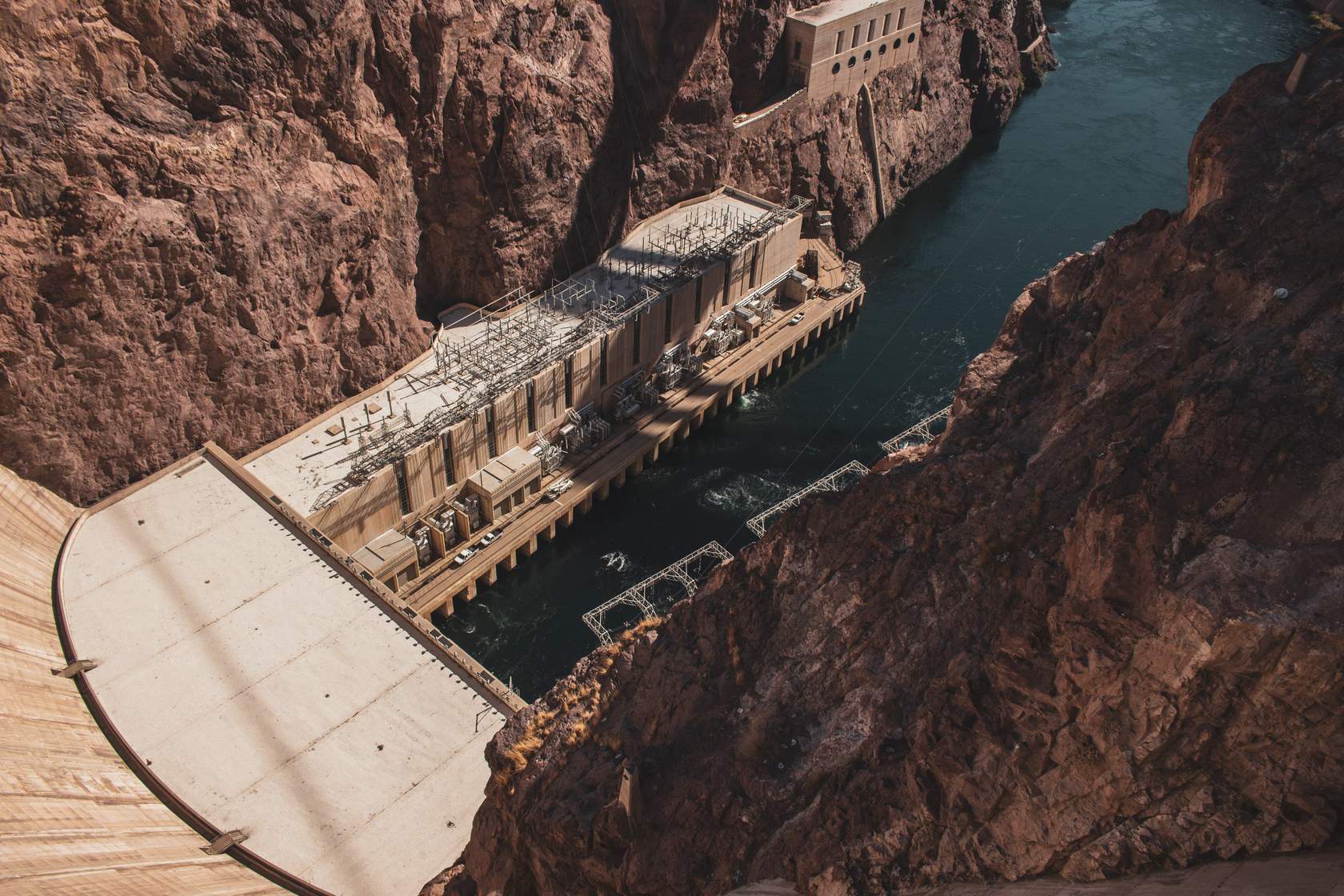
Hoover Dam
The New Deal
The first instance of widespread government spending that was intended to halt an economic downturn took place in the 1930s during the Great Depression. Franklin Delano Roosevelt won the 1932 election in a landslide, defeating the unpopular Herbert Hoover. During his campaign, Roosevelt promised to reduce government spending and create a balanced budget. He did the exact opposite.
Instead of reducing government spending, Roosevelt initiated an unprecedented government spending spree with the introduction of the New Deal, a series of legislation enacted by the federal government intended to provide relief, reform, and recovery during the Great Depression. In the first year of the New Deal, Roosevelt proposed a budget of $10 billion when tax revenue was only $3 billion. Within four years, government spending had risen by 83%.
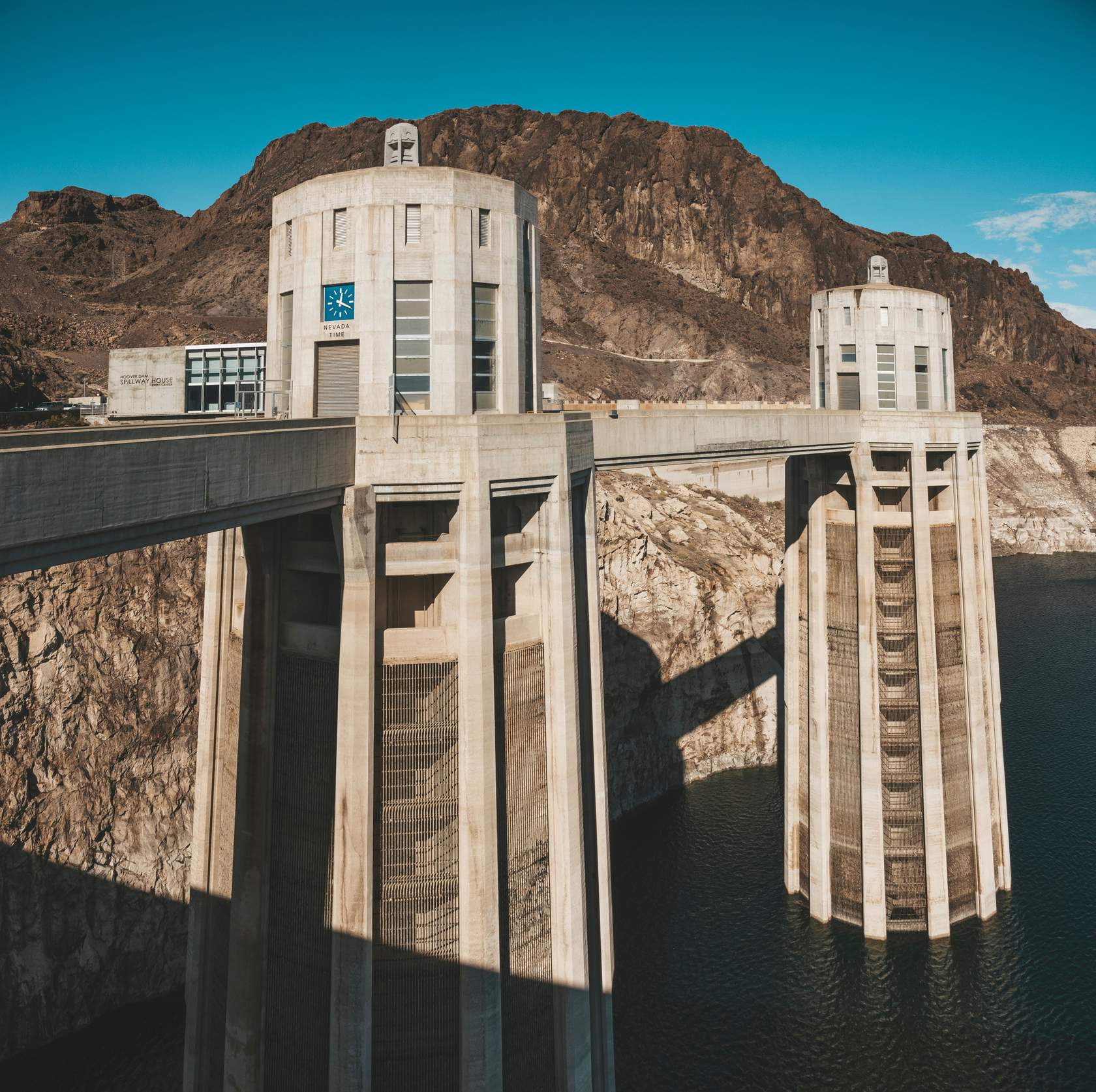
Major New Deal Programs
Civilian Conservation Corps (CCC): A program that hired millions of workers to work in national parks and forests.
Agricultural Adjustment Act (AAA): Legislation that provided subsidies to farmers, raising the prices of their crops.
Public Works Administration (PWA): Established an organization to oversee funding and construction of public works projects (e.g. roads, bridges, dams) throughout the nation, such as the Hoover Dam and the Lincoln Tunnel.
Tennessee Valley Authority (TVA): Established a federal corporation to build power stations and promote economic growth in the Tennessee Valley.
Social Security Act: Created the Social Security Administration, which persists to this day.
Much of this government spending accomplished very little. The Great Depression lingered for over a decade, not truly ending until the boom in demand after World War II. The New Deal did spawn a few programs that were considered successful. The most noteworthy of these programs was the Tennessee Valley Authority (TVA). The TVA is a federally owned corporation that was created to generate economic and industrial development in the Tennessee Valley. The main project of the TVA was constructing dams to generate hydroelectric power. The public works built by the TVA were very beneficial to the area, creating economic growth and prosperity in those localities. But while receiving federal money certainly benefited the Tennessee Valley, was it beneficial to the nation as a whole?
Public Works Mean Taxes
In today's reading, Hazlitt explains why government spending is ultimately ineffective, and why supposedly successful programs like the TVA were actually not effective if you take into account the entire economy instead of just looking at one group. Remember that Hazlitt is writing this in 1946, so much of these chapters are written in direct response to the high levels of spending that took place during the New Deal in the 1930s.
READ: Hazlitt, Economics in One Lesson, Chapters 4 and 5: "Public Works Mean Taxes" and "Taxes Discourage Production." When you've finished, click below to continue with the rest of the lesson.
In today's chapters, Hazlitt explains why increasing government spending doesn't increase aggregate demand—it just shifts demand from the private sector to the public sector. Because every dollar spent by the government has to be raised through taxation, every dollar spent in the public sector means one dollar less spent in the private sector. Moreover, the funds are much more likely to be wasted once they're in the hands of the government. So, if you increase government spending and pay for that spending with increased taxation, it will ultimately harm the economy overall. Increased taxes also discourage people from creating new businesses in the first place. If you knew that you'd have to pay 90 percent of your income in taxes, would you work eighty hours a week to build a thriving business? Possibly, but probably not. Remember how important economic incentives are in a market economy. When those incentives are reduced, fewer people will invest the time and money required to develop new products and make production more efficient.
Now, if you think back to the previous lesson, we discussed expansionary fiscal policy, which consists of increased spending and decreased taxes. Given all the consequences of increasing taxes, this makes sense. But if you stopped to think about this for a moment, you may have questioned how this strategy could work. If the government increases the amount of money it spends, wouldn't it also have to increase the amount of money it receives (by increasing taxes)? That is true in theory, but not in reality. In reality, when the government increases spending, it usually pays for it not by raising taxes but instead by going into debt. If the government increases spending and decreases taxes at the same time, it goes into even more debt. As Hazlitt mentions, this debt will eventually have to be repaid, which will require raising taxes and decreasing spending in the future. In the United States, however, the tendency to use expansionary fiscal policy for extended periods, yet rarely use contractionary fiscal policy, means that the debt is not being repaid. That debt continues to balloon, growing at exponential rates. This growing national debt will be the primary subject of our next lesson.
The extensive government spending started by Franklin Delano Roosevelt has been a common occurrence over the past ninety years. Politicians are always eager to increase government spending and reduce taxes—these are very popular policies with voters! These policies cannot continue forever, though. The bill will eventually come due.