Respiratory System
Respiration is the life process that produces energy for the cells
Growth | Making new cells, making babies |
Making new materials | Building the chemicals that the cell needs e.g. proteins, cellulose |
Storing energy | Energy is stored as fat in animals and as starch and oil in plants |
Keeping temperature constant | Warm-blooded animals convert the energy to heat |
Movement | Energy is used to make muscles move |
Active transport | Energy is needed to take some substances into cells and to move other substances out of cells. |
Glucose= A type of sugar that the body releases energy from during respiration.
The chemical reactions in body’s cells break down glucose and release energy a bit at a time is called respiration.
When glucose reacts with oxygen a lot of energy is released. Some of the energy is released as heat and the rest is used by the cells.
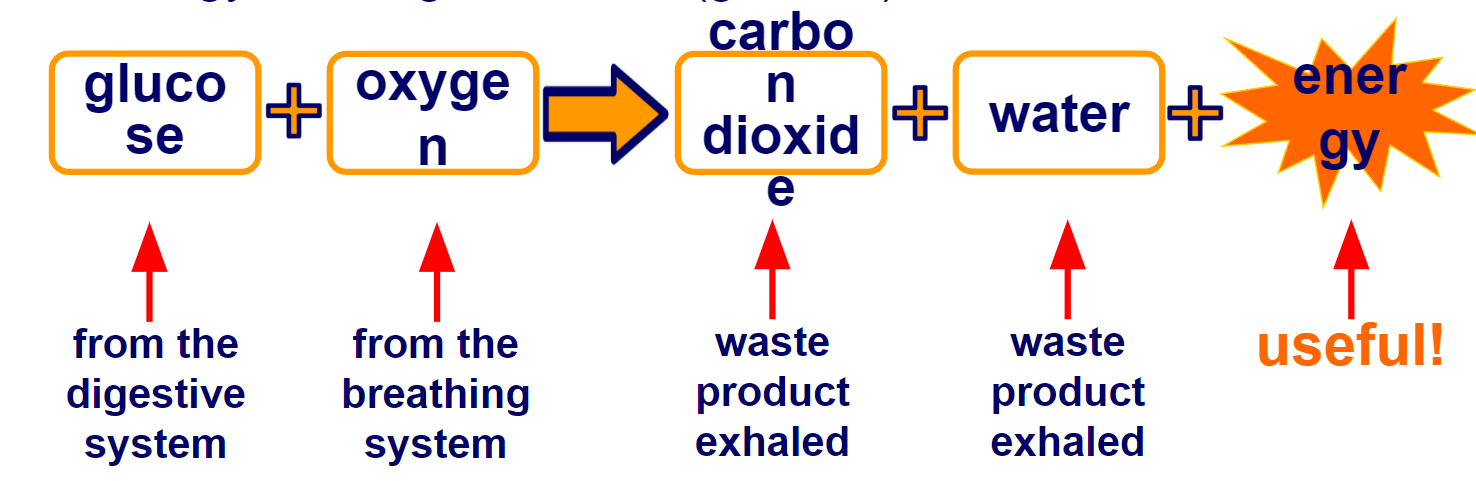
This type of respiration is called aerobic respiration because energy is released with oxygen as the cells are supplied with oxygen, breaking the glucose down to energy.
Another type of respiration is called anaerobic respiration because energy is released without oxygen if the body cannot supply the cells with the oxygen in order to break down the glucose. This could cause cramps and fatigue
The body is needed a lot of oxygen in order to get rid of the lactic acid in the body that has been built up during exercise.
Burning is the reaction between a fuel and oxygen. This reaction is called combustion.
Combustion is different because it is not a controlled reaction. Respiration is a controlled reaction which slowly releases energy from food in the body’s cells and the cells do not catch fire.
Breathing System
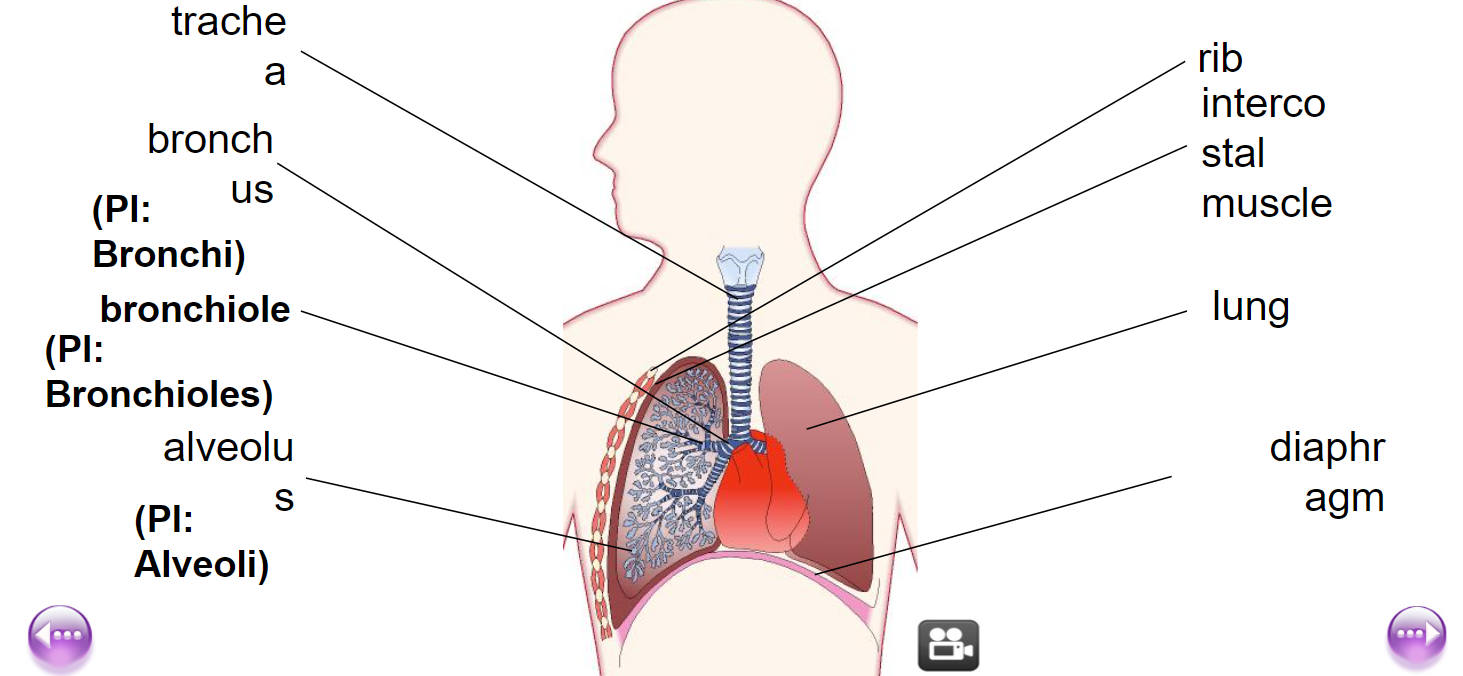
Nose: They have nose hairs that traps foreign particles such as dirt particles in the air, a
Nasal lining produces mucus to moisten the air that is inhaled, and it traps bacteria. There are Blood vessels beneath nasal lining can warm up the air that is inhaled
Trachea: has rings of cartilage that is C-shaped, that keeps the airways open
It also has cilia that can beat rhythmically to move mucus up the airway.
Then it enters the back of the mouth and is swallowed
Bronchi and Bronchioles: The trachea divides into two smaller tubes called bronchi.
Bronchi contain ciliated cells
The bronchi divide further into narrower air tubes called bronchioles
At the end of the bronchioles, there are the alveoli which is where gas exchange takes place
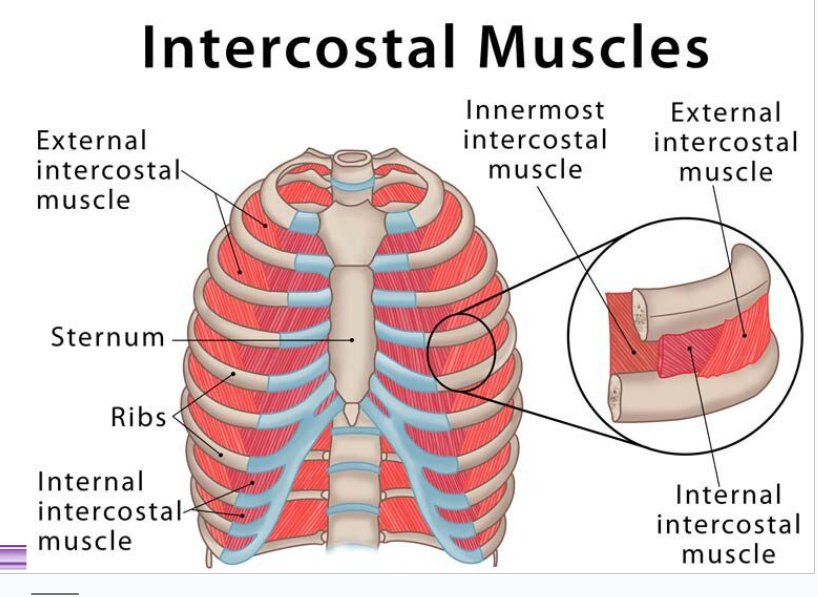
Chest Wall: it is made of ribs, external and internal intercostal muscles. The action of the intercostal muscles move the ribs
Diaphragm: separates the chest cavity (containing the lungs and heart) from the lower body
Breathing in (Inhalation)
External intercostal muscles over the ribs contract lifting the ribcage up and out.
The diaphragm muscle contracts and becomes flatter.
The volume of the chest increases.
Air moves into the lungs.
Breathing out (Exhalation)
The diaphragm muscle relaxes and becomes dome shaped.
The external intercostal muscles relax and the ribs drop.
The volume of the chest decreases.
Air is pushed out of the lungs.
The right ventricle pumps deoxygenated blood to the lungs to get oxygen.
Deoxygenated blood is rich in CO2 but lack O2
Alveoli
In the lungs, oxygen travels to thousands of tiny air sacs called alveoli. These are covered with capillaries. The alveoli give the lungs a huge surface area which is equal to the size of a tennis court.
Features of alveoli for gas exchange are: (MUST REVISE)
1. Wall is one cell thick to allow fast exchange of gases.
2. Surrounded by a network of capillaries.
3. Very large surface area to allow fast & constant supply of O2
and removal of CO2.
4. It has a film of moisture to keep cells alive and allow gases to dissolve
Diffusion
DIFFUSION is the process of the movement of O2 from lungs into blood and CO2 from blood to lungs
Its is the random movement of particles causes spreading out of particles.
Particles diffuse from where they are at high concentration to where they are at low concentration.
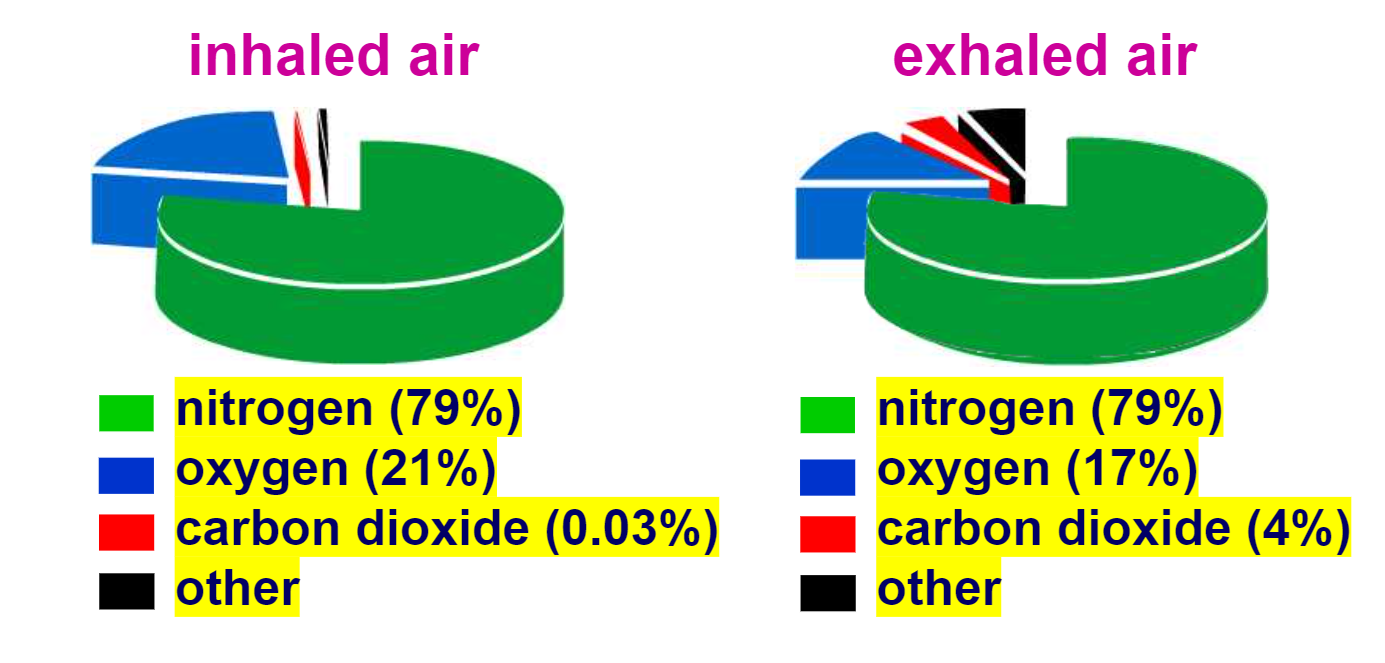
The Earth is surrounded by a layer of air called the Atmosphere
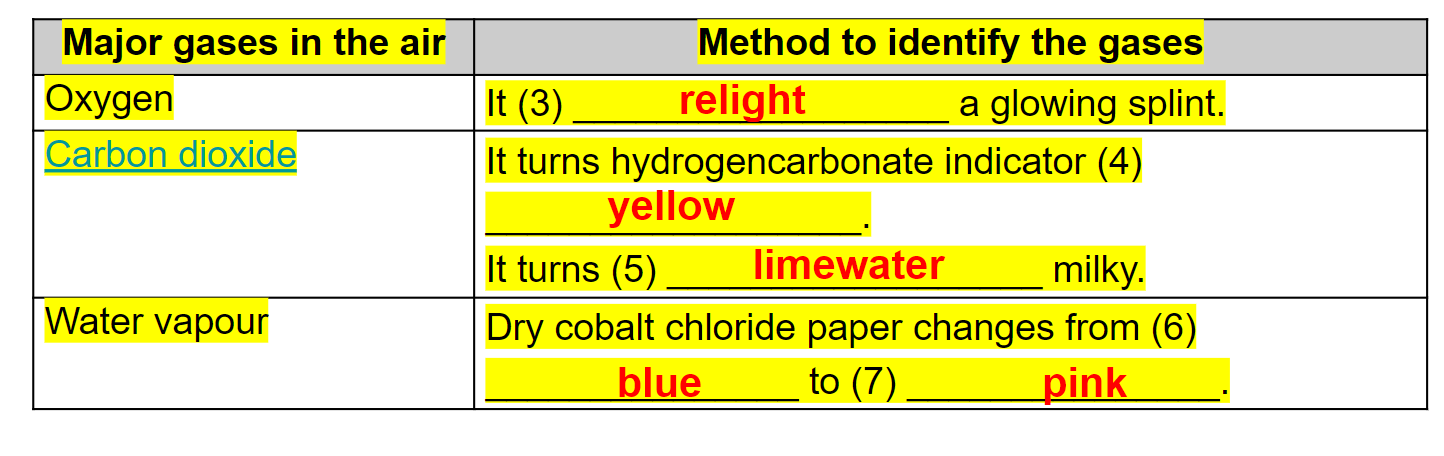
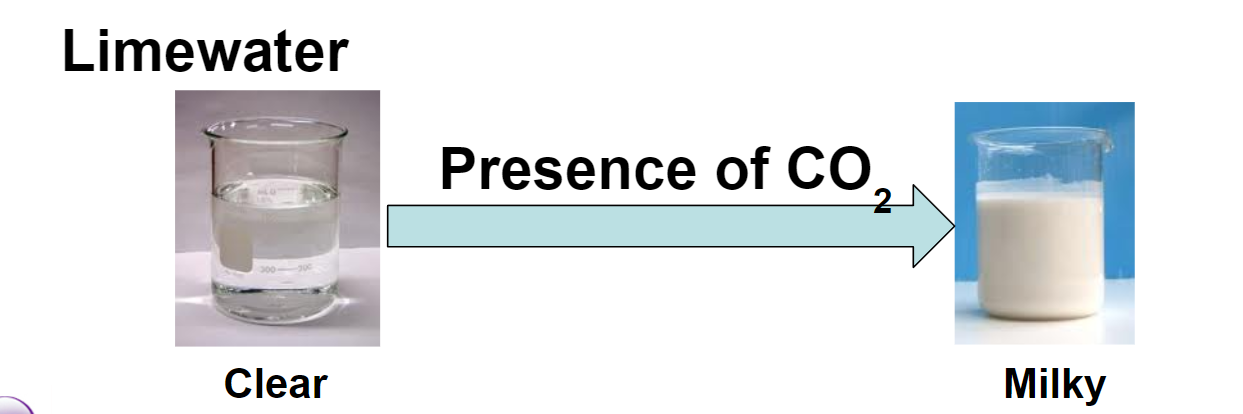
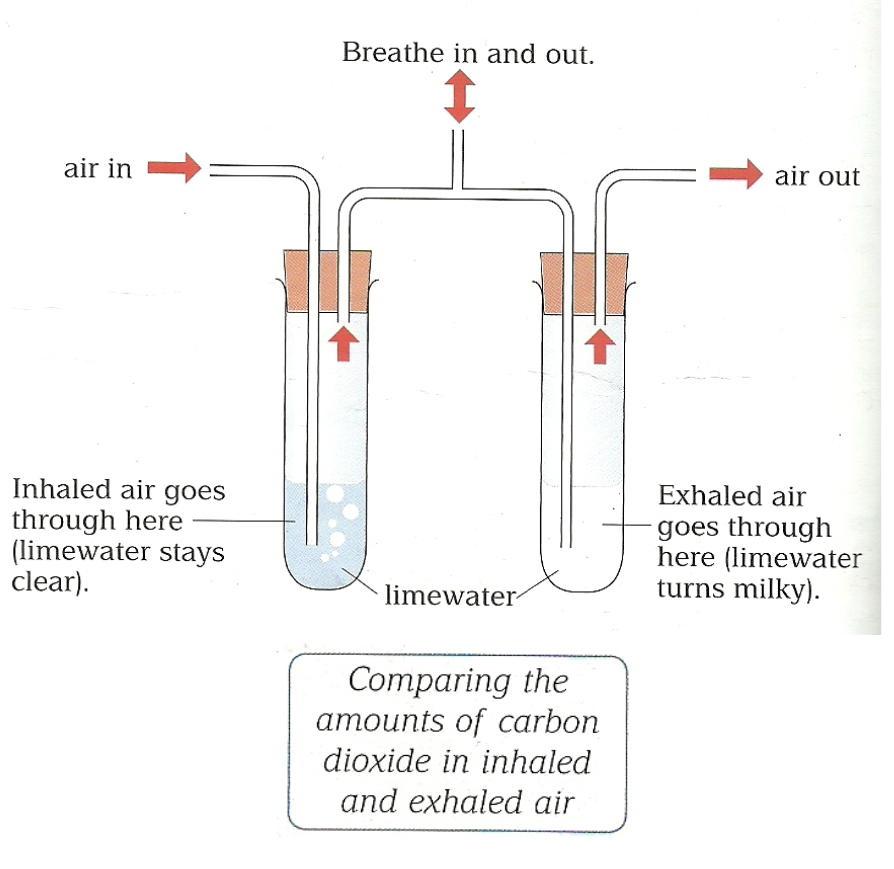
Air is a mixture of gases. The table below lists the methods for identifying the gases in the air: