Science Study Notes Yr 9 AT2 - Ecosystems
Environmental factors affecting organisms
Energy flow in ecosystems and biomass
Biodiversity
Photosynthesis
Food chains and food webs
Human impact on the environment
Ecosystems:
Ecosystems are an area that sustains life, where non-living things and living things interact to create an area where organisms can thrive.
Factors that Influence Ecosystems:
Abiotic factors:
non-living factors such as air quality, amount of sunlight, rainfall, humidity, etc.
Biotic factors:
living factors such as predators, plants, competition for food, breeding partners.
Biotic Interactions:
Predation: One organism feeds off the other.
Mutualism: Two organisms live together and both benefit
Parasitism: One organism lives on/off another organism (harms but doesn’t kill)
Commensalism: One organism benefits and the other is unaffected/neutral.
Competition: When multiple organisms compete for the same resources.
Human Impact on Ecosystems:
Pollution
Deforestation
Infrastructure
Global Warming
Humans can affect ecosystems by causing them to be imbalanced: Habitat destruction, introduced species, chemical pesticides, overcropping.
GREENHOUSE EFFECT: earth keeps heat from sun, greenhouse gases in atmosphere (carbon dioxide, methane, water vapour, nitrous oxide) trap heat.
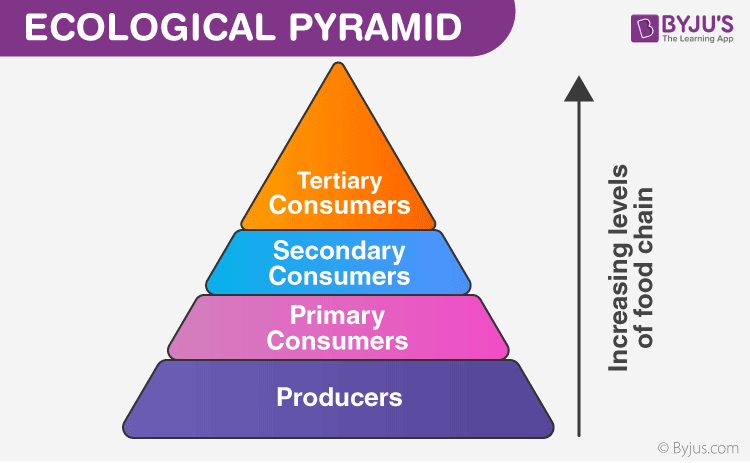
Trophic Levels:
Trophic levels are hierarchical levels in an ecosystem that show the flow of energy from producers to consumers based on feeding relationships.
Primary producers: autotrophs, the first organism in the food chain. They make their food from sunlight or chemicals, most are plants.
Primary consumers: herbivores (plant eaters), animals that eat primary producers.
Secondary consumers: carnivores (meat eaters), and omnivores (meat + plant eaters), consume primary consumers.
Tertiary consumers/ Apex predators: Animals at the top of the food chain.
Decomposers: break down (feed on) dead organisms, releasing minerals and nutrients back into the food web.
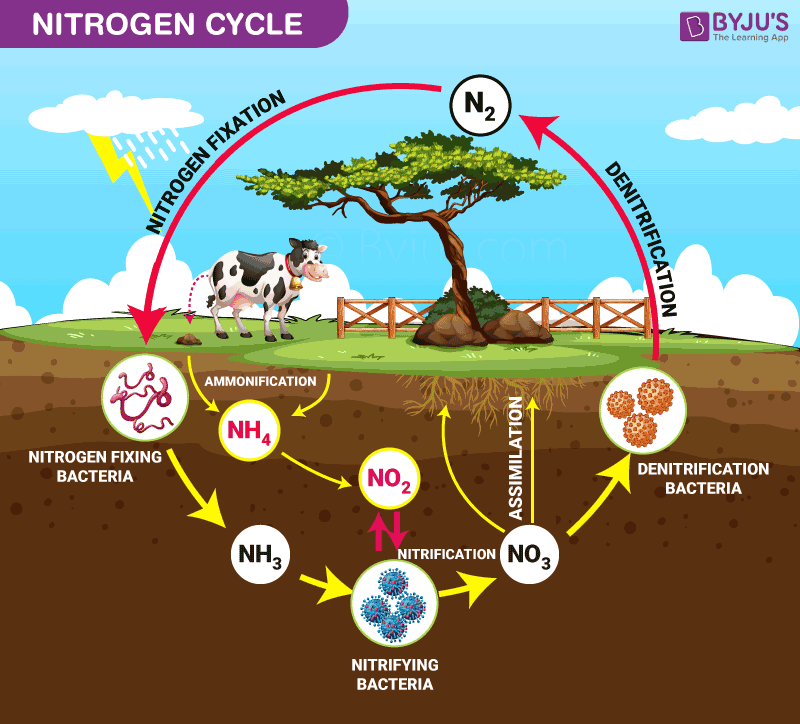
 Nitrogen Cycle:
What is Nitrogen?
chemical element that is colourless, odourless, and non-toxic.
makes up 78% of our atmosphere
in it’s natural form, it’s extremely unreactive
Importance:
living organisms use nitrogen as main ingredient to form amino acids and proteins.
key building block for DNA
plants need it to grow
The nitrogen cycle involves converting nitrogen between different forms in the environment through processes like fixation, nitrification, assimilation, ammonification, and denitrification.
 Energy flow in ecosystems and biomass:
Energy Flow in Ecosystems:
Energy enters ecosystems through sunlight and is captured by producers (plants) through photosynthesis.
Energy flows through trophic levels (producer, primary consumer, secondary consumer, tertiary consumer, decomposers).
Biomass is the amount of animals or plants. (e.g. crickets have a large biomass)
Total mass of living organisms in a given area.
Biodiversity:
the range of different species in a community
an ecosystem with high diversity is likely to remain stable and less likely to be disrupted by environmental changes.
e.g. introduced species will find it harder to take over a biodiverse ecosystem (limited resources).
IN TERMS OF FOOD WEBS: ones with few species are susceptible to changes in any one of the species. In biodiverse food web, if one resource is lost, there are other options.
Human Impacts on Biodiversity:
land loss for agriculture —> diversity decline
overexploitation —> overhunting, overfishing
Photosynthesis:
Photosynthesis is how plants, algae, and bacteria turn light into glucose using carbon dioxide, water, and chlorophyll.
Key components
Chlorophyll
Pigment that absorbs light energy
Carbon dioxide
Taken in from the atmosphere
Water
Absorbed through roots and split in light-dependent reactions
Factors:
Light intensity
Temperature
Carbon dioxide concentration
Glossary:
community: an interacting group of various species in a shared/ common location
environment: the place where organisms live or occupy
ecosystem: a community of living organisms (plants, animals and microbes) in a particular area
producer: an organism that creates its own food or energy
consumer: an organism that cannot produce its own food and must eat other plants and/or animals to get energy
joule: the SI unit of work or energy
conservation: study of the loss of Earth's biological diversity and the ways this loss can be prevented
photosynthesis: the process by which plants use sunlight, water, and carbon dioxide to create oxygen and energy in the form of sugar
herbivore: an organism that feeds mostly on plants
carnivore: an organism that mostly eats meat, or the flesh of animals
omnivore: an organism that eats plants and animals
biotic: living
abiotic: non-living
terrestrial: something that is related to the Earth
aquatic: relating to water; living in or near water or taking place in water
respiration: the process that all living things go through to create the energy they need to live
decomposer: organism that breaks down dead organic material
non-renewable: sources that will run out or will not be replenished in our lifetimes
fission: occurs when a neutron slams into a larger atom, forcing it to excite and split into two smaller atoms
biomass: renewable organic material that comes from plants and animals
geothermal: heat within the earth
generator: a device that transforms mechanical energy into electrical energy
turbine: a device that harnesses the kinetic energy of some fluid