Anxiety - Disorders
Anxiety (in the context of an anxiety disorder): an emotion characterized by feelings of tension, worried thoughts, and physical changes (eg. increased blood pressure)
→ considered a future-oriented, long-acting response broadly focused on a diffuse threat
feeling: worry, nervousness, apprehension, or unease, typically about imminent event or something w/ an uncertain outcome
cognition: doubt-laden appraisal of one’s safety/skill — hypervigilant
biological: increase autonomic nervous system (ANS) arousal
Anxiety Disorders
Partial list of anxiety disorders in DSM-5-TR
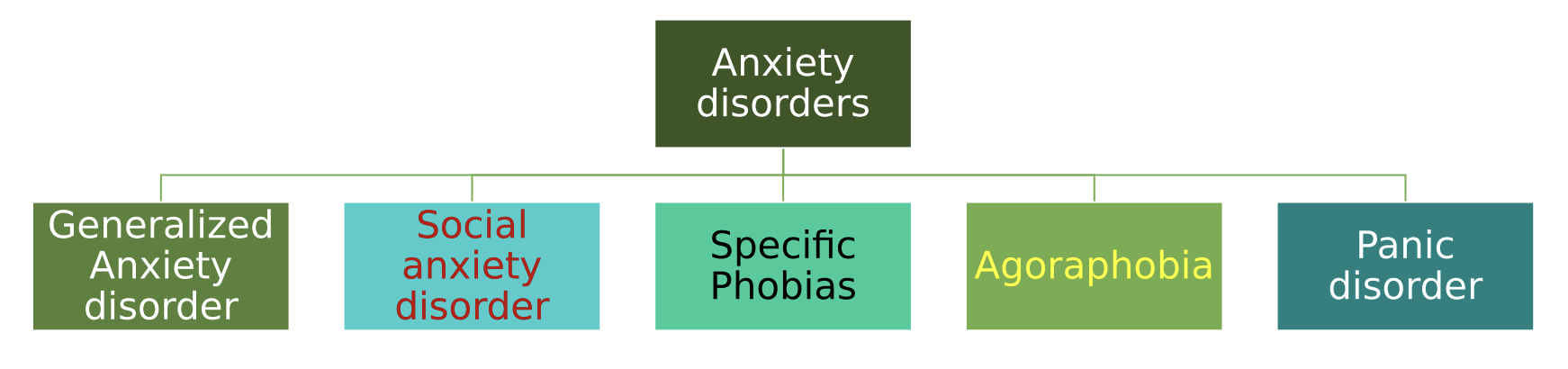
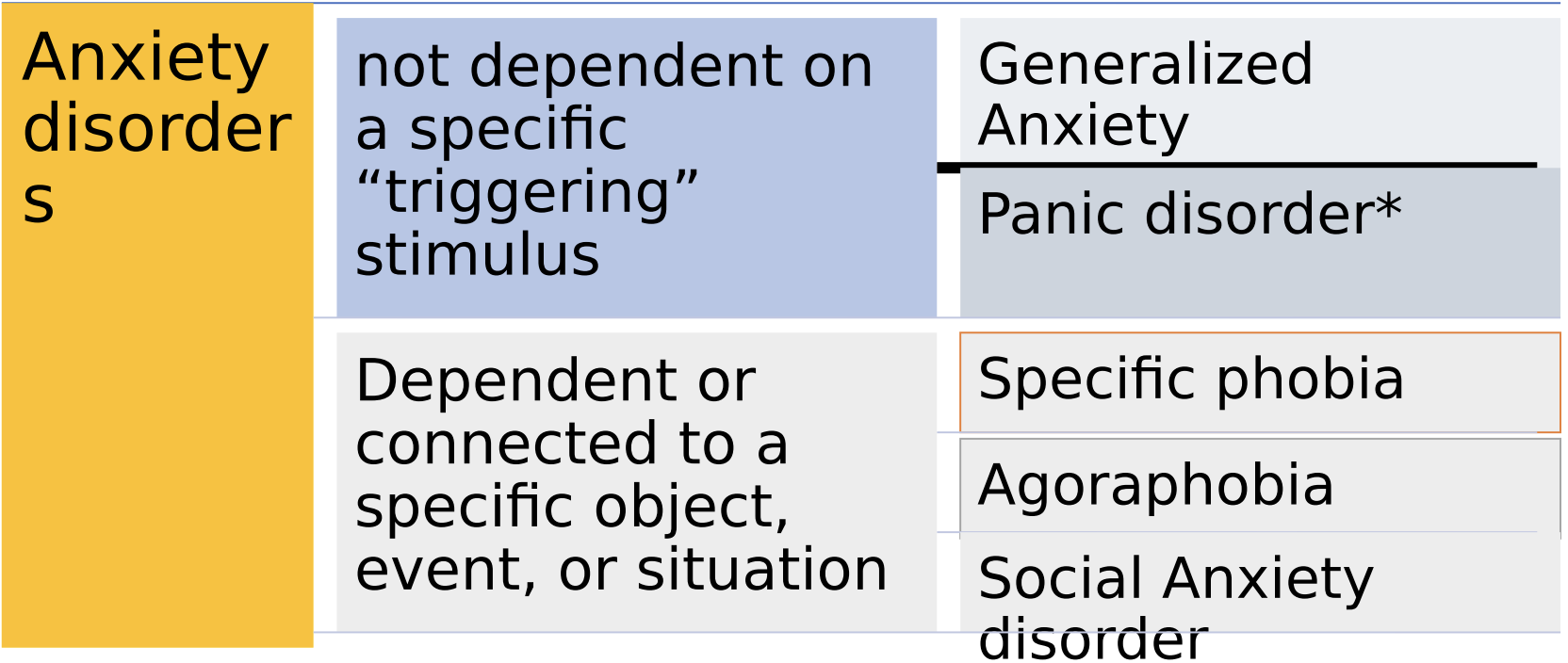
Generalized Anxiety Disorder (GAD): excessive worry — worrying even when there’s no specific threat present or in a manner that is disproportionate to the actual risk
worry may be accompanied by reassurance-seeking from others
Social Anxiety Disorder: an extreme fear of being negatively evaluated by people in a social setting
social interactions are the heart of this disorder
Ex: Eating in public, meeting new ppl at a social gathering
⬇
Tajin kyofusho: culture-bound anxiety disorder (Japan) in which people fear others are judging their bodies as undesirable, offensive, or unpleasant.
Specific Phobias: an irrational and excessive fear of an object or situation — in most cases, the phobia involves a sense of endangerment or a fear of harm
a specific, intense, and irrational fear of a stimulus
Ex: flying, heights, animals, receiving an injection, seeing blood
Agoraphobia: characterized by a fear of being in situations where escape/help might be difficult
Ex: fear of crowds, public transportation, open spaces
Panic Disorder: an anxiety disorder defined by recurrent, unexpected panic attacks — intense, sudden fear w/ physical symptoms like palpitations, dizziness, and chest pain — followed by at least 1 month of persistent concern about future attacks or significant behavioral changes
⬇
Ataque de nervios (ADN): a cultural syndrome (common among Latinos/Hispanics), acting as an idiom of distress following acute stressors, such as family conflicts
symptoms include: uncontrollable screaming, crying, trembling heat in the chest, and aggression — often resembling panic attacks/dissociation
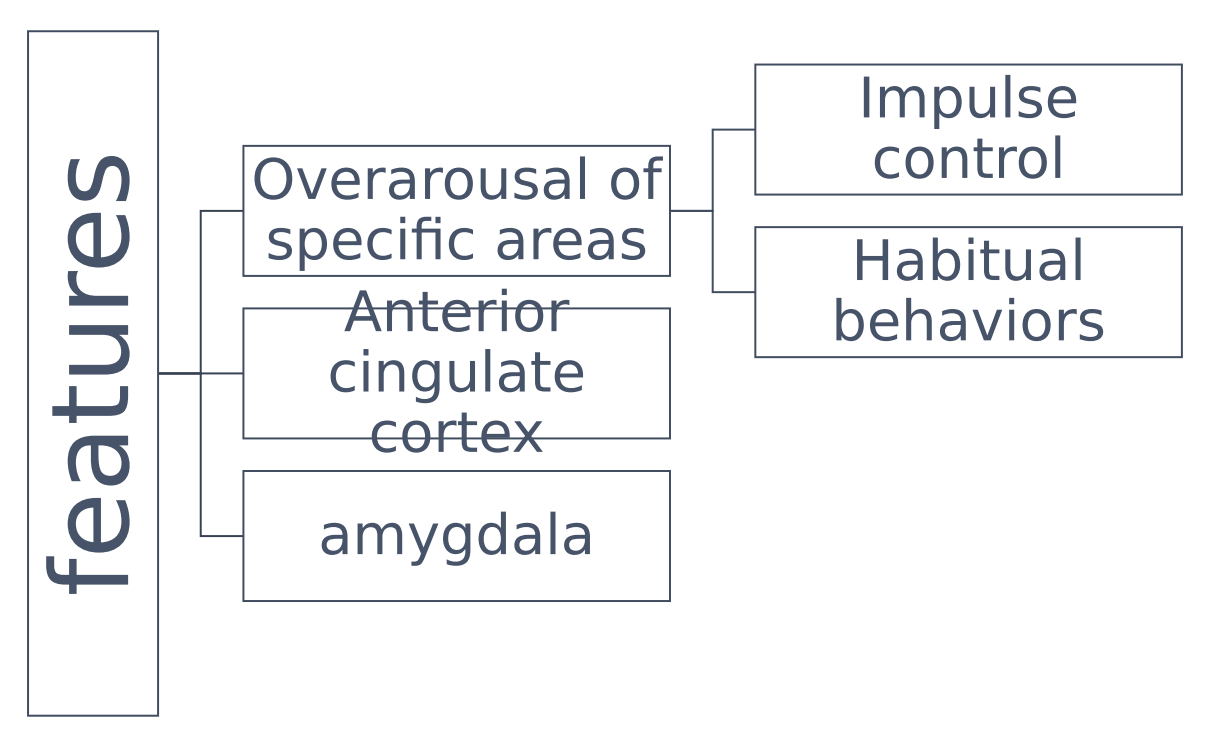
The Brain & Anxiety; OCD, PTSD
Anxiety & Neurotransmitters
serotonin & glutamate — heightens activity in alarm centers of brain