The Plasma Membrane, Organelles, and Proteins
A typical cells consists of a plasma membrane separating the inner contents, or cytoplasm, from the environment around the cell.
Cytosol is the fluid component of the cytoplasm.
Cytoplasm includes the cytosol and all organelle structures in it.
The nucleus is the largest organelle and contains cells genetic information encoded in DNA molecules.
Nucleus is not considered to be apart of the cytoplasm.
Substances move between the extracellular fluid and cytoplasm through the plasma membrane.
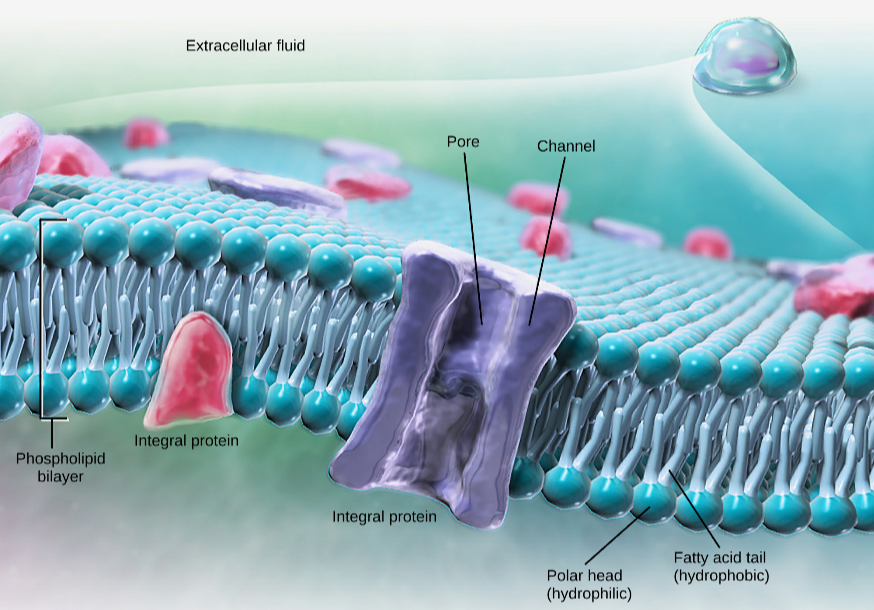
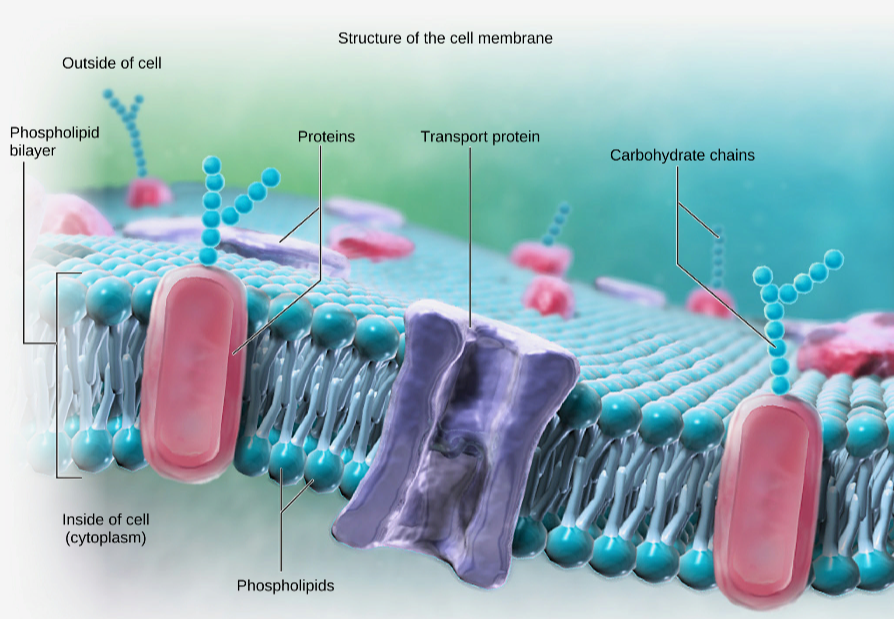
The plasma membrane consists of a lipid bilayer, made up of two layers of phospholipid molecules arranged back-to-back.
The head of phospholipids are polar, or attracted to water so they face outward. This is called hydrophilic.
The tails are repelled by water, meaning they face each other inside the membrane. This is called hydrophobic.
Proteins in and around the lipid bilayer form ion channels, carry substances through the membrane, act as mark receptors and facilitate other cellular functions.
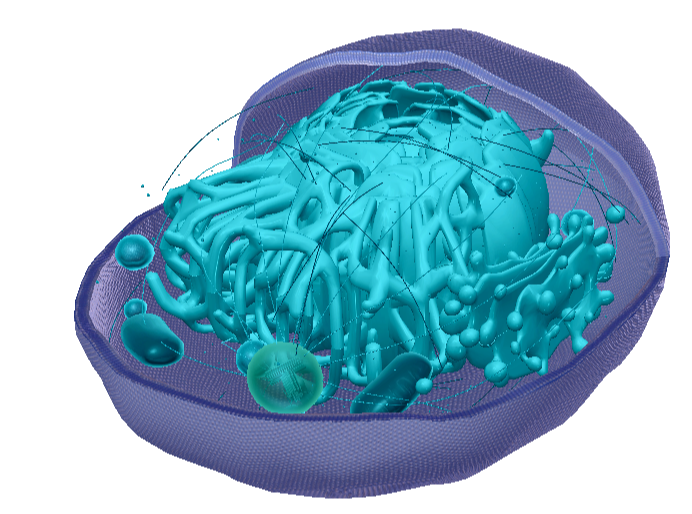
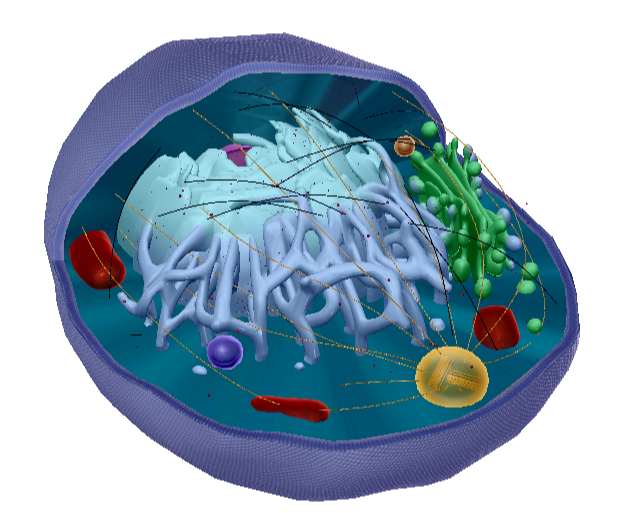
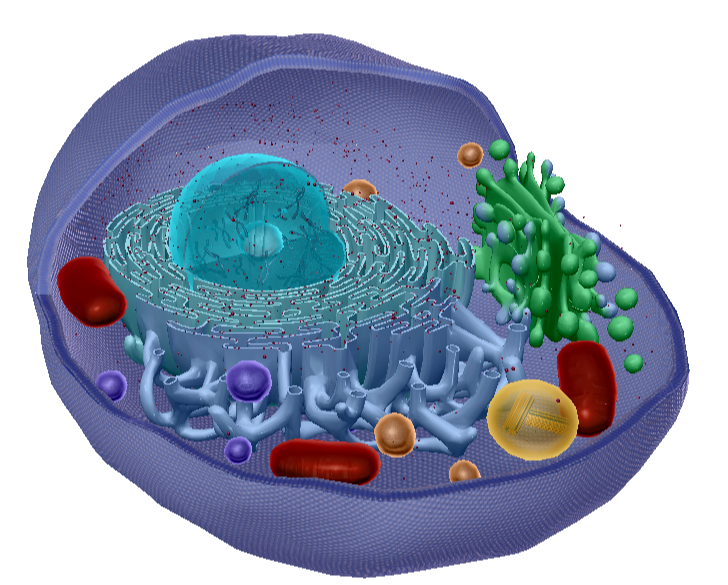
Substances such as nutrients, gases, and waste are constantly moving into and out of cells.
When concentration of a substance is higher on one side of cell’s selective permeable membrane, certain molecules may move by osmosis or diffusion through the membrane without the cell using any energy. This is know as passive transport.
When the cell needs to move molecules from an area of low concentration to one of high concentration, it uses specialized channels or carriers is the cell membrane uses energy from cells and is called active transport.
Some items are transported to and from the plasma membrane in membranous sacs called transport vesicles. This is a form of active transport.
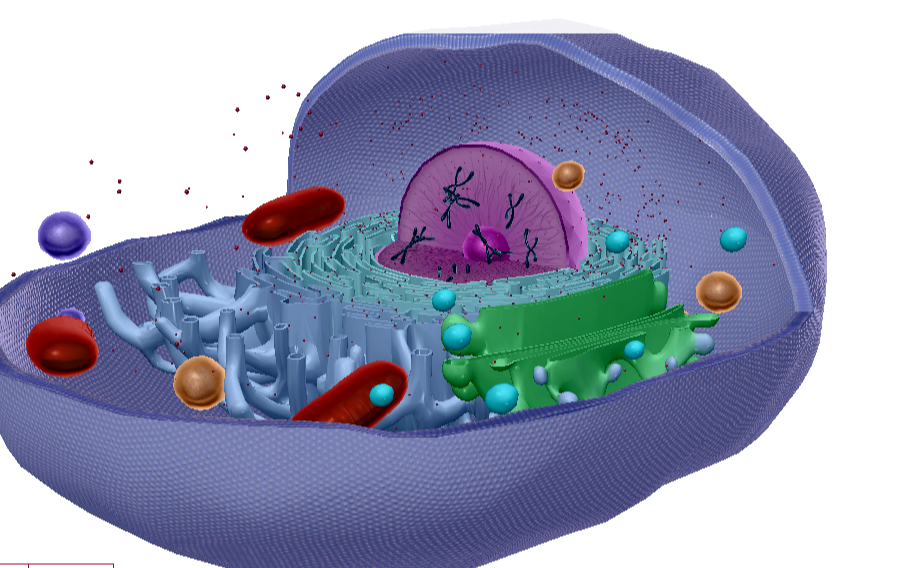
Diffusion of water across the cell’s plasma membrane is called osmosis.
The direction of osmosis depends on the concentration of the solution around the cell.
In isotonic solutions, like normal blood, the intake and output of water is balanced and the cell functions correctly.
In a hypotonic solution, there is a greater concentration of water outside the cell than inside it. The cell swells and may even burst as water flows in.
In a hypertonic solution, there is greater water concentration inside the cell than outside it. Water flows out and the cell shrinks.
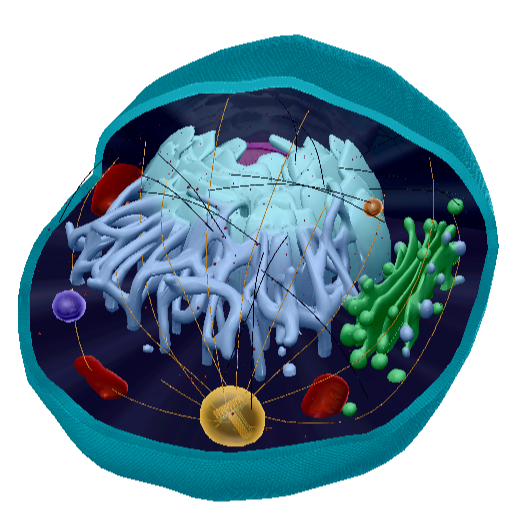
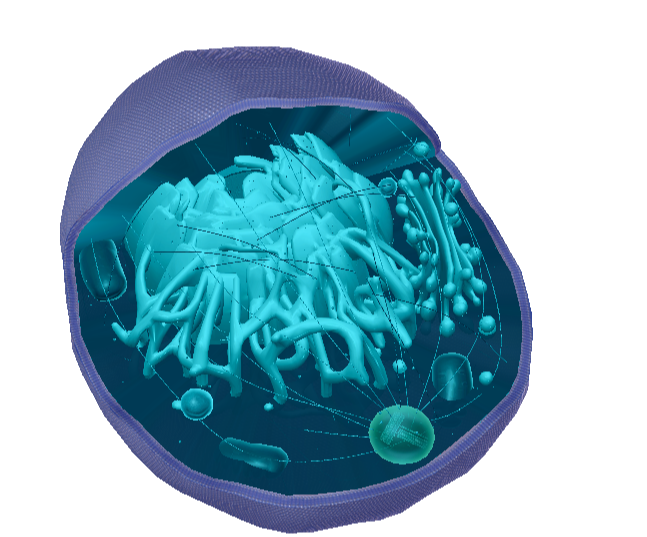
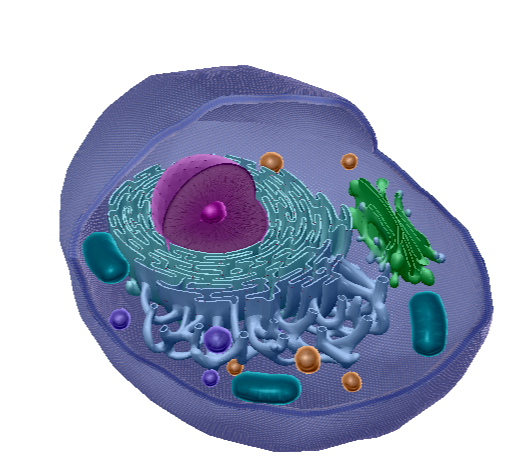
Organelles within the cell perform essential cellular functions.
The cytoskeleton consists of proteins called microfilaments and microtubules that support the cell.
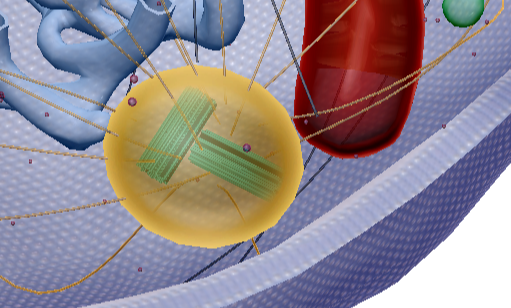
The centrosome contains centrioles and pericentriolar material that are essential for cell division.
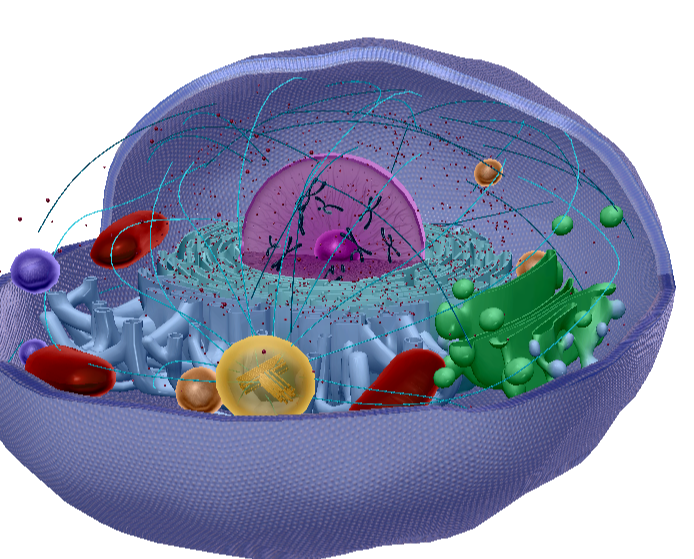
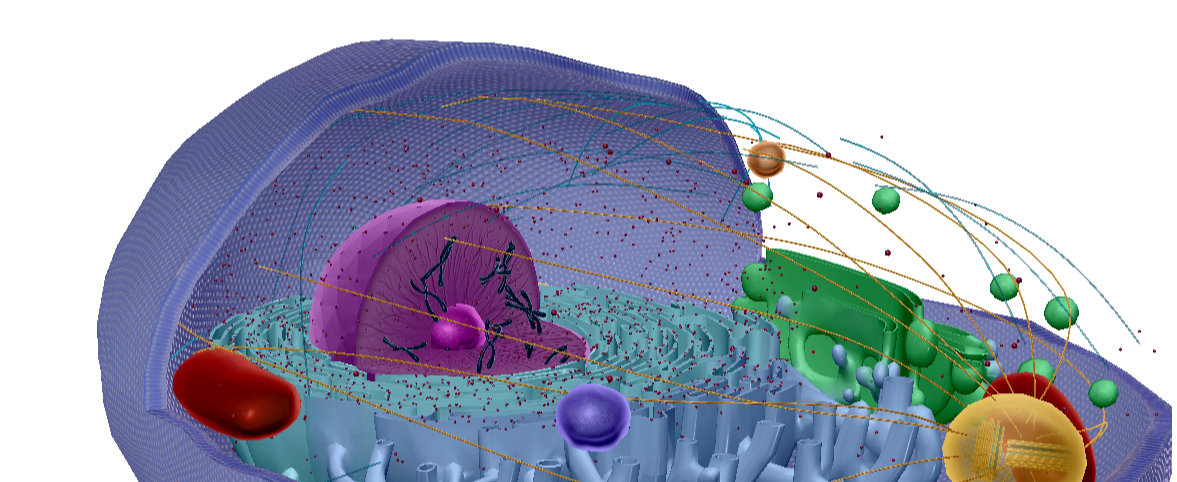
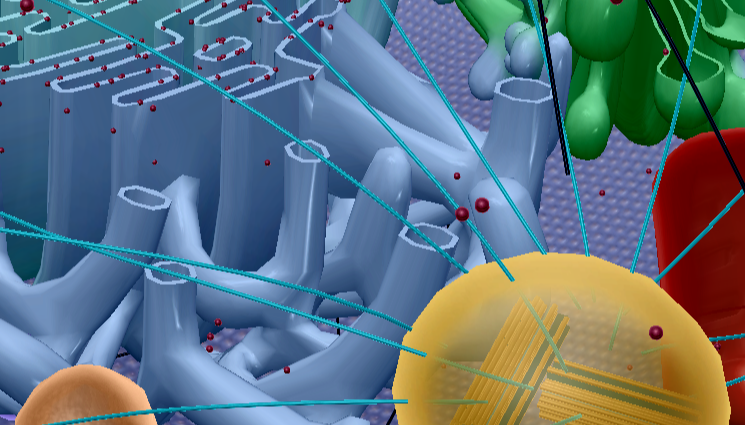
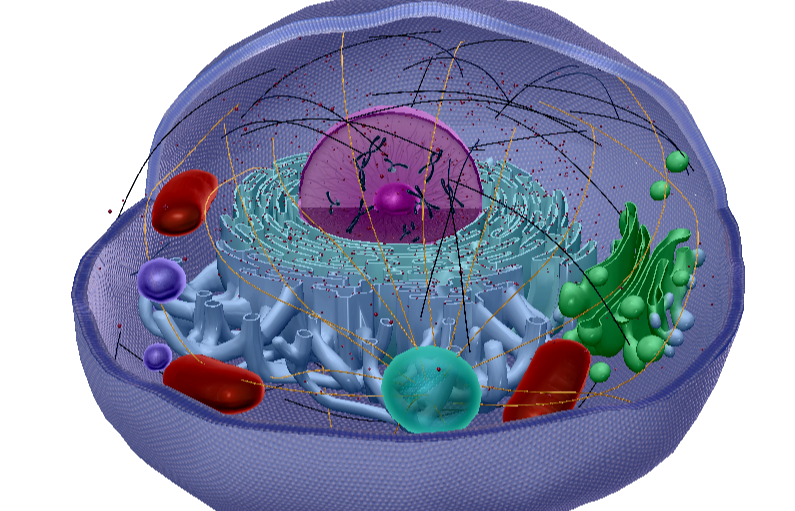
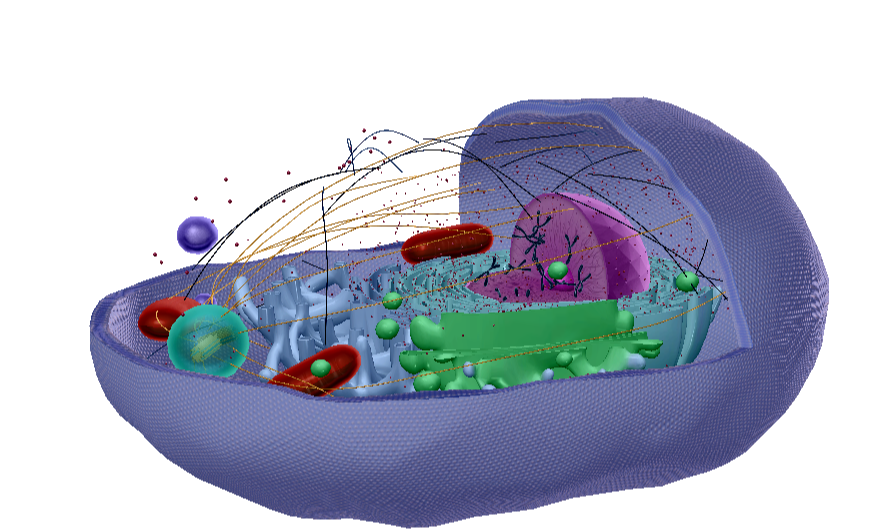
The endoplasmic reticulum (ER) is a folded membrane network that synthesizes proteins and other substances. Rough ER contains ribosomes, but smooth ER does not.
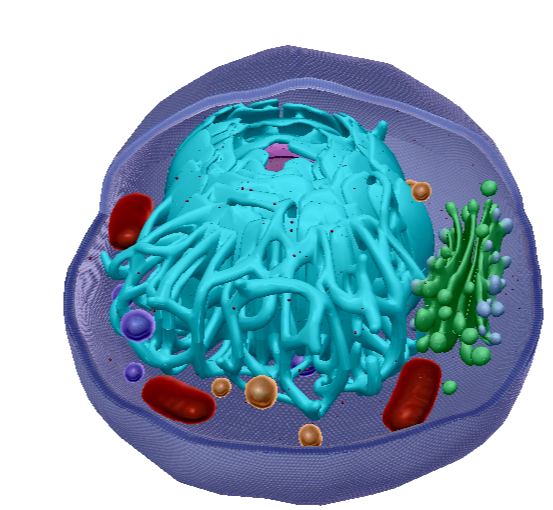
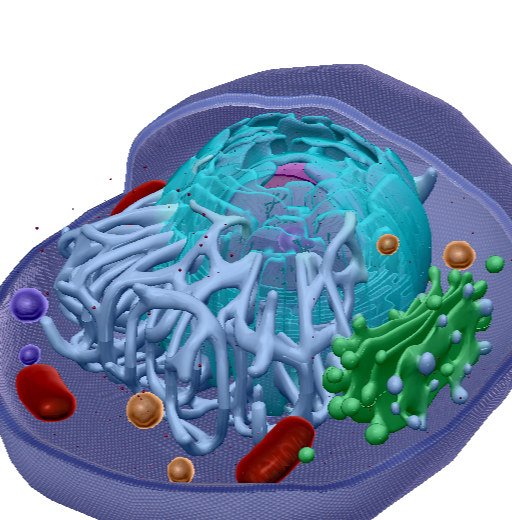
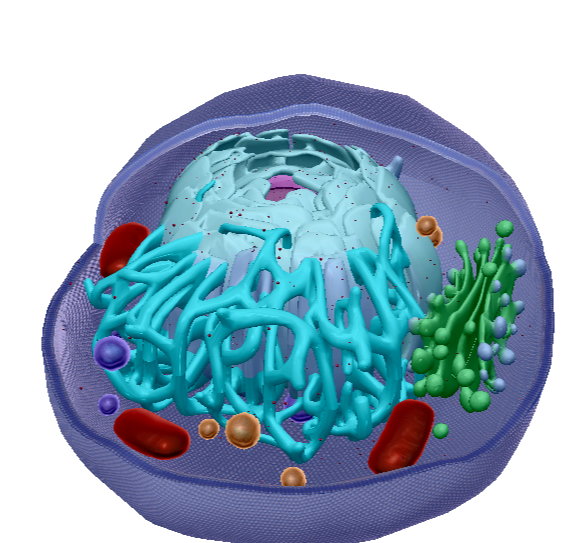
Proteins produced in the endoplasmic reticulum are processed in a set of membrane sacs known as the golgi complex before being released.
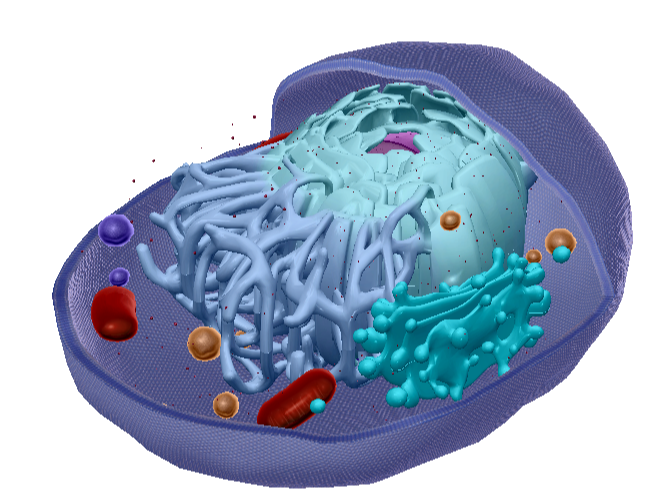
Lysosomes are capsules inside the cell that contain digestive enzymes. Their function is to break down substances consumed by the cell or recycle waste.
Similar organelles called peroxisomes process and neutralize toxins, metabolize long chain fatty acids, and contribute to energy production.
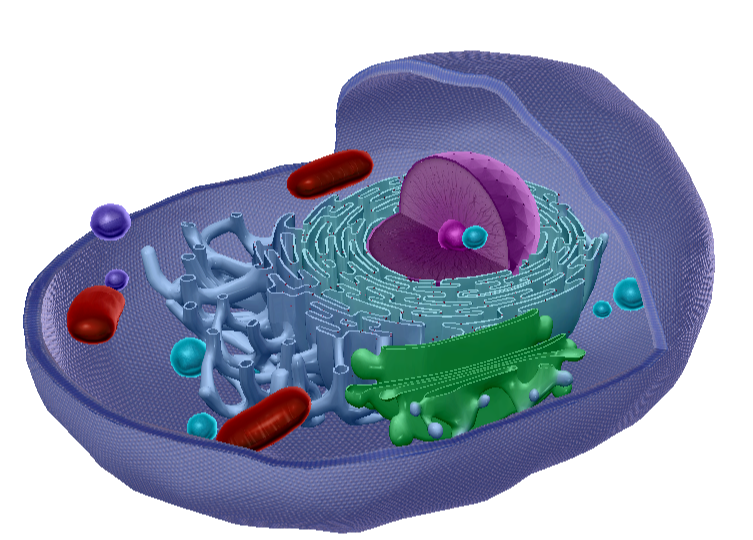
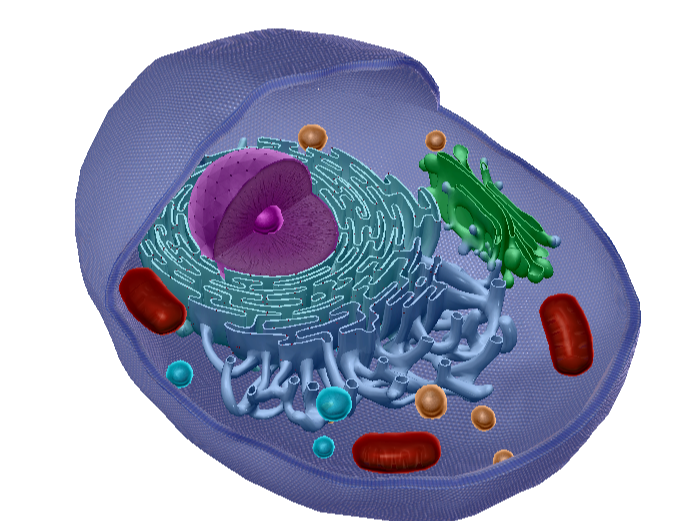
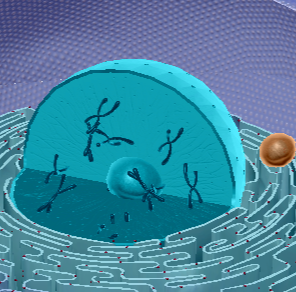
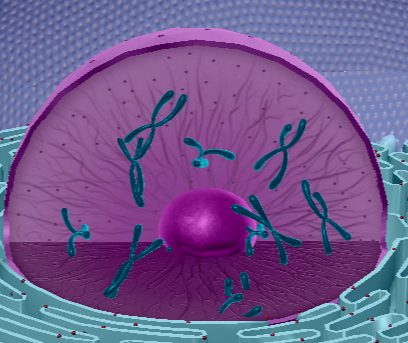
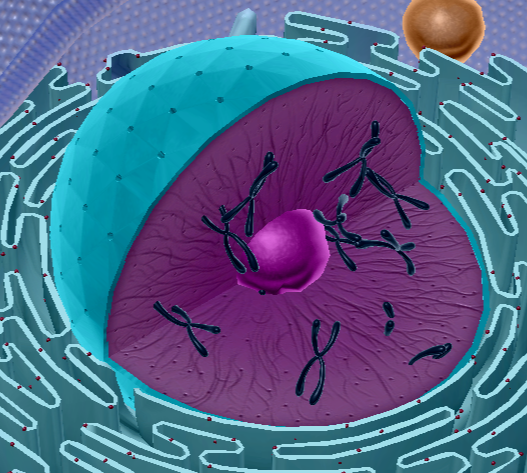
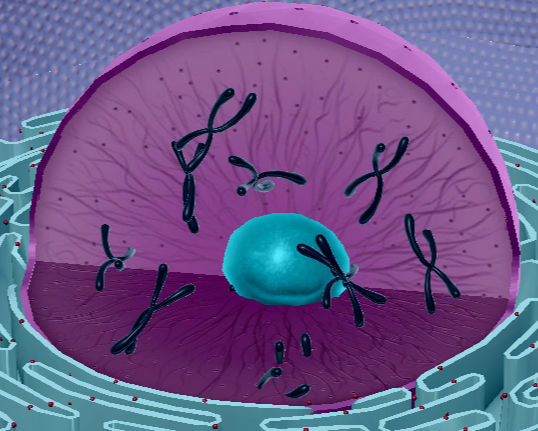
The cells’ nucleus contains its genetic information encoded in molecules of DNA, which are arranged in bundles called chromosomes.
The nucleus is separated from the cytosol by a membrane, the nuclear envelope.
Inside the nucleus, a central body called the nucleolus produces ribosomes.
Mitochondria uses oxygen taken in by the cell to produce ATP, the molecule that cells use as fuel for energy.
Ribosomes synthesize proteins. Some float freely in cytosol, while others are attached to cellular structures.
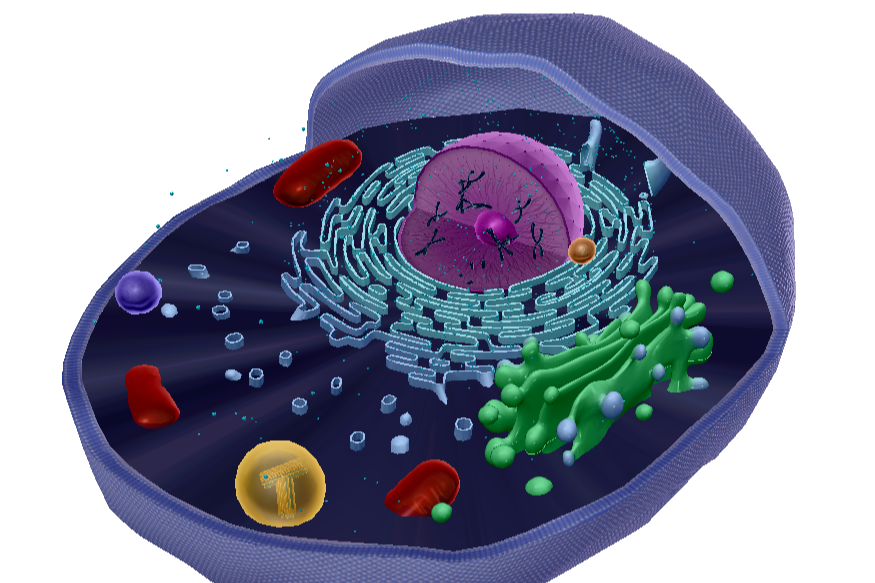
Cellular respiration is a series of processes that take place within a cell to breakdown glucose to make ATP. There are 3 main steps:
Glycolysis
Glycolysis starts in the cytosol.
Breaks down 6-carbon glucose molecule producing 3-carbon pyruvic acid molecules and a net gain of 2 ATP molecules, used as cellular energy.
High-energy electrons are released.
Citric Acid Cycle
Occurs in mitochondria, when each 3-carbon pyruvic acid molecule enters.
2 more ATP molecules ate created.
Carbon dioxide is released as a waste product.
Oxidative Phosphorylation
Occurs in mitochondria.
Involves electron transport chain and chemiosmosis in the inner mitochondrial membrane.
Most ATP molecules are created during this phase.
These three main steps can produce up to 38 ATP molecules from one glucose molecule.
Proteins are chains of amino acids that have many functions inside of the body, including acting as hormone in the endocrine system, contracting muscles, and transporting substances in the blood stream and across cell membranes.
Information in the DNA in the nucleus is used to produce proteins. The assembly of the protein’s amino acid chain occurs in the cytoplasm and is facilitated by ribosomes.
Proteins are made from the template of a cell’s genetic code through the processes of transcription and translation.
All cellular protein building and much of the cellular gene expression occurs through the two principal steps called transcription and translation.
In transcription, the double-helix DNA molecule is unzipped and mRNA molecule is created from the DNA template.
DNA’s information is encoded or “transcribed” into RNA.
For genes that code for proteins, the RNA is called mRNA (m stands for messenger).
During the process of transcription, RNA polymerase opens or “unzips” the double helix of DNA and pries the 2 DNA strands apart.
While RNA polymerase continues, it reads one strand of DNA and transcribes the DNA’s information. It then creates an mRNA version of the DNA or “transcript”. The mRNA transcript is a complimentary copy of the DNA sequence.
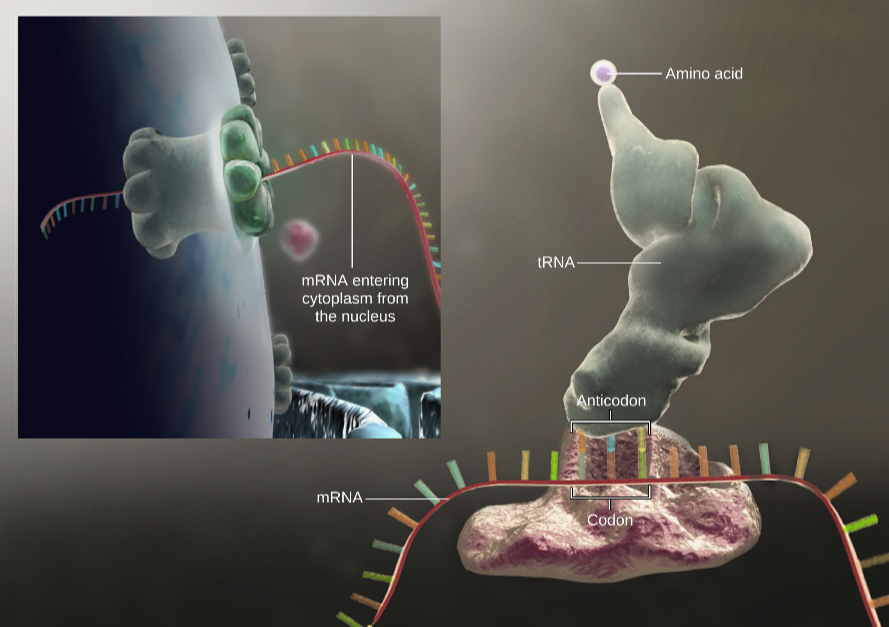
When transcription ends and mRNA is complete, it separates from the DNA template and exits the nucleus through a nuclear pore. It then enters the cytoplasm and begins it’s process of translation.
Translation is the formation of a linear chain of amino acids (a protein), using the transcribed information provided by an mRNA strand.
Begins when the mRNA enters the cytoplasm and a small ribosomal subunit attaches itself to the end of mRNA strand and a tRNA (transfer RNA)
During translation, the mRNA is decoded or “translated” to create a protein within the ribosome.
A 3-base sequence in the mRNA that codes for a specific amino acid in the protein is called a codon. Each codon specifically codes for one of the 20 amino acids found in the body.
The ribosome sits over 2 codons of mRNA at a time.
Each codon sits in a specific “pocket” of the ribosome during translation which allow transfer RNA molecules to match their anticodons up to the mRNA codon.