Why do we need carbohydrates?
Year 9 pass - sports nutrition
Carbohydrates
____________________________________________
Why do we need carbohydrates?
Provides crucial energy for muscle contraction and brain function
The body uses carbohydrates as the preferred source of fuel during exercise, especially with increasing intensity and prolonged duration
If you don't get enough → fatigue, impaired performance during training and competition, impaired immunity
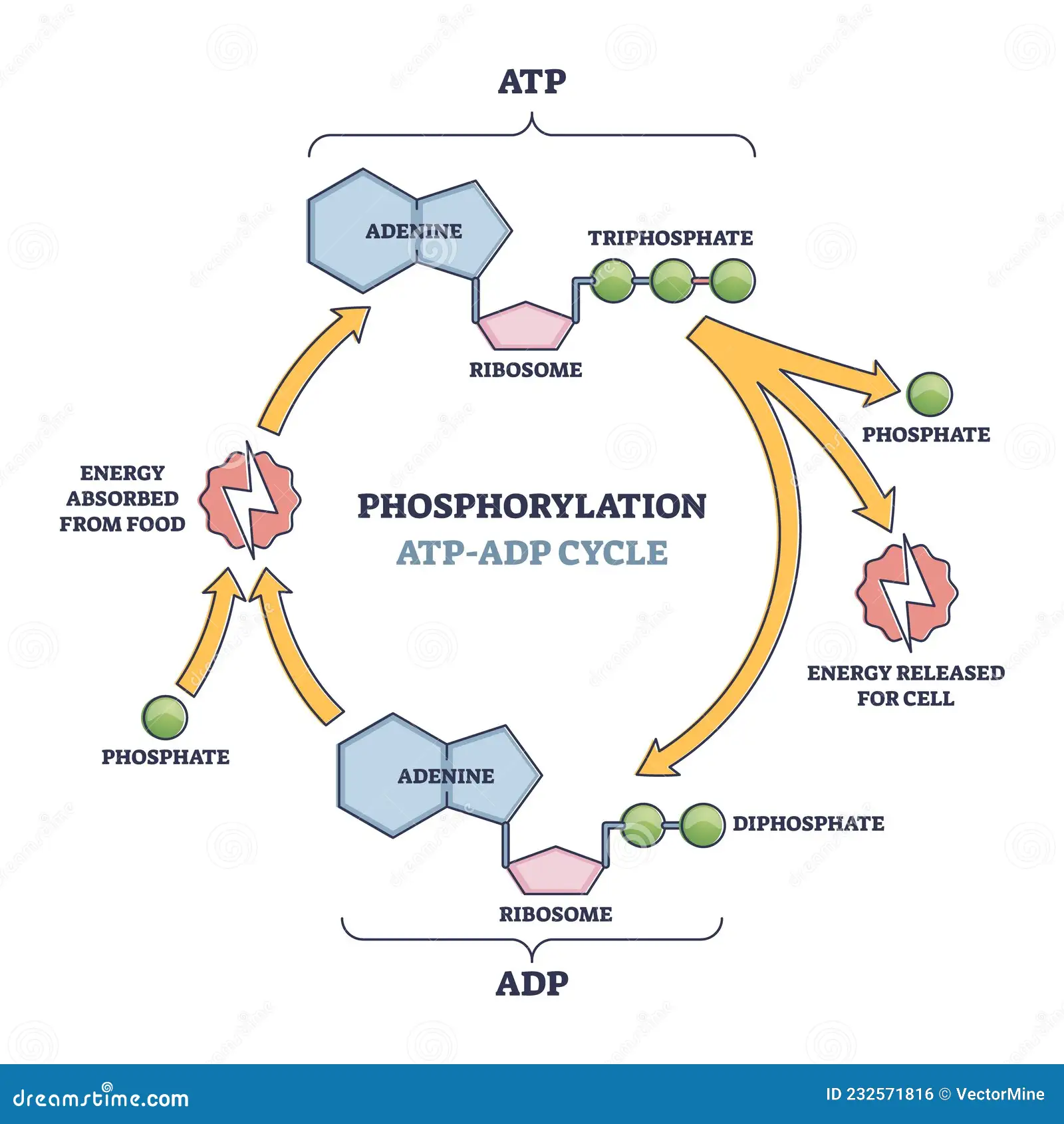
Stored carbohydrate ( glycogen ) → sugars and starch ( glucose ) → energy
All comes down to ATP
Glycogen ( stored carbohydrates ) - stored in the liver + muscle
Sources of carbohydrate
Bread, cereal, rice, pasta, noodles, crackers, crispbread
Starchy veg - potato, sweet potato and corn
Milk, yogurt and other low-fat dairy products
Legumes and lentils
Fruit and fruit juice
How much carbohydrate do we need?
Most carbs come from breads and cereals food group
Recommendations suggest 5-7 serves.day ( 14-18yr female )
What is a serve?
1 slice of bread or half a medium roll or flatbread
½ cup of cooked rice, pasta, noodles, barely, buckwheat, semolina, polenta, bulgur or quinoa
½ cup cooked porridge (120g)
⅔ cup wheat cereal flakes ( 30g) or ¼ cup muesli ( 30g)
3 crispbread (35g) ( vitaweets, rye Vitas )
1 whole-grain english muffin (35g)
Wholegrain options contain fibre!
The glycaemic index
The GI is a measure of how quickly a food containing carbohydrates releases sugar into the bloodstream
Low GI ( >55 rating )
Milk, cheese, fruit ( apple, pears ), beans on toast, special k, bread
High GI ( >70 rating )
Cornflakes ( honey ), rice, energy drinks, lollies, fruit ( watermelon ), crackers
when should I eat carbohydrates to maximise performance?
timing Carbohydrate intake |
Before exercise ( main meal 3-4hrs before ) Low GI foods, moderate fibre & protein: pasta, rice, sandwich, fruit salad, and yogurt |
Before exercise ( snack to “top up” - 30 min to 1 hour before ) Of moderate high GI ( glucose into the bloodstream more quickly ) moderate fibre & protein: watermelon, dates, rice cakes + ½ banana |
During exercise 30-60g/hour of endurance exercise High GI Sports drinks/gels, cereal bars, rice thins, watermelon, pikelets, white bread or wrap with jam/honey, white rice, potato |
After exercise ( first 30 minutes ) 1g/kg as soon as exercise finishes high GI preferably |
After exercise ( within 24 hours after ) LOW GI A source of carbohydrates at each meal and snack enough to refill your petrol tank! |
Timing of consumption and quantity to maximise performance and recovery
Activity serves/day |
Normal day ( walking ) 5-7 |
Recreational athlete ( 2-5hrs/wk eg. Netball ) 7 |
Competitive athletes ( 6-10hrs/wl moderate exercise eg. swimming/soccer/weights ) 7-9 |
Serious professional athletes: endurance, marathons 9-10 |
Ultra-endurance & Ironman events, marathons Olympic ( high volume training ) 10+ |
Carbohydrates should always be matched to individual training needs!
____________________________________________________________________
Protein
__________________________________
Sources of Protein
Meat,
poultry, ( chicken, turkey, duck )
Fish
Dairy ( milk, yogurt, cheese )
Legumes ( beans, chickpeas, lentils, nuts )
Eggs
How much protein do we need?
Approximately 2.5 serves/day ( 14-18 yrs )
BUT! Remember your athletes will have increased demands
One serve is equal to: |
65-100g cooked meat or chicken |
100g cooked fish |
2 eggs |
1 cup cooked legumes or lentils |
30g nuts or seeds |
170g tofu |
Estimated protein requirements for athletes
Population protein ( g/kg/day ) |
Sedentary males and females 0.8-1.0 |
Elite male endurance athlete 1.6 |
Moderate intensity endurance athlete 1.2 |
Recreational endurance athlete 0.8-1.0 |
Football, power sports 1.4-1.7 |
Resistance athlete ( early training ) 1.5-1.7 |
Resistance athlete ( steady state ) 1.0-1.2 |
Female athletes - 15% lower than males |
Exercising four to five times per week for 30 minutes at moderate intensity
Protein is different depending on whether you’re gaining muscle ( early training ) or maintaining muscle ( steady training )
Why do we need protein?
Our body's muscle & protein stores are continually building up and then depleting. We need a balance between protein breakdown and protein rebuilding to maintain our muscle mass
During exercise → protein breakdown → muscle breakdown
During recovery → protein rebuilding ( with good nutrition ) → muscle building
Timing of consumption and quantity
Before training Don't train on an empty stomach. Consume a meal moderate in protein To prevent muscle breakdown during training To provide fuel for training |
After training ( within 15-30 ins ) Important to consume 10-20g of protein immediately after exercise To increase protein rebuilding Help with recovery Increase muscle growth |
During the day Spread your protein intake throughout the day Avoid protein breakdown by topping up on protein at regular meals/snacks |
Protein → carbohydrate = improved performance
Snacks containing 10-20g Protein + Carbohydrate |
Natural yogurt + fruit |
Milk + Fruit |
Fruit smoothie |
Up & Go sustagen sport |
Sandwich with meat and cheese or peanut butter filling |
Cereal and milk |
Can athletes eat too much protein?
High protein intakes ( >2g/2kg ) can:
Increase the amount of calcium excreted in the urine → bone health
Accelerate the progression of pre-existing kidney disease
Result in a greater fat intake when based on the consumption of large amounts of animal foods ( e.g meat and dairy foods )
Displace other valuable foods ( e.g fruit and vegetables ) or other important nutrients such as carbohydrates and fibre from the diet
Protein powders/bars = EXPENSIVE
____________________________________________________
FATS
Why do we need fats?
Fats provide essential fatty acids for:
Absorption of important nutrients, like vitamins A, D, E, and K
Proper growth and functioning of the brain
Stored energy
Protection of organs
Body temperature regulation
How much fat do we need?
25-30% total energy intake
Excess energy intake → weight gain
Keep fatty foods as a treat only
Aim for the majority of fat intake to come from unsaturated sources
Types of fats
❌ ✅
Bad fats Good fats |
Saturated Monounsaturated ( MUFA ) |
trans Polyunsaturated ( PUFA ) - omega -3 |
Olive oil ( 1 tbsp ) 18g Avocado: 35-40g Salmon ( 150g ): 20g |
Sunflower Seeds ( ¼ cup ) 18g ( 2,5g ) Almonds ( 30g ): 16.5g Peanut Butter ( 1 tbsp ) 10g |
Again, amounts are not important, be able to give examples of good fat foods.
Substitute the good for the bad
Tips!
✅choose lean cuts of meat or oily fish ( tuna, salmon )
✅use avocado or hummus as a spread instead of butter or margarine
✅choose reduced fat dairy instead of full cream
✅make homemade snacks rather than buying commercial cakes/pastries
Swap it dont stop it!
Fats and its effect on sports performance
Before exercise
Choose a low-fat meal
→ empties from the stomach quickly
→ prevents sluggish, uncomfortable feeling
_______________________________________________
Calcium
Teens need more than adults or children
Amount not important, have an idea which is higher
Source calcium ( mg ) |
Cows milk (250mL) 300 |
Yogurt ( 200g) 260-360 |
Cheddar cheese ( 30g, 2 slices ) 240 |
Ricotta cheese ( 100g) 100 |
Ice cream ( 2 scoops ) 130 |
Tofu ( hard 100g) 160 |
Sardines |
We don't absorb as much calcium if we don't have fat with it
Why do we need calcium?
To form our bones and teeth
Optimal hormonal function
Doing exercise helps build bones
And if I don't get enough? The body will break the bone down, which can lead to osteoporosis
The risk for osteoporosis increases if too little bone is formed during youth, or too much is lost later in life - or both!
Tips on how to increase your intake of calcium!
Add natural yogurt to tacos, burritos and curries
Mix milk with mashed potato
Eat leafy green vegetables such as bok choy, Brussel sprouts or broccoli
Avoid too much salt
Reduce your caffeine intake
__________________________________________________
Iron
Sources of iron
Haem - iron - non-haem iron
Meat poultry and seafood - cereals, fruit, veggies & eggs
>20% absorbed - <5% absorbed
Sources
beef/lamb ( 100g ) - 3.5 grams, High, best sources
Chicken ( 100g) - high mid
Tuna, salmon ( 100g ) - high mid
Egg ( 1 ) - low
Breakfast cereals ( 30-45g ) - 1-3g high! Can vary
Spinach ( 100g) 3.0 high!!
Baked beans ( ½ cup ) 2.0 high!!
Dried apricots ( 5 ) 1.5 high
Muesli bar ( 1 ) 2, high! They vary
Average fresh fruit or vege serve - 0.5, low
Dried beans ( 1 cup ) 4, very high!
How much iron do we need?
Amounts are not important, have an idea of which age group
Males have an increased need during adolescence due to growth
Females have a higher increase in need during adolescence due to periods
While menstruating, female rates are higher than males
Iron requirements and sport:
Higher in endurance athletes
Higher with greater impact
Higher with many hours of training
Why do we need iron?
Iron helps transport oxygen around the body
It plays a role in energy production
Some iron is lost from the body every day, we need to replace it through the food we eat!
Why athletes may need to increase iron intake
Iron loss greater than absorption → gradual depletion → iron deficiency → fatigue, pale skin, more susceptible to infection → decreased performance
Tips on how to increase your intake of iron!
Eat foods containing fruit and vegetables with each meal
Eat lean red meat 2-3 times/week
Avoid drinking tea and coffee with meals
Eat breakfast cereals
Avoid too much un-processed
_____________________________________________________
Water is vital to help maintain blood volume and regulate our core temperature, when we become dehydrated it can speed up fatigue and have an impact on performance
Signs and symptoms of dehydration in athletes may include:
Thrist
Dark urine colour
Daily body weight ( fluctuations > 1% )
Headaches
Increased perception of effort
Poor concentration
Reduced urine output
More severe signs/symptoms of dehydration include:
disorientation/ confusion
Rapid pulse
collapse/unconsciousness
WUT model
( weight. Urine. Thirsty. )
1.25-1.5L% of what has been lost needs to be replaced
_______________________________________________
What can increase the likelihood of becoming dehydrated -
Athletes performing sustained or vigorous exercise/ competing in warm or hot conditions
Athletes training or living at an altitude of travelling on flights
Athletes who suffer from traveller’s diarrhoea
Athletes who fall ill with gastroenteritis or fever
_______________________
Pick a comp ex-rugby,
Gala day
24-hour nutritional plan
Pre-event meal
Lean proteins for muscle repair and recovery
Carbohydrate appropriately timed for fuel
Fruit, vegetables, nuts, seeds and wholegrains provide important vitamins and minerals, along with some healthy fats
Well-hydrated before and during and leading up
Having a drink with all meals and snacks
Important to start games well fuelled, pre-game meal 3-4 hours before game 1 containing some carbs and hydration, a small amount of protein
Pre-game meal ideas -
wrap/sandwich with chicken and salad
Muesli with yogurt + berries
Pasta with chicken in tomato sauce
Soup with bread rolls
noodle or rice stir fry
Snack
1-2 hours prior to the game, something light that is rich in carbs but low in fat and fibre so easy to digest
Ideas -
Yogurt + fruit salad
Banana and handful of almonds
Peanut butter on rice cakes
Toast w vegemite
____________________________________________________
Marketed nutritional products pg 115
Marketed Nutritional product:
The market has a wide range of products from which advertisers claim that athletes gain a winning edge because they recover better, and that they improve their endurance, increase their strength, lose body fat and/or enhance their immune system. The products commonly come in the form of a liquid meal, a nutritional bars or supplement. They are often expensive and cleverly marketed but are of questionable benefit.
Liquid meals:
Liquid meal supplements are usually made of carbohydrate-rich moderate-protein, low fat powder (or liquid) for mixing with water or milk to be a source of energy and a nutrient-rich dietary supplement. They will be useful for athletes who are:
Aiming to increase their lean body mass
Coping with heavy training load
Undergoing a growth spurt
Liquid meals can be advantageous in that they are compact and easily prepared meal replacement and are a substantial source of many vitamins, minerals and essential amino acids.
They can be especially useful a post exercise recovery snack because they are portable, nonperishable and easily prepared, so travelling athletes who have minimal facilities for preparing for preparing and storing food them useful.
When you are preparing a liquid meal, it is important you read the ingredients on the product label to ensure that they have adequate fibre and protein content. In commercial products, the fibre contents vary widely ranging from 1 gram to 5 grams and the protein content ranges from 4 to 15 grams. An important point to remember is that you still need to eat solid foods every day. To aid improvement of your fibre consumption, eat fruit and vegetables every day.
Low-kilojoule liquid diets (between 2100 and 3400 kilojoules a day) usually contain too little fibre, and lack important antioxidants found in fruits, vegetables and whole grains. The result can be lower resistance to disease. Also, due to the low-kilojoule content, they are unsafe unless medically prescribed or supervised.
However, they have to be used according to directions so that their energy and nutrient comparison is adequate for achieving specific nutritional goals. Liquid-meal supplements can often be overused whereby replacement of whole foods is inappropriate and the person becomes overly reliant on them as expensive alternatives.
Consumption of them in their compact form can lead to over consumption of kilojoules and unwanted weight gain. If you fail to follow the instructions for preparing the drink, the drink might not contain the energy and nutrient profile you need in order to achieve a specific dietary goal. Your food sources should always be your first option for your meals and snacks.
Diabetics and people who are lactose intolerant should not consume liquid meals. Diabetes can be exacerbated due to the liquid meals high carbohydrate content, and lactose intolerance can be exacerbated due to their dairy-milk content.
__________________________________________________________
Nutritional bars pg116
A compact source of energy, carbs and protein in solid form
Athletes use them as energy or carb supplement
Substantial fuel boost when consumed after or during exercise
Usually low fat and fibre
Perfect for travelling athletes → non-perishable, easy, portable
Beneficial for athletes who require a high level of energy and post-exercise recovery
Meal replacement bars: meet the nutritional standards of a meal
___________________________________________________
Fads and fallacies pg 120-122
Fads = diets that become popular for a short period, tend to fade away when results dont match claim, ineffectiveness, or dangerous, lose public interest
Consumers find it difficult to judge the diet's nutritional merit, because for most of the diets, advertisers pay 1 or more medical professionals to endorse the diets effectiveness
People who are looking to lose weight quickly often resort to fad diets, diets lead to short term results, difficult to sustain, from these diets, deiter is deprived of essential nutrients that is gained from a normal diet
Examples :
Cabbage soup diet
The Scarsdale diet
The grapefruit diet
The Atkins diet
Three day diet
Fad diet characteristics :
Promising a quick fix
Promotion of magic foods or food combos
Implication that consumption of food can cause change in body chemistry
Exclusion or severe restriction of food groups or nutrients such as carbs
Adherence to rigid rules for which the focus is on weight loss
Making claims based on testimonials or a single study
—------------------------------------------------------------------------
Page 122
Fallacies and myths that surround nutrition and physical activity:
Vitamins lead to enhancement of strength and endurance
Vitamins are not a source of kilojoules and cannot be used as fuel. The body excretes 70% of the vitamins it doesn’t need, only people who are deficient in a dietary areas should take the necessary supplements
Diet pills lead to the enhancement of metabolism and contribute in weight loss
People will initially lose weight after they have begun taking the pills, because of lowered basal requirements for food and kilojoules, but most people put on more weight than they have initially lost.
Vegetarian diets are healthier than meat-based diets
Organic food is more nutritious
According to recent studies, the higher nutritional qualities attributed to organic food compared with the qualities of conventionally produced food is neither supported nor refuted