final topics (1)
The following is a partial list of things to study for the final exam!
Insects that I expect you to be able to identify from an image by common and Latin binomial names:
Secondary screwworm fly Cochliomyia macellaria
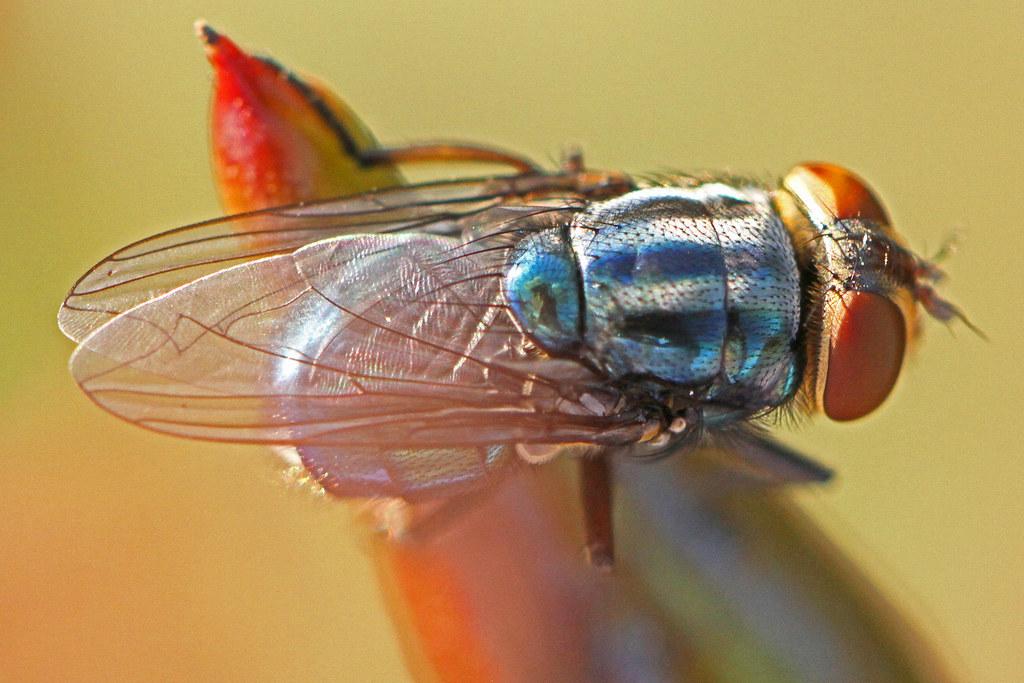
Hairy maggot blow fly (larva) Chrysomya rufifacies
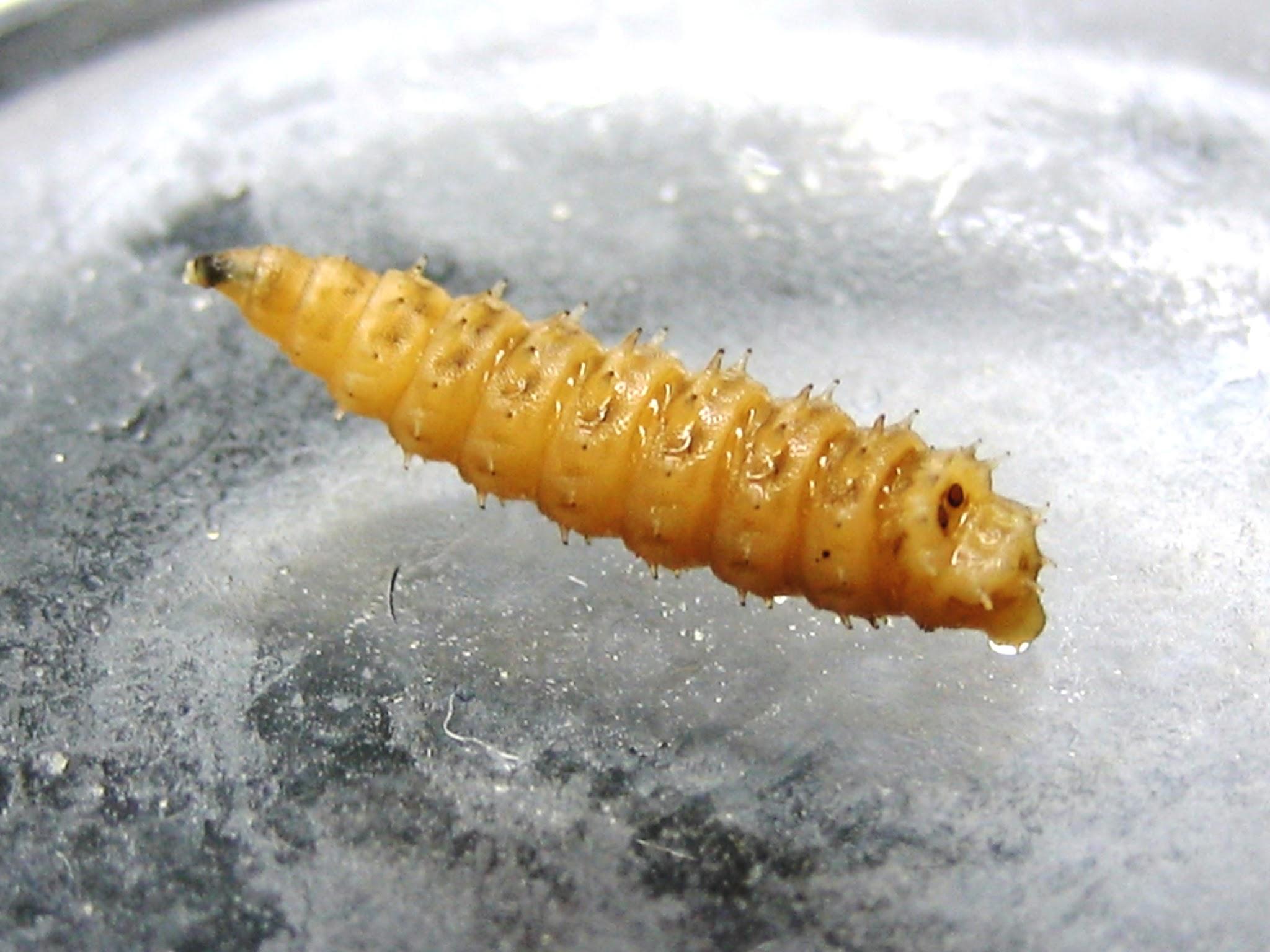
Bluebottle fly Calliphora vicina
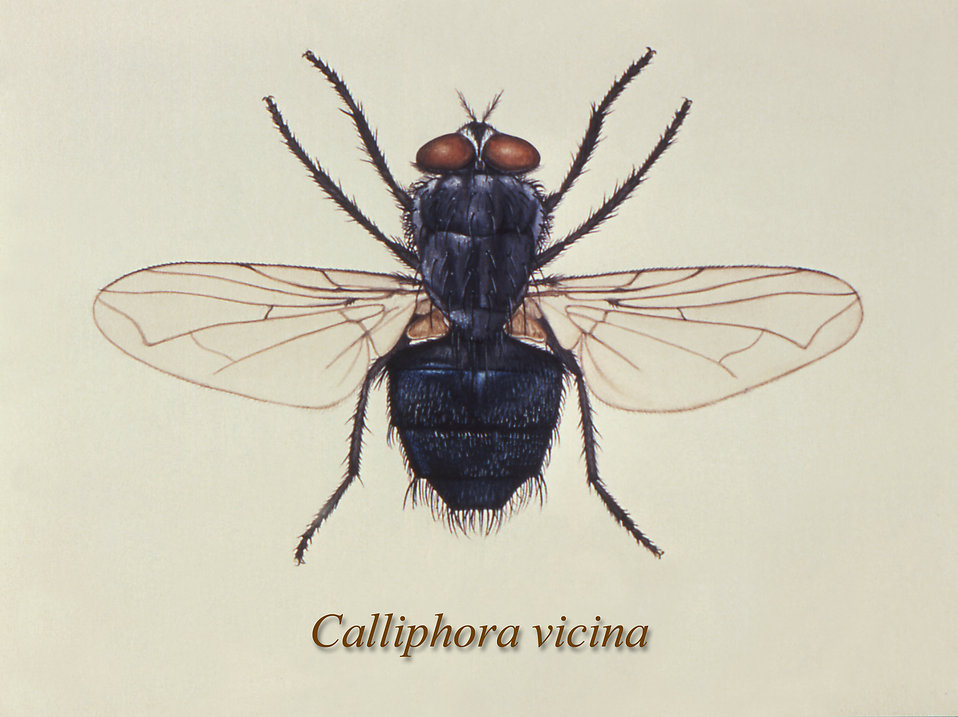
Holarctic blue blow fly Calliphora vomitoria
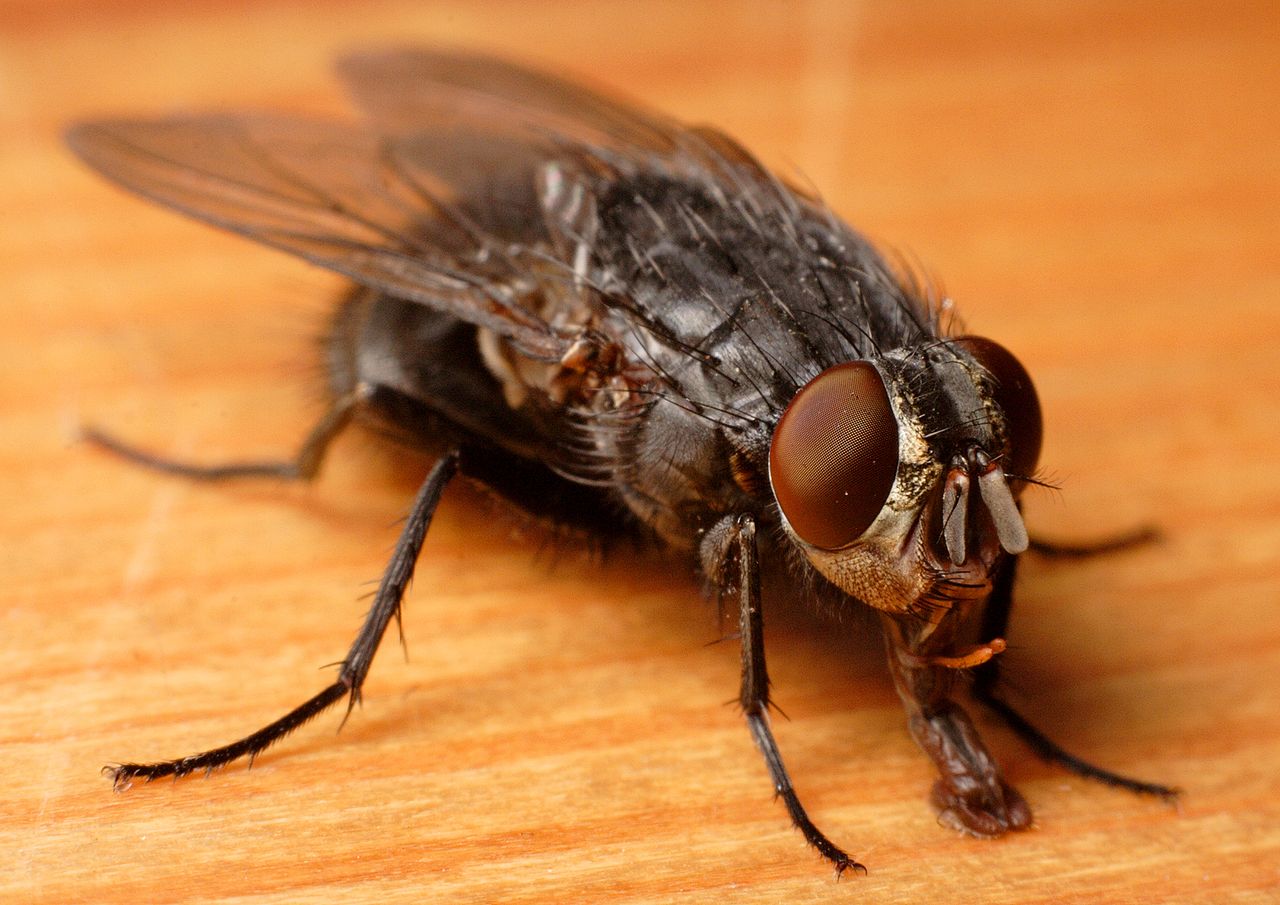
Greenbottle fly Lucilia coeruleiviridis
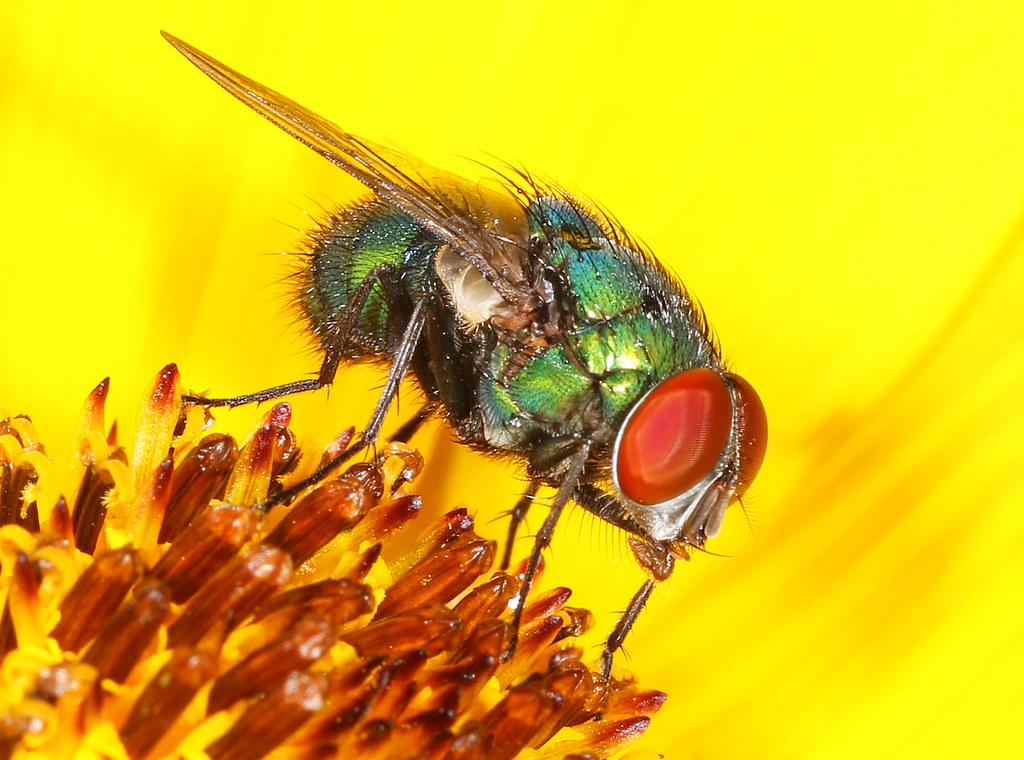
Sheep blow fly Lucilia sericata
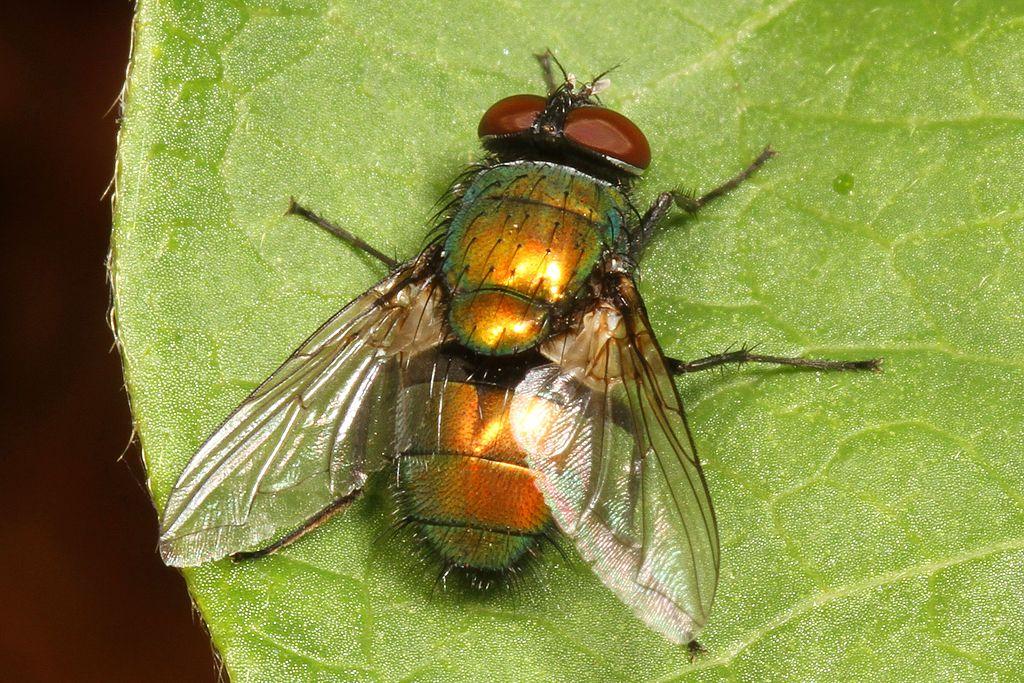
Black blow fly Phormia regina
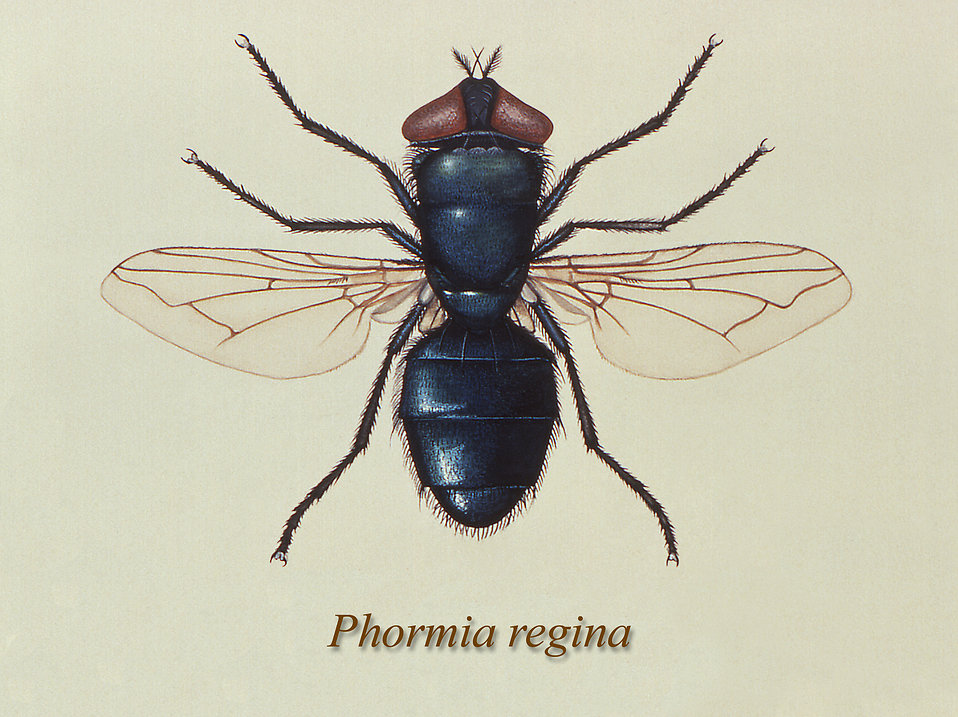
Black dump fly Hydrotaea aenescens
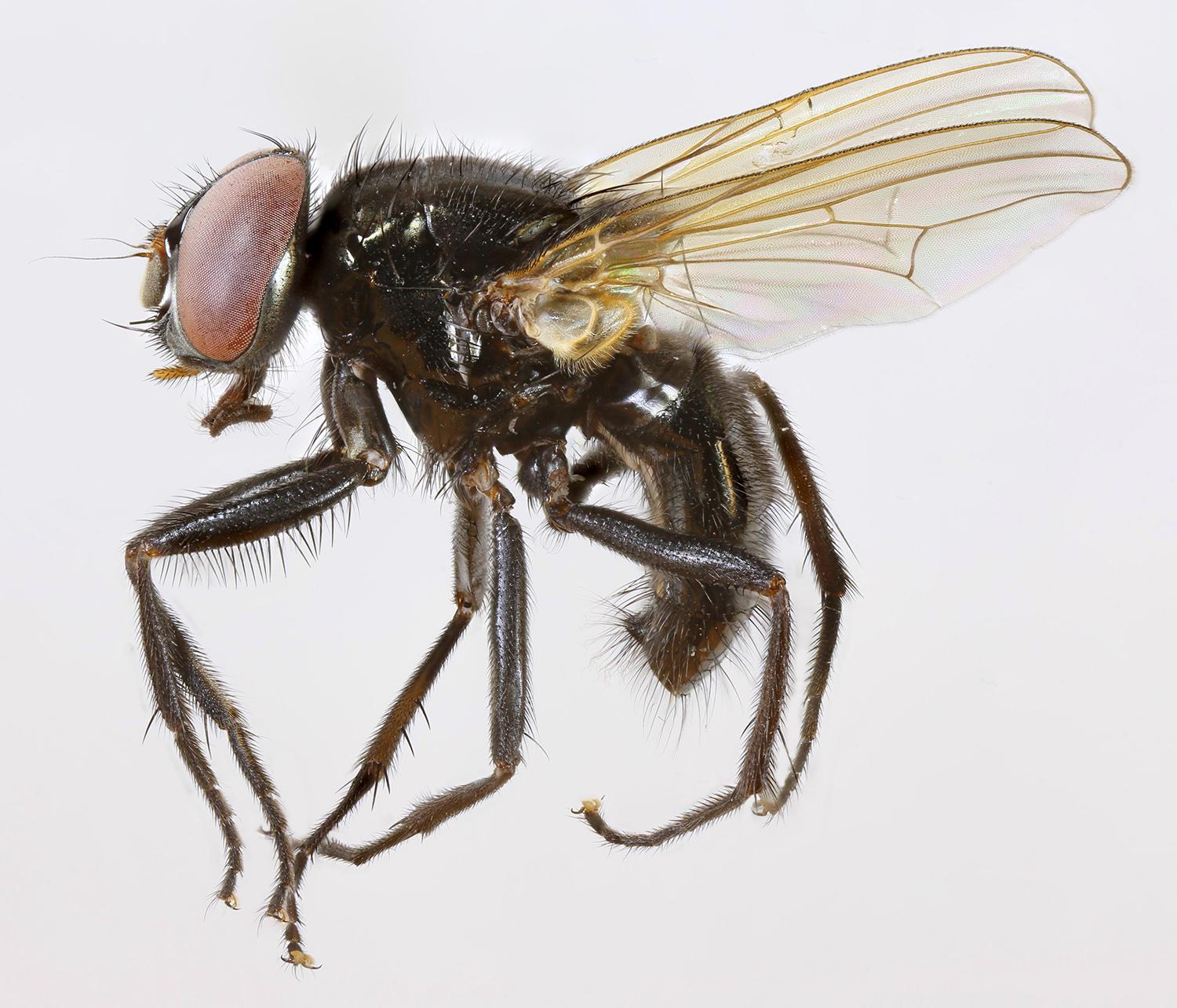
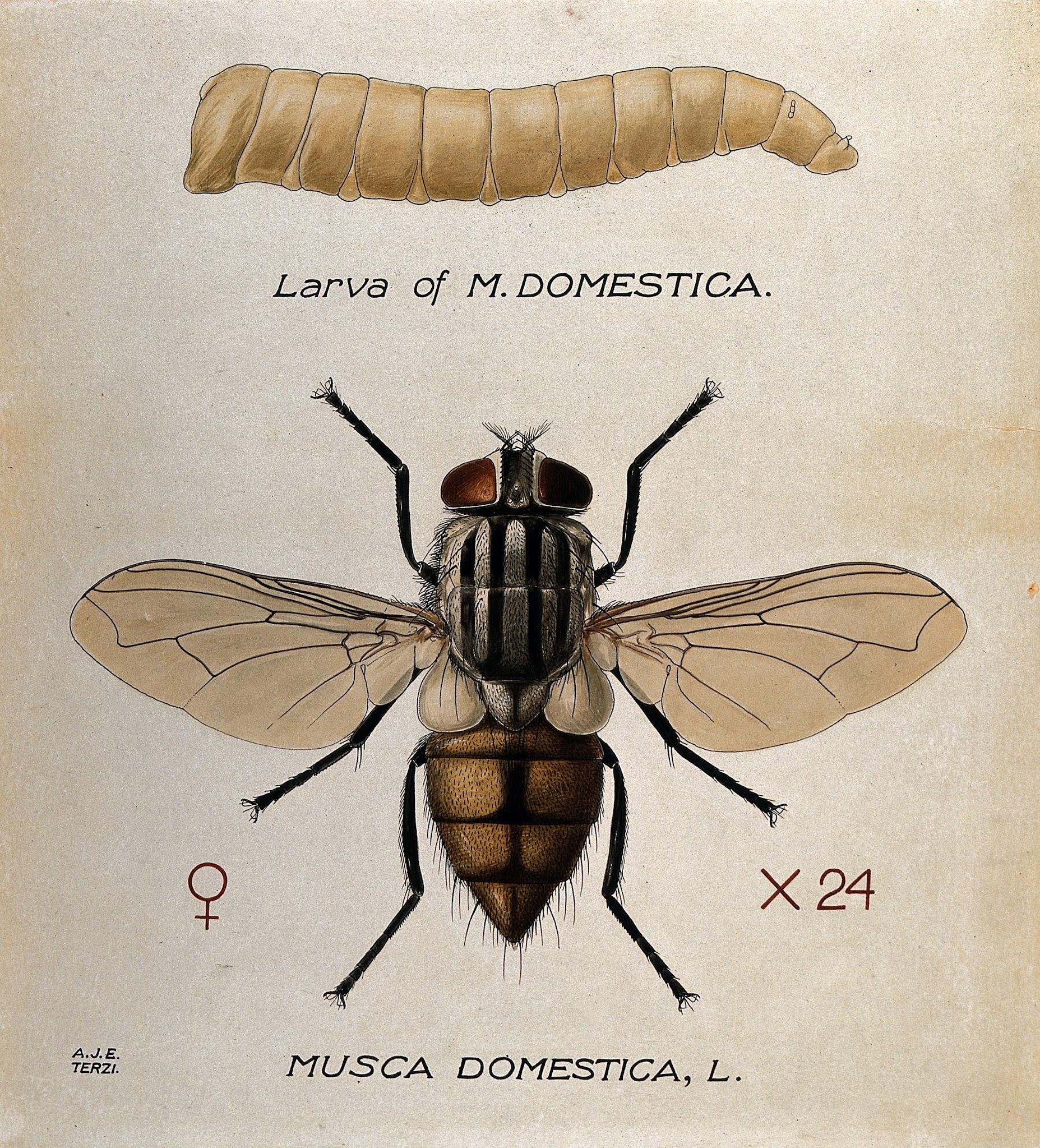
House fly Musca domestica
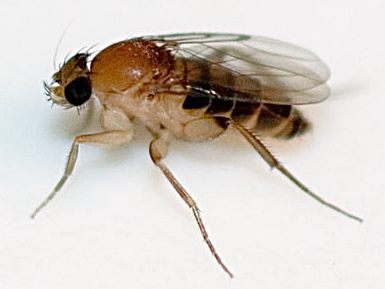
Scuttle fly Megaselia scalaris
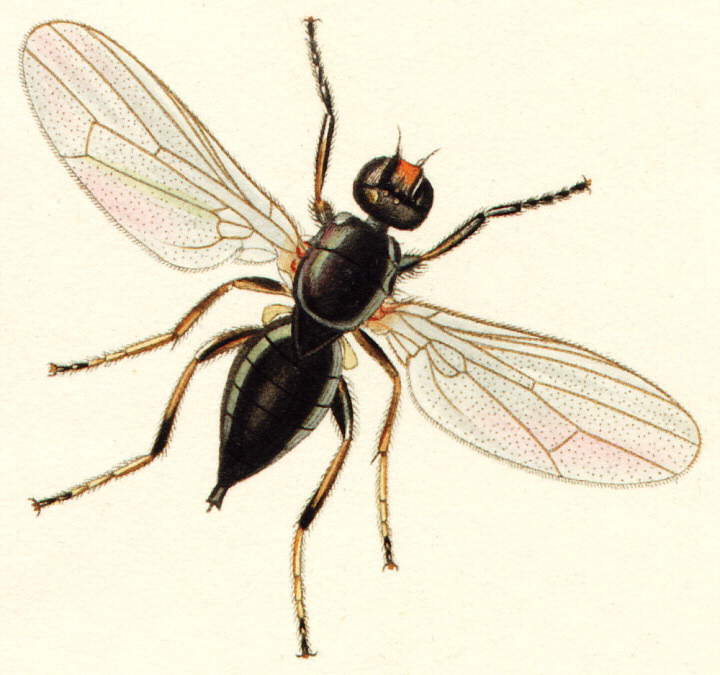
Cheese skipper Piophila casei
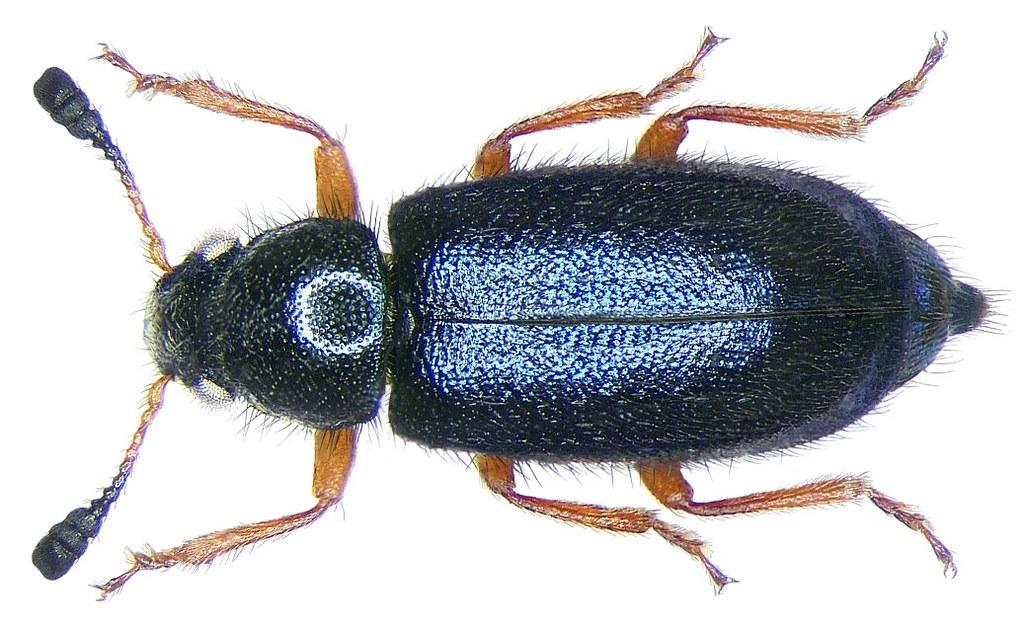
Red-legged ham beetle Necrobia rufipes
Clown beetle Hister sp.
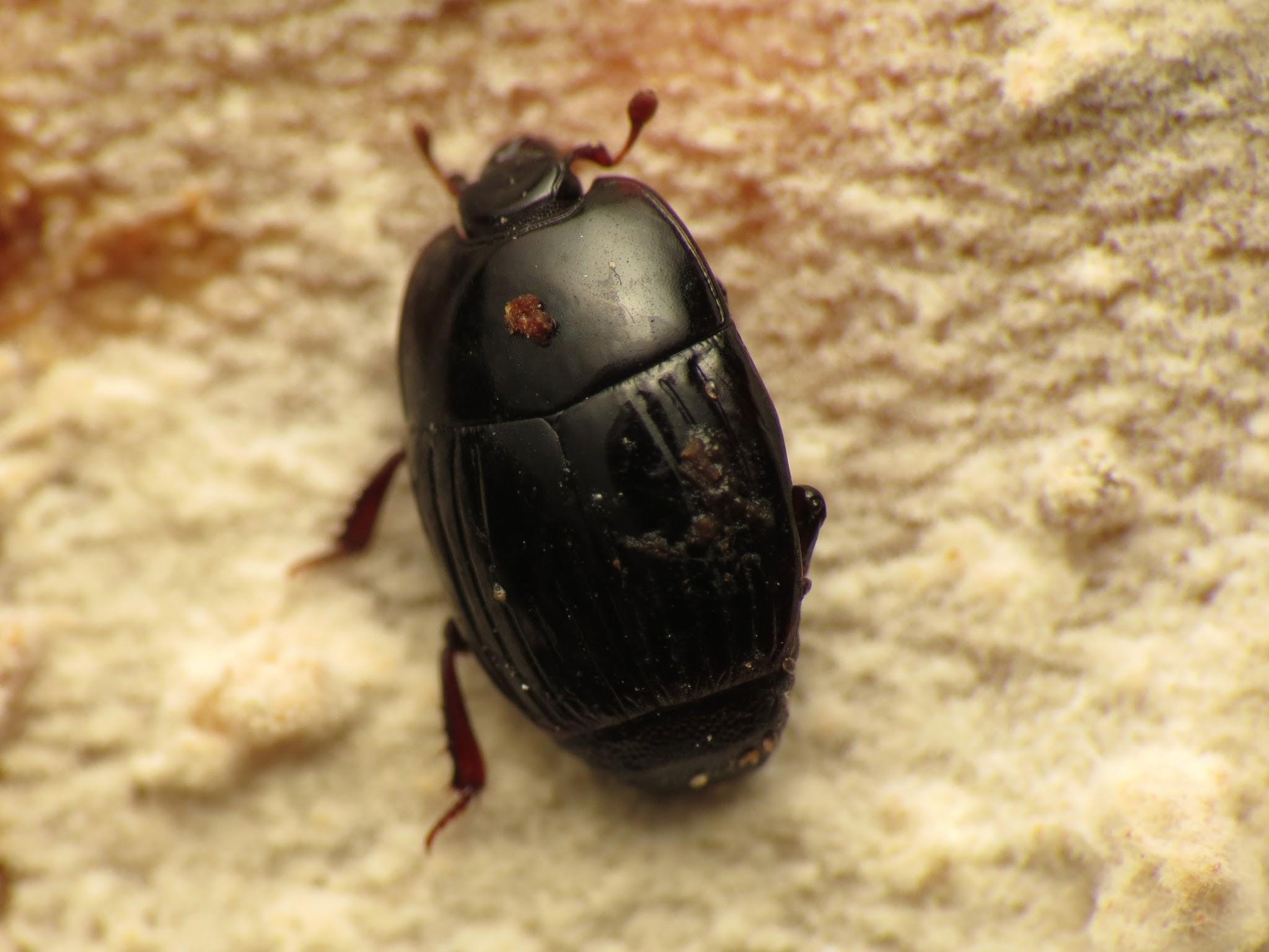
Skin beetle Dermestes sp.
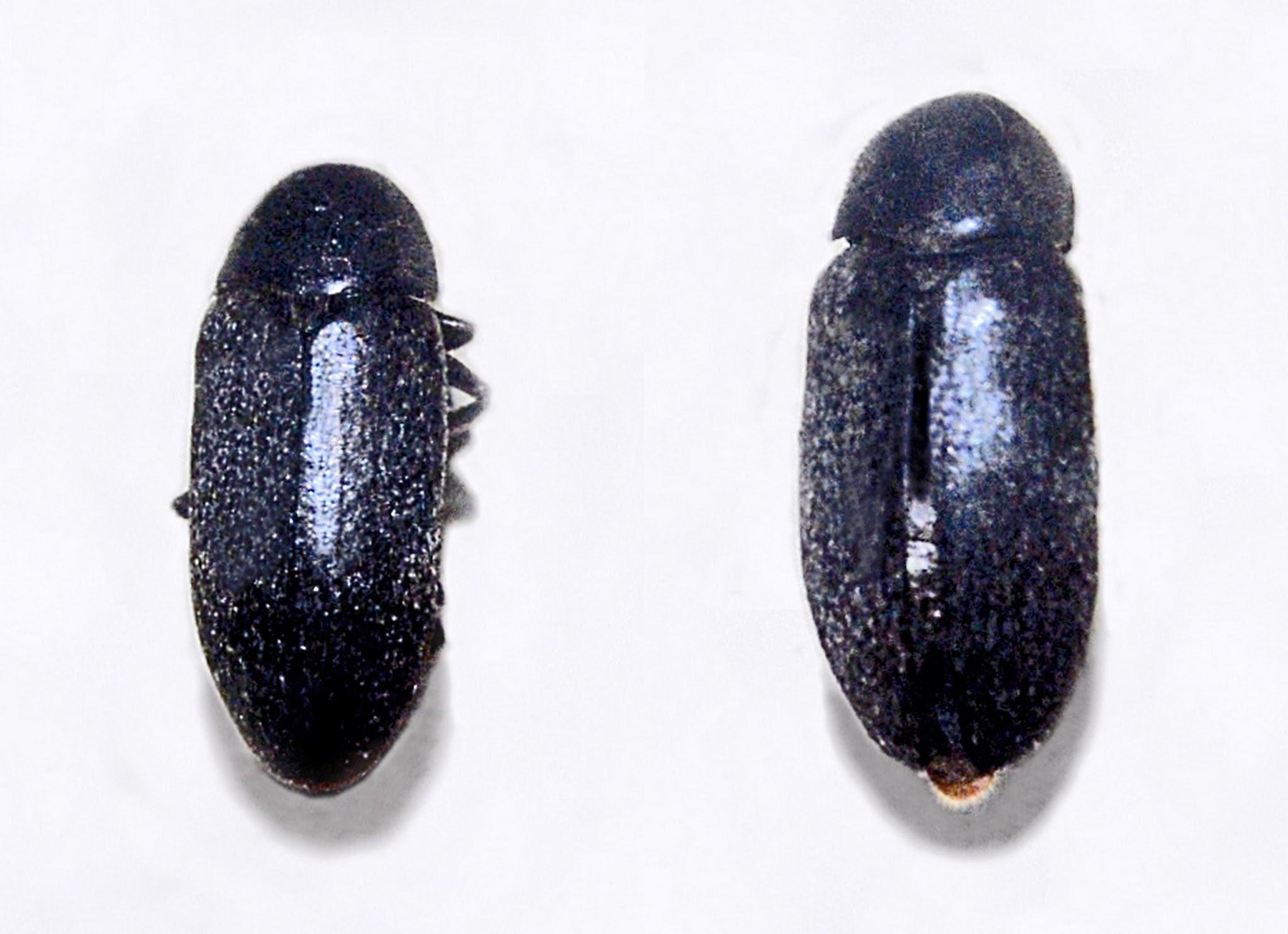
Hide beetle Trox sp.
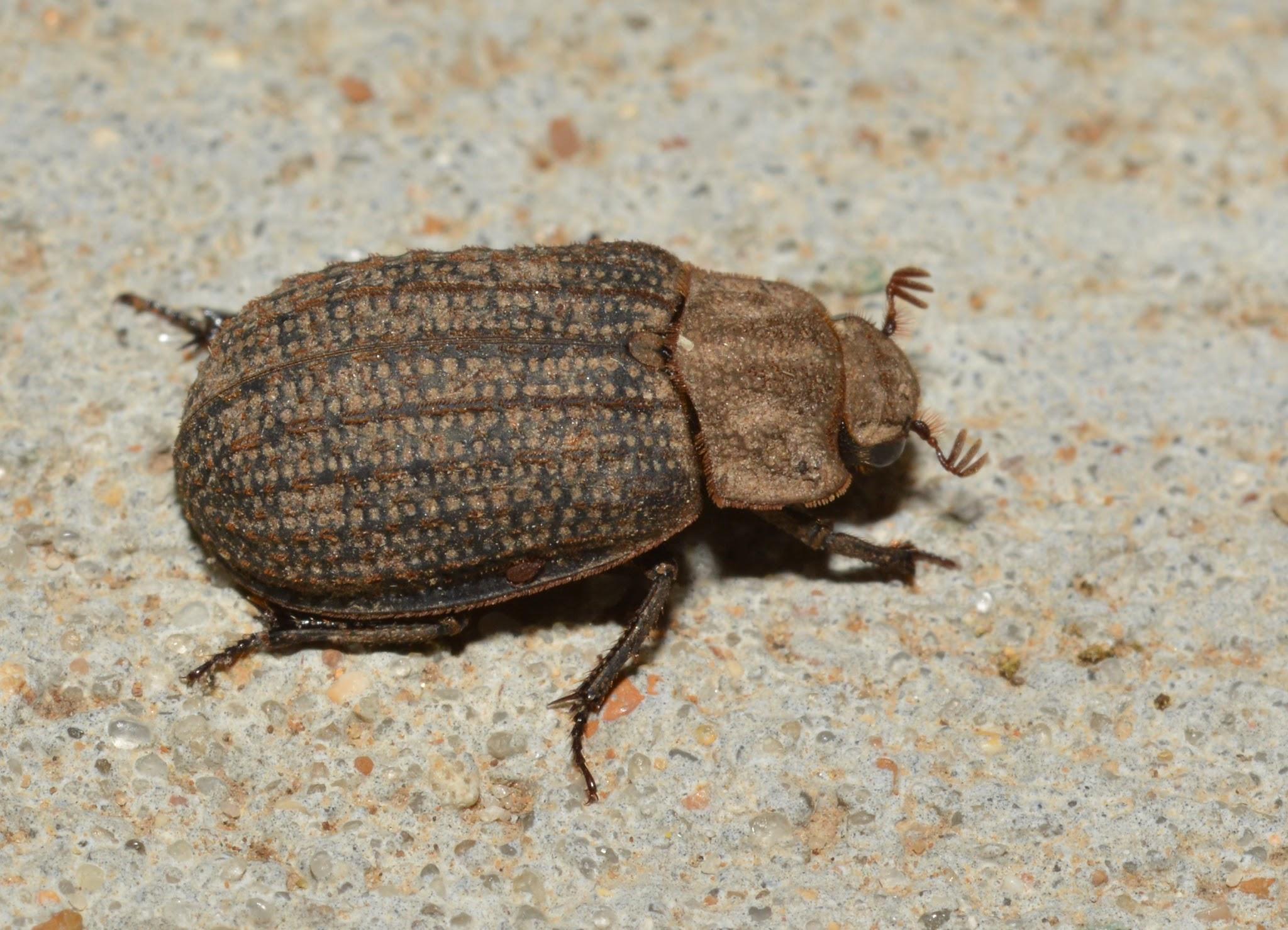
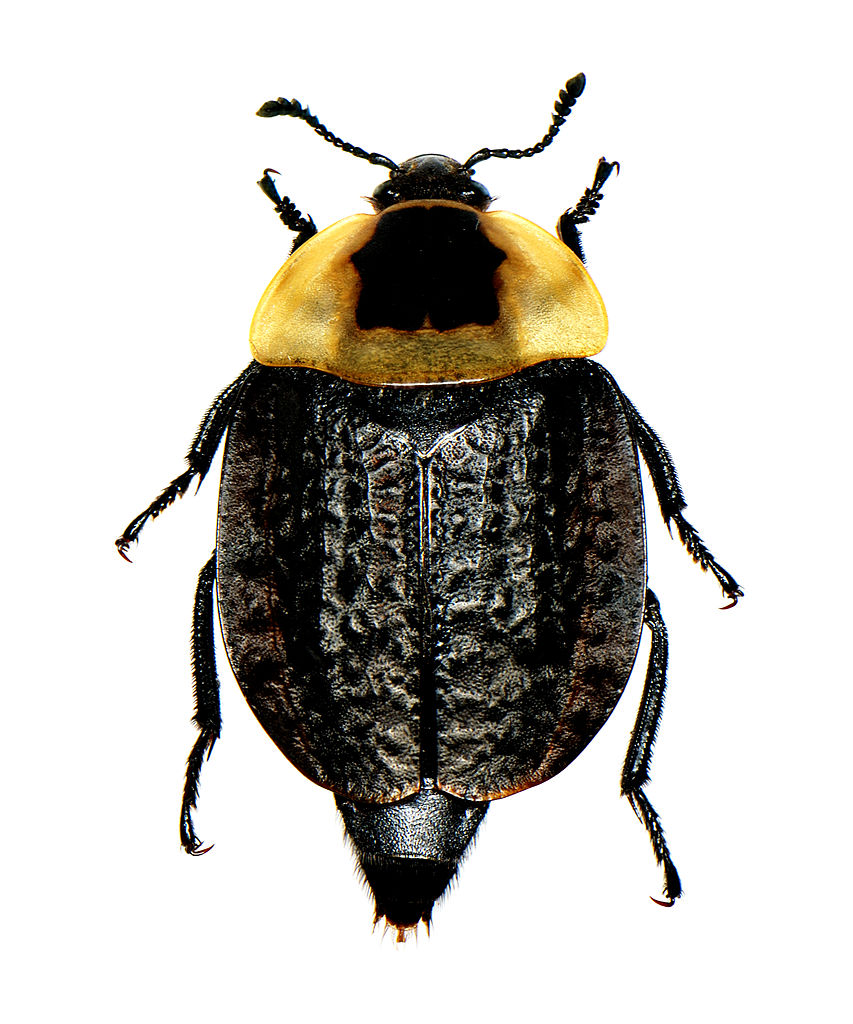
American carrion beetle Necrophila americana
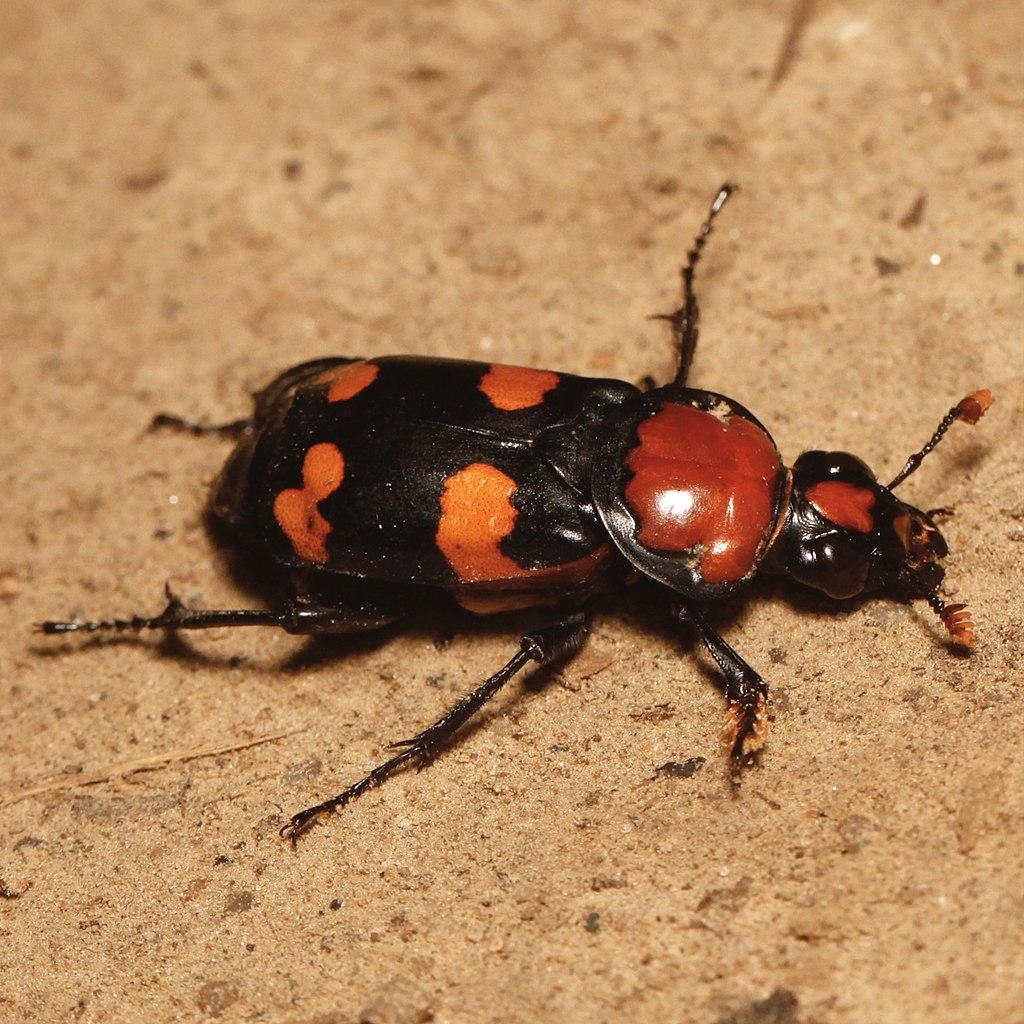
Gold-necked carrion beetle Nicrophorus tomentosus
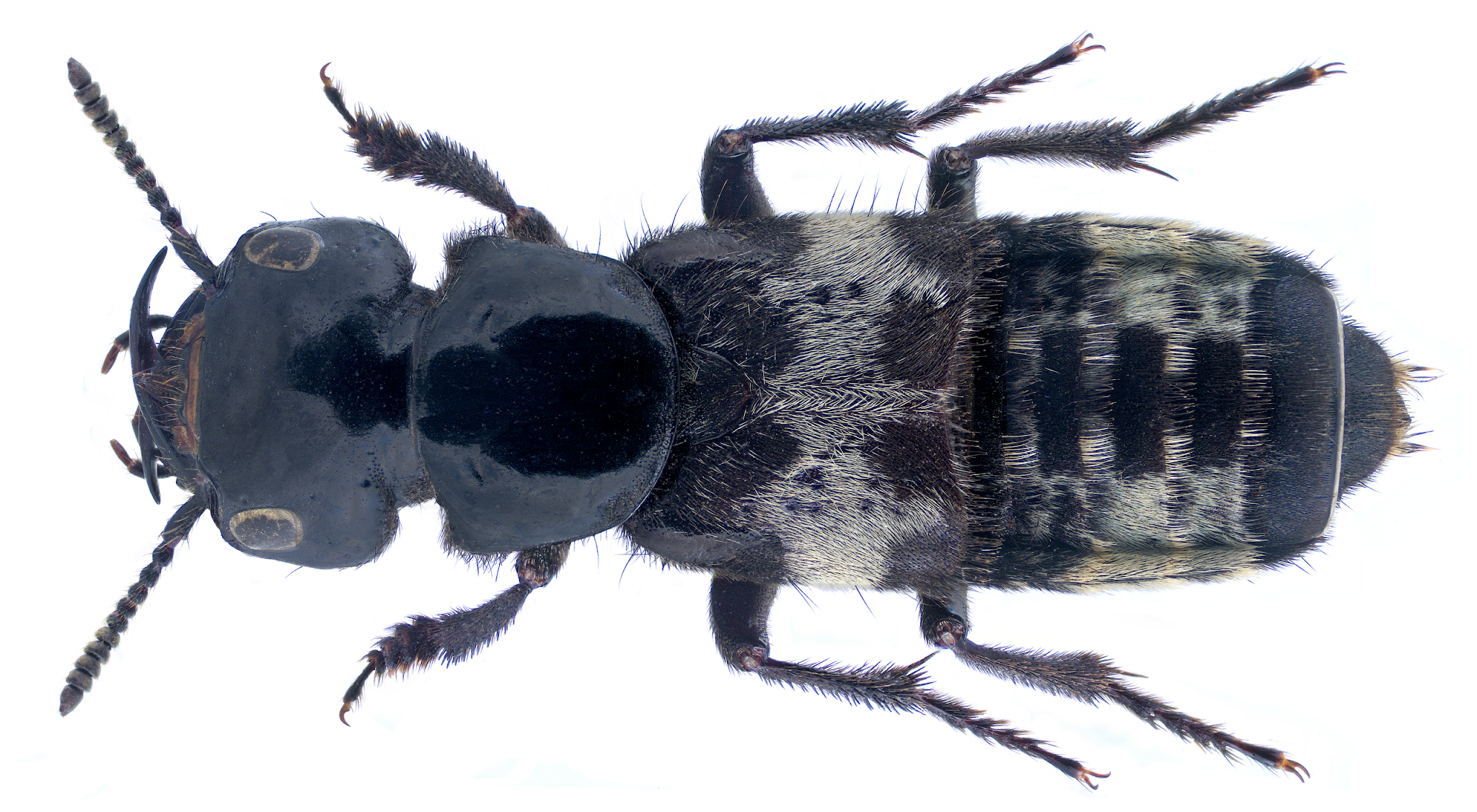
Hairy rove beetle Creophilus maxillosus
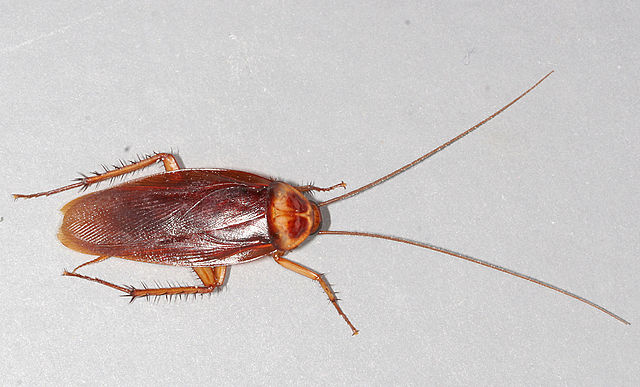
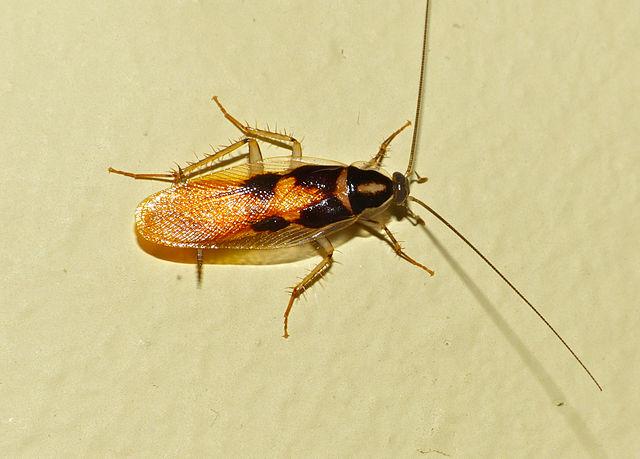
American cockroach Periplaneta americana
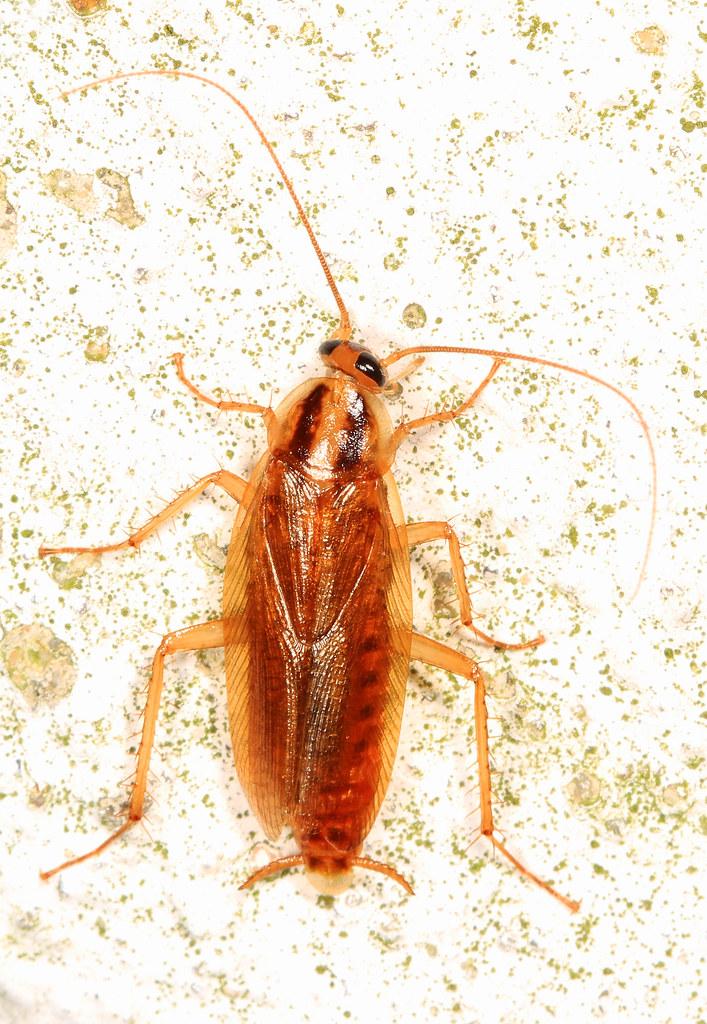
German cockroach Blattella germanica
Oriental cockroach Blatta orientalis
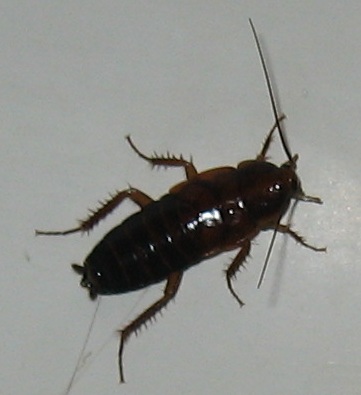
Brown banded cockroach Supella longipalpa
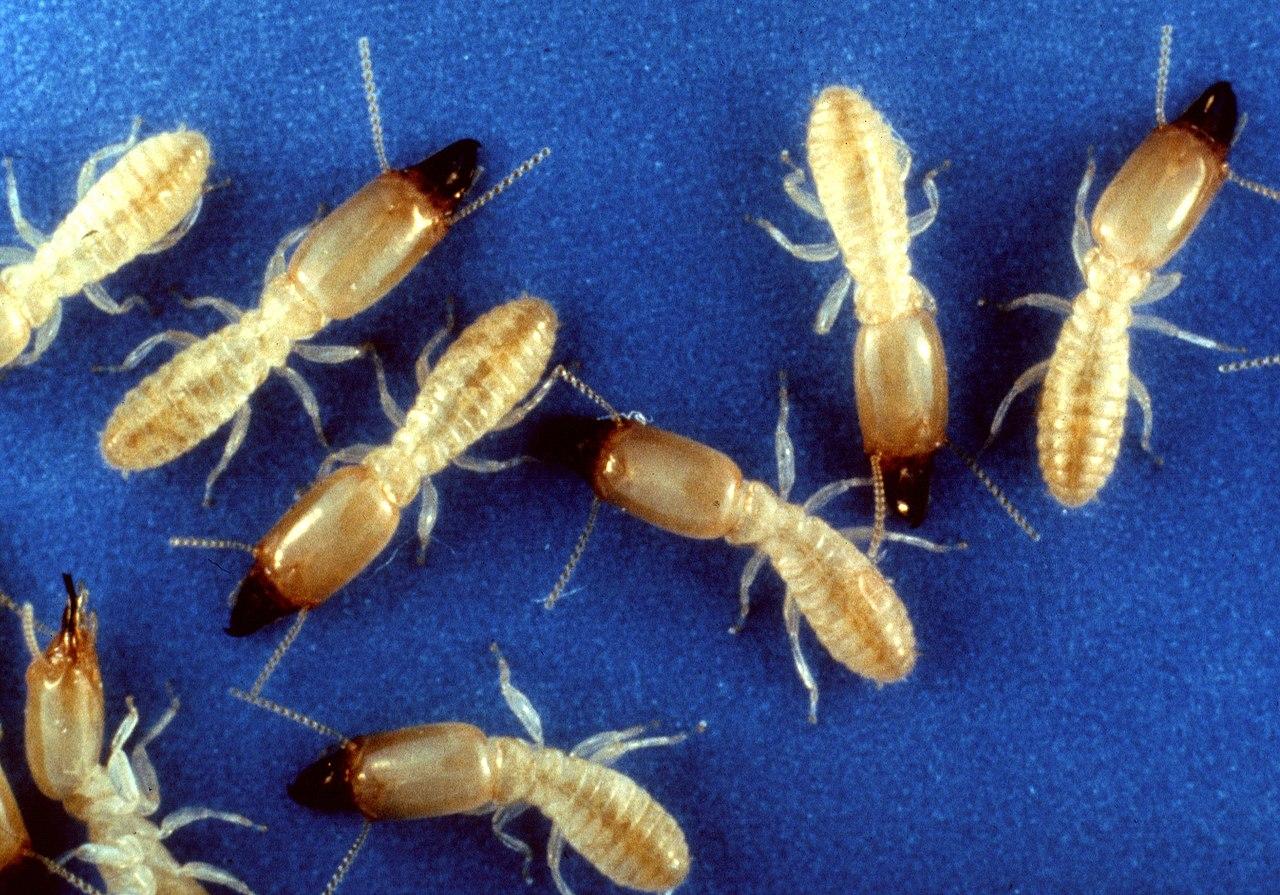
Eastern subterranean termite Reticulitermes flavipes
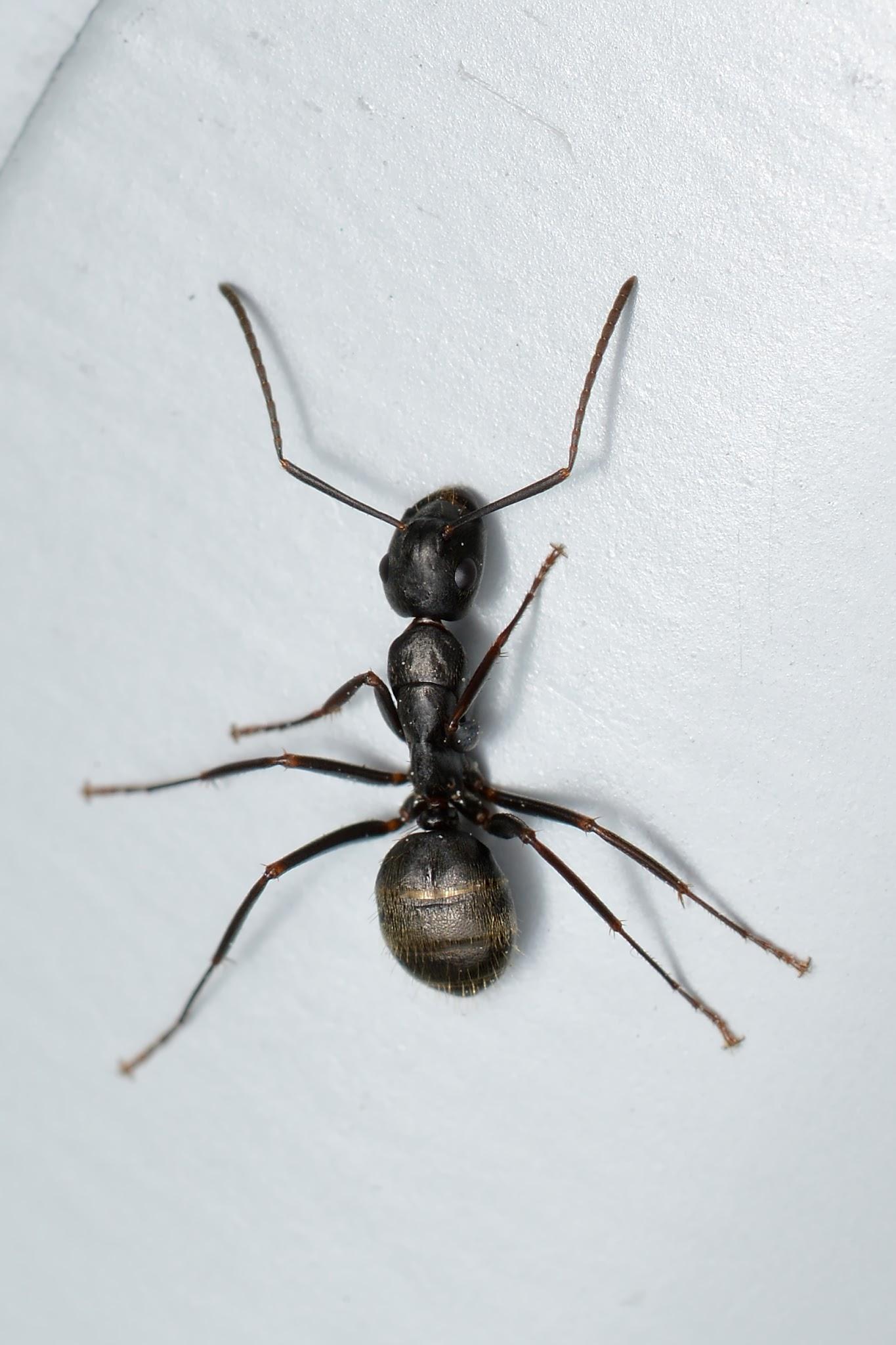
Black carpenter ant Camponotus pennsylvanicus
Indianmeal moth Plodia interpunctella
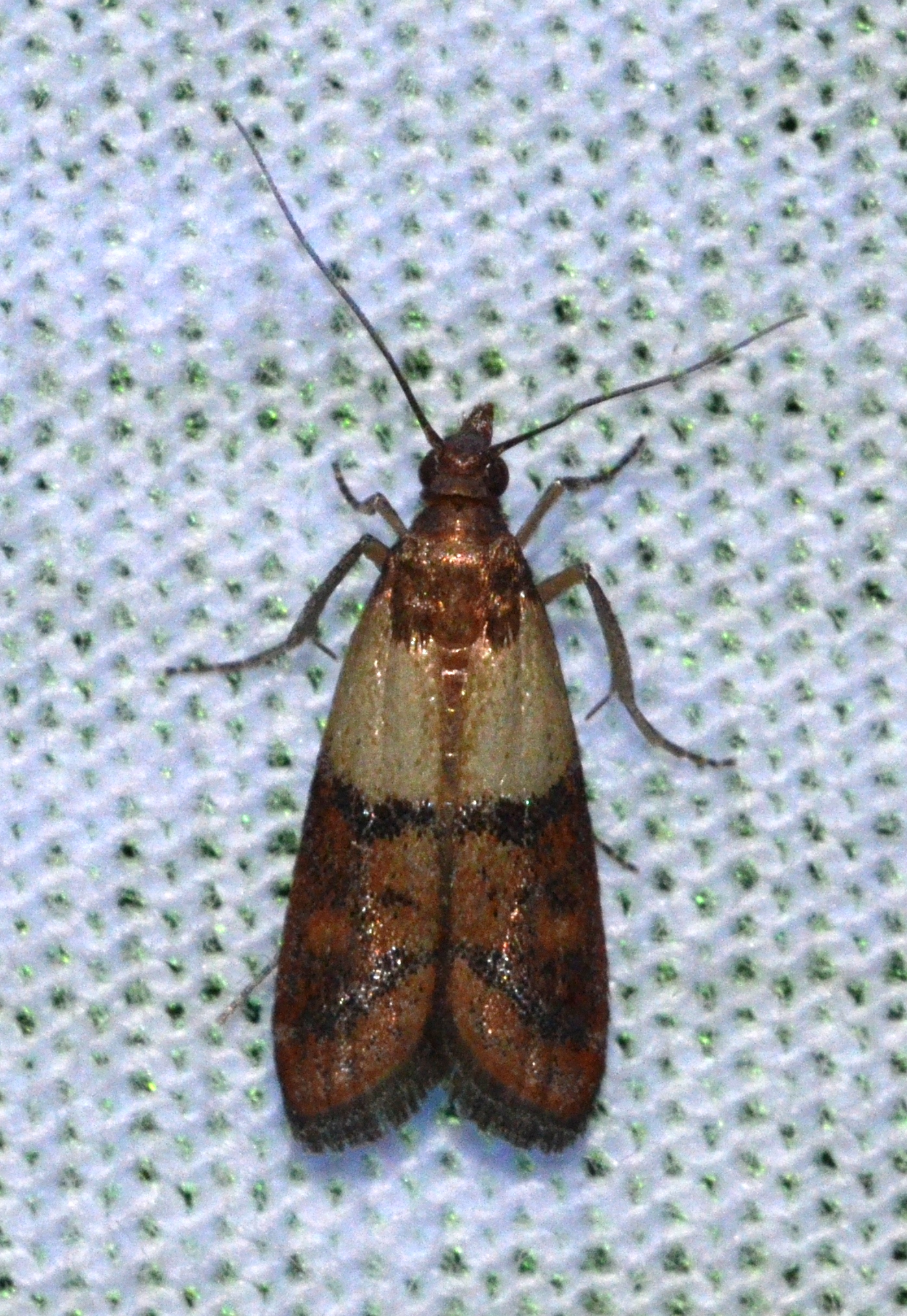
Know the 13 Insect orders
1. **Coleoptera (Beetles):** The largest order of insects, characterized by hardened forewings that form protective covers for the hindwings.
2. **Lepidoptera (Butterflies and Moths):** Known for their large, scale-covered wings.
3. **Diptera (Flies and Mosquitoes):** Typically have one pair of functional wings and a pair of halteres.
4. **Hymenoptera (Ants, Bees, Wasps):** Known for complex social behaviors and often having a narrow waist.
5. **Orthoptera (Grasshoppers, Crickets, Katydids):** Typically have strong hind legs adapted for jumping.
6. **Hemiptera (True Bugs):** Includes insects with specialized mouthparts for piercing and sucking.
7. **Odonata (Dragonflies and Damselflies):** Known for their large, often colorful wings.
8. **Isoptera (Termites):** Social insects that feed on wood and other plant material.
9. **Neuroptera (Lacewings, Antlions):** Often have delicate, net-like wings.
10. **Siphonaptera (Fleas):** Wingless parasites known for their jumping ability.
11. **Thysanoptera (Thrips):** Small, slender insects with fringed wings.
12. **Phthiraptera (Lice):** Wingless parasites that live on birds and mammals.
13. **Mantodea (Mantises):** Predatory insects with elongated bodies and spiky forelimbs for catching prey.
, what kind of mouth parts they possess
1. **Coleoptera (Beetles):** Chewing mouthparts.
2. **Lepidoptera (Butterflies and Moths):** Siphoning or sucking mouthparts.
3. **Diptera (Flies and Mosquitoes):** Sponging or piercing-sucking mouthparts.
4. **Hymenoptera (Ants, Bees, Wasps):** Chewing or biting, and in some cases, modified for lapping or sucking.
5. **Orthoptera (Grasshoppers, Crickets, Katydids):** Chewing mouthparts.
6. **Hemiptera (True Bugs):** Piercing-sucking mouthparts.
7. **Odonata (Dragonflies and Damselflies):** Chewing mouthparts.
8. **Isoptera (Termites):** Chewing mouthparts.
9. **Neuroptera (Lacewings, Antlions):** Chewing or biting mouthparts.
10. **Siphonaptera (Fleas):** Piercing-sucking mouthparts.
11. **Thysanoptera (Thrips):** Rasping-sucking mouthparts.
12. **Phthiraptera (Lice):** Chewing or sucking mouthparts.
13. **Mantodea (Mantises):** Chewing mouthparts.
, number of pairs of wings the adults have.
1. **Coleoptera (Beetles):** One pair of wings. The front pair of wings is modified into hardened protective covers called elytra.
2. **Lepidoptera (Butterflies and Moths):** Two pairs of wings, one on each side of the body.
3. **Diptera (Flies and Mosquitoes):** One pair of wings. The hind wings are reduced to small structures called halteres.
4. **Hymenoptera (Ants, Bees, Wasps):** Two pairs of wings,
5. **Orthoptera (Grasshoppers, Crickets, Katydids):** Two pairs of wings.
6. **Hemiptera (True Bugs):** One or two pairs of wings.
7. **Odonata (Dragonflies and Damselflies):** Two pairs of wings
8. **Isoptera (Termites):** Two pairs of wings during the reproductive stage, but these are shed after the mating flight.
9. **Neuroptera (Lacewings, Antlions):** Two pairs of wings with a lace-like appearance.
10. **Siphonaptera (Fleas):** No wings. Fleas are wingless insects.
11. **Thysanoptera (Thrips):** Two pairs of very small, fringed wings.
12. **Phthiraptera (Lice):** No wings or reduced wings.
13. **Mantodea (Mantises):** Two pairs of wings.
Know the 5 stages of decomposition, what is happening to the carcass in each stage
1. **Fresh (Fresh Decay):**
- **Time Frame:** Minutes to days after death.
- **Characteristics:** This stage involves the immediate aftermath of death. The body is still recognizable, and rigor mortis (stiffening of muscles) may occur. Autolysis, the self-digestion of cells, begins, releasing enzymes that break down cells.
2. **Bloat (Putrefaction):**
- **Time Frame:** Days to weeks after death.
- **Characteristics:** The body begins to swell due to the accumulation of gases produced by bacteria during putrefaction. This stage is marked by a strong odor as bacteria and enzymes break down proteins, carbohydrates, and lipids.
3. **Active Decay (Black Putrefaction):**
- **Time Frame:** Weeks to months after death.
- **Characteristics:** The body starts to break down rapidly, with the collapse of tissues and the formation of fluids. Bacteria and fungi play a major role in breaking down the organic matter. The strong odor continues, and the remaining soft tissues disintegrate.
4. **Advanced Decay (Butyric Fermentation):**
- **Time Frame:** Months after death.
- **Characteristics:** The decomposition slows down, and most of the soft tissues have disappeared. The remaining materials, such as bones, hair, and cartilage, are broken down further. The strong odor diminishes.
5. **Dry/Remains (Skeletonization):**
- **Time Frame:** Months to years after death.
- **Characteristics:** Only the skeletal remains and any resistant materials, such as hair, teeth, and certain bones, are left. The rate of decomposition is significantly reduced, and microbial activity decreases. The environment, weather, and scavengers can affect the timeline for skeletonization.
, what are the primary insects associated with each stage.
1. **Fresh (Fresh Decay):**
- **Insects:** Blow flies (Calliphoridae) are often the first to arrive. They lay eggs on or near the body, and their larvae (maggots) feed on the decaying tissue. Other early arrivals may include flesh flies (Sarcophagidae) and certain beetles.
2. **Bloat (Putrefaction):**
- **Insects:** Blow fly larvae continue to feed, and the maggot mass becomes noticeable. Other species of flies, such as house flies (Muscidae), are attracted to the decomposing tissue. Beetle larvae, particularly carrion beetles (Silphidae), may start to appear, feeding on the decaying flesh.
3. **Active Decay (Black Putrefaction):**
- **Insects:** The diversity of insects increases. Maggots of various fly species continue to feed, and beetles become more abundant. Dermestid beetles may arrive, feeding on dried tissues. Predatory beetles, such as rove beetles (Staphylinidae), may also be present.
4. **Advanced Decay (Butyric Fermentation):**
- **Insects:** The abundance of maggots decreases as the amount of available soft tissue decreases. Carrion beetles and other scavenger beetles continue to play a role. Fly activity may decline, but certain species of flies, such as coffin flies (Phoridae), become more prominent.
5. **Dry/Remains (Skeletonization):**
- **Insects:** Insects associated with the final stages are often beetles that feed on dried tissues and bones. Dermestid beetles are particularly known for their ability to clean and strip bones of remaining tissue. Other scavenger beetles may also be present.
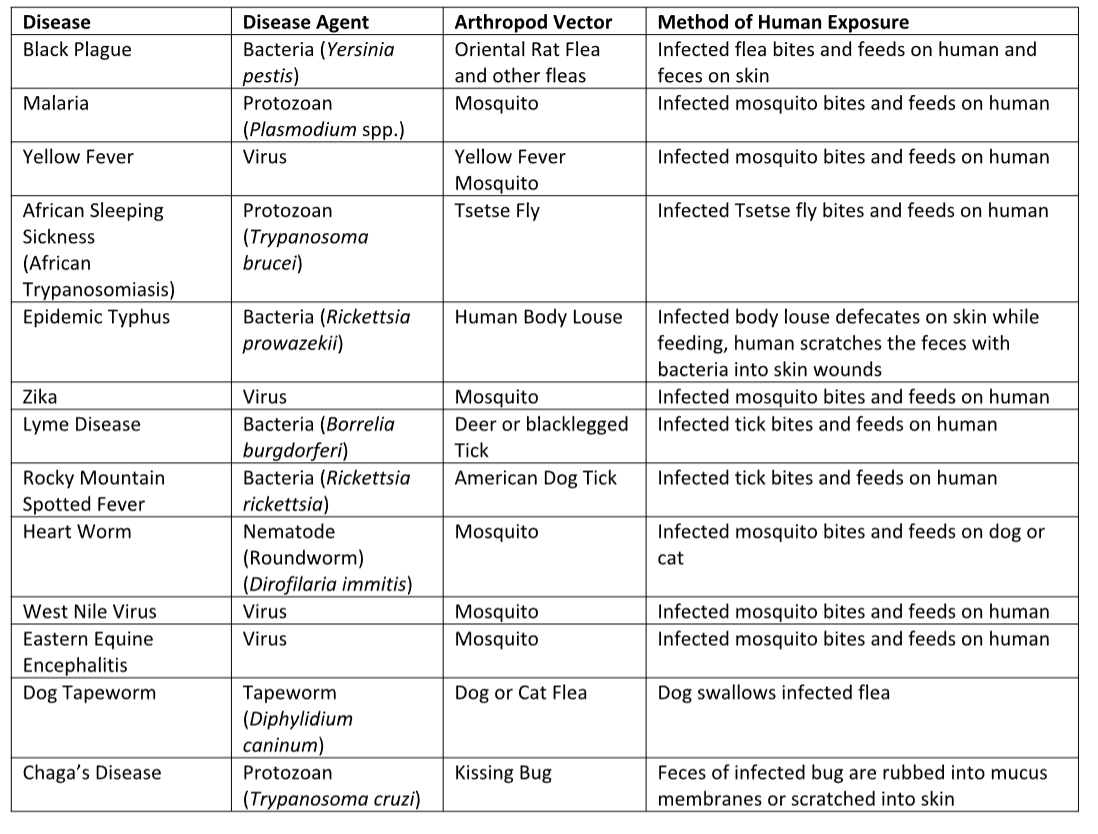
Medical entomology disease table.
PMI calculation methods.
How to distinguish between a termite and a carpenter ant.
**1. Antennae:**
- **Termites:** Straight antennae.
- **Carpenter Ants:** Elbowed or bent antennae.
**2. Body Shape:**
- **Termites:** Straight-sided and broadly joined thorax and abdomen, giving them a more uniform appearance.
- **Carpenter Ants:** Constricted waist, giving them a segmented appearance.
**3. Wings:**
- **Termites:** Equal-sized wings that are longer than the body. Veins in wings are often parallel.
- **Carpenter Ants:** Front wings are larger than hind wings, and the wings are not as long as the body. Veins in wings are not parallel.
**4. Color:**
- **Termites:** Varies by species but often light-colored, such as white, cream, or brown.
- **Carpenter Ants:** Color varies by species, but they are typically black, red, or a combination of both.
**5. Waist:**
- **Termites:** Broad and less defined waist.
- **Carpenter Ants:** Narrow, constricted waist between the thorax and abdomen.
**6. Nesting Behavior:**
- **Termites:** Build nests in soil or in wood, and they consume wood for cellulose.
- **Carpenter Ants:** Excavate galleries in wood for nesting but do not eat the wood; they primarily feed on other insects and food sources.
**7. Frass (Wood Shavings):**
- **Termites:** Produce pellet-like fecal matter that is often found near their nests.
- **Carpenter Ants:** Do not produce frass like termites, but they push sawdust-like material from their galleries out of openings.
**8. Damage Pattern:**
- **Termites:** Eat across the grain, creating tunnels filled with soil or mud.
- **Carpenter Ants:** Excavate galleries along the grain, leaving a smooth tunnel without mud or soil.
**9. Activity Time:**
- **Termites:** Typically active 24/7.
- **Carpenter Ants:** Primarily active during the night.
Quiz 1 + Exam 1
Answers.
Shortly after death, assuming daylight hours and above 60 degrees F, Lucilia sericata (green bottle fly) and Lucilia coeruleiviridis (black blow fly) show up.