Environmental Chemistry
Environmental Chemistry Week 1
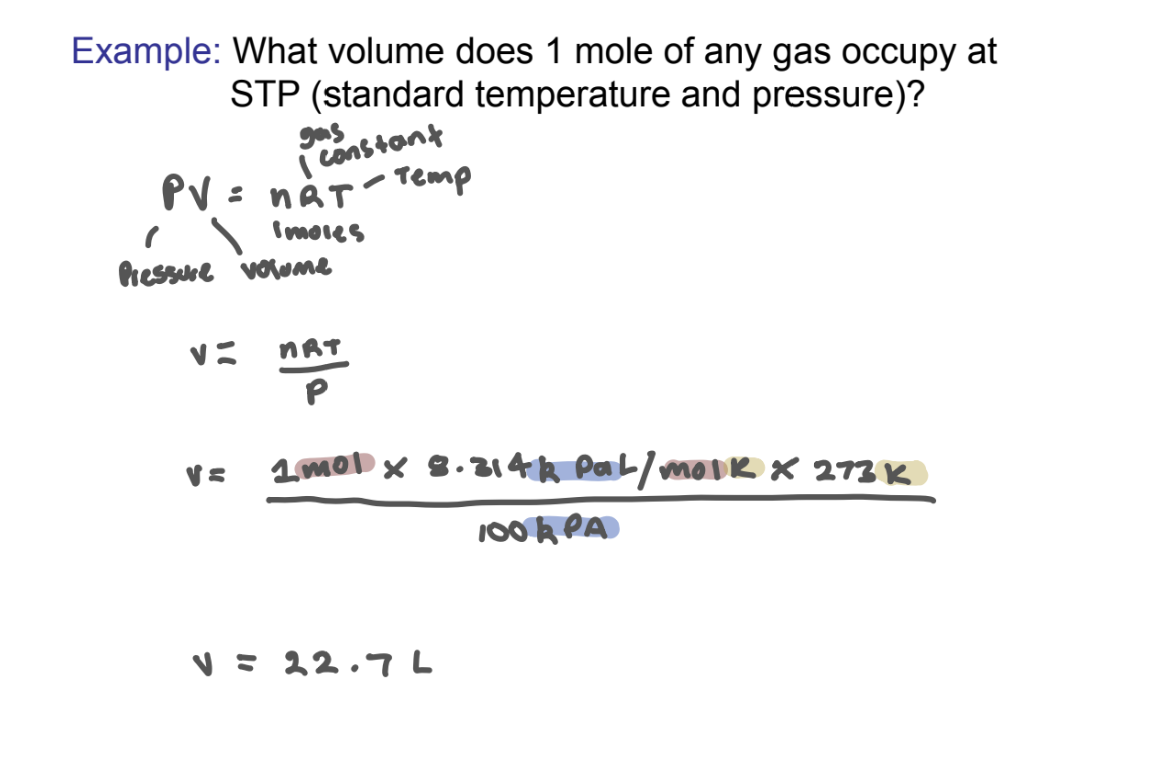
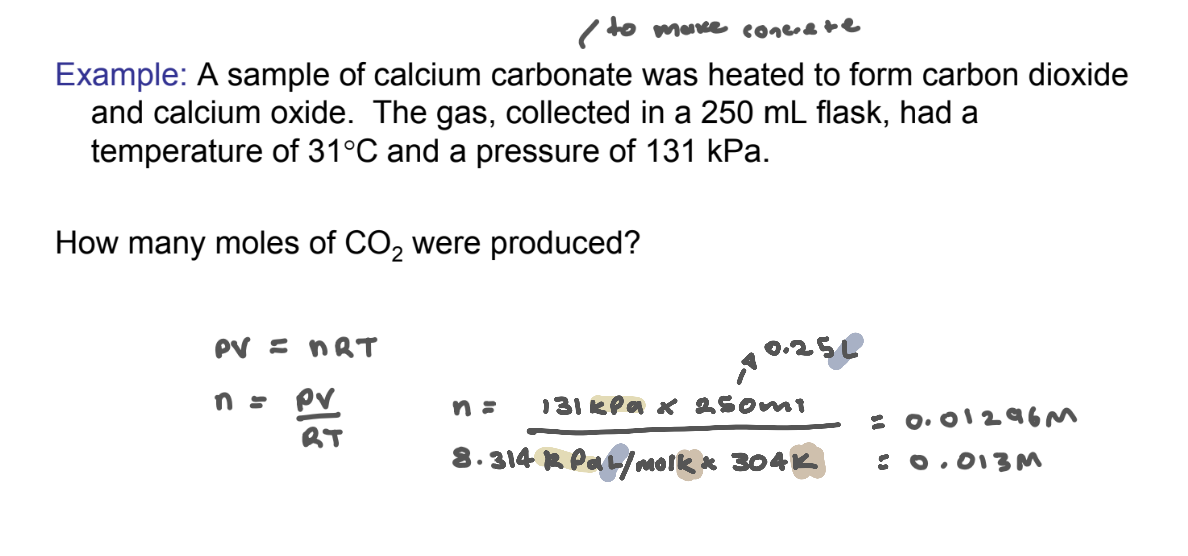
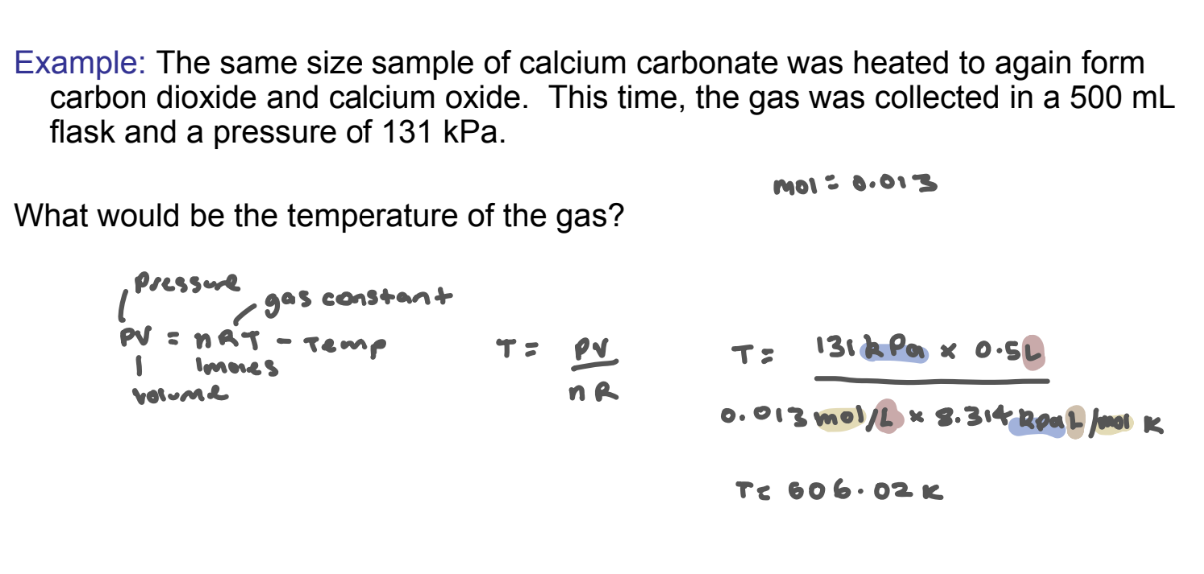
Ideal Gas Equation: PV = nRT
P: Pressure
V: Volume
n: Number of moles
R: Gas constant
T: Temperature
Historical context:
Boyle’s Law: V ∝ 1/P (at constant T)
Charles’s Law: V ∝ T (at constant P)
Avogadro’s Law: V ∝ n (at constant T and P)
Gas Laws Explained
Boyle’s Law: Volume inversely proportional to pressure at constant temperature.
Charles’s Law: Volume directly proportional to absolute temperature at constant pressure.
Avogadro’s Law: Volume directly proportional to the number of moles at constant temperature and pressure.
Real gases deviate from ideal behavior at high pressures.
Pressure, Volume, and Temperature
Pressure: Force per unit area exerted by air.
Standard Pressure: Defined as 100 kPa.
Volume: Measured in liters (1 L = 1 dm³).
Moles: Concept introduced in Chemistry 1.
Gas Constant (R):
8.314 kPa L / mol K
0.08206 L·atm / mol·K
8.314 J / mol·K
The units L atm can be expressed in terms of m3 N/m2 = N m = J
Temperature: Must use absolute scale (Kelvin) + 273 degrees to cel
Exercises on Ideal Gas Law
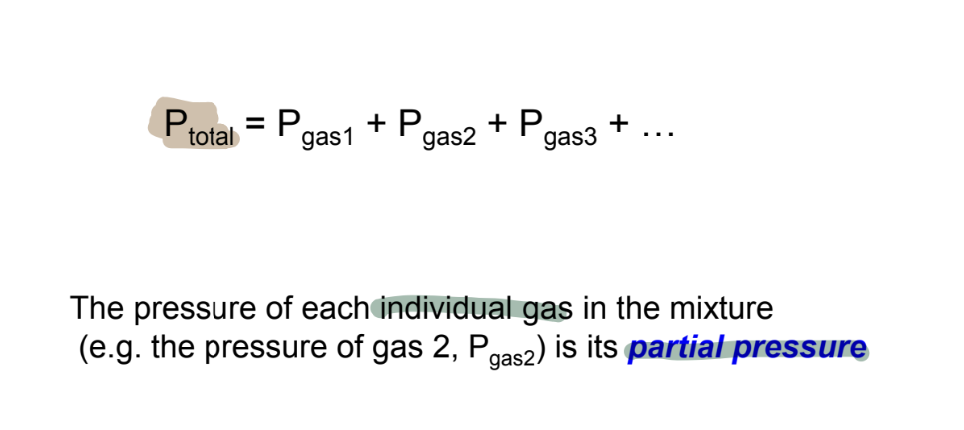
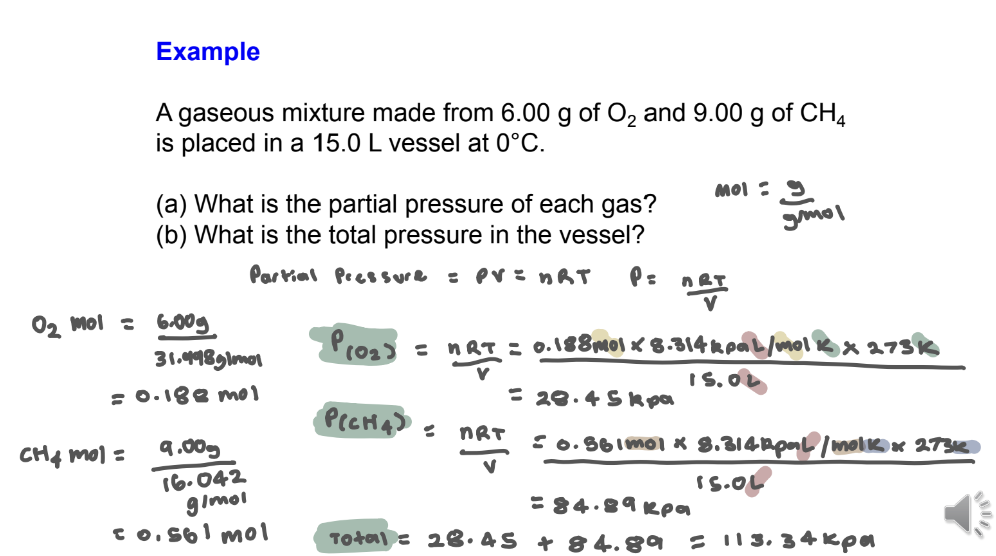
Partial Pressure and Density
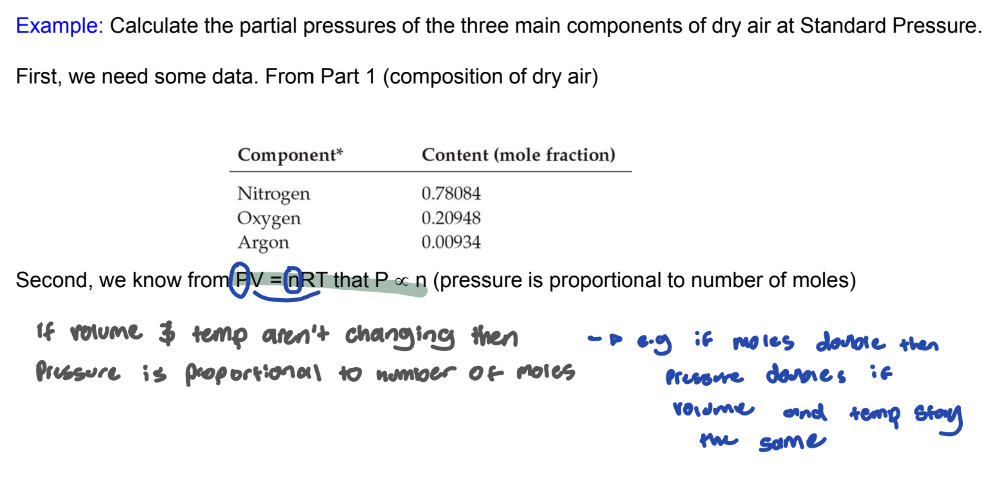
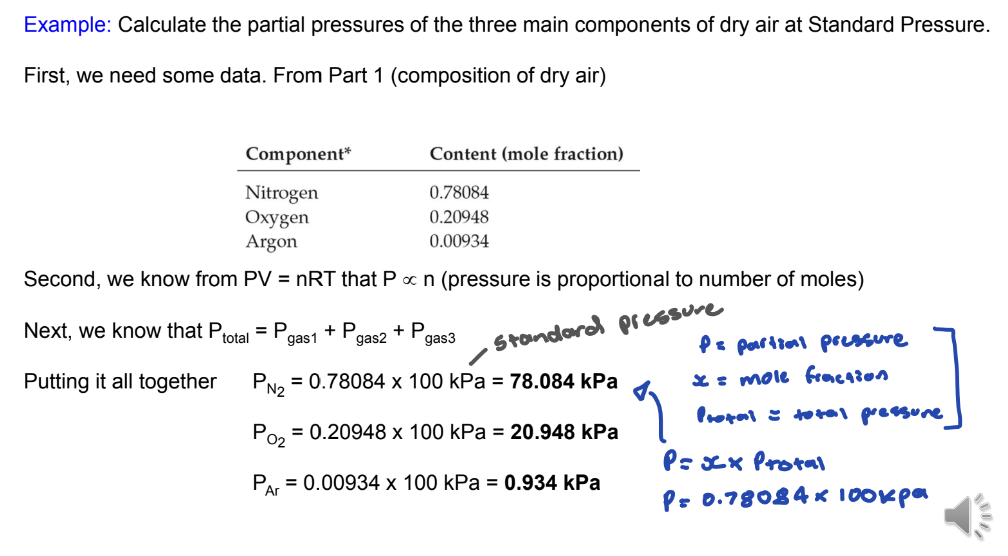
Partial Pressure: Total pressure of a gas mixture is the sum of individual gas pressures.
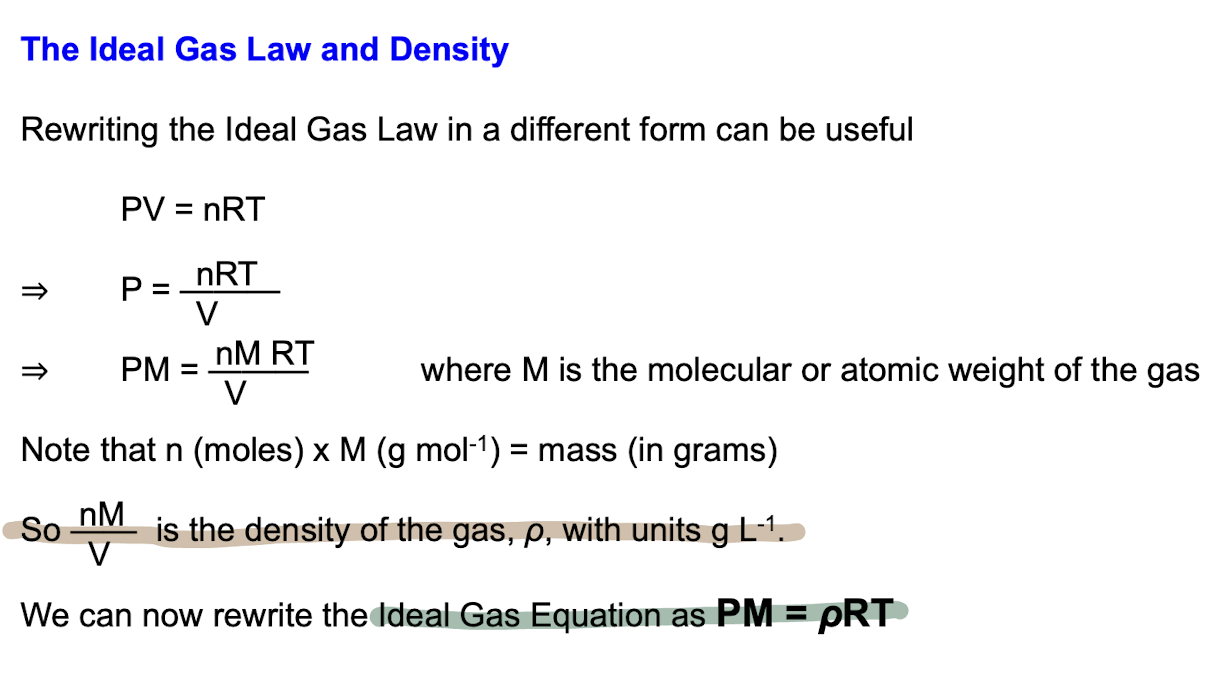
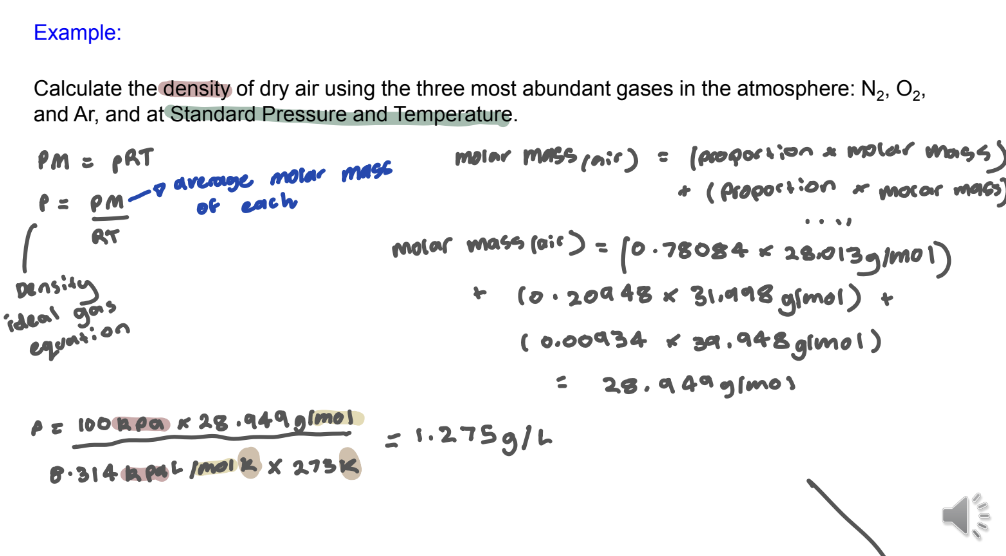
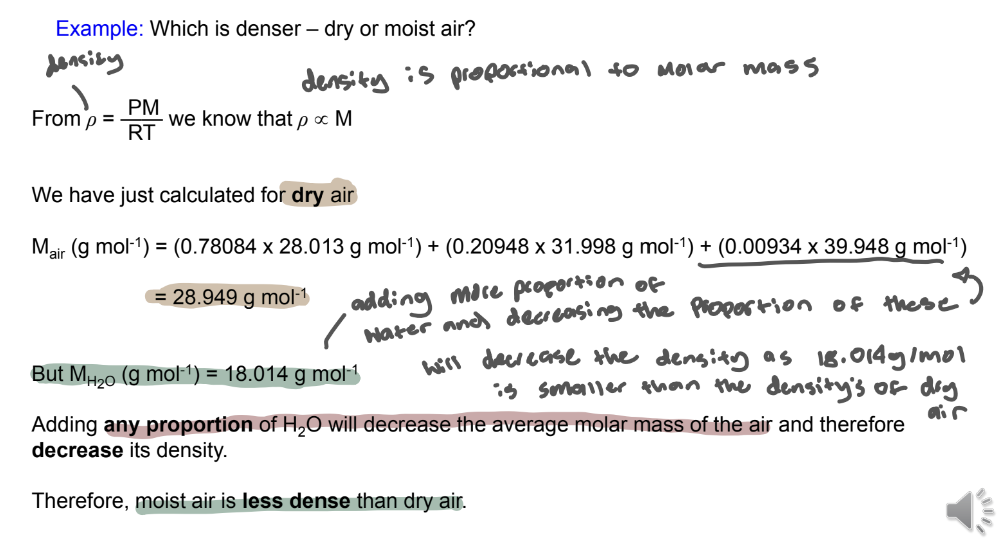
Density: Important in meteorology; depends on temperature, pressure, and average molar mass.
Air Density: More dense air descends, less dense air rises
When examining the atmosphere we generally do not know the exact volume of air.
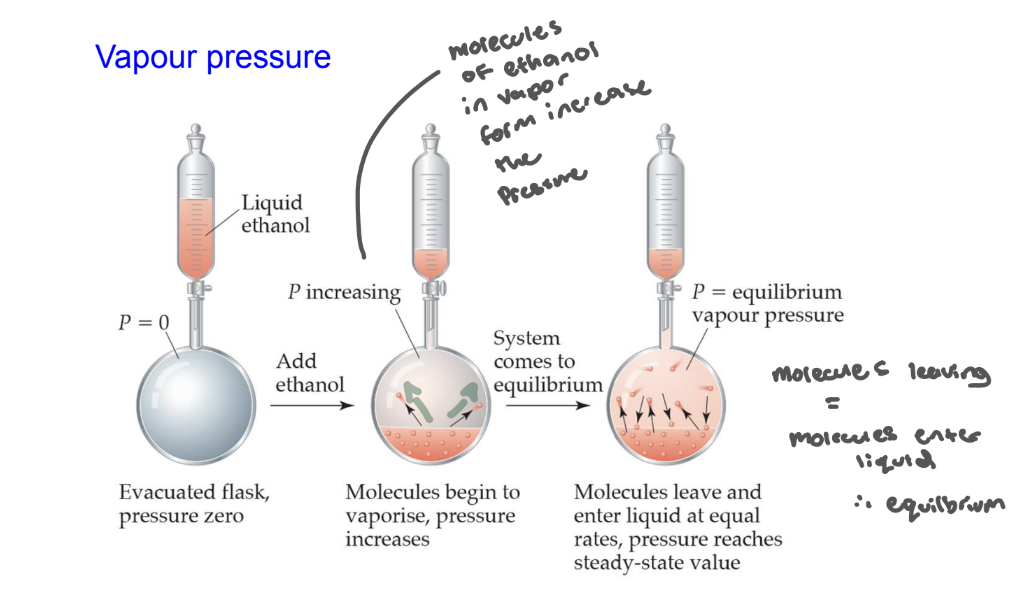
Vapour Pressure: Pressure exerted by water vapor in equilibrium with liquid water.
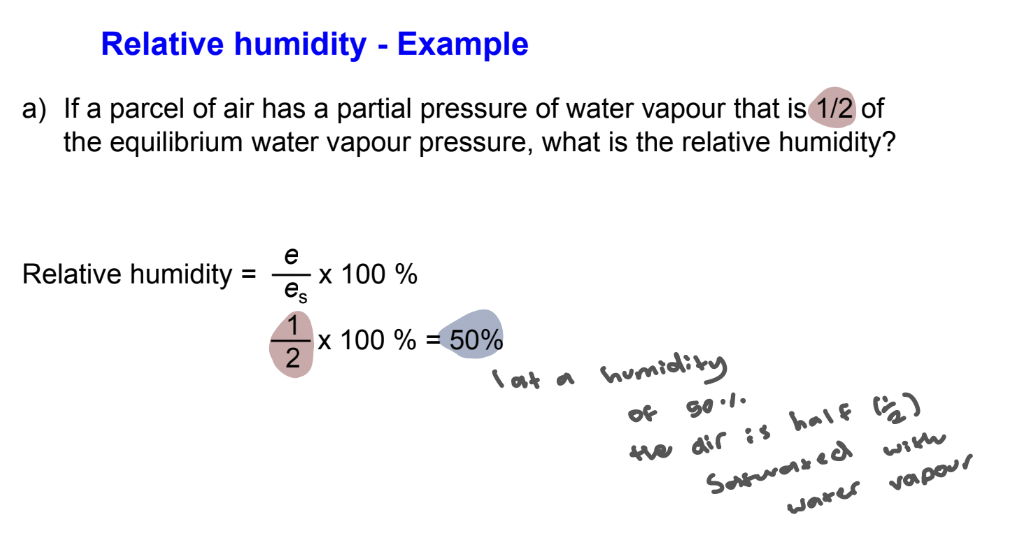
Relative Humidity: Ratio of partial pressure of water vapor to equilibrium vapor pressure.
Dewpoint: The temperature where relative humidity is 100%. That is, the temperature where the partial pressure of water vapour = the equilibrium vapour pressure.
Environmental Chemistry Week 2
Ozone Overview
Chemical formula: O₃ (Ozone)
Characteristics: Pale blue gas, melting point -192 °C
Resonance structures indicate stability.
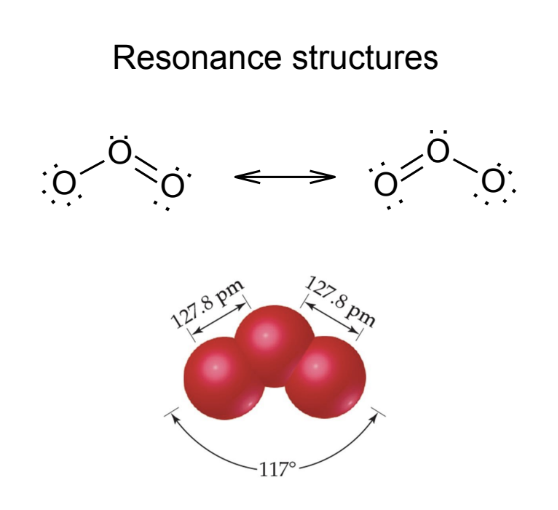
Ozone's Dual Nature
"Good up high, bad nearby":
Stratospheric Ozone: Acts as a UV screen, protecting life on Earth.
Tropospheric Ozone: Toxic at concentrations above 50 ppm (30 min exposure).
Properties of Ozone
Powerful oxidizing agent, more reactive than O₂.
Can oxidize organic compounds and is used as a germicide in water treatment.
Formation of Ozone
Synthetic ozone is produced by passing O₂ through electrical discharge or UV light.
Natural formation involves photochemical reactions initiated by solar radiation.
Photochemical Reactions
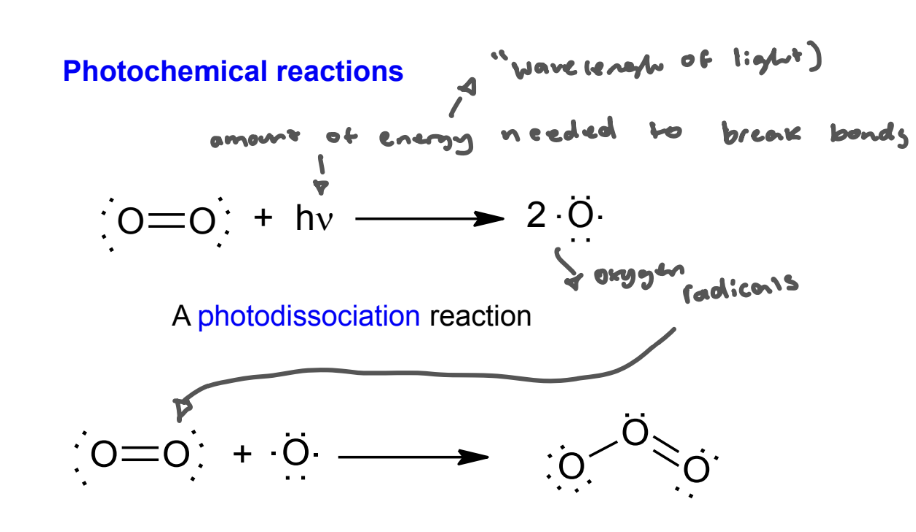
Energy from light is required to break O₂ bonds, leading to ozone formation.
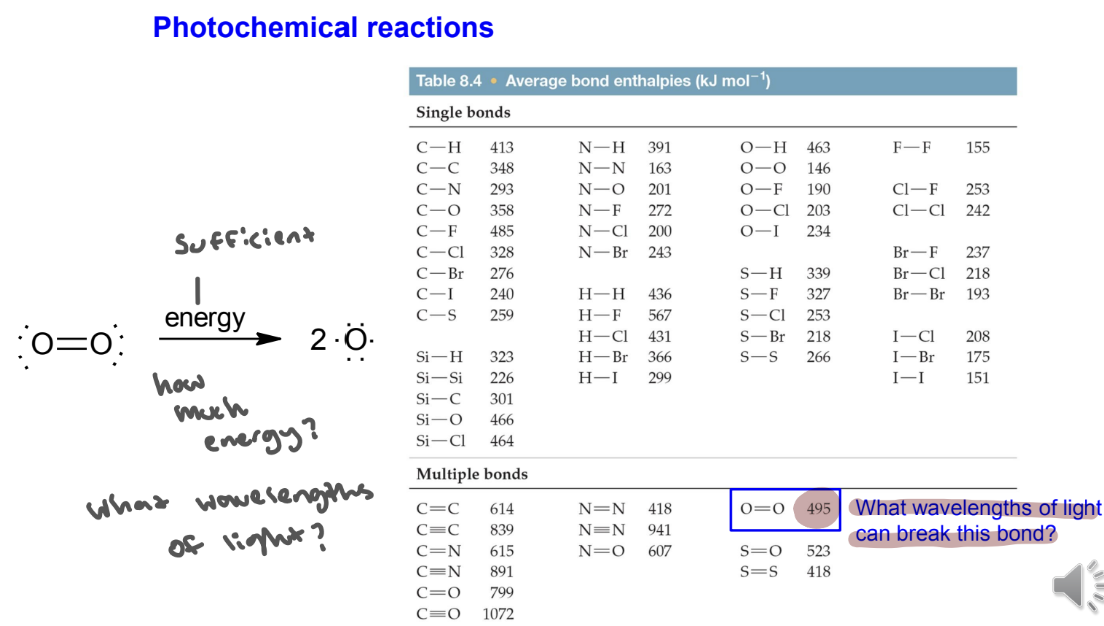
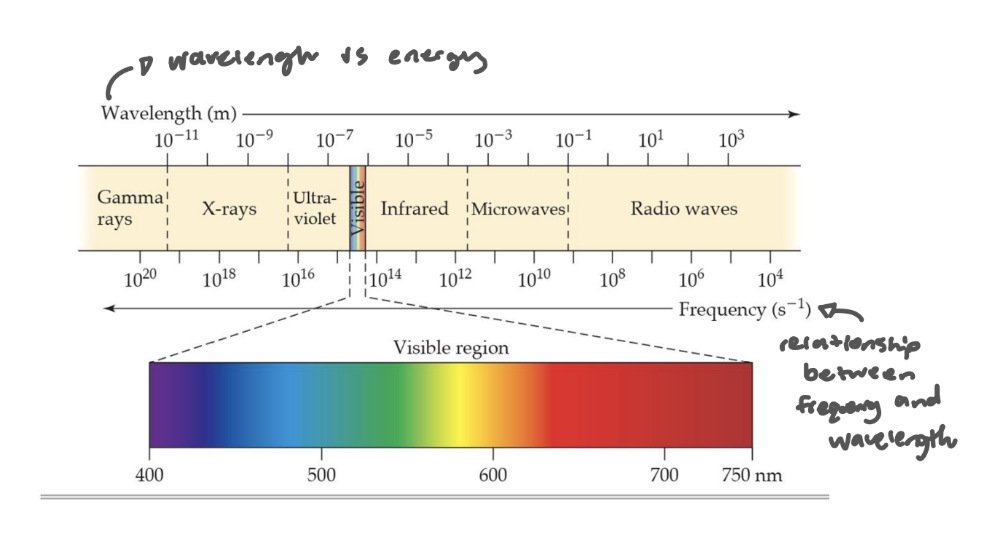
Calculations and Photochemical Reactions
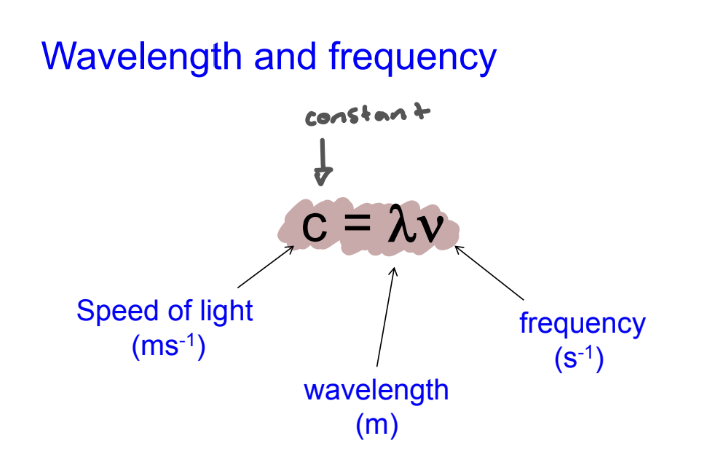
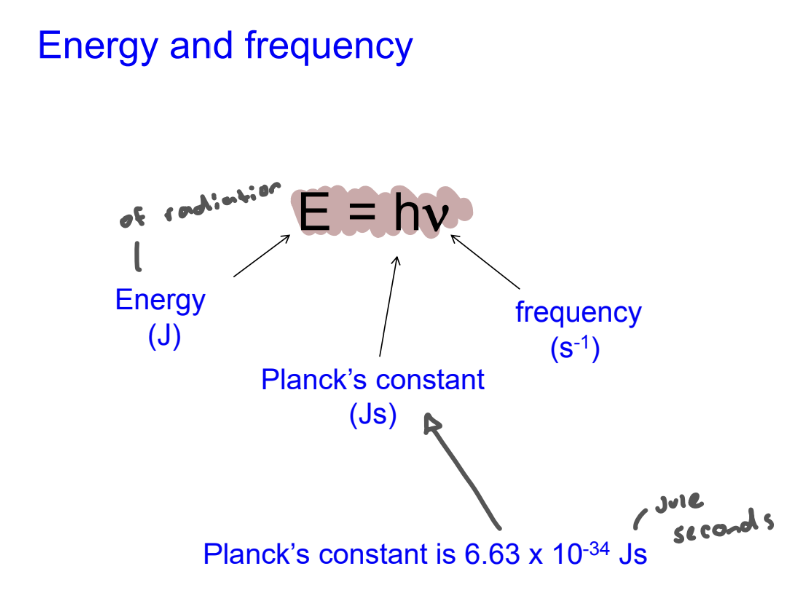
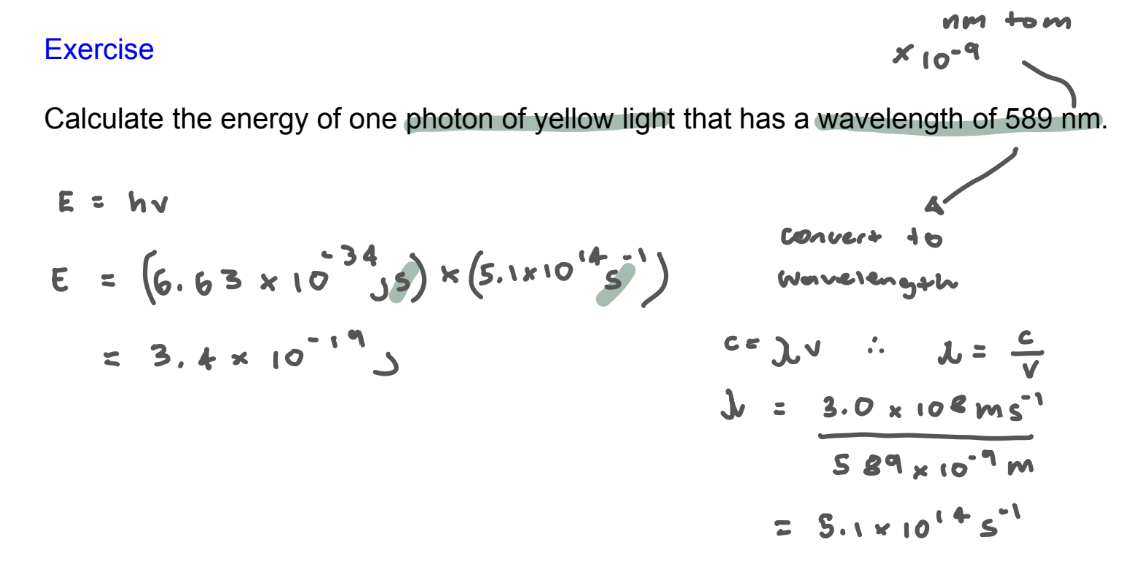
Dissociation Energy of O₂
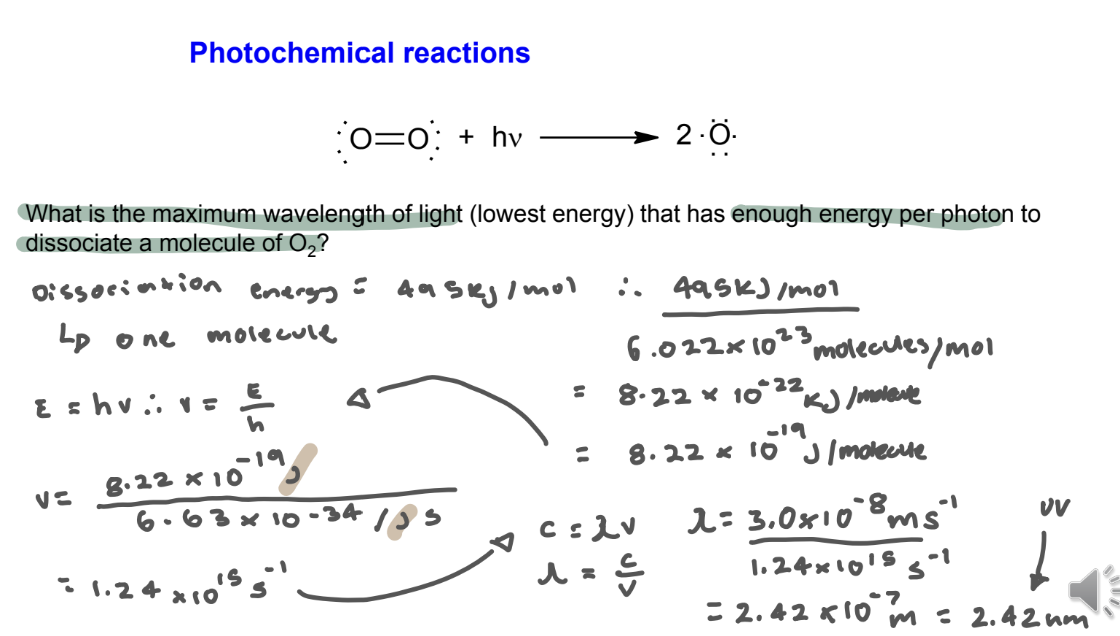
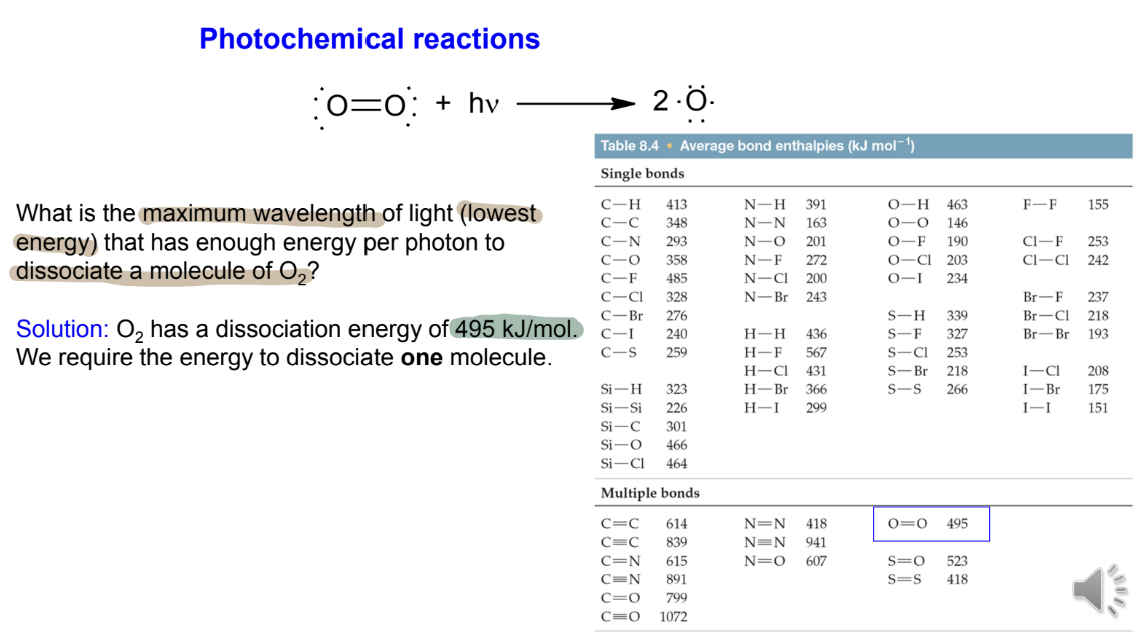
O₂ has a dissociation energy of 495 kJ/mol.
Energy required to dissociate one molecule is calculated using Avogadro's number.
Importance of Upper Atmospheric Ozone
Ozone Formation in the Stratosphere
Produced by photochemical reactions from solar radiation.
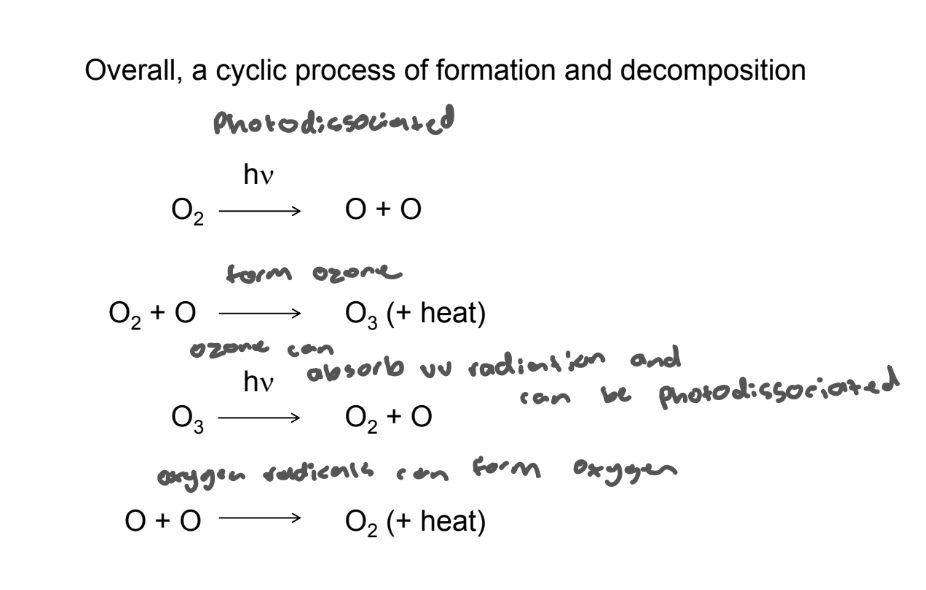
Cyclic process of formation and decomposition involving O₂ and O₃.
Significance of Upper Atmospheric Ozone
Essential for life; absorbs harmful UV radiation.
O₂ absorbs UV radiation shorter than 240 nm, while ozone absorbs between 240-290 nm.
Reactions Involving Ozone
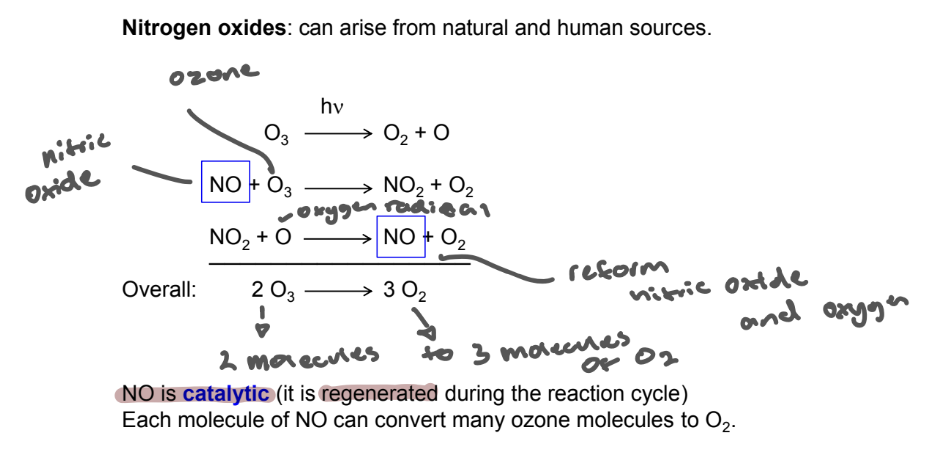
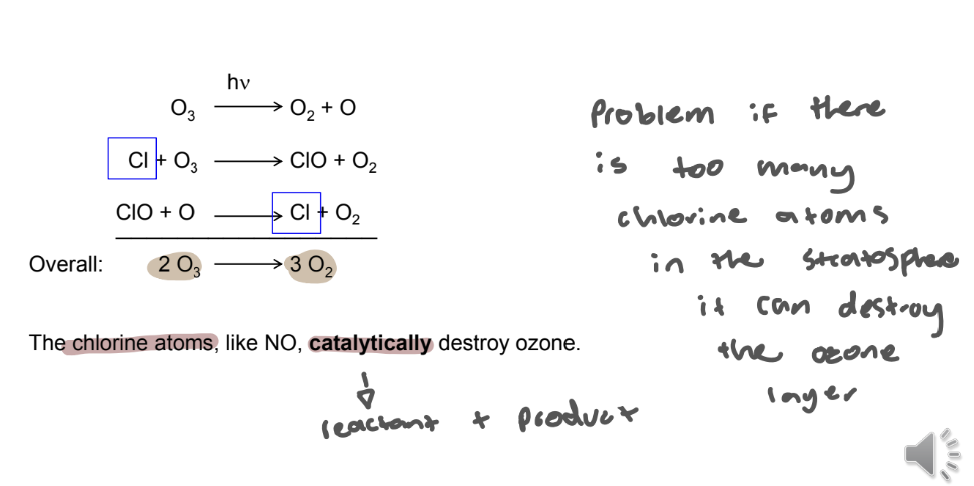
Nitrogen oxides and chlorine atoms can catalytically destroy ozone.
Chlorofluorocarbons (CFCs) release chlorine in the stratosphere, contributing to ozone depletion.
Smog and Ground-Level Ozone
Formation of Ground-Level Ozone
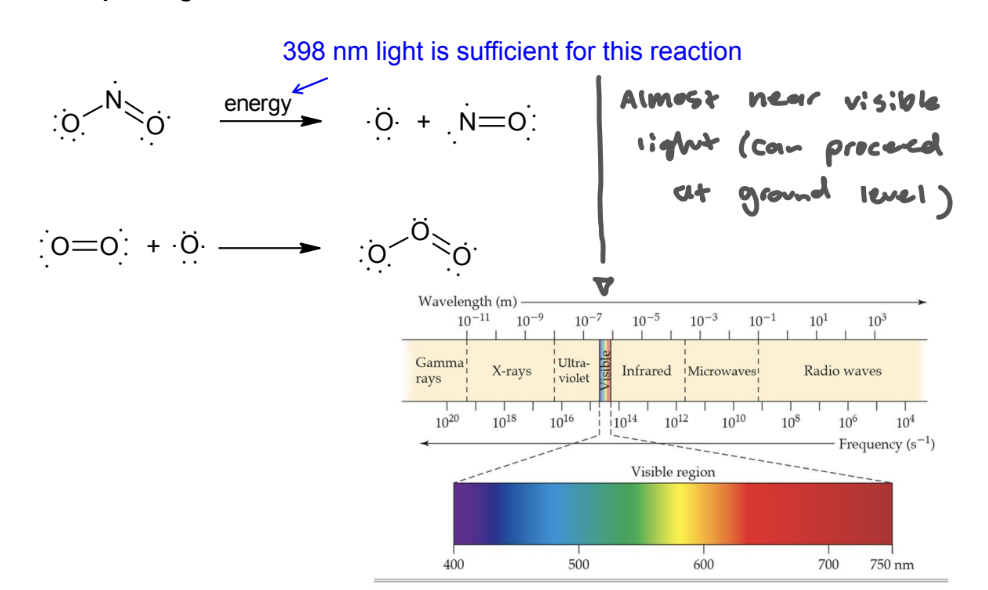
Created through photochemical reactions between O₂ and NO₂ in the presence of sunlight.
Types of Smog
Industrial Smog: Results from combustion processes, containing SO₂ and particulates.
Photochemical Smog: Formed from interactions of NO and hydrocarbons in sunlight.
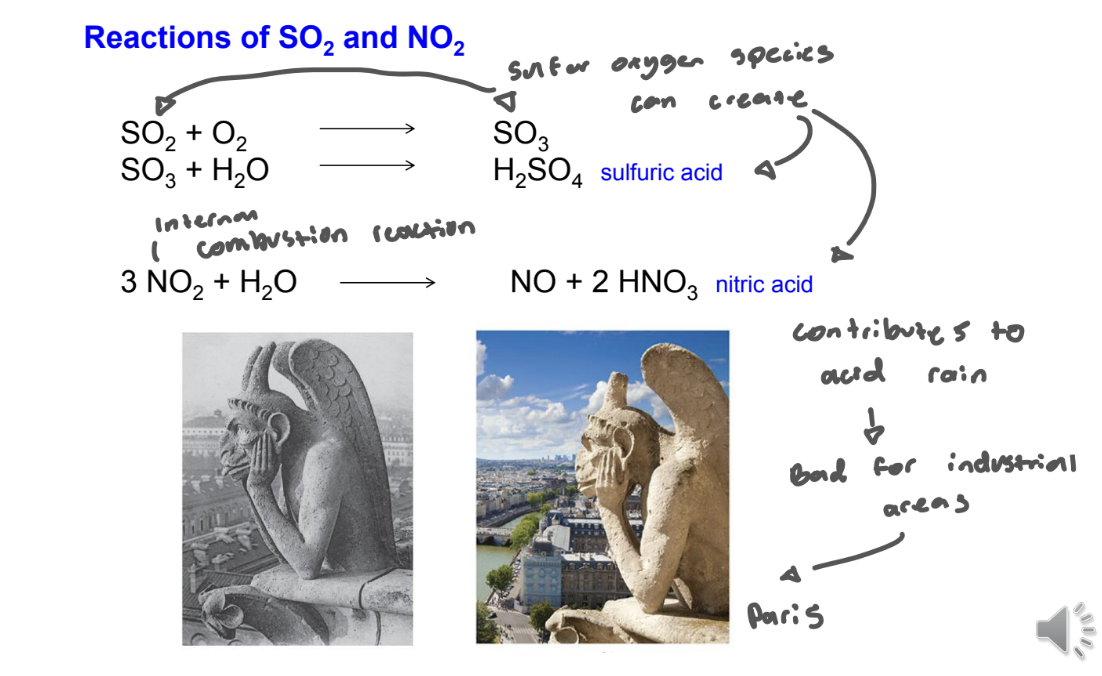
Reactions of SO₂ and NO₂
Contribute to acid rain and have detrimental effects on industrial areas.
Greenhouse Gases
Greenhouse Effect
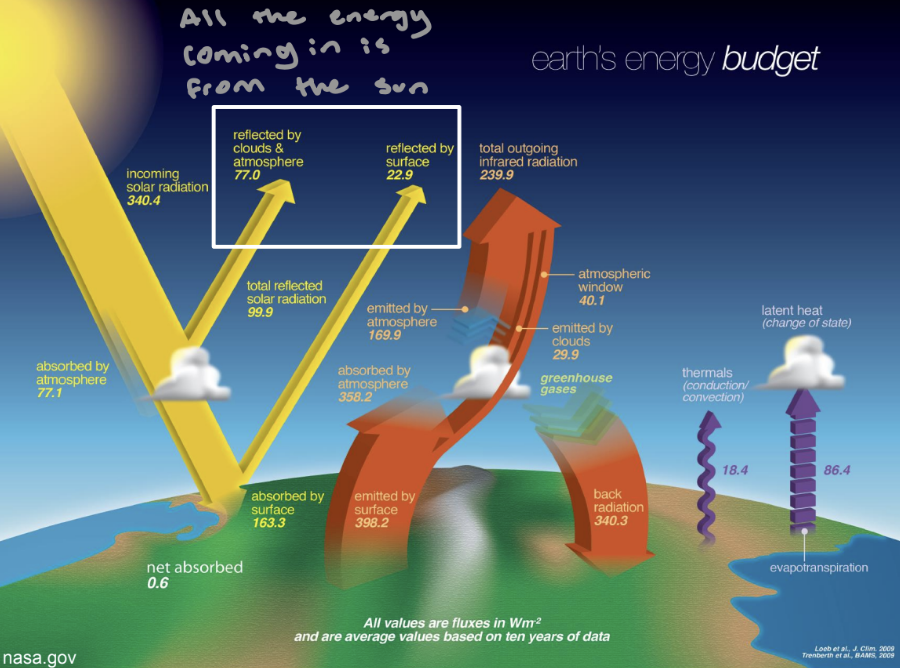
Described as radiative trapping by gases, warming the Earth by about 35 degrees.
Albedo
Reflectivity of Earth's surface; affects solar energy absorption.
Greenhouse Gases
Absorb outgoing terrestrial radiation, primarily in the infrared range.
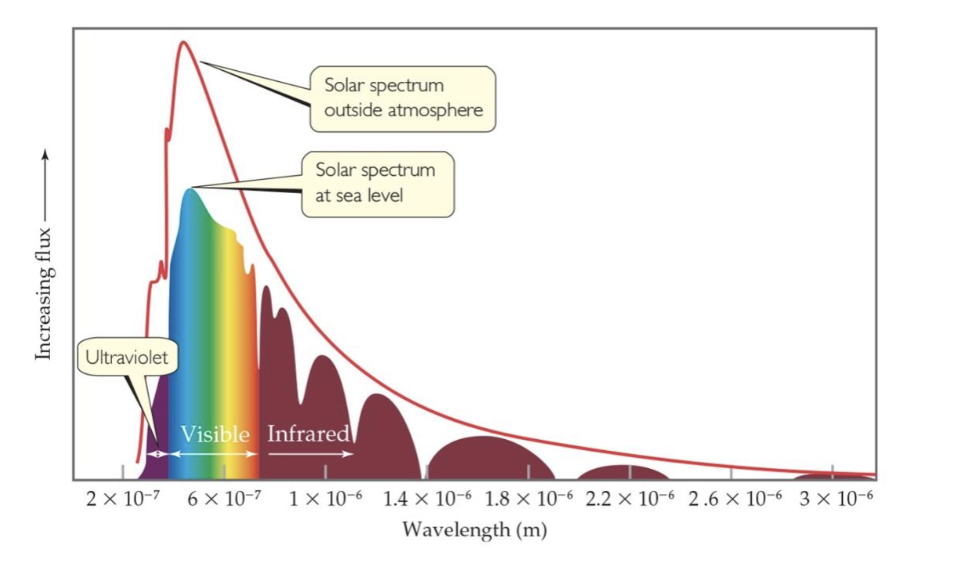
Gases that absorb in the wavelength range 5000-50000 nm, where most terrestrial radiation is emitted, are called greenhouse gases.
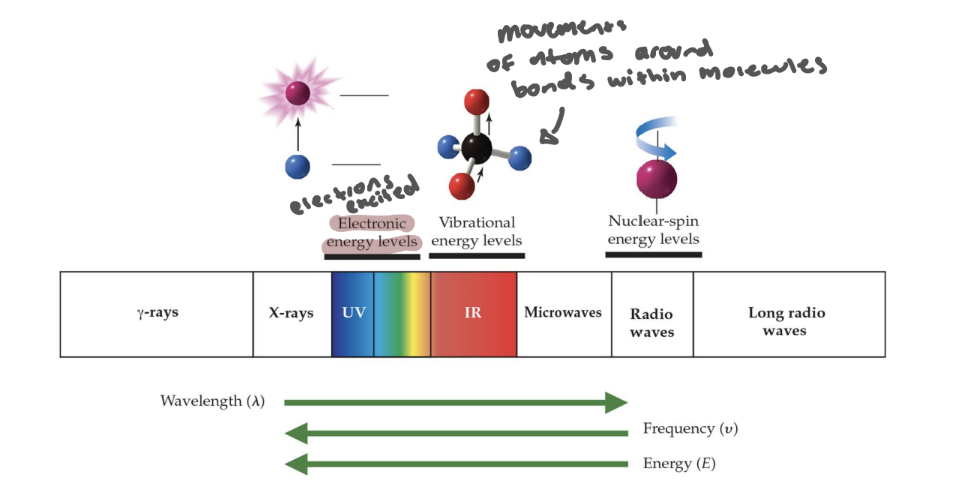
The absorption corresponds to vibrational and vibrational-rotational transitions.
Energy Absorption Mechanisms
Different gases absorb radiation based on their electronic, vibrational, and rotational states.
Electronic transitions: Generally require UV or visible radiation (< 700nm). For most atmospheric gases, there is little absorption in the range of visible radiation (400-700 nm).
Vibrational transitions: Require near-IR radiation (700-20000 nm), corresponding to the wavelength range of peak terrestrial radiation.
Rotational transitions: Require far-IR radiation (>20 μm).
Radiative Trapping by Gases
Role of Water Vapour
Constitutes a significant portion of greenhouse gases and is crucial for climate.
Forcing and Feedback Mechanisms
Forcing: Alters energy balance in the climate system.
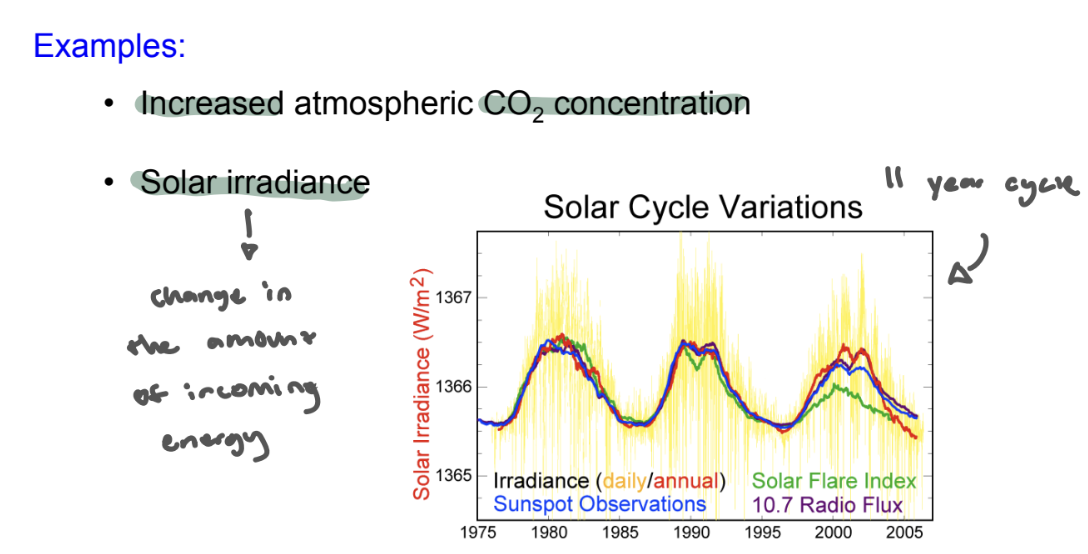
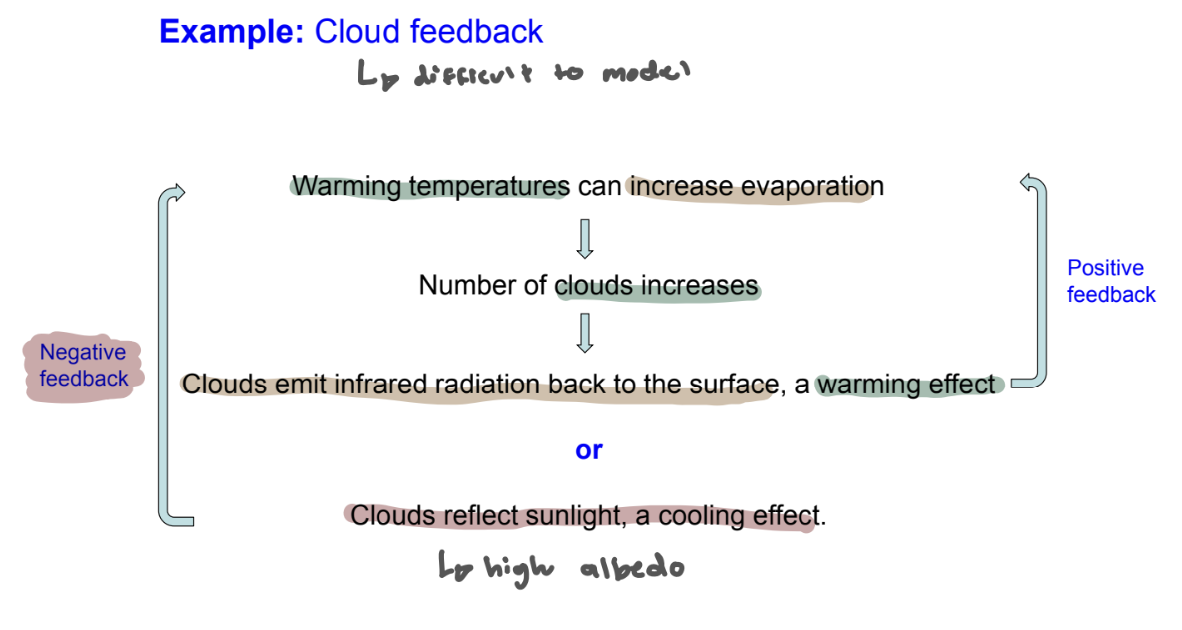
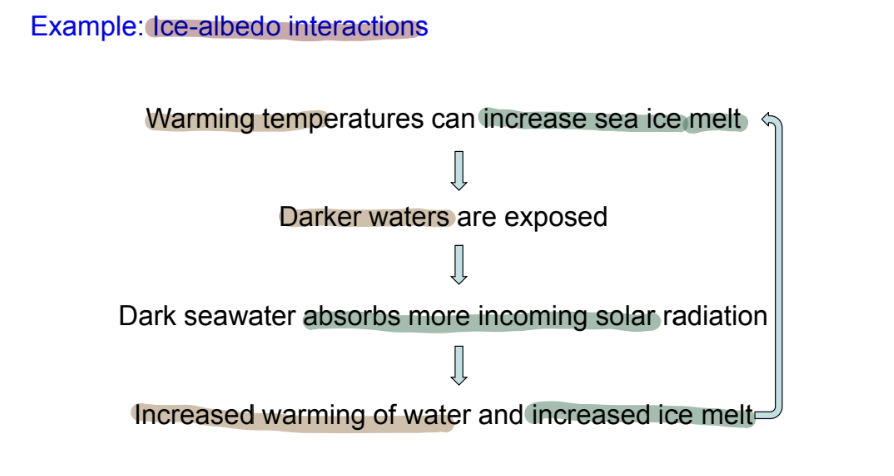
Feedback: Factors that either increase or decrease the rate of a process.