Gene clone
DNA Cloning Summary
Definition: A molecular biology technique that creates multiple identical copies of a specific piece of DNA, such as a gene.
Process:
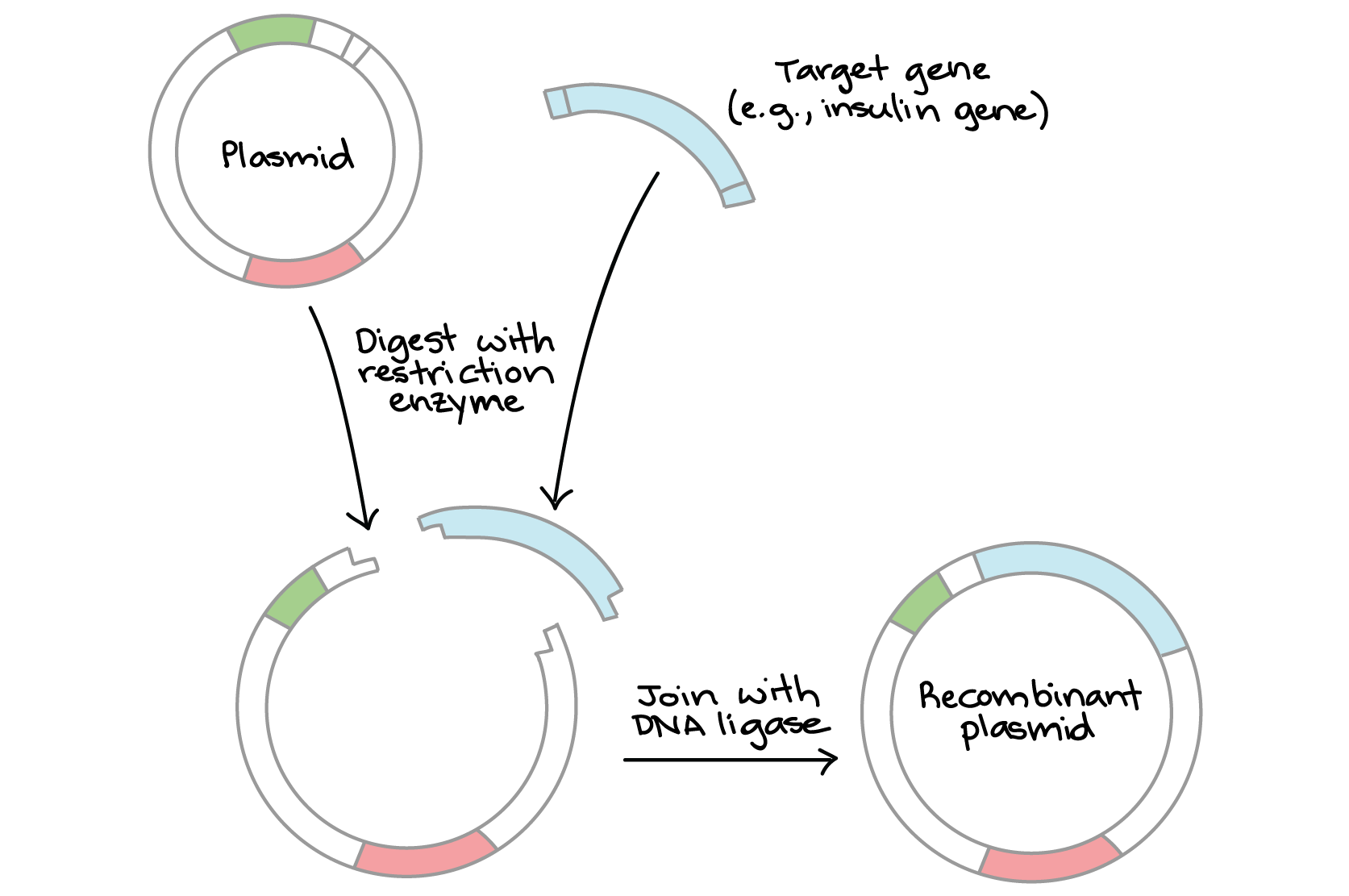
Insertion: A target gene is inserted into a plasmid (a circular piece of DNA).
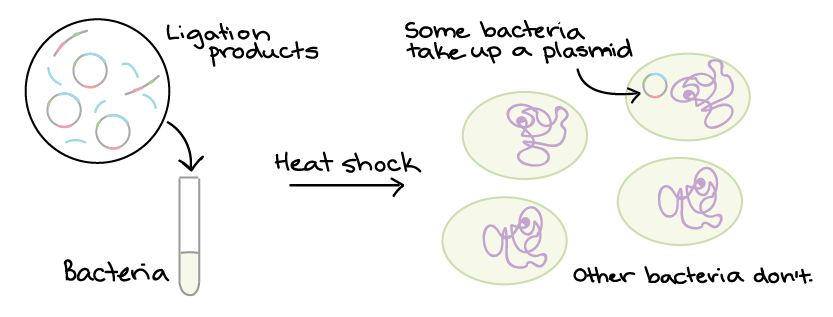
Transformation: The plasmid is introduced into bacteria, which are then selected using antibiotics.
Replication: Bacteria carrying the plasmid reproduce and replicate the plasmid DNA.
Protein Production: Sometimes, bacteria are induced to express the gene and produce a protein (e.g., insulin).
Key Concepts:
DNA cloning is not about cloning whole organisms but rather copying segments of DNA.
Restriction enzymes cut DNA at specific sequences, allowing for the creation of recombinant DNA when combined with plasmids using DNA ligase.
Successful transformation of bacteria is confirmed through antibiotic resistance; only the bacteria that took up the plasmid will survive.
Applications of DNA cloning include biopharmaceuticals, gene therapy, and gene analysis.
Applications:
Making proteins like insulin for medical use
Providing a normal gene version for gene therapy in genetic disorders
Building recombinant genes for research purposes.