Module 9: Mass Media in Africa
African Cultural Perspective
Africa is not a country, fun fact.
up until the late 1800s western countries ignored Africa
plundered for slaves but most of the continent was unexplored
changed when industrialization happened and people needed resources
countries sat down and divided the continent without regard for any tribal boundaries
10,000 groups split into 40 colonies
pin groups against each other so they won’t revolt against the oppressor
control media that might question the colonial government
in the 1950s and 1960s, one country after the other rose up and demanded independence
leaders who filled the void often were no better than the colonial government
during cold war, both sides used African governments as pawns
Radio is the most popular media
Journalists don’t make a lot of money bc of poverty
Most African governments rely on foreign aid
lack of respect for intellectual property
music acts in Africa must tour almost constantly because they make very little money from selling their music
africans have developed an inferiority complex when it comes to their taste in media content
African Cultural Indicator
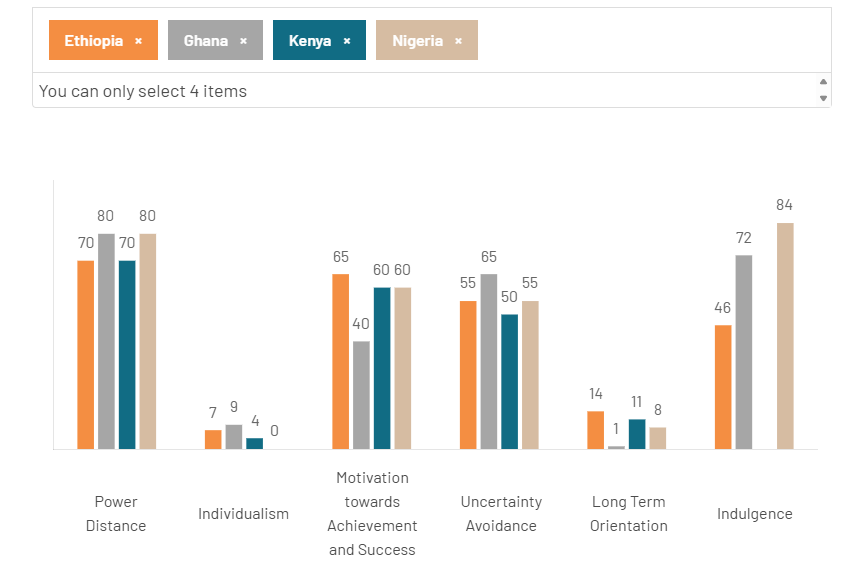
1. If you had to generalize about the African countries, you looked at, do they tend to be high, medium or low on power distance?
2. If you had to generalize about the African countries, you looked at, do they tend to be more individualist or collectivist?
3. If you had to generalize about the African countries, you looked at, do they tend to be more masculine, feminine or somewhere in the middle?
4. If you had to generalize about the African countries, you looked at, do they tend to be high, medium or low in terms of uncertainty avoidance?
5. If you had to generalize about the African countries, you looked at, do they tend to take a more long-term orientation or a more short-term orientation?
6. How would you describe the African countries you looked at in terms of indulgence? Which African country stood out?
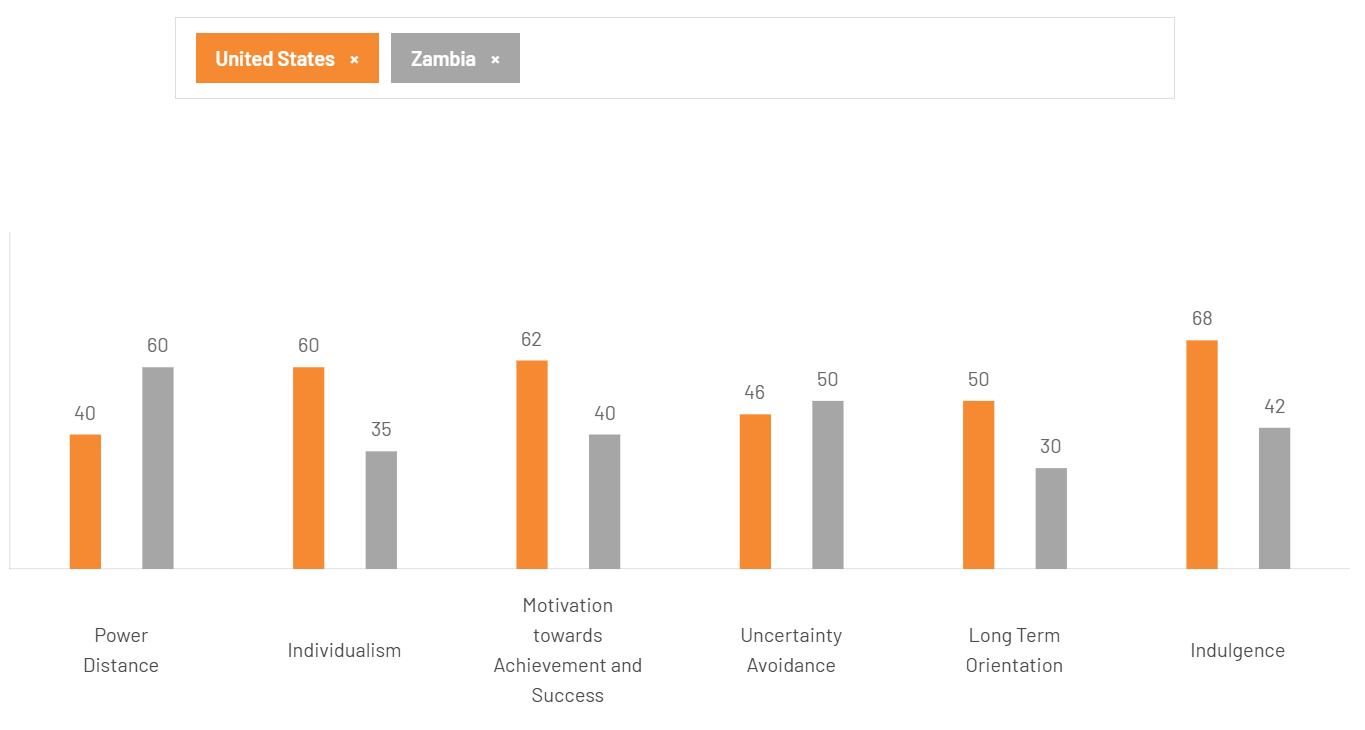
7. In what ways are these countries similar to the United States and in what ways are they different? If you had to pick one of the five countries and say it was the most like the United States, which would it be?
8. Based on your answers to 1-7, give some thought to how these things might play out in terms of media content and management/communication style if you were working in one of these countries.
Nollywood
3rd largest film industry
50 films are made every week
VIDEO
What role did foreign investment play in the development of Nollywood?
At the time of the video, how old was Nollywood?
Why was an Italian filmmaker interested in telling the story of Nollywood?
The documentary focused on a filmmaker making a movie about police corruption. How long did he have to make the movie?
One of the themes of the documentary about Nollywood was technology. Explain.
How are Nollywood films typically sold and distributed?
Advertising in Africa
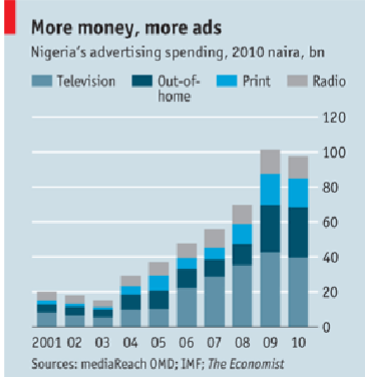
in the last decade, many african nations have grown economically at a much faster pace than those in most of the rest of the world
more middle class = increase in advertising
Guinness european sales dropped but made up for it in africa
Africa's diversity and political challenges can make it a difficult place to do business
ARTICLE
How and why does advertising differ geographically in Nigeria?
the north is mostly muslim, the south is either christian or animist, different ethnic groups and age difference
southerners enjoy ads involving voluptuous women dancing seductively, but the north would hate that ad
riots causing deaths from column abt prophet muhammed enjoying miss world contest
A condom ad got pulled after offending whom?
the police
the advertisement was a guy on a motorcycle getting stopped with condoms, and the female officer takes them, writes her number on the packet, and then returns them
What are the industries that do a lot of advertising? (Hint: These are the "sexy" sectors).
mobile phones, banks, beer and food
In what context does the article use the phrase “assimilate or die”? What does it mean?
they have to assimilate to nigerian culture cus theyre very patriotic
In what two ways does Nigeria’s sketchy electrical grid affect advertising agencies?
expensive backup generators
firms often pay for ads that viewers dont see
What's the next "big thing" in Nigerian advertising?
digital ads
African Journalists
fairly low level of editorial autonomy
Tribes can make it harder or easier to get information
high organizational influence
“doing virtually anything in Africa is harder than in the West”
most of Africa take the monitorial role and interventionist role very seriously
big on populist and collaborative roles
Tabloids
the tabloids loveee to lie
picture of a “pregnant norwegian” was neither pregnant nor norwegian
“they provide readers who feel excluded from dominant discourses and social processes with the pleasure of seeing the establishment’s norms subverted, undermined or satirized” -Wasserman
The Pepper is responsible to aggressive watchdog journalism
journalists at other media houses have been known to feed story tips to Red Pepper reporters because they know that unsubstantiated story ideas that won’t pass the smell test of their own editors will likely appear in the Red Pepper.
Big Brother Africa
Very popular
unifies Africans by promoting cultural understanding
Religious and government leaders were often offended by the show's emphasis on drinking, sexuality and raw capitalism. (“Un-African”)
what is rightly considered african?
In the first season, all the contestants spoke English, had lived or travelled abroad and had attended college.
not exactly representative of Africa as a whole
African Media Ownership
Article One
Safaricom, Kenya (Telecommunications)
founded M-Pesa, Africa’s first SMS-based money transfer service
Nando’s, South Africa (Food)
over 1000 locations in 30 countries on 5 continents
great advertising (the “dimwitted busty blonde” commercial or the one w the Zimbabwean president)
premised on traditional Mozambiquan-Portuguese dietary patterns and spices such as the ‘Pili Pili’
sauces
eat free for life if they can prove they have been to all the Nando's restaurants.
Nation Media Group, Kenya (Media)
launched n-soko, classified site which competes with craigslist, twende twende (kenya’s first online travel site) and nation hela, international money transfer service
Daily Nation is the highest-circulating newspaper in the East and Central African region
Business Daily newspaper is East Africa’s most popular business journal and its Television and radio stations consistently rank among the most popular among African viewers and listeners.
MTN, South Africa (Telecommunications)
MobileMoney insurance solution, Mi-Life which provides money in the event of a death of a subscriber or next of kin
MTN InternetOnTV
MTN Traveler which is a mobile app where can users can book travel accommodations using their phones
Iroko TV, Nigeria (Media)
revolutionized and glamorized Nollywood
dubbed the netflix of africa
largest african movie distributor
Article Two: Naspers
What company is profiled here and where is it based?
Naspers is based in South Africa
Briefly describe the company’s holdings and where they’re located.
Owns chunks of Facebook and Zynga
still derive 30% of revenues from print
significant footprint in every continent but North America
What’s the “secret sauce”?
good sense, shoe leather and a lot of patience (essential in emerging markets
packaging content and creating communities
building brand names around them
running platforms to distribute media products, support e-commerce and sell advertising
What does the author have to say about the presence (or absence) of American companies in emerging media markets?
Google and Facebook are exceptions
American companies are not prominent cus they dont appeal to the africans
“they assume that it’s pretty much like it is at home, albeit with strange languages, weird food and a bunch of people who are trying to catch up to us”
What does the author mean by “reverse innovation”?
innovation seen or used first in the developing world, before spreading to the industrialized world
most countries have state owned stations and papers
a couple of the first african leaders were journalists
privately owned media is there, just uncommon cus of money
most journalists make less than 500 a month (not a lot of money)
Brown Envelope Journalism: sources handing journalists money
bribing to write a good story or ignore a negative one
cover transportation costs
can make more in brown envelopes than in salary
groups with a lot of money get a lot of press coverage (HIV covered more than malaria)
editors often turn a blind eye
many African journalists only get paid when their work is published or broadcast
quantity over quality
no incentive on going the extra mile
Technology in Africa
radio is the dominant medium
less likely to have smart phones
men more likely to have technology than women
people on the coast are more likely to have internet access than those who are landlocked
price of access is still relatively expensive relative to average incomes
some countries have done a better job of keeping costs down than others
mobile banking technology was a big deal in Kenya years before it was available many other parts of the world
most kenyans didn’t have a bank, much less a card
born out of necessity
81 percent of Africans in 2020 had a mobile phone, compared to 68 percent of the planet.
Africa had an internet penetration rate of 34 percent in 2020, compared to the global average of 59 percent.
Africa's social media penetration rate was 16 percent in 2020, compared to 49 percent globally.
a lot of people in Africa have phones, but not many have smart phones with internet access or unlimited data plans
of the 20 countries globally with the highest rate of increase in mobile connections, 16 were in Africa. Leading the way was Liberia with a 32 percent increase.
Liberia was founded by freed American slaves who returned to Africa.