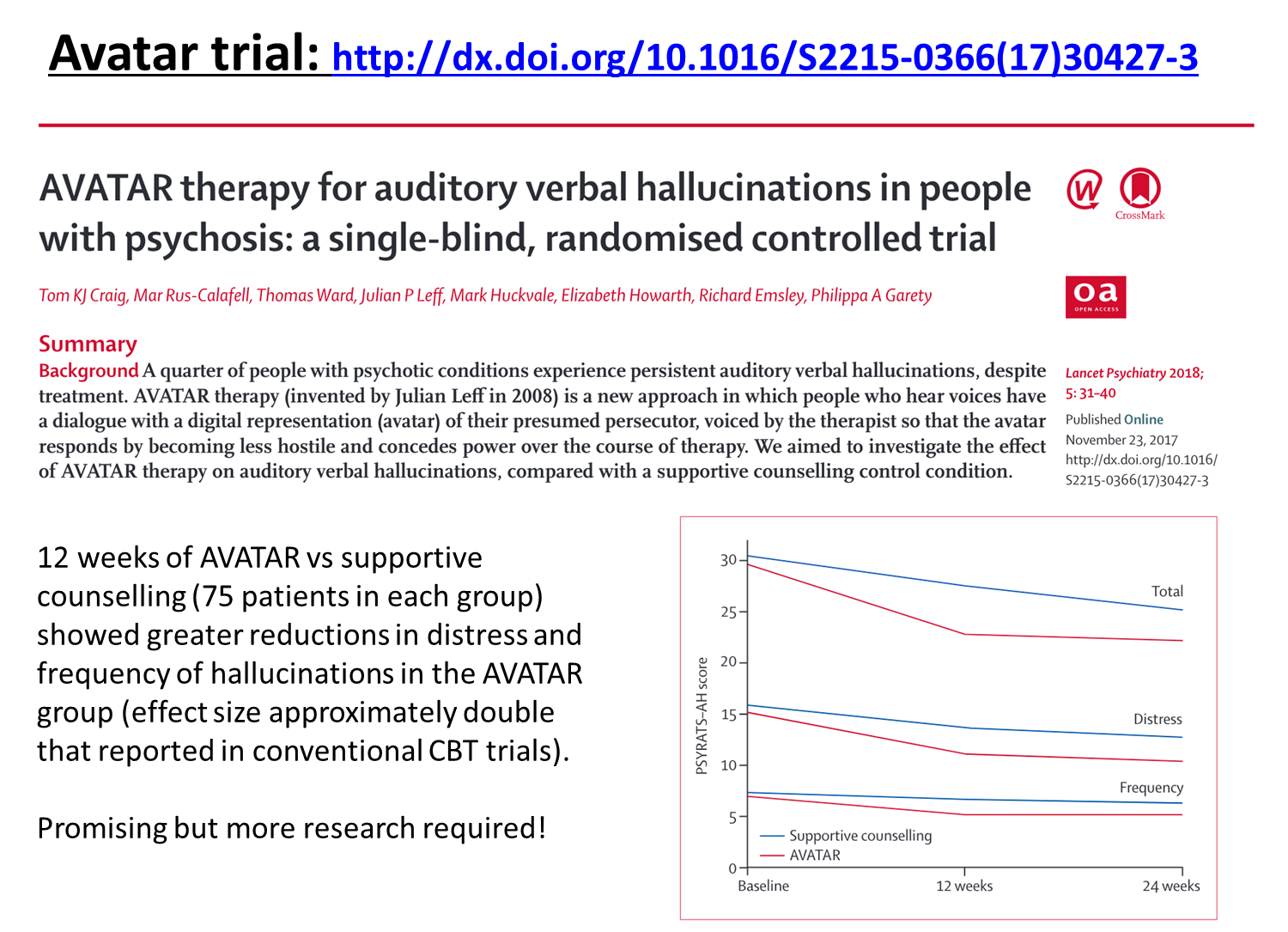
week 4: psychology of hallucinations

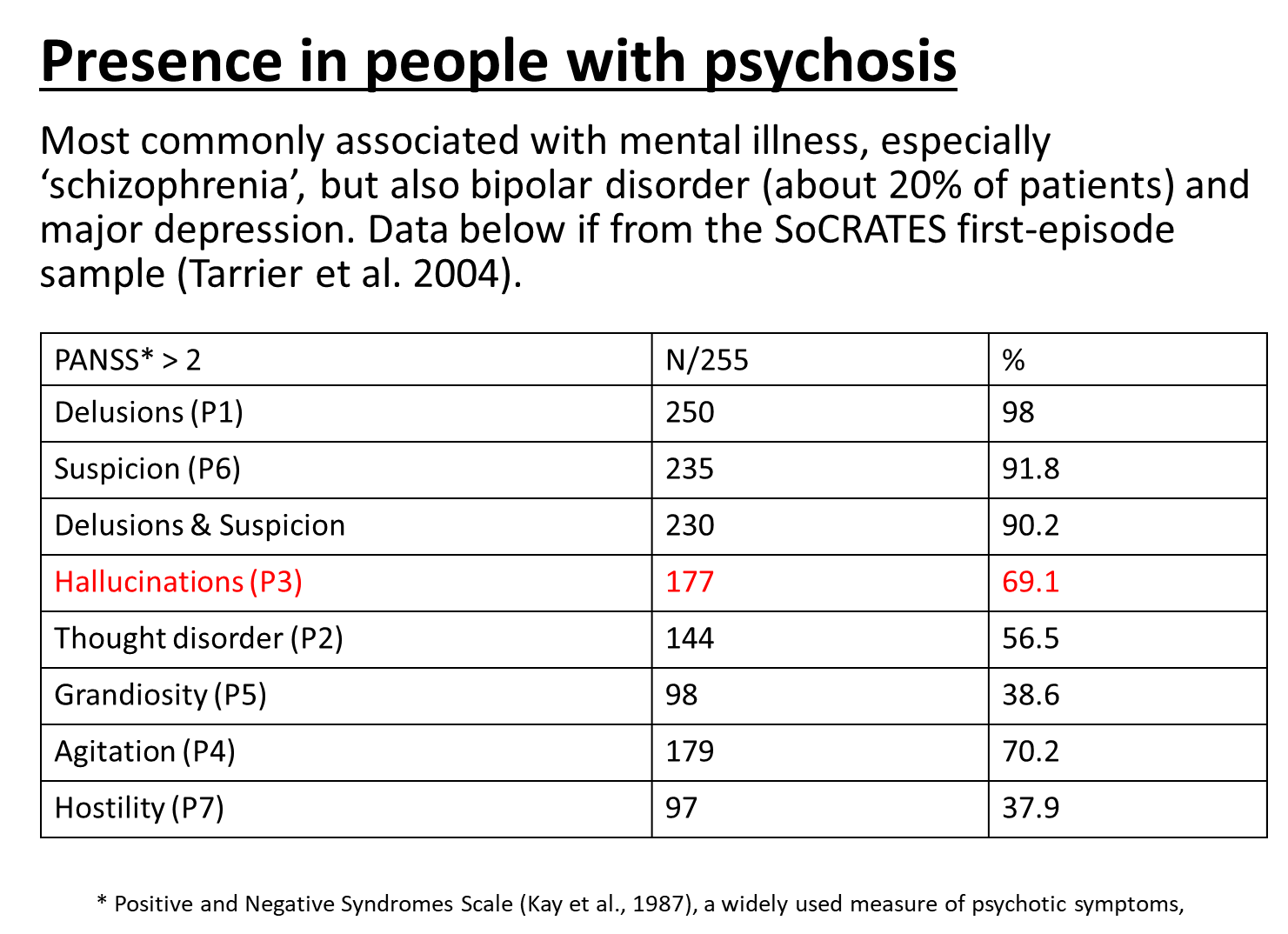
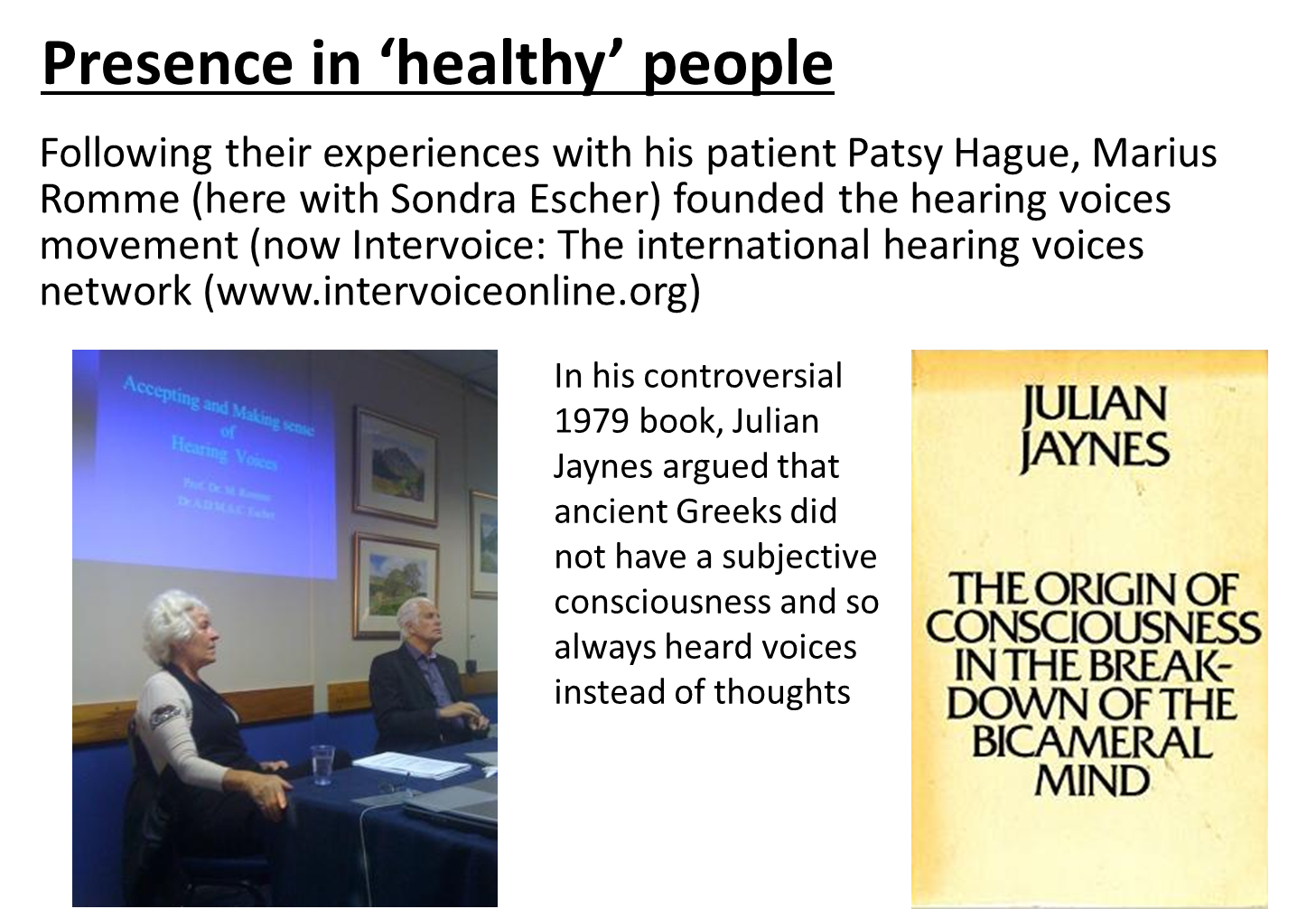
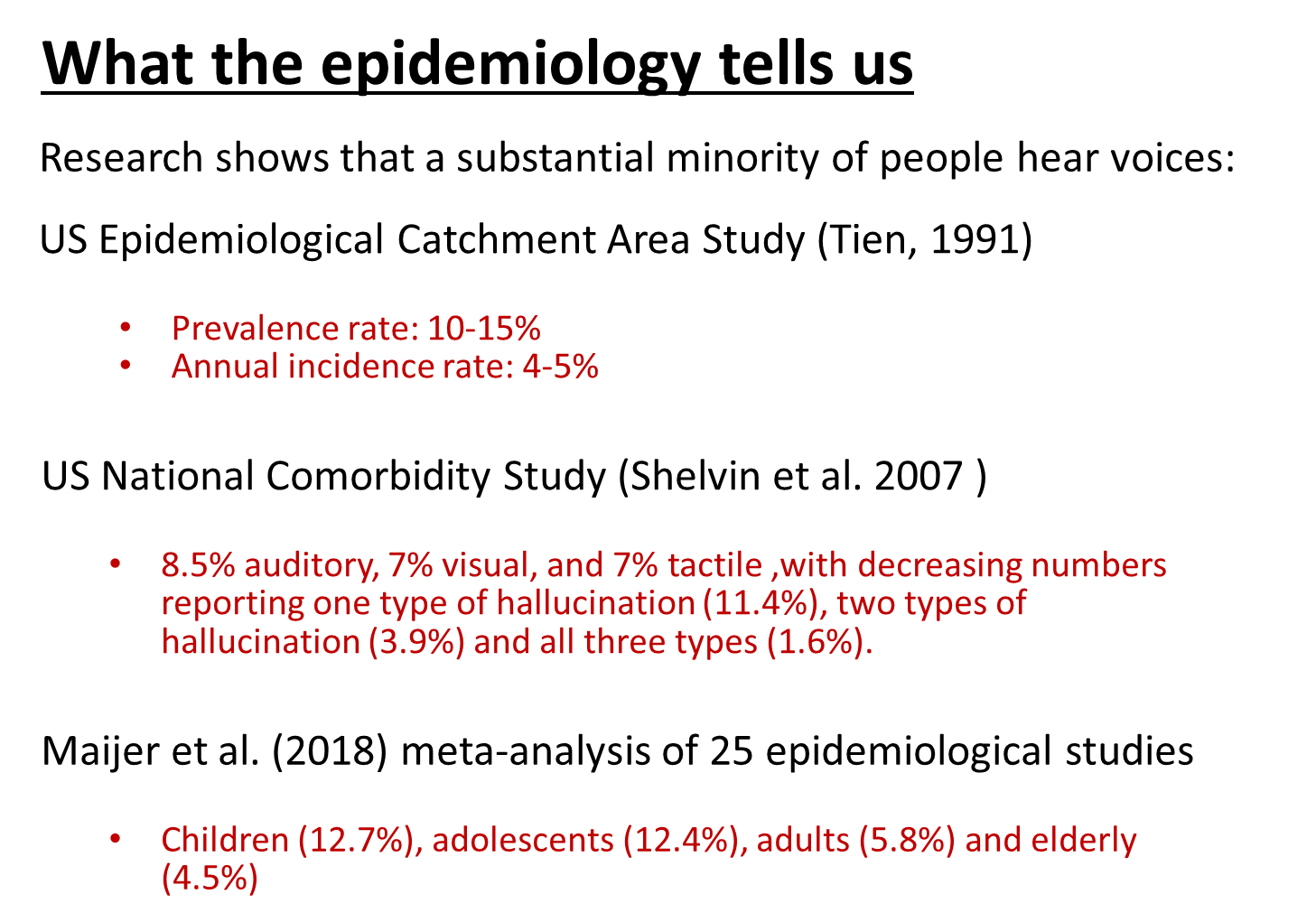

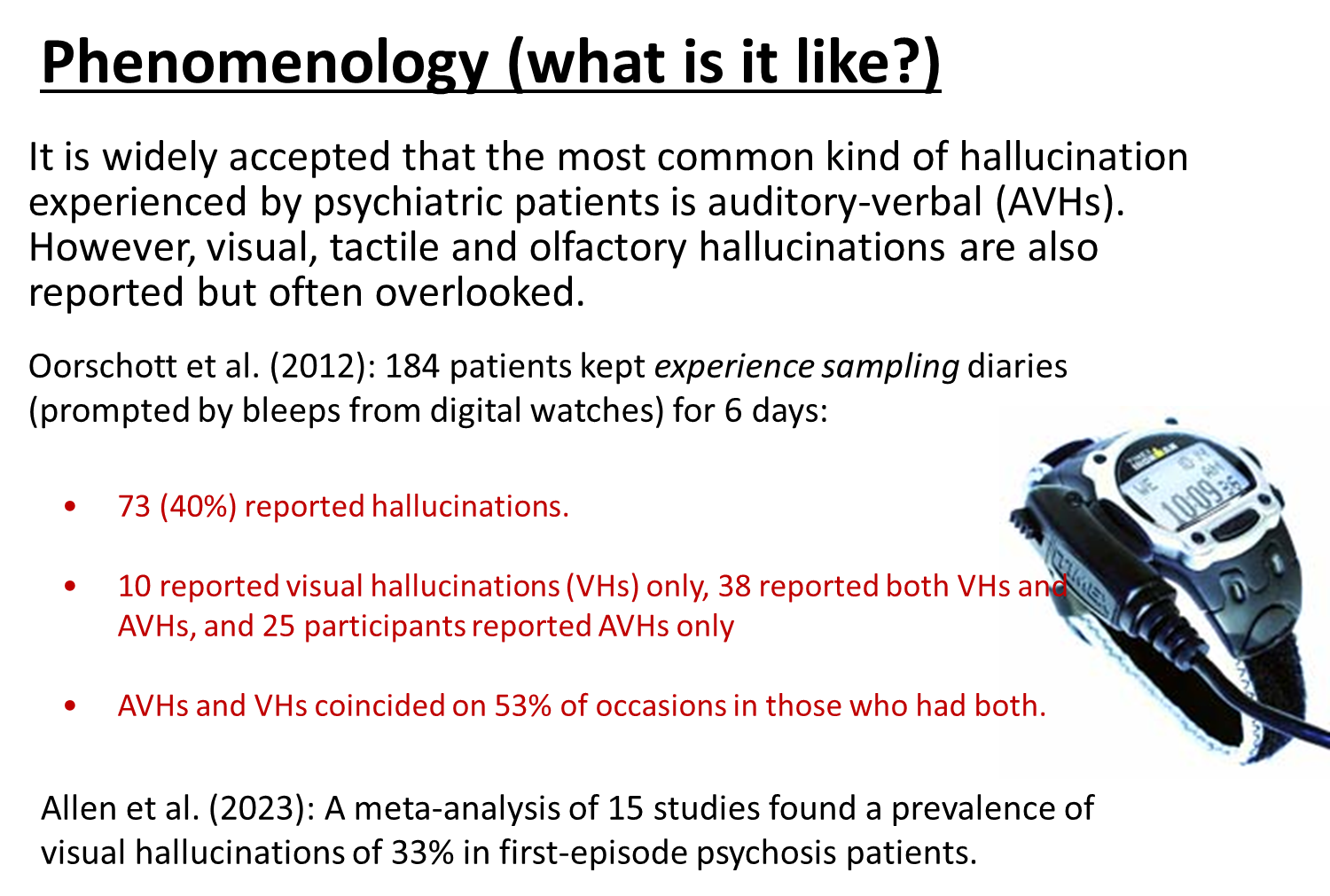
auditory-nonverbal also occurs, but is much rarer
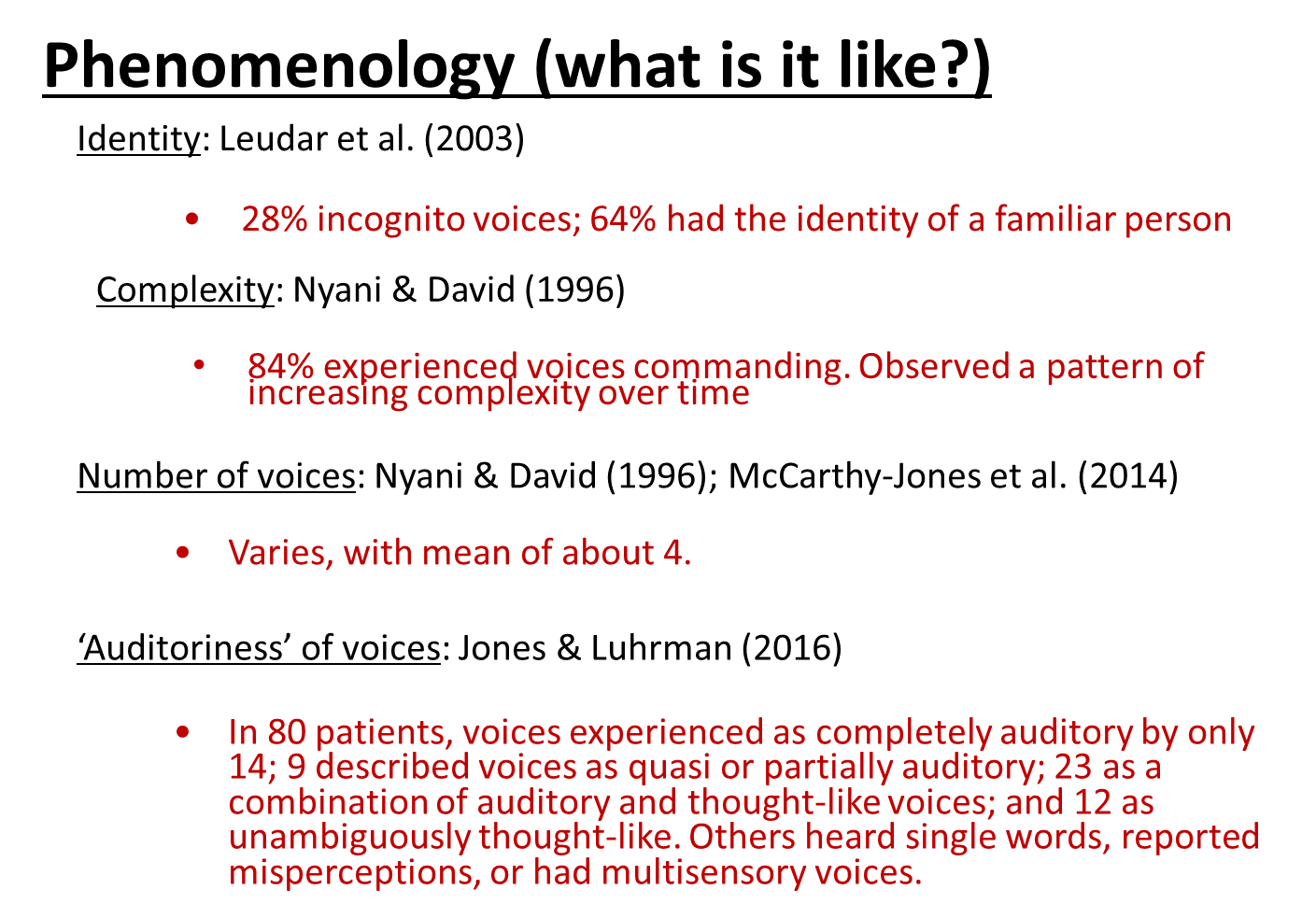

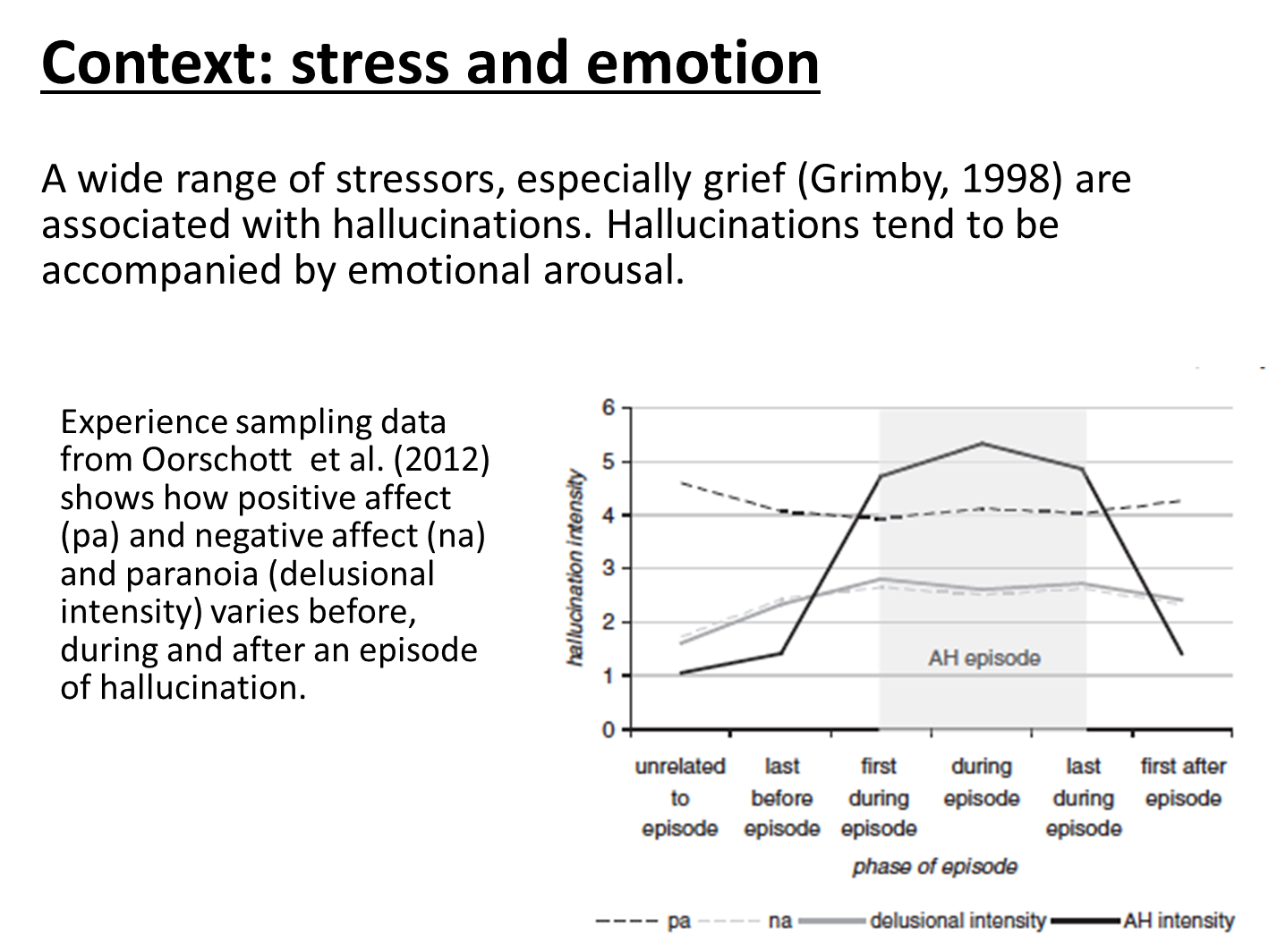
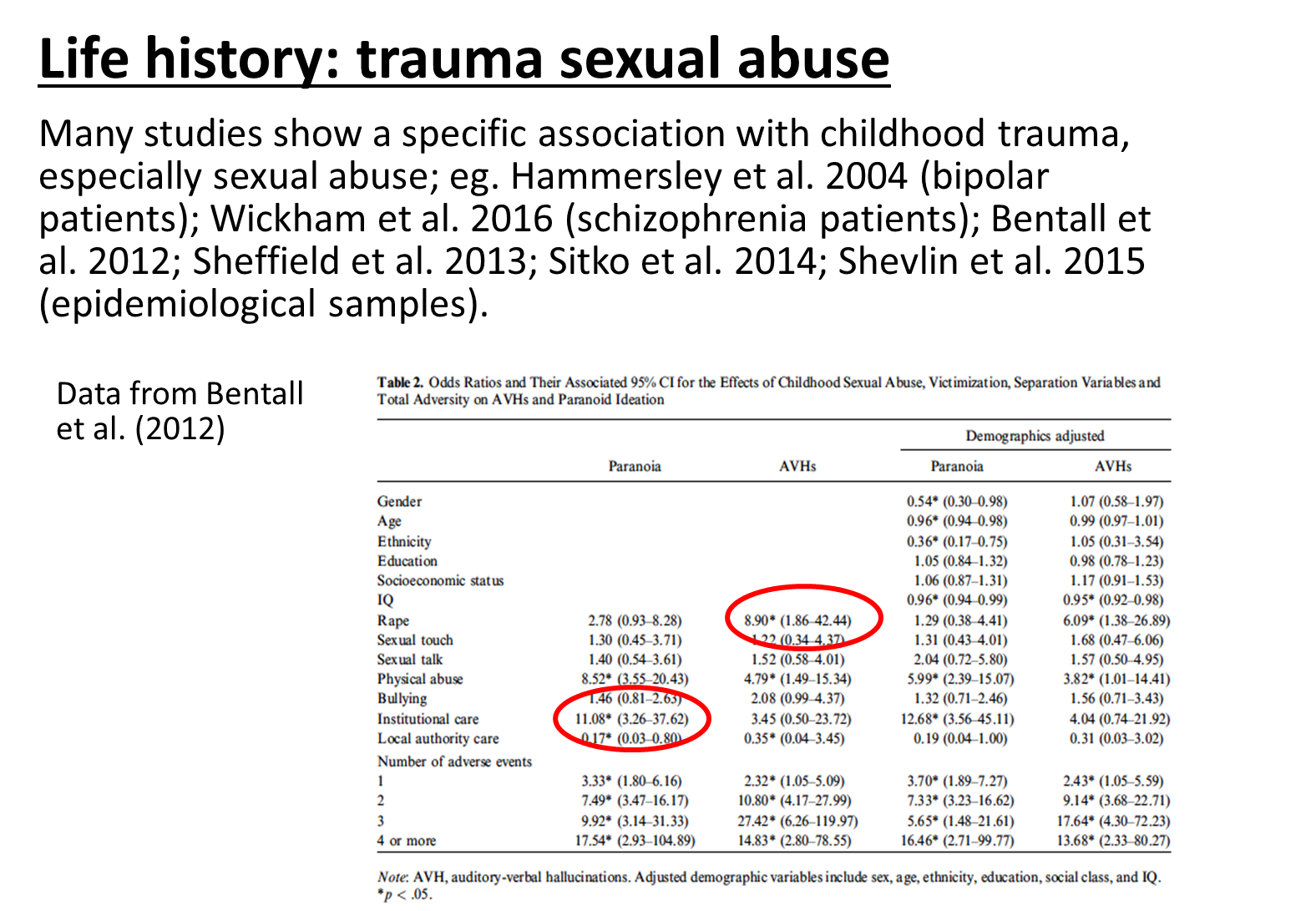
paranoia is associated with an insecure attachment and an institutional care home is an environment that very commonly induces this
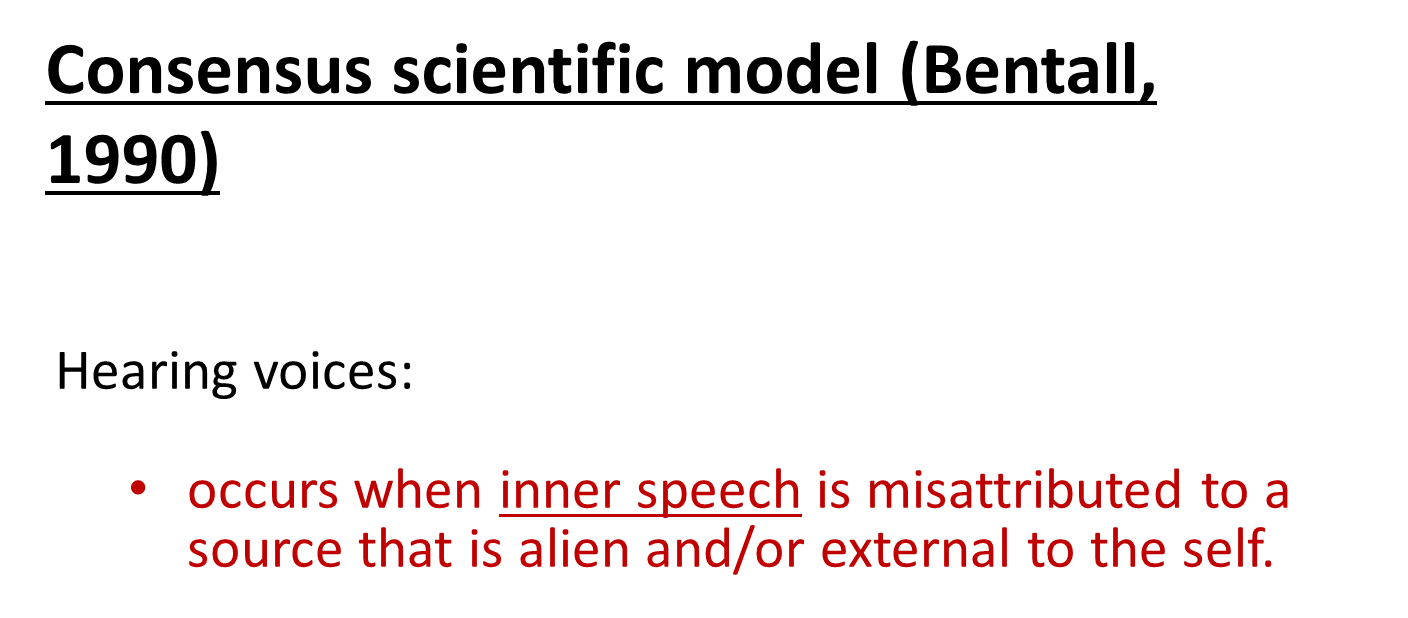
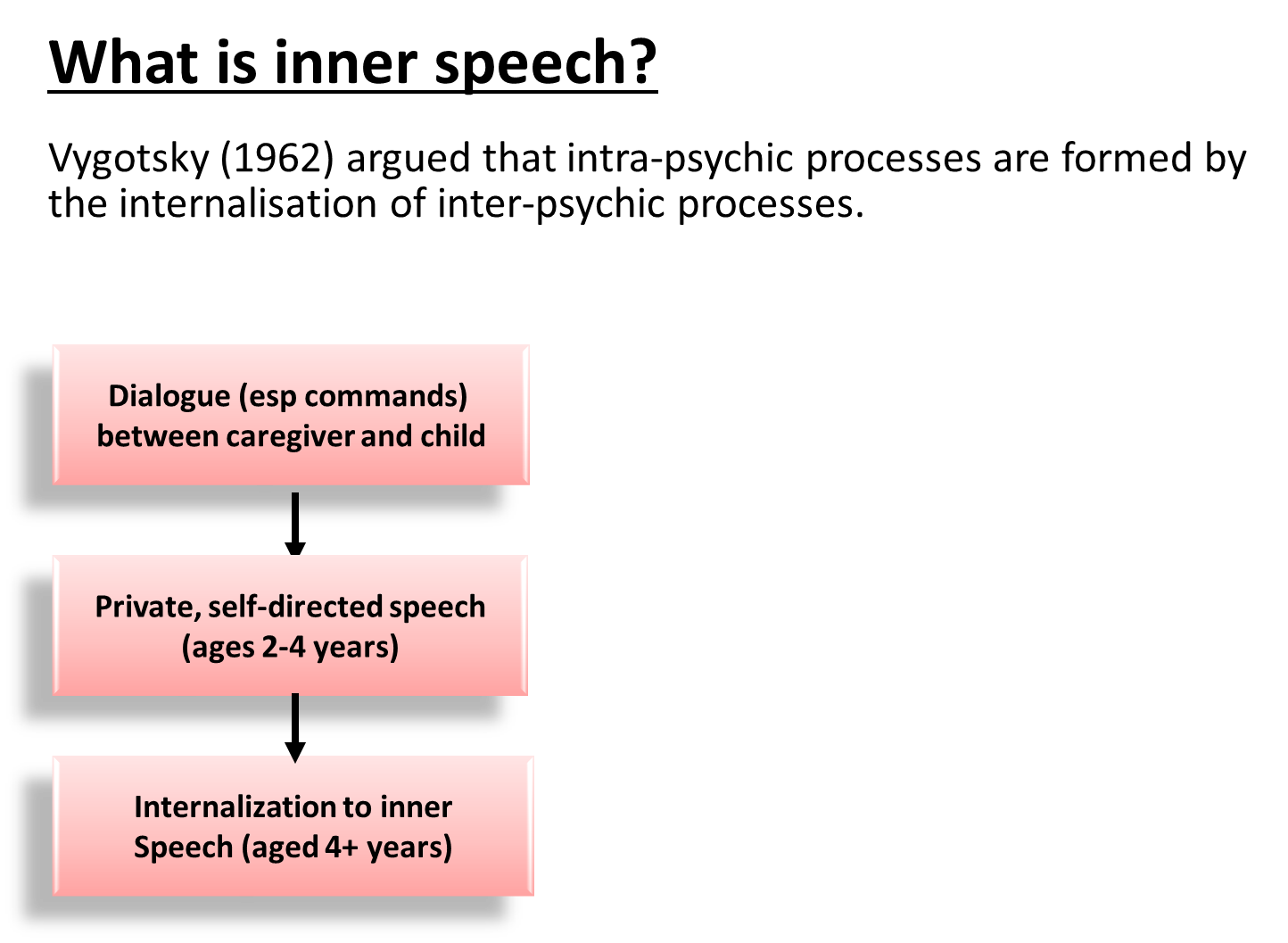
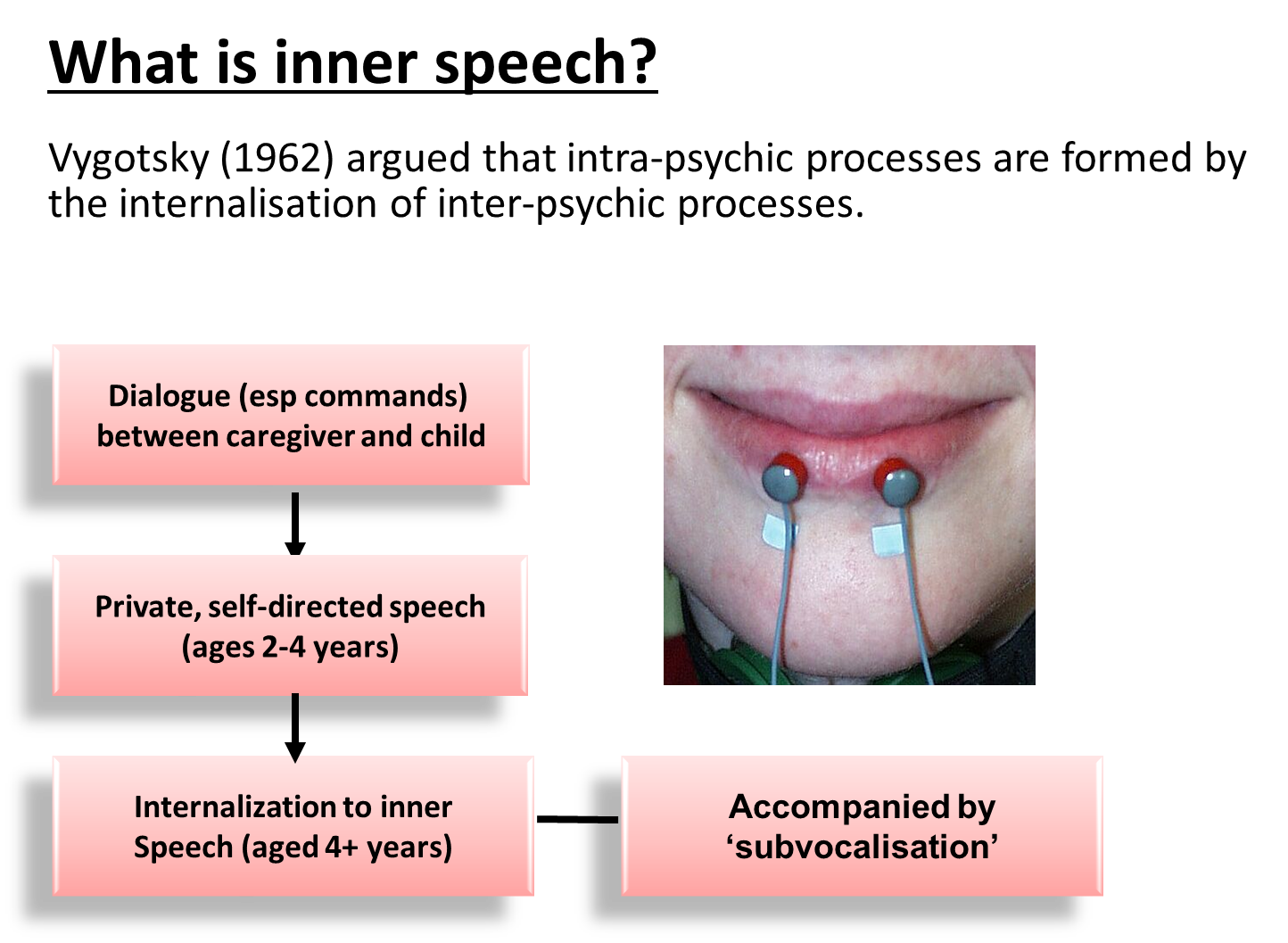
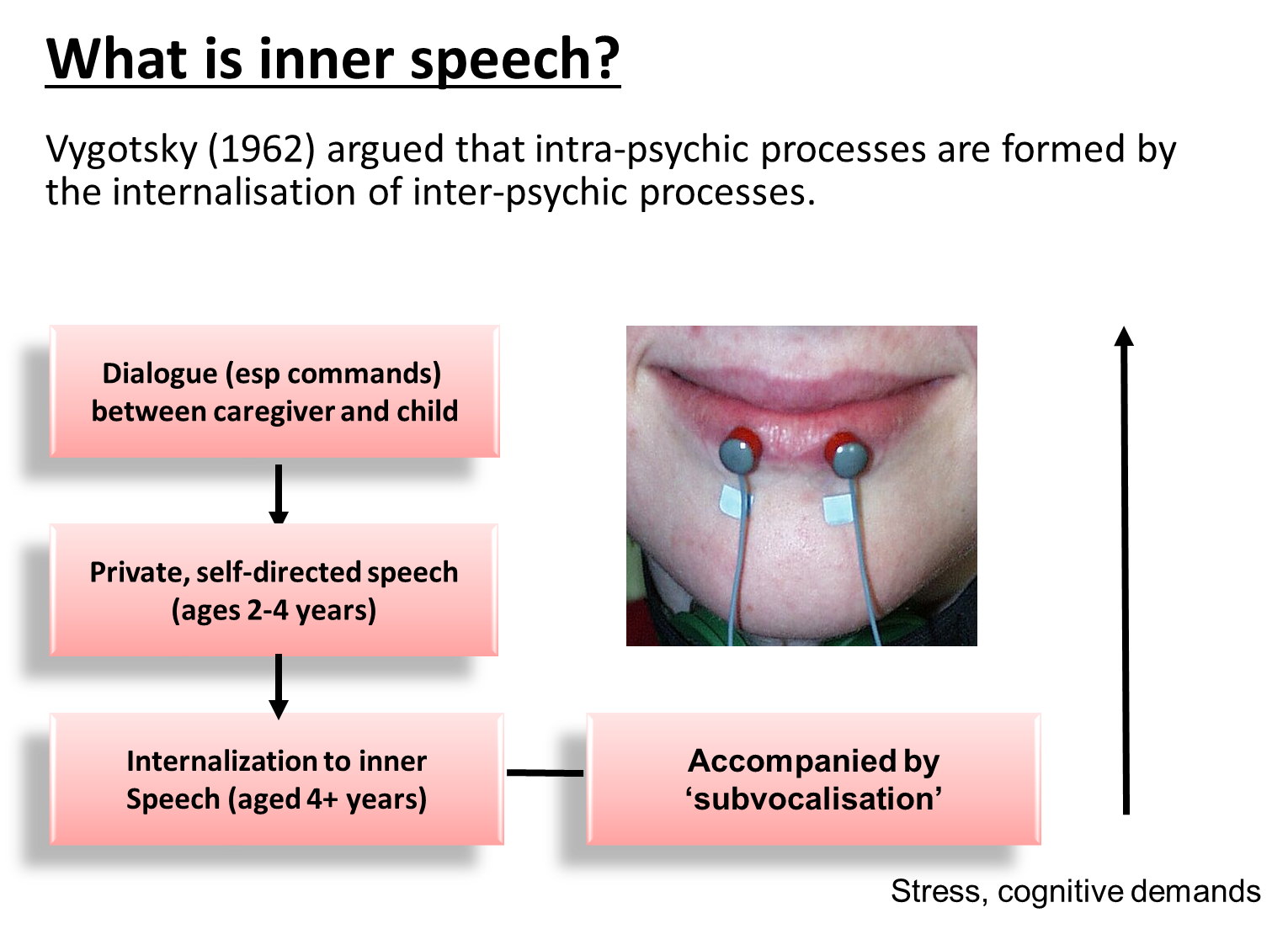
from the dialogue between child and parents, the child develops the ability to regulate their behaviour, attention and speech
at approx age 2 the child discovers they can interrupt themselves, they speak to the person most important at the time, which is themselves
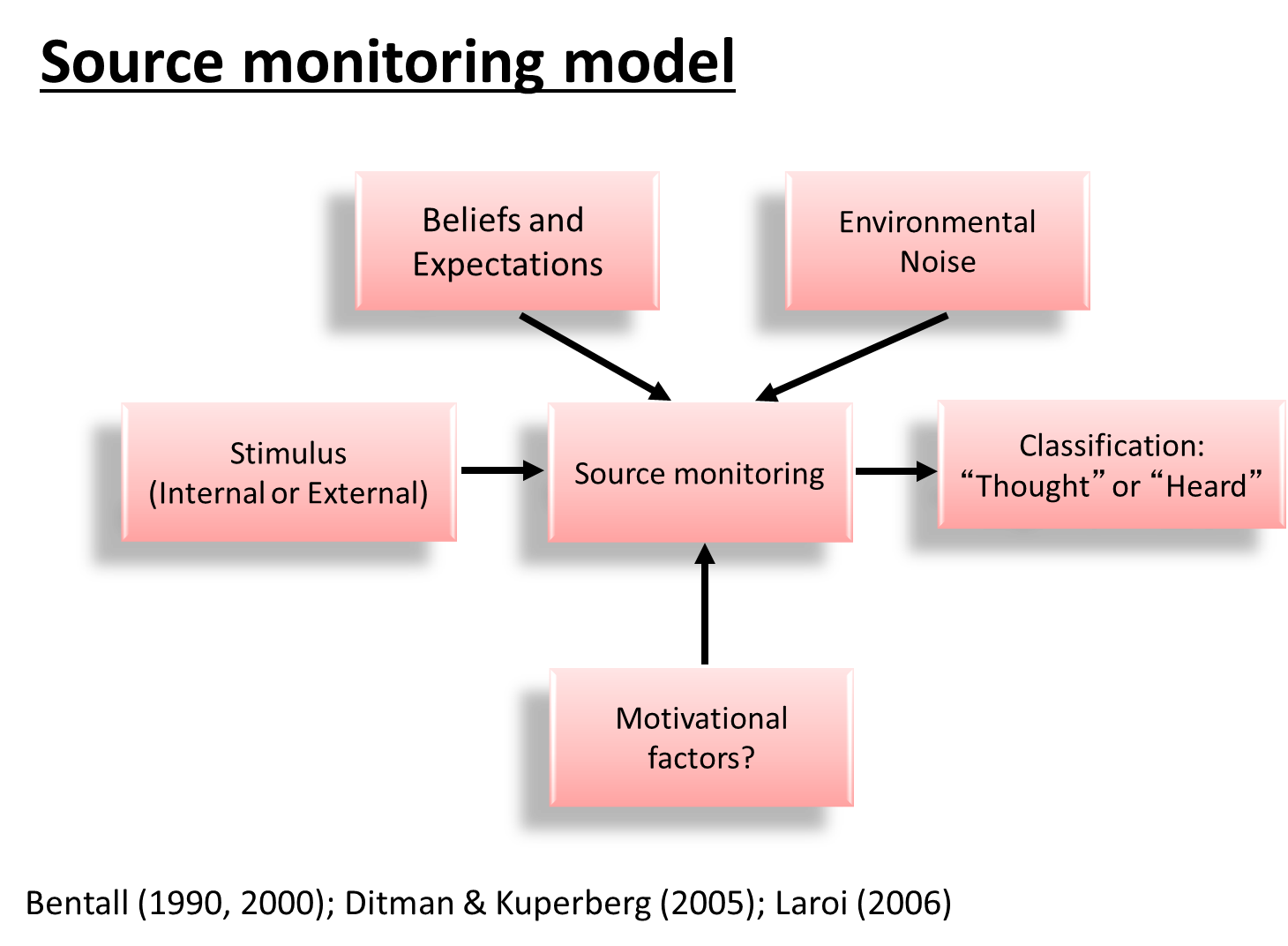
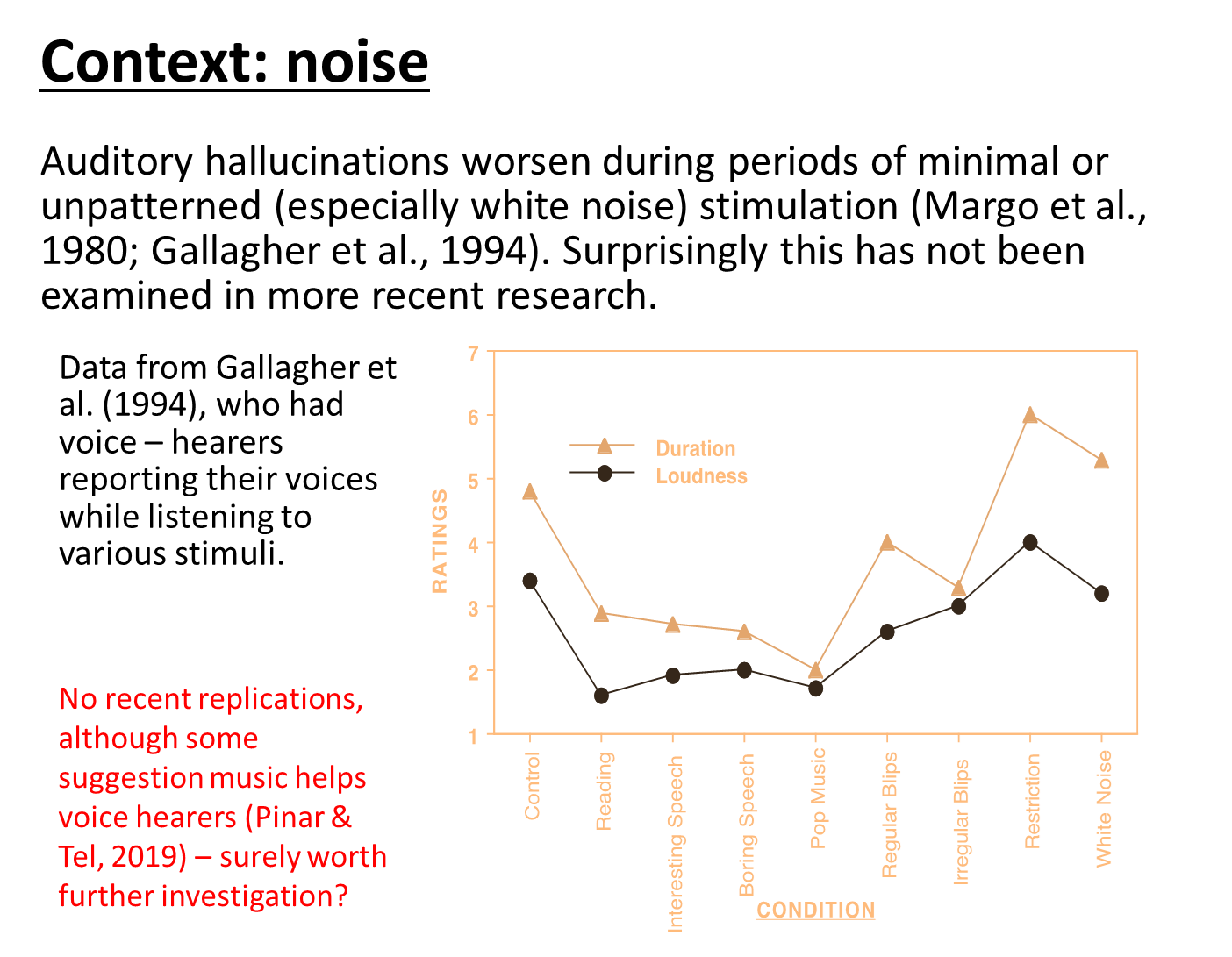
this theory says we are always bombarded with stimuli, we have to decipher which is which and pay attention to the most significant ones
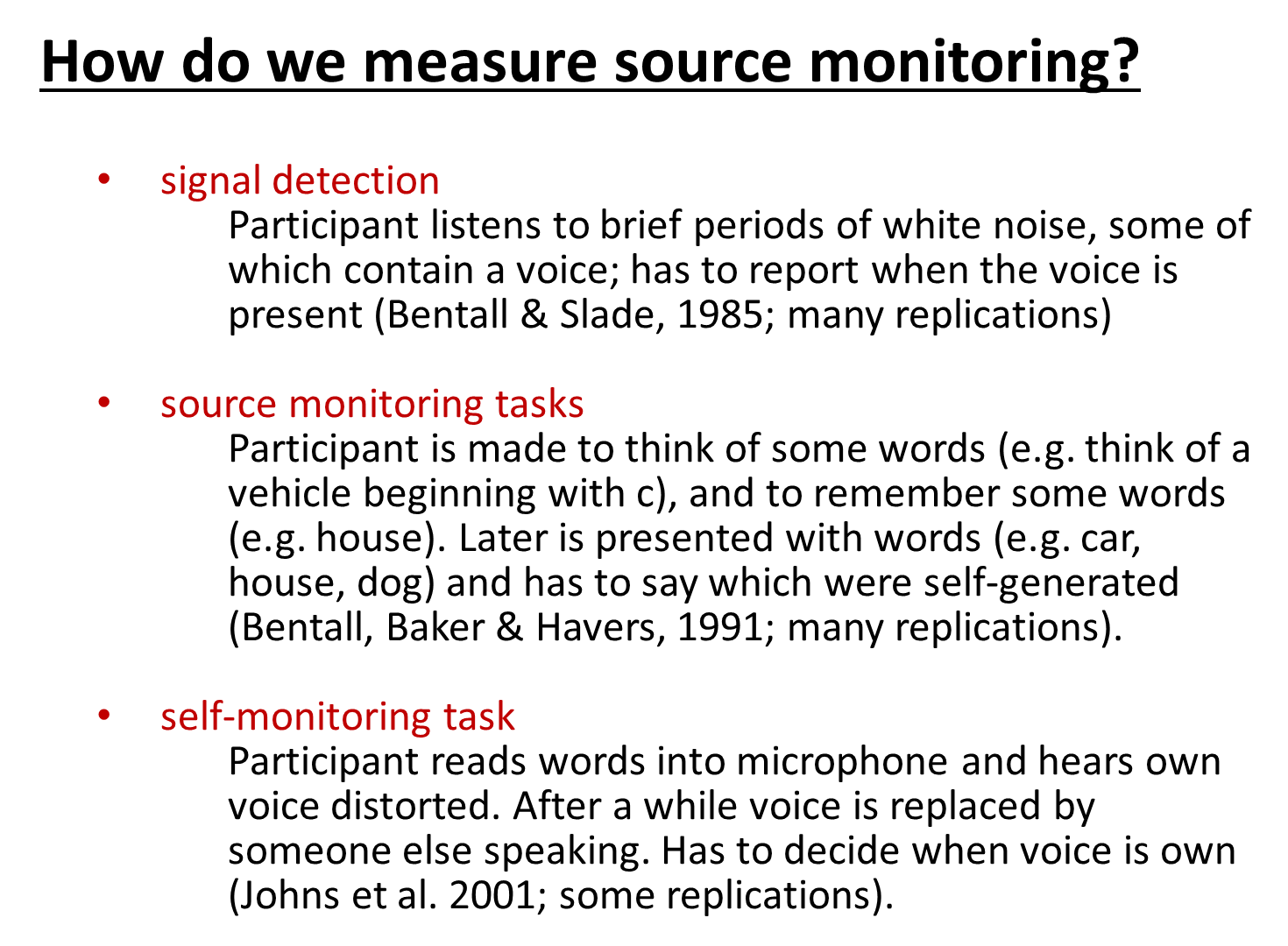
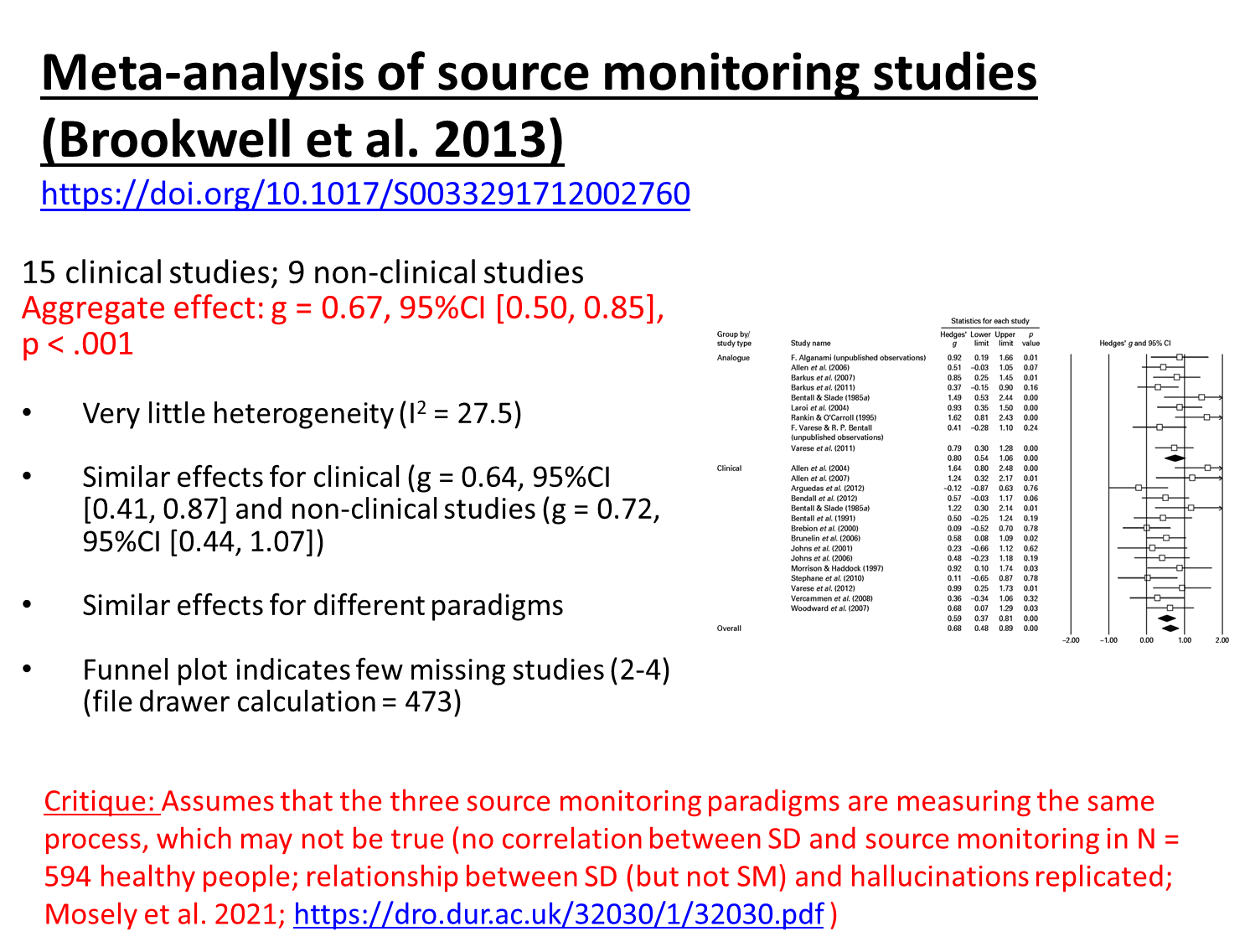
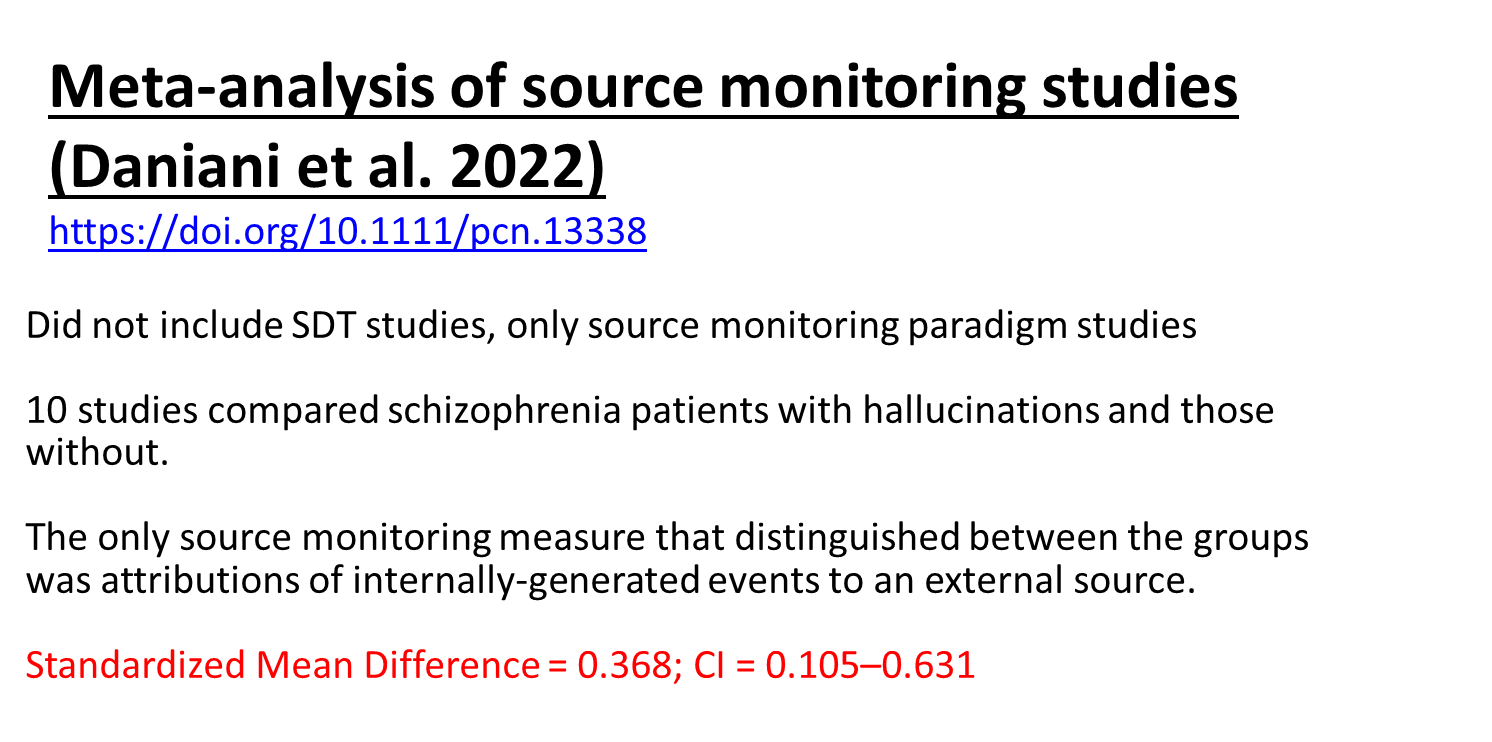
source monitoring task: asked to name ‘vegetables beginning with c’, they do and then a week or so later they are presented a list of answers and they have to recall which ones they said, and separate from which ones were said to them
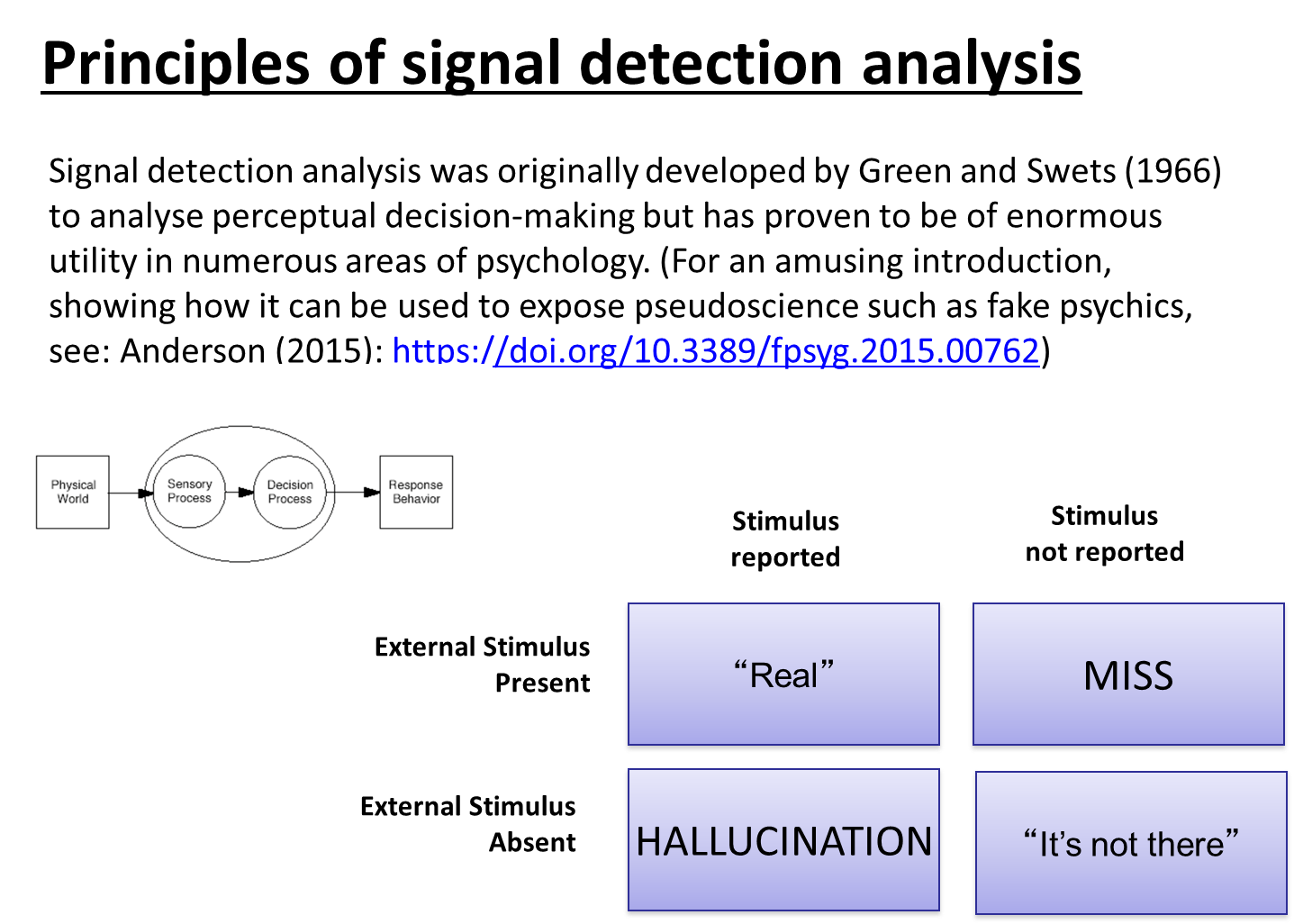
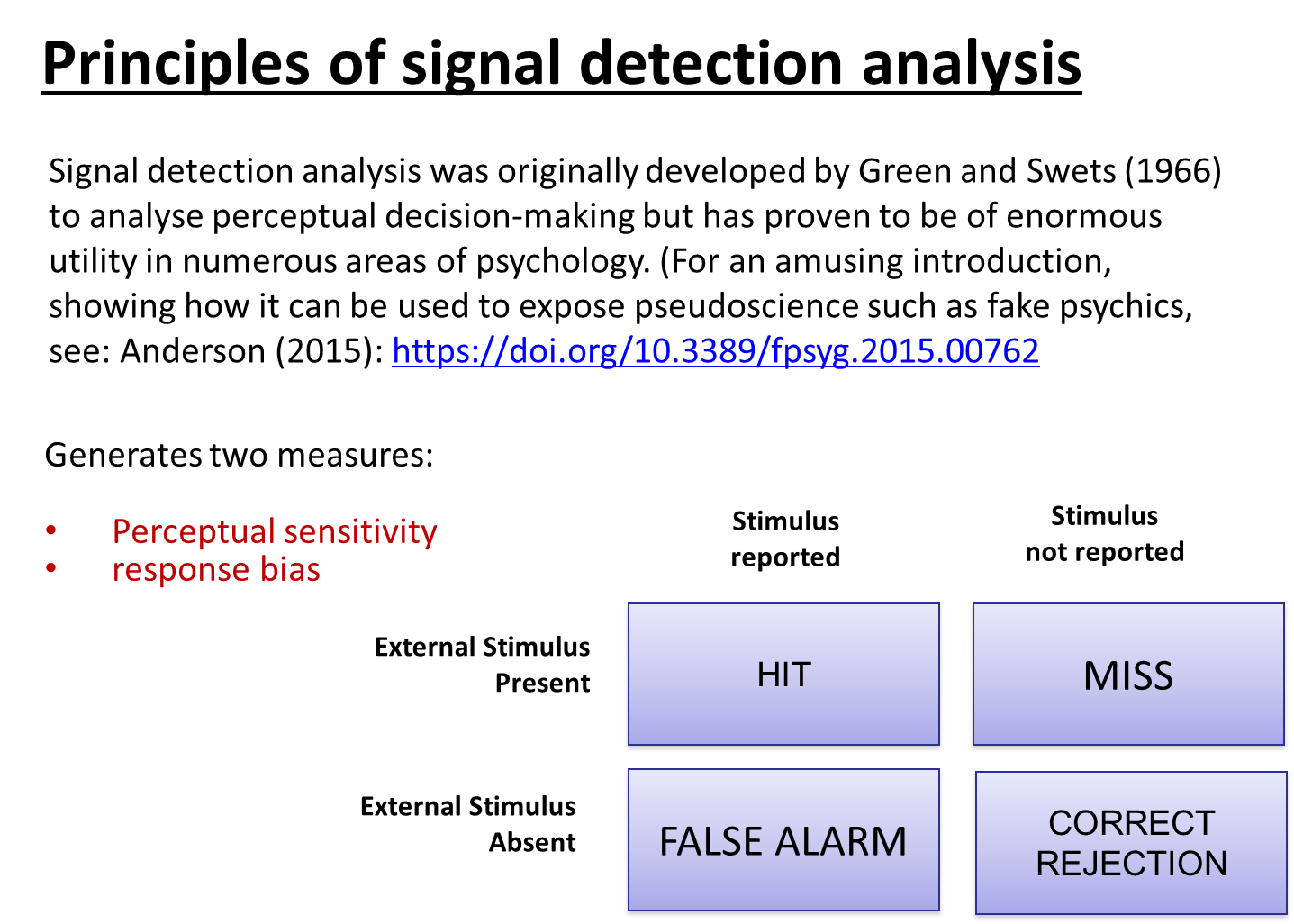
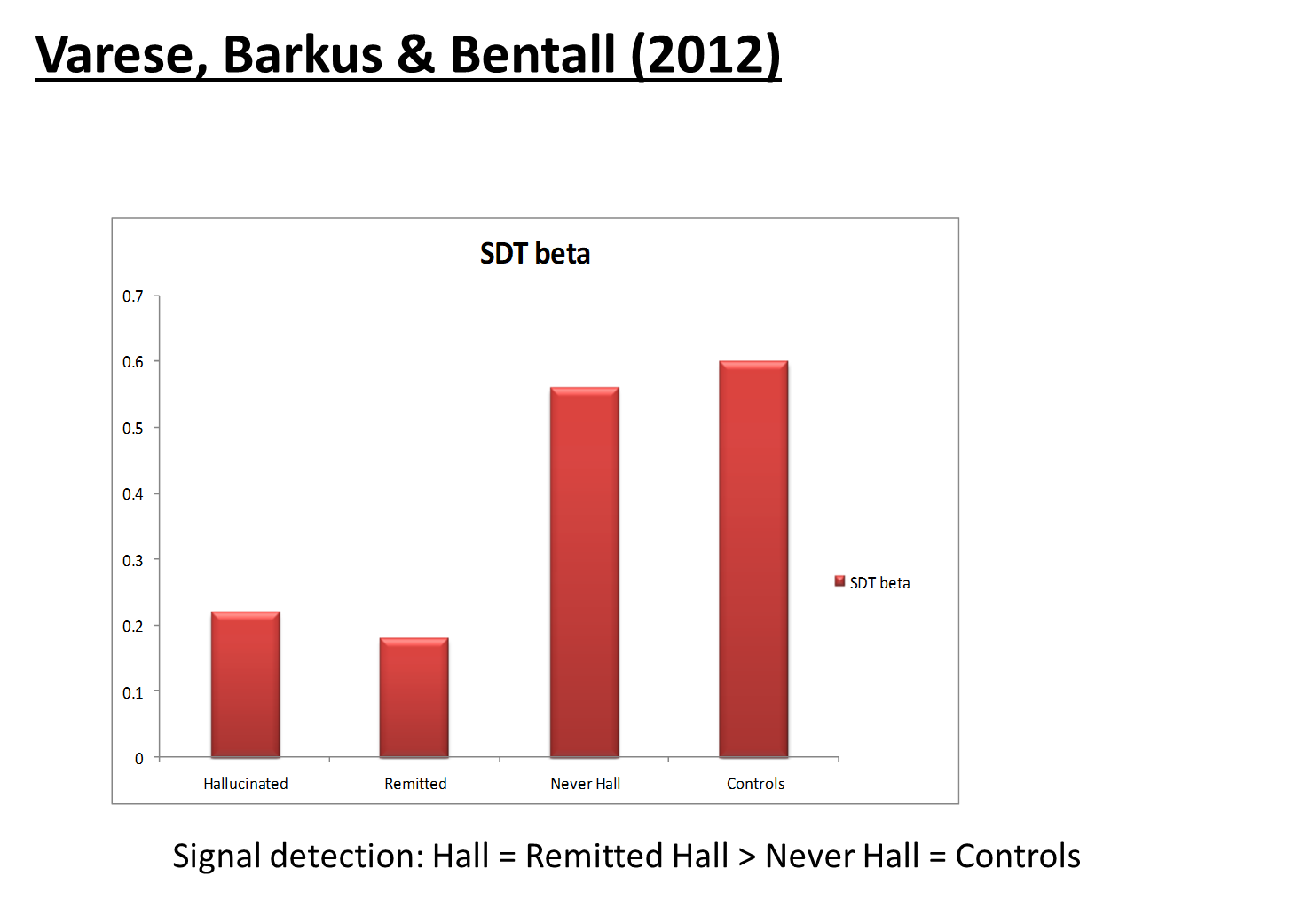
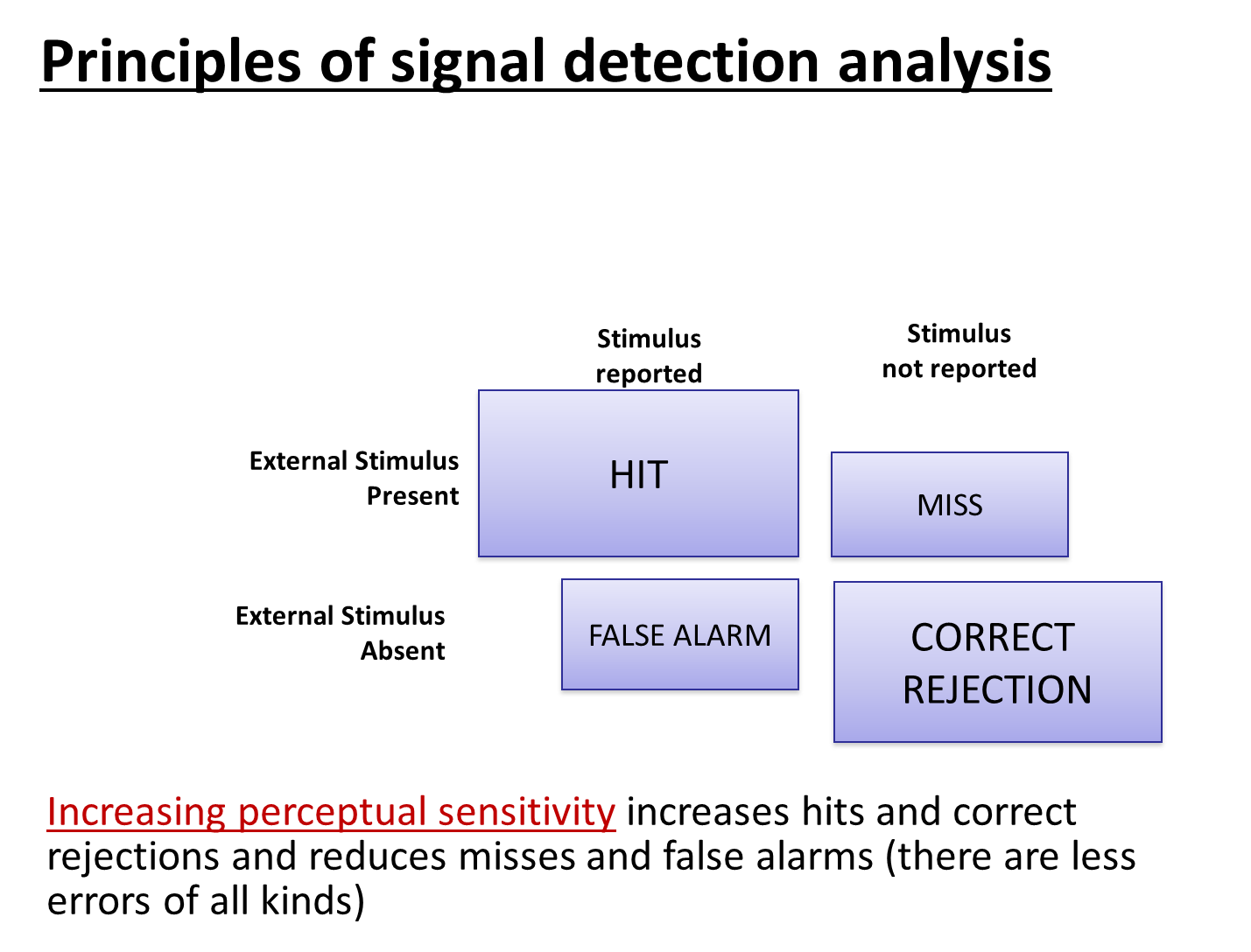
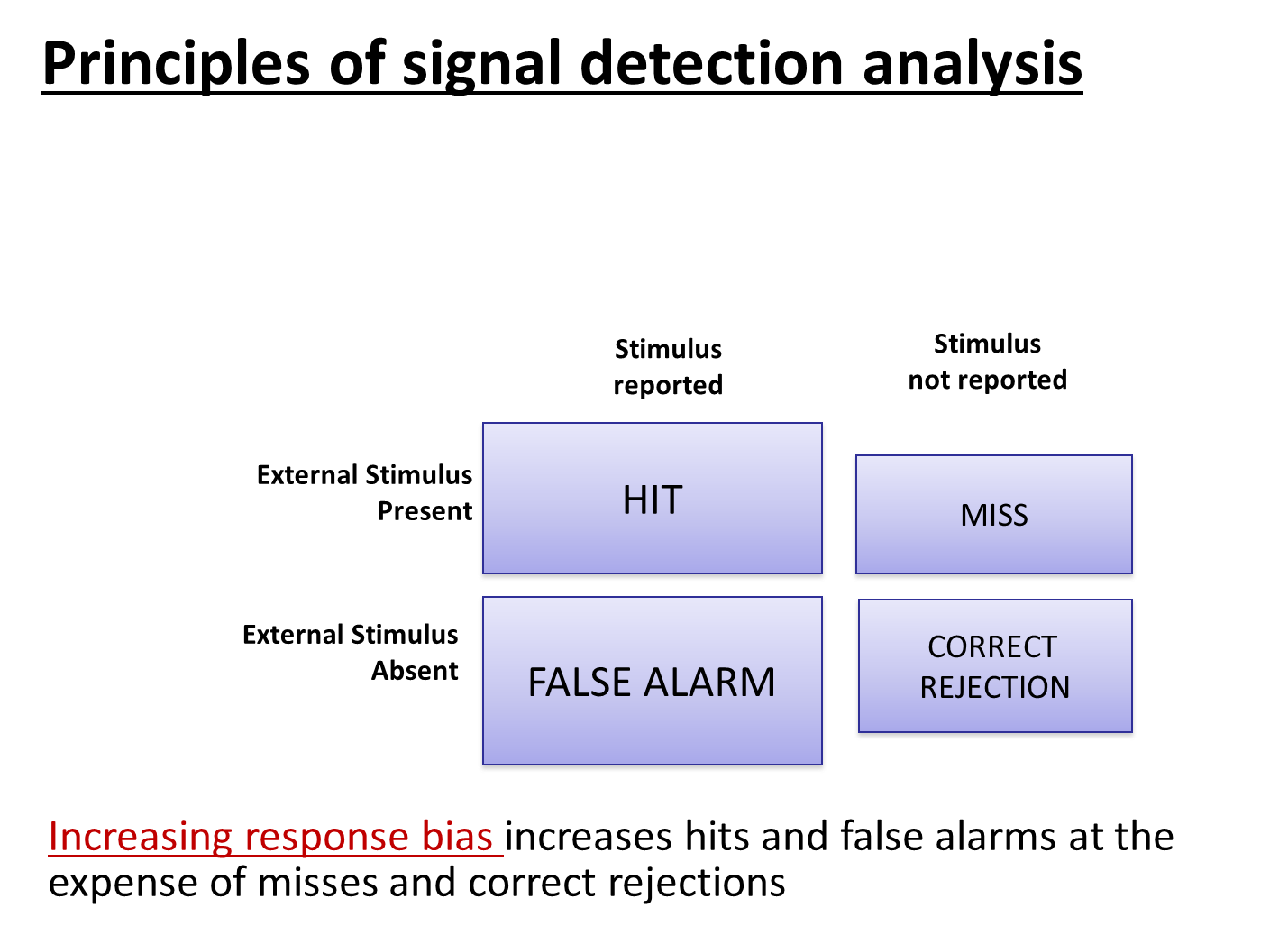
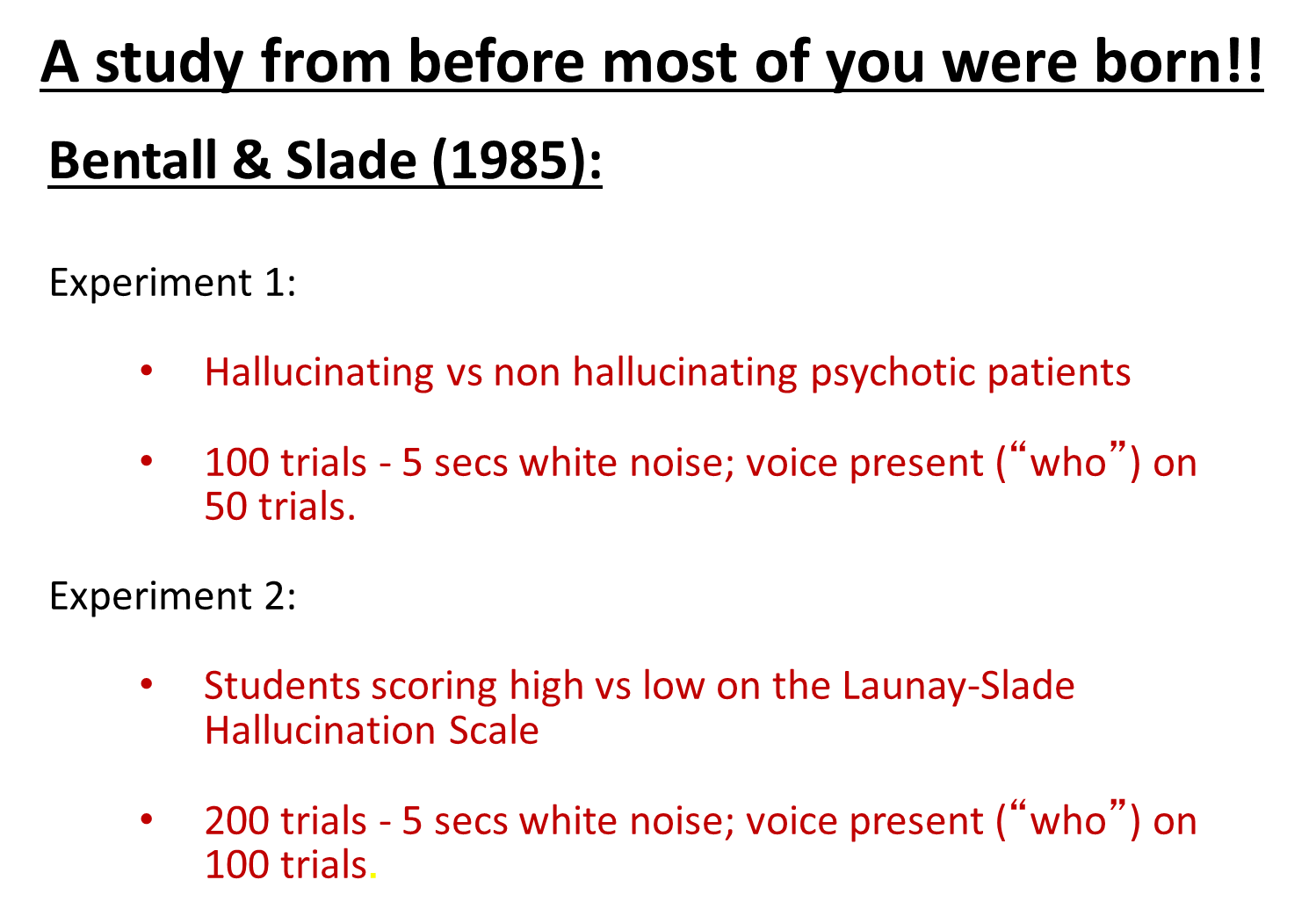
false alarms are what we’re interested in
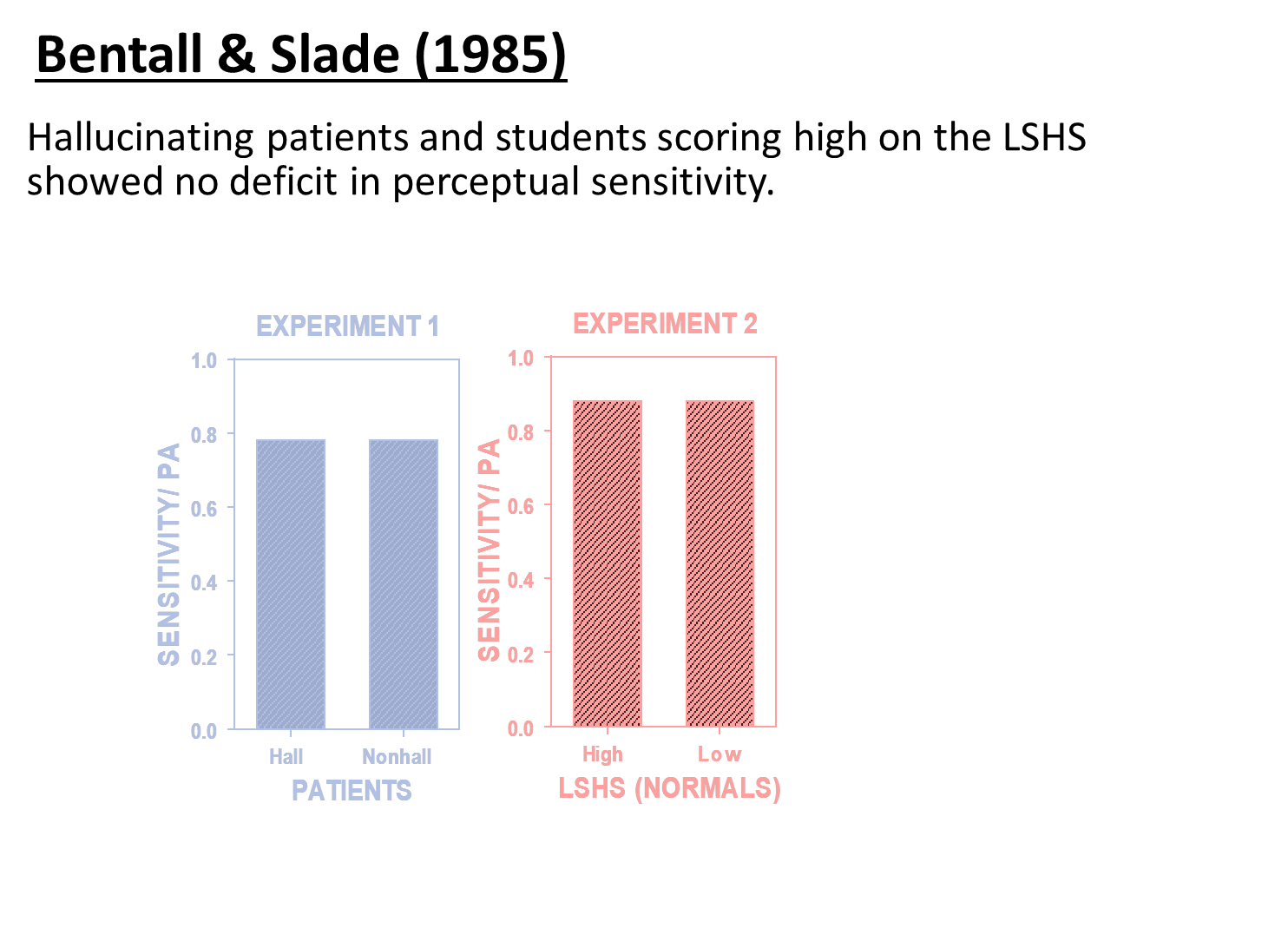
perceptual sensitivity is how good your listening is
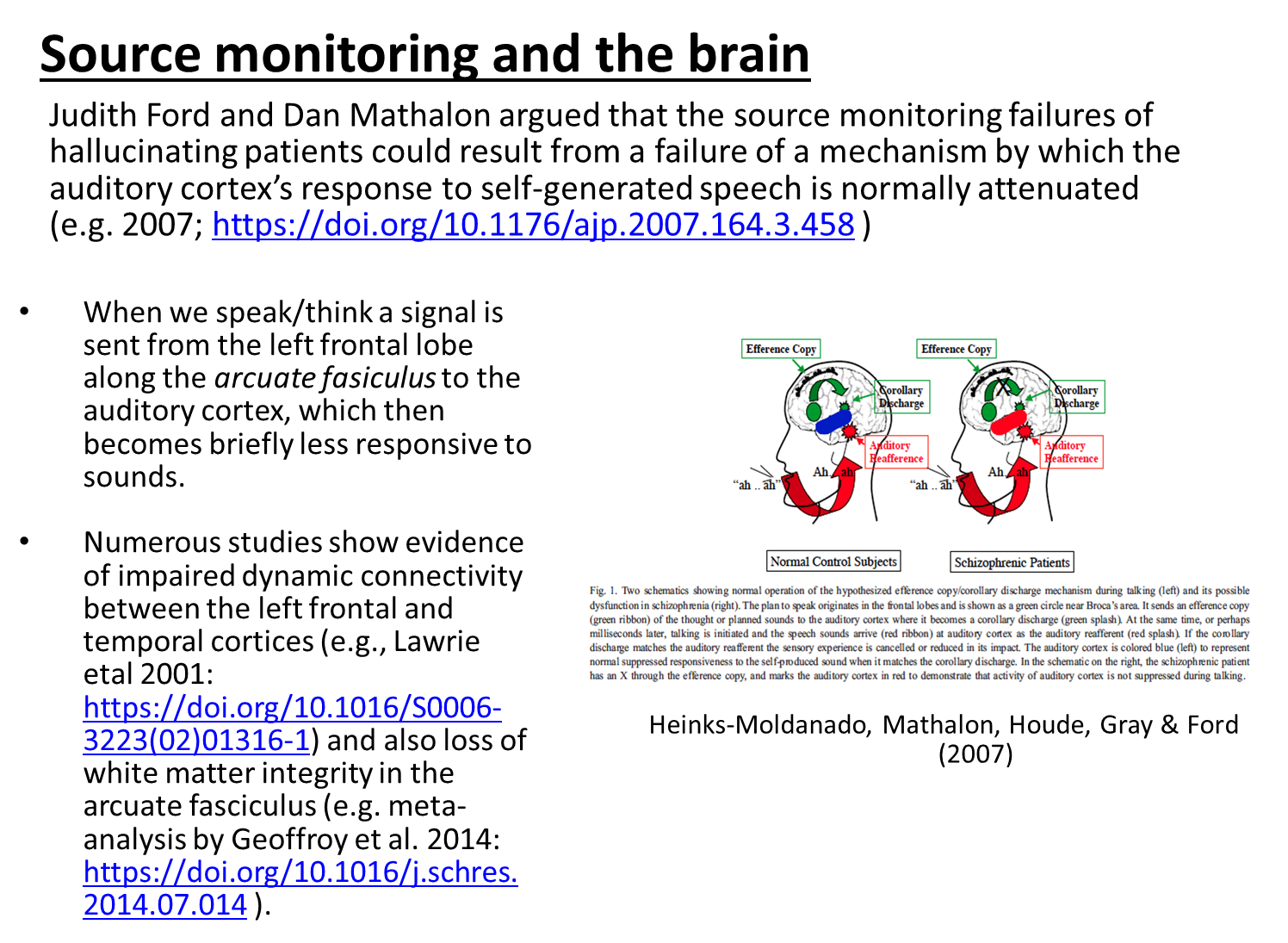
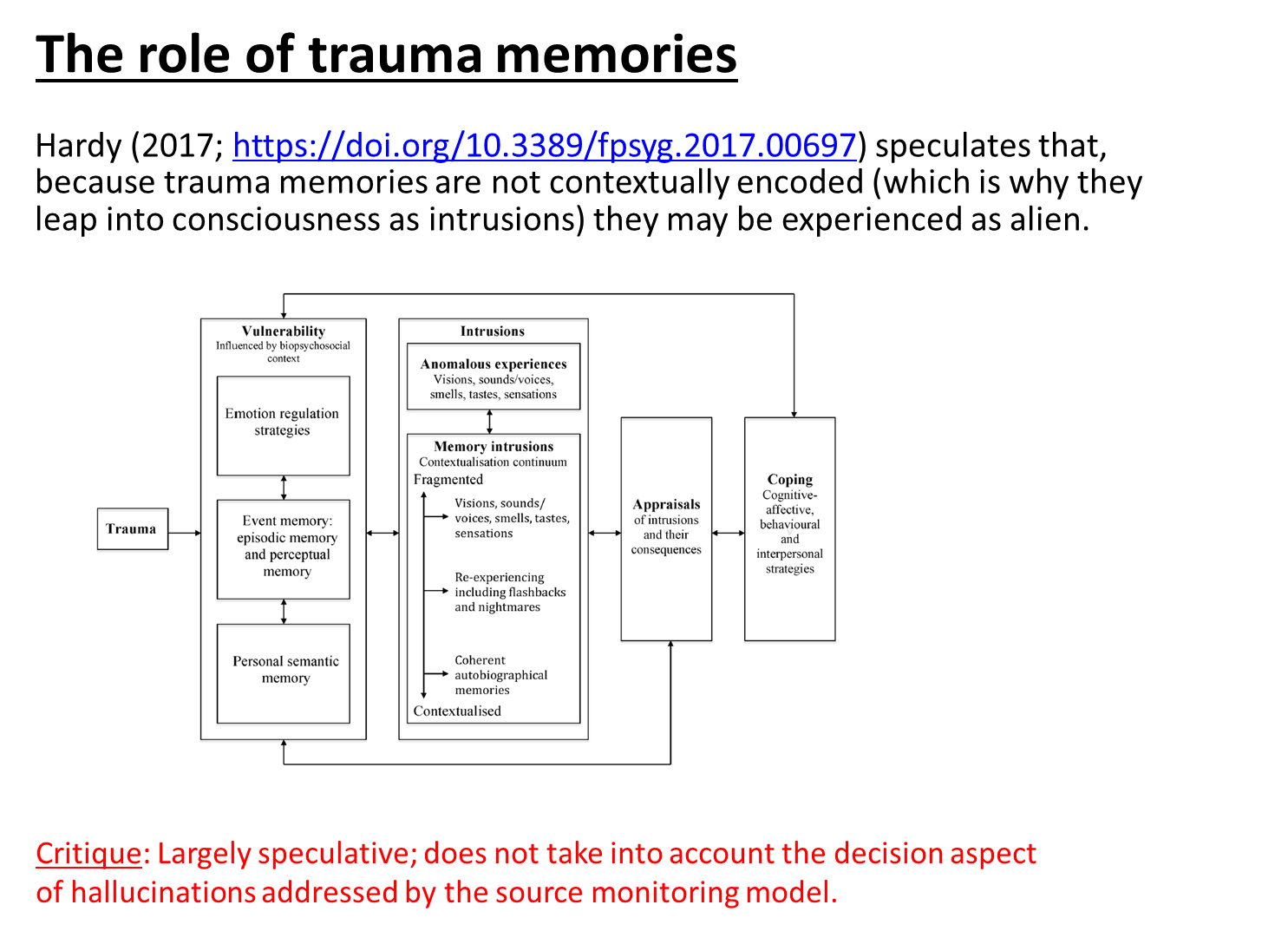
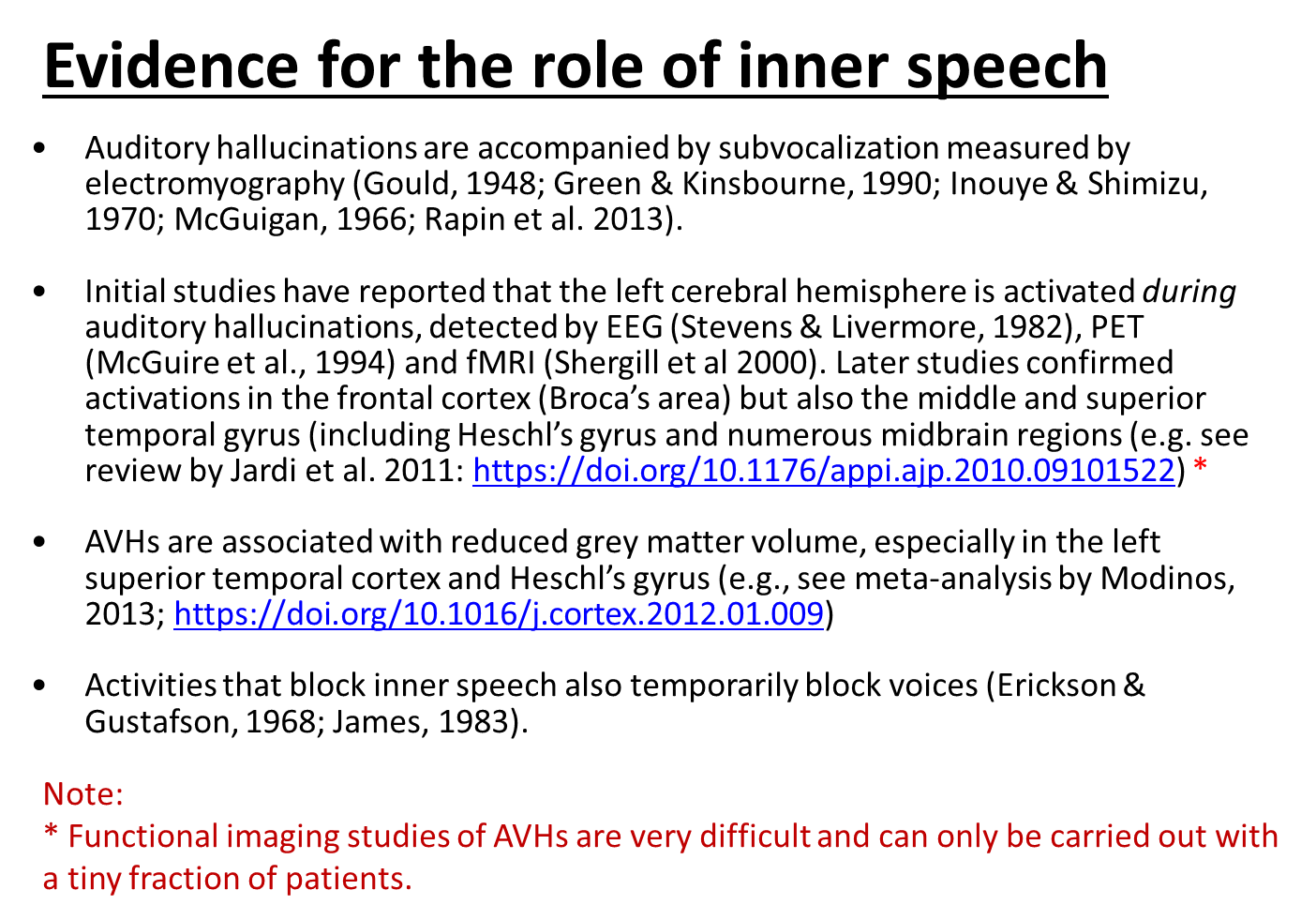
EEG studies have consistently shown that healthy individuals exhibit speaking induced suppression, which is the phenomenon that self-generated speech elicits a smaller neurophysiolofical response in the auditory context than the same sounds externally generated
PPs asked ot listen to syllables and at the same time imagine the same sound (match), a different one (mismatch) or nothing (passive)
HC reduced auditory N1 potential (index of auditory salience) in match condition
SZ-no hals showed reduced N1 potential in the