Science CT2
Electricity
Access to Electricity - Nature of Science
What do we need electricity for?
Lighting: Street lights, light bulbs
Heating: Heating pool water, heaters in homes, heating food in the microwave
Transportation: Trains, ships, buses
Home appliances: Toasters, refrigerators, microwaves, washing machines, dishwashers, TV, internet
Office equipment: Lights, lifts, cooling, heating, coffee machines, computers, printers, machines/tech, internet
And also to refrigerate medicine, improved road infrastructure such as street lights, traffic lights, cook food
Why is access to electricity problematic?
Electricity must be generated - carbon emissions are emitted which damage the environment
Fossil fuels are most commonly used, which produces greenhouse gases
More power plants, more environmental damages, land is needed
Not all countries have the money and resources to generate sufficient amounts of electricity
What can scientists do to improve?
Develop safe electricity production methods
Seek for alternative sources of energy that are more abundant and cleaner
Develop more efficient household appliance (heaters that require less electricity)
Electrical Circuits
Electricity is a transfer of electric energy by moving charges
Electricity is a form of energy resulting from the movement of electrons
It is described in terms of:
Charge
Current
Voltage
Resistance
Charge (Q)
Charge can be either positive or negative
The unit for charge is Coulomb (C)
1 coulomb does not mean 1 charge
1 coulomb = 6.25 x 10¹⁸ electrons
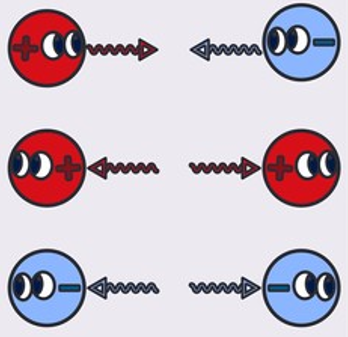
Charges interact with each other through electrostatic force
Same charges will repel from each other
Opposite charges will attract each other
Electric Current (I)
Number of charges that pass a point in a circuit in a second
Current is measured in Amp/Ampere (A)
1 amp = 6.25 x 10¹⁸ electrons that
pass a point each second
When charges flow in a direction, there’s an electric current
An electric circuit is the path that charges flow along
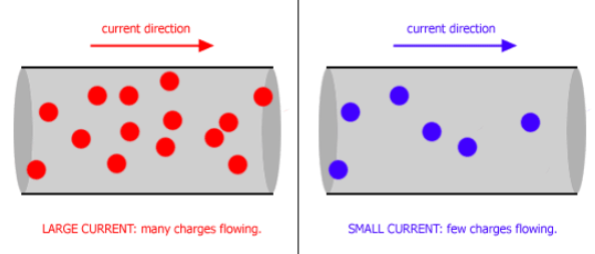
High current could mean either:
Many charges passing a point at once
Charges passing a point at high speed
Resistance (R)
Resistance is everything that resists or opposes the flow of electrons in an electrical circuit
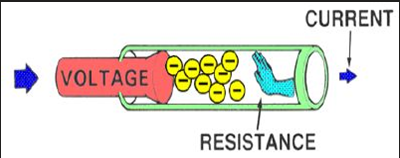
Resistance is measured in Ohms, the symbol is Ω
More resistance = lower/smaller current
Any component in an electric circuit with significant resistance is called a resistor
A light bulb or a speaker is also a resistor
When charges pass through a resistor, it needs to spend energy to overcome the resistance
Voltage / Potential Difference (V)
The difference in energy between two points in a circuit
Measured in volts (V) with a voltmeter
Start = 10J
Lightbulb = Takes 6J
End = 4J
Potential difference is
End - start
= 6J voltage
Energy can be either:
Gained by a power source (battery)
Lost through a resistor (lightbulb)
Energy is never lost, only transformed
Circuit Components
Anything that can conduct electricity and function in a certain way in an electric circuit is called an electric component
Conducting Wires
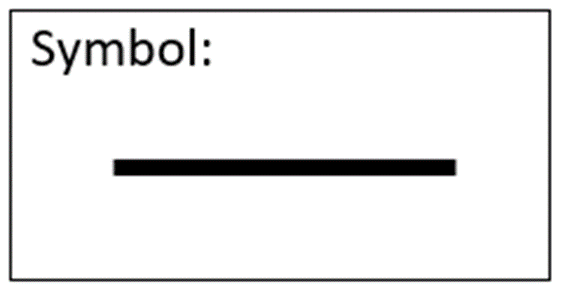
Wires are used to connect components
together to build the electrical circuit
Metals with a relatively low resistance (copper) are used, this is to reduce the loss of energy through the wires
Why metals?
Metals exist in the form of a lattice of cations in the sea of delocalized electrons
The delocalized electrons are free to move when voltage is supplied which creates an electric current
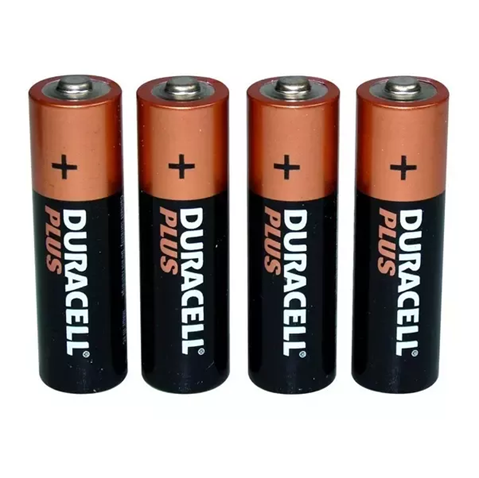
Cell
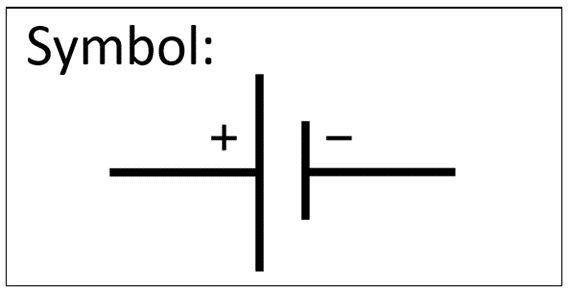
Cells stores energy to supply voltage
when connected to a circuit
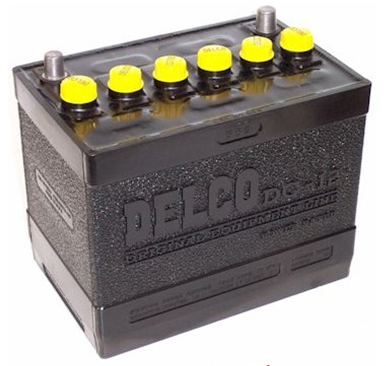
Battery
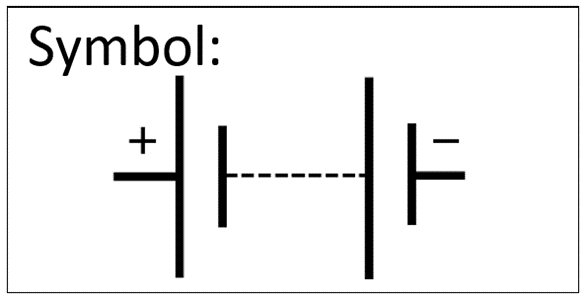
A battery is made of 2 or more cells
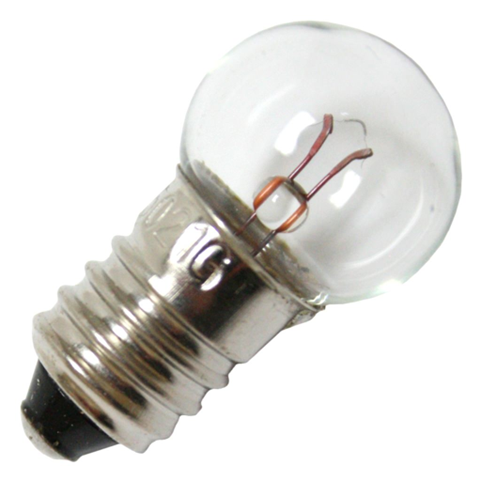
Light Bulb
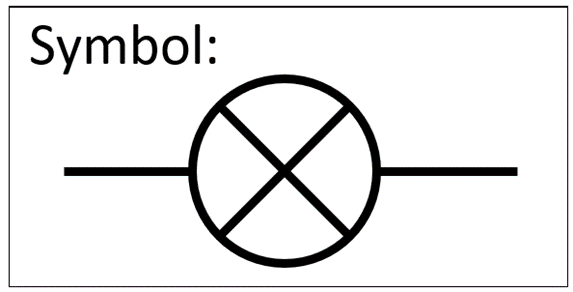
Transforms electrical energy
into light (and heat) energy
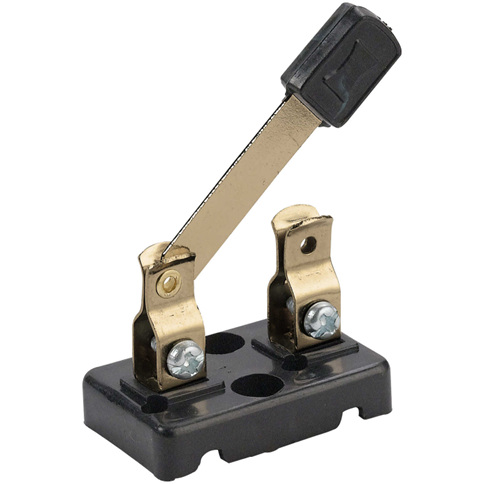
Switch
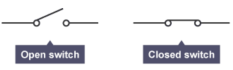
A switch completes or breaks a
circuit at a point to control
the circuit’s components
Fuse
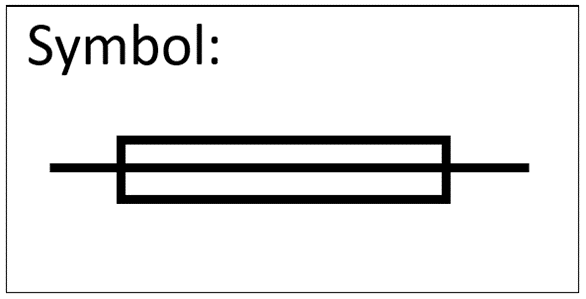
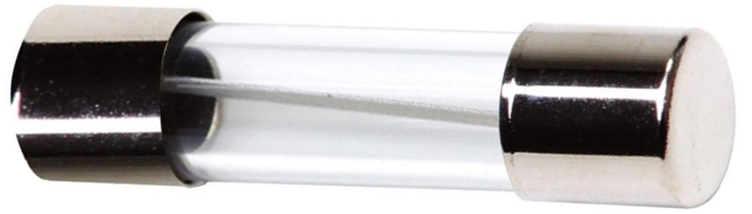
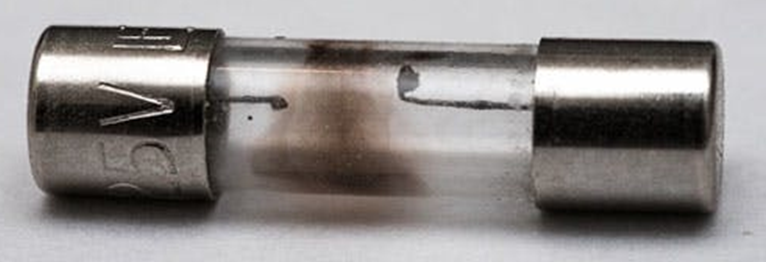
A fuse is a safety component with a thin piece of wire that has a low melting point
If the current is too high, then the circuit will heat up, which results in the thin wire melting and breaking the circuit
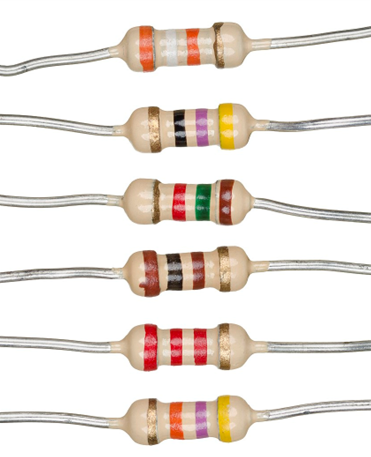
Fixed Resistor
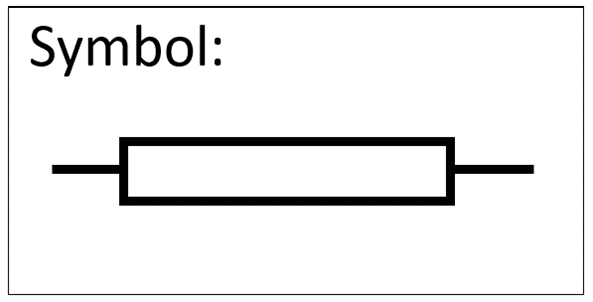
A fixed resistor is a a resistor that has a fixed
amount of resistance, which is used to control
the current in a circuit
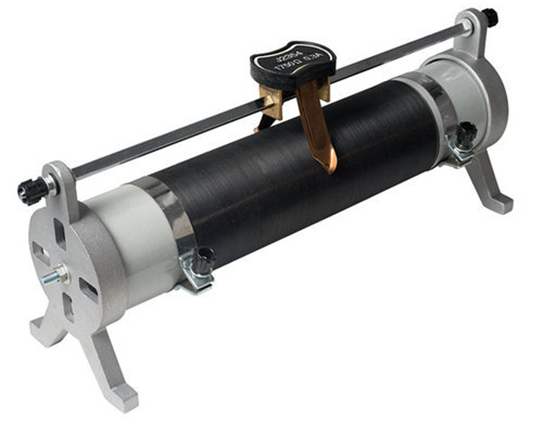
Variable Resistor
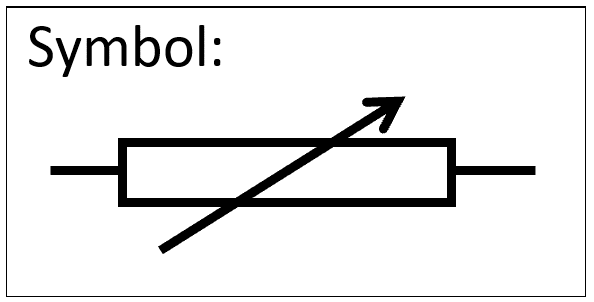
A variable resistor is a resistor that
allows you to change the amount of
resistance without replacing the resistor
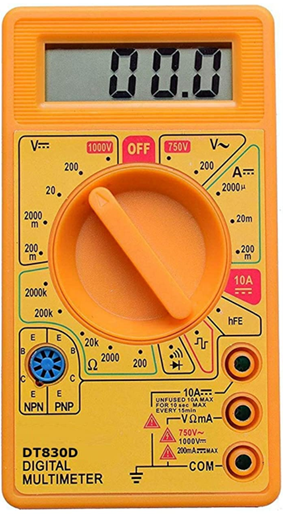
Ammeter
An ammeter is used to measure the current in a circuit in amperes (A)
Ammeters are added to circuits in a series connection
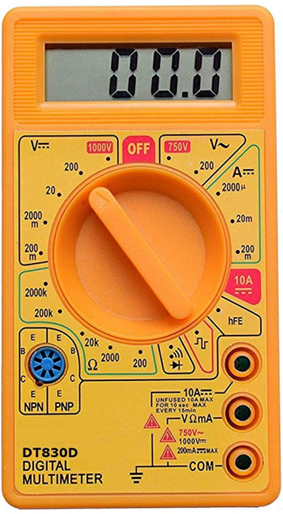
Voltmeter
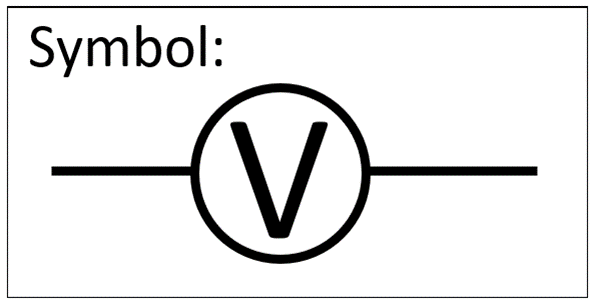
A voltmeter is used to measure the voltage (potential difference) between two points in an electrical circuit, measured in volts
Voltmeters are added to circuits in a parallel connection
Drawing Circuit Diagrams
Correct symbols for components must be used
All components in the circuit must be connected with no gaps, except when a symbol has a gap, like an open switch
All corners in a circuit must be at a right angle
Wires must be in single straight lines drawn with a ruler
No components should be on the corners
Always draw diagrams with a sharp pencil
Series & Parallel Circuits
Series Circuit
Current is the same at any point, because there is only one pathway for the current to flow
Voltage is split between components, because the total voltage of the circuit is distributed across each component
Parallel Circuit
Current is split at every junction, because there are multiple pathways for the current to be distributed to
Voltage is the same at any point
Ohm’s Law
Voltage = Current x Resistance
Current = Voltage / Resistance
Resistance = Voltage / Current
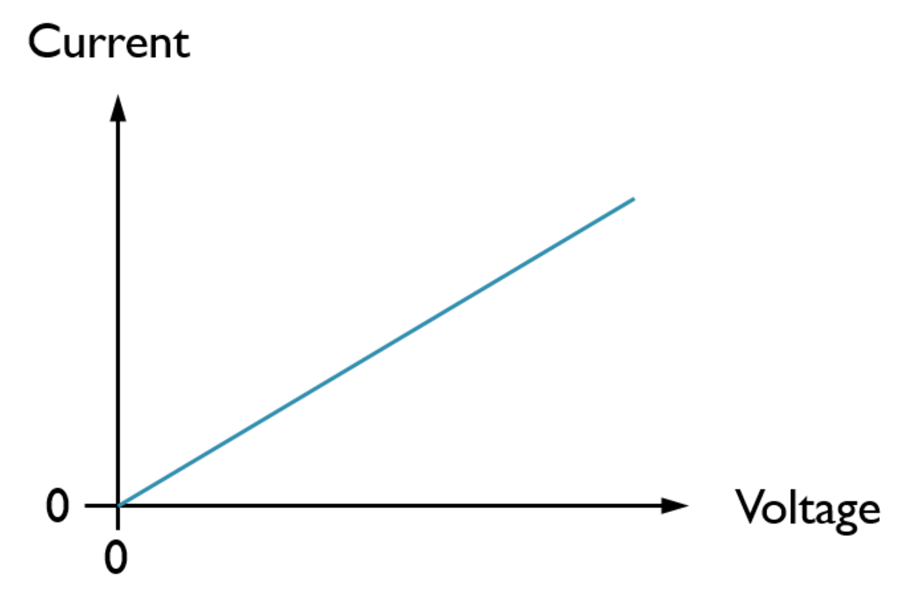
Ohm’s law states that the current through a metallic conductor is directly proportional to the voltage, given that the resistance and temperature is fixed
Directly proportional = If voltage increases, so does current (vice versa)
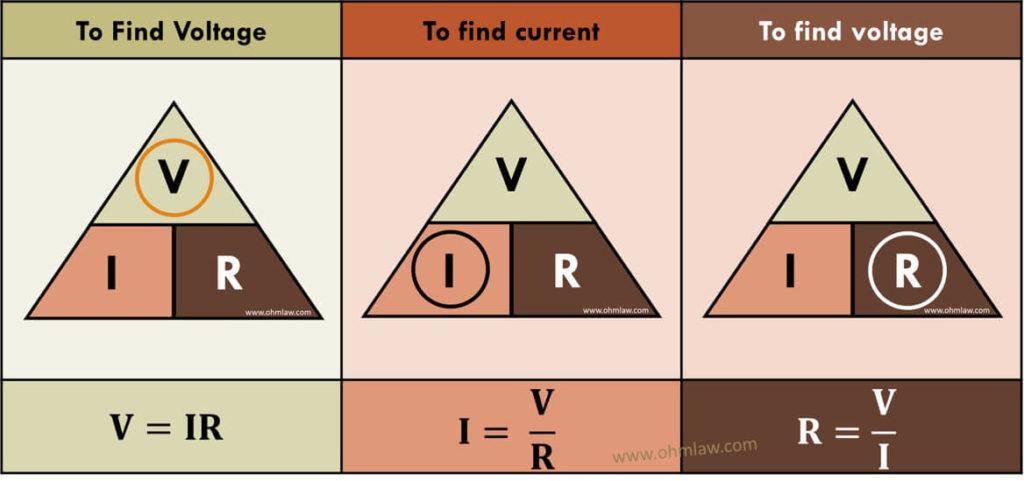
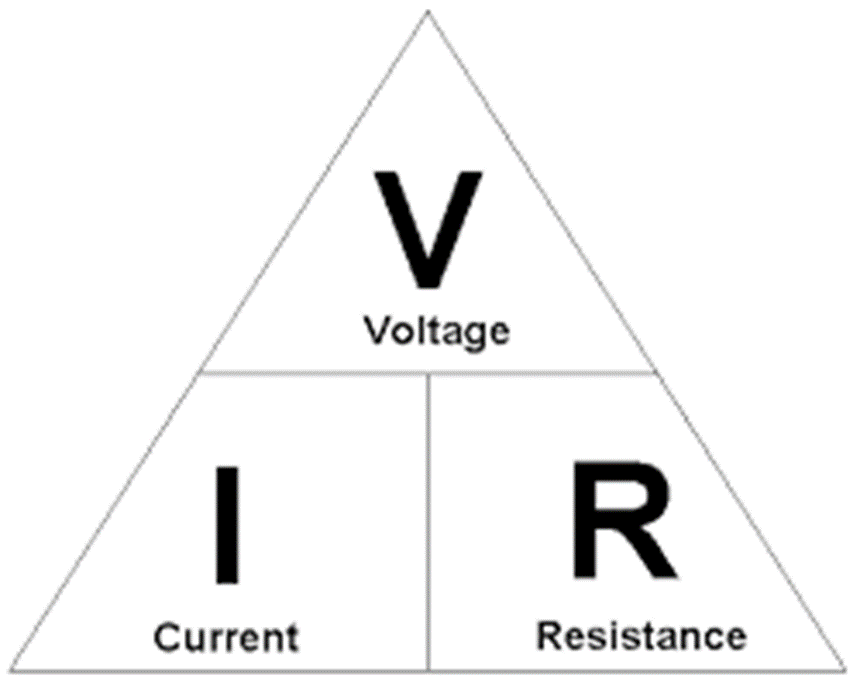
Cover the one that you are trying to find
e.g. cover resistance
will become R = V / I
Top will divide by the bottom
Remember:
Voltage unit = V (e.g. 5V)
Current unit = A (e.g. 2A)
Resistance unit = Ω (e.g. 10Ω)
Effective (total) Resistance
Series Circuit
The effective (total) resistance in a series circuit is equal to the sum of each resistor’s resistance
Rtotal = R1 + R2 + R3 + …
Formula is based on how many resistors there are
e.g. 5 resistors so R1 all the way to R5
Parallel Circuit
The effective (total) resistance in a parallel circuit is equal to the reciprocal of the sum of the reciprocals of the resistances of each resistor
Rtotal = ( + + + …) -1
Short Circuits
A short circuit is when a loop in a circuit is not connected to any component other than a wire
Current will always choose the easiest path, so when the circuit is short circuited, all the current will choose the path with no component
No component for the second pathway