Significance of Cholesterol
Endogenous Role of Cholesterol
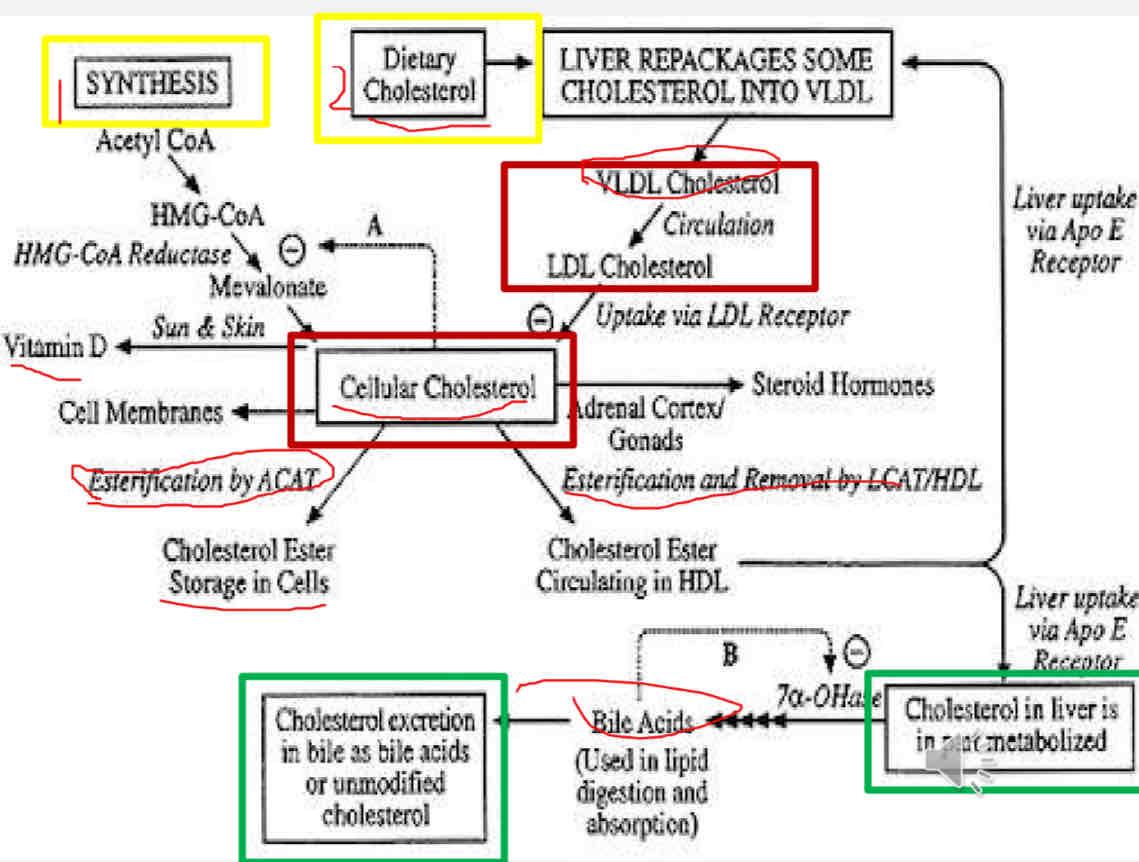
Cholesterol is very important for our body because it plays several crucial roles:
Vitamin D Production:
Cholesterol is a precursor for synthesizing vitamin D when the skin is exposed to sunlight.
This vitamin is essential for bone health, immune function, and overall well-being.
Steroid Hormone Production:
Cholesterol is a building block for steroid hormones such as cortisol, estrogen, and testosterone, which regulate various physiological functions, including metabolism, stress response, and reproductive health.
Bile Acids:
Cholesterol is required for the production of bile acids, which are essential for the digestion and absorption of dietary fats and fat-soluble vitamins in the intestine.
Cell Membranes:
Cholesterol is a key component of cell membranes, contributing to their structural integrity and fluidity.
The primary structure of the cell membrane is the phospholipid bilayer, where cholesterol intersperses among phospholipids to stabilize the membrane.
Disadvantages of Cholesterol
Elevated Cholesterol Levels:
When cholesterol levels are elevated in the blood, it can lead to a condition known as hyperlipidemia, which can increase the risk of cardiovascular diseases.
Cholesterol Production in the Body
Cholesterol is produced in the body through two main pathways:
Synthesis by the Body: The liver and other cells can synthesize cholesterol de novo through a complex series of biochemical reactions.
Dietary Intake: Cholesterol can also be obtained from the food we consume (e.g., meat, dairy products, and eggs).
When dietary cholesterol is consumed, the liver processes it by repackaging it into Very Low-Density Lipoprotein (VLDL).
VLDL is eventually transformed into Low-Density Lipoprotein (LDL), which transports cholesterol to different parts of the body for cellular use.
Cellular Utilization of Cholesterol
Cellular cholesterol is vital for various processes:
Conversion to Vitamin D: As mentioned, when skin cells absorb UV light, cholesterol is converted to vitamin D (called the “sunshine vitamin”).
Cell Membrane Formation: Cholesterol is incorporated into cell membranes and assists in maintaining their structure and function.
Storage: Cholesterol can be converted into cholesterol ester by the enzyme Acyl-CoA Cholesterol Acyltransferase (ACAT), which allows cholesterol to be stored in adipose tissue for future use.
Cholesterol Esterification
When cellular cholesterol undergoes esterification and is removed from circulation by Lecithin-Cholesterol Acyltransferase (LCAT) via High-Density Lipoprotein (HDL), it becomes a cholesterol ester.
HDL:
This process increases HDL levels in the body.
HDL is often referred to as "good" cholesterol because it helps transport cholesterol back to the liver, where it can be metabolized into bile acids.
LDL and Atherosclerosis:
LDL is sometimes termed "bad" cholesterol because high levels can lead to lipid buildup along arterial walls, contributing to atherosclerosis, which increases the risk of heart attack and stroke.
It’s important to note that LDL is not inherently detrimental; it becomes problematic when levels are excessively high, leading to health issues.
Bile Acids:
Once bile acids are formed, they play a vital role in further lipid digestion and absorption in the intestines, ensuring that fat-soluble nutrients are effectively utilized by the body.