2FINAL General Biology
Cell Division
known as Cell Reproduction
linked to cell theory, which states that all living things are composed of cells, and that all cells come from preexisting cells.
allows organisms to:
reproduce asexually
repair worn out damage
grow
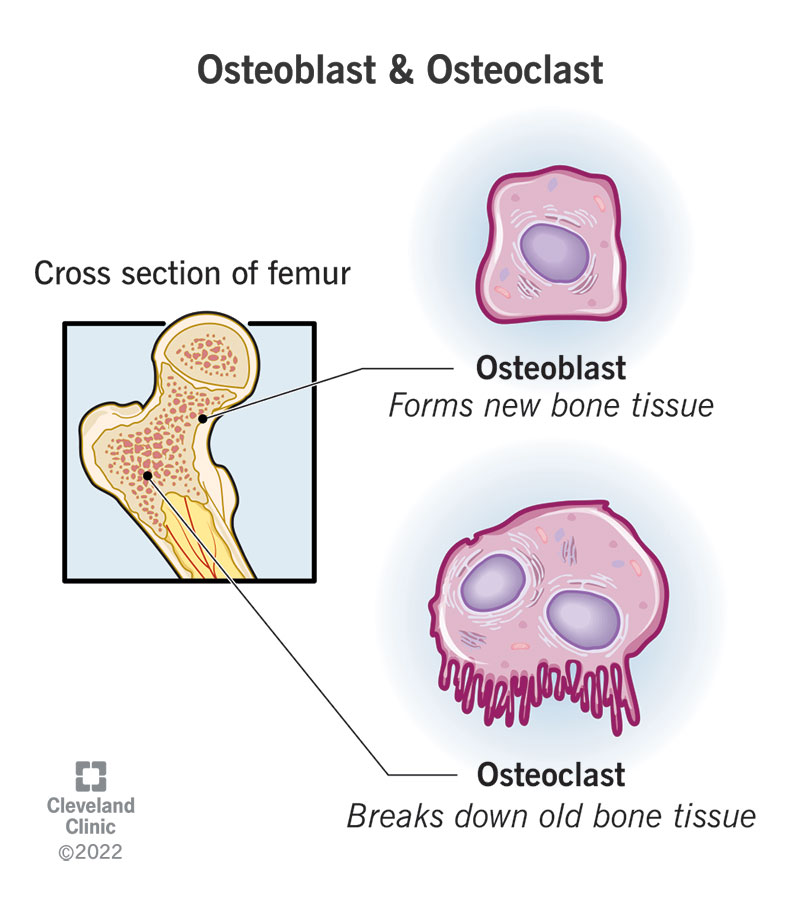
This occurs in the red bone marrow of the bones (ribs, breastbone, vertebrae)
PROKARYOTIC – use for reproduction
MULTICELLULAR – use for growth, development, and repair.
Cell Replacement
occurs when two old cells in the body die and new cells form.
The epidermis are continuously being replaced because of dead skin cells. It replaces itself every 2 weeks.
Reproduction
a common process among life forms to make a new organism from one or two parents.
Sexual Reproduction
a type of reproduction resulting in a unique cell/offspring. Involves gametes (sex cells).
FERTILIZATION - union of sperm and egg cell
Asexual Reproduction
the production of offspring from a single parent without the involvement of gametes; genetically identical.
The faster rate of cell division is attributed to its cell structure lacking a nucleus.
since they have less DNA in the form of a single circular chromosome and no spindle fibers.
Generation time for bacteria is 20-60 minutes under optimum conditions.
Gonads | Testis | Ovary |
|---|---|---|
Gametes | Sperm | Egg |
Sperm + Egg = Zygote | ||
Types of Asexual Reproduction
BINARY FISSION
the process by which the cell divides into two equal daughter cells that have identical genetic information; the most common form of reproduction in bacteria.
FRAGMENTATION
breaking a body part and it will grow to be its own organism.
REGENERATION
the organism is capable of regrowing certain body parts.
BUDDING
the process of producing an individual through the buds that develop on the parent body. Hydra is an organism that reproduces by budding.
VEGETATIVE PROPAGATION
Asexual reproduction in plants occurs through their vegetative parts such as leaves, roots, stems, and buds.
SPORULATION
A parent plant creates hundreds of reproductive units called spores, which germinate under favorable conditions and produce young organisms with numerous vegetative hyphae.
PARTHENOGENESIS
a female can produce an embryo without fertilizing an egg with sperm.
Chromatids
a condensed DNA subunit of a chromosome.
one of the two identical halves of a chromosome that has been replicated
Sister-Chromatid
refers to the identical copies (chromatids) formed by the DNA replication of a chromosome, with both copies joined together by a common centromere. In other words, a sister chromatid may also be said to be 'one-half' of the duplicated chromosome.
Centromere
the middle of a Chromatid; attachment of microtubules.
Kinetochore
group of proteins which is attached to the long spindle fibers.
Telomere
structures found at the end of a DNA molecule that contain repeated nucleotides, which contain genetic information that do not translate to traits.
DNA
short for Deoxyribonucleic Acid
double-stranded molecules, where traits are coded, are tightly coiled in an organized structure called Chromosomes.
Somatic Cells
also known as body cells, the cells in the body other than sperm and egg cells.
In humans, somatic cells are diploid, meaning they contain two sets of chromosomes, one inherited from each parent.
Chromosome
a long, continuous thread of DNA which appears only when the cell is ready for DNA.
DNA = replication
Histones
DNA-associated protein; a protein that provides structural support for a chromosome.
Human chromosomes (46) are about 10 feet long.
DIPLOID NUMBER = 2n (46)
HAPLOID NUMBER = n (23)
n = half number of chromosomes
There are a total of 23 pairs of chromosomes in a human.
22 pairs are autosomes (somatic/body chromosomes)
The 23rd pair is the sex chromosome.
Before the onset of cell division, the DNA is loosely organized.
The condensation of chromosomes allows for a more organized cell material.
Imbalanced number of chromosomes = Abnormality
Abnormality - body parts will not be connected and consistent.
Chromatin
a complex set of macromolecules that contain loose DNA, proteins, and RNA.
since it is thin, it can easily enter the nucleus and fits it.
responsible for packaging DNA efficiently into a smaller volume
protect DNA structure
prevent DNA damage
controls gene expression and DNA replication
reinforce DNA molecules to allow mitosis and meiosis.
Cell Cycle
consists of sequential phases of events wherein the parent cell divides and replicates DNA materials to produce two daughter cells
Importance of Cell Cycle
For growth
For cell differentiation
For repair and healing of damaged tissues
For replication of genetic materials
For reproduction of species
Cell Cycle Phases
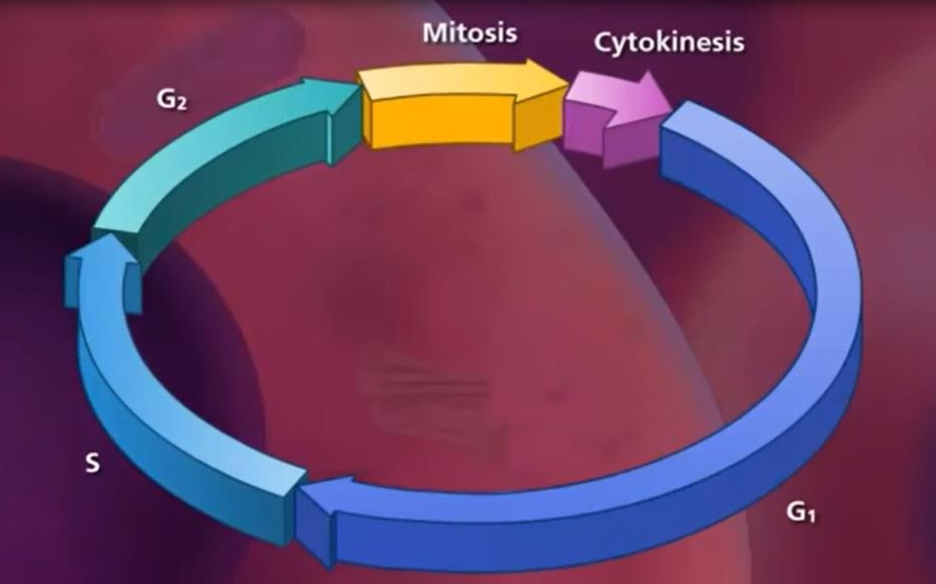
Parts of the Cell Cycle
INTERPHASE
Gap 1 (G1)
Synthesis (S)
Gap 2 (G2)
MITOSIS
Prophase
Metaphase
Anaphase
Telophase
CYTOKINESIS
INTERPHASE
is the growth period in the cell cycle and is divided into three parts
Gap 1
cells spend most of their life cycle in this phase. Cells increase in size as organelles double in number.
embryonic cells depend rapidly and divide exponentially during this age.
“Decision making step”
Stop
Rest
Exit
become a differentiated cell.
ORGANELLES ARE DUPLICATED
Cells cannot grow bigger than their normal size.
Synthesis
cell makes a complete copy of the genetic material in the form of nuclear DNA. It also duplicates a microtubule-organizing structure called the centrosome.
Cells produce a copy of protein called microtubules that will help the cells organize its content.
DNAs ARE REPLICATED
This process ensures that the daughter cells receive an exact copy of their parents genetic material.
Nucleus becomes larger
DNA amount doubles
Gap 2
All ENZYMES needed to aid in the process of cell division are produced.
cell growth continues and proteins are synthesized in preparation for mitosis.
Cells undergo further growth. A checkpoint happens before transitioning to the next stage.
everything has to be in order
growing to its correct size
duplicating the DNA without damage
MITOSIS
Division of the nucleus and the genetic material.
During this stage, hereditary material of the parent cell is given to the daughter cells. The daughter cell contains identical genetic materials.
At this stage, the cell’s nuclear membrane disintegrates, DNA condenses forming two nuclei.
occurs in somatic cells, except the sex cells, such as the egg cells and sperm cells.
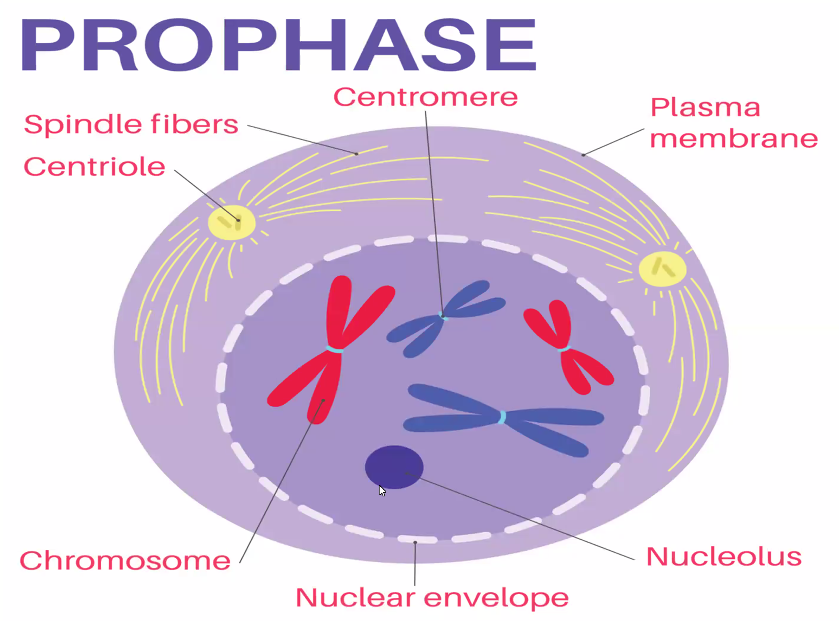
Prophase (Start of Mitosis)
pro means before
chromatin (loose complex DNA and protein materials in the nucleus) materials condense into tightly coiled chromosomes.
Each chromosome consists of two identical sister chromatids.
The microtubule (centrosome in animal cells) organizing center begin to migrate to the opposite poles the organized microtubules will form the spindle fiber grow from the centrosome
organized microtubules which form the spindle fibers grow from the centrosome and extend toward the center of the cell toward the opposite poles.
the formation of the spindle fiber will pull the chromosomes to the opposite ends of the cell.
chromosomes are packaged into neat bundles, such that it would be easier to move them around when the division starts.
chromosomes begin to be visible
nuclear envelopes breakdown
nucleolus disappears
separation of centrosomes
formation of the mitotic spindle
Metaphase (Chromosomes at the Center)
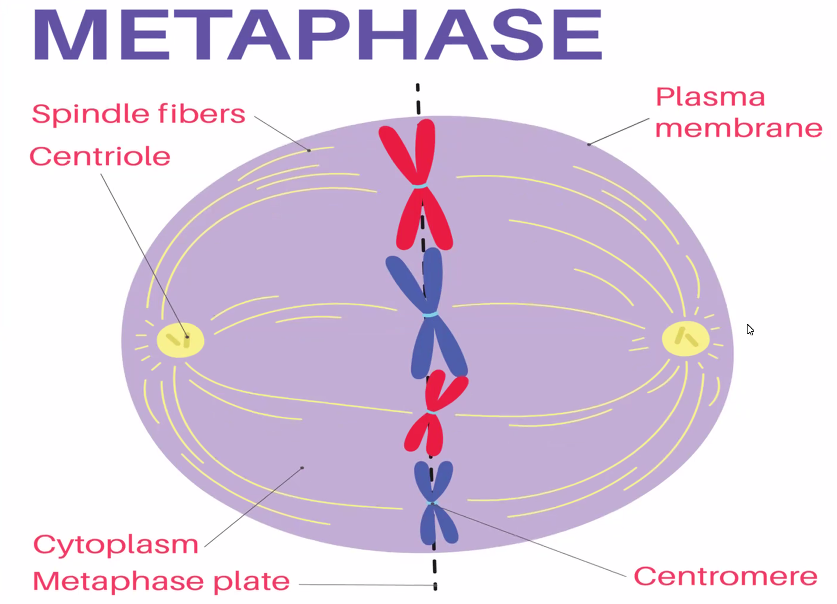
Meta means after
the spindle fiber attached to the kinetochore of the sister chromatids facilitates the movement of the chromosomes
the chromosomes appear to line up along a plane equidistant from the microtubule region called metaphase plate.
this phase happens fast
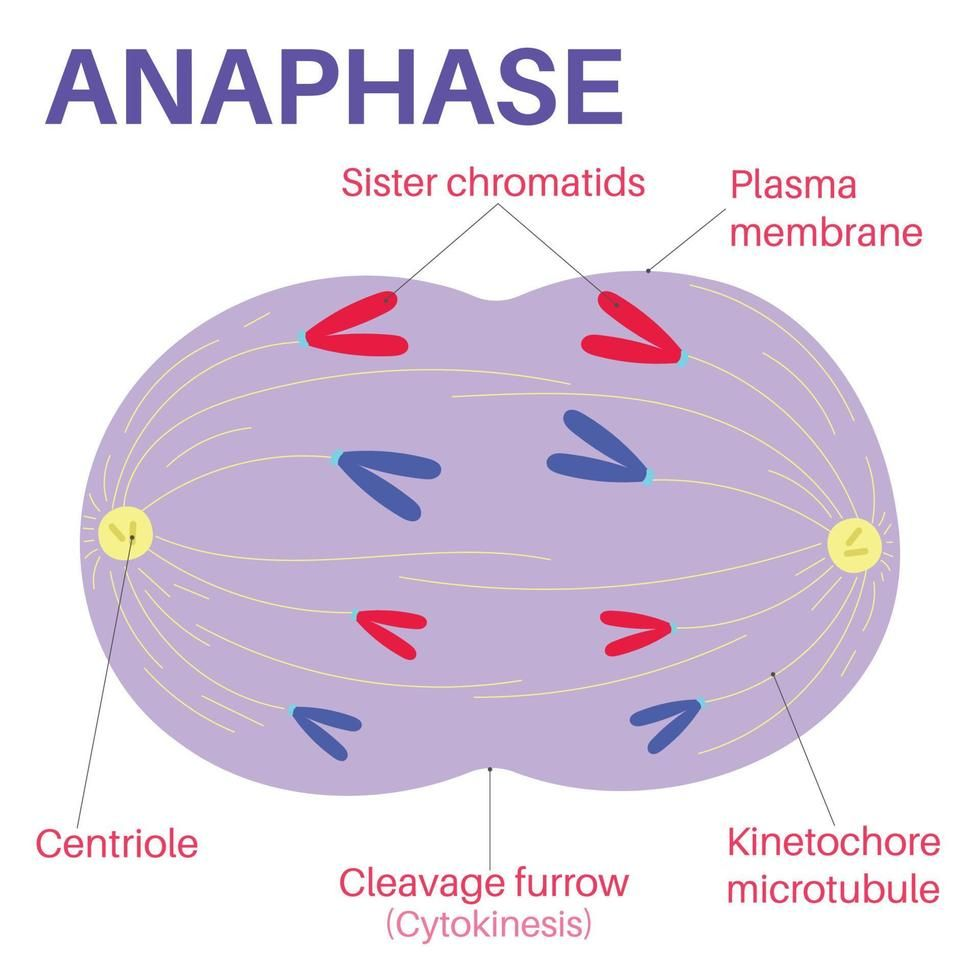
Anaphase (Chromatids to the Opposite Poles)
Ana means “up” or “back”
sister chromatids are tightly paired due to centromere and protein cohesin, which is responsible for holding DNA molecules together in its entire length.
cohesin breaks down and the sister chromatids pull away from each other towards the opposite ends of the cell.
Animal Cells: microtubules lengthen, making the cell elongated under the microscope
Plant Cells: No significant change due to rigid cell wall
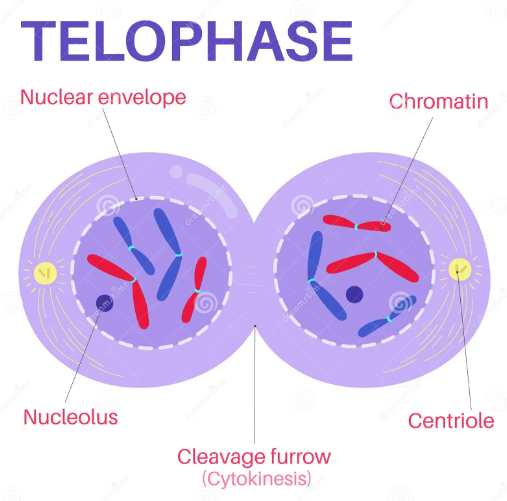
Telophase (Reformation of the Nuclei)
Telo means end
two complete set of identical chromosomes are now positioned at each pole of the cell
microtubules and spindle fibers disintegrate
nuclear membrane appears
chromosomes begin to uncoil and less condense
the end of the phase chromosomes are not visible
new nuclear envelope forms
chromosomes unfold back into chromatin
nucleoli reappear
cell continues to elongate
CYTOKINESIS
Division of the cytoplasm of the cell. It begins during the telophase and continues till the nuclei have formed in the daughter cells.
Animal Cells
The cleavage furrow is extended to completely separate the newly formed daughter cells.
Plant Cells
Plant cell walls cannot be constricted by actin fibers.
Vesicles form an expanding membrane partition (CELL PLATE).
- Plant cells use cytokinesis to finish the division of the contents of the cytoplasm between the two identical daughter cells.
Contributory Factors in Cell Cycle Regulation
Growth factors
Size of cell
Nutritional state of cell
Gap Zero
Cells are unlikely to divide but still continue to perform normal functions.
Such cells, like neuron and heart cells that are highly differentiated or specialized and that the body cannot easily replace, are said to be permanently in G0.
Rate of Cell Division | |
|---|---|
Cell Type | Life Span |
Skin Cell | 14 days |
Red Blood Cell | 120 days |
Liver cell | 300-500 days |
Internal lining of intestine | 4-5 days |
Smooth muscles of intestine | 16 years |
Rate of Cell Division
Gap Zero
immune cells that are needed at a later time, such as lymphocytes, remain in G0 for many years until such time that the body needs them to recognize an invader.
Only when an invader binds to the lymphocyte’s receptor that it starts to divide rapidly to help get rid of the infection.
Regulation of Cell Cycle
Coordination is essential to enable the cell to maintain its appropriate size, cell growth, and division.
Cells do not divide in the following situations:
nutrients are in short supply
there are no instructions to divide
Cells are activated by both internal and external factors.
EXTERNAL FACTORS come from outside the cell that are in form of messages from nearby cells or from remote parts of the organism’s body. | |
|---|---|
Physical and Chemical Factors | help regulate the cell cycle |
Physical Signals | such as cell-to-cell contact exist between cells. EX. A mammalian cell grown in in vitro laboratory set-up grow until a single layer covers the entire surface of the culture dish. |
Contact Inhibition | a phenomenon when a cell touches another cell, it stops dividing. |
Anchorage Dependent | cells only grow if surface is available and stop dividing when detached from the culture dish. |
One explanation is that there are receptors (receive signals) found on neighboring cells binding each other and causing the cell’s cytoplasm to form structures that can block the signals. | |
Cell Growth and Division | Occur in response to different growth factors present in cells. |
Chemical Signals | Released by the cell such as growth factors provide instructions for other cells to grow. |
Growth Factors | Proteins that stimulate cell division, which have the ability to activate specific genes to trigger cell growth. |
Erythropoietin | stimulates the production of cells that become red blood cells. |
Platelets | store a growth factor that helps when the body needs to repair wounds. |
INTERNAL FACTORS come from inside the cell that include several types of molecules in its cytoplasm. | |
|---|---|
Kinases | an enzyme that transfers a phosphate group from one molecule to the target molecule. This mechanism accelerates the energy of the target molecule or changes its shape. |
Cyclins | a group of proteins that activates Kinases that help control cell cycle. rapidly destroyed at certain points in the cell cycle to allow cells to progress from G1 stage to M stage. |
The partnership between kinases and cyclins as both internal factors helps advance to different stages of the cell cycle. | |