NCCT Review Book
Introduction
Scope of practice for a MA:
Working at the front desk for scheduling, registration, and other office tasks.
Providing patient care (under the direction of the medical provider).
Performing CLIA-waived lab tests (if the clinic and provider have permission to do the tests with a CLIA Certificate of Waiver).
Performing phlebotomy, injections, and ECGs.
Assisting the medical provider with minor office procedures.
Medical billing and coding (including ICD, CPT, HCPCS; insurance and pre-authorizations).
Organizing inventory and requisitioning supplies.
Pharmacology and General Medical Knowledge
Apply basic knowledge of anatomy and physiology
Basic human anatomy: identification of the body’s structures, arrangement, and orientation (where things are)
Physiology: the functions of cells, tissues, organs and organs systems (how
things work)
Body Systems
Cardiovascular System
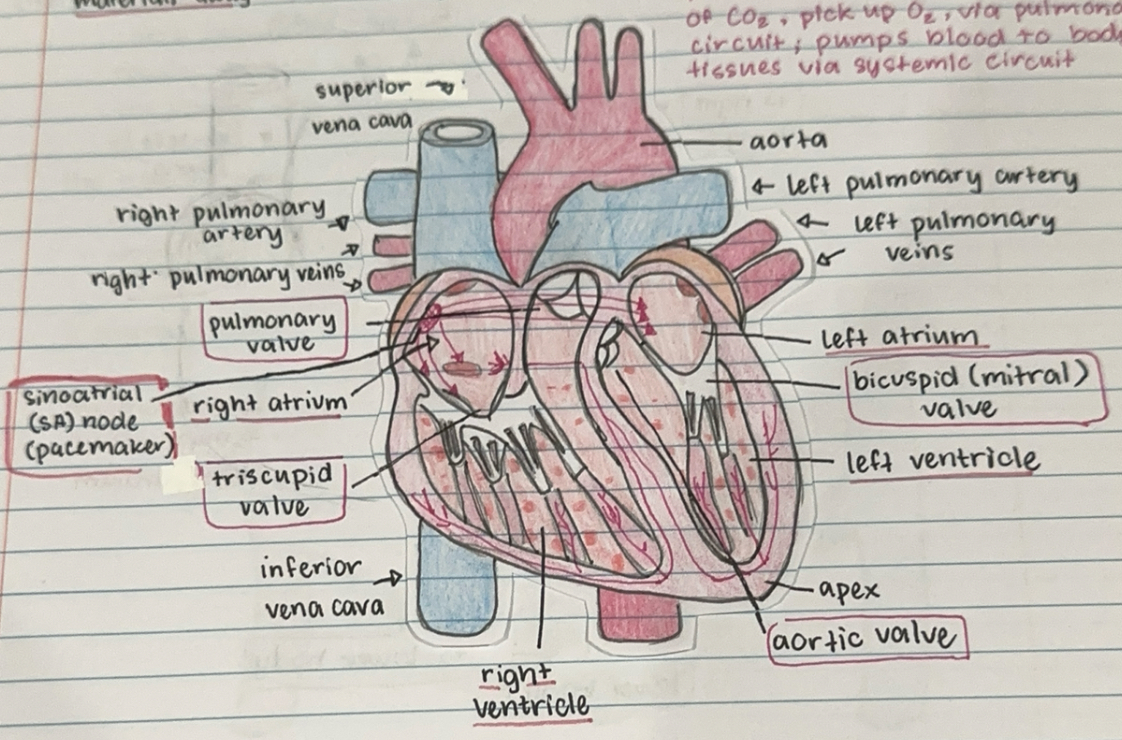
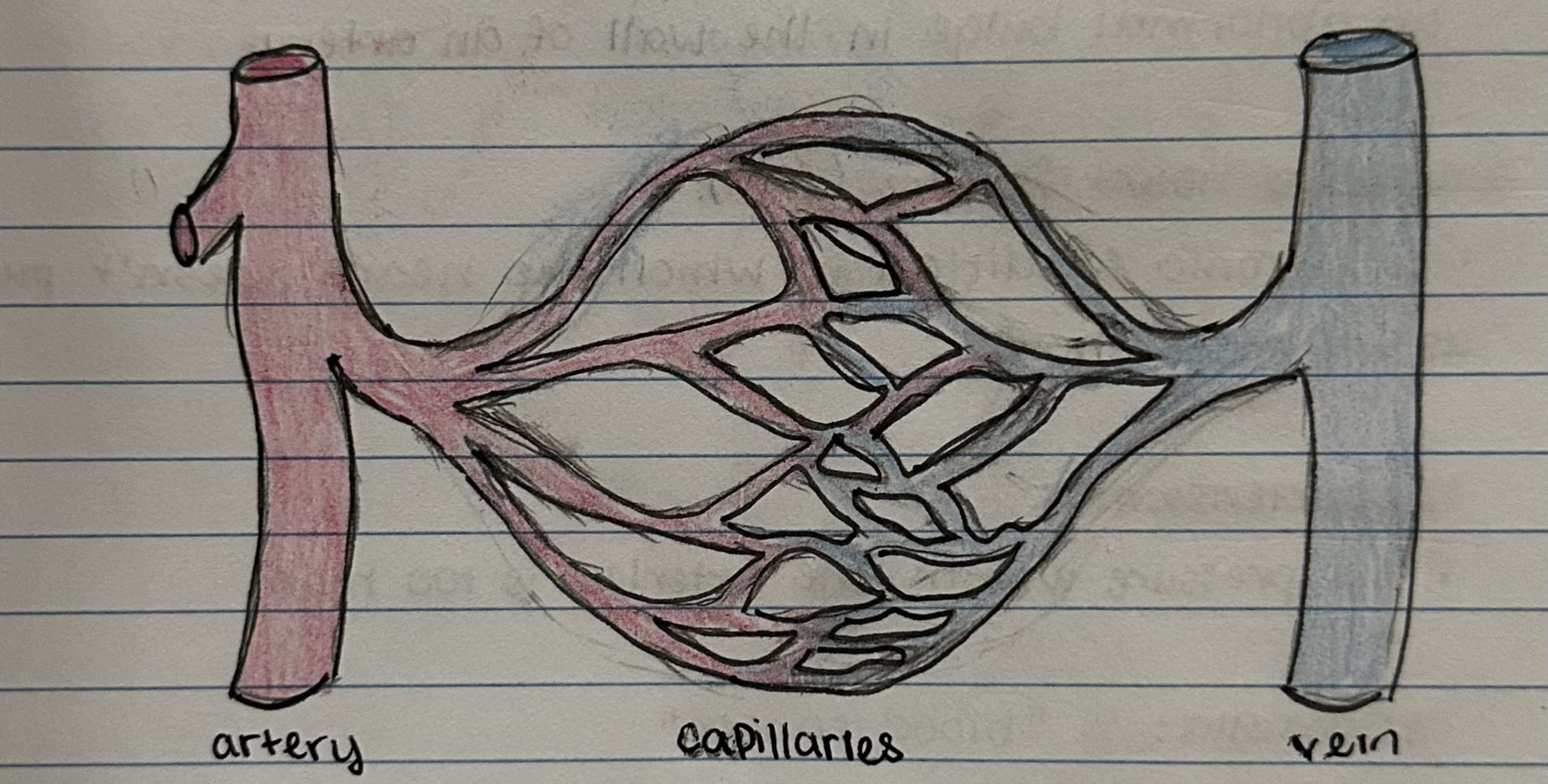
Structures:
heart
arteries
veins
capillaries
Purpose:
Provides circulation of blood throughout the
body to distribute oxygen and nutrients, etc. and
remove waste products.
Digestive System
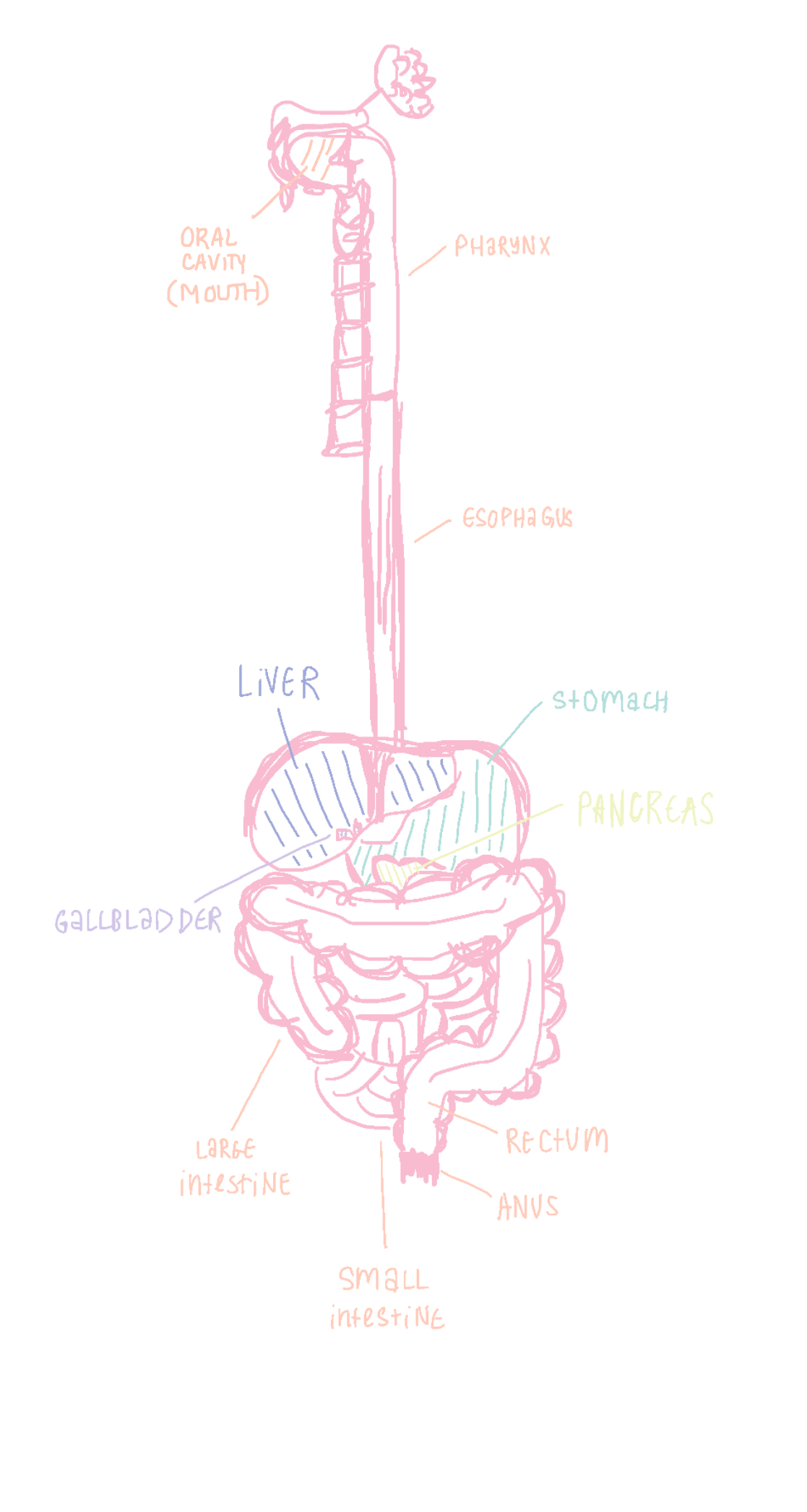
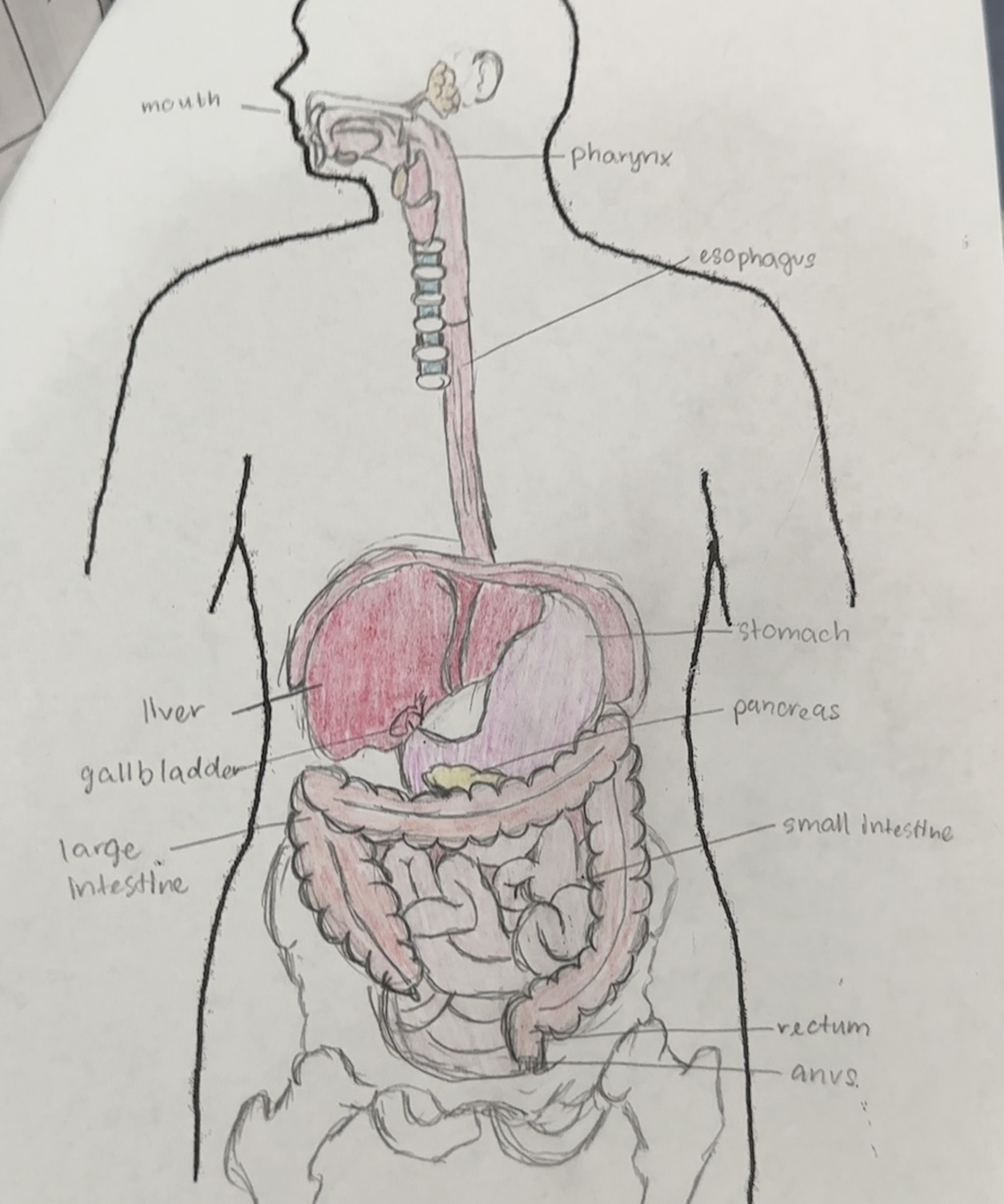
Structures:
mouth
pharynx
esophagus
stomach
small intestine
large intestine
rectum
Purpose:
The intake system for food and liquid, which is
then broken down into nutrients that the body
requires to function.
Endocrine System
Structures:
hypothalamus
pineal gland
pituitary gland
thyroid gland
parathyroid glands
thymus
adrenal glands
pancreas
Purpose:
Produces hormones necessary for growth, metabolism, and reproduction
Integumentary System
Structures:
epidermis
dermis
hypodermis
associated glands
hair
fingernails
toenails
Purpose:
Necessary as a protective barrier for the body. Skin regulates body temperature, cell fluid, synthesizes Vitamin D, and detects stimulation such as touch/pressure, hot, cold, pain
Lymphatic System
Structures:
bone marrow
spleen
thymus
lymph nodes
lymphatic vessels
Purpose:
Regulates the fluid balance in the body. It also facilitates absorption of dietary fats and assists the immune system.
Muscular System
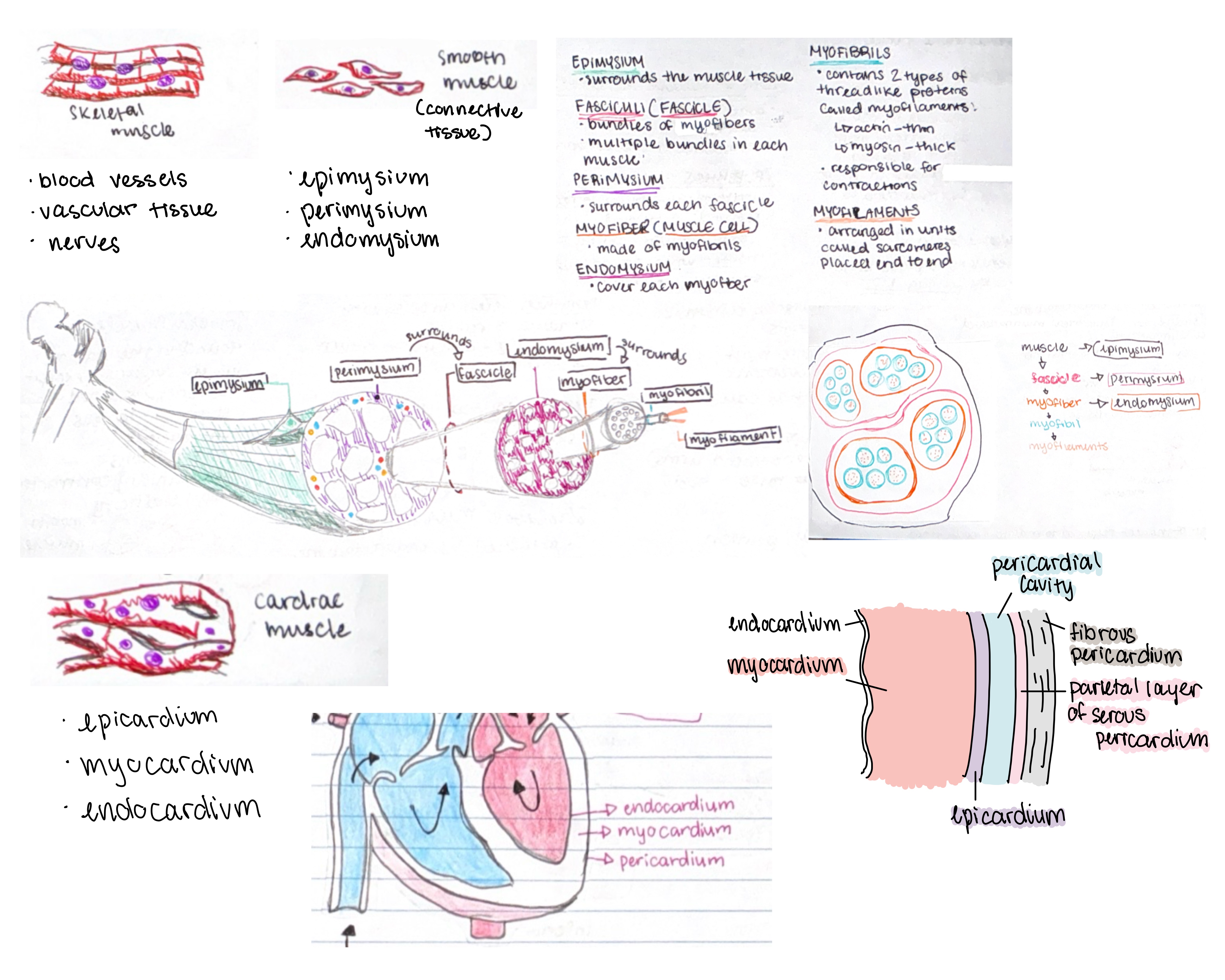
Structures:
skeletal muscle tissue
blood vessels
vascular tissue
nerves
connective tissue (smooth muscle)
epimysium
perimysium
endomysium
cardiac muscle (in the heart and under involuntry control)
epicardium
myocardium
endocardium
Purpose:
Includes three main types of muscle: skeletal, smooth, and cardiac. The main functions of muscle tissue include: movement, protection, support, heat, blood circulation.
Nervous System
Structures:
central nervous system (CNS)
brain
spinal cord
peripheral nervous system (PNS)
all other nerves throughout the body
Purpose:
use electrical and chemical processes to send messages from the body to the brain; and from the brain to the body. The nervous system functions include: sensory input, integration, and motor output
Female Productive System
Structures:
ovaries
fallopian tubes
uterus
cervix
vagina
Purpose:
produces estrogen and provides a place for the production of offspring through eggs (ova) which are combined with sperm from a male. This is also an area for the nurturing, growth development, and protection of a fetus (baby) until it’s able to survive on its own
Male Productive System
Structures:
prostate
testes
penis
Purpose:
produces androgens, testosterone, and sperm. The sperm is transported into the female reproductive system to produce offspring
Respiratory System
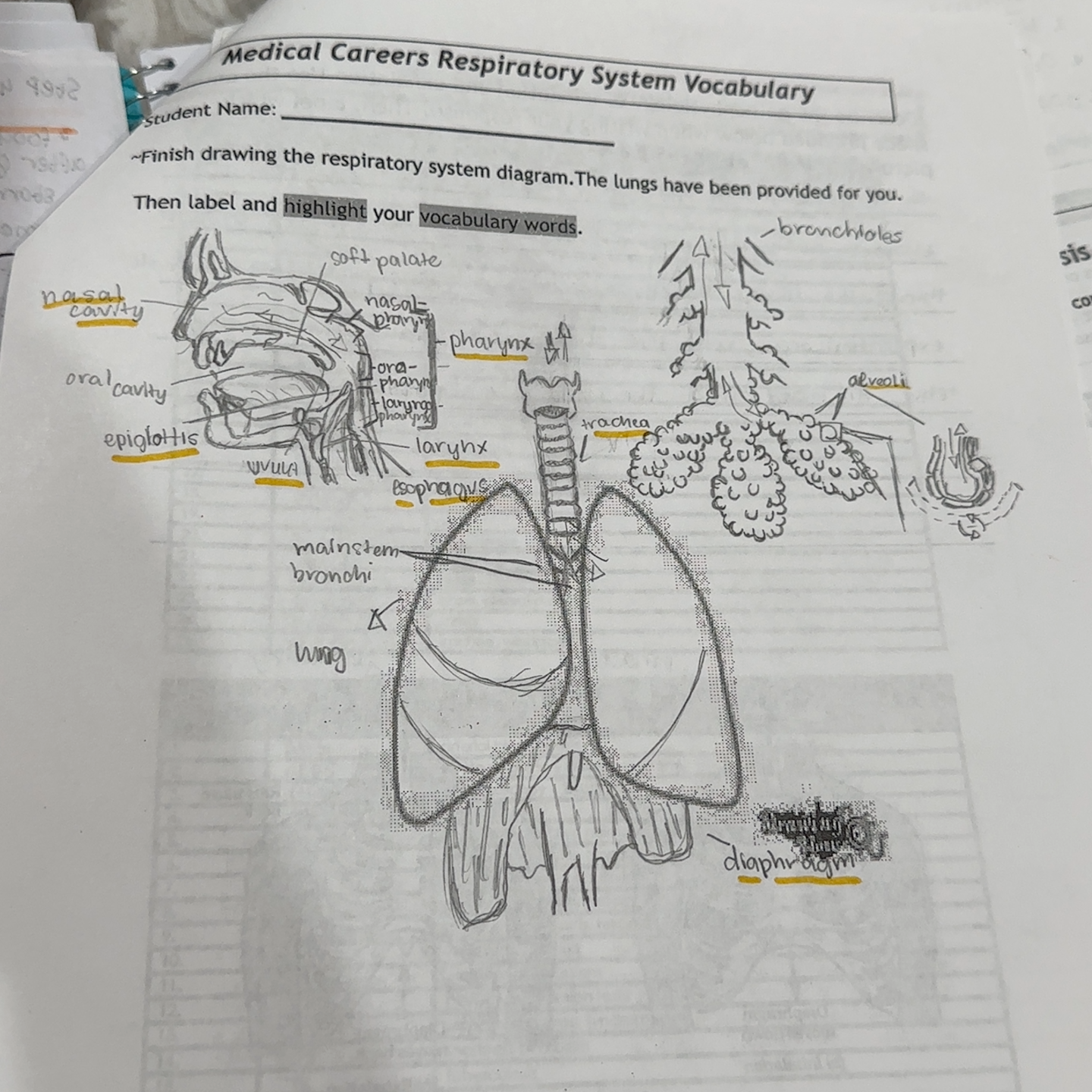
Structures:
mouth and nose
trachea
bronchia
bronchioles
alveoli
lungs
diaphragm
Purpose:
gathers oxygen through inspiration through the airway to the lungs. Oxygen combines with the blood to be distributed throughout the body. Waste is removed through exhalation (gas exchange)
Skeletal System
Structures:
bones
cartilage
ligaments
tendons
Purpose:
provides a strong framework to support the body. Provides attachment sites for muscles, tendons, and ligaments. Protects the soft organs inside the body.
Urinary System
Structures:
kidneys
ureters
bladder
urethra
Purpose:
Removes waste from the blood. Regulates blood production and liquid volume which helps regulate blood pressure. Controls electrolyte levels (salts, chemicals). Waste is removed through elimination of urine