Unit 5 Kognity Notes
C1.2.0-3 - ATP
Adenosine triphosphate (ATP) is the molecule used in the cells of every living organism to transfer energy to where it is required
it is an RNA nucleotide (monomer) made of three parts:
the nitrogenous base —> adenine
the 5-carbon sugar —> ribose
a tail of three phosphate molecules
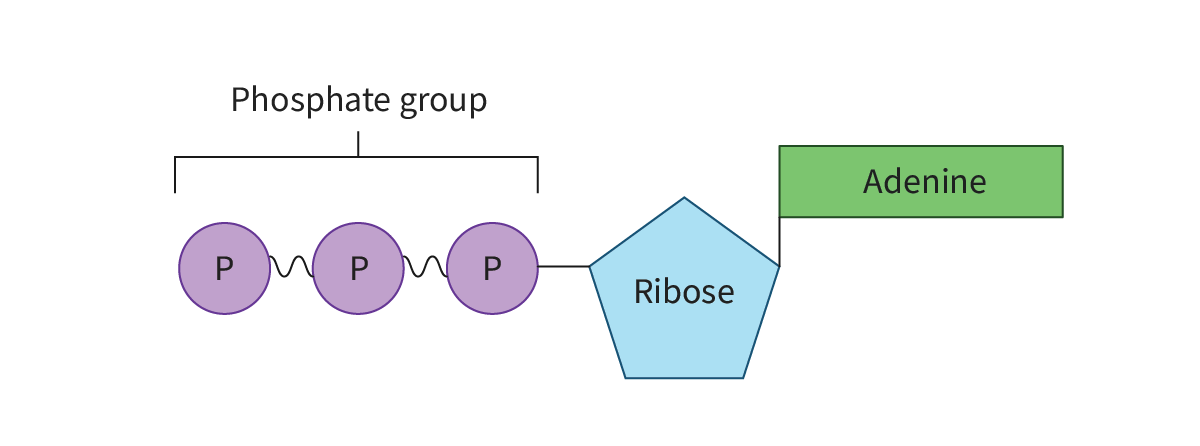
often referred to as the universal energy currency of cells
used very much like a currency —> exchanged for different biochemical processes
EX: the transport of substances, the contraction of muscles, & the synthesis of large molecules
ATP is used whenever a cellular process requires energy
In Active Transport:
1. transport proteins are needed and ATP is used
2. ATP binds to the transport protein, releasing the third phosphate
3. energy is transferred to the transport protein allowing it to move the molecule across the membrane
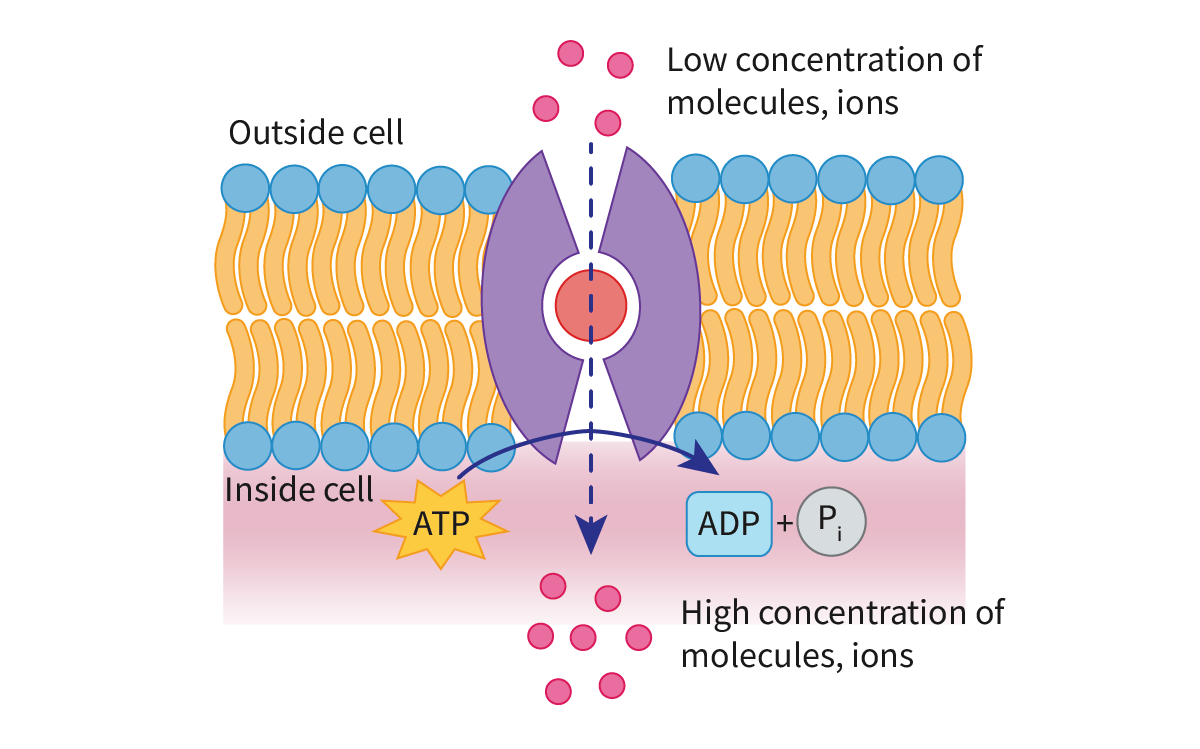
synthesis of macromolecules (anabolism) such as proteins and DNA also requires energy —> formation of the bonds in these molecules requires energy (ATP)
The enzymes that catalyze the reactions that form the bonds ALSO require ATP
found in all cells
ATP is continuously produced & consumed to power cell processes
B2.2.4-6 - Chloroplast & Mitochondrion Structure
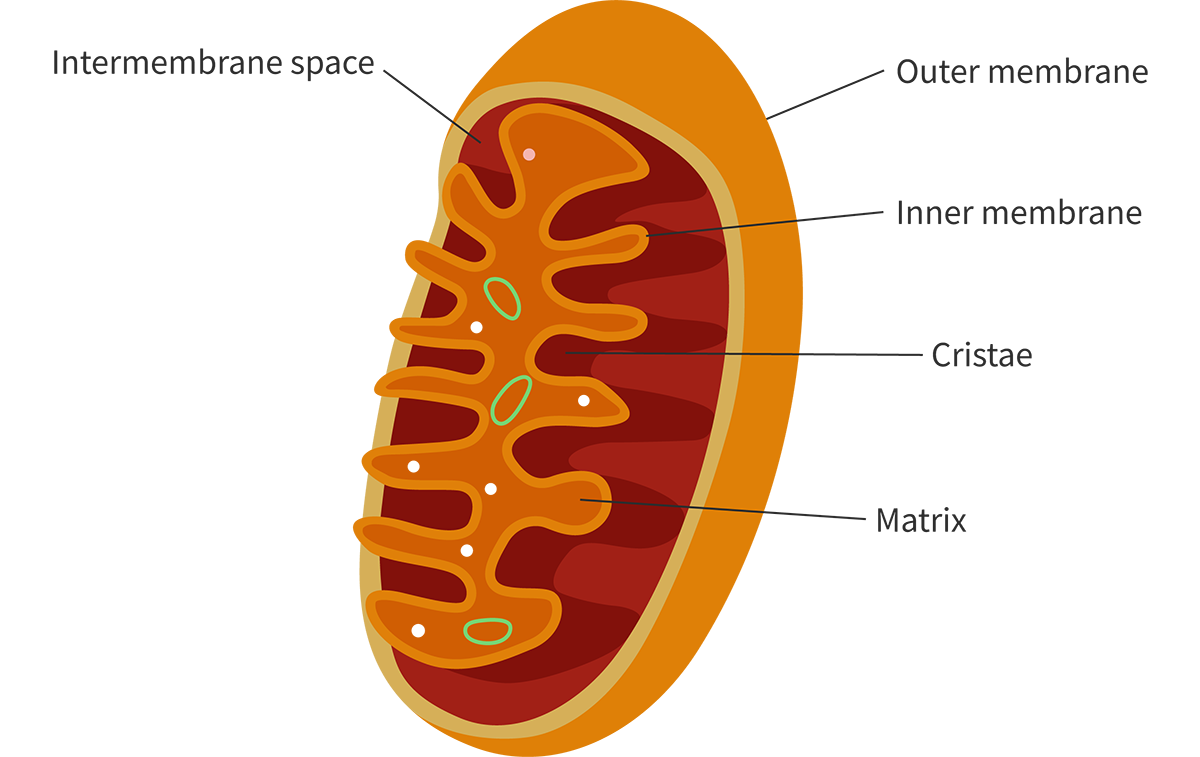
Structure and function of mitochondrial membranes:
The mitochondria’s main function is to produce ATP through the breakdown of molecules (most commonly, glucose)
has two membranes —> inner & outer
The outer membrane is permeable to many small molecules and ions
contain transport proteins that assist in moving larger molecules into the mitochondria.
The inner membrane is highly folded
forms structures called cristae —> the cristae increase the surface area
The cristae allow more of the enzymes needed for ATP production to be present on the membranes by increasing the surface area
this also increases the efficiency and speed of cell respiration by increasing the number of enzymes available for the various reactions
Cristae also creates an enclosed space between the inner membrane called the matrix
matrix space contains a lot of enzymes and other molecules in high concentration needed for the Krebs cycle —> a key pathway in cell respiration
Intermembrane Space: small space between the inner membrane and outer membrane of mitochondria
space between the outer & inner membrane is relatively small —> allowing high concentrations of molecules to accumulate
This creates a concentration gradient across the inner membrane that is used to generate ATP
Structure and function of chloroplast membranes:
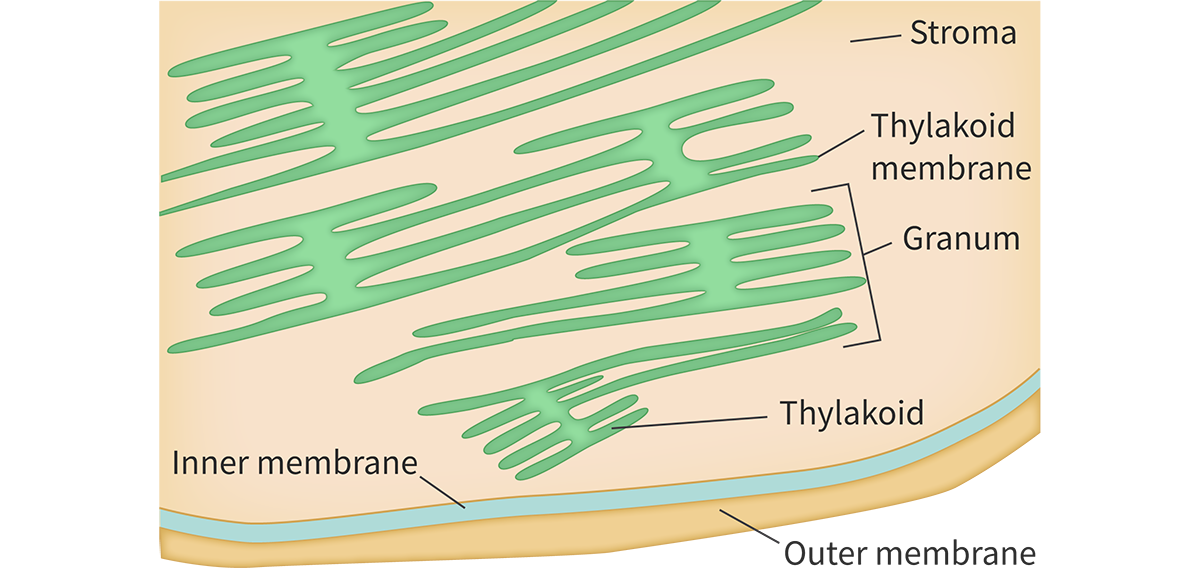
contains three distinct membranes: the outer membrane, the inner membrane, and the thylakoid membrane
This creates three distinct compartmentalized areas: the intermembrane space, the stroma, and the thylakoid space
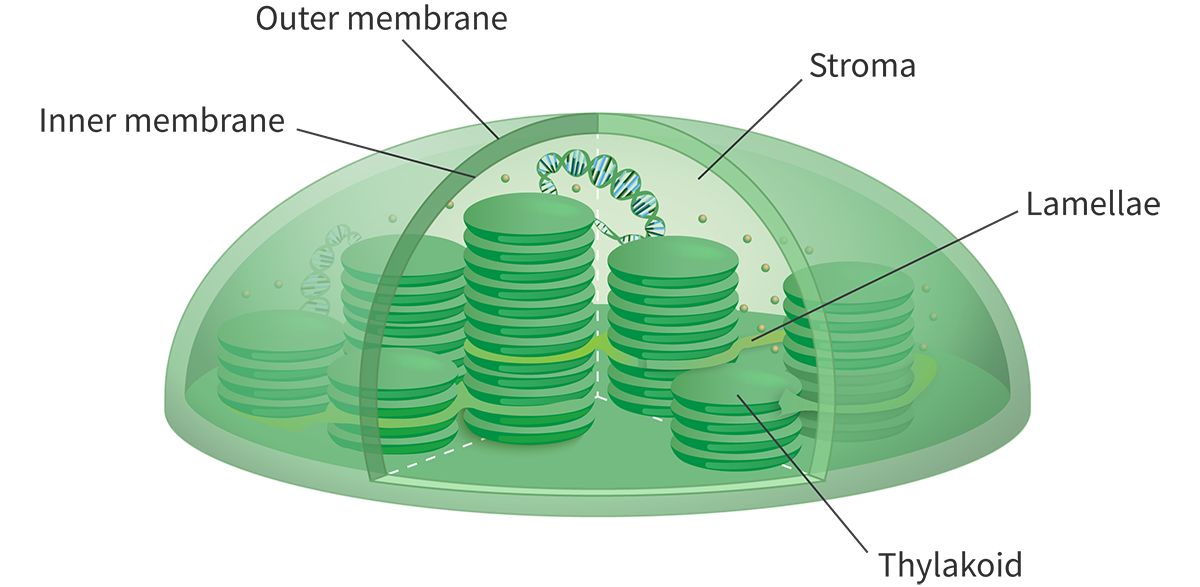
The thylakoid membranes form thylakoids —> which look like stacked pancakes
thylakoids: where the light-dependent reactions of photosynthesis take place
Granum: stack of thylakoid membranes in plant chloroplasts that contain chlorophyll
plural: grana
Grana maximize the amount of sunlight absorbed as the sunlight passes through the stack of thylakoids.
grana are connected by thylakoid membranes called lamellae —> which create a continuous thylakoid space
The thylakoid membranes separate the stroma from the thylakoid space
this is a small space & it allows the chloroplast to quickly generate a high-concentration gradient
Stroma: the space between the inner and thylakoid membranes (creates a compartment)
the stroma contains all the enzymes and substrates required for the remaining steps of photosynthesis (called the Calvin cycle) —> makes glucose molecules
by compartmentalizing all the required molecules in the stroma, the efficiency of the chemical reactions is maximized.
Structure and function of nuclear membranes:
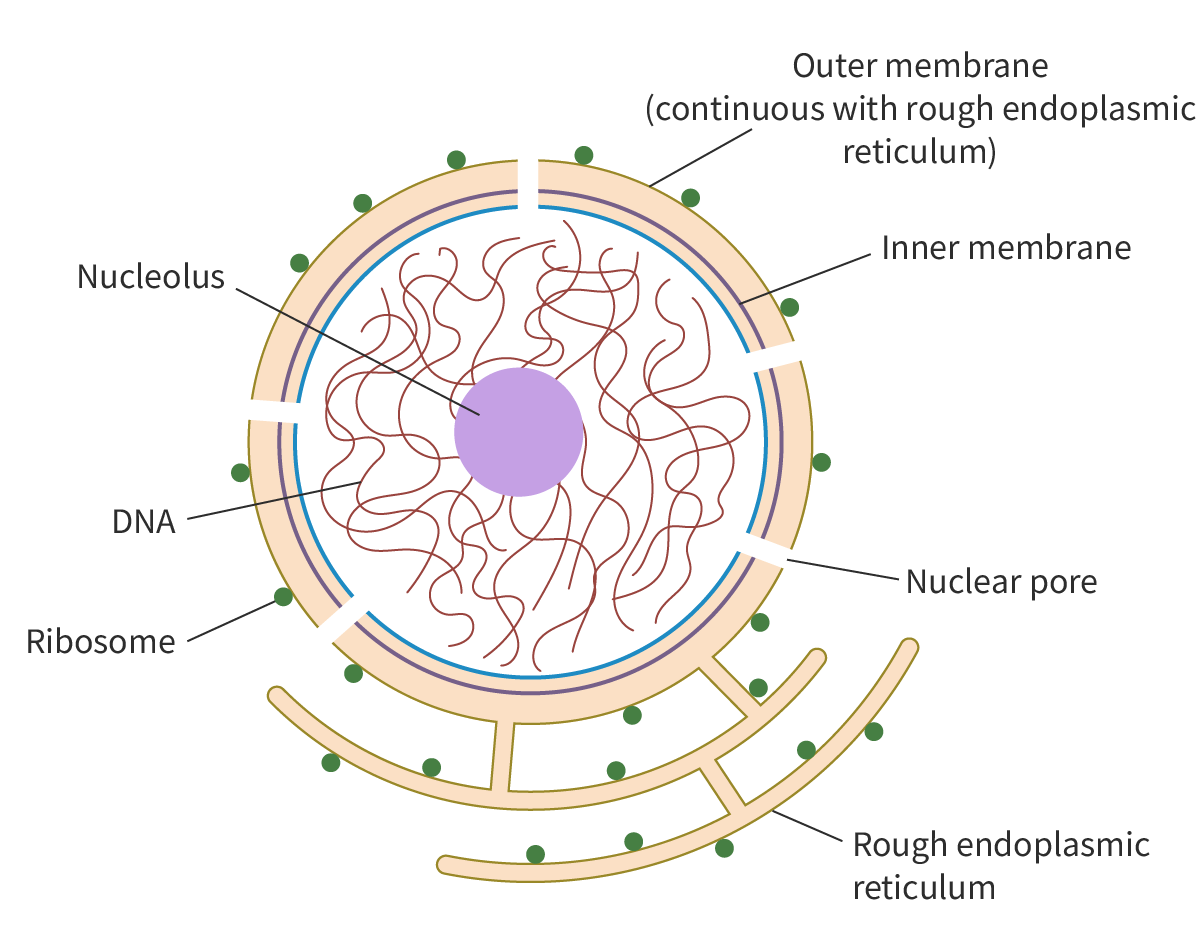
nucleus has two membranes: inner & outer
the outer membrane has ribosomes attached to it and is continuous, joined with the rough endoplasmic reticulum
the function of the double membrane is as a barrier between the genetic material inside the nucleus and the rest of the cell
DNA is highly sensitive to changes in the environment, so the double membrane provides a protective barrier to prevent DNA damage
The double membrane also has an important role in regulating gene expression → process by which the information in DNA is translated into proteins
The inner membrane controls the entry and exit of signaling molecules
Molecules enter and exit through the nuclear pores of the inner membrane
nuclear pores: integral proteins that serve as channel proteins that also regulate mRNA leaving the nucleus for the rough endoplasmic reticulum or free ribosomes.
C1.3 - Photosynthesis
The unique ability of organisms to harness light energy and use it to build glucose has allowed diversity among living things
Producers: an organism capable of producing its own organic compounds (usually through photosynthesis or chemosynthesis) using energy from sunlight, inorganic chemicals, or other external sources
plants, algae, and cyanobacteria absorb light and produce glucose and other carbon compounds
Cyanobacteria: a group of photosynthetic bacteria that obtain energy through photosynthesis.
commonly known as blue-green algae, although they are not true algae
evolved the ability to use the energy from the sun to convert carbon dioxide to glucose and other carbon compounds
Primary consumers: organisms that feed directly on producers (plants or algae) for energy and nutrients
Secondary consumers: An organism that feeds on primary consumers for energy and nutrients
A source of hydrogen is needed to convert carbon dioxide (CO2) into glucose (C6H12O6)
Water (H2O) is one of the most accessible sources of hydrogen on Earth
To access the hydrogen, it first needs to be removed from the water.
Photolysis: the stage of photosynthesis in which water is split by light
(photo–light and lysis–splitting)
The energy in photons is used to split water molecules —> generating hydrogen ions, electrons, and oxygen
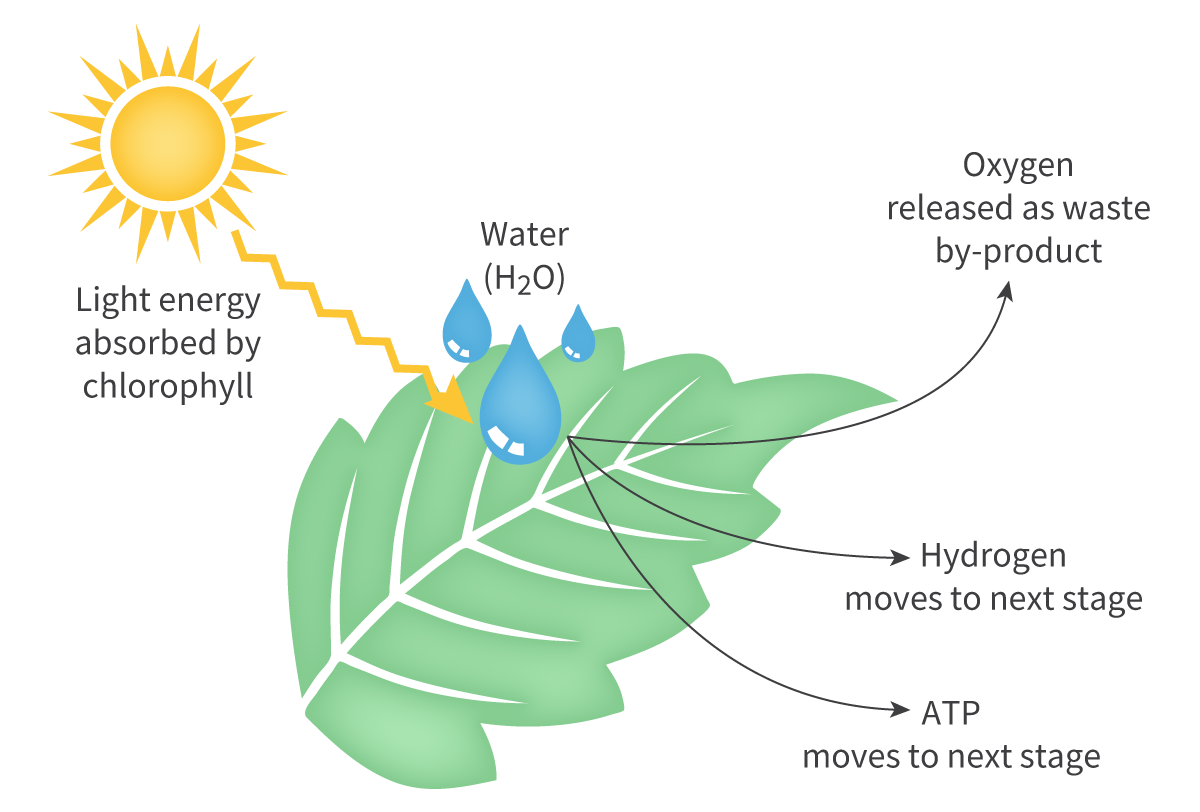
The equation for photolysis is:
2H2O + photons → 4H+ + O2 + 4e–
Two main sets of reactions in photosynthesis: the light-dependent reactions and the light-independent reactions
Light-Dependent Reactions: The initial stages of photosynthesis that occur in the thylakoid membranes of chloroplasts
these reactions utilize light energy to convert ADP and Pi into ATP & they also generate oxygen through the process of photolysis
Light-Independent Reactions: The second stage of photosynthesis
these reactions occur in the stroma of chloroplasts and involve the fixation of carbon dioxide and the production of carbohydrates using the ATP
reduced NADP generated in the light-dependent reactions
Photolysis is a part of the light-dependent reactions —> role is to generate energy in the form of ATP using the electrons from the splitting of water
requires light and occurs in the thylakoids of chloroplasts. The oxygen produced is released as a waste product
The ATP is then used, along with the hydrogen removed from the water, in the light-independent reactions
Carbon Fixation: the conversion of inorganic carbon (carbon dioxide from the atmosphere) to organic carbon by a living organism
the carbon dioxide from the air is combined with hydrogen using the energy from ATP to form glucose and other carbon compounds
these reactions do not require light and take place in the stroma of chloroplasts
Word equation for photosynthesis is: carbon dioxide + water ——> (in presence of light) glucose + oxygen
oxygen is generated as a by-product of the splitting of water (photolysis) —> the release of oxygen as a waste product by photosynthetic organisms provides us with oxygen to breath
Questions:
Light from the sun is the primary source of energy for almost all ecosystems on Earth.
true
State the by-product of the photolysis stage of photosynthesis.
oxygen
How does the release of oxygen by photosynthetic organisms impact Earth’s atmosphere?
Increases the levels of oxygen
Identify the molecule used as a source of hydrogen during photosynthesis.
water
In a plant cell, identify by which method and in which direction you would expect oxygen to be transported during the day.
By diffusion from the chloroplast to the cytoplasm of the cell