Biomed - Wk1 - Lectures 1,2,3
Flashcard 1
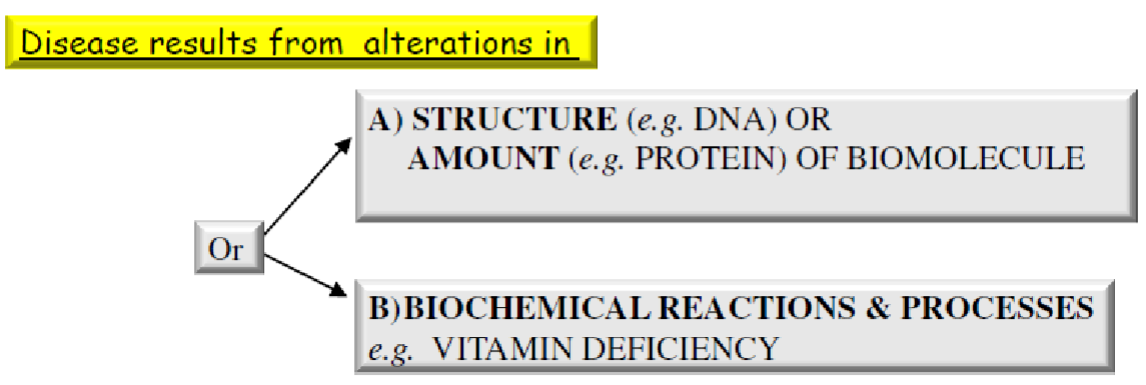
Q: What is a disease?
A: An illness that affects the body (a single area or the whole system) and/or mind within a single organism.
Flashcard 2
Q: What is biochemistry?
A: The chemistry of life; the study of the structures and interactions of biological molecules.
Flashcard 3
Q: What does molecular biology study?
A: How the living cell carries out the necessary functions of life.
Flashcard 4
Q: What does genetics study?
A: Heredity and the variation of inherited characteristics.
Flashcard 5
Q: What is pharmacology?
A: The study of the body's reaction to drugs.
Flashcard 6
Q: What does neuroscience study?
A: The structure and function of the nervous system and brain.
Flashcard 7
Q: What is microbiology?
A: The study of microorganisms and their effects on other living organisms.
Flashcard 8
Q: What are macromolecules?
A: Large molecules composed of thousands of covalently connected atoms.
Flashcard 9
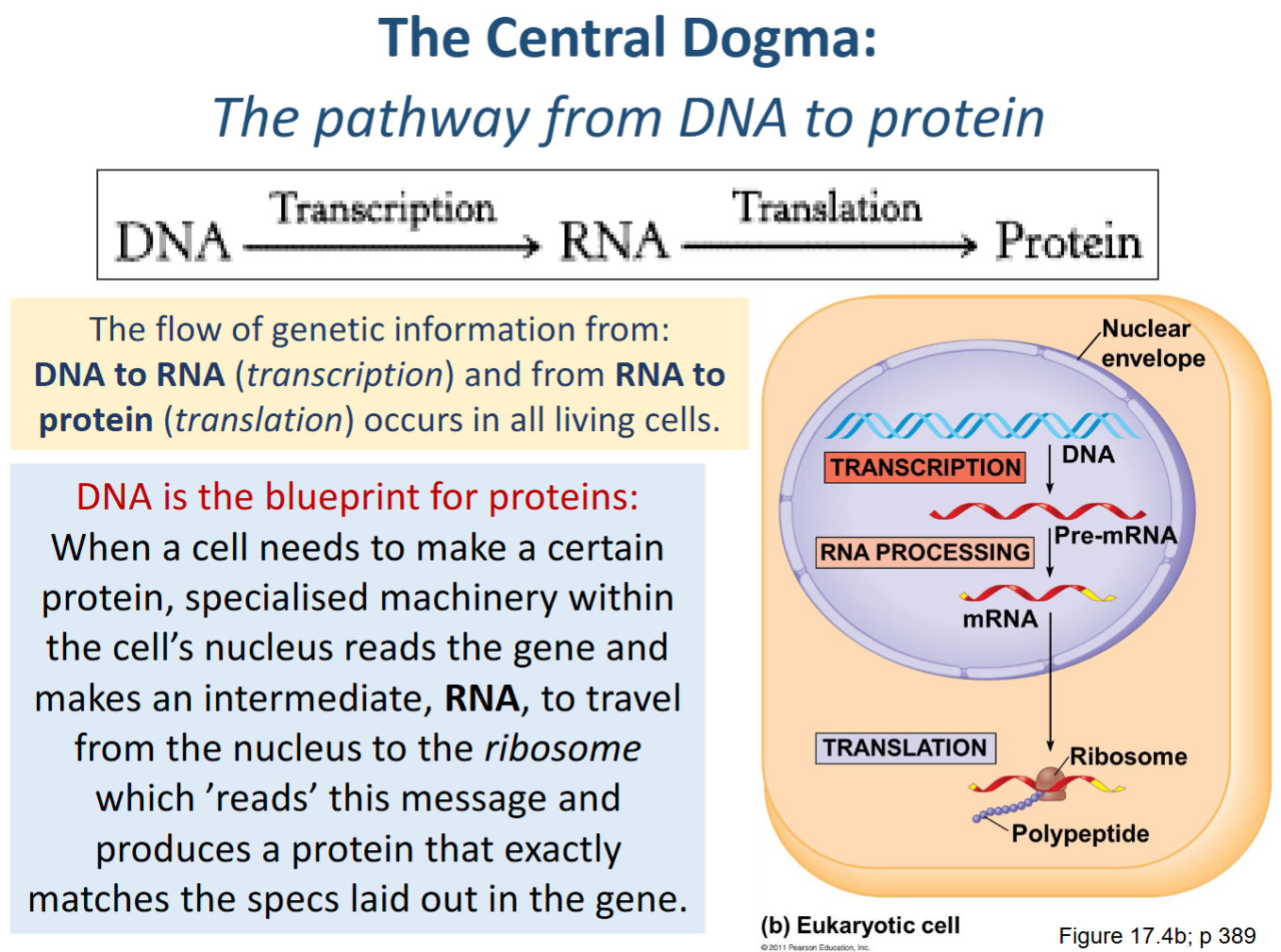
Q: Why are proteins important in defining cell characteristics?
A: The proteins expressed in a particular cell define its characteristics, leading to differences between cell types (e.g., liver vs. brain cells) and healthy vs. sick cells
Flashcard 10
Q: What determines a protein’s three-dimensional structure?
A: The sequence of amino acids.
Flashcard 11
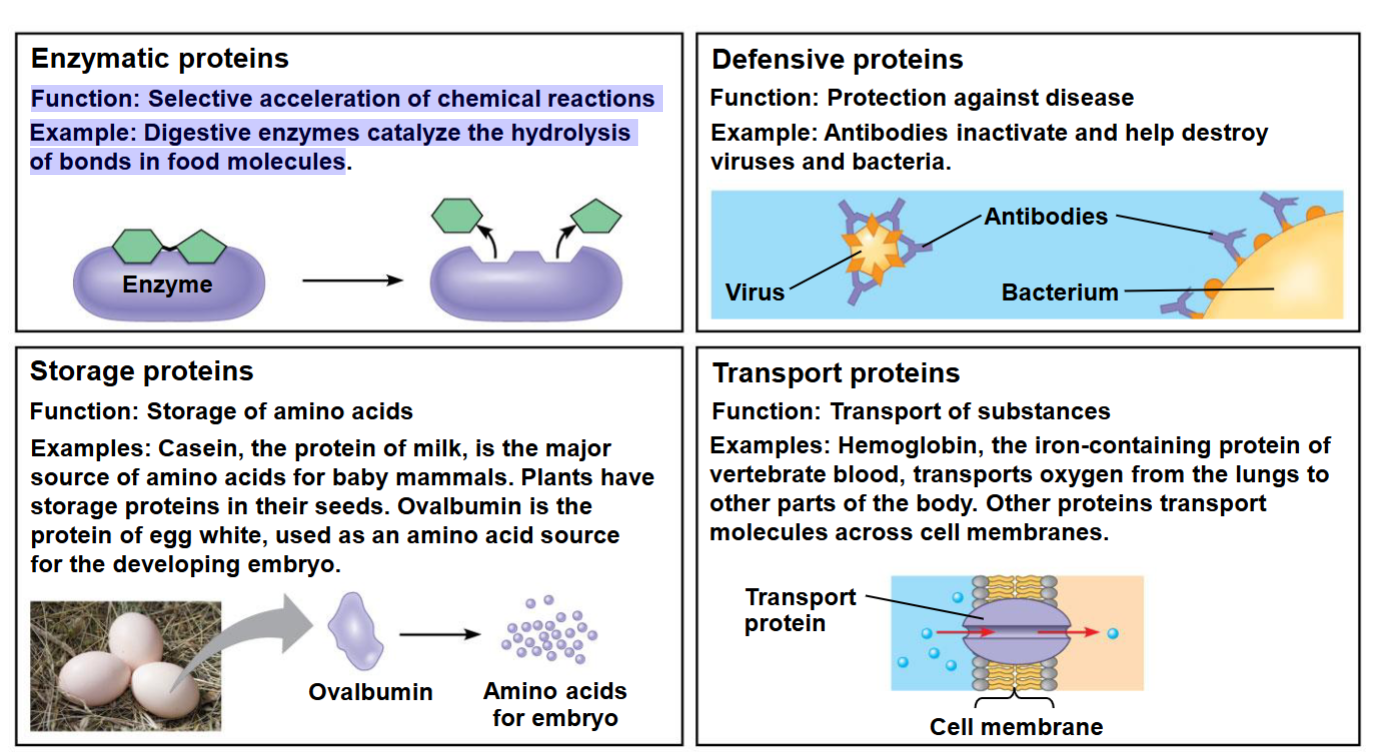
Q: What determines a protein’s function?
A: Its structure.
Flashcard 12
Q: What is the significance of protein structure?
A: Proteins have a diversity of structures, resulting in a wide range of functions.
Flashcard 13
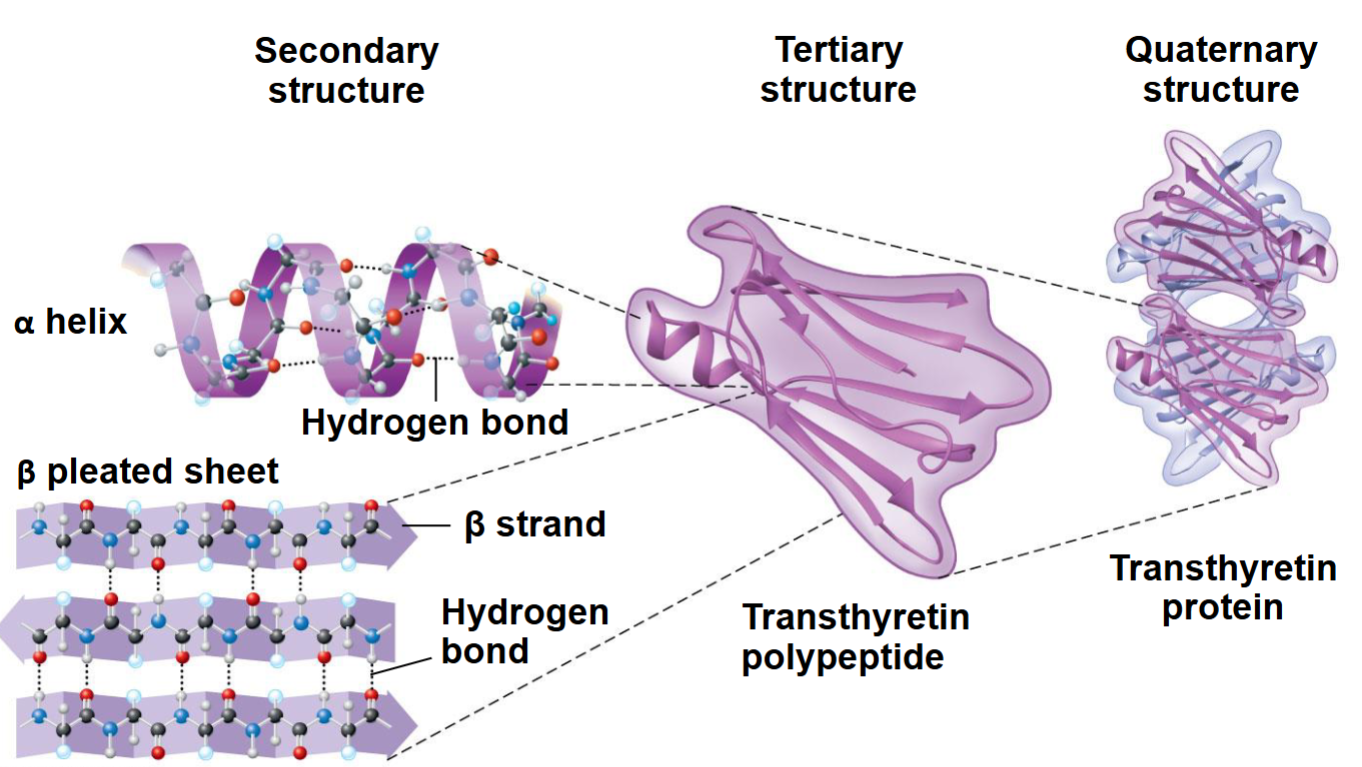
Q: What are the four levels of protein structure?
A:
Primary – Sequence of amino acids.
Secondary – Local folding into structures like alpha-helices and beta-sheets.
Tertiary – Overall 3D shape of a single polypeptide chain.
Quaternary – Arrangement of multiple polypeptide chains into a functional protein.
The
Flashcard 14
Q: What are the most abundant biochemicals?
A: Sugars and the polymers of sugars.
Flashcard 15
Q: What process produces carbohydrates?
A: Photosynthesis.
Flashcard 16
Q: What are the simplest carbohydrates called?
A: Monosaccharides (single sugars).
Flashcard 17
Q: Give three examples of monosaccharides.
A: Glucose, Fructose, Galactose.
Flashcard 18
Q: What are disaccharides?
A: Carbohydrates made of two monosaccharides joined together.
Flashcard 19
Q: Give two examples of disaccharides and their components.
A:
Sucrose = Glucose + Fructose
Lactose = Glucose + Galactose
Flashcard 20
Q: What are polysaccharides?
A: Carbohydrate macromolecules composed of many sugar building blocks.
Flashcard 21
Q: Give three examples of polysaccharides.
A: Muscle glycogen, starch, cellulose.
Flashcard 22
Q: What must happen to lactose before it can be absorbed into the intestine?
A: It must be digested into its monosaccharide units (glucose and galactose).
Flashcard 23
Q: What enzyme hydrolyzes lactose?
A: Lactase, found in the brush border of the GI tract.
Flashcard 24
Q: What happens if lactase production is reduced?
A: The small intestine cannot digest lactose, leading to lactose intolerance.
Flashcard 25
Q: What happens to unabsorbed lactose in lactose-intolerant individuals?
A: It is metabolized by intestinal bacteria, causing gas, cramping, and diarrhea.
Flashcard 26
Q: What percentage of the world population is affected by primary lactose intolerance?
A: ~70%.
Flashcard 27
Q: What dairy products contain little lactose?
A: Cheese (especially hard cheeses) and yogurt.
Flashcard 28
Q: How can lactose-intolerant individuals consume milk products?
A: By using milk treated with lactose-digesting enzymes.
Flashcard 29
Q: What is galactosemia?
A: An inherited disorder where the body cannot metabolize galactose.
Flashcard 30
Q: How common is galactosemia?
A: It occurs in 1 in every 60,000 births.
Flashcard 31
Q: What enzyme is deficient in individuals with galactosemia?
A: Galactose-1-phosphate uridyltransferase (GALT).
Flashcard 32
Q: What happens if an infant with galactosemia consumes milk?
A: Galactose-1-phosphate accumulates in the blood, leading to severe complications.
Flashcard 33
Q: What are four major complications of galactosemia?
A:
Liver damage
Cognitive developmental delay
Cataract formation
Kidney failure
Flashcard 34
Q: What symptoms develop in a newborn with galactosemia after consuming milk for a few days?
A: Jaundice, vomiting, lethargy, irritability, and convulsions.
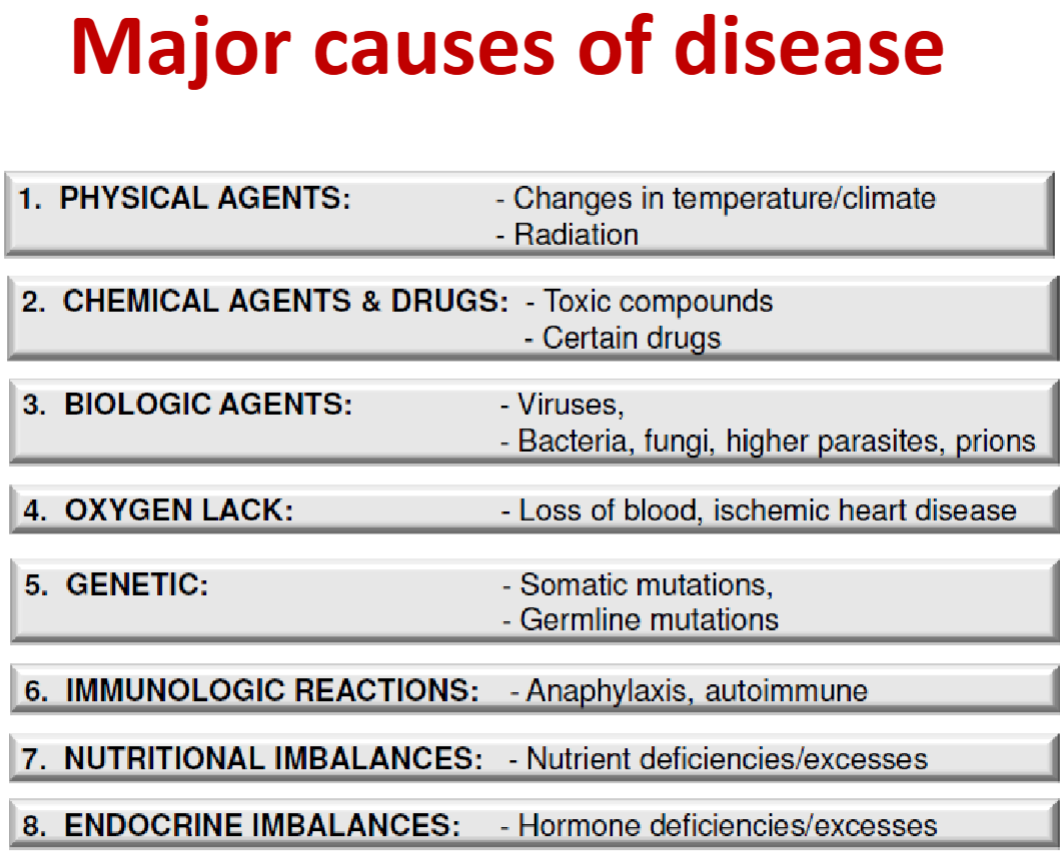
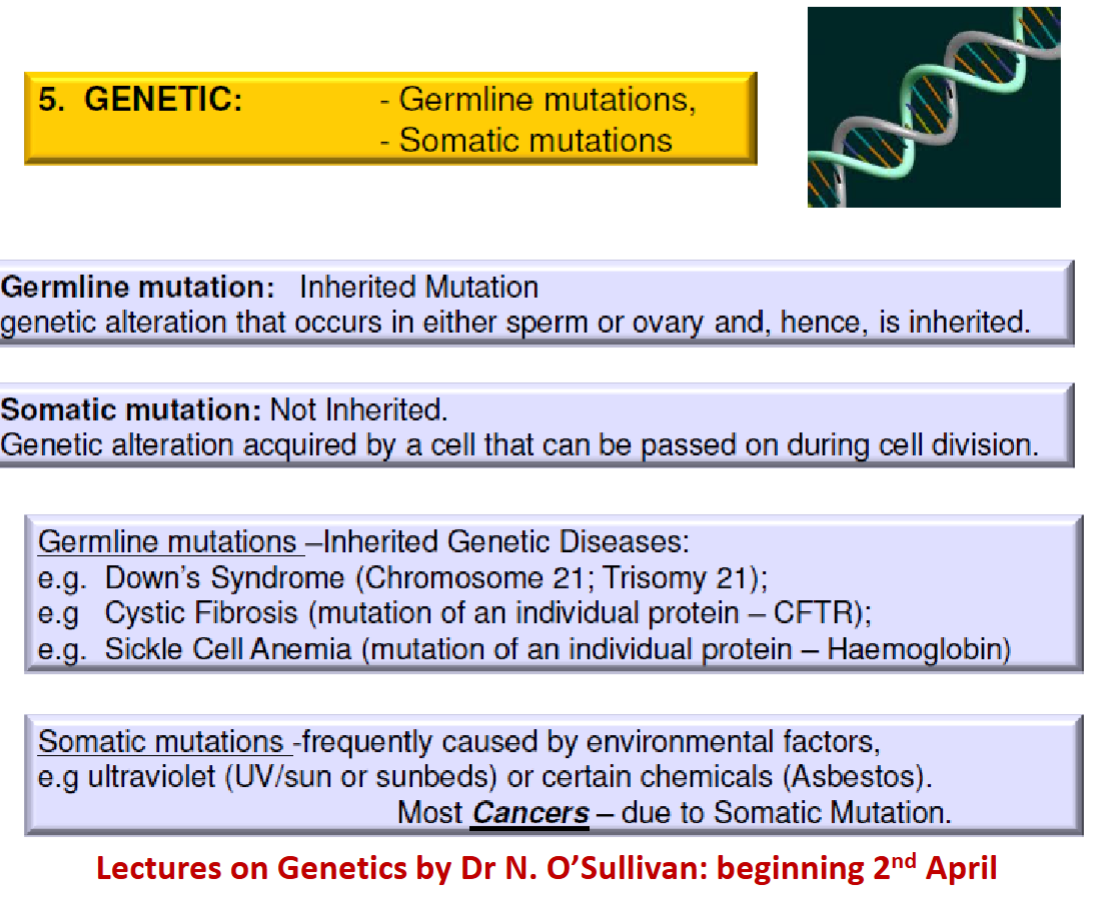
Flashcard 35
Q: What are the four criteria that define a pandemic?
A:
A new disease
Occurs in humans
Causes serious illness
Passes easily from person to person
Flashcard 36
Q: What is antigenic variation?
A: A process where pathogens change their epitope expression to prevent recognition by the immune system.
Flashcard 37
Q: Why must new flu vaccines be made each year?
A: The human influenza virus mutates rapidly, requiring updated vaccines to match new strains.
Flashcard 38
Q: How can human viruses become more dangerous?
A: By exchanging genes with the viruses of domesticated animals, leading to new strains unrecognized by the human immune system.
Flashcard 39
Q: Where are viruses found?
A: Viruses are found wherever there is life and may have existed since living cells first evolved.
Flashcard 40
Q: What are virions?
A: Virus particles consisting of genetic material (DNA or RNA) surrounded by a protective protein coat.
Flashcard 41
Q: What causes influenza (‘flu’)?
A: An RNA virus.
Flashcard 42
Q: Why do new influenza strains replace older ones?
A: RNA viruses evolve rapidly, making previous vaccines ineffective.
Flashcard 43
Q: How is influenza spread?
A: By coughing and sneezing.
Flashcard 44
Q: What are some examples of autoimmune diseases?
A: Systemic lupus erythematosus, rheumatoid arthritis, insulin-dependent diabetes mellitus, and multiple sclerosis.
Flashcard 45
Q: What happens in individuals with autoimmune diseases?
A: The immune system loses tolerance for self and attacks certain molecules of the body.
Flashcard 46
Q: How does moderate exercise affect the immune system?
A: It improves immune system function.
Flashcard 47
Q: What effect does psychological stress have on the immune system?
A: It disrupts immune system regulation by altering interactions between the hormonal, nervous, and immune systems.
Flashcard 48
Q: Why is sufficient rest important for immunity?
A: It helps maintain proper immune system function.
Flashcard 49
Q: How are gut health, nutrition, and the immune system related?
A: The gut microbiome and immune system are closely linked, with more than 70% of the immune system found in the gut.
Flashcard 50
Q: What does the phrase “You are what you eat” refer to in the context of immunity?
A: It emphasizes the role of human nutrition and the gut microbiome in supporting immune system health.
Genetic Basics
Flashcard 51
Q: What is the genome?
A: The genetic information unique to a given organism; the same genome is found in every cell of an individual.
/
Flashcard 52
Q: What are genes?
A: The protein-coding regions of DNA; other regions are regulatory or have no known function.
Flashcard 53
Q: How many chromosomes do human somatic cells have?
A: 23 pairs (22 pairs of autosomes + 1 pair of sex chromosomes).
Flashcard 54
Q: What is a karyotype?
A: An ordered display of an individual's chromosomes.
Chromosomal Disorders
Flashcard 55
Q: What are the three major classes of genetic disease?
A:
Chromosomal disorders
Monogenic (single-gene) disorders
Polygenic (multi-gene) disorders
Flashcard 56
Q: What is aneuploidy?
A: A condition where an individual has an abnormal number of chromosomes due to nondisjunction during meiosis.
Flashcard 57
Q: What causes Down syndrome?
A: Trisomy 21 – three copies of chromosome 21 due to nondisjunction.
Flashcard 58
Q: What is Turner Syndrome?
A: A condition where a female has only one X chromosome (X0), leading to infertility.
Flashcard 59
Q: What is Klinefelter Syndrome?
A: A condition in males where they inherit an extra X chromosome (XXY), affecting development.
Monogenic Disorders (Single-Gene Defects)
Flashcard 60
Q: How are monogenic disorders inherited?
A: They can be dominant (one mutated gene is enough) or recessive (two mutated copies needed).
Flashcard 61
Q: Give examples of autosomal dominant disorders.
A: Huntington’s disease, Achondroplasia.
Flashcard 62
Q: How are autosomal recessive disorders inherited?
A: Both parents must be carriers; the child has a 25% chance of being affected.
Flashcard 63
Q: Give examples of autosomal recessive disorders.
A: Cystic fibrosis, Sickle cell anemia, Albinism.
Cystic Fibrosis (CF)
Flashcard 64
Q: What causes cystic fibrosis?
A: A mutation leading to defective chloride channels, causing mucus buildup.
Flashcard 65
Q: What are symptoms of cystic fibrosis?
A:
Thick, sticky mucus blocking bronchial tubes
Difficulty absorbing nutrients in the small intestine
Increased risk of infections and malnutrition
Flashcard 66
Q: How has treatment for cystic fibrosis improved?
A: Advances in therapy have significantly increased life expectancy and quality of life.
Polygenic/Multifactorial Disorders
Flashcard 67
Q: What are polygenic disorders?
A: Diseases caused by multiple genes and environmental factors.
Flashcard 68
Q: Give examples of polygenic disorders.
A: Heart disease, diabetes, cancer, epilepsy, hypertension, manic depression, schizophrenia.
Flashcard 69
Q: How heritable are polygenic disorders compared to monogenic disorders?
A: They have lower heritability (e.g., only 2-5% of close relatives of diabetics also have diabetes).