W8 L2: Bullying I
bullying
strategic aggressive behaviour that the perpetrator repeatedly inflicts on a victim with the intention to cause harm, and occurring within a relationship in which there is an imbalance of power
bullying is not the same as conflict
different types:
social/ relational/ covert - lying and spreading rumors, nasty jokes, encouraging others to socially exclude, damaging reputation
cyber bullying
verbal
physical
definition
children normally define it as being physical
important to have a general definition/ be aware of thr different types of bullying so that it can be spotted and stopped
measurement of bullying bhv
self report - have you been a victim or done bullying
peer report - normally underreported - classmates typically have access to information that is hidden from adults
parent/teacher report - not always observed by adults - info about the whole class, useful when children are young (sometimes unaware)
how do we measure bullying bhv
different informants
songle item questions
bhv-based scale w/ multiple items
specific bullying bhv - verbal, physical, social, cyber
different frequency - scale and cut-off threshold
prevalence of bullying - study
design = cross-sectional across 25 countries in 11- to
16-year-olds
Measured bully, victim (and bully-victim status)
N = 113,200
- Standard definition of bullying presented
- Single item for bully and victimisation
- Cut off = 2 times or more per current academic term
findings
11% of children were victims of bullying
10% of children admitted bullying others in the current school term
6% report being both bullies and victims
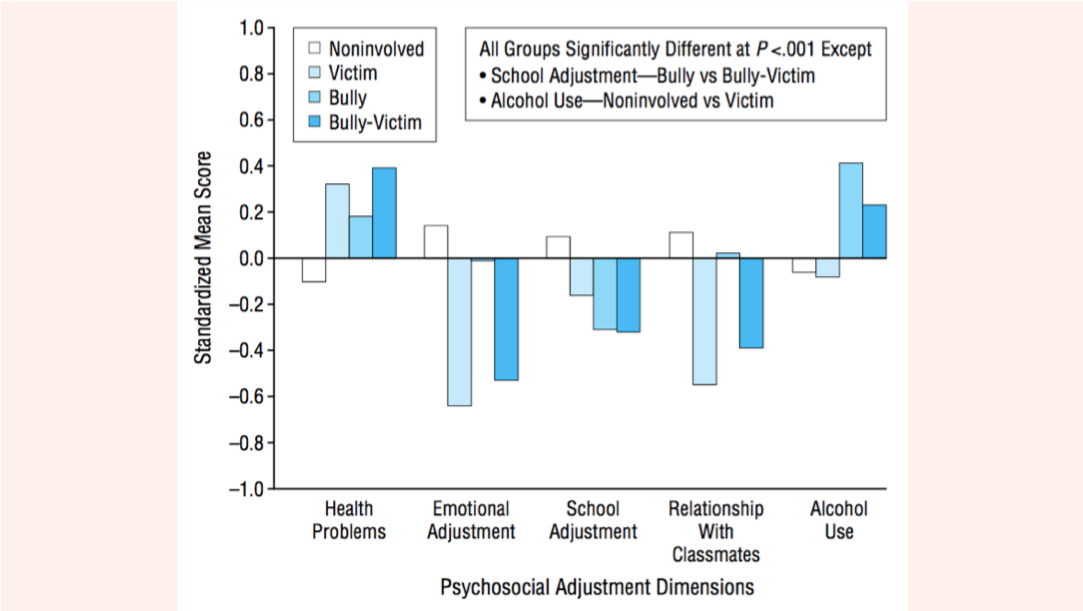
bullies tend to be less affeted by the bullying
unless alcohol is in use
why do children engage in bullying bhv?
cognitive origins
- social information processing biases
- theory of mind
- moral engagement
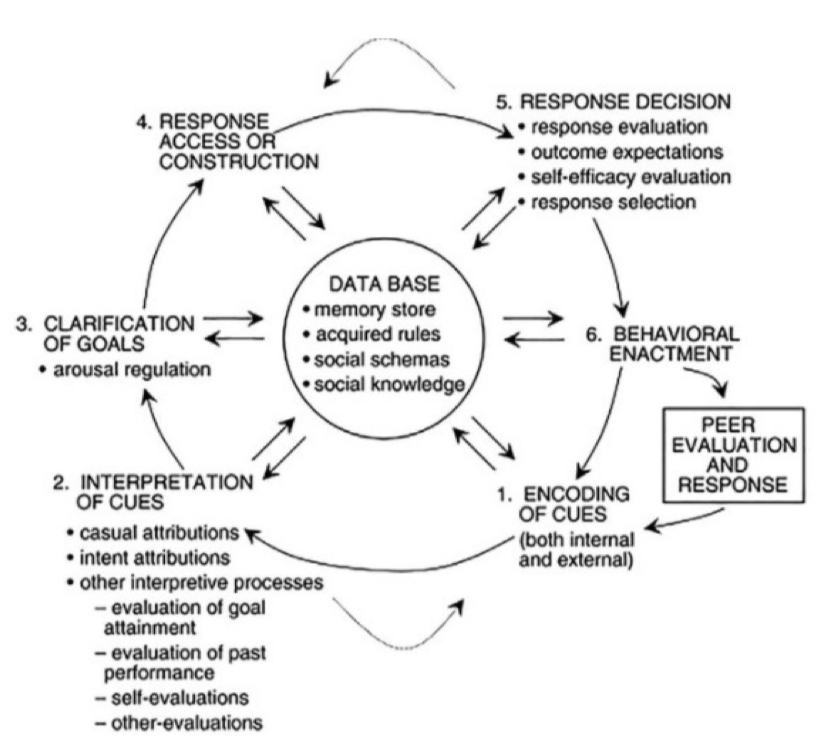
social information
measured using ambiguous and non-ambiguous vignettes
links between social adjustment and social info processing
aggressive children show distinctt pattern of biases in their social info processing
- attend to fewer social cues
- more inclined to attribute hostile intentions to others
- goals of social dominance
- choose an agressive solutions to social problem
theory of mind
the capacity to attribute mental states - desire, beliefs, knowledge - to others to predict or explain bhv
bullying may be best achieved when the perpetrator has a strong grasp of the internalmental states of victims?
N = 193 7 – 10 year olds
• Bully: active, initiative taking, leader-like behaviour
• Assistant: active, but more of a follow than a leader
moral understanding and engagement
Moral sensitivity: understanding right and wrong and the emotional repercussions of
moral transgressions
o Gasser & Keller, 2009 compared moral sensitivity in 7- to 8-year-olds and
found bullies both showed lowest moral sensitivity
✓ Moral disengagement = tendency to use cognitive mechanisms that can disengage
self-sanctions and justify the use of violent and aggressive behaviours (e.g., kids can’t
be blamed for misbehaving if their friends pressured them into it).
o Gini (2006) looked at the association between moral disengagement and
bullying à bullies engaged in significantly more moral disengagement
compared to non-bullies.
why do children engage in bullying bhv?
social origins
diverse bullying roles
bully
victim
bully assistant 20-29%
reinforcer 20-29%
defender 17-20%
bystander
only 10% had no role
social goals
agentic: striving for dominance and leadership (bullies)
communal: striving for positive relationships with others (defenders)
submissive goals: keeping a low social profile (victims)
popularity
bullying linked to peer rejection
some bullies have a high social standing in peer group
perceived popularity - bullies often nominated the popular kids in class
school climate
poor school climate → greater bullying and victimisation
social inequality
bullying wasn’t associated with economic level of the country
it was associated with country-level income inequality
bullying interventions
parent involvement
playground supervision
teacher training
disciplinary methods
policies
classroom rules
poster campaigns
peer monitoring
curriculum and classroom learning