THE SOCIAL SELF: (WK32):
SELF-CONCEPT & SELF KNOWLEDGE:

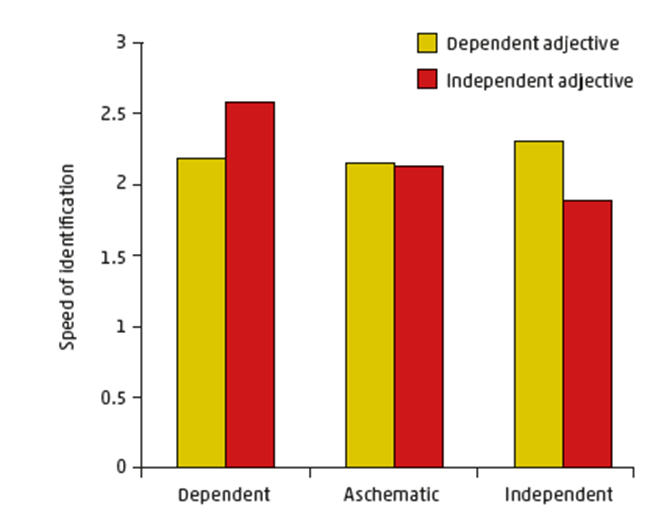
Markus (1977) empirical evidence:
participants identified the words that were characteristic with them faster → e.g. energetic, cautious, assertive using ‘me’ or ‘not me’
compared to participants who were aschematic on both dimensions
IMPLICATIONS:
spotlight effect = tendency to feel as though a spotlight is on you, leading to the belief that others are watching and judging your behaviour
the ‘t-shirt’ study = participants wore embarrassing t-shirts, estimated that 50% of people noticed where in reality only 25% of people noticed
causes:
egocentrism: focus on one’s own perspectives
underestimating that others are focused on themselves
impact:
increased social anxiety
greater self-consciousness
overestimating how visible small mistakes are
spotlight effect / self-schema = people with strong self-schemas are more likely to notice related cues, which becomes the focus of the spotlight
impact on daily behaviour:
avoidace
increased checking behaviours
behaviour shaped by fear of being evaluated
impact on well-being:
higher body dissatisfaction
increased social anxiety
reinforced negative self-beliefs
SELF-CONCEPT CLARITY:

diary study (Nezlek & Plesko, 2001) empirical evidence:
participants completed the scale twice a week for 10 weeks
results: participants’ self-concept was notably less clear on days they experiences bad events
PERSONAL VS. SOCIAL IDENTITY:

Neuville & Croizet (2007) empirical evidence:
can salience of gender identity impair maths performance among 7-8 year old girls?
girls and boys solved maths problems of varied difficulty, prior to the test one half of participants had their gender identity activated
activation of gender impacted girls performances → gender schema: ‘girls are not good at maths’
THEORIES OF THE SELF: