U2 BIOMOLECULES & ENZYMES 🧪
biomolecules are also known as macromolecules
a monomer is a building block usually referring to the same type of block that makes up something larger
macromolecules include carbohydrates, proteins, lipids, and nucleic acids
CARBOHYDRATES

carbohydrates are a FAST energy source for cells
the monomer of a carbohydrate is a monosaccharide
an example of a monosaccharide is the sugar glucose (used in cellular respiration to make ATP)
two monosaccharides combined form a disaccharide
sugars include glucose, maltose, lactose, sucrose, fructose
combining many monosaccharides creates a polysaccharide
energy can be stored in this polysaccharide form such as starch for plants or glycogen for animals
plants have cell walls of carbohydrates, specifically a large one called cellulose
fungi have carbohydrates in their walls, specifically chitin
LIPIDS
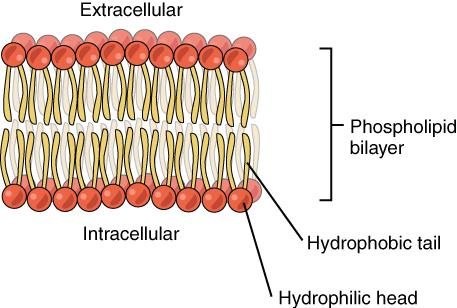
lipids are a source of LONG-TERM energy storage and also help w insulation such as temp control through the blubber of a seal
many lipids act as hormones which are chemical messengers
lipids include fat and oils such as butter
types of lipids include triglycerides, phospholipids, steroids, etc.
steroids include hormones such as estrogen and testosterone
most lipids have a monomer made up of a glycerol and fatty acid
all lipids are generally hydrophobic, meaning that major component of lipids don’t like water
they serve their function in the phospholipid bilayer of cells
PROTEINS
protein food sources include beans, meats, nuts, & eggs, etc.
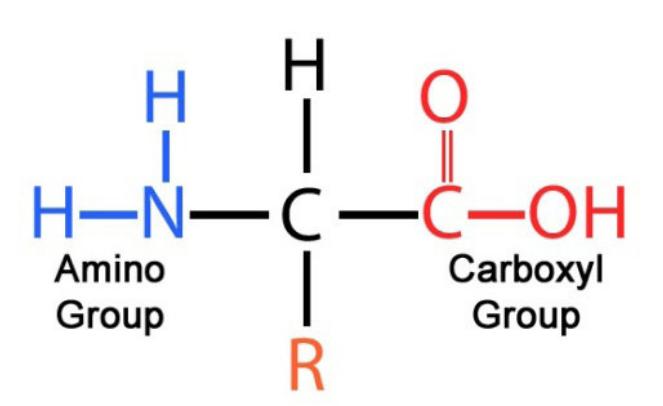
the monomer is an amino acid
proteins are usually made up of many amino acids bonded together
muscle tissues heavily consists of proteins and make other things such as hair or collagen
proteins can also be found embedded in cell membranes as protein channels
proteins can also be receptors which are critical in cell signaling
most enzymes are made of proteins which build or break substances in metabolic processes
enzymes speed up chemical reactions by lowering activation energy
anti-bodies made by immune cells are made of proteins
even though genes are made of DNA, many genes code for proteins
proteins have 4 levels of structure
primary, secondary, tertiary, and quaternary
main functions of proteins
structure, transport, enzymes, antibodies, receptors, hormones, movement (muscle)
NUCLEIC ACIDS
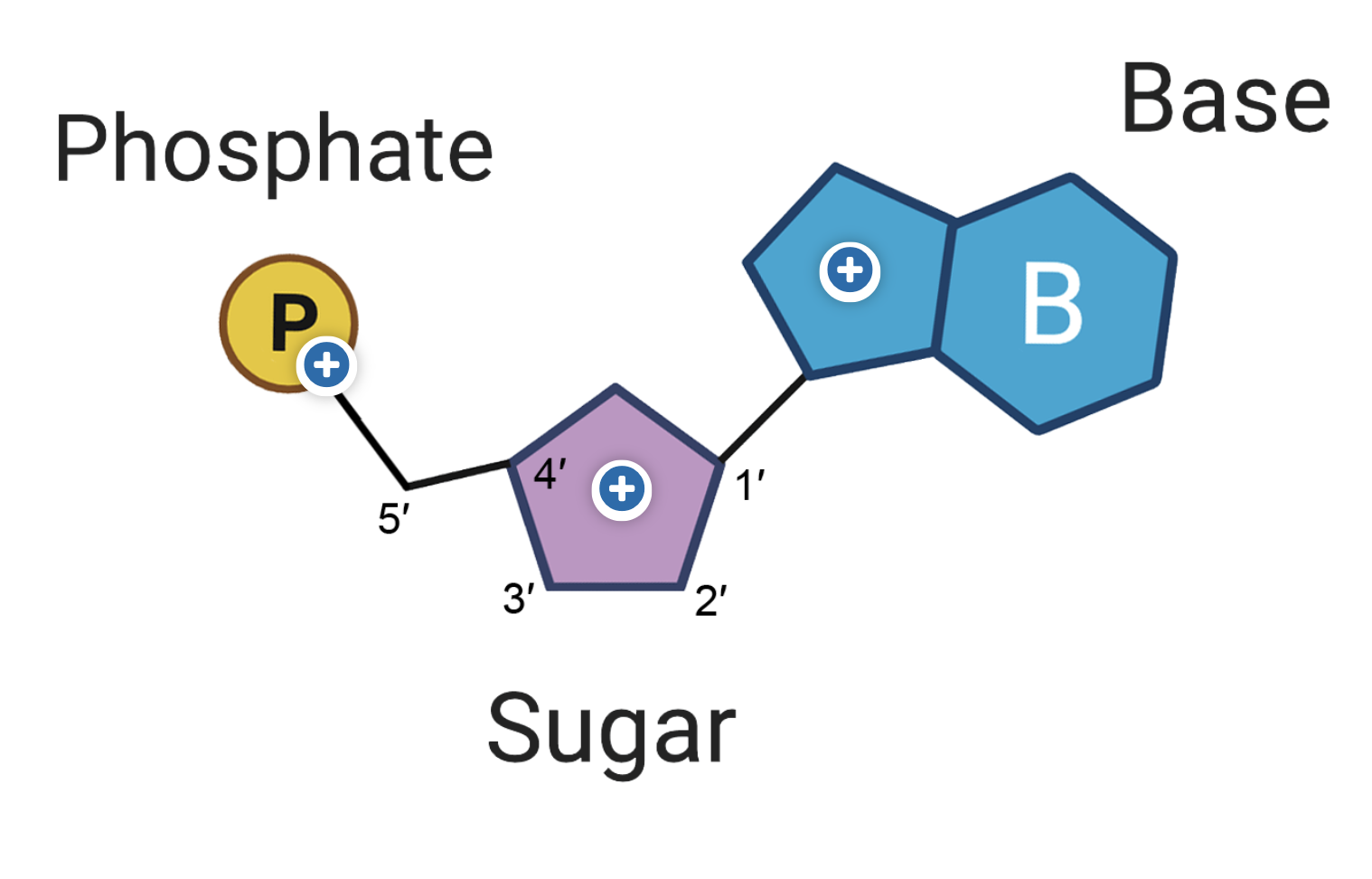
nucleic acids include DNA & RNA
DNA = deoxyribonucleic acid (deoxyribose)
RNA = ribonucleic acid (ribose)
nitrogen bases: A, T, C, G (DNA); A, U, C, G (RNA)
the monomer is a nucleotide that has a sugar, base, and phosphate group
important to cells because they store your genetic information in the form as nucleic acids which is critical for the coding of your traits