Psy 203 Psychoactive Drugs
Psychoactive Drugs
Any chemical that changes how you act or feel cognitively or behaviorally
Drug Tolerance: Brain chemistry adapts to repeated use
needing an increased dosage to feel the same effect
Addiction: craving for a drug despite the negative consequences for you
Often associated with withdrawal: when you don’t have the drug, you feel bad
Negative is a wide range
Substance use disorder: continuing to use the drug despite negative life consequences
diminished control over the use of the drug
Don’t know how to say no to drugs. Does this drug interfere with social life
is use hazardous
more indicators of drug = worse substance use disorder
Common Psychoactive Drugs
Depresents and ANXIOLYTICS: reduces neural activity and arousal
Barbiturates (“Tranquilizers”) (Phenobarbital, Nembutal)
Acts on GABA receptors: reduces amygdala activity, leading to decreased anxiety and a sense of calm.
bind with GABA and receptors around GABA
Potentially fatal if taken with alcohol
incredibly prone to addiction
Benzodiazepines (e.g., Valium, Xanax) also make GABA receptors more receptive to GABA.
don’t actually bind with GABA receptors, and are also more selective to where they work in the brain,
less addictive
Reduced the severity of seizures
sleep medication: short-term use
Alcohol: crosses the blood-brain barrier very easily
stimulate the release of GABA and make GABA stickier
can feel the effects very quickly, and also on an empty stomach
relaxed and sleepy
slow neural processing and frontal lobe activity
slowly between the brain and the motor cortex
impaired perception and reaction time
Disrupts REM sleep
Memory disruptions (blackouts)
turns off the thinking through process, so this is why you look like a stimulant,s not a depressant (cortical disinhibition)A
person who is drinking is the worst person to say what drink they are in
Area postrema: The blood-brain barrier is weak and tells the brain if your body has toxins in it.
usually makes you puke
increased risk of alcohol poisoning if you pregame
Withdrawal: Anxiety and depression, insomnia, elevated blood pressure, and heart rate. Hallucinations
Dellrium Trenum (DT)
Most severe alcohol withdrawal starts multiple days after drinking. Seizures and heart attacks are possible.
Opiots/Opiods
Analgesic drugs: drugs that block pain
Derived from opium
Naturally (opiates)
synthetically (opioids)
Examples: heroin, oxycodone, morphine, codeine, fentanyl, and others
Binds with opioid receptors in our brain and blocks them
Effects
Analgesia: lack of pain
You feel good and sleepy
could make your top breathing
Narcan: opioid receptor antagonist
Withdrawal
anthedonia: everything hurts, and nothing feels good
feeling like they’re dying
will not die (unlike alcohol)
Stimulemtn
Anything that increases neurotransmitters in your brain
mainly dopamine, epinephrine, and norepinephrine
Niccitine
Binds with nicotinic acetylcholine receptors (nAchRs)
in the brain and muscles
Reaches the brain within 7 seconds and lasts about 10-15 minutes
alertness, calmness, and really good, associated with reduced appetite, increased heart rate, and blood pressure. The
body opens more receptors for nicotine, and this is why nicotine cravings can be extremely strong
Medical benefits or applications: Nicotine use may slow cognitive decline to slow down alzymers ’s disease and reduce the risk of parkensis’s disease
Caffeien
Adenosine antagonist receptor
Adenosine makes you sleepy
increase in central nervous system activity because your body thinks you have a problem, which releases adrenaline
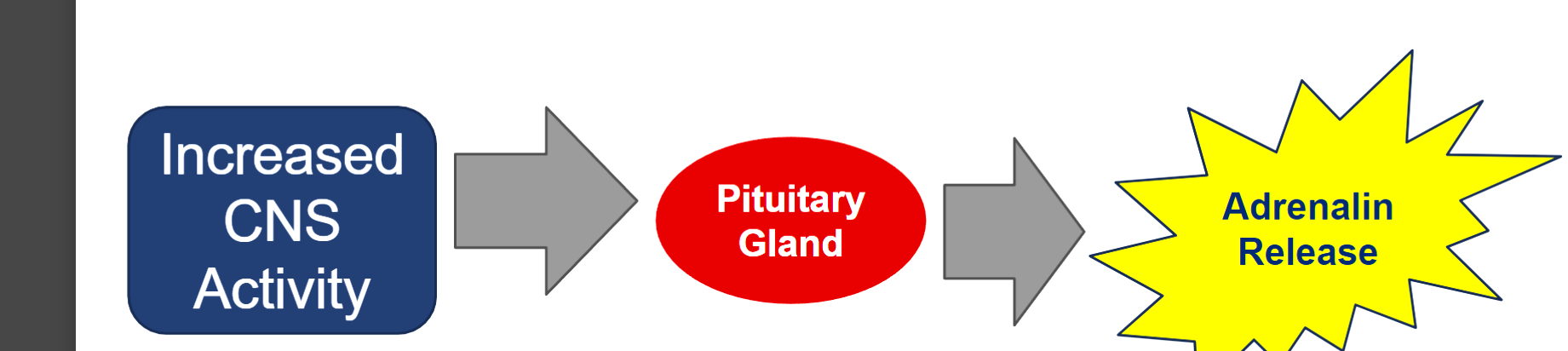
Withdrawal: not great, but not too bad either. People are grumpy without caffeine and experience increased drowsiness and headaches, also
Cocaine
reuptake buffer to produce dopamine and other neurotransmitters
blocks dopamine to make it keep producing dopamine
Really intense levels of energy, euphoria, and increased alertness and focus
risk of heart attack or stroke
increased levels of tolerance and builds extremely rapidly. Receptor downregulation: closes receptors of dopamine to make it so you don’t have too much dopamine
Methinfetatmine Itt stimulates the release of many neurotransmitters in the frontal lobe and limbic system through mood regulation
increase in alertness and focus, a very strong burst of energy, and incredibly powerful
causes heart problems, high blood pressure, ulcer bleeding, and skin infections
formation: picking skin because you are really itchy
Also, receptor downregulation
Exstay (MDMA)
chemically related to eth and reuptake blocker for norepinephrine, serotonin, and dopamine
increases in energy, reduction in anxiety, and an increase in positive emotions
Really good affirmation with people and connection
messes with the sleep cycle and reduces the immune system's functioning
Hyponotremia: dangerously low sodium levels make you really thirsty
HALLUCINOGENS
(acid)LSD
discovered in 1938 by Dr. Albert Hoimen and ingested accidentally in 1943, and thought it was pretty cool
Serotonin agonist triggering action potential, your brain is not expecting and seeing and hearing things that are not there, with hallucinations
not addictive, no withdrawal effects, and the least dangerous drug
Psylocybrin (magic mushrooms)
higher dosage than LSD
Ketamine
A dissociative anesthetic and antagonist called glutamate NMDA
glutamate: found throughout the body, and taking ketamine blocks NMDA receptors
separates perception of yourself from your body
works as a veterinary service for animals
used as an emergency drug, and if the patient cannot take anesthesia, we give ketamine
intense feeling of relaxation, you may be aware of what your body is doing, but you feel like you are watching your body and have dreamlike associations.
Off-label use, where it is being used in a different way than it should be, is fine. Spravato: a legal nose spray that helps patients with depression and does not have hallucinogen effects.
HALLUCINOGENS (Cannabinoid)
Cannabis (weed)
delta 9- Tetrahydrocannabinol (THC
THC is an antagonist of cannabinoid receptors in the brain and the peripheral nervous system
altering how you think about yourself but not the actual physical environment,t which is why it may sometimes be classified as a hallucinogen
still a Schedule 1 drug from the DEA
Many potential medical uses of cannabis, such as appetite stimulants and anticonvulsants (preventing seizures), rare effective tools for chronic pain relief
CBD: mostly placebo products because your bodies liver breaks it down to fast
Delta-8 THC
very similar to delta-9 but a little bit weaker of an agonist
Legal Delta-9 THC
actually legal and contain same content as illegal delta-9 and gets passed a loophool which legalizes hemp products. anything under .3% delta-9 THC