LDR2002 MIDTERM EXAM
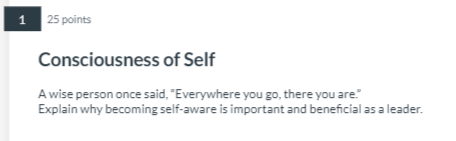
Becoming self-aware and self-assured is important and beneficial as a leader. In order to carry out a shared vision or goal, you need to have an idea of how to achieve that goal. Knowing who you is one of the pieces you need to establish this blue print. You need to assess what you're capable of doing, what you'd need help with and how other peoples' perspectives can contribute to the shared goal.

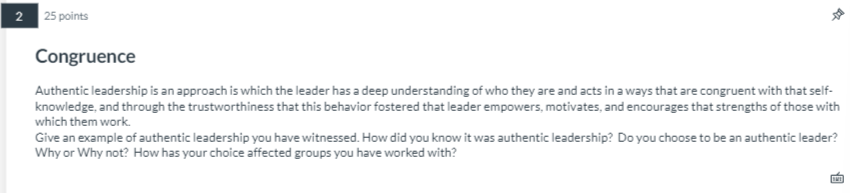
During my freshman year of high school, my section leader in orchestra demonstrated authentic leadership brilliantly. She always made sure to greet anyone she ran into, offered help and encouragement whenever it was needed and helped the program behind the scenes a lot. Her warm demeanor and dedication were uplifting and contagious. I know it was authentic leadership because she took the time to foster close connections with people in the orchestra program and she didn't get any special accolades for her efforts. I strive to be an authentic leader because I want to uplift others and help them realize what they're capable of. My choice has affected groups that I worked with. Instead of pushing for my initial ideas, I take the time to process feedback from my other group members. All of our varied input then coalesces into a greater product of teamwork

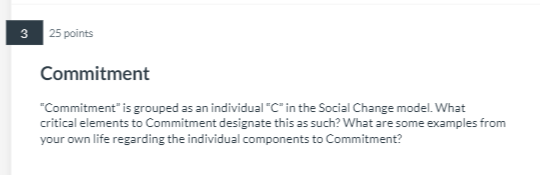
Commitment is the cardinal aspect of leadership because it ties every other aspect together and reinforces them. The three other Cs are important but without commitment, the impact they make will eventually fade away without the reinforcment from commitment. My journey as a musician is a testament to the fact that commitment eventually leads to progress. When I first started with piano, I'd constantly mess up at recitals. Eventually, I took up violin in middle school. I'd be constantly placed in the back and struggled tremendously with technique. By the time high school rolled around, I made progress and got superior ratings at musical performance assessments, became a piano accompanist and a section leader for violin. It just took persistence.

![Yes, my group members and I have been working collaboratively. Each of us have offered our own unique perspectives, suggestions and support to each other. Our group is working collaboratively because each of us are taking initiative and communicating it to the whole group. While we were scouting out non-profits, each of us looked into a variety of organizations on our own. When we finally committed to an organization, we each discussed our own personal strengths and then proceeded to assign roles in accordance to the unique skillset each person brought onto the table.

The distinguishing factors between working collaboratively and working cooperatively are initiative and personal responsibility. Working cooperatively is a vital aspect of effective teamwork. Cooperation involves being able to communicate clearly, efficiently and compromising. Listening and agreeability impels progress within group projects. However, working collaboratively takes it a step beyond coming to a common consensus and agreeing to it. Working collaboratively means that each member must bring their own input to the table and express it with the rest of the group.](https://knowt-user-attachments.s3.amazonaws.com/3ab2e481698d427386a3c6db849f677e.jpeg)