4.5b: Humanistic Theories of Personality
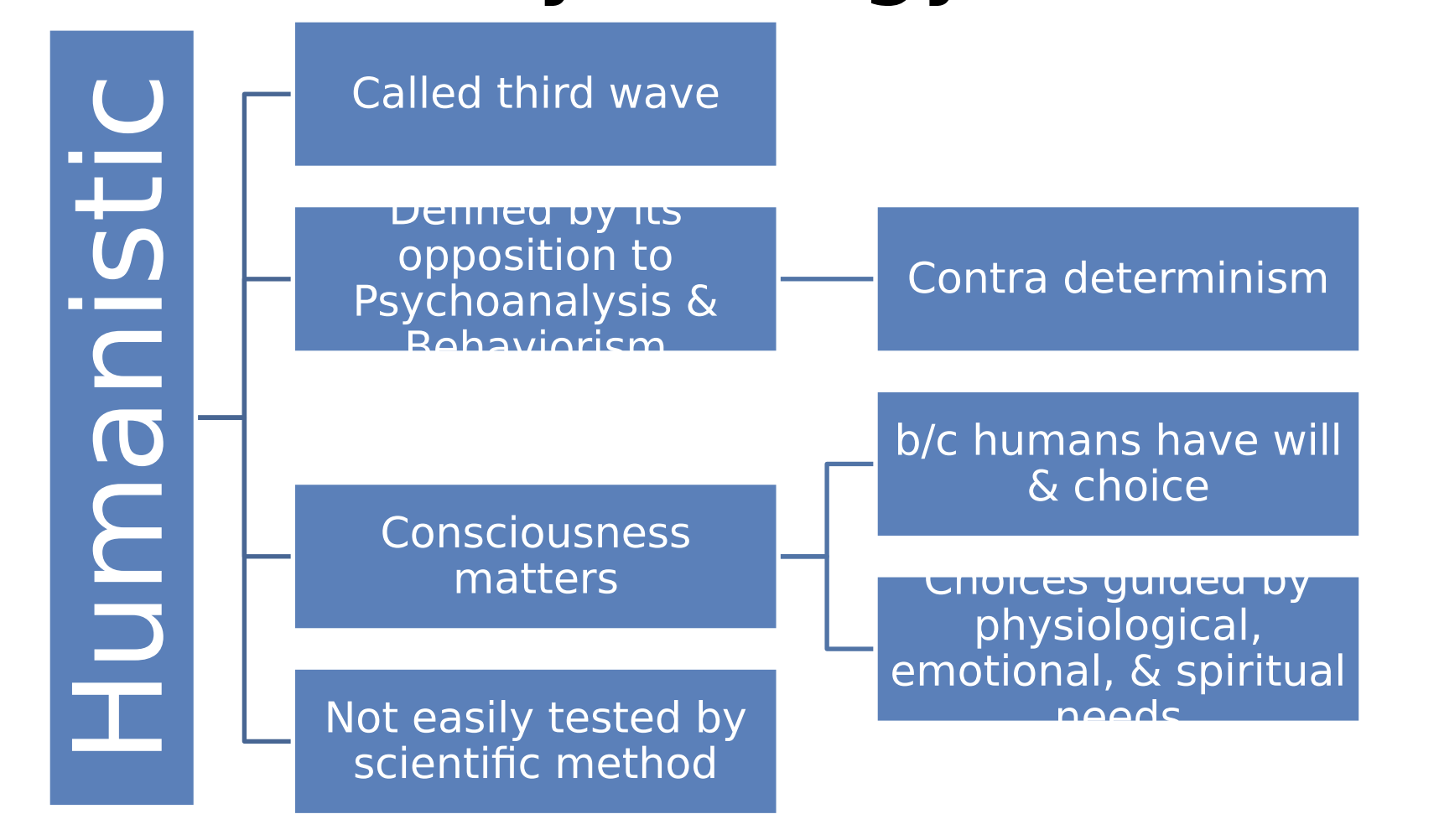
Humanistic theorists: theories that view personality w/ a focus on the potential for healthy personal growth
emphasize capacity for personal growth
development of our potential
FREEDOM to choose our own destiny
* Anxiety results from experiences that threaten a person’s self-concept
Important Terms to know in Humanistic Psychology
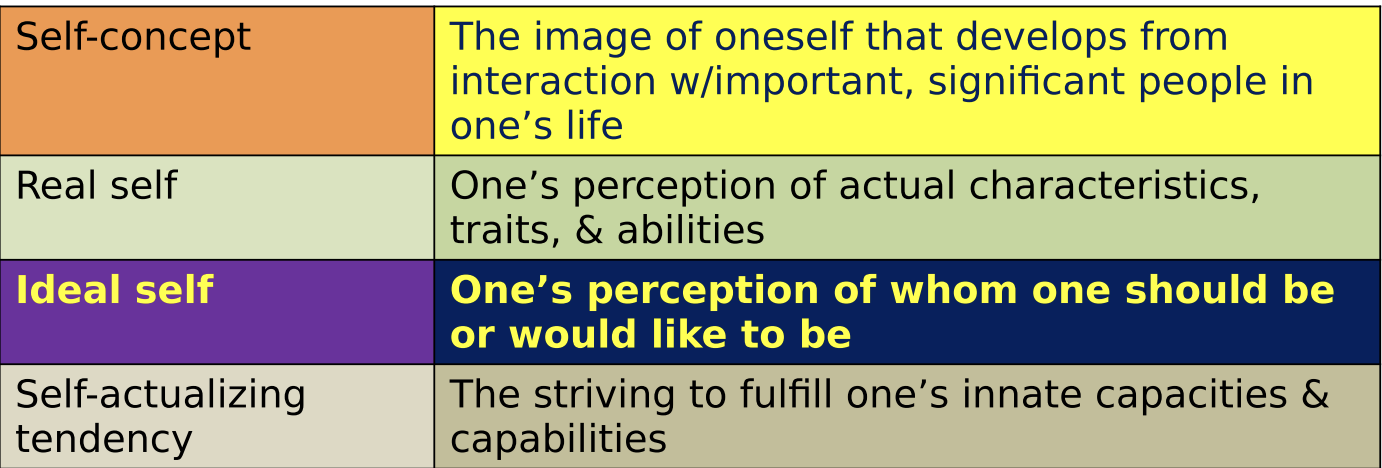
*Self-concept: all our thoughts and feelings about ourselves in answer to the question, "Who am I?”
Positive: act and perceive the world positively
Negative: we fall far short of our ideal self, we’re dissatisfied and unhappy
Life-Story approach: a perspective where individuals define their identities by constructing, internalizing, and evolving personal stories about their past, present, and anticipated future
Carl Rogers’ Self-Actualization Theory
Self-actualization: 1 of the ultimate physiological needs that arises after basic physical and psychological needs are met and self-esteem is achieved
The motivation to fulfill one’s potential
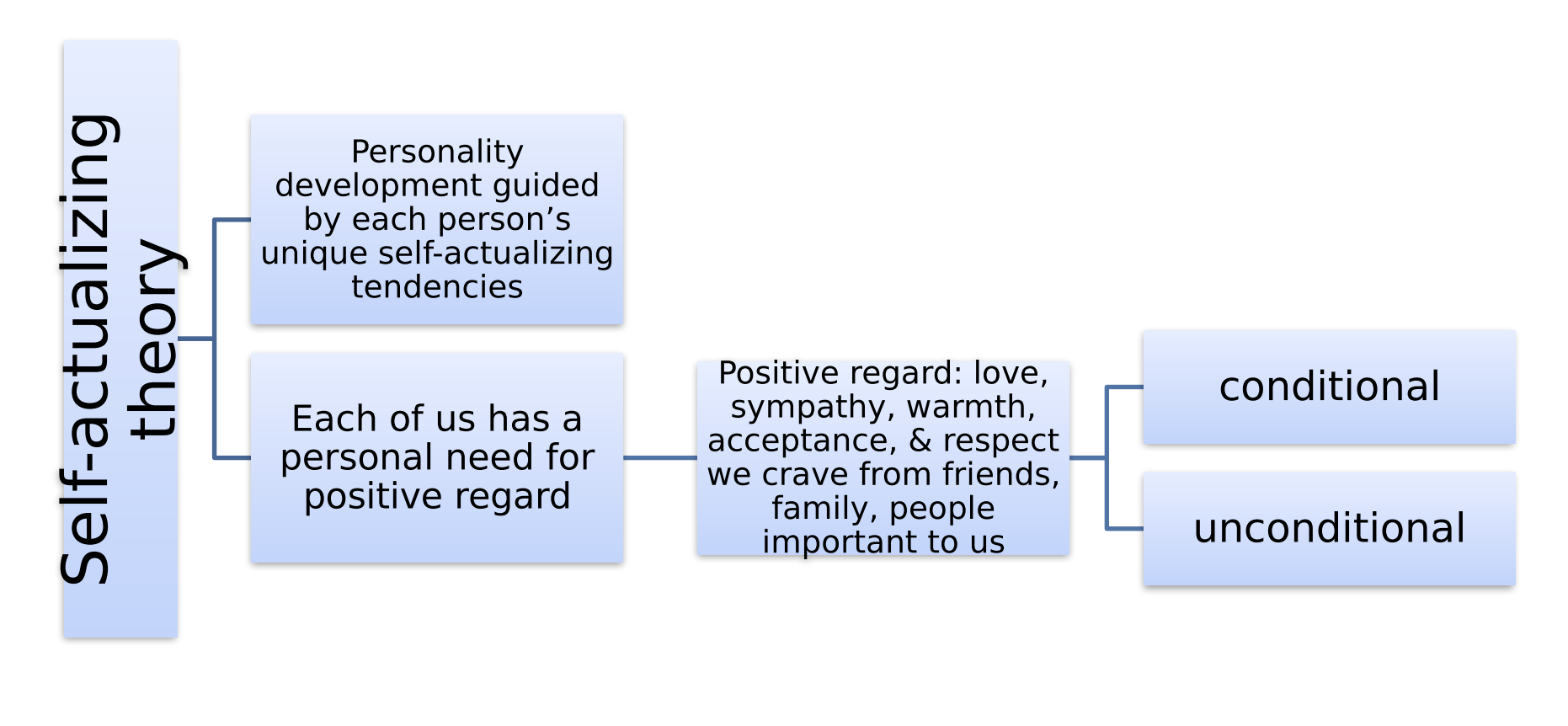
Unconditional Positive Regard (UPR): a caring, accepting, nonjudgemental attitude, which Rogers believed would help clients develop self awareness/acceptance
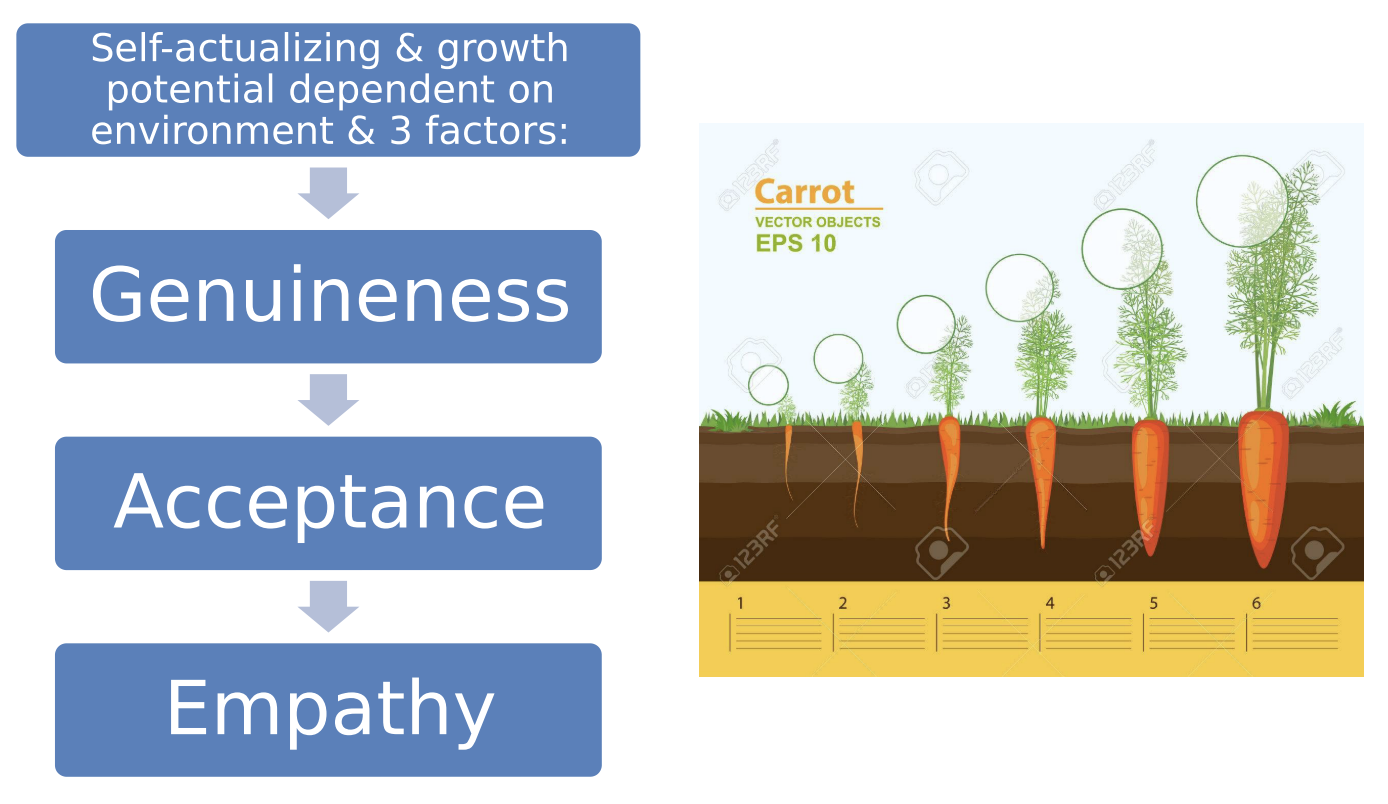
Rogers’ Person-Centered Perspective:
Maslow’s Hiearchy of Needs
Hiearchy of Needs: levels of human needs, beginning at the base w/ physiological needs — often visualized as a pyramid
needs nearer the base taking priority until they’re satisfied
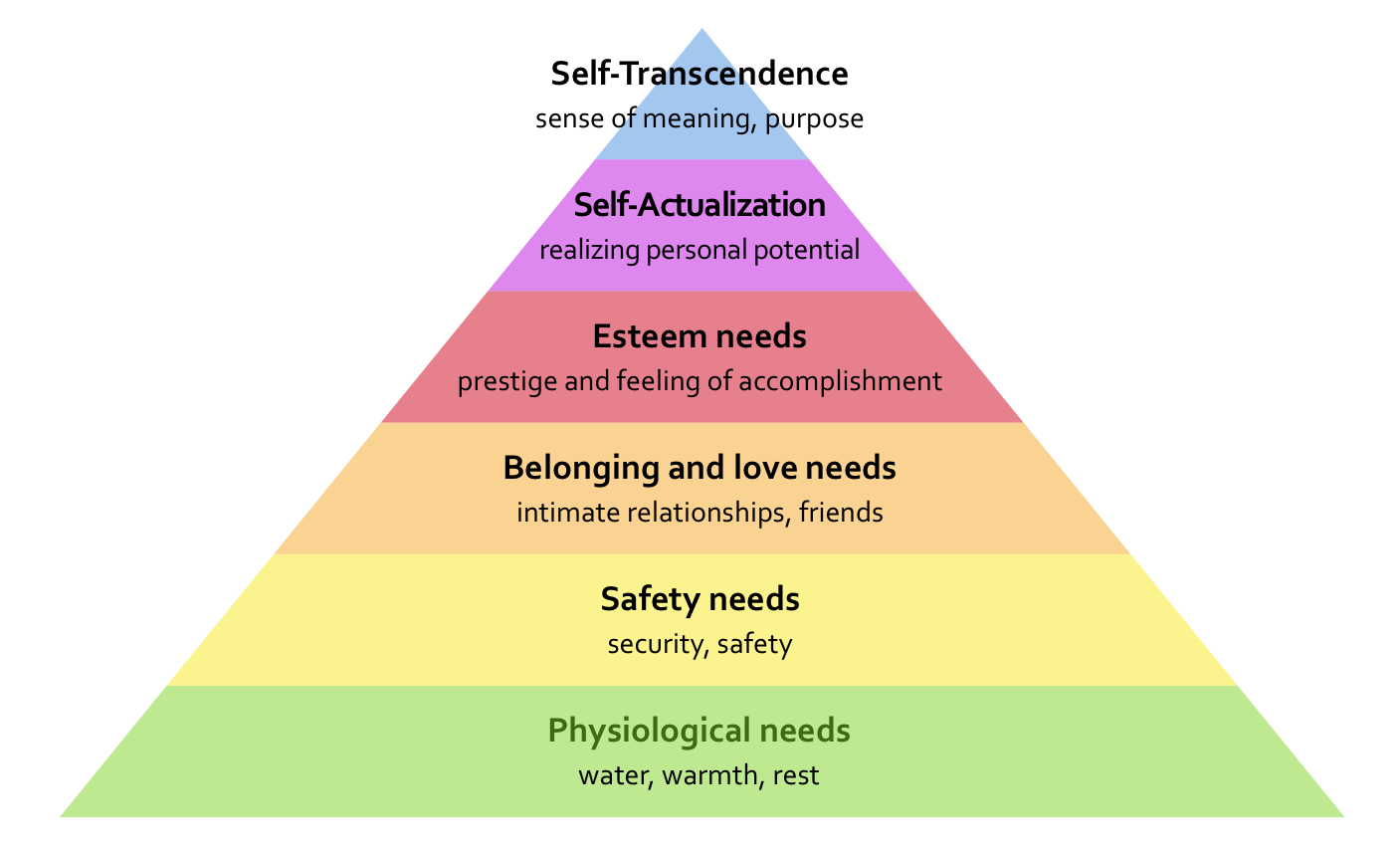
*Self-transcendence: the striving for identity, meaning, and purpose beyond the self