Photosynthesis + Cellular Respiration Quiz
1. Which of these equations describes aerobic cellular respiration?
A. glucose → lactic acid + energy
B. energy + carbon dioxide + water → glucose + oxygen + water
C. glucose → ethyl alcohol + carbon dioxide + energy
D. glucose + lactose → galactose + water
E. glucose + oxygen → carbon dioxide + water + energy
2. Which of the following is the correct sequence of events in cellular respiration?
A. Glycolysis → fermentation → Krebs cycle
B. Krebs cycle → electron transport → glycolysis
C. Glycolysis → Krebs cycle → electron transport
D. Krebs cycle → glycolysis → electron transport
3. Where does fermentation take place?
A. Matrix
B. Thylakoids
C. Intermembrane space
D. Cytoplasm
4. Which organisms use alcoholic fermentation to allow glycolysis to continue to produce ATP?
A. Reptiles
B. Yeasts
C. Humans
D. Birds
E. Amoeba
5. Which of the following describes a metabolic consequence of a shortage of oxygen in muscle cells?
A. An increase in blood pH due to the accumulation of lactic acid
B. No ATP production
C. A buildup of lactic acid in the muscle tissue due to fermentation
D. A decrease in the oxidation of fatty acids due to a shortage of ATP
6. A product of glycolysis is ______.
A. Acetyl CoA
B. Rubisco
C. Oxygen
D. Pyruvic acid
7. The main goal of respiration is to form a usable energy source for the cell. A majority of the ATP formed during aerobic respiration results directly from the net movement of...
A. Sodium ions moving into the cell
B. Protons moving down its concentration gradient
C. Potassium ions being pumped from a high to low concentration
D. Electrons moving across a protein channel
8. Which of the following is NOT a stage of cellular respiration?
A. Fermentation
B. Electron transport chain
C. Glycolysis
D. Krebs Cycle
9. A family notices that a male puppy they recently rescued does not seem to have much energy. They take the puppy to a veterinarian who refers them to an animal hospital for additional tests. The tests reveal the puppy's cells produce more lactate than normal. Of the following, which is the best explanation for this condition?
A. There is a problem with his mitochondria and he cannot perform aerobic respiration.
B. There is a problem with his mitochondria and he cannot perform anaerobic respiration.
C. There is a problem with his cell membrane and he cannot transport carbohydrates into his cells.
D. There is a problem with his cell membrane and he transports too many carbohydrates into his cells.
10. We humans take several breaths every minute to put oxygen into our bloodstream and into our cells. What is the oxygen used for?
A. Driving the Krebs Cycle
B. Running the Calvin Cycle
C. Breaking down sugar in glycolysis
D. The light-dependent reactions of photosynthesis
E. Accepting the final electron during aerobic respiration
11. When Buster works out too hard in the gym, his muscles go into oxygen debt and produce lactic acid by fermentation. From the muscle cell's point of view, what does this accomplish?
A. This allows the mitochondria to use lactic acid instead of pyruvate.
B. Fermentation recycles NADH into NAD+ so glycolysis can continue.
C. Lactic acid ferments into alcohol, which itself can be used as an energy source.
D. The buildup of lactic acid from fermentation causes pain so Buster will stop.
E. Fermentation supplies NADH to the Krebs cycle so that ATP production can resume.
12. Which of the following statements about cell energetics is true?
A. All eukaryotic organisms do cellular respiration all the time.
B. Plants carry out photosynthesis in order for animals to respire.
C. Plants and fungi carry out photosynthesis instead of respiration.
D. Animals only respire in the day, while plants only respire at night.
E. For plants, the light-independent reactions of photosynthesis are their form of respiration.
13. The Krebs cycle produces electron carrier molecules. Where do these carrier molecules deliver the electrons produced in the Krebs cycle?
A. Alcohol fermentation
B. Glycolysis
C. Lactic acid fermentation
D. The electron transport chain
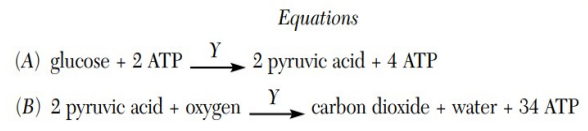
14. Use the reaction above to answer the following question. Which statement is true concerning reaction A and reaction B?
A. Reaction A occurs in the cytoplasm; Reaction B occurs in the mitochondria
B. Reaction A occurs in a chloroplast; Reaction B occurs in the mitochondria
C. Reaction A occurs in the cytoplasm; Reaction B occurs in the stroma
D. Reaction A occurs in the mitochondria; Reaction B occurs in the mitochondria
15. What energy-storing molecule(s) are produced by the Krebs Cycle that go to the Electron Transport Chain?
A. ATP and NADH
B. NADH and FADH2
C. FADH2 and ATP
D. ATP
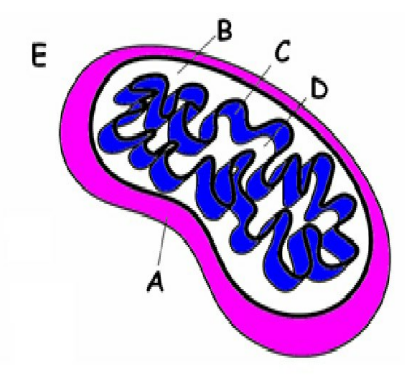
16. Which letter represents the cristae?
A. A
B. B
C. C
D. D
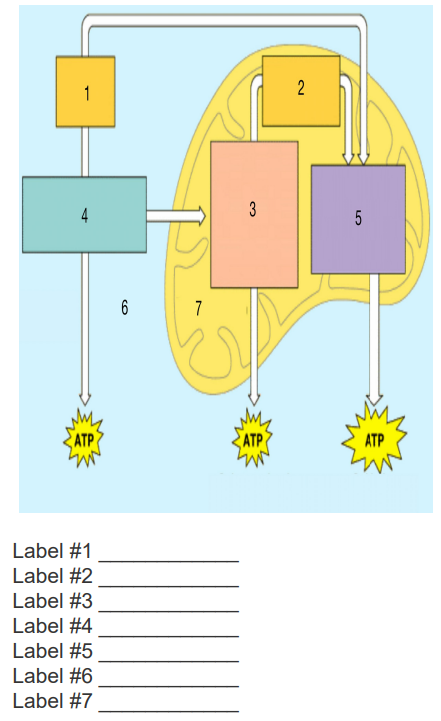
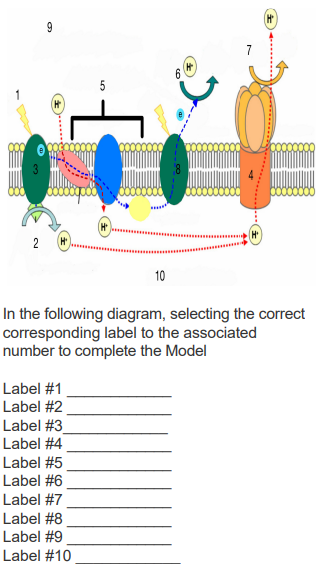
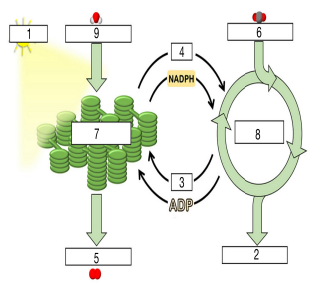
17. For the following model, select the correct key term in the location of the model that correlates with the numbered labels
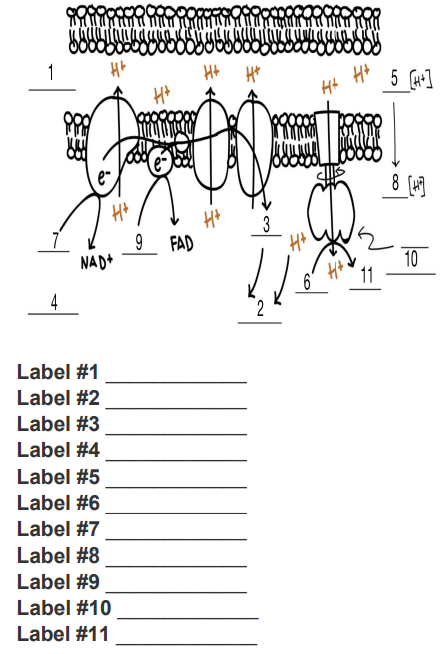
18. For the following model, select the correct key term in the location of the model that correlates with the numbered labels
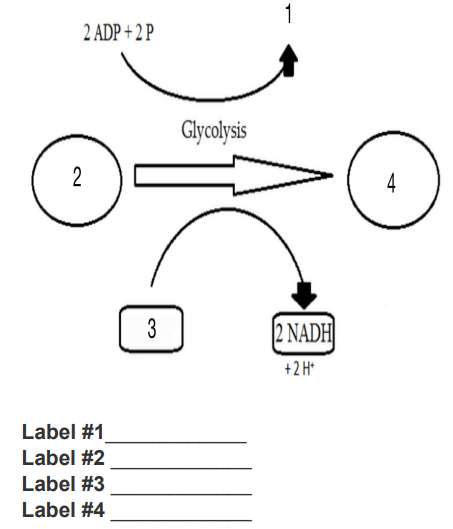
19. For the following model, select the correct key term in the location of the model that correlates with the numbered labels
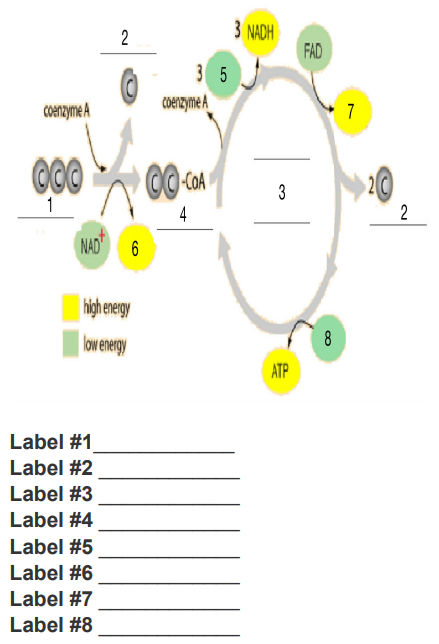
20. For the following model, select the correct key term in the location of the model that correlates with the numbered labels
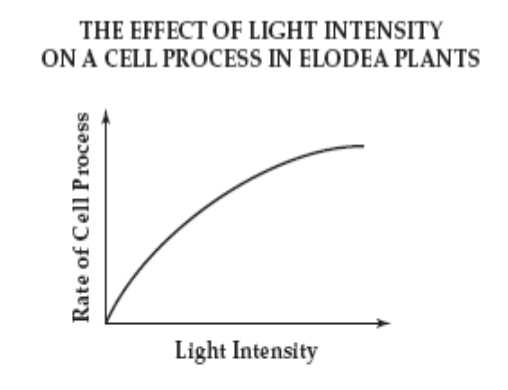
21. A group of students studied the effect of light intensity on the rate of a cell process in Elodea plants. The students exposed Elodea plants to different light intensities. A gas was produced by the cell process. The amount of this gas was measured. The rate of the cell process was determined by the amount of gas produced. A graph of the students’ measurements is shown below.
Which of these parts of the Elodea plant cell produces the gas measured in the experiment?
A. Mitochondria
B. Chloroplast
C. Ribosome
D. Nucleus
E. Stroma
22.
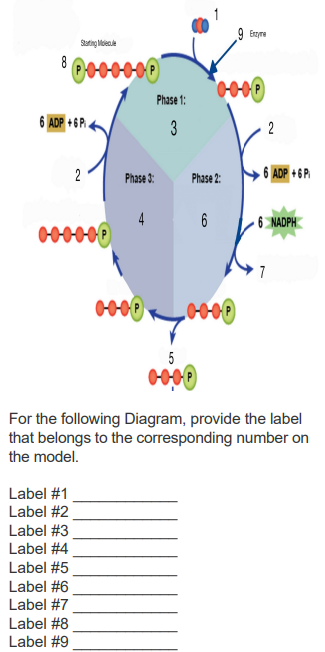
23.
24.
E
C
D
B
C
D
B
A
A
E
B
A
D
A
B
C