Comptia Networking Notes.docx
Comptia Networking Notes
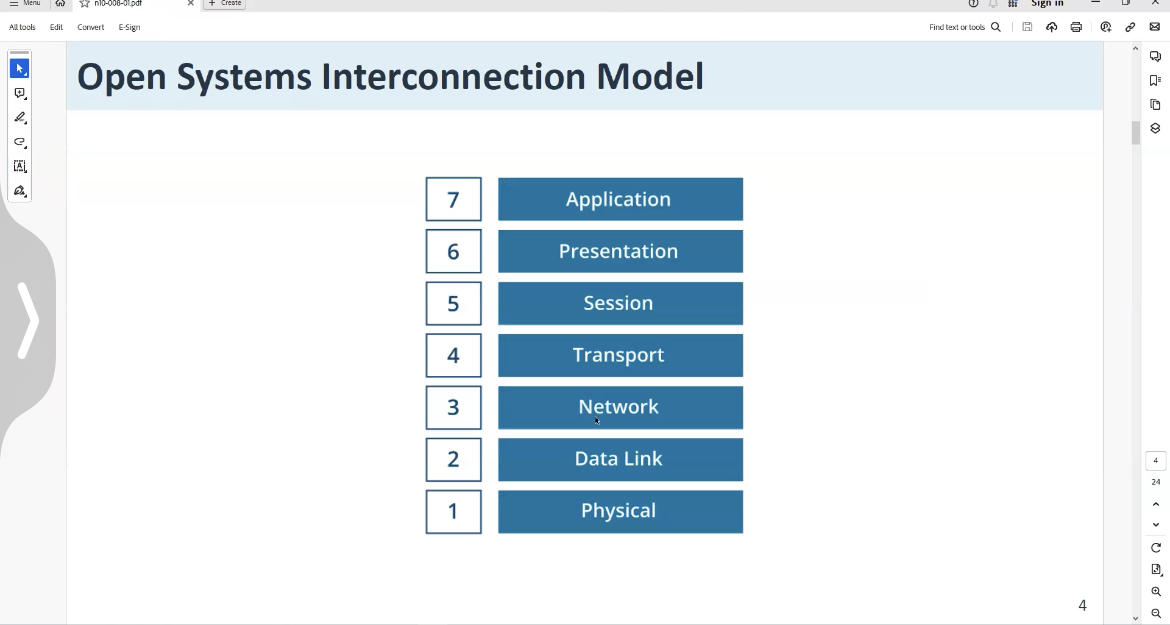 Comparing OSI Model Network Functions
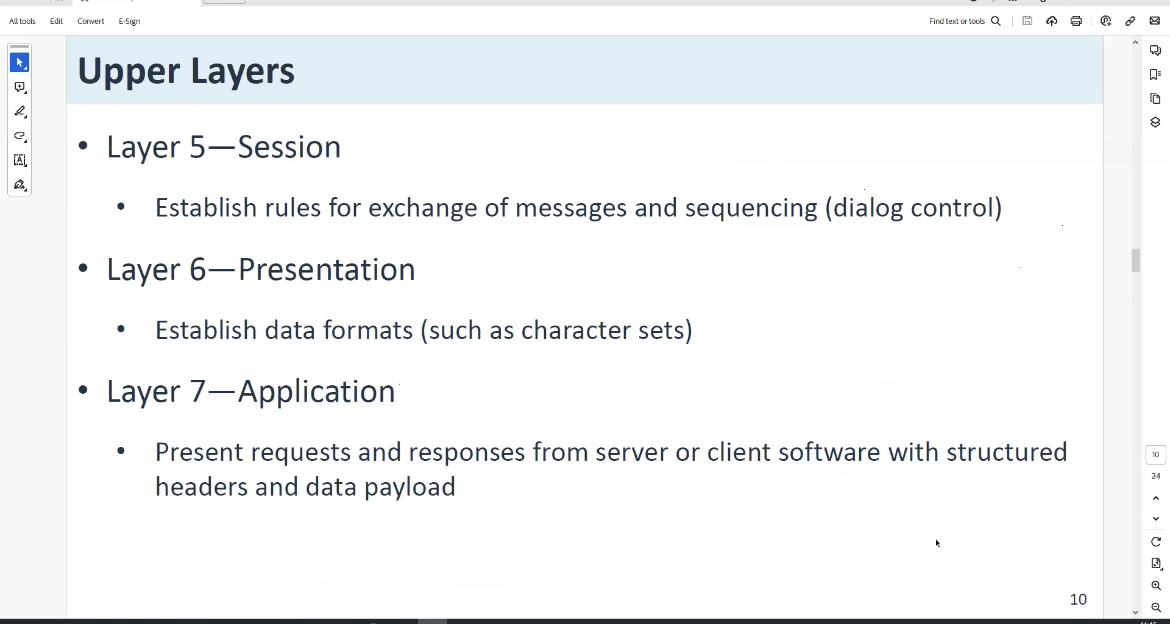
These are the different levels of the osi model
Data encapsulation and decapsulation
Allows for data to be minimised and sent to the consumer easily.
More wrapping around the data is required in order for the data to are it to the consumer.
First layer
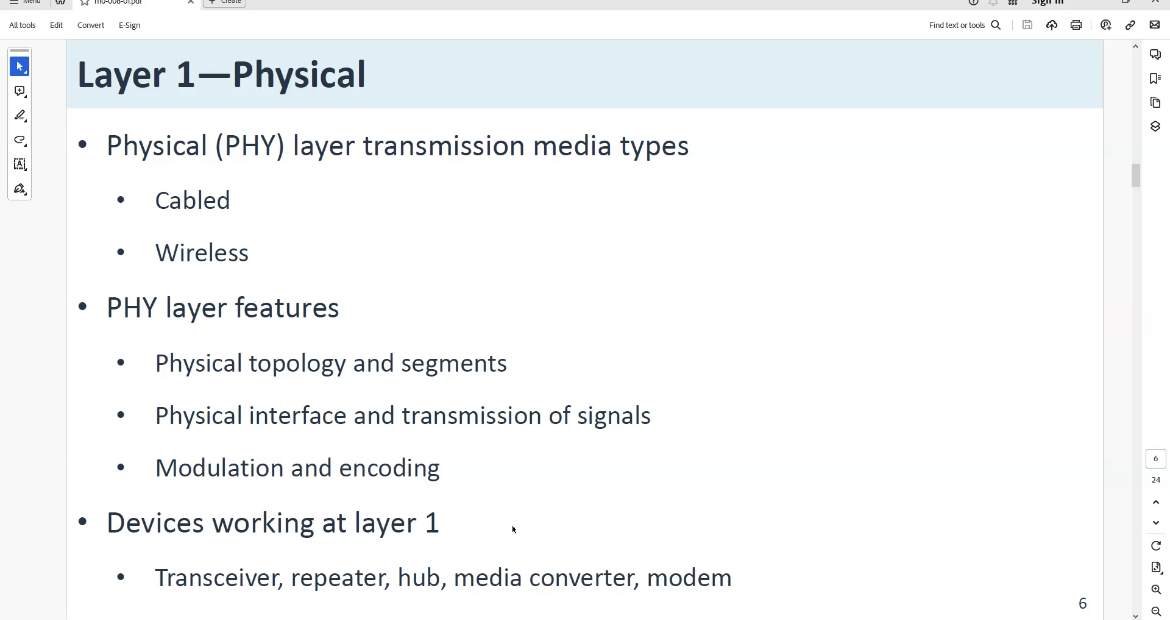
The physical layer has 3 different transmission media types being
- Cable
- Wireless
- Optical
These different layers allow for the consumer or client to get their data without there being any disruptions or delays
The type of transmission media reflects on how long it would take for the media to be received by the consumer.
Modulation – Sending something to someone
Demodulation – Receiving something from someone
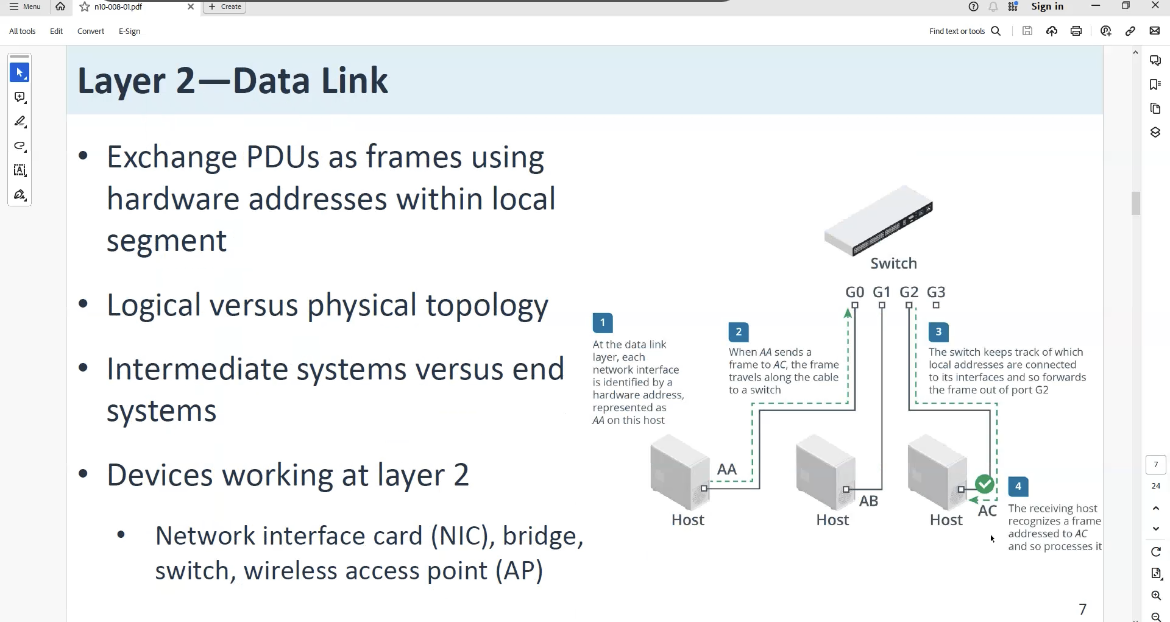
Switch – keeps track of which local addresses are connected to its interfaces.
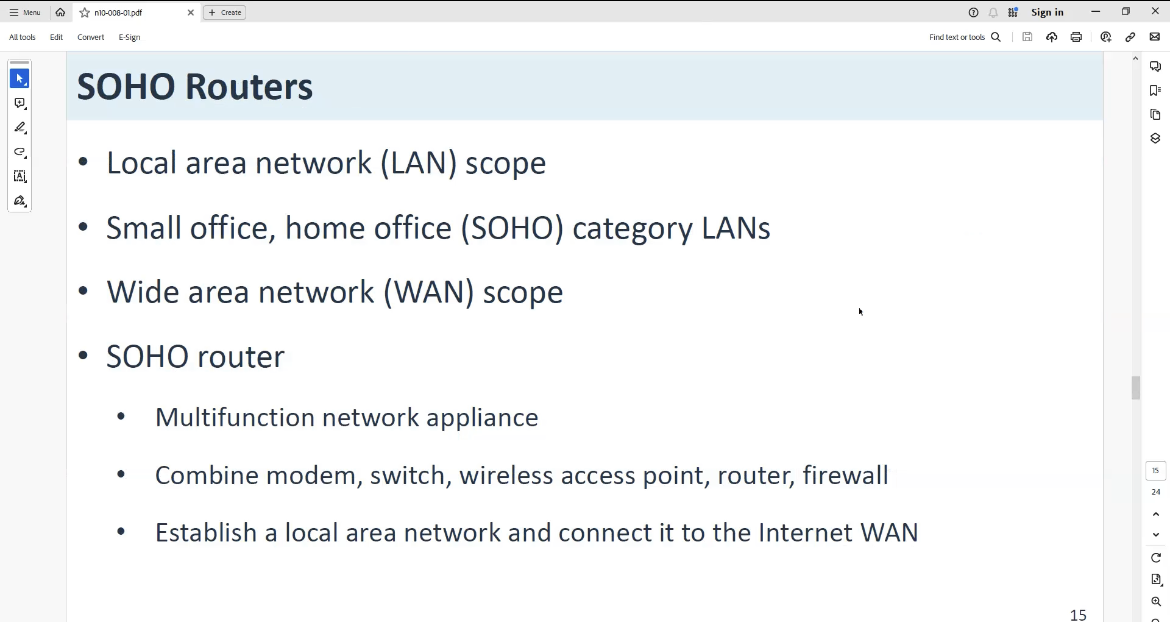
Allows for multiple devices to be connected together.
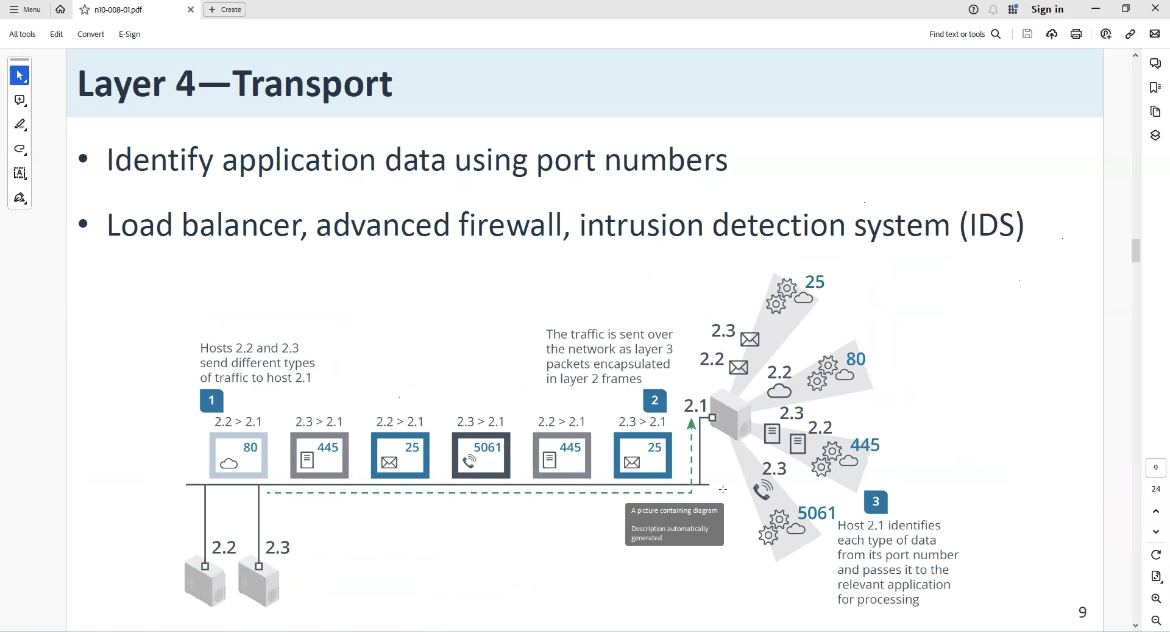
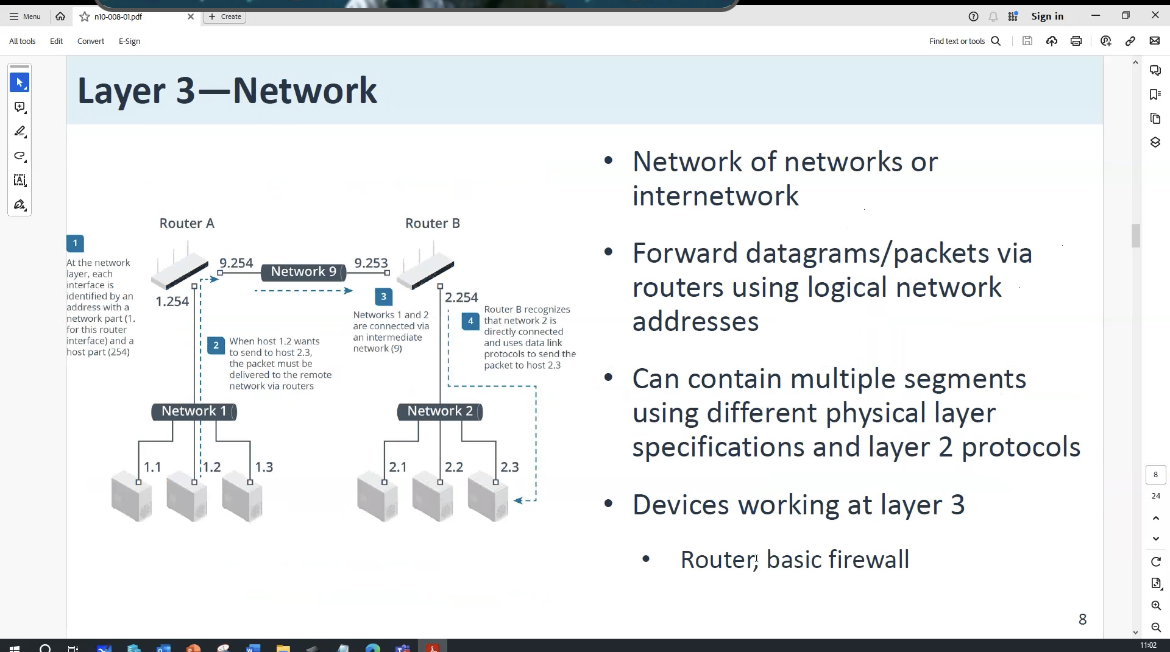 Makes sure that the files arrive in the order that it was sent in.
Makes sure that any files that were lost are re-sent
Is the most crucial part of the OSI model. You cannot go without it like you can with IP
Firewalls – Can block ports, manage access to ports.
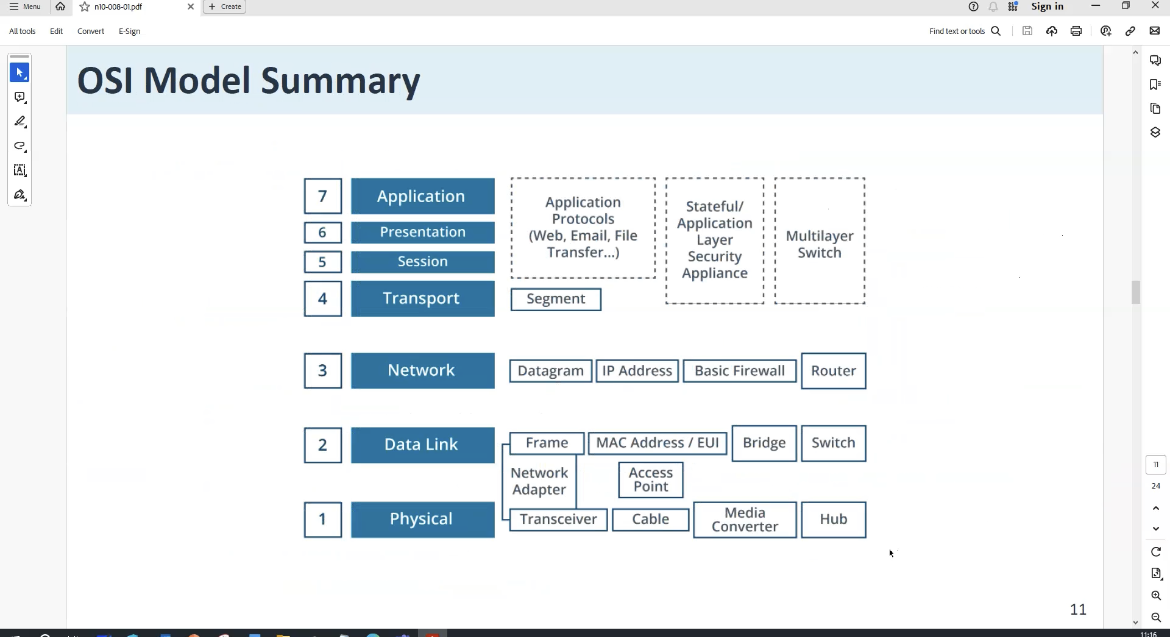
 Data gram services are a messaging platform for data transmission A datagram is a self-contained, independent unit of data that is transmitted over a network.
Wi-Fi is when you connect wirelessly over a network (LAN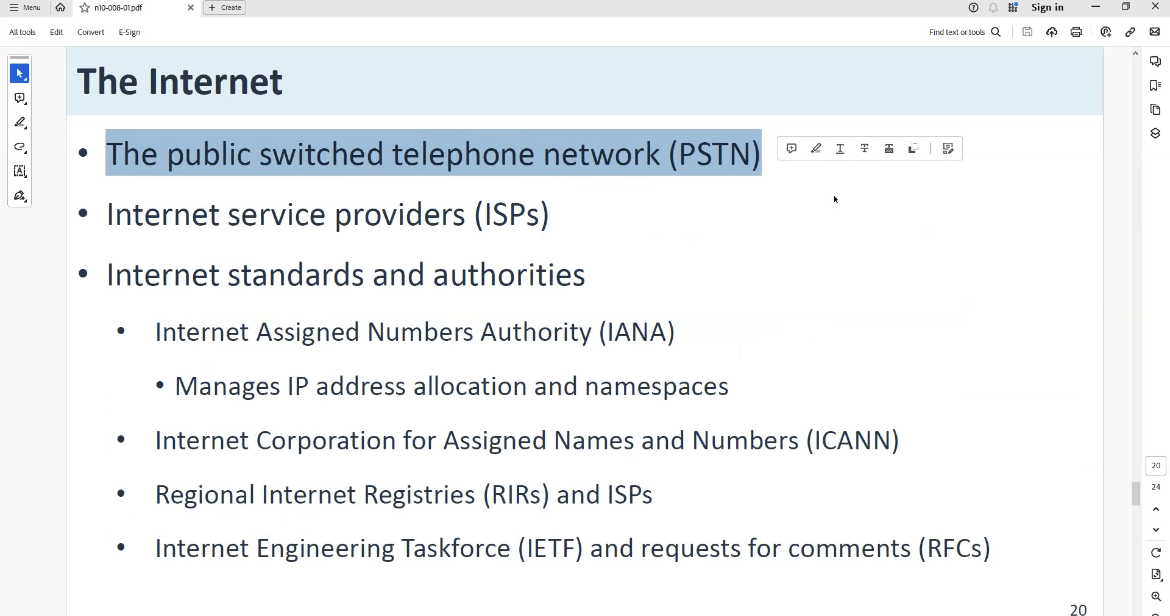 )
)
ISPS are not always required to complete the OSI model
An Internet Service Provider (ISP) is a company that provides individuals and businesses with access to the internet and related services. The key roles of an ISP are:
- Providing internet access: ISPs are responsible for connecting users to the internet through various technologies such as dial-up, DSL, cable, fibre optic, or wireless connections.
- Maintaining network infrastructure: ISPs own and operate the network infrastructure, including cables, routers, and servers, that enables internet connectivity.
- Routing internet traffic: ISPs route internet traffic between users and the wider internet, ensuring data is transmitted efficiently and securely.
- Offering additional services: Many ISPs also provide additional services like web hosting, email, domain registration, and cybersecurity protection.
 Ensuring reliable and secure access: ISPs work to maintain stable, high-speed internet connections and protect their networks from cyber threats.
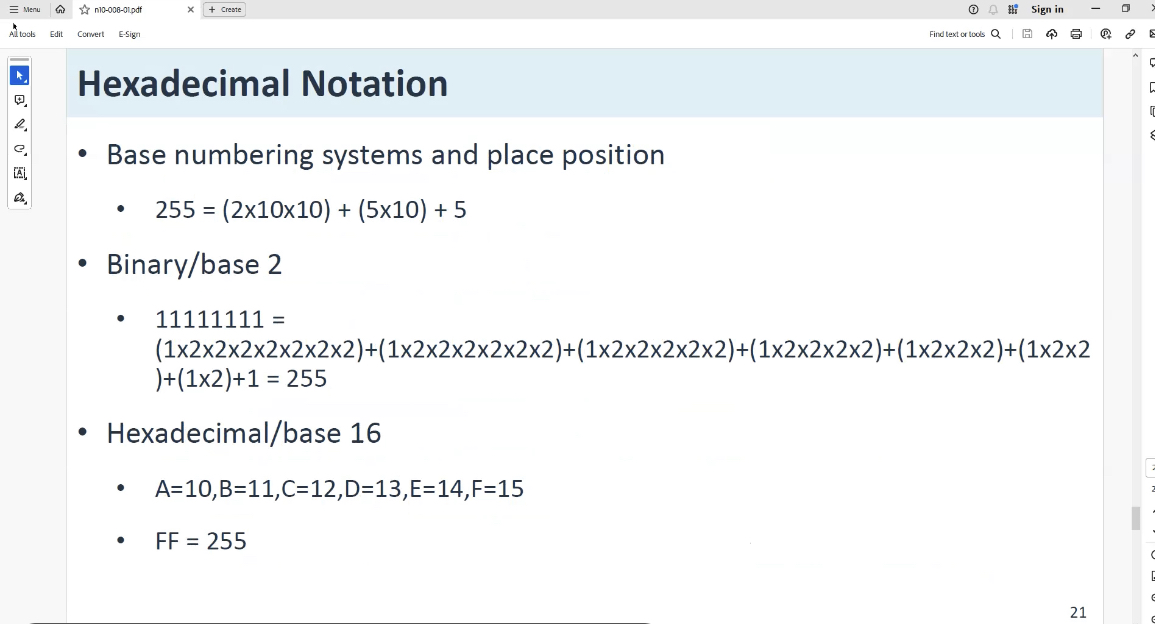
 Hexadecimal is a base-16 numeral system that uses 16 distinct symbols to represent numbers. It is extensively used in computing and programming to concisely express binary data.
Types of servers:
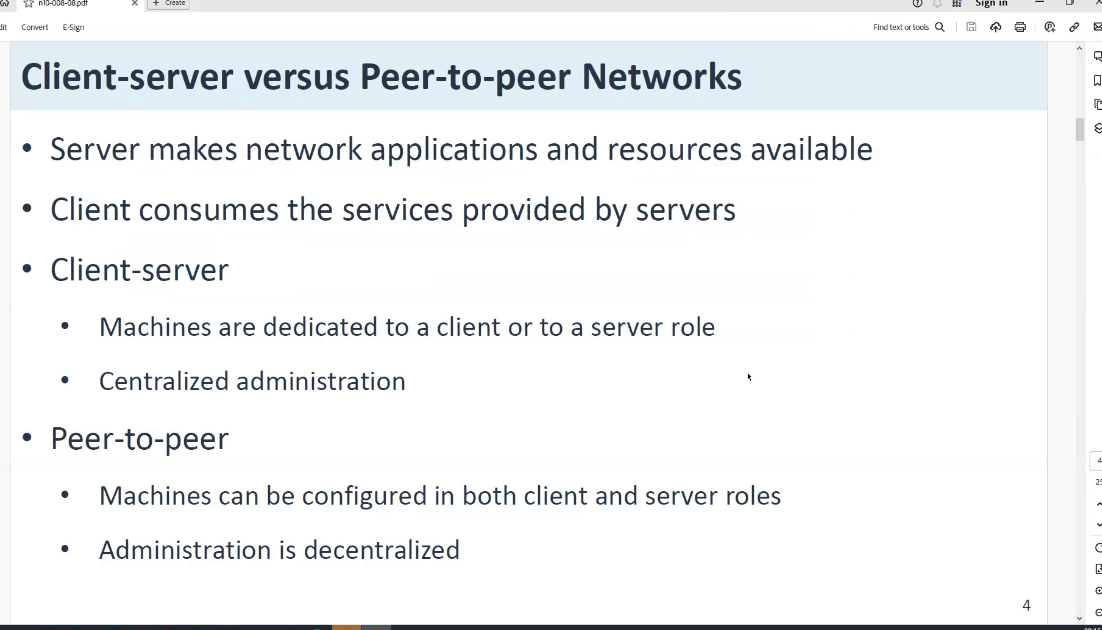
- Client
- Peer to peer
Client server is people specific. This means that there are admins checking what is going on. And it’s hierarchal between the admin to the client
Peer to peer has no admin. It’s just configured by the client.
LAN – Any network under your control using IP to communicate
WAN – Not under your control
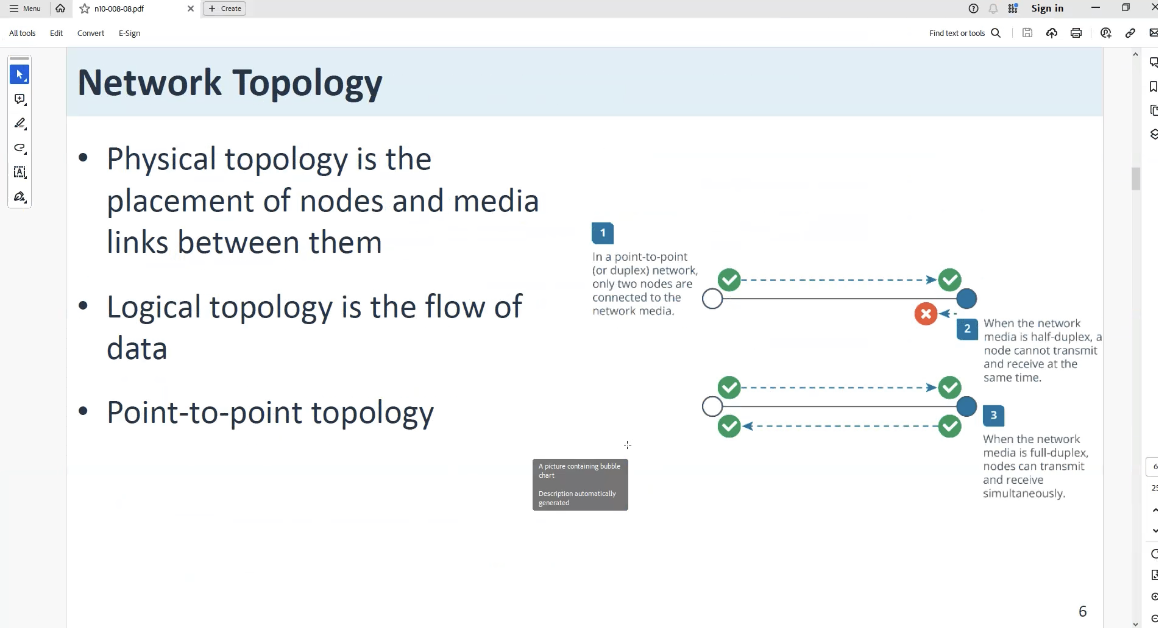
Physical – Visible network we can see the wires connected together.
Logical – The flow of data
Point to point –
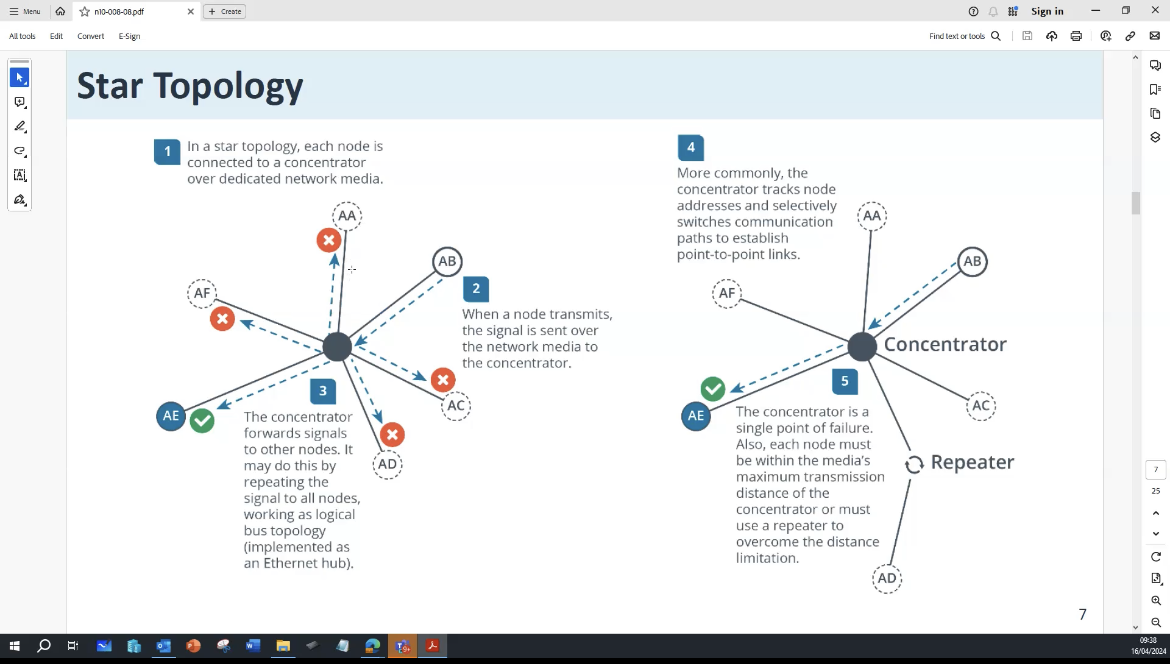
Star topologies:
- Collision proof
Repeaters – Extend the access point
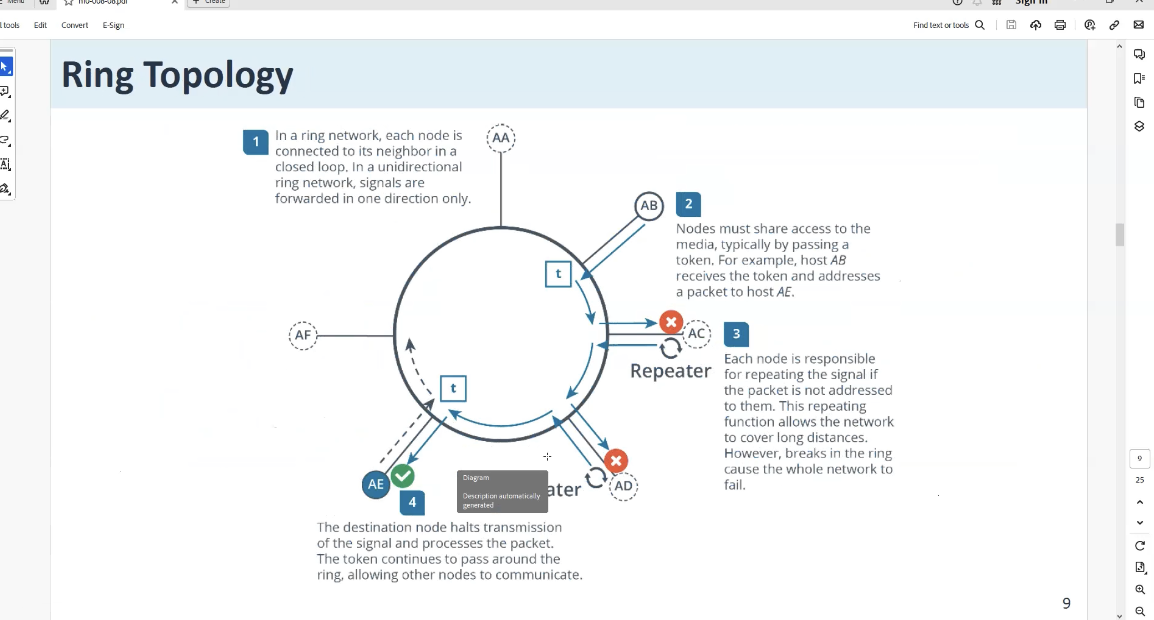
If a ring topology breaks, then everything falls down
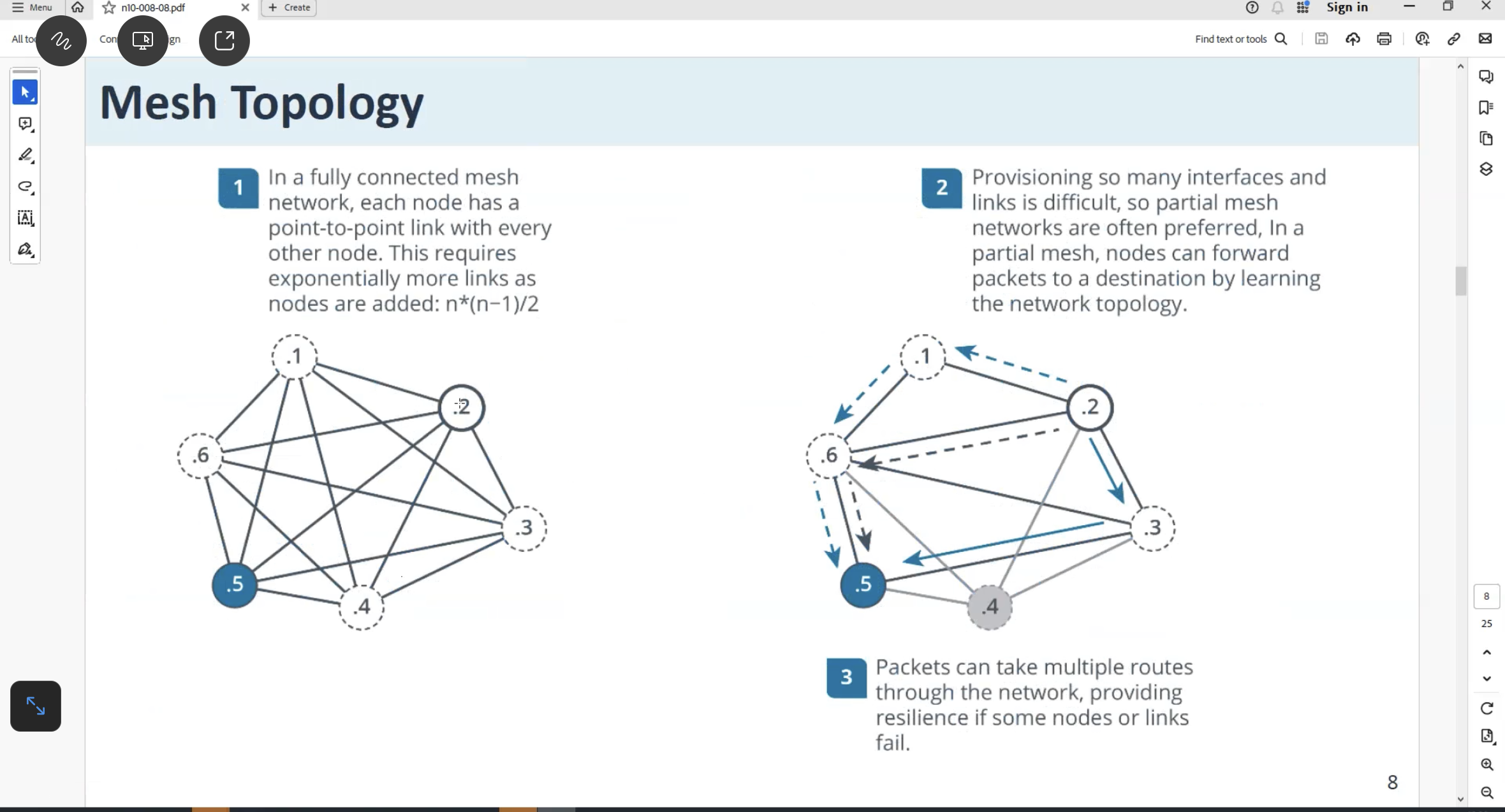
A ring topology is not as secure as a mesh topology
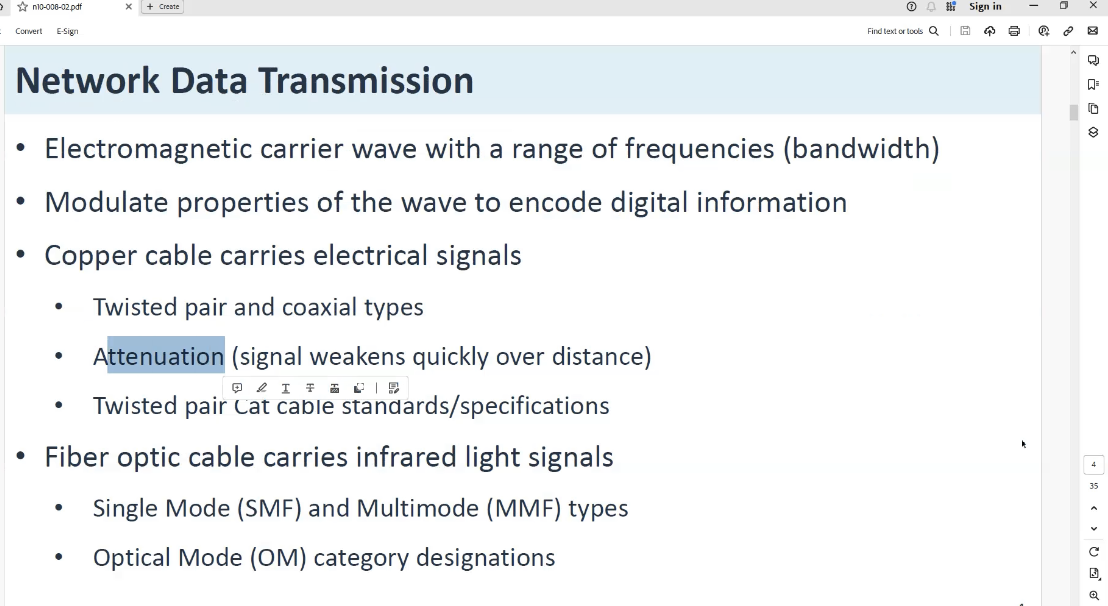
Attenuation can be combatted by boosting the connection through methods such as Wi-Fi extenders.
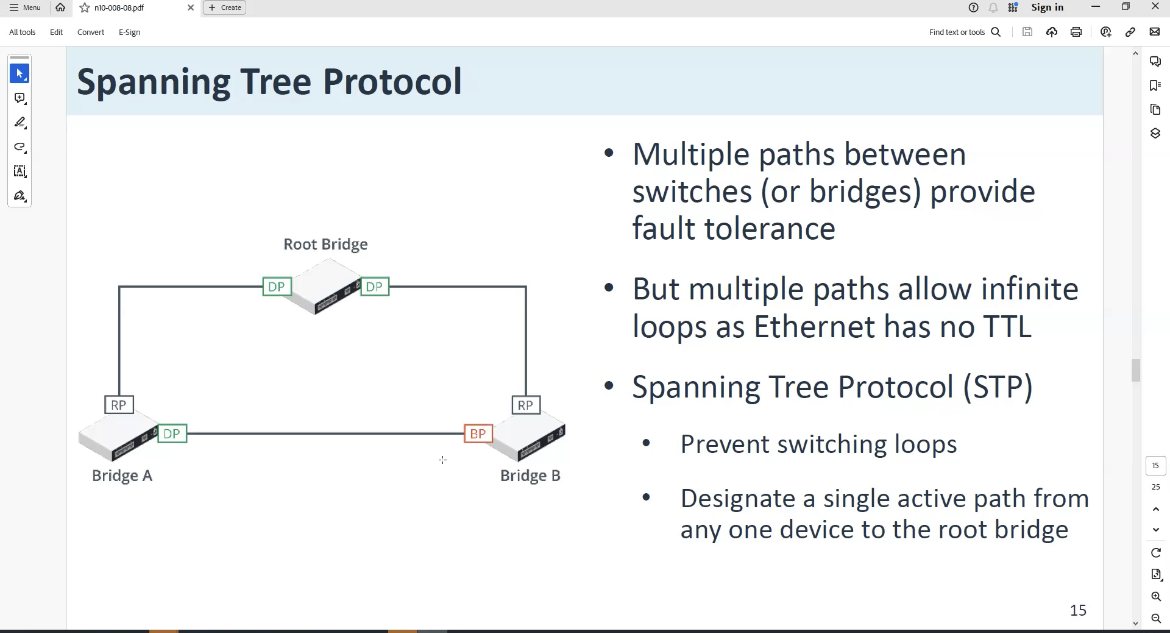
It prevents a fault from occurring between 2 bridges/switches
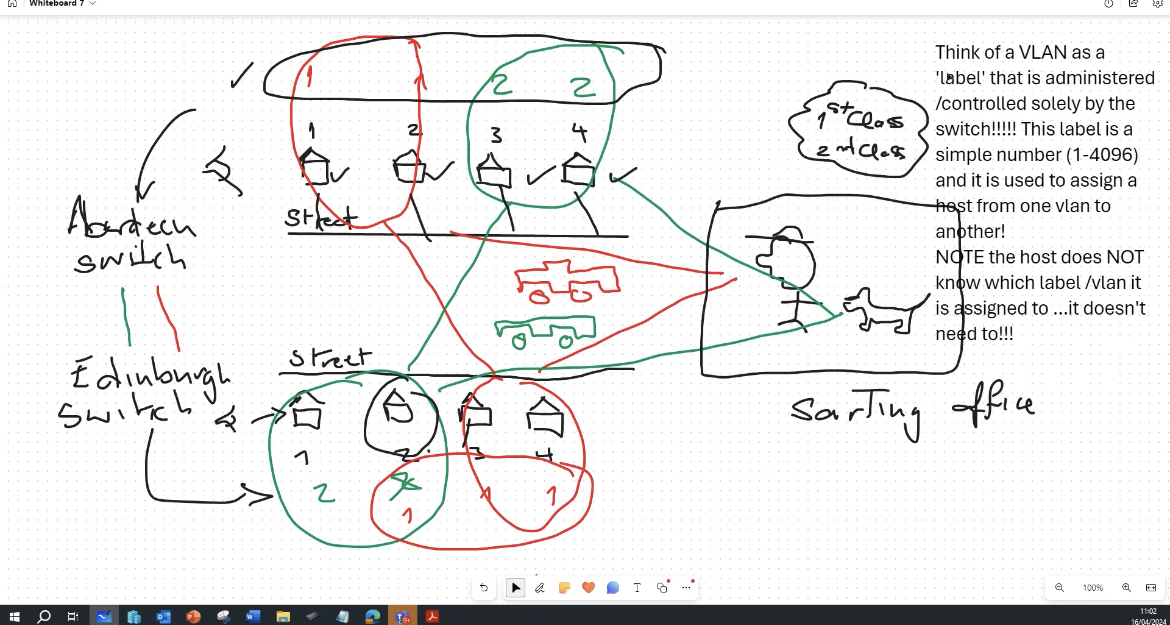
Vlans allow for networks to be transferred seamlessly from one network to another.
Switches are interconnected via truck links
You’re better off using any clan besides 1
Untagged vlans are much less secure than tagged ones
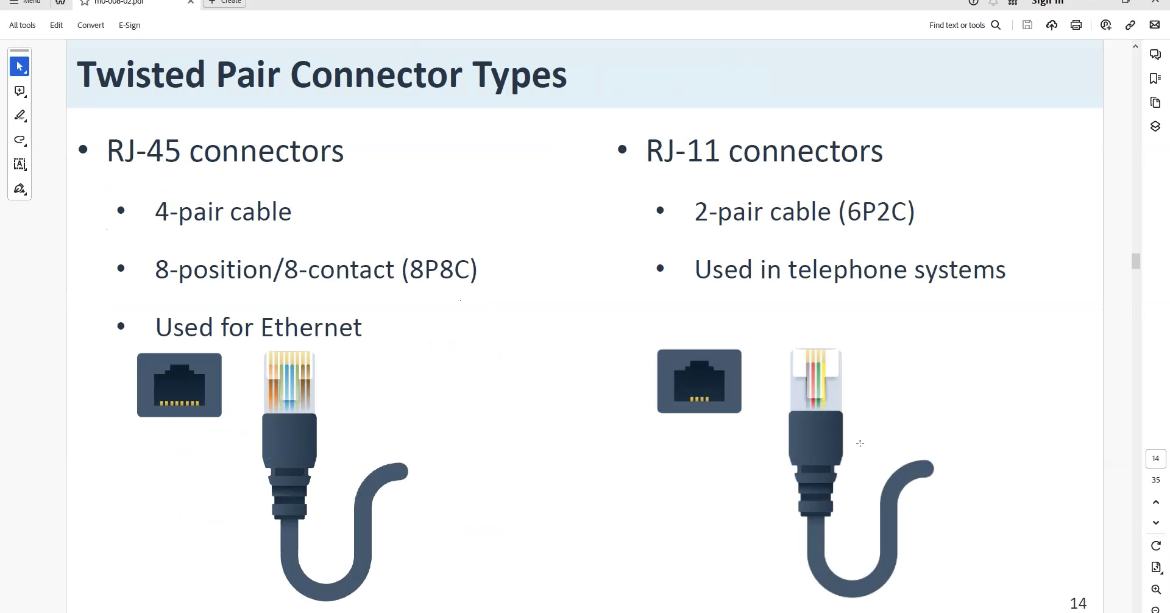
The two different types of connectors allow for a more secure connection depending on the type of network its connecting to
The main pros and cons of twisted connectors are:
Pros of Twisted Connectors:
1. Simple and fast field installation using hand tools with little experience needed.
2. Superior pull strength compared to crimp or solder connections
3. Provide a superior weather seal compared to other connection methods.
4. Piece connector design with no components to lose or improperly install.
Cons of Twisted Connectors:
1. Require specialised tooling for cable preparation and connector attachment, unlike simpler methods like crimping.
2. Limited selection of connector to cable options compared to crimp or solder connections.
3. Generally have higher connector costs compared to crimp or solder.
4. May exhibit higher resistance and poorer passive intermodulation (PIM) performance compared to specialised solder connections.
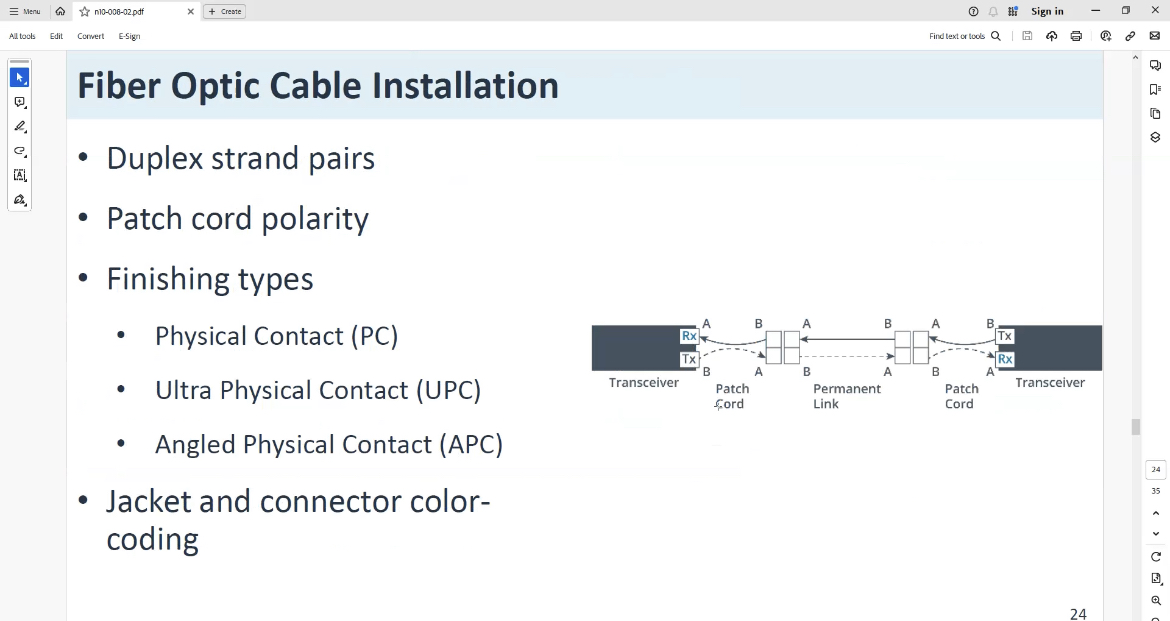
a patch panel is a device or unit that features a number of jacks, usually of the same or similar type, for the purpose of connecting and routing circuits in a convenient and flexible manner.
- Patch panels make it easier to connect and reconfigure different devices by grouping all the input/output jacks in one central location, rather than having to access the back of individual devices.
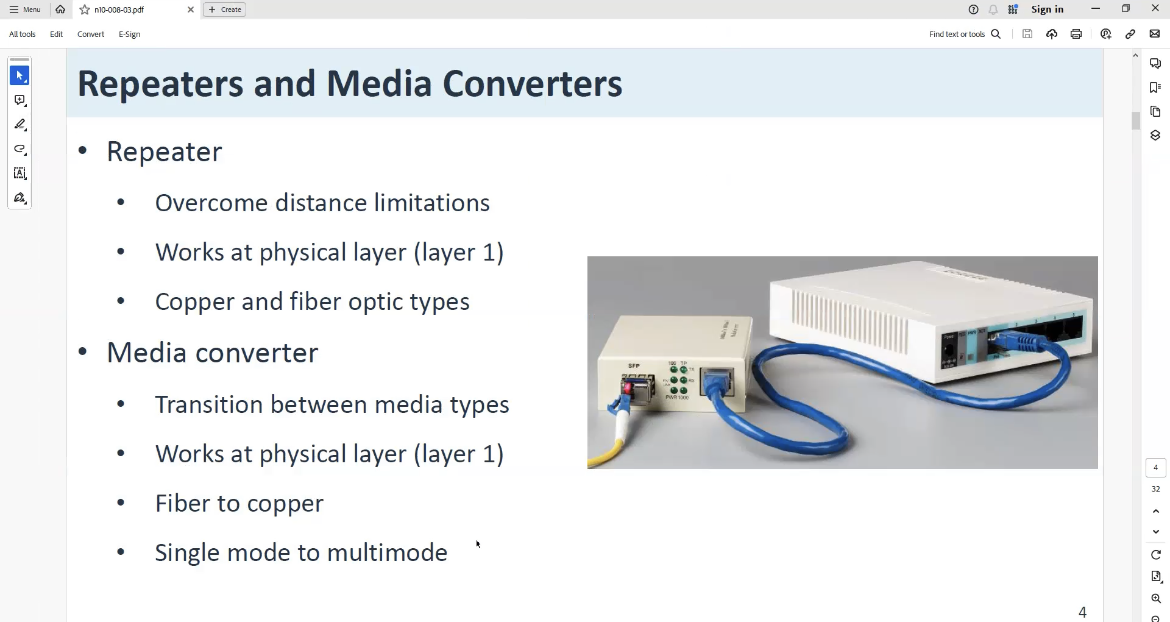
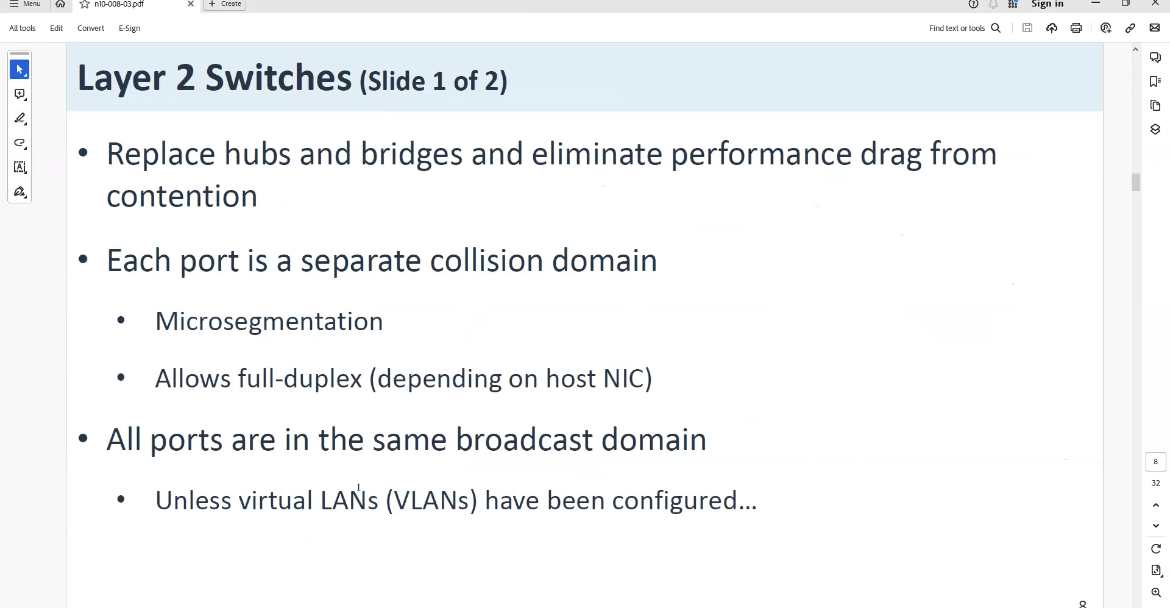
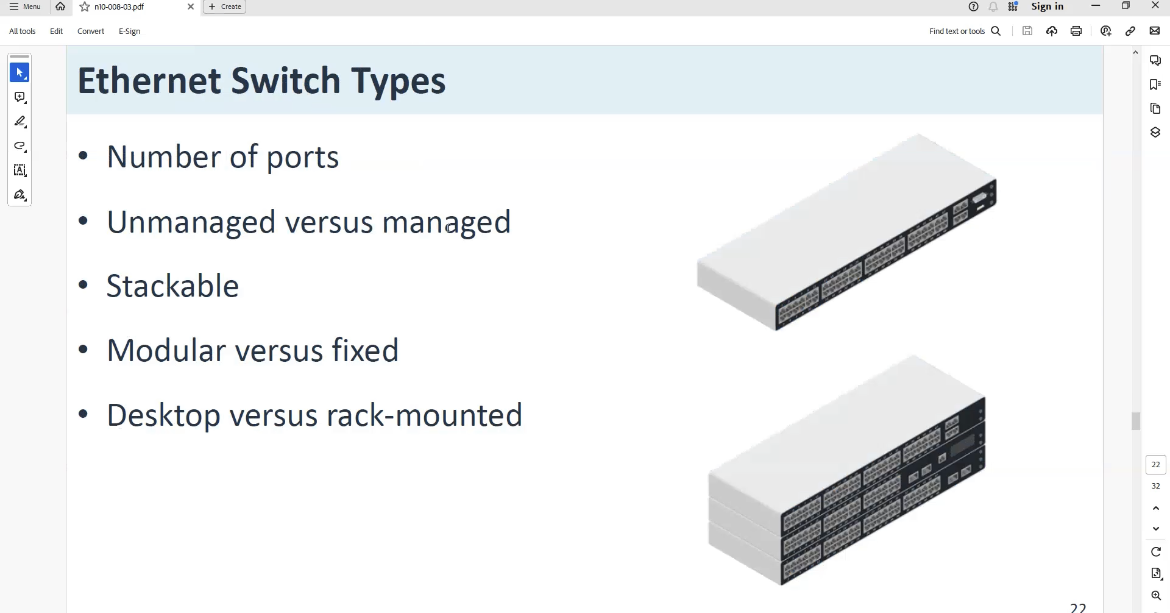
If a switch does not have an ip address, you cannot communicate with it.
There are multiple different switch types and they all run on different Linux derivatives.
These switches can have different configuration modes such as
- user config (which is manual)
- Privileged exec
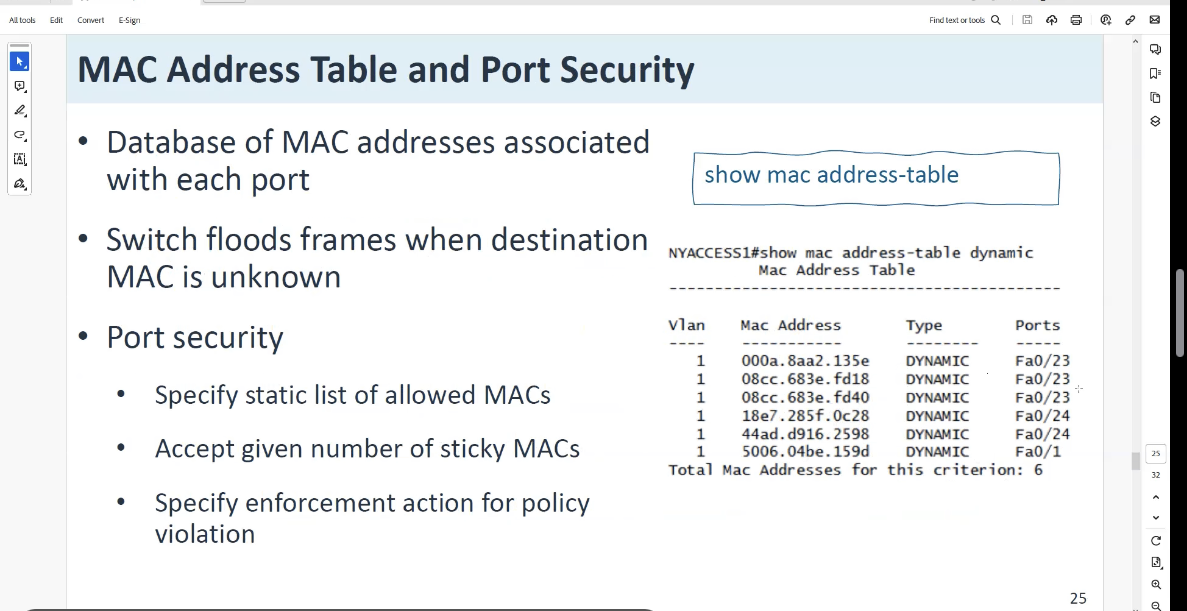 Configuration modes
MAC addresses can be protected in multiple different ways
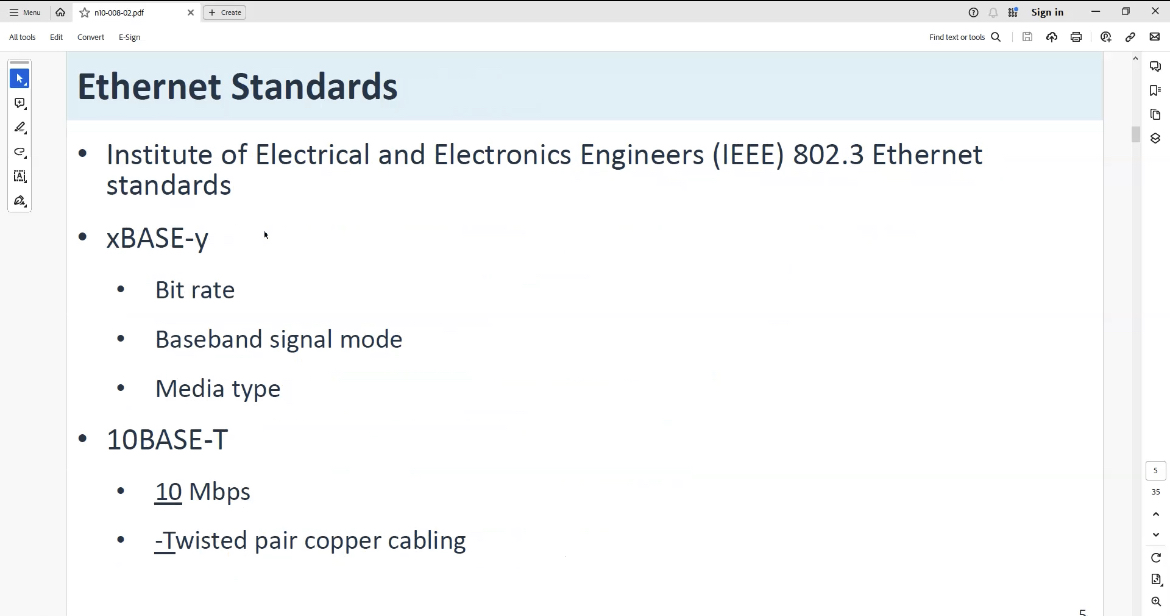
You can make the MAC address sticky, which is checking exactly which ports are connecting and when