How a car works?
PISTON/ENGINE
Pistons are the pwoerhouse of the engine
When a piston travels to the end of its range (up or down) thats a stroke.
Car engines use a 4 stroke cycle
1st stroke is INTAKE where the piston descends sucking an air-fuel mixture into the cylinder through the intake port with both intake valves open
2nd stroke is COMPRESSION, with all valves closed the piston comesback up compressing the fuel-air mixture for more powerful combustion
3rd stroke is the POWER stroke where an electrical spark ignites the compressed fuel and air mixture and the resulting combustion forces the piston to the bottom of the cylinder again.
a connecting rod transfers this power to the crankshaft
4th stroke is EXHAUST, the piston comes back up pushing the spent mixture out through open exhaust valves and the exhaust port
HOW DO PISTONS WORK TOGETHER?
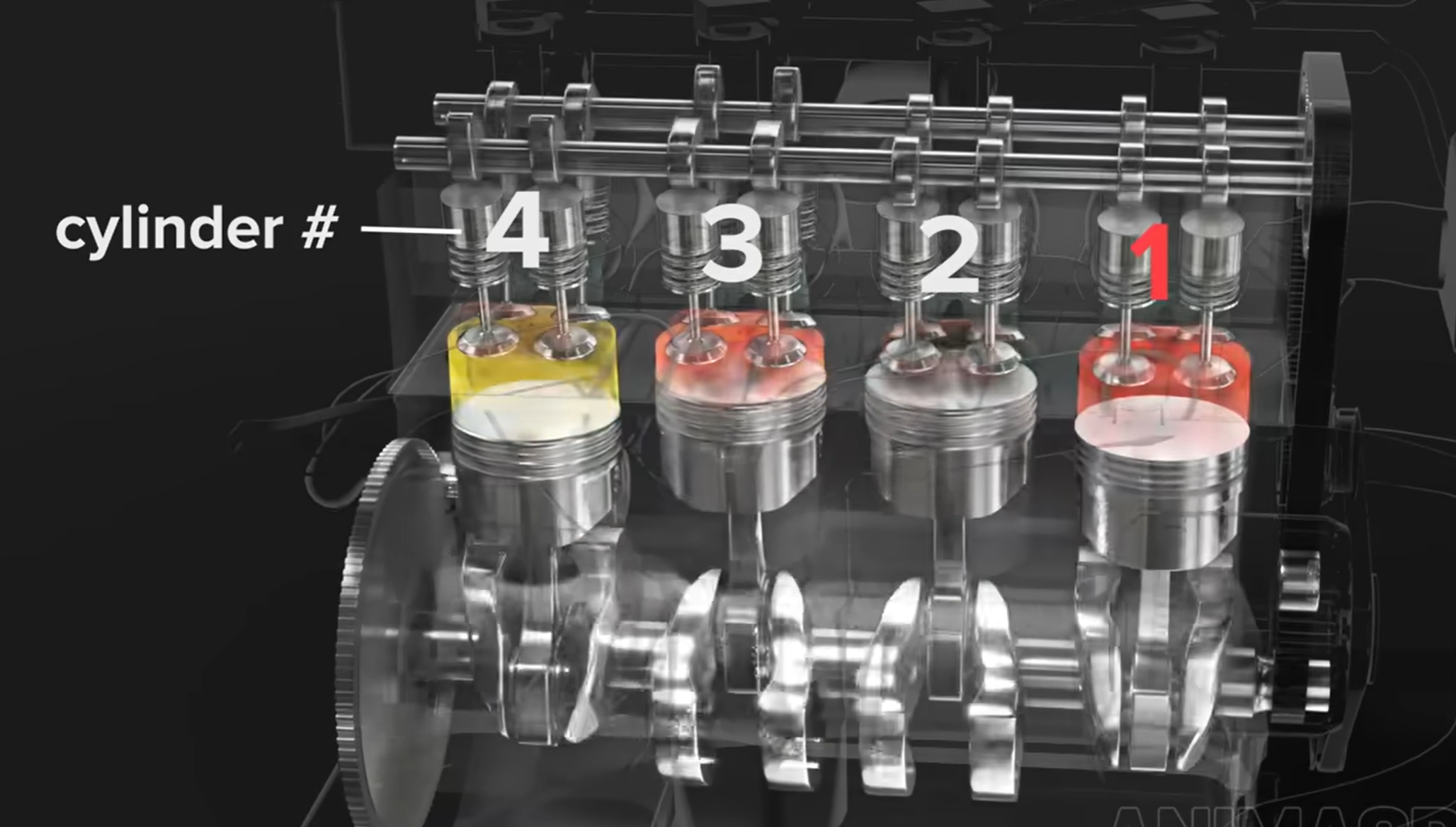
For smooth power delivery pistons take turns firing. The firing order of the engine
CAMSHAFTS
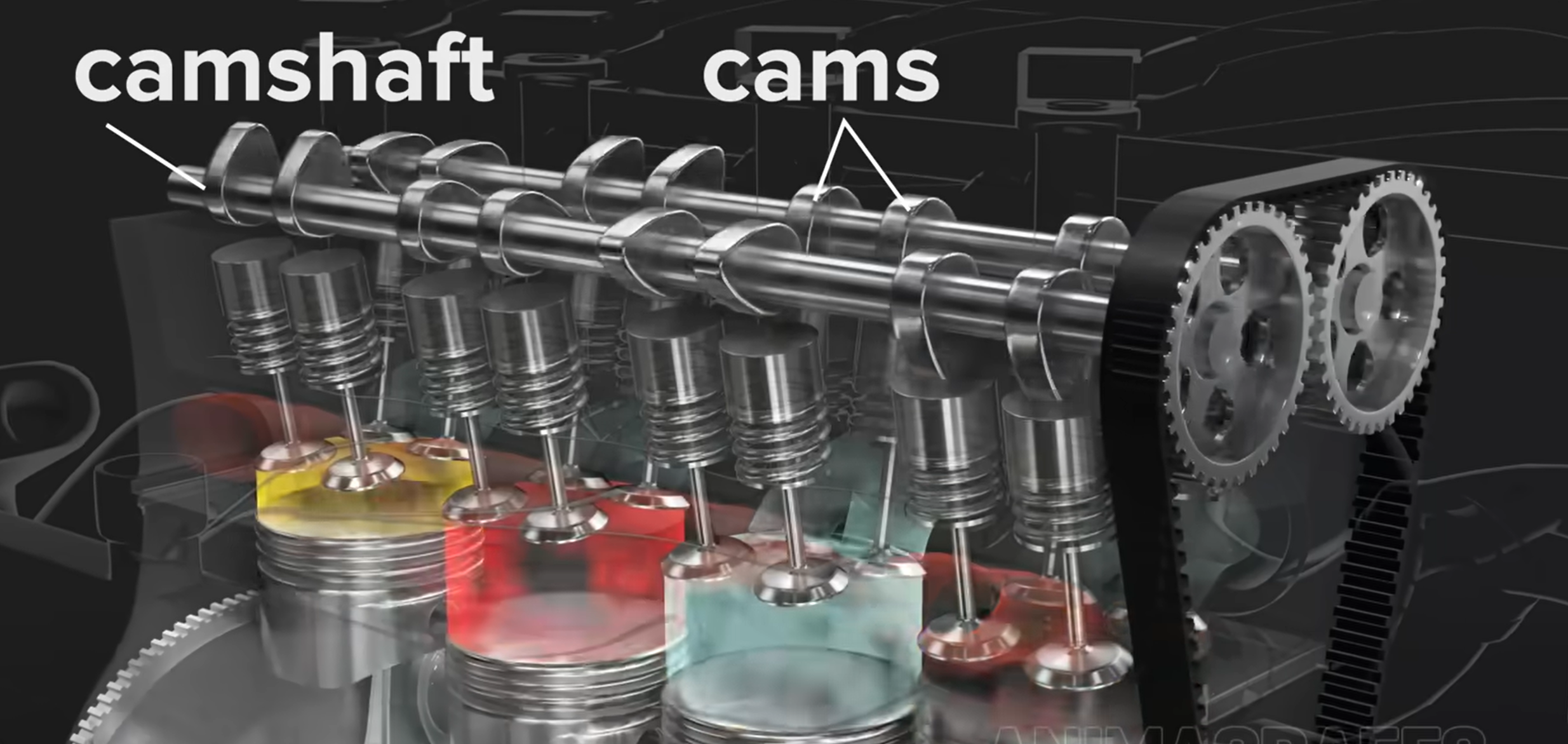
Camshafts with specially shaped cams push spring loaded valves open in-trun
CAMGEARS/CAMS
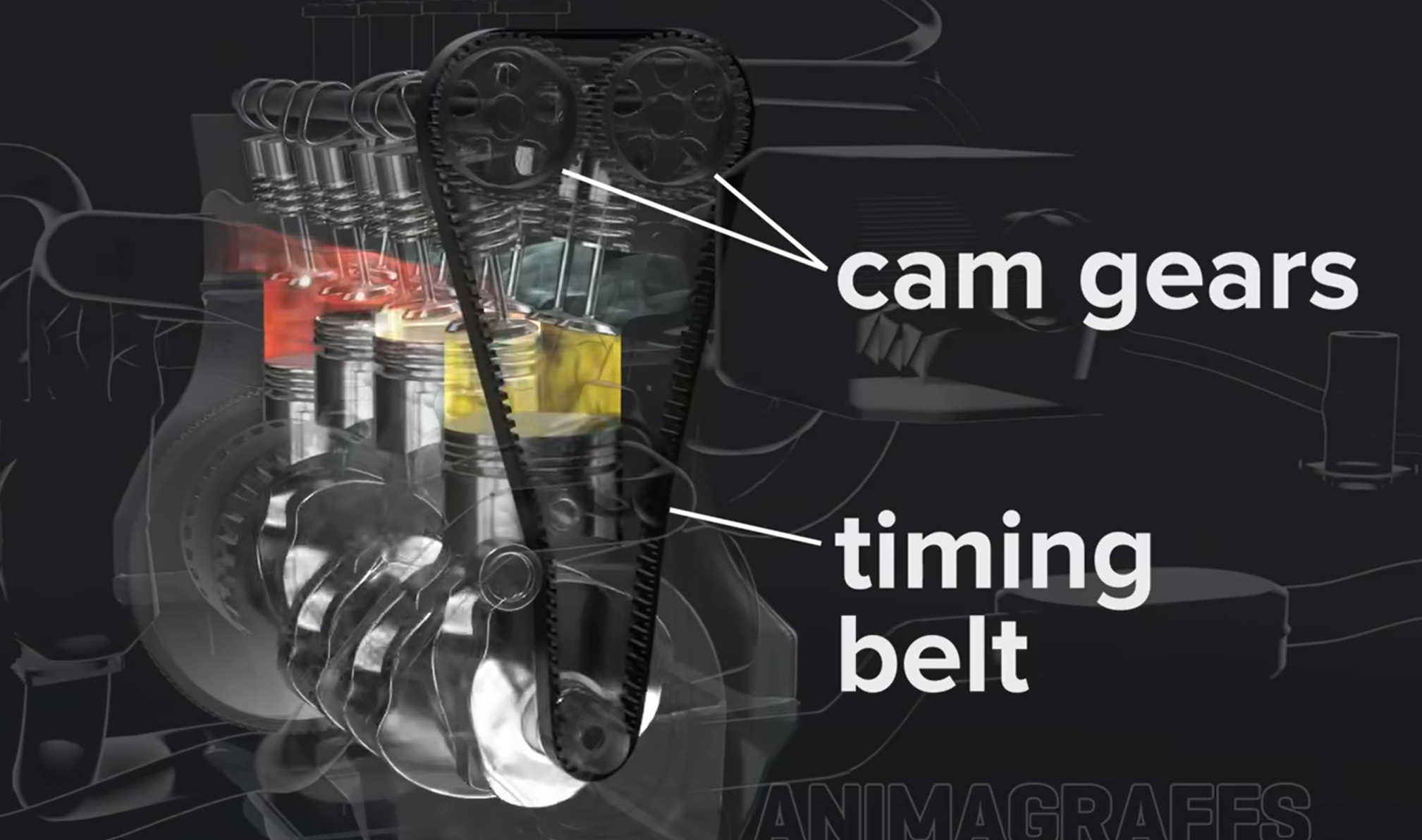
Camgears and timing belt/chain links everything to the crankshaft and it all spins together
CRANKSHAFT
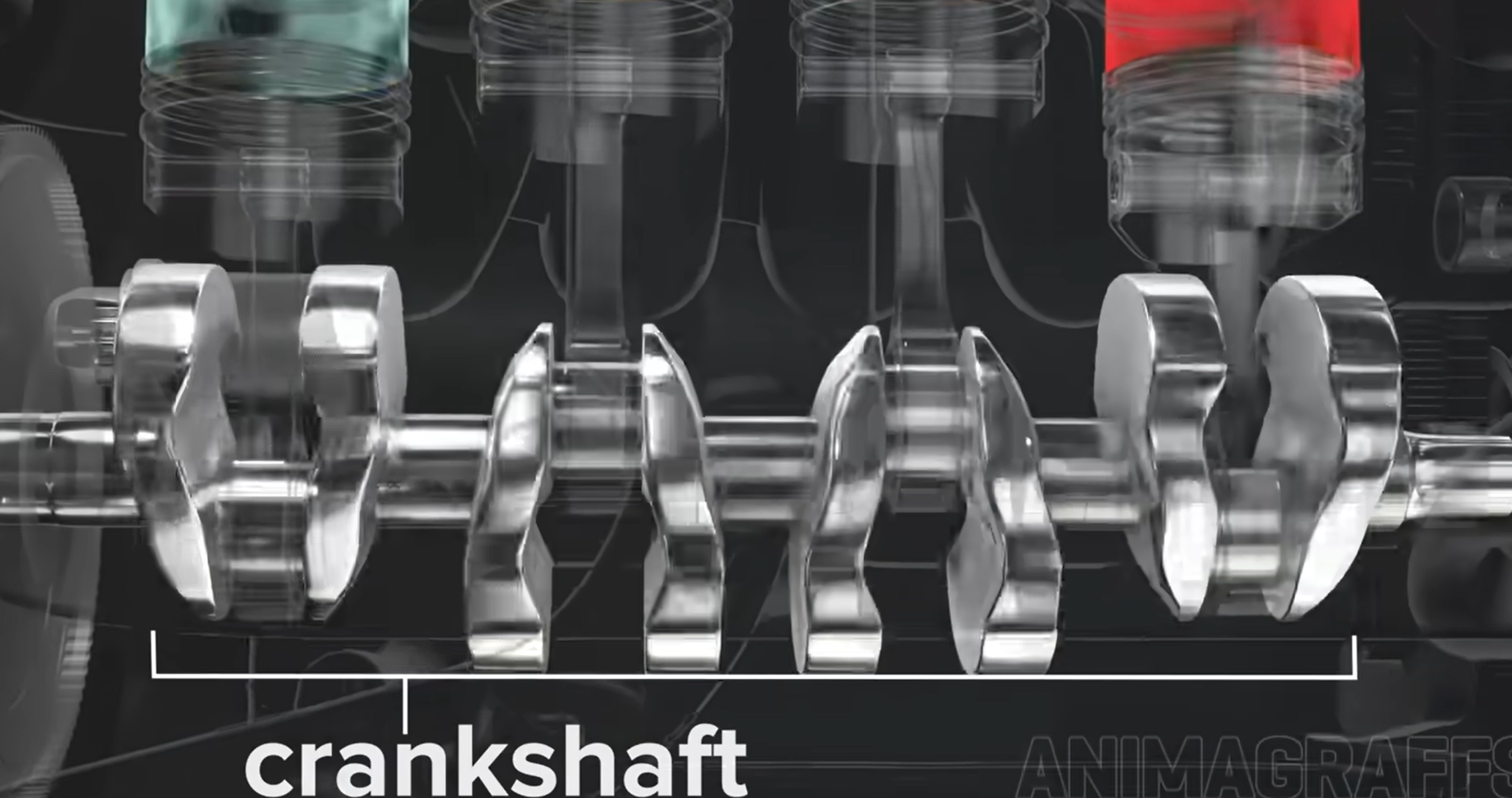
Crank shaft translates piston power out of the engine
It has counterweights to balance against the pistons for perfectly smooth revolutions
ENGINE BLOCK
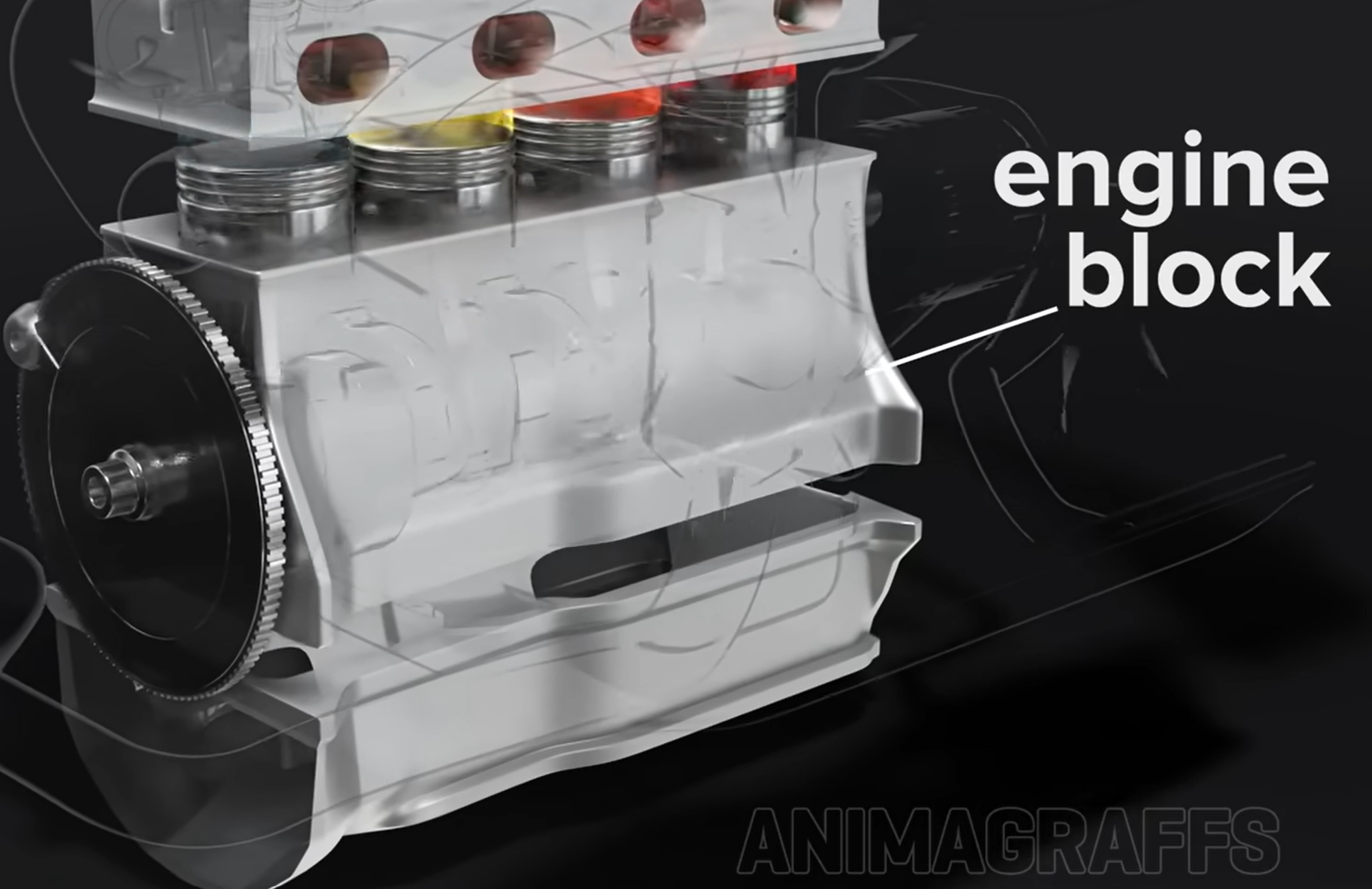
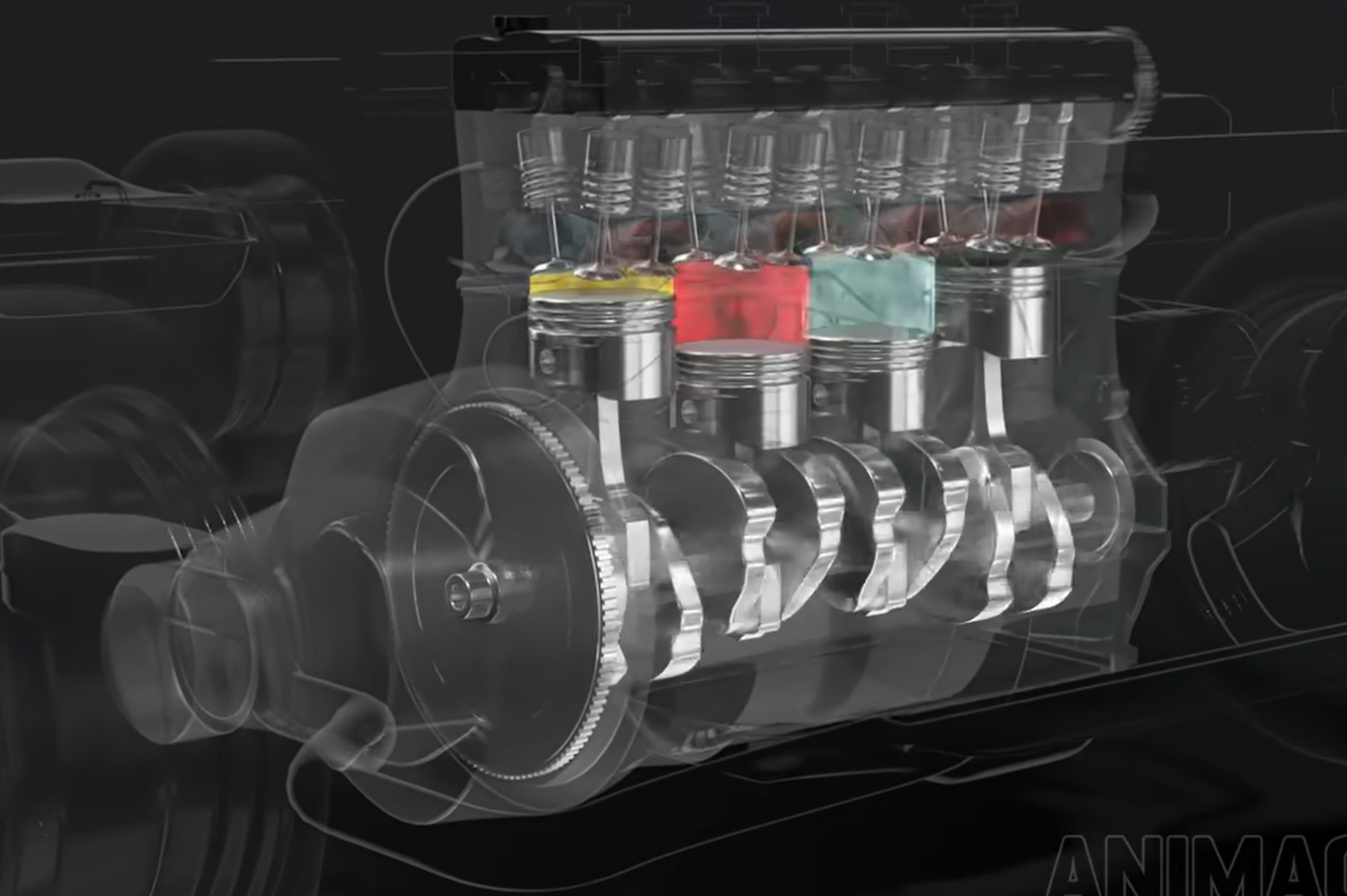
Engine block holds the crankshaft and cylinders together
Cylinder head hold valves, ports, cams, etc
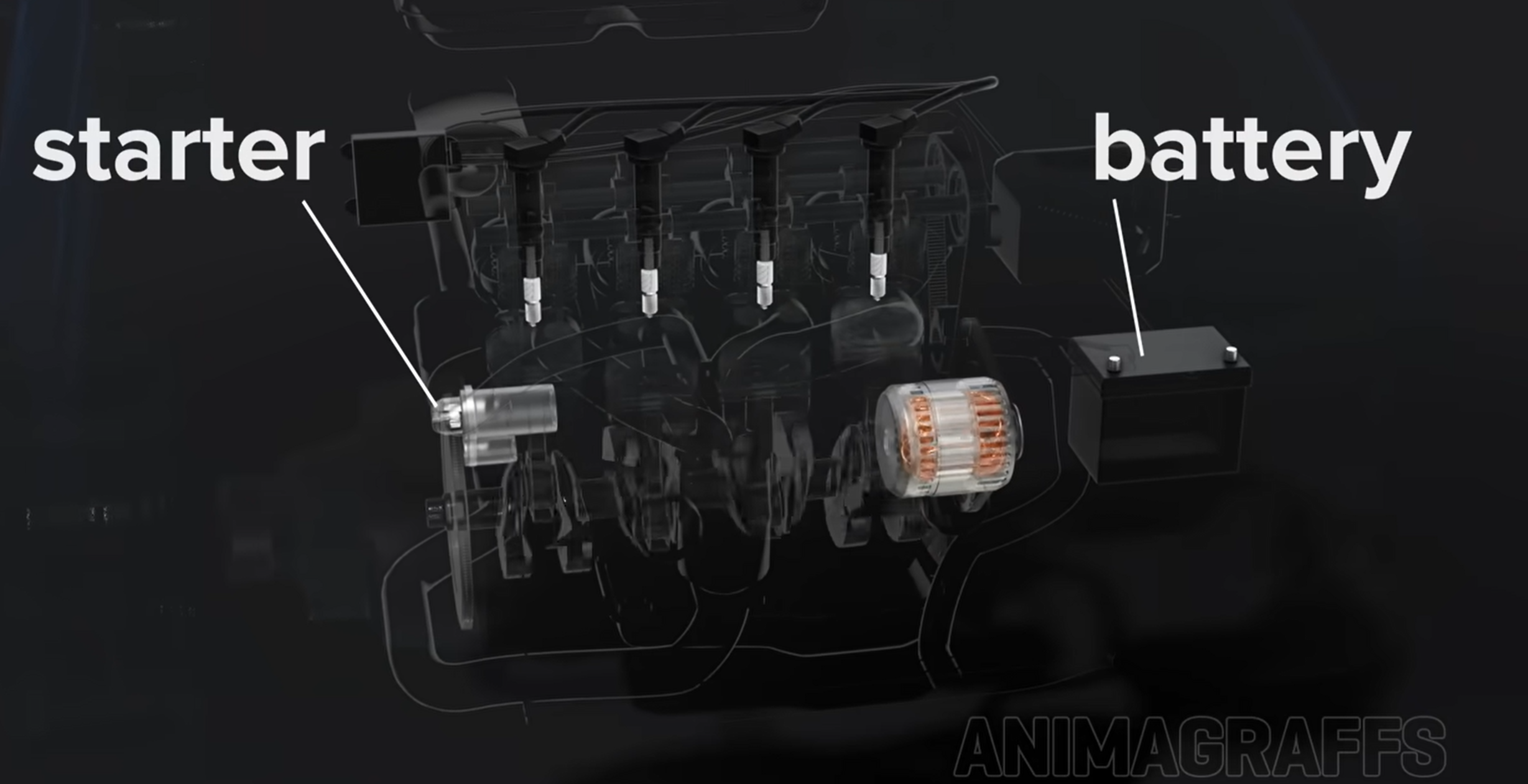
A geared flywheel sits at one side of the crankshaft for connection to a transmission. Its also where the starter connects to the system.
DIFFERENT TYPES OF ENGINE
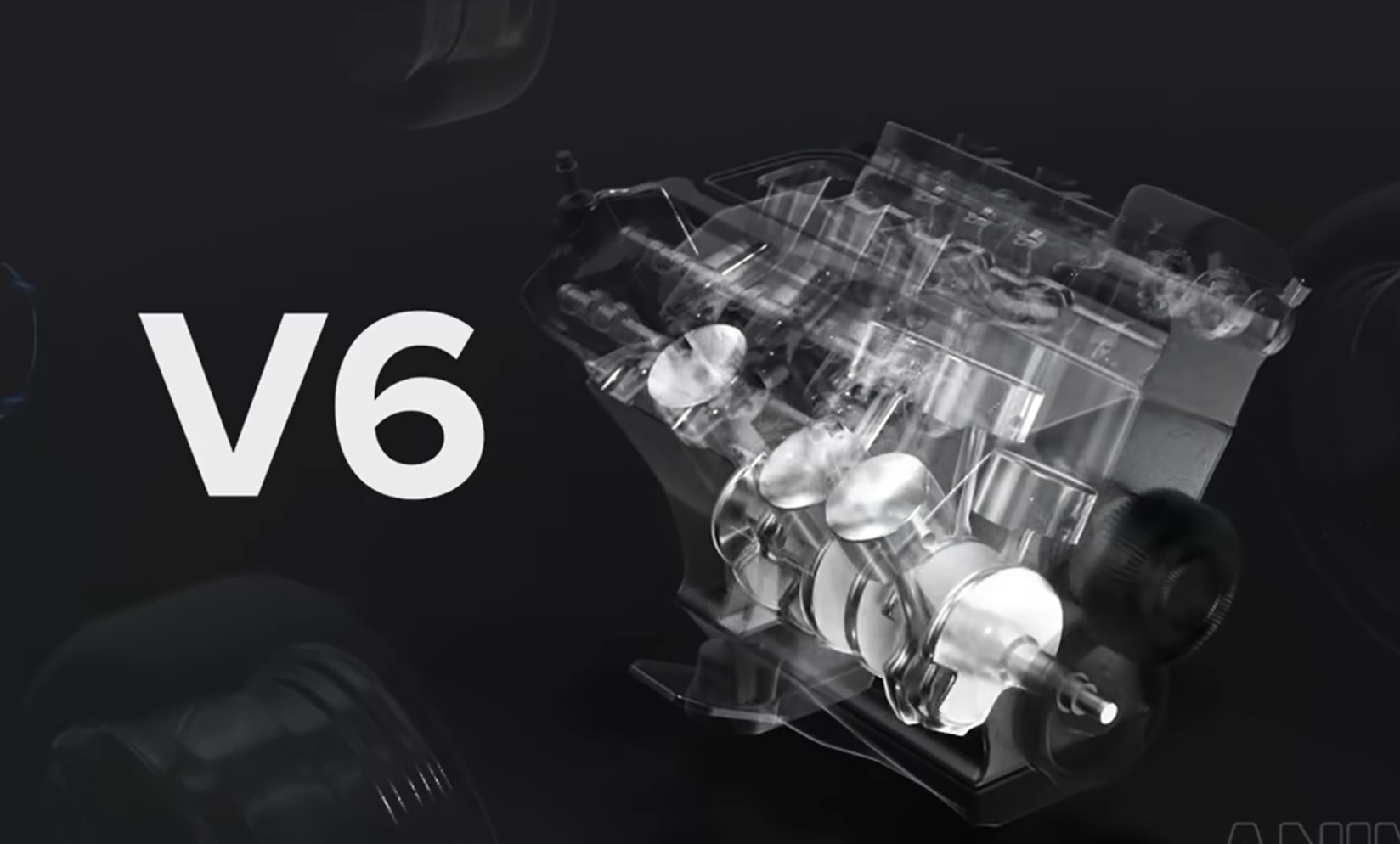
V6 engines are engines with 6 cylinders with 3 on each side angled in a V shape
SYSTEMS THAT SUPPORT COMBUSTION
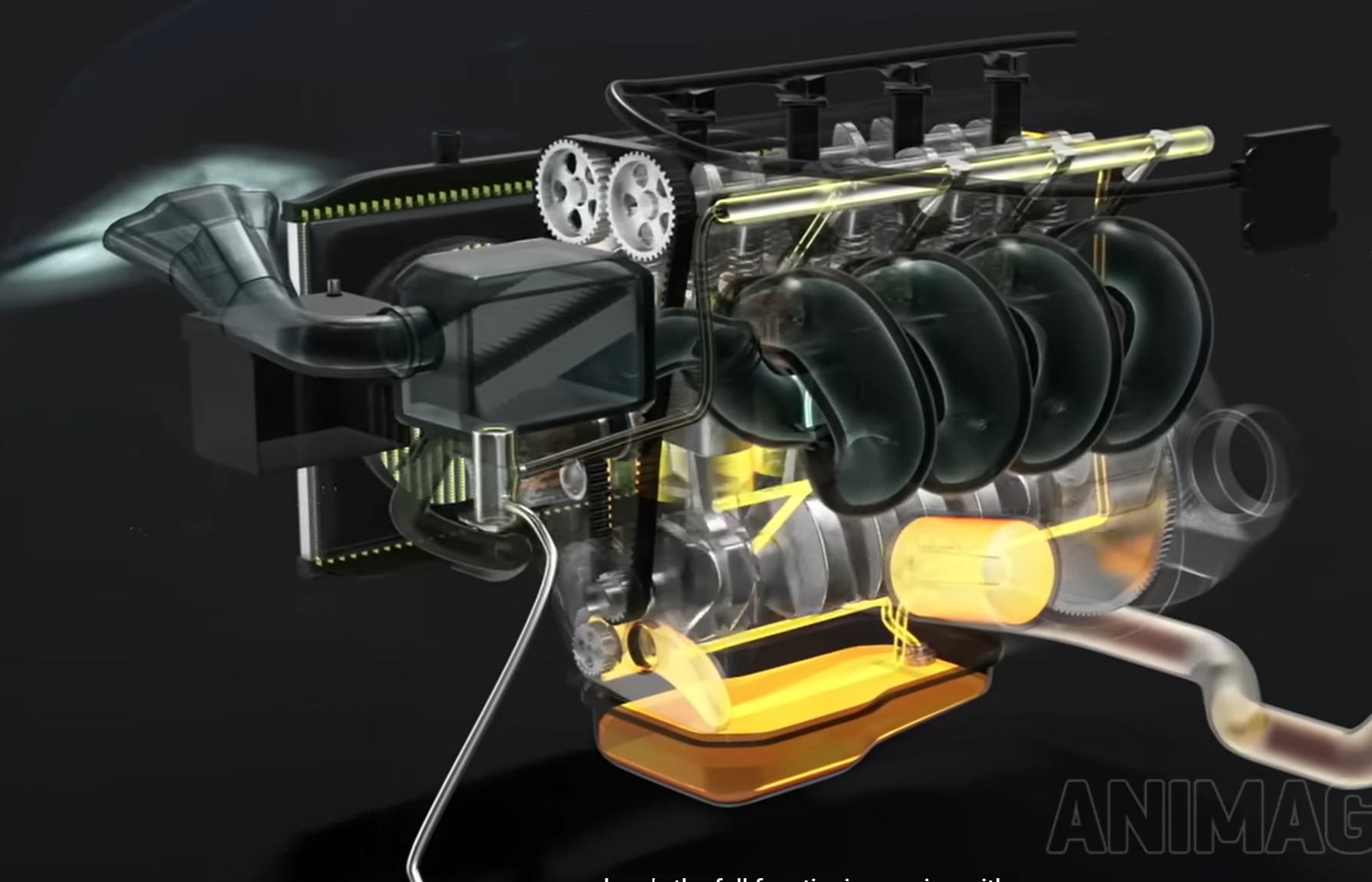
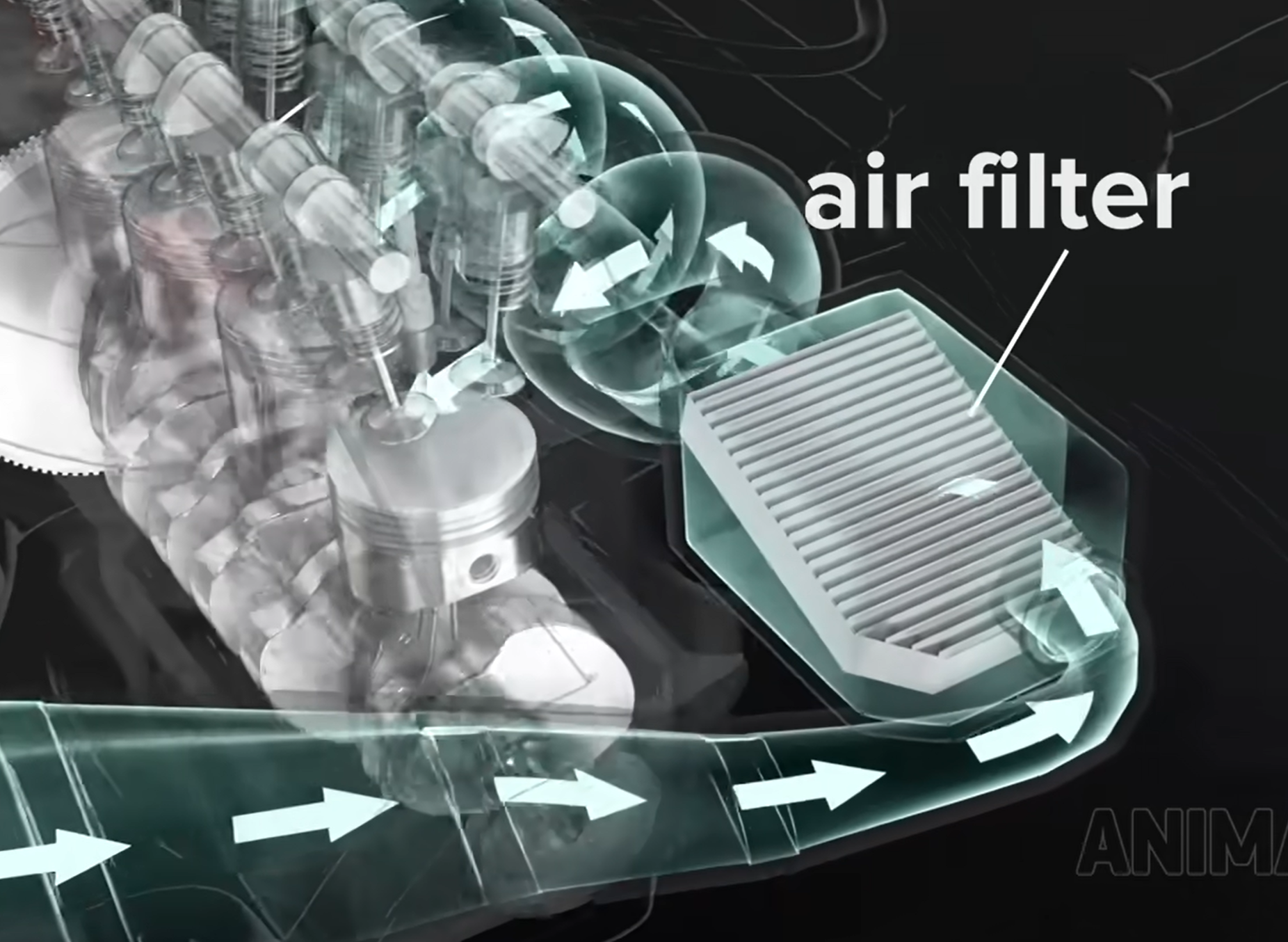
Air Intake
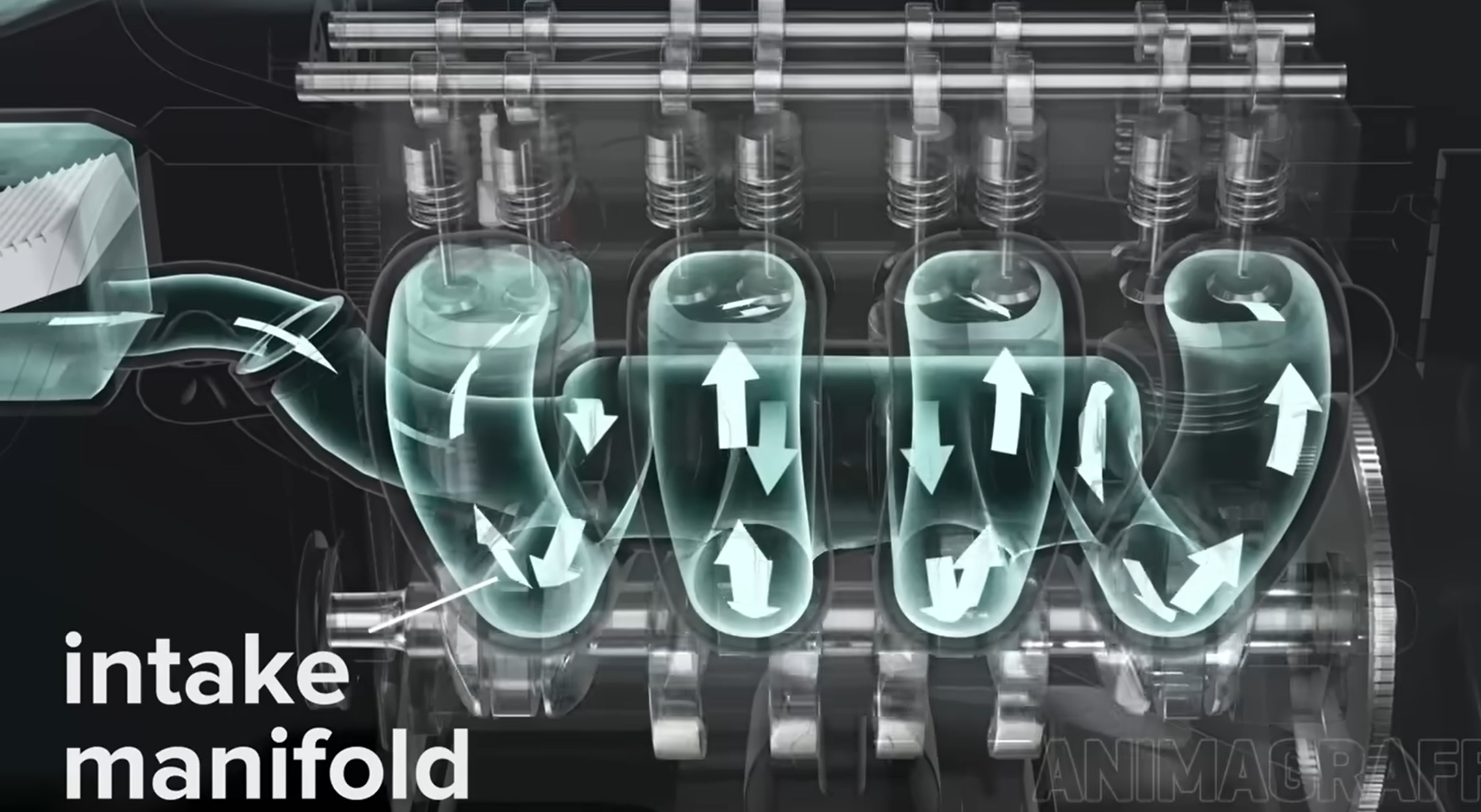
Aircomes through the air filter and into the intake manifold that where it mixes with the fuel before being sucked into individual cylinders through intake ports
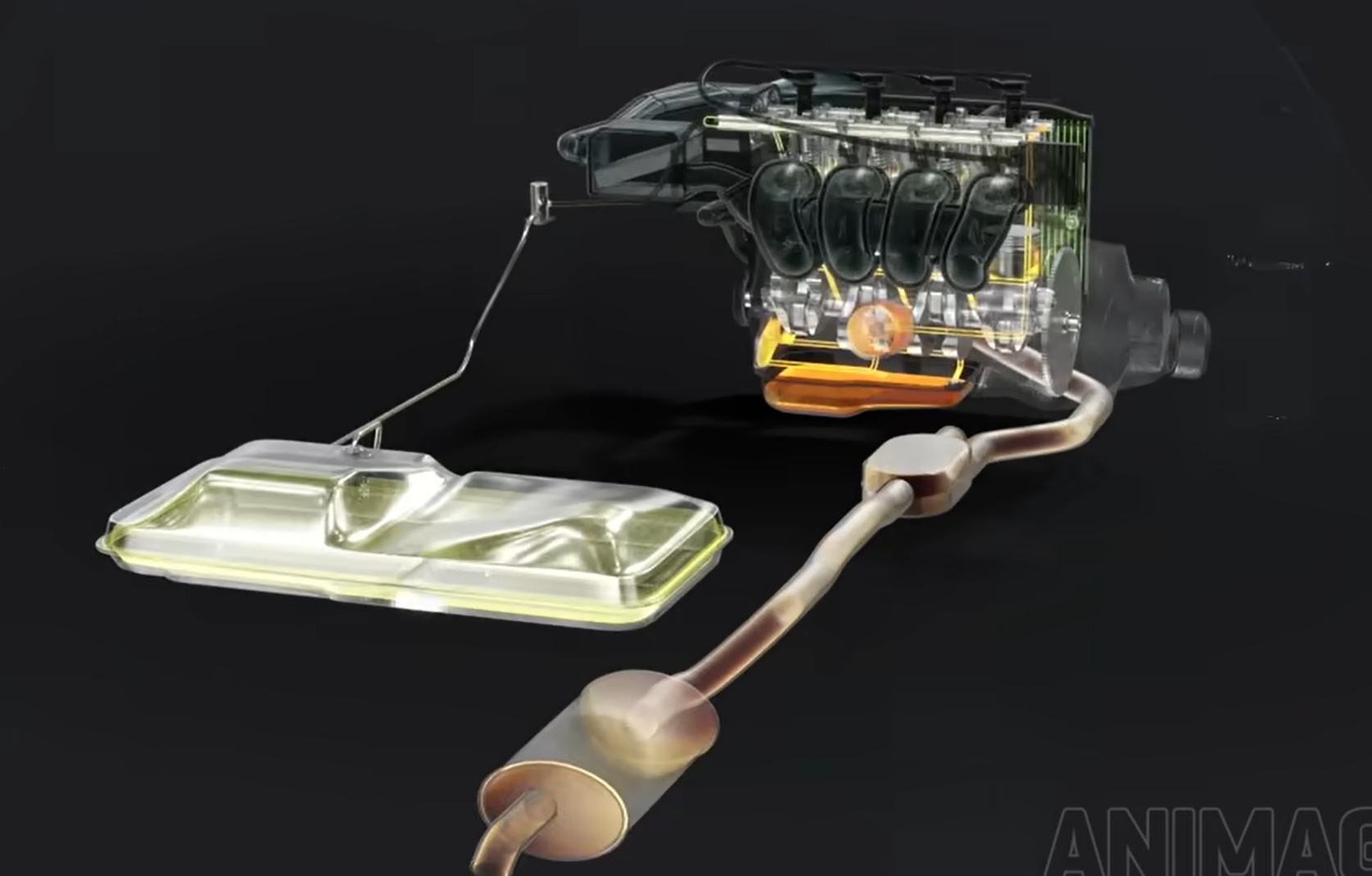
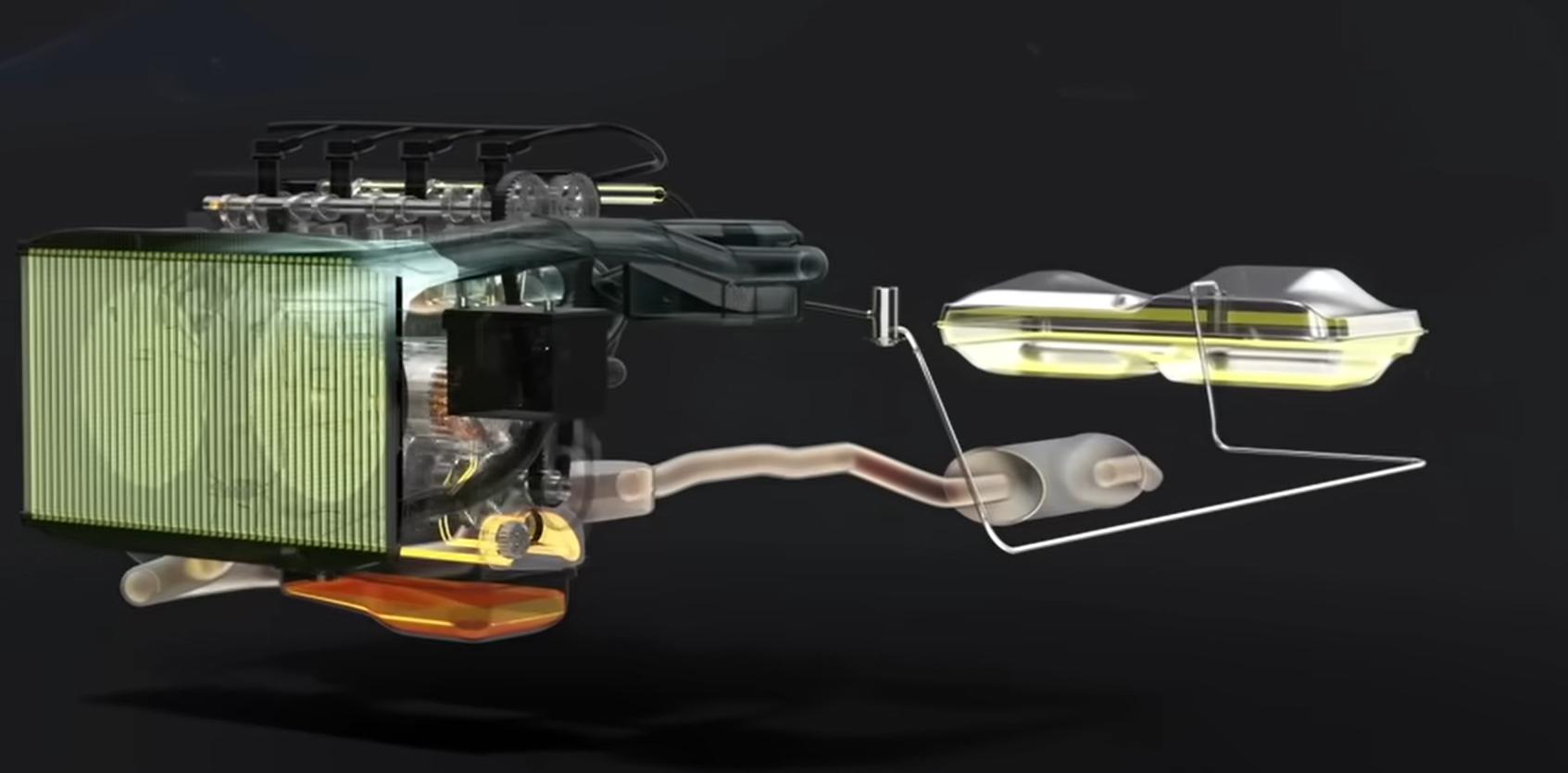
Fuel
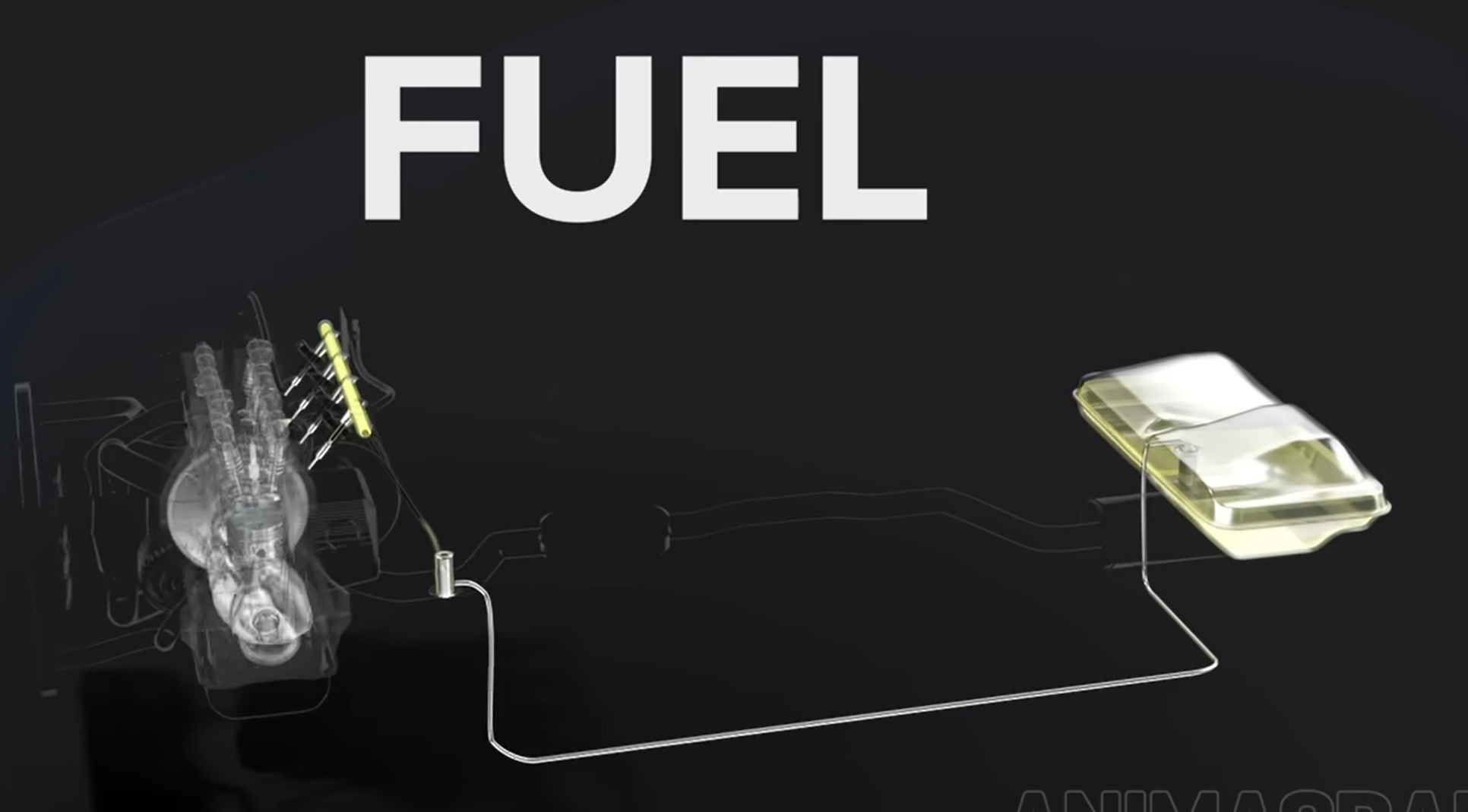
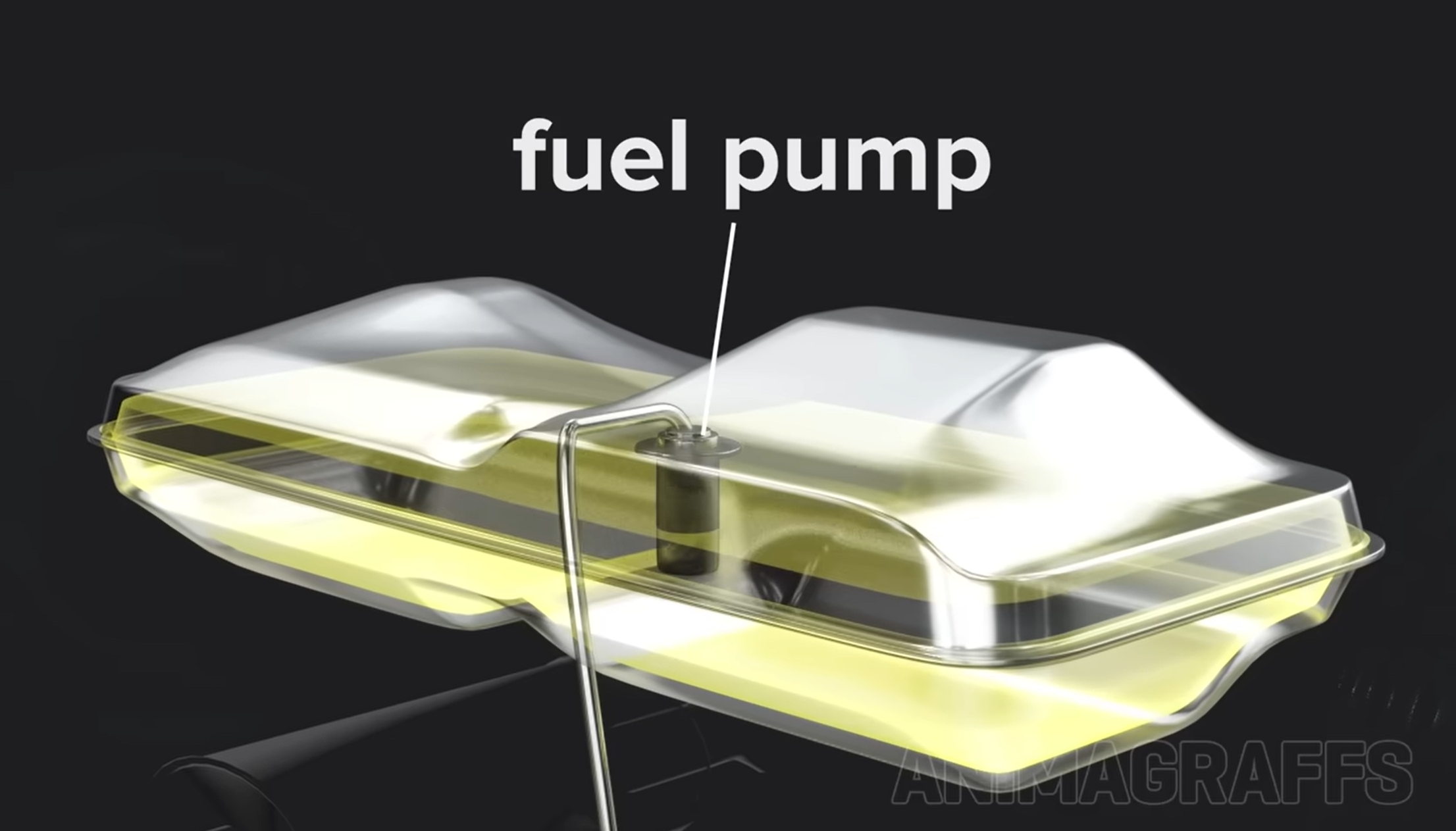
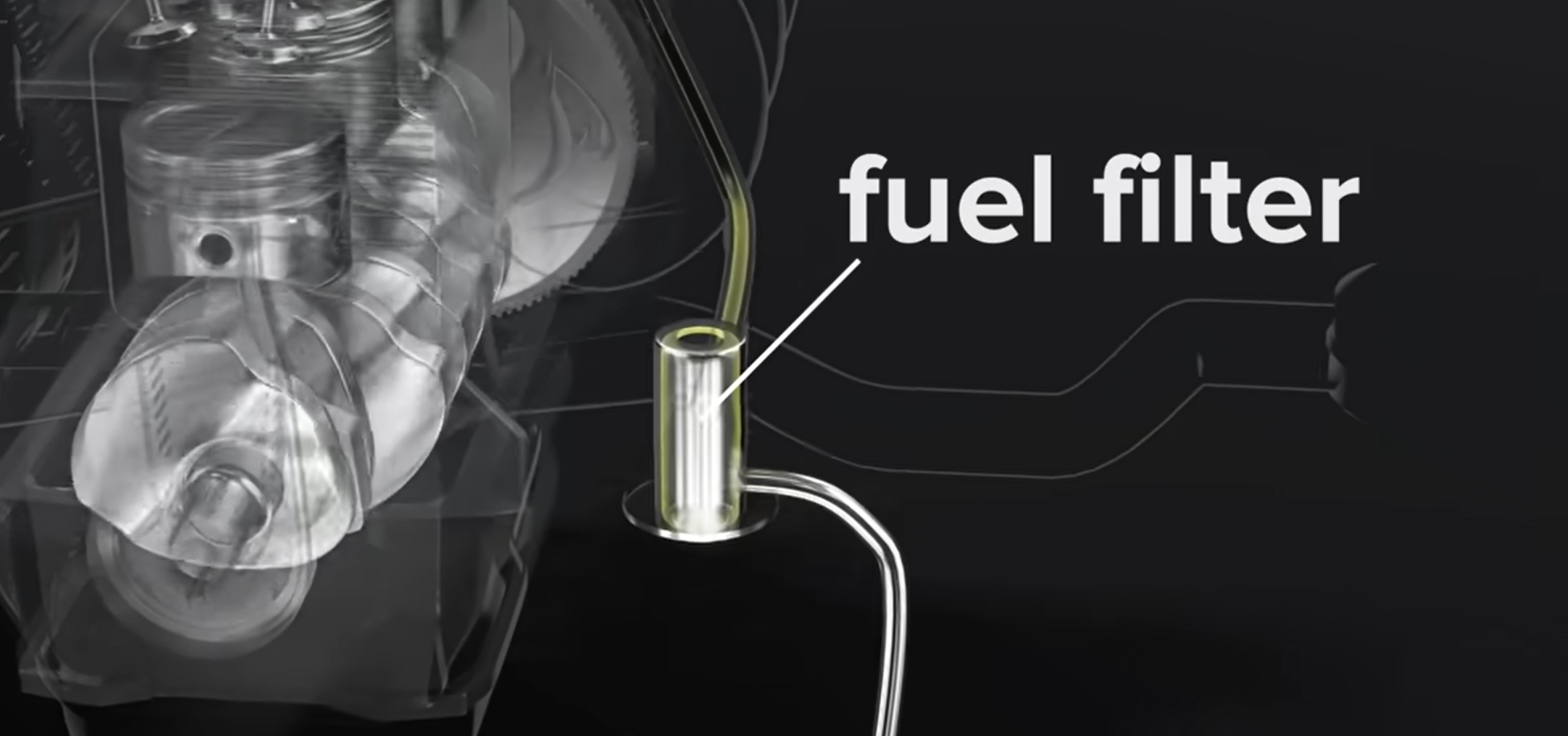
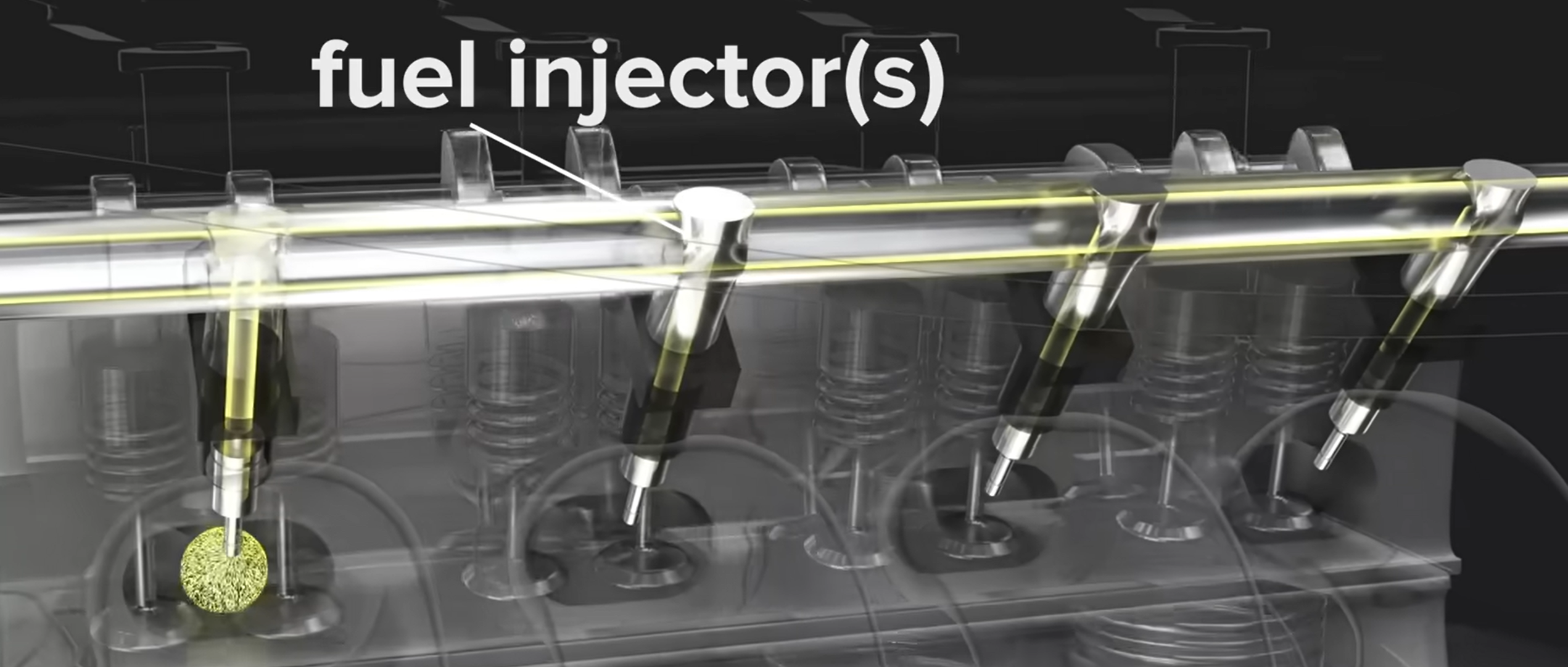
The fuel pump carries gas from the tank through a fuel filter to the engine where fuel injectors emit a precise timed spray of gas into the intake port
Cooling
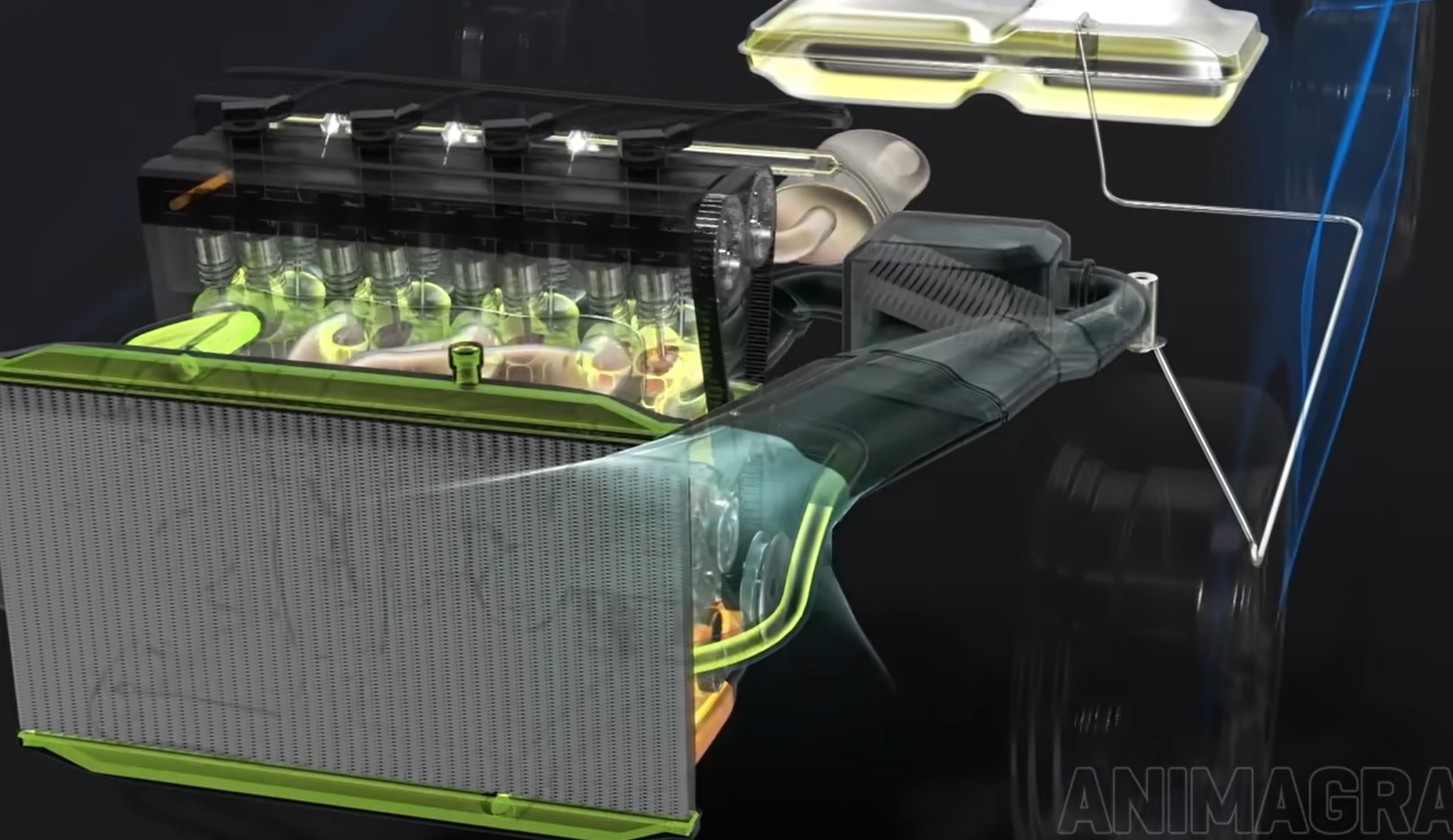
Engines get hot during operation so need to be cooled
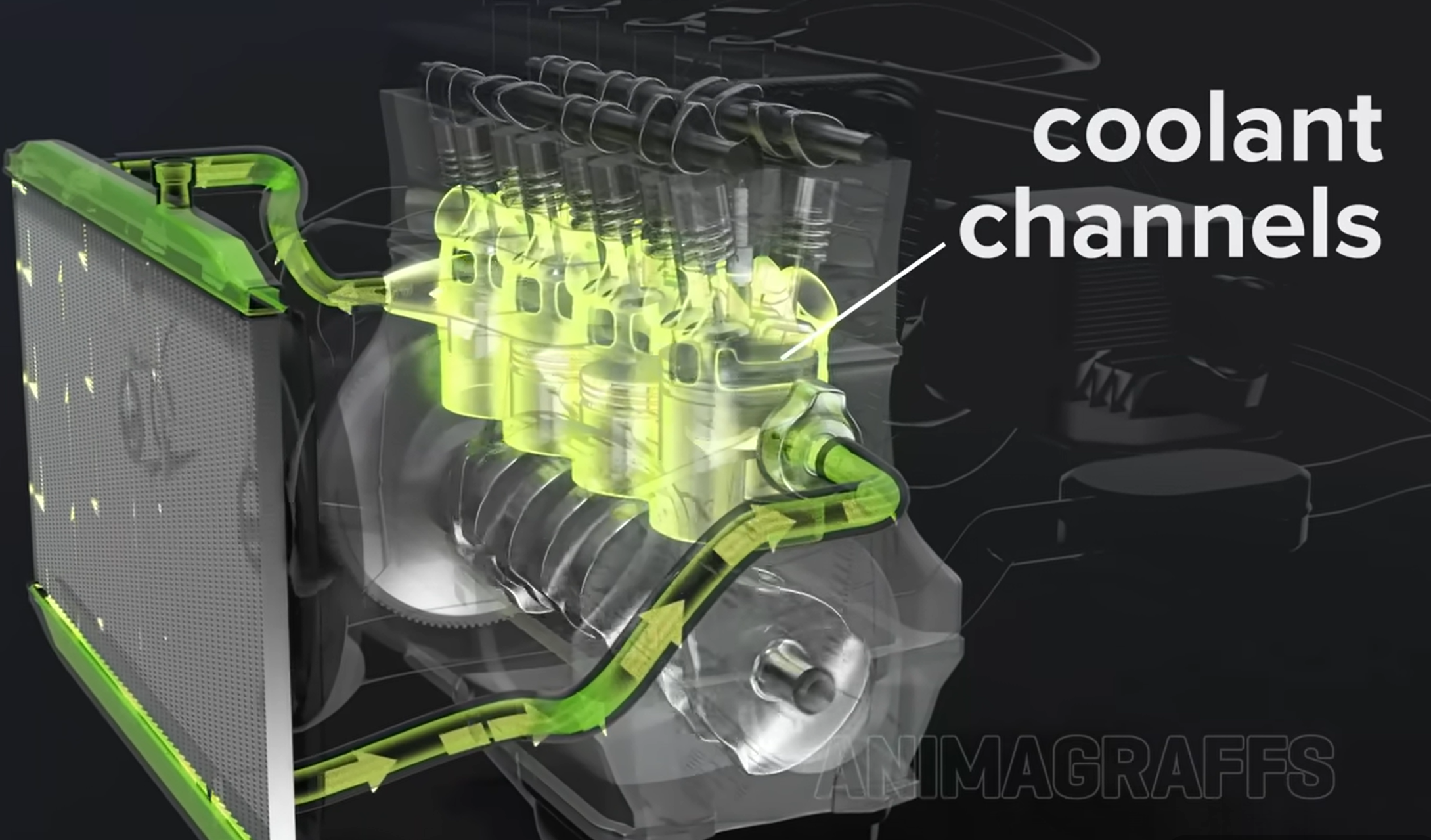
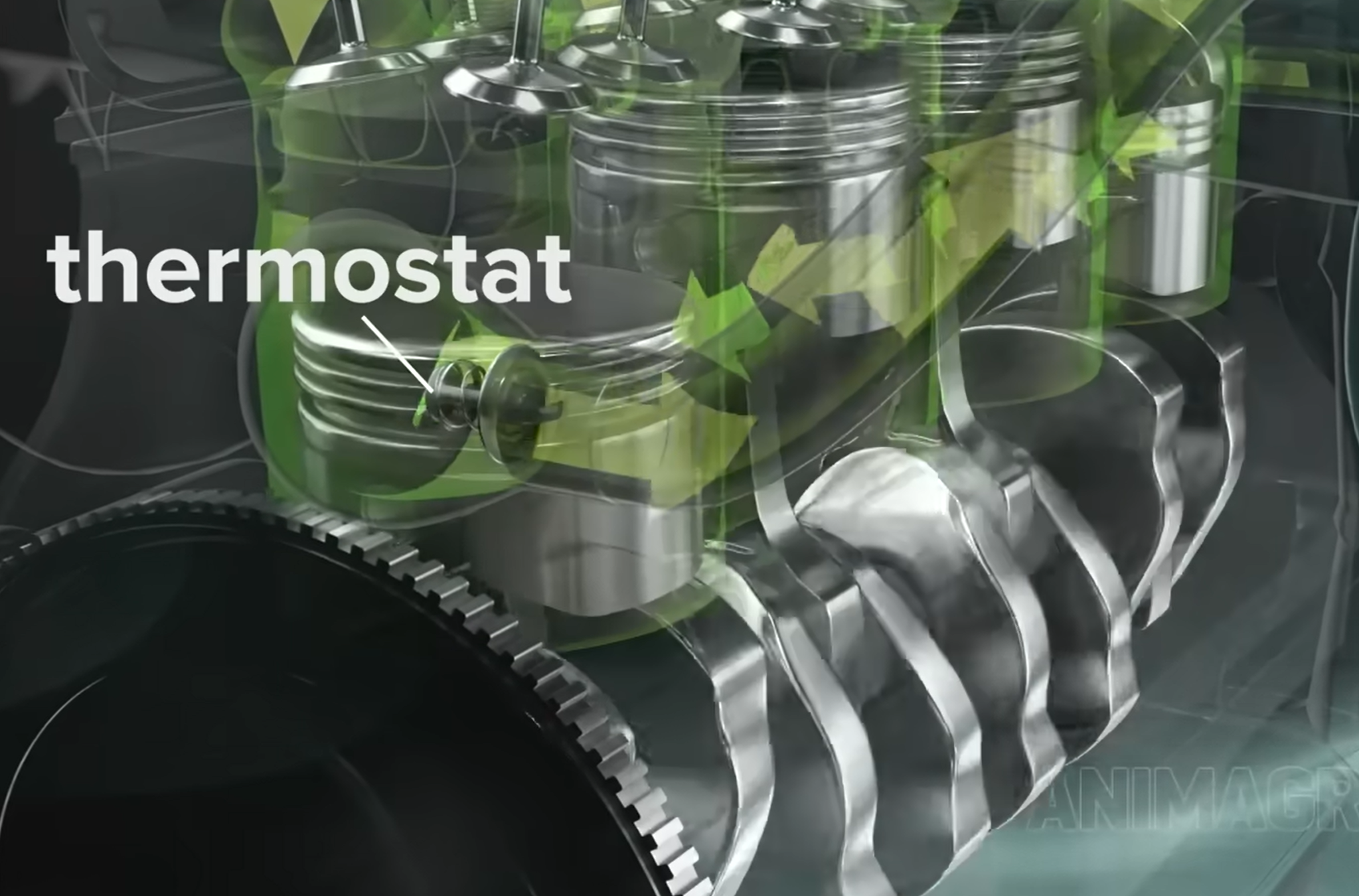
Coolant channels around the cylinders and through the cylinder heads carry a special liquid called anti freeze to keep temperatures within safe operating range.
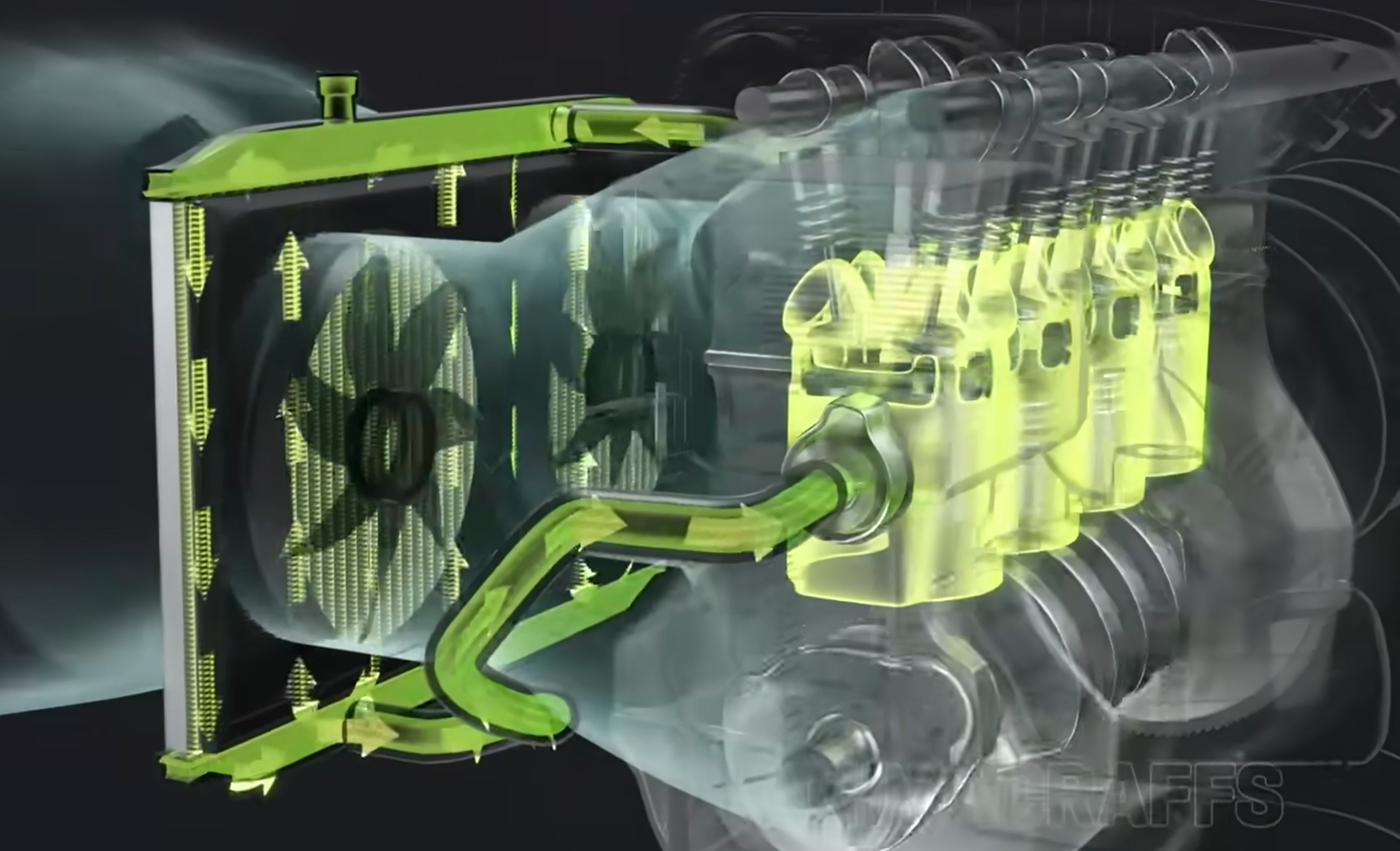
After cooling hot engine parts, coolant circulates trhough the radiators where small tubes and fins that coolant passes through while air pulled in by radiator fan blows by the tubes, cooling the hot liquid for recirculation
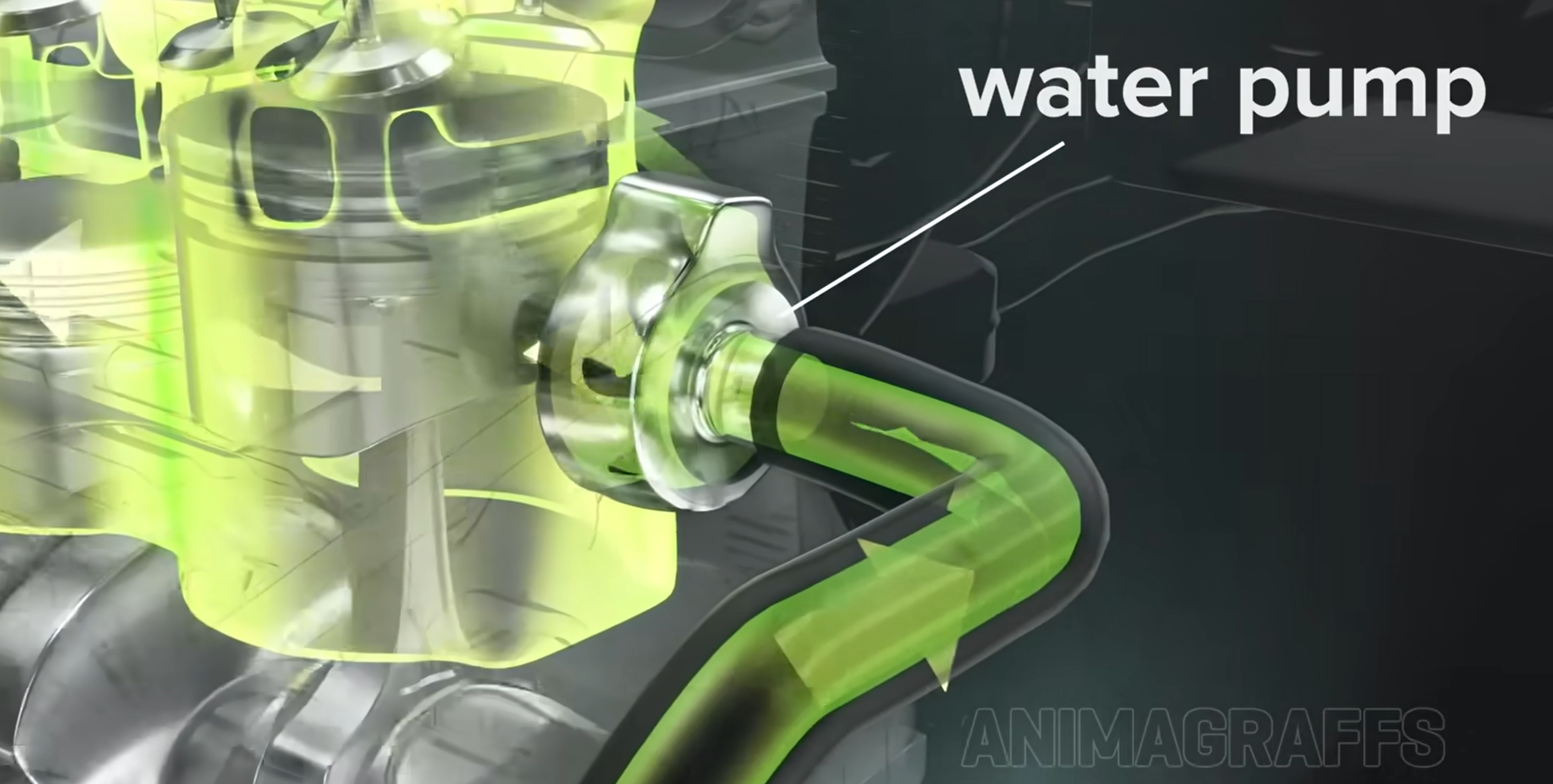
water pump keeps collant system flowing and pressurised
thermostat regulates coolant temperature by routing coolant back through the engine or to the radiator
Electrical
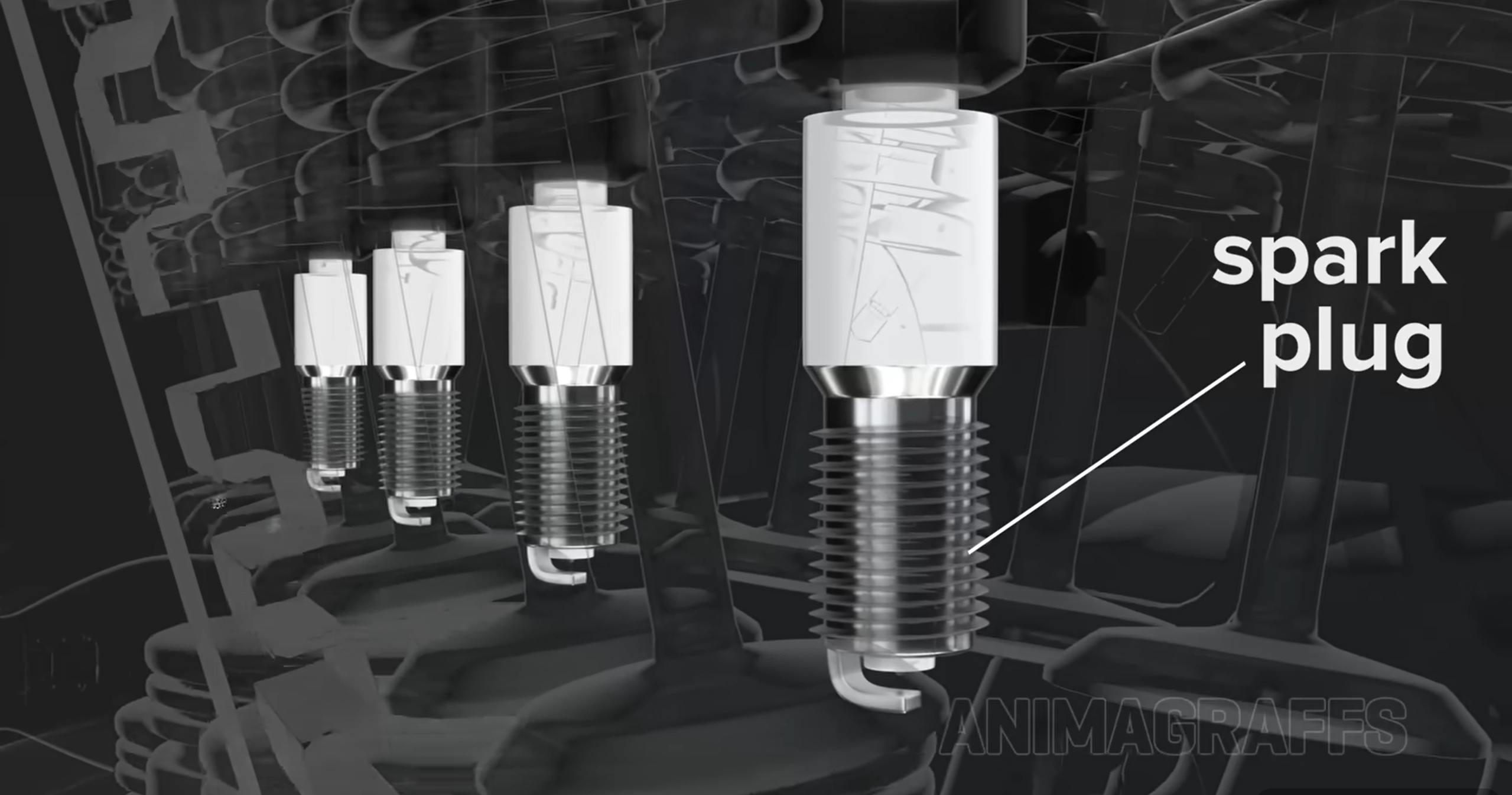
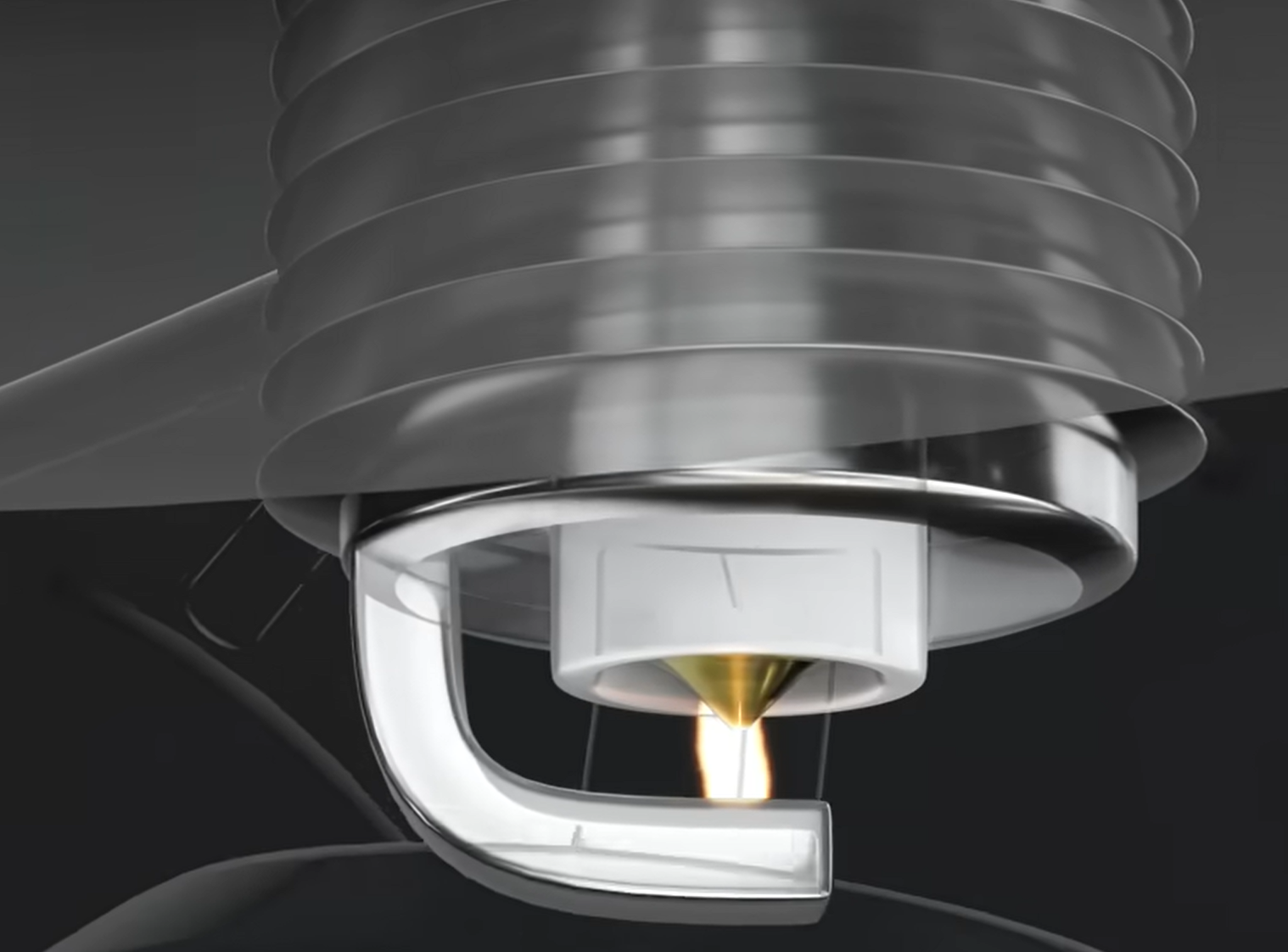
Spark plug delivers the electrical spark that ignites the fuel air mixture for combustion
Metal core is insulated from outer metal casing with porcelain
Spark jumps between the conductive surfaces
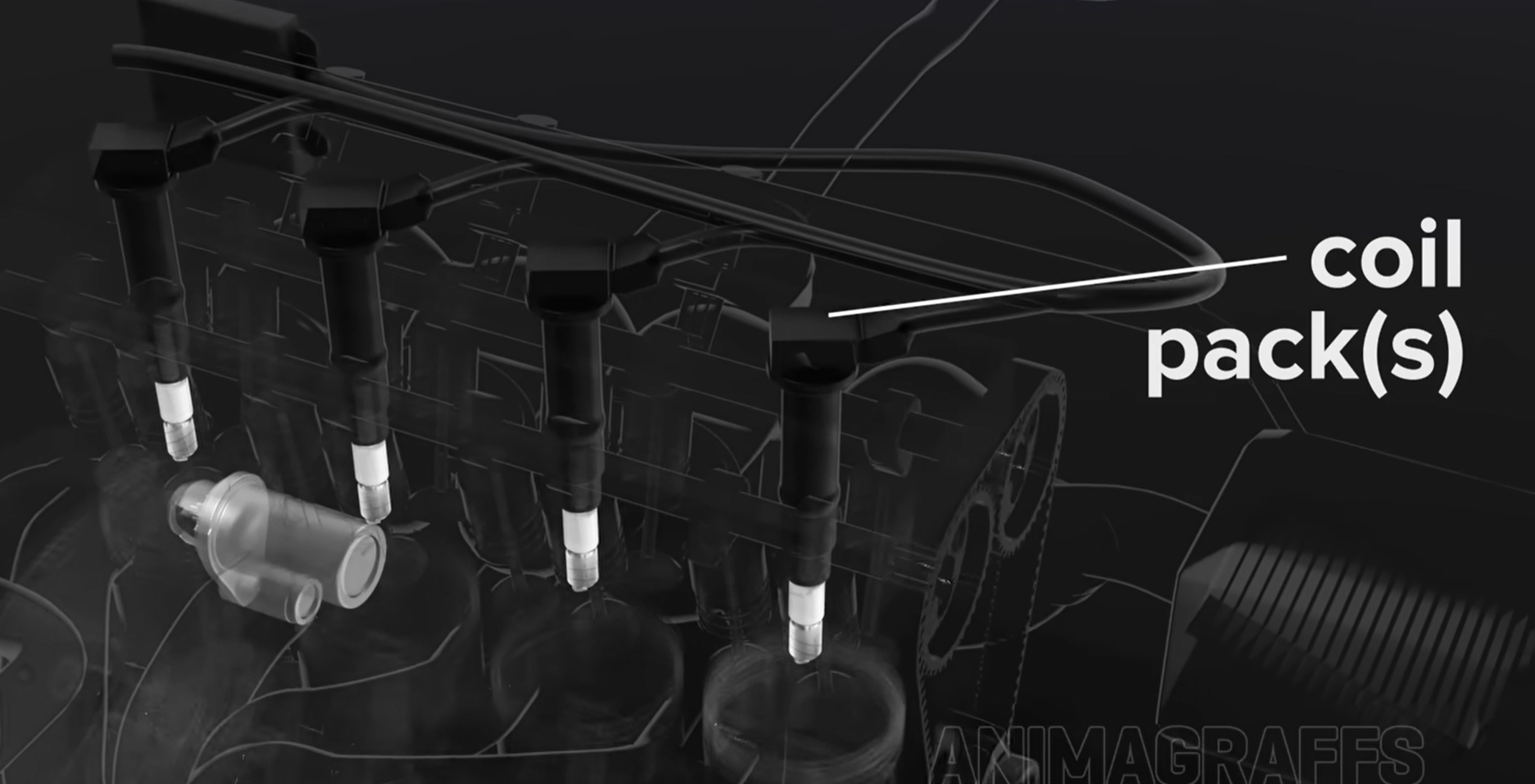
Coil packs deliver electrical current to the spark plugs,
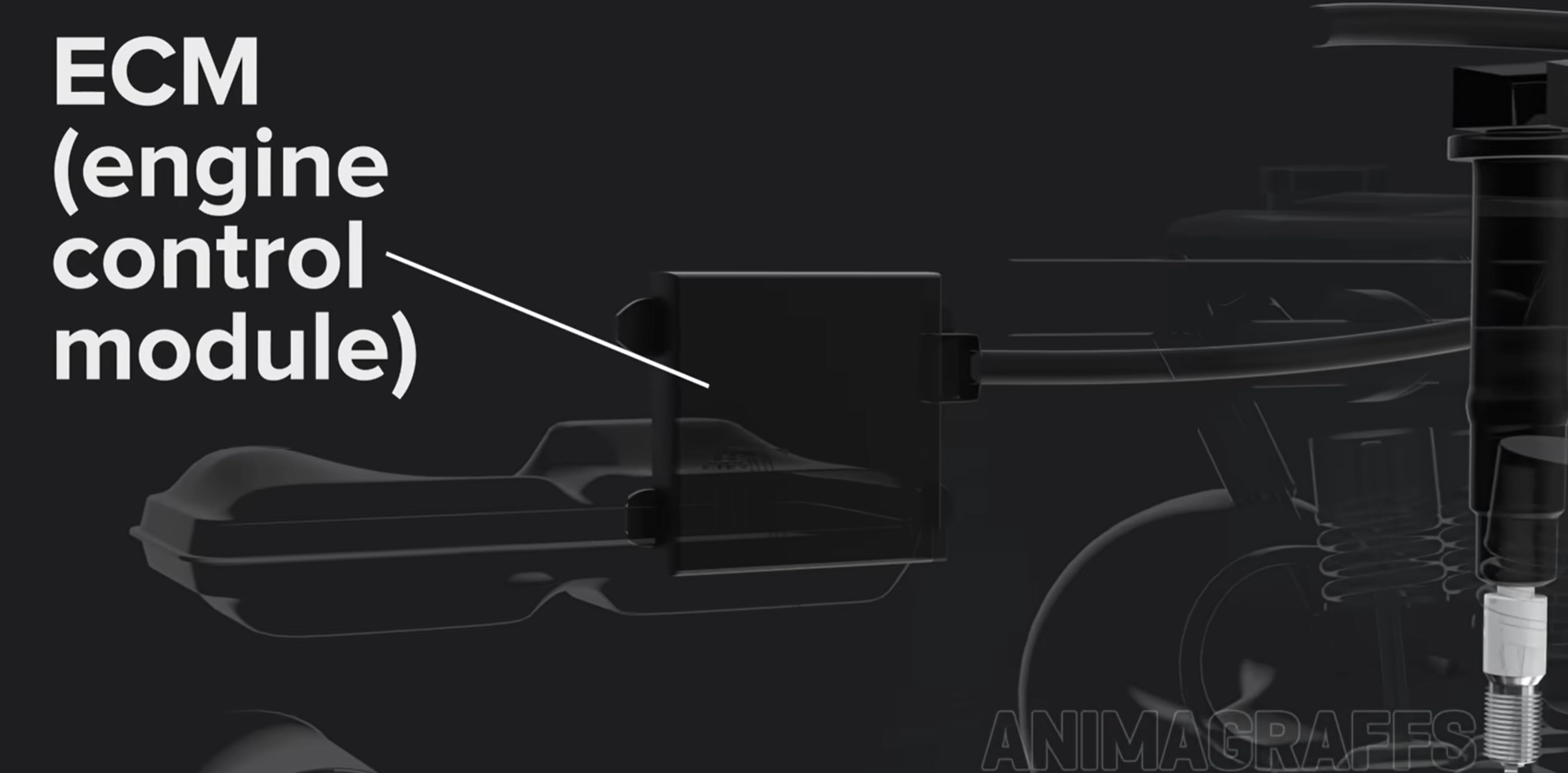
as directed by the ECM (engine control module) that directs engine core functions like spark timing, valve opening times, air-fuel ration
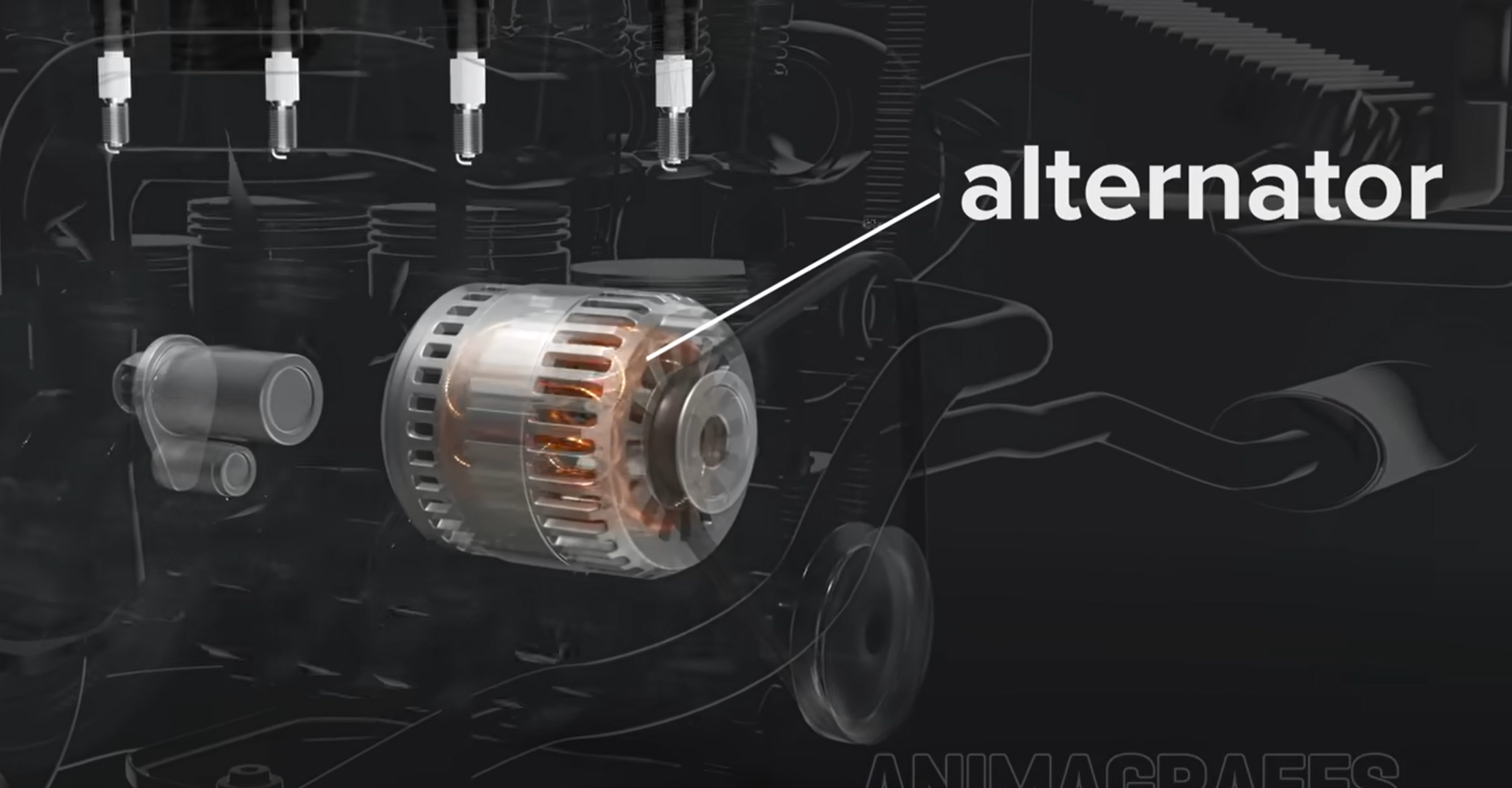
Alternator works like a power generator converting engines mechanical energy into electricity to charge the battery or run other electrical systems while the engine is running
The batteryprovides power to the starter for engine start.
Oil
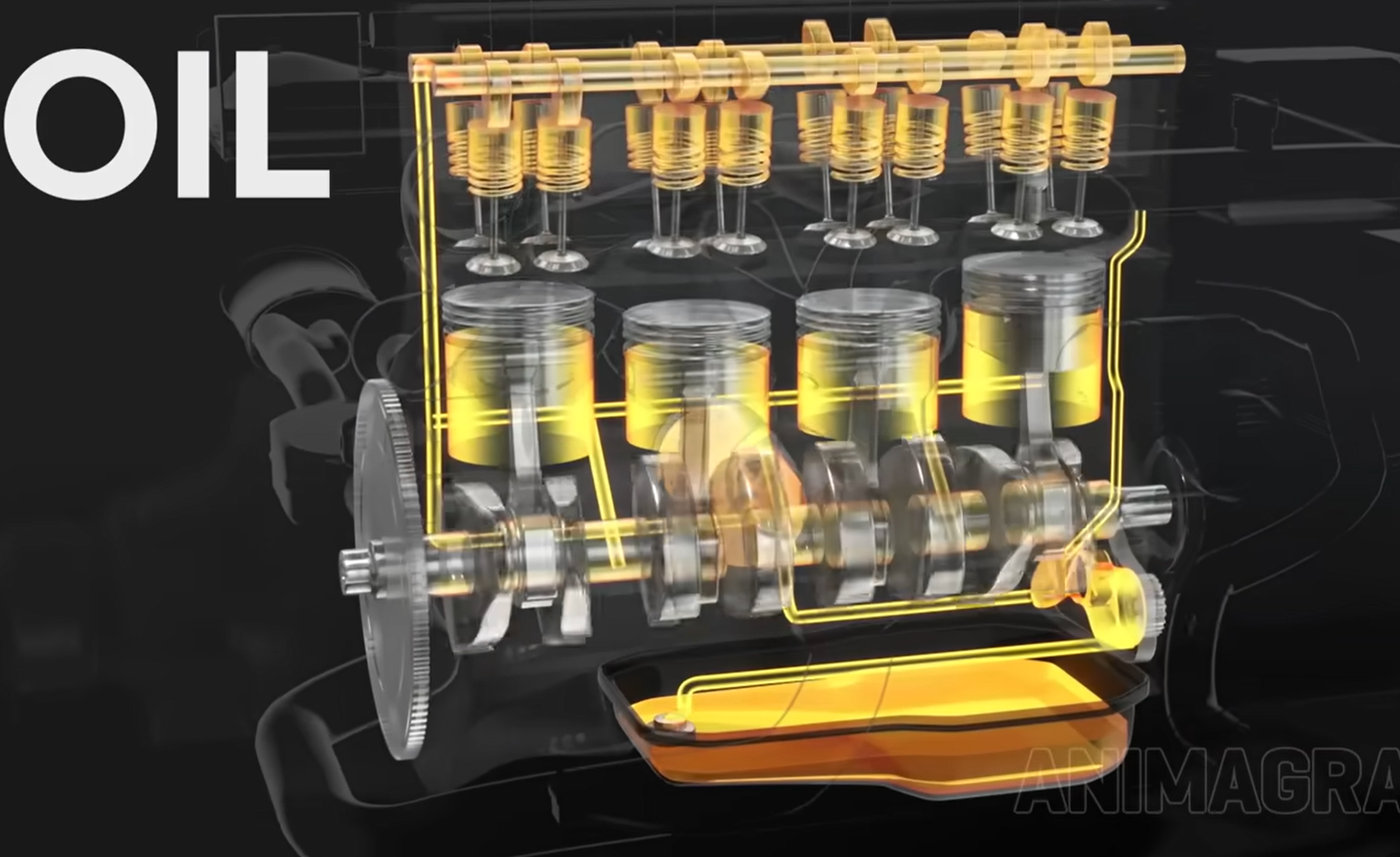
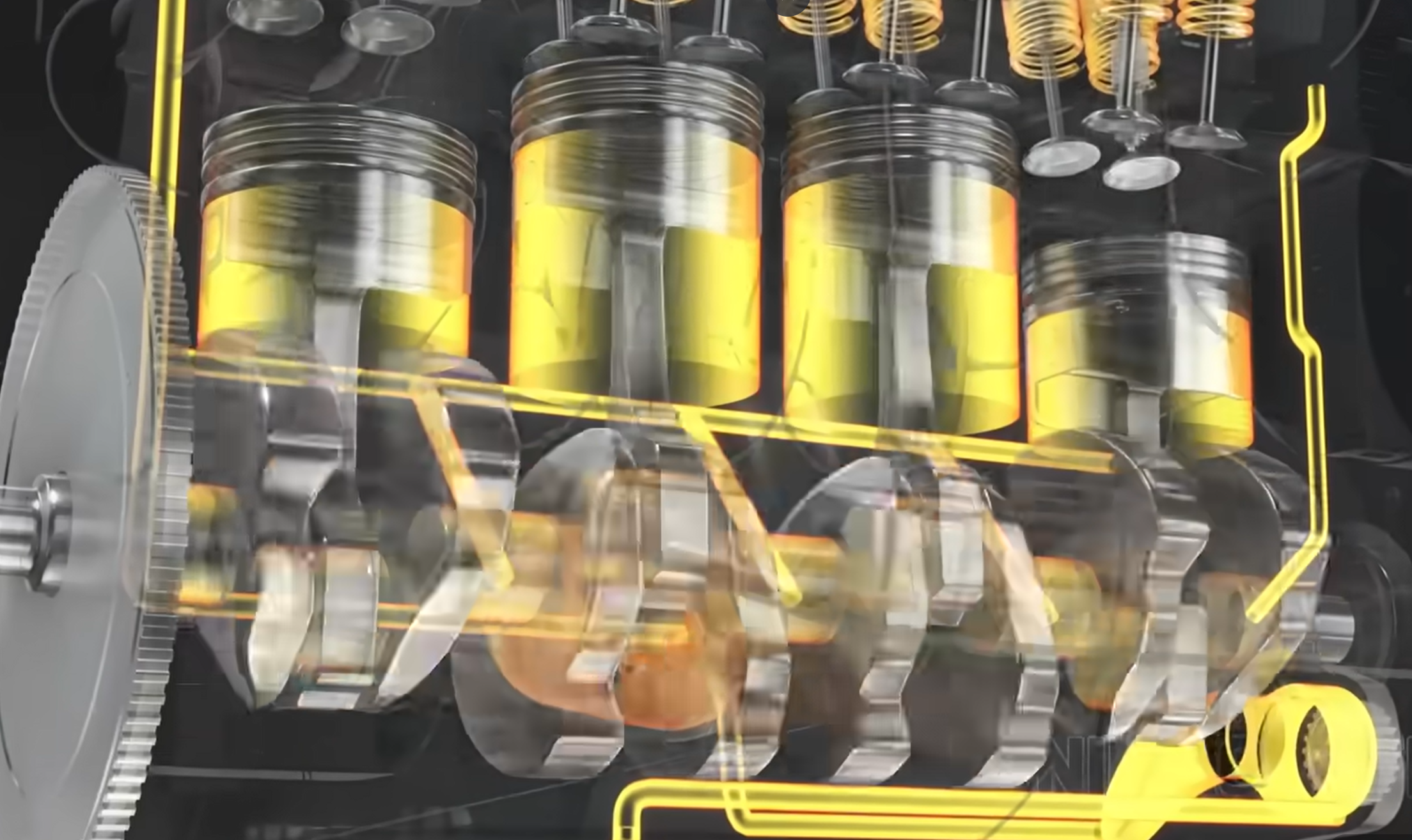
Motor oil is used to lubricate, clean, prevent corrosion, and cool engine by carrying heat away from moving parts
Rings around the top of the piston head keep oil out of the combustion process while the cylinders are lubricated
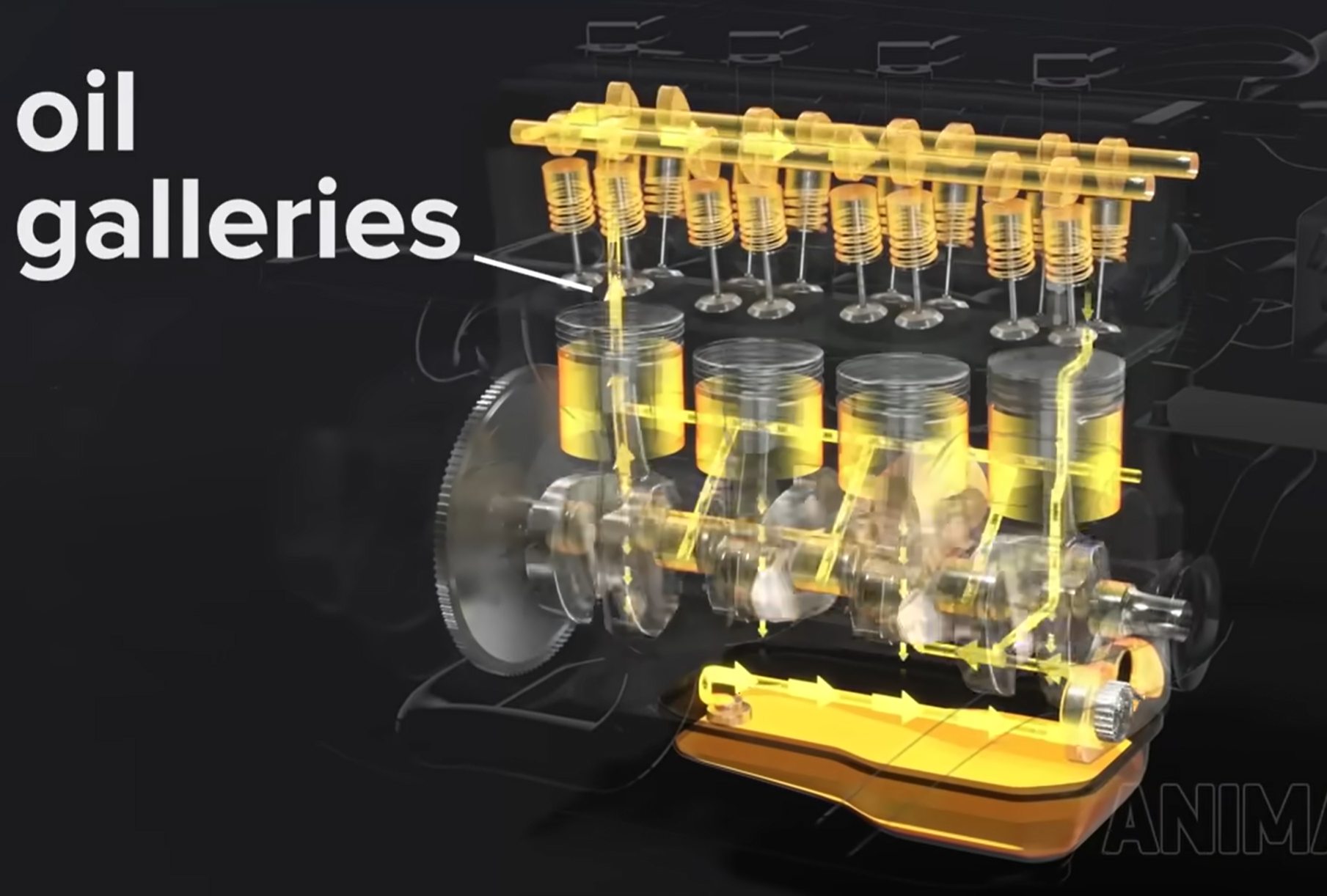
Oil galleries are channels through the engine block and cylinder head that carry oil to various engine parts
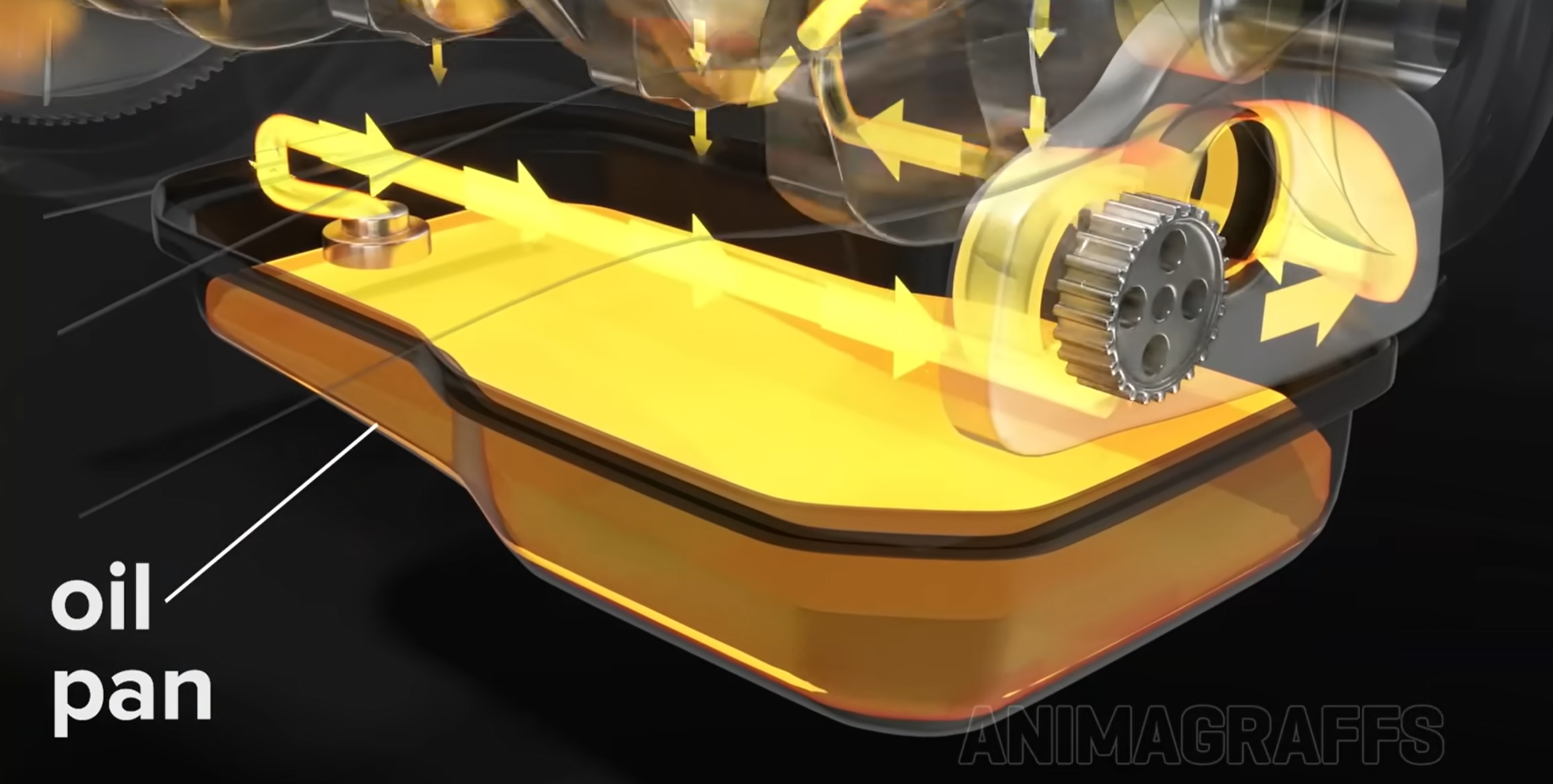
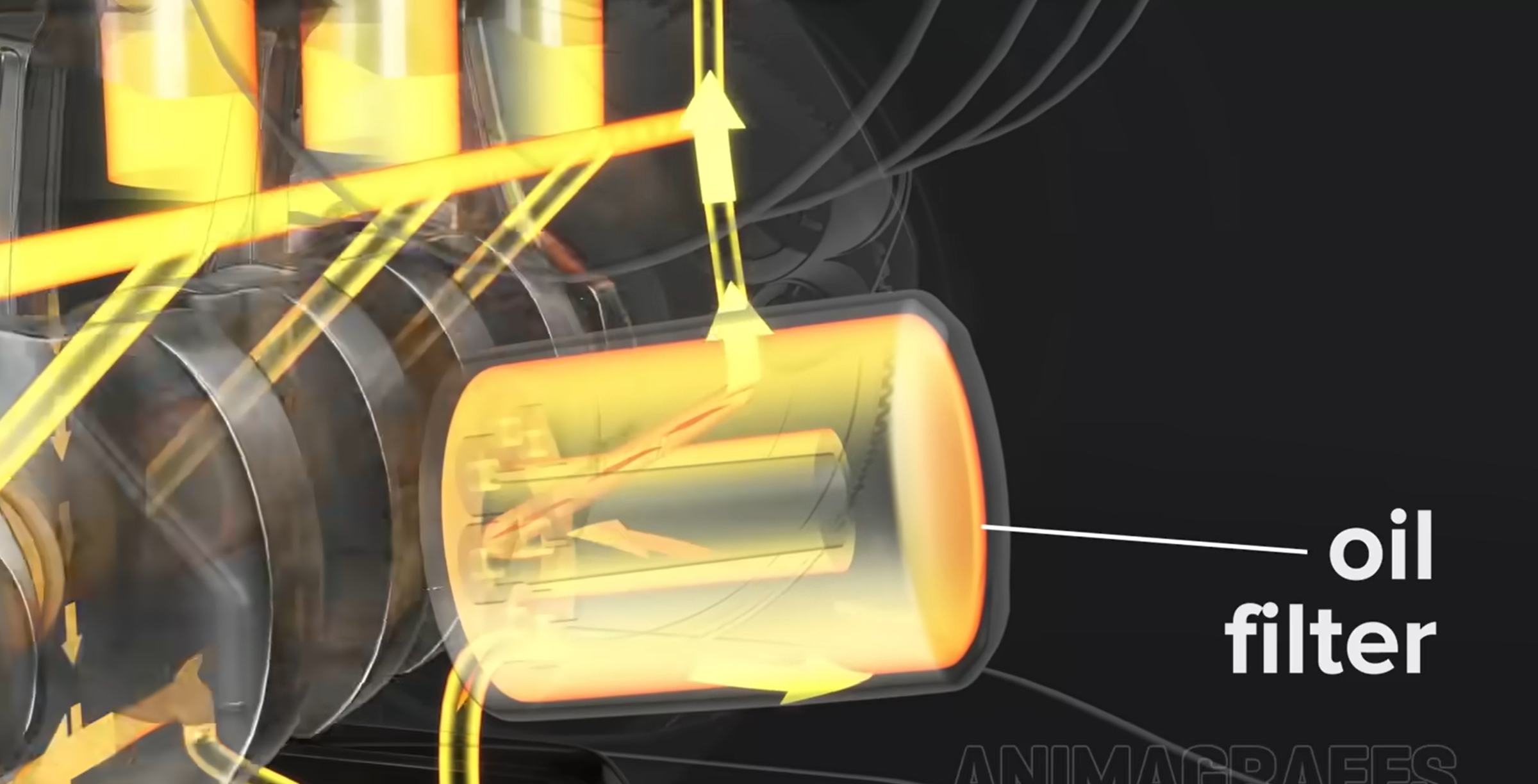
Oil flows through the engine and back to the oil pan for recirculation, it rests in the oil pan when not in circulation
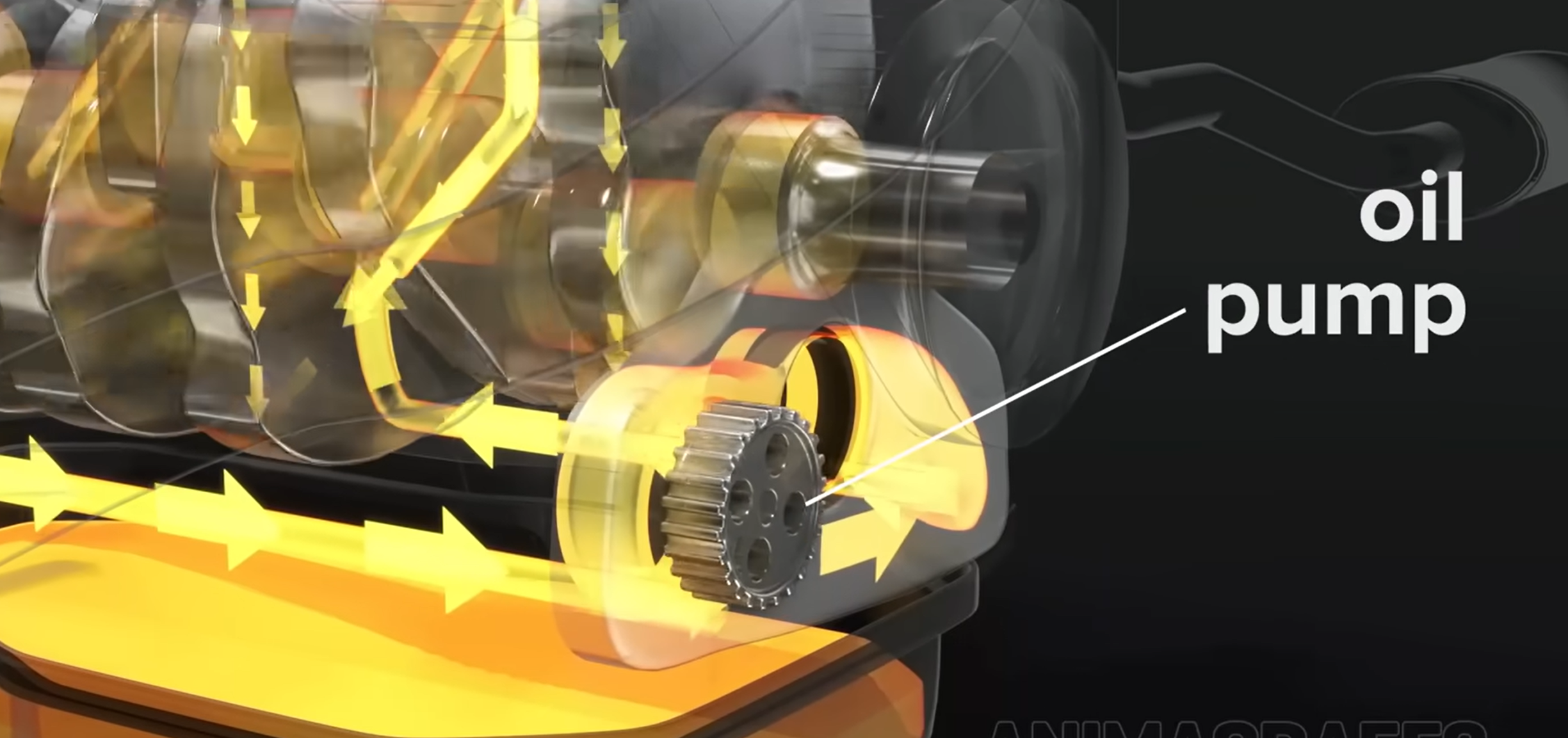
Oil pump keeps it pressurised and properly flowing
Oil filter keeps oil clean from contaminants
Exhaust
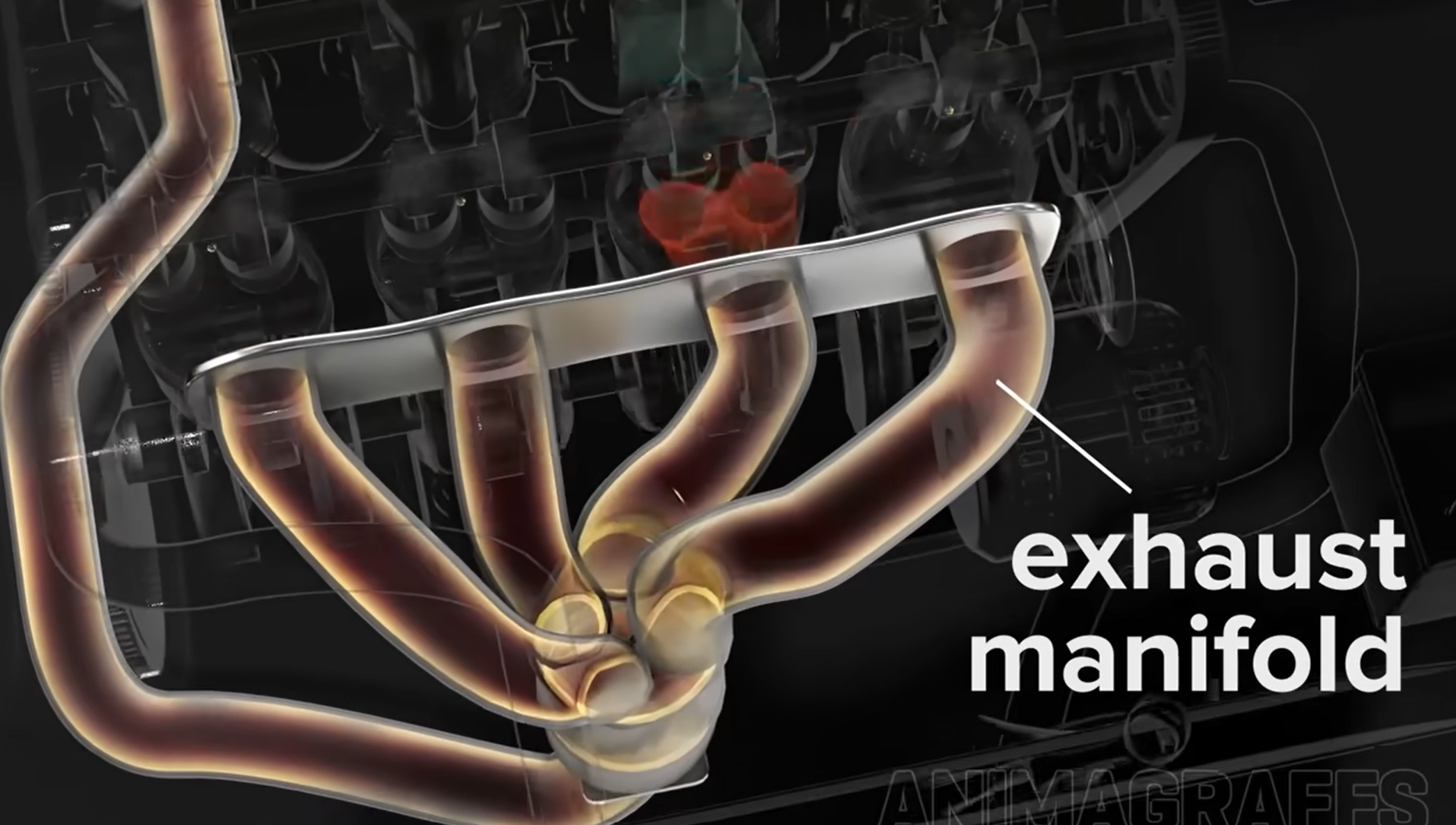
Collects gases from multiple cylinders into one pipe
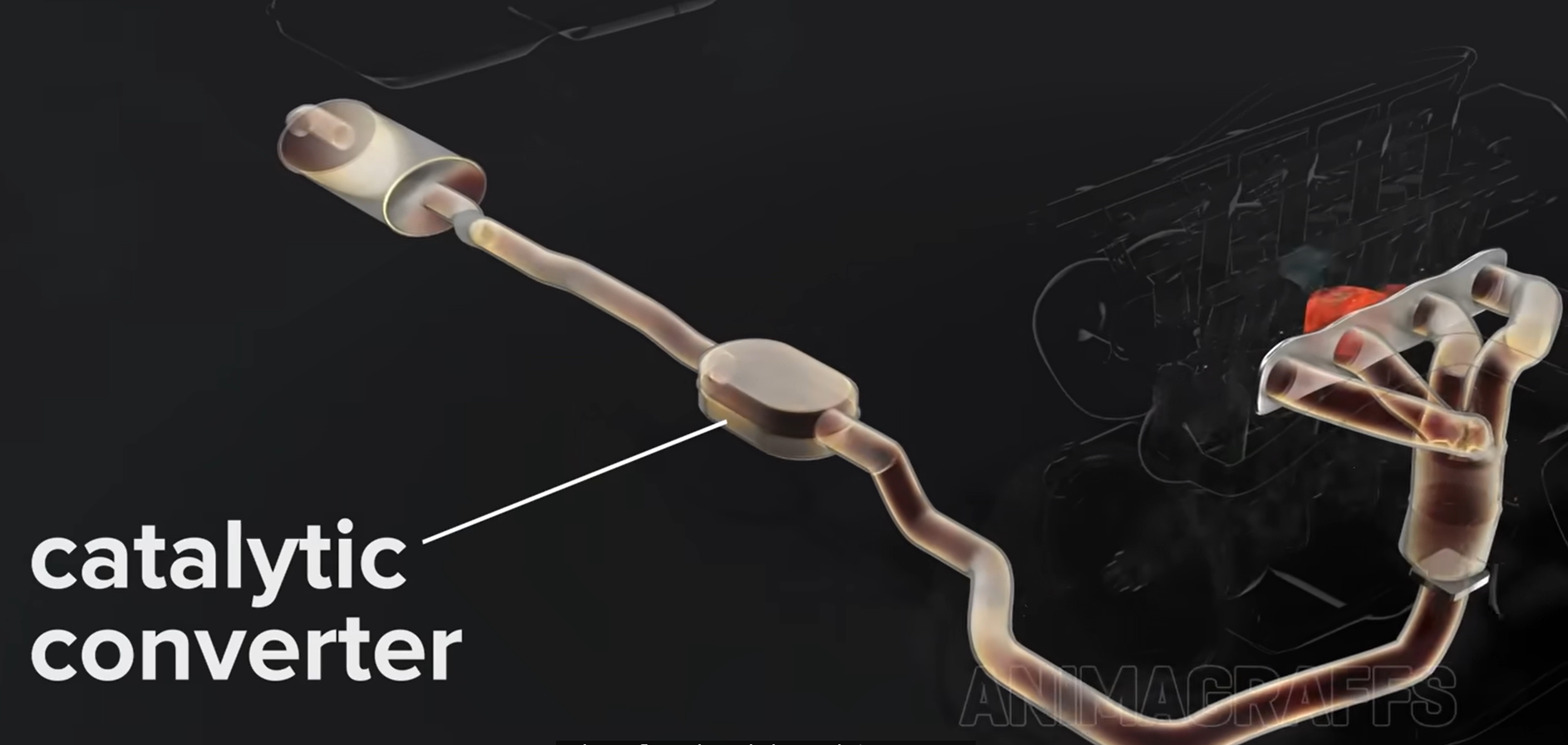
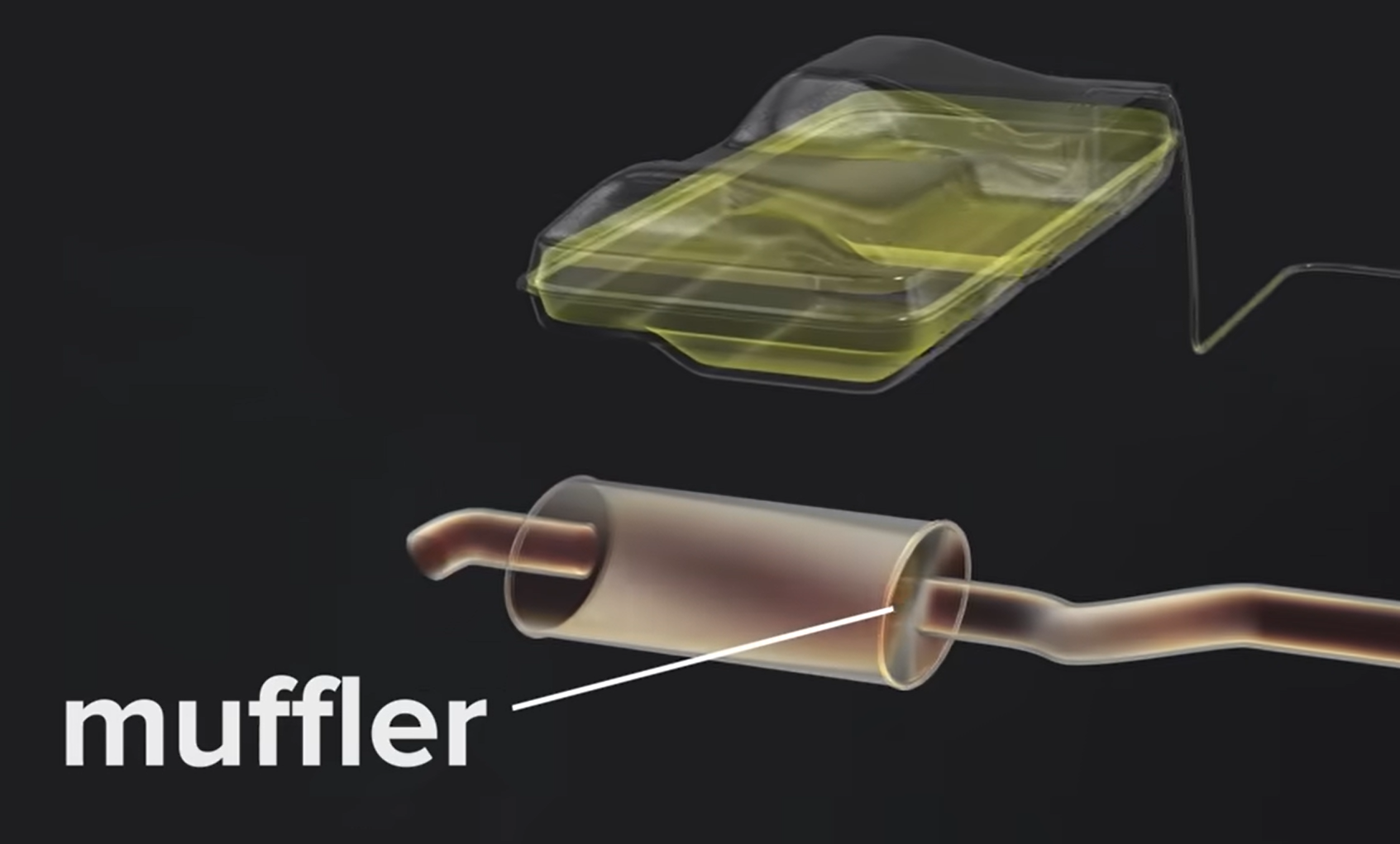
Exhaust flows through catalytic converter which captures toxic chemicals in engine exhaust and out through a muffler that reduces exhaust noise
FULL ENGINE PARTS