Alcohol
The word "abuse" means to use something in a way that it was not meant to be used or to treat something or someone harshly.
Abuse can come in many forms. It can have very severe and negative effects not only on the person or thing that is being abused, but also indirectly on the person who is doing the abusing. As for alcohol abuse, many families have been hurt and divided because of issues related to abusing alcohol.

Articulate Content Library
One of the many problems that is directly associated with alcohol abuse is that it rarely affects just the person who actually abuses alcohol or has the problem with alcohol. What are some examples of how alcohol abuse affects others? Quite often, physical and sexual abuse might stem from alcohol abuse. Finances certainly are affected by it; you can clearly see that if you look at how much money is being spent to buy alcohol. Furthermore, many people die as a result of alcohol-related accidents, and that is not just from automobile accidents. When automobile accidents are the result of alcohol abuse, there is usually also damage to vehicles and other property. These are just a few of the reasons why people should think seriously about not consuming alcohol in the first place. After all, you can't get drunk if you never take the first drink.

Articulate Content Library
Unfortunately, the media is not helping people make mature decisions about alcohol consumption. Many advertisers for alcohol (such as beer, wine, and liquor) seem to portray drinking alcohol as the right thing to do, and some even present drinking alcohol as glamorous. Many companies and retailers also try to persuade people to buy their products by associating those alcohol-containing products with famous or rich people, or they portray drinking alcohol as sophisticated, and as though if you drink their product, you will be part of the "in" crowd. However, those companies and retailers will never explain what happens when people abuse alcohol; they do not show the severe injuries caused, the ruined lives, the wrecked vehicles (including cars, trucks, motorcycles, airplanes, etc.), and the many funeral processions that are the direct result of alcohol abuse.
Binge Drinking
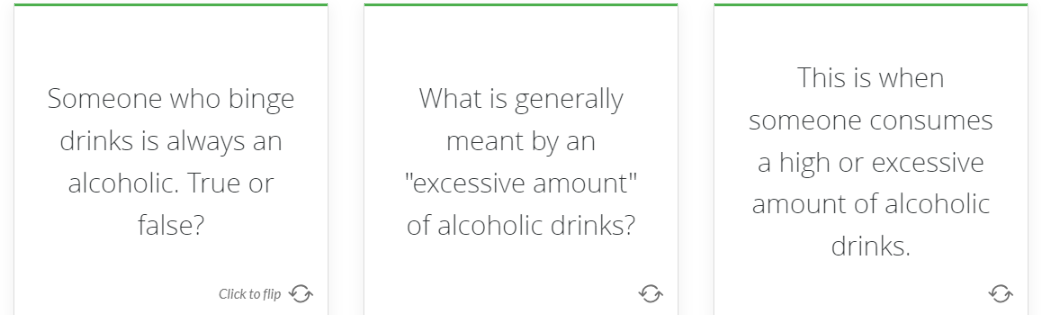
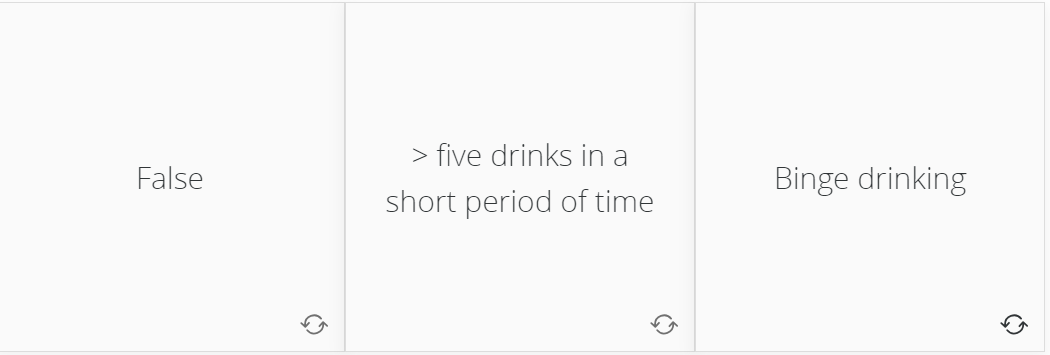
There are several forms of alcohol abuse, and binge drinking is one of them. Binge drinking is very common, and it can be quite dangerous both for the drinker and for the family of the drinker. Before going further, however, it is important to define binge drinking. Binge drinking is when someone consumes a high or excessive number of alcohol-containing drinks/beverages. An excessive number of drinks is generally defined as more than five drinks in a short period of time, and those drinks are consumed with the purpose of becoming drunk or to obtain a state of intoxication.

A person may binge drink when he or she is trying to "fit in" (be part of the crowd or be like friends). Other reasons people may binge drink are as a way to deal with stress, celebrate, or "drown their sorrows" after a major or important event in life (a wedding, birthday, graduation, funeral, etc.).
Binge drinking can be extremely dangerous, and it can cause a variety of physical/health problems. Some of the most common problems binge drinking can lead to are liver and/or kidney damage, alcohol poisoning (a condition caused by drinking several alcoholic beverages in a short period of time, resulting in abdominal pain, nausea, vomiting, potential blindness, and possible death), and alcohol addiction (being physically dependent on alcohol).
Statistics show that more than 90% of the alcohol underage people drink is consumed while binge drinking.
If you notice a family member or friend binge drinking, or if you find yourself binge drinking, you need to think about what is happening. If it's a family member or friend, step in and offer your support and encouragement when possible, and if needed, talk to your loved one about getting help such as counseling or another professional treatment (alcohol rehabilitation, etc.). If you find yourself binge drinking, you need to first become aware of your problem. You then need to reach out to an adult or someone you trust as soon as possible. Binge drinking is dangerous.
Alcoholism
Just because someone binge drinks, it does not necessarily mean that that person is an alcoholic. An alcoholic is someone who is physically dependent on alcohol. The person who is binge drinking might just have bad drinking habits.
Alcoholism and alcohol abuse can cause damage to your body. Because of the damage alcohol can cause to your body, it is important for you to be able to recognize the signs of alcohol dependence. A person who is an alcoholic may have a variety of symptoms including shaking or tremors, sweating, chills, anxiety, nausea, and other physical symptoms if he or she cannot get a drink (of alcohol). An alcoholic's habit will start to interfere with his or her family, education, career, and many other facets of life. Many alcoholics start to build up a tolerance for larger quantities of alcohol, and that tolerance results in more frequent episodes of binge drinking sessions; as a result, the damage to their lives and bodies will be much more severe.
Because drinking is a behavior that is socially acceptable in many settings (even when it is illegal or actually inappropriate), many people do not recognize or accept the fact that frequent drinking truly is a very dangerous thing to do. Some people might even think drinking is actually moderate alcohol use and not really a concern. However, if a person has more than two drinks a day, it can lead to problems, especially when the person's age, weight, and habits are taken into consideration. For one person, drinking more than fourteen alcoholic beverages in a week might be binge drinking; for another person, it might be either more or fewer drinks in a week.

Articulate Content Library
If you think that someone you love (or even yourself) is showing signs of alcoholism, it is important that you let someone know. An alcoholic needs to get treatment either from a professional therapist who specializes in alcohol problems or by attending group sessions like Alcoholics Anonymous. A therapist or counselor who specializes in alcohol-related problems is probably the best person to help, especially if he or she is a Christian and can approach counseling from a Christian perspective.
Drinking Statistics
In most states, it is illegal to purchase, consume, or allow someone who is underage to drink alcohol, but many young people still find ways to drink. According to the National Institute on Alcohol Abuse and Alcoholism (NIAAA), in the United States, alcohol use among teens is relatively common, and that is a concern.
A national survey conducted showed that by the time teens reached fifteen years old, nearly one-third (33%) had had at least one alcoholic beverage, and that number increased to nearly two-thirds (or 60%) by the time they reached eighteen years old. In that same survey, 7.7 million youth who were ages twelve to twenty said that in the previous month they had had more than "just a few sips" of alcoholic beverages, and this same group of young people (even though it is illegal) drink approximately 11% of all the alcohol that is consumed in the United States. Furthermore, according to data from that survey, more than 95% of youth ages twelve to fourteen said they could easily get alcohol, and they could get it for free. They often got that alcohol from friends, family members, or from their own homes (when their parents were not home).
Statistics related to teenage drinking show that a teen is four times more likely to become an alcoholic (or dependent on alcohol) if he or she starts drinking before reaching age fifteen.
Underage drinking is a major concern. The CDC reported that close to 4,400 youth (who were under age twenty-one) died each year because of some event that was related to alcohol (such as automobile accidents, suicides, murders, drownings, etc.). In just the year 2011, injuries related to alcohol contributed to approximately 188,000 young people (under age twenty-one) being involved in accidents that resulted in trips to emergency rooms.