IGSCE Mathematics - Introduction to Numbers
Introduction to Numbers
Types of Numbers:
Natural Numbers - Numbers which you can count from 1 to infinity ( no fractions or decimals or 0) e.g. 1,2,3,4,5
Integers - A whole number including negatives and postitives and 0 but no fractions or decimals. e.g. -3,-5,7,35,0
Rational Numbers - Any number that can be written as a fraction. e.g. 7.5, 3/8, -0.54
Irrational Numbers - Real numbers which are not rational numbers. e.g. pi, √2,
Real Numbers - Real numbers are all numbers including rational and irrational numbers.
Types of Natural Numbers:
Odd Numbers - A number which is not divisible by 2 e.g. 3,5,7,9
Even Numbers - A number which is divisible by 2 e.g. 2,4,6,8
Prime Numbers - A whole number greater than 1 that cannot be exactly divided by any whole number other than itself and 1 e.g. 2, 3, 5, 7, 11
Factors of 20 - 1,2,4,5,10,20
Multiples of 20 - 20,40,60,80,100,120,140
Square Numbers - a number multiplied by itself e.g. 4,9,16,25,36
Cube Numbers - a number multiplied by itself 3 times ( 2 × 2 × 2) e.g. 1,8,27
Triangular Numbers - 1,3,6,10 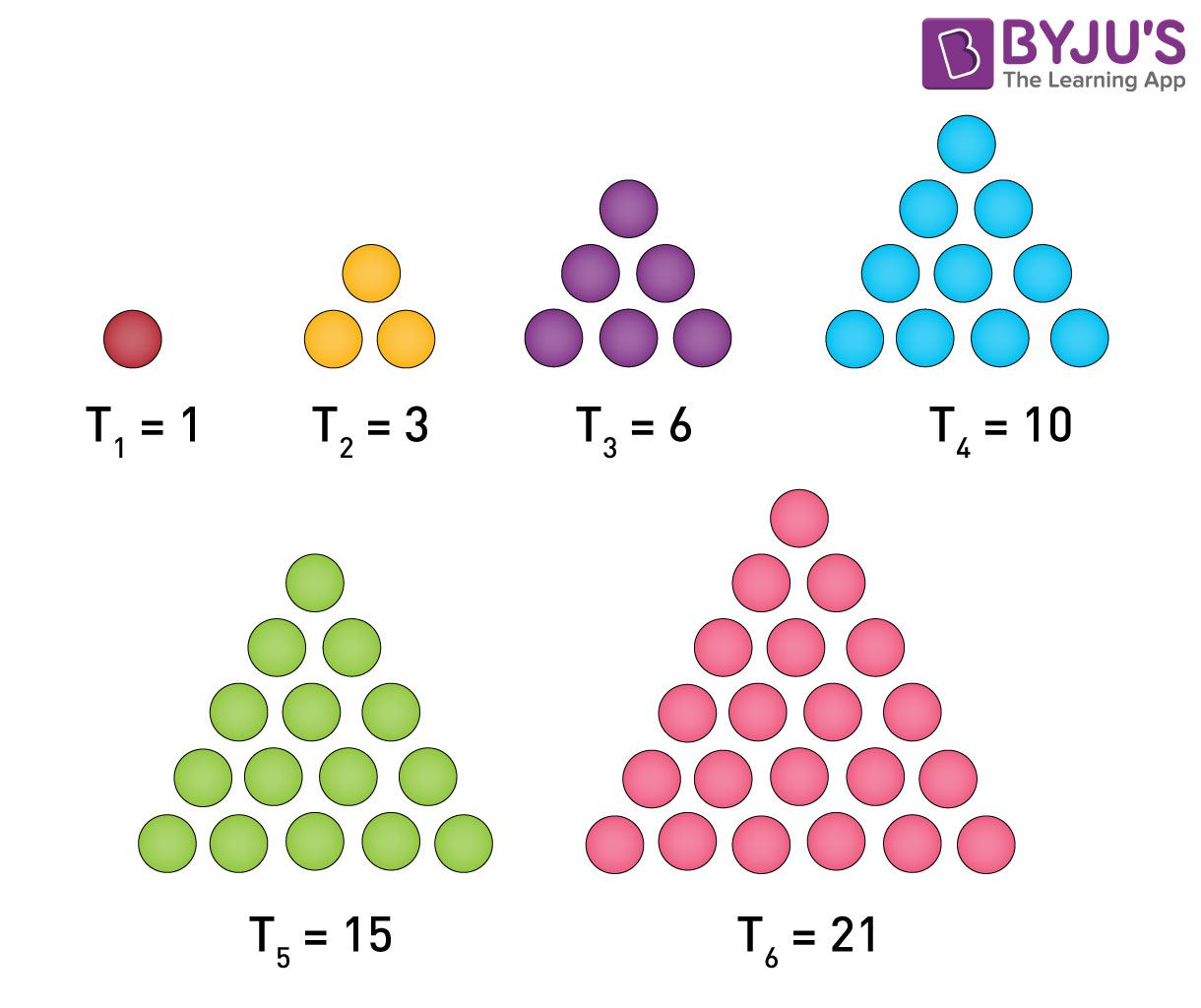
Fibonacci Numbers - The series of numbers where each number is the sum of the two preceding numbers. e.g. 0, 1, 1, 2, 3, 5, 8, 13, 21
Prime Decomposition:


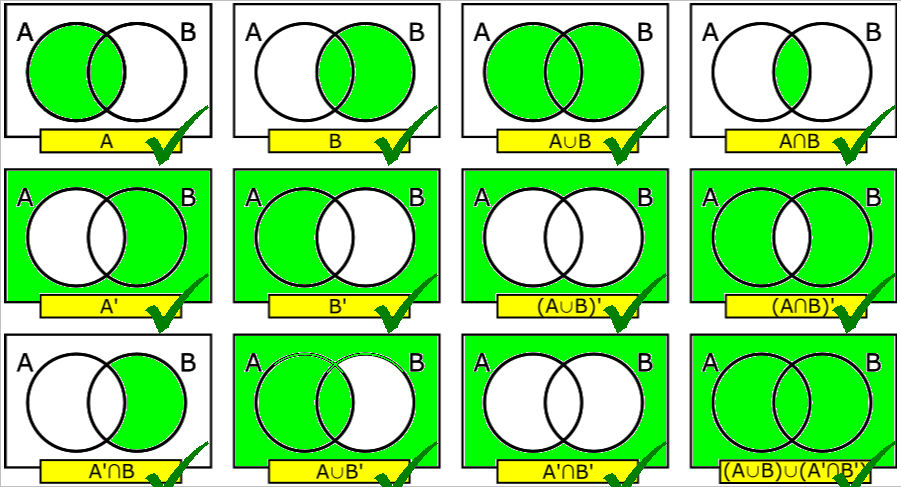
Sets and Venn Diagrams: