biology
Important terms:
Cell theory: all living things are made up of cells
DNA: genetic material that carries information for growth and development
Evolution: process by which species change over time through natural selection
Photosynthesis: process by which plants convert sunlight into energy
Homeostasis: ability of organisms to maintain a stable internal environment
Ecosystems: communities of living organisms and their interactions with the environment
Classification: system for organizing and naming living things based on shared characteristics
Reproduction: process by which organisms produce offspring
Metabolism: chemical processes that occur within living organisms to maintain life
Adaptation: traits that help organisms survive and reproduce in their environment.
Osmosis: Water molecules from high to low concentration of water molecules
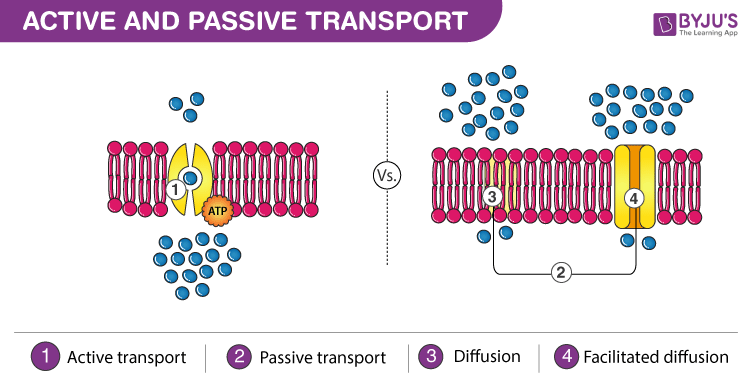
Passive transport: Is a type of membrane transport that does not require energy to move substances across cell membranes.
Active transport: The process of moving molecules across a cellular membrane through the use of cellular energy.
Examples:
Cell theory: Living organisms are made of one or more cells, which are the basic unit of life. Cells come from pre-existing cells and have chemical reactions for life. The human body has trillions of cells with specific functions like muscle, nerve, and blood cells.
DNA: Genetic material contains instructions for development, function, and reproduction. It is made of nucleotides with sugar, phosphate, and nitrogenous base (adenine, thymine, guanine, or cytosine). The sequence of bases determines the genetic code, responsible for inherited traits.
Evolution: Natural selection leads to the prevalence of certain traits in a population. For instance, birds with longer beaks are better suited to feed on specific plants. Consequently, the average beak length in the population increases over generations. This gradual change in a population's traits is called evolution.
Photosynthesis: Plants use light energy to convert carbon dioxide and water into glucose and oxygen through a process called photosynthesis. The glucose is used as a source of energy and the oxygen is released into the atmosphere.
Homeostasis: When the body gets too hot, sweat glands produce sweat to cool the skin and blood vessels widen to increase blood flow to the skin. This helps maintain a stable internal temperature, called equilibrium, necessary for the body's normal functions.
Ecosystems: Nature balances itself through the interaction of living organisms and their environment. A coral reef ecosystem is an example of this balance, with fish, algae, and coral relying on each other for survival. The coral provides a habitat for the fish, while the fish control the algae. The algae produce oxygen and food for the coral, creating a thriving ecosystem.
Classification: To classify customer reviews as positive or negative, we can use logistic regression to analyze keywords and phrases. This helps businesses understand customer sentiment and improve their products/services.
Reproduction: Organisms reproduce through asexual or sexual means. Asexual reproduction produces offspring identical to the parent, while sexual reproduction produces offspring with unique genetic material from both parents. Examples of asexual reproduction are binary fission in bacteria and budding in yeast, while sexual reproduction includes fertilization in animals and pollination in plants.
Metabolism: The process by which our body converts food into energy and other essential molecules is an example of a complex biochemical process that occurs within living organisms. This process involves a series of chemical reactions that break down nutrients and convert them into usable forms that our body can utilize for various functions such as growth, repair, and maintenance. Without this process, our body would not be able to function properly, leading to various health issues.
Adaptation: An illustration of an underlying transformation is the manner in which a few plants have adjusted to life in dry, hot deserts. Plants called succulents have adjusted to this environment by putting away water in their short, thick stems and leaves. An illustration of a behavioral adaptation is seasonal migration.
Osmosis: The absorption of water from the soil is due to osmosis. The plant roots have a higher concentration than the soil. Therefore, the water flows into the roots. The guard cells of the plants are also affected by osmosis.
Mitosis
Mitosis: A type of cell division that results in two daughter cells each having the same number and kind of chromosomes as the parent nucleus, typical of ordinary tissue growth.
Example: creates identical copies of cells. For example, it creates new skin cells to replace dead skin cells. Gametes are the cells needed for reproduction.
Interphase: The resting phase between successive mitotic divisions of a cell, or between the first and second divisions of meiosis.
Prophase: The first phase of mitosis, the process that separates the duplicated genetic material carried in the nucleus of a parent cell into two identical daughter cells.
Metaphase: