3- Plant Cells and Simple Tissue Types
A. COMPONENTS OF CELLS THAT ARE SPECIFIC TO PLANTS
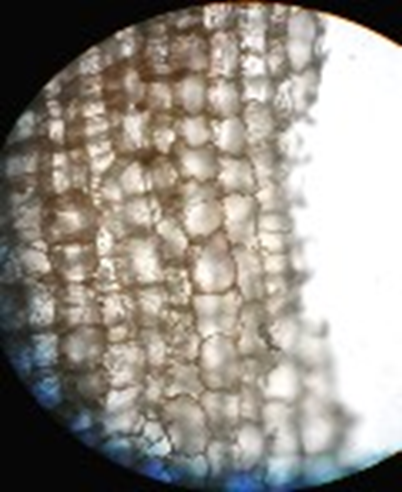
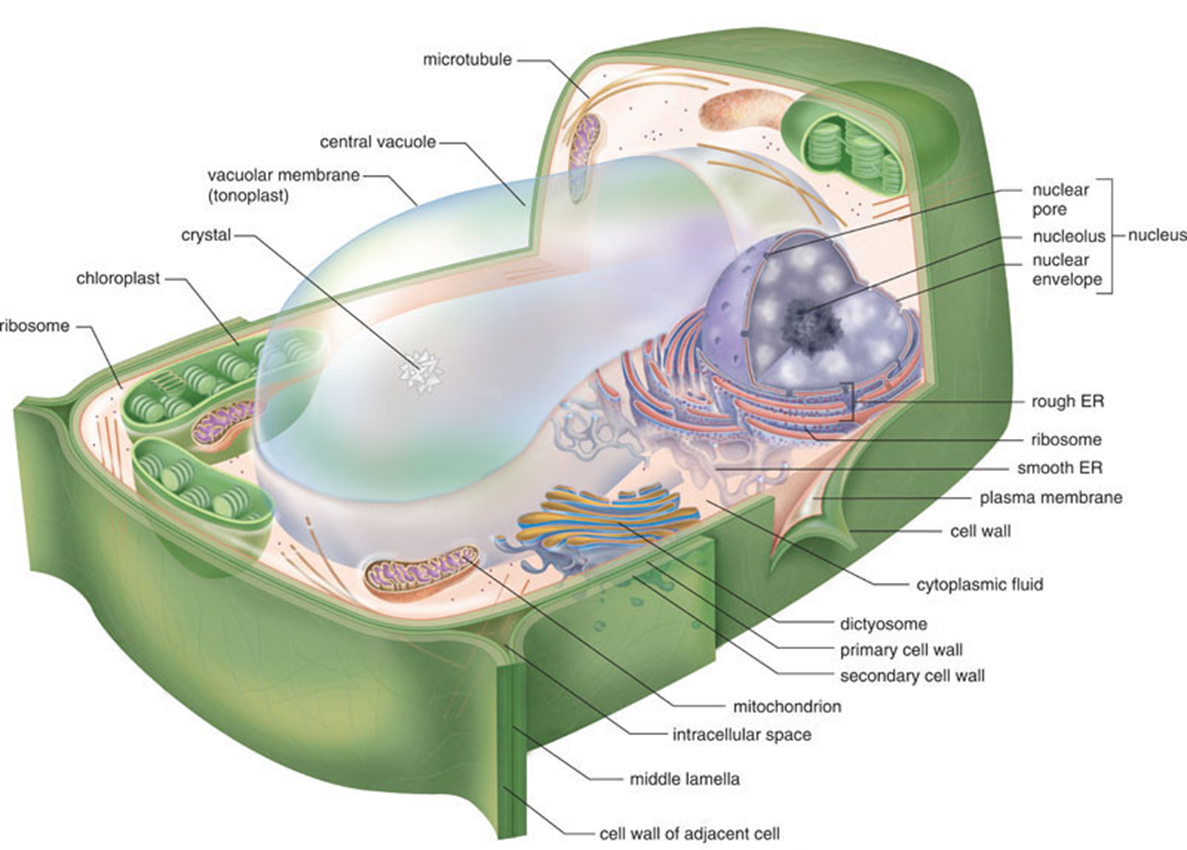
Plastids: Double-membraned structured (organelle) that perform specific functions. All plastids start as proplastids → maternally inherited
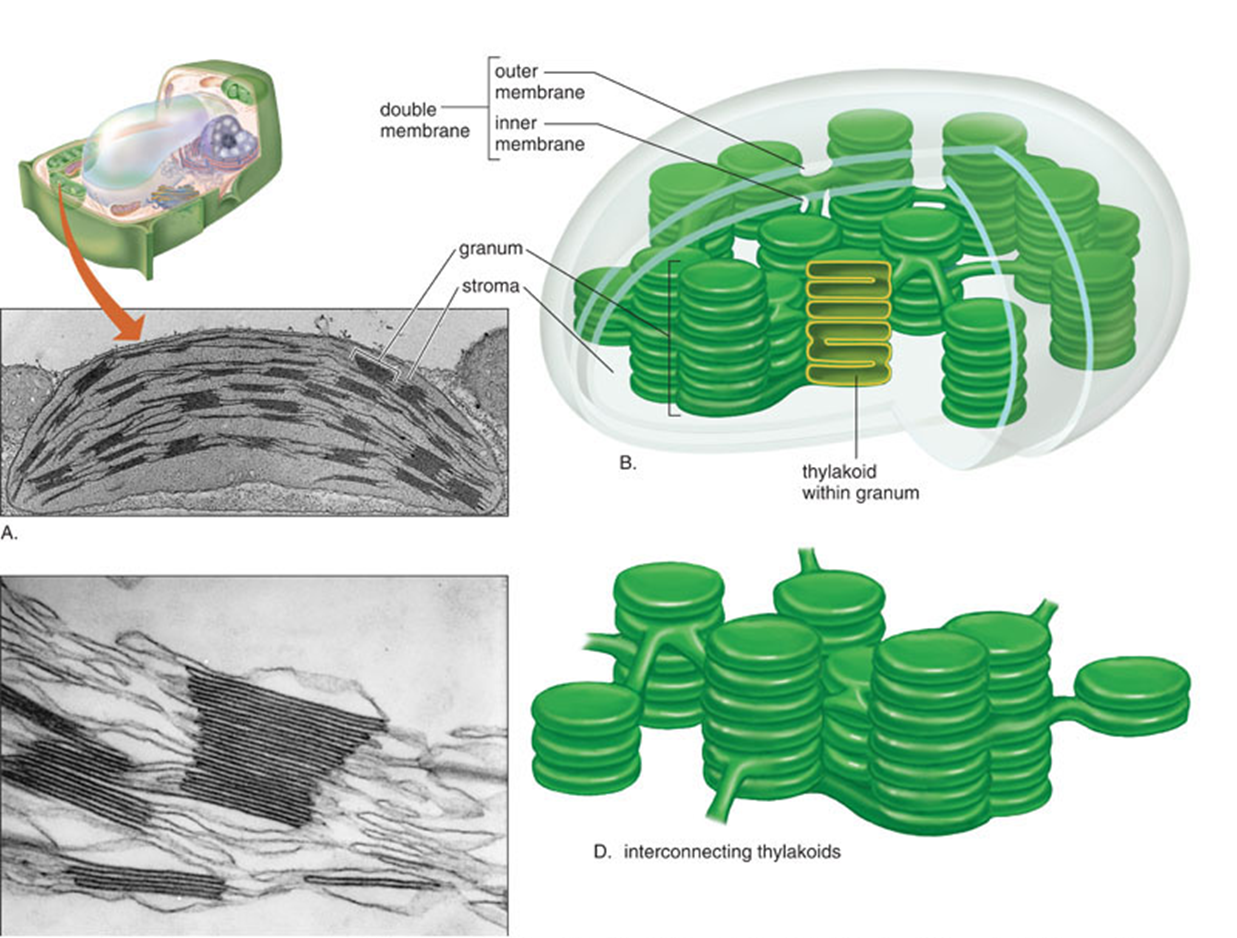
Chloroplasts: Specialized for photosynthesis, most elaborate in structure
Chromoplasts: Specialized for pigment storage. Ex: orange in carrots, red in bellpeppers
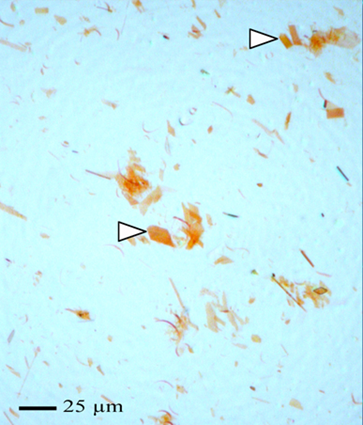
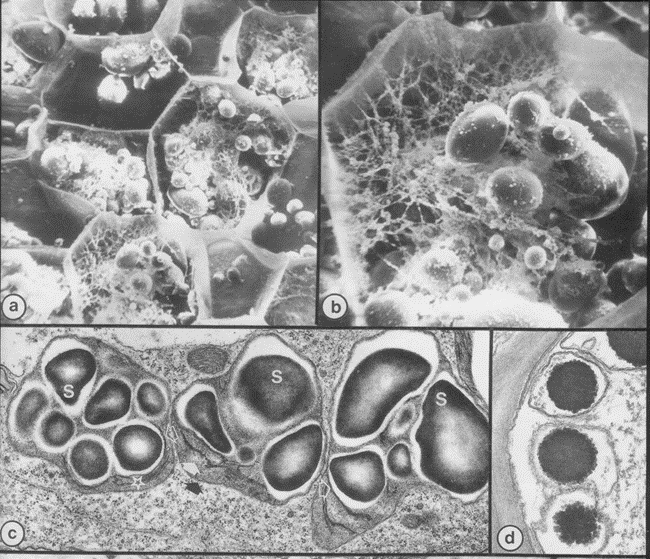
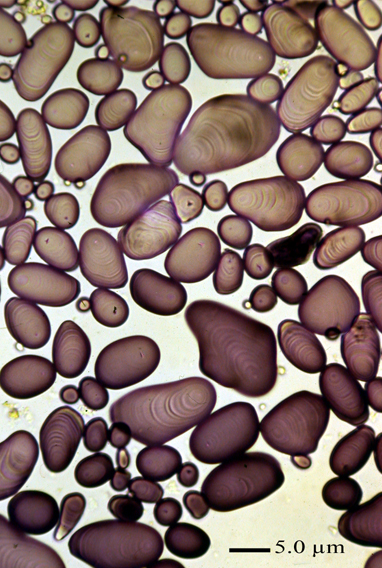
Leucoplasts: Stone macromolecules; mainly nucleic acids. Amyloplasts store carbs or starch.
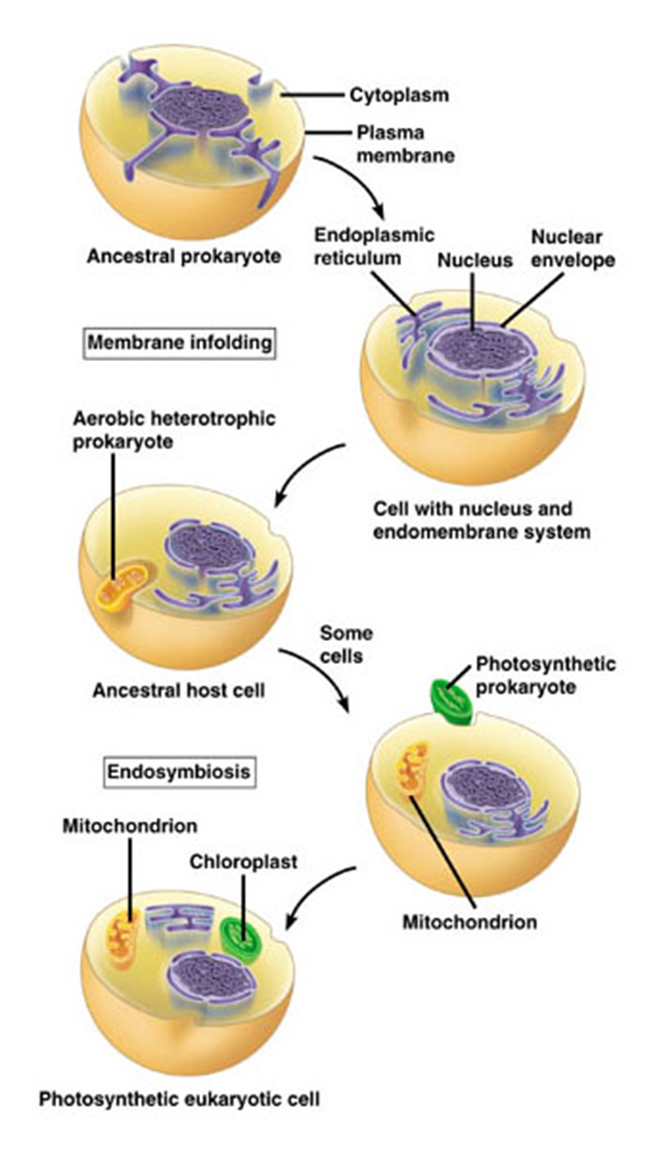
Endosymbiotic Theory: States that presence of modern mitochondria and plastids may be the result of symbiosis events that worked (and still work) to cells’ mutual advantage
Mitochondria and plastids have their own DNA genomes
Plastid genomes somewhat similar to cyanobacteria
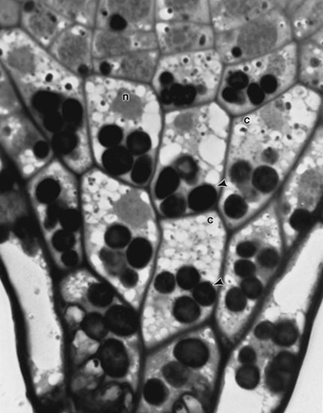
Vacuoles: Store water, sugar, salts, crystals, pigments
may account up to 90% of cell volume
usually pink/purple
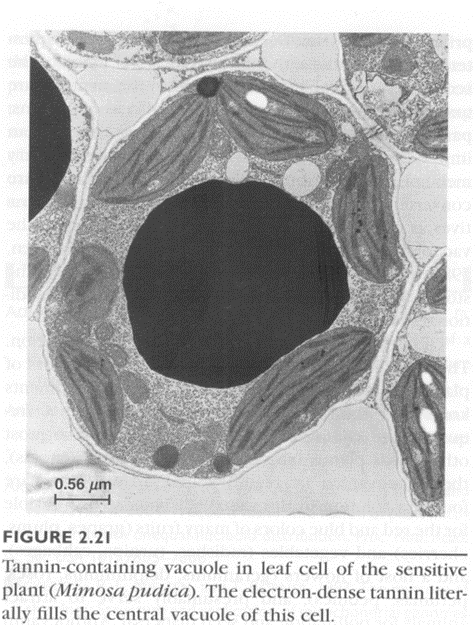

B. CELL WALLS
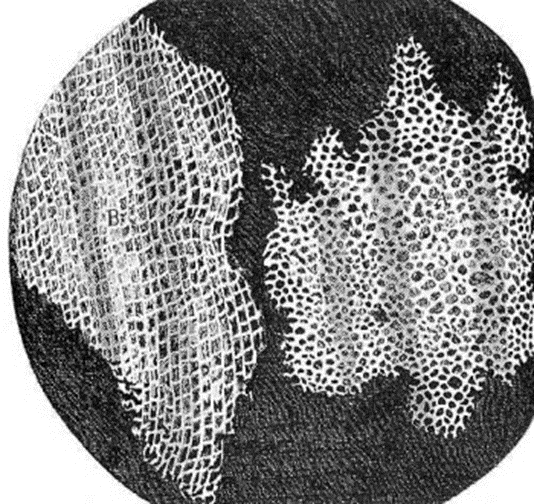
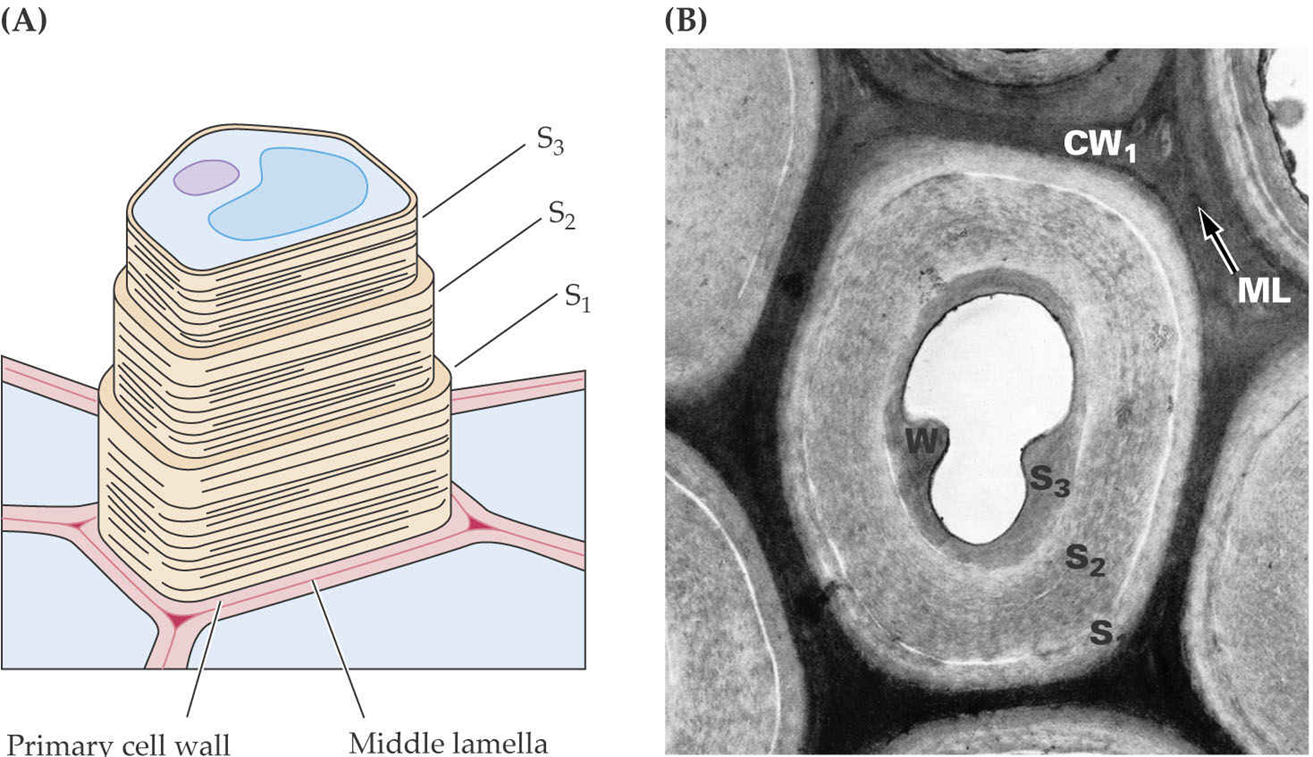
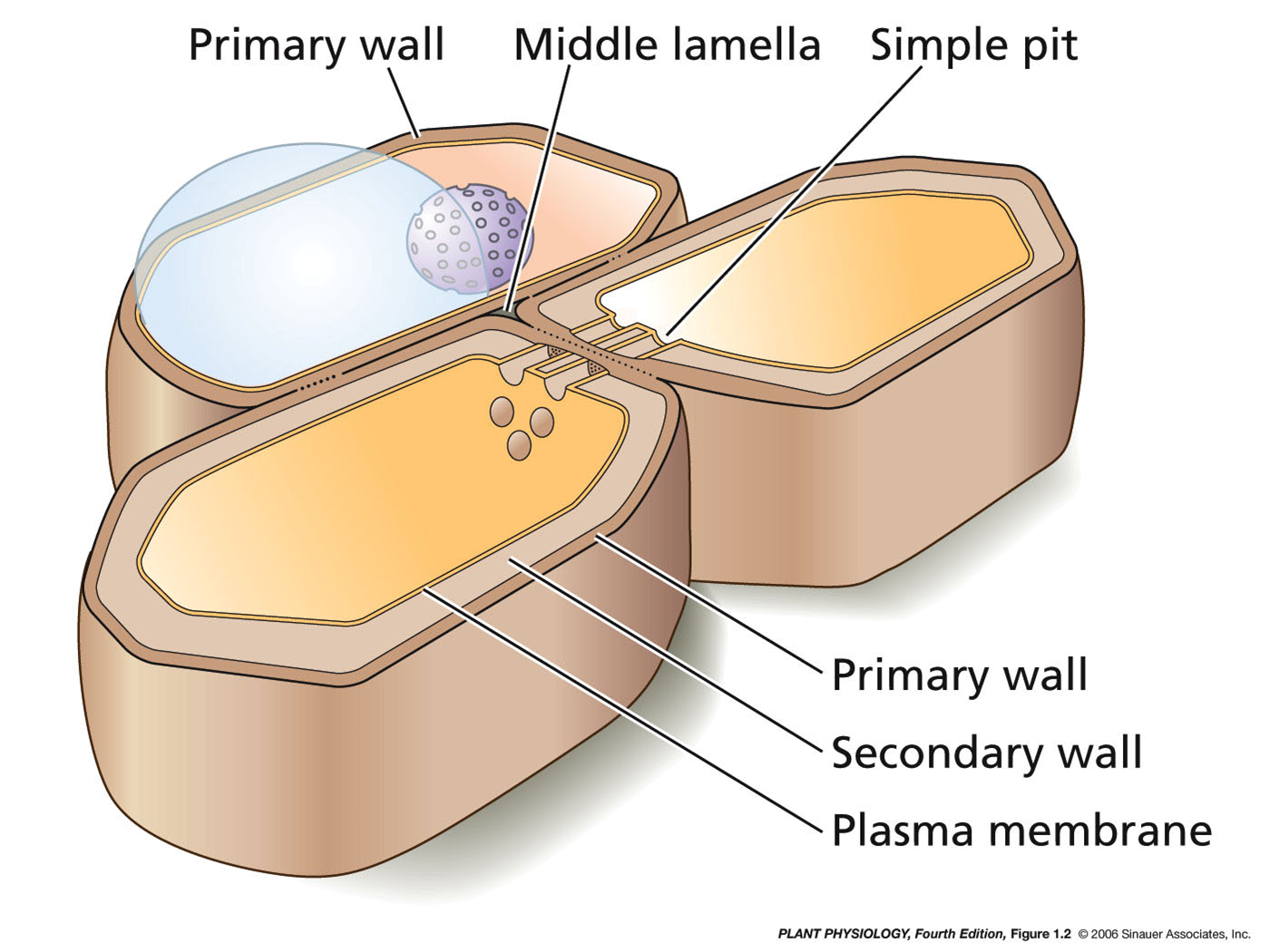
PRIMARY WALL: all cells have a primary wall formed at cell division
Cellulose: principal structured compound, strong/pliable → primary wall expand as internal components of the cell expand
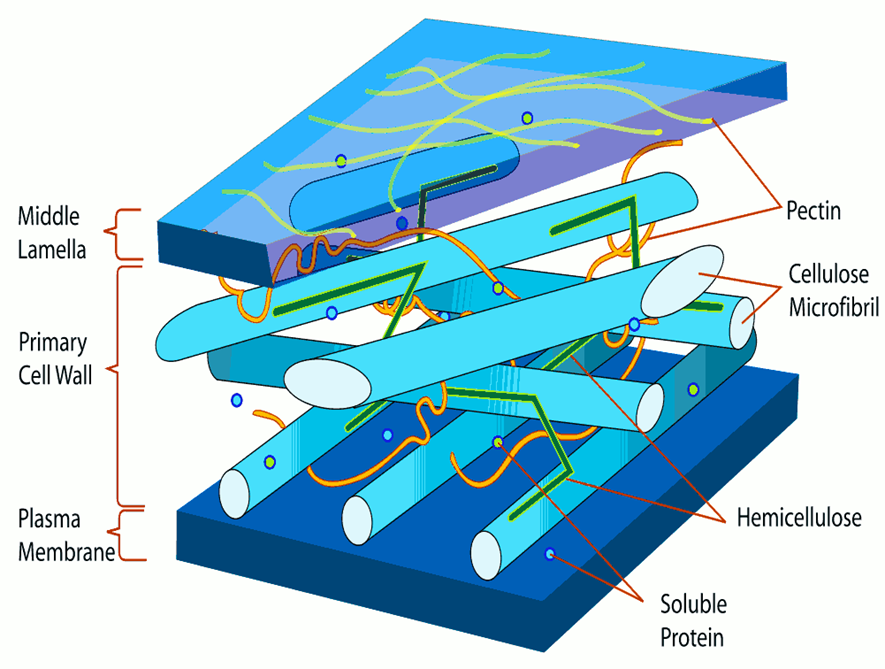
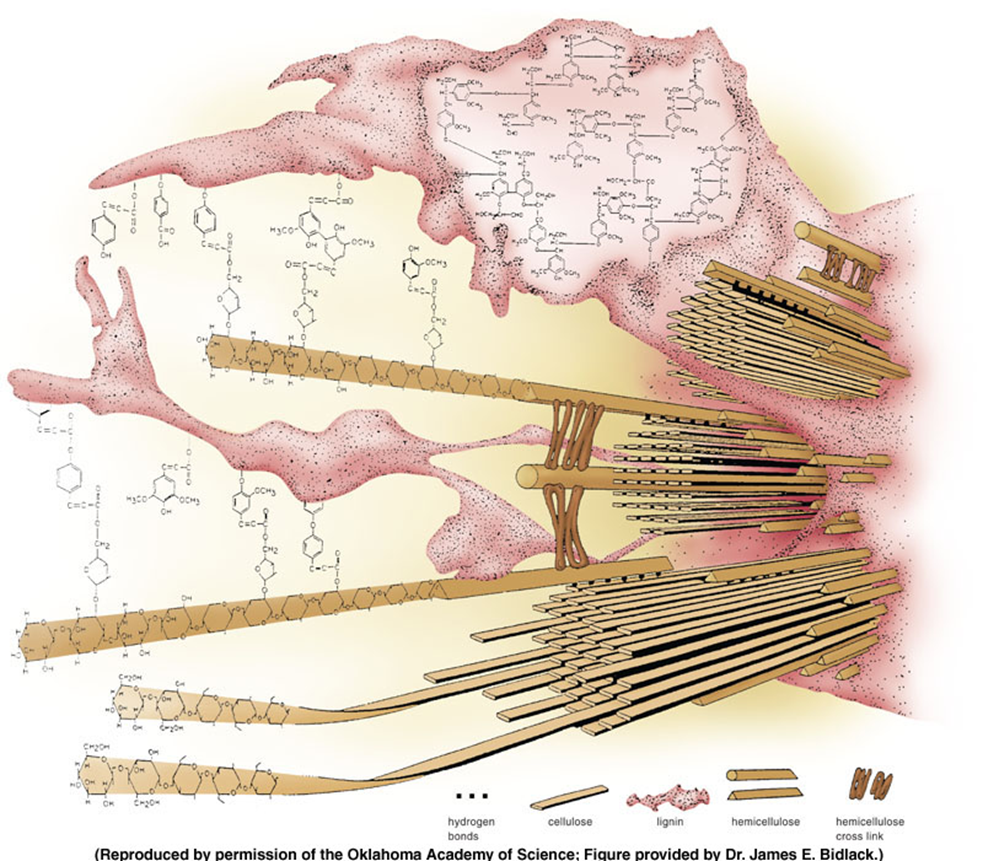
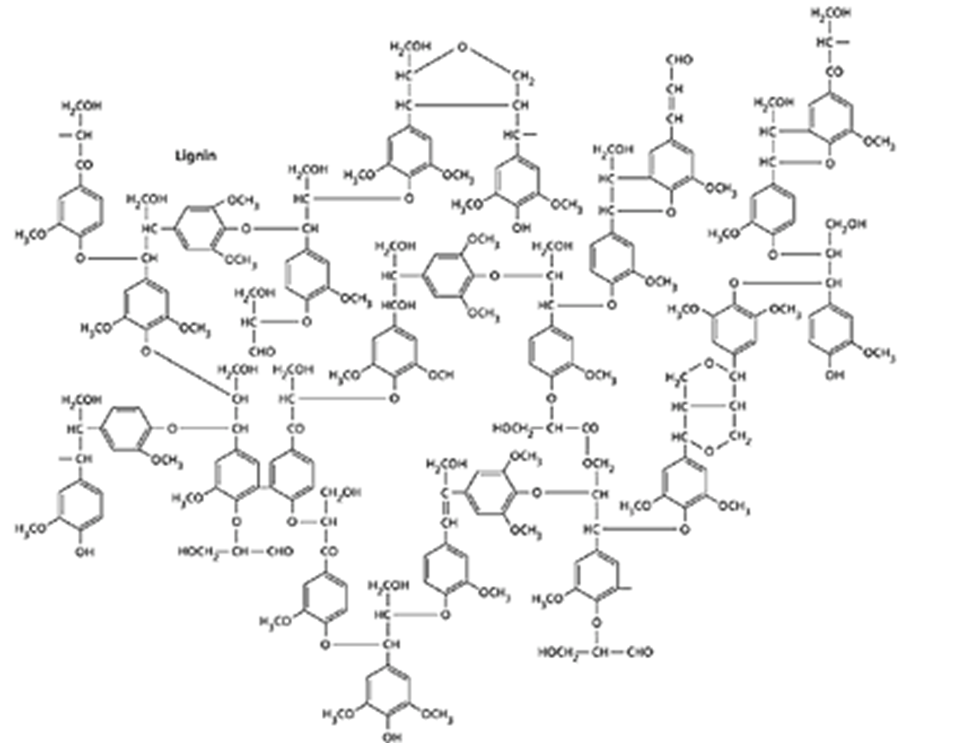
SECONDARY WALL: composed of ligmin and cellulose → hard/rigid, not pliable/strong, cells that form secondary wall uusually die at maturity
C. CELL-CELL CONNECTIONS
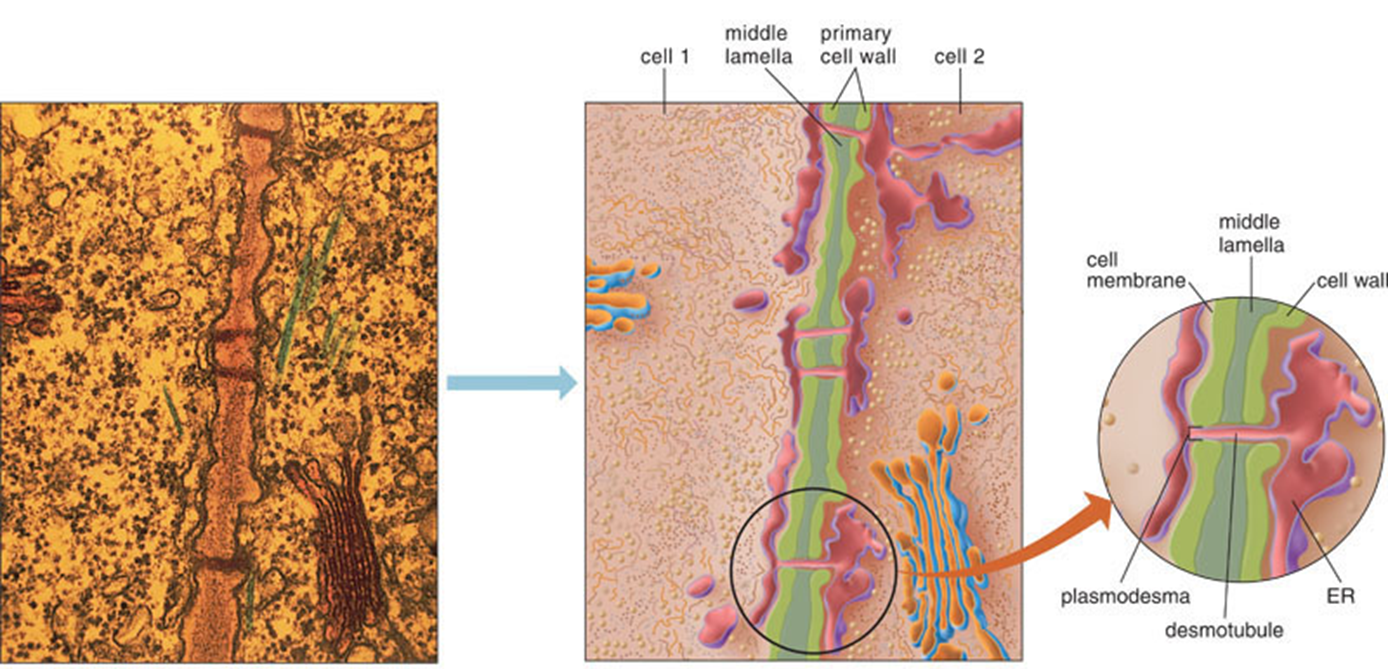
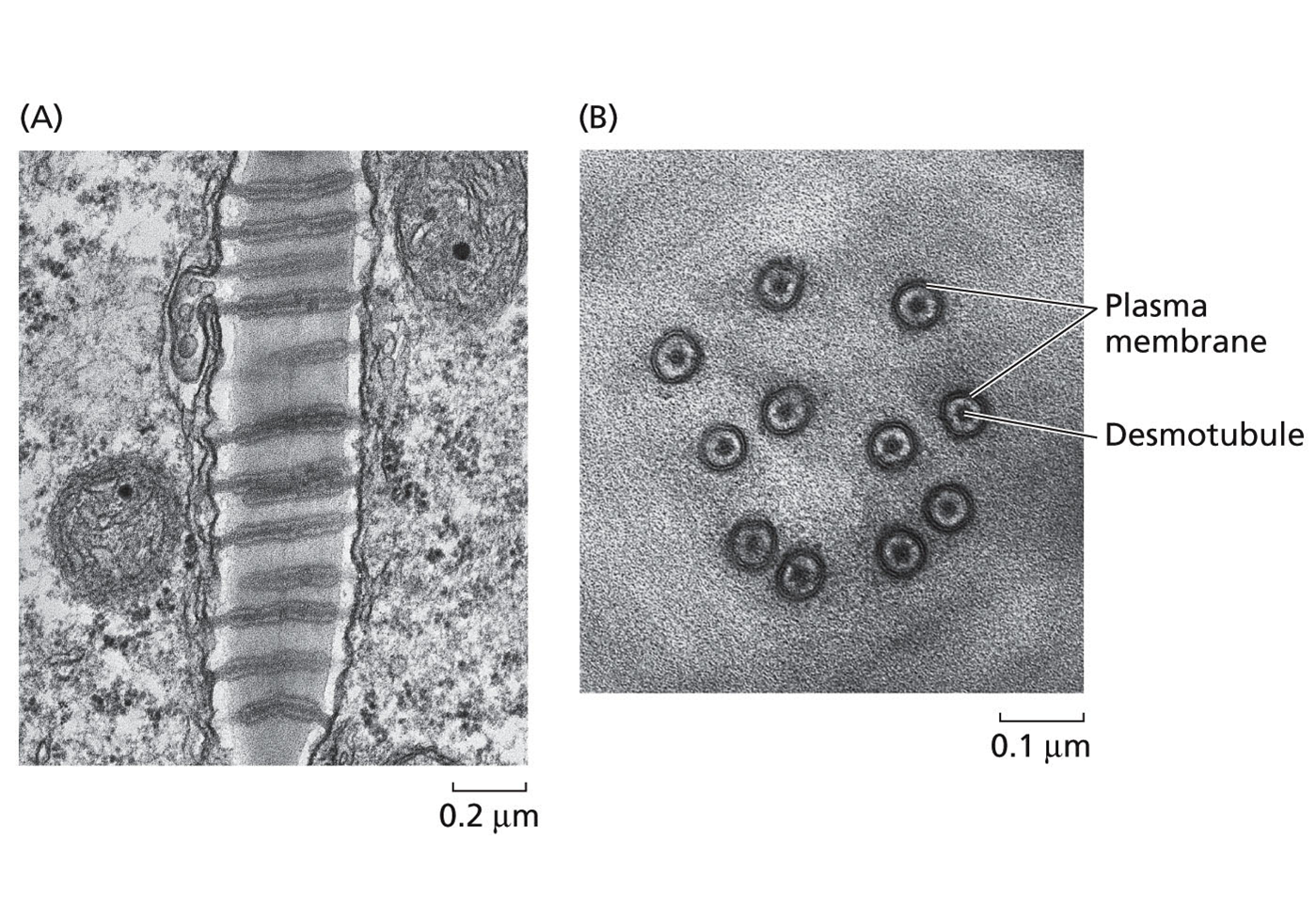
Plasmodesmata: cytoplasmic connections between living cells → allow for selective molecule transport, most formed at cell division
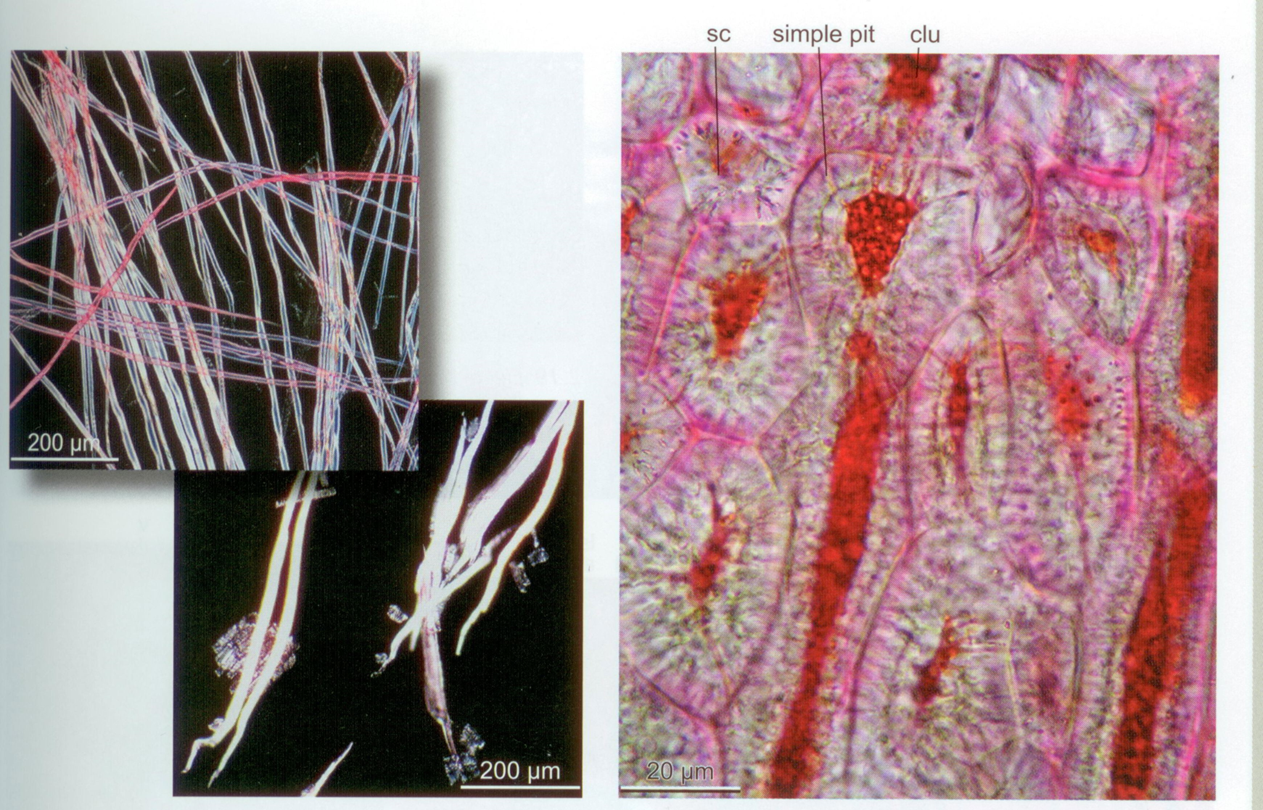
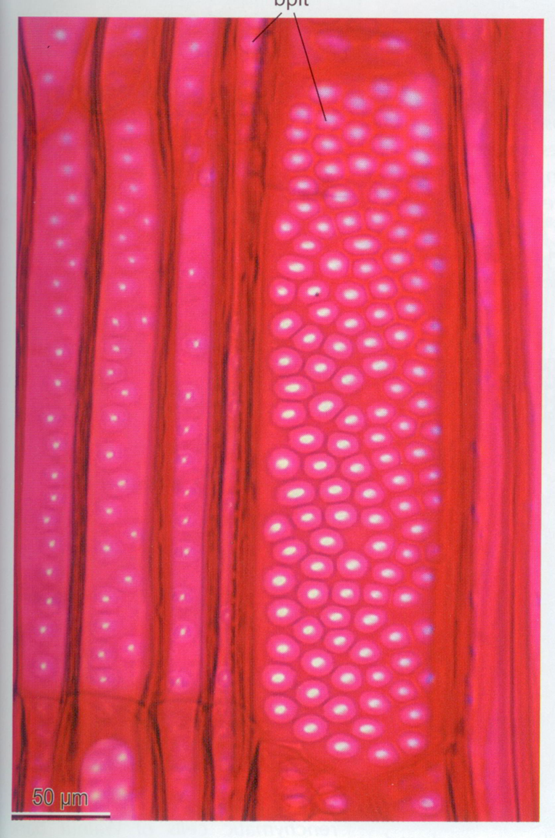
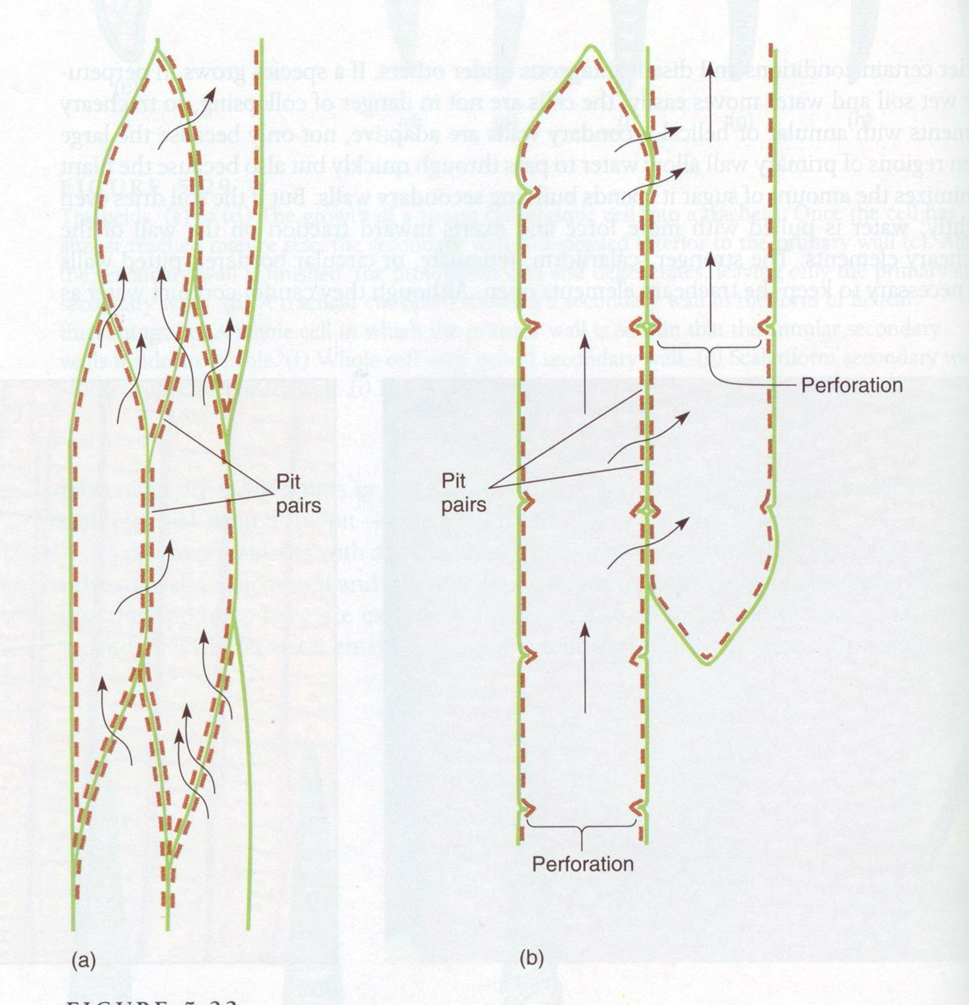
Pits: Thinnings in cell wall, usually between dead cells, form at location of plasmodesmata, unregulated transport
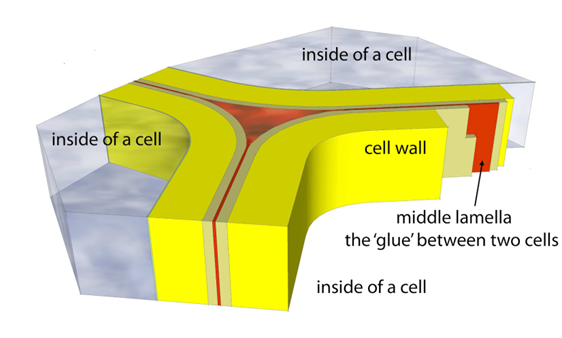
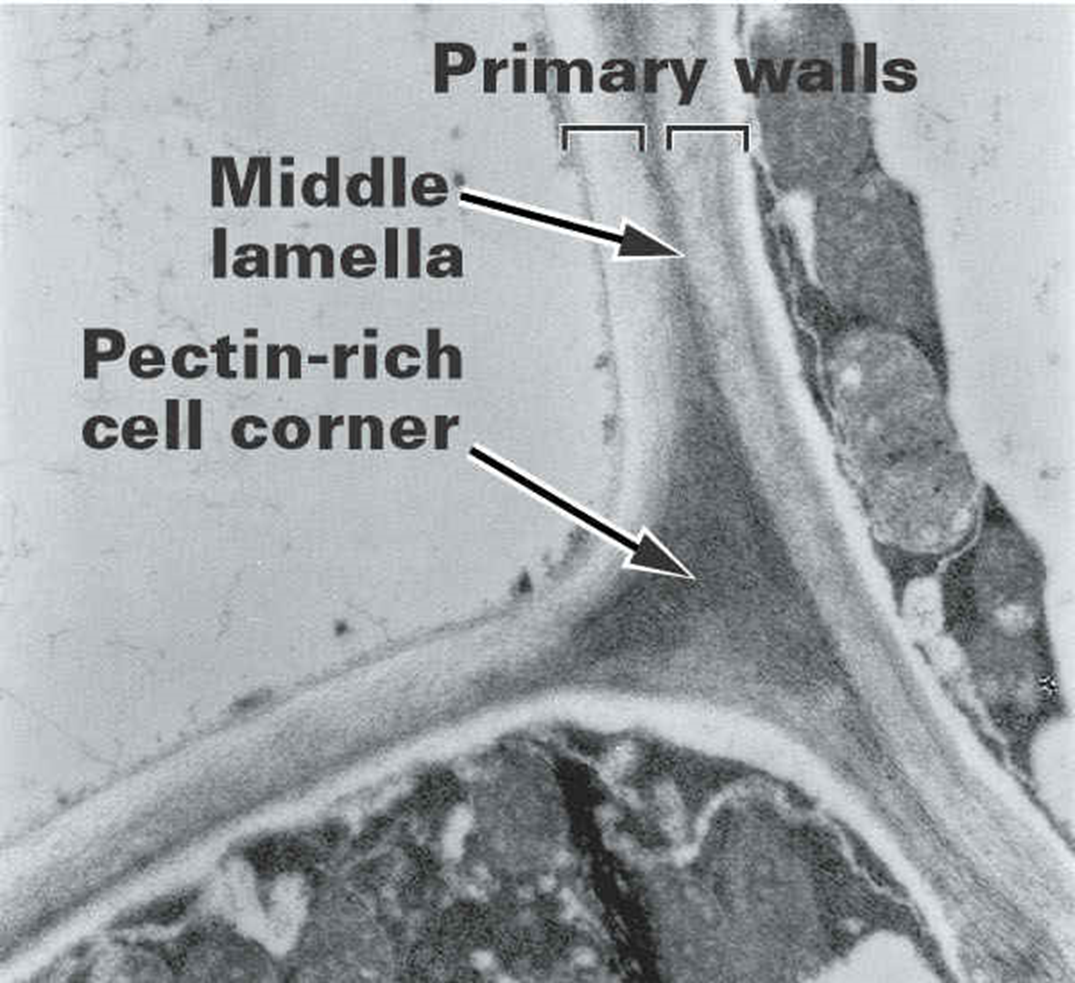
Middle lamella: material between plant cells, composed of pectin (glue-like)
D. SIMPLE TISSUES
These are individual cell types and are referred to as tissues when they occur together in the plant body (they are one cell type, unlike complex)
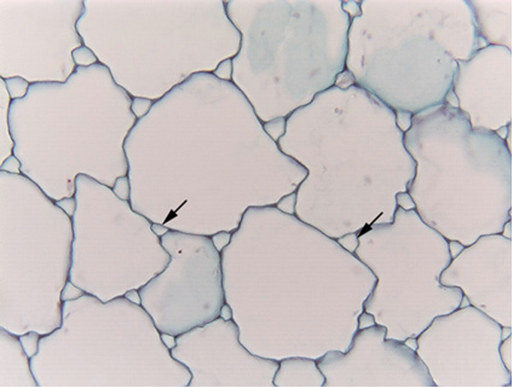
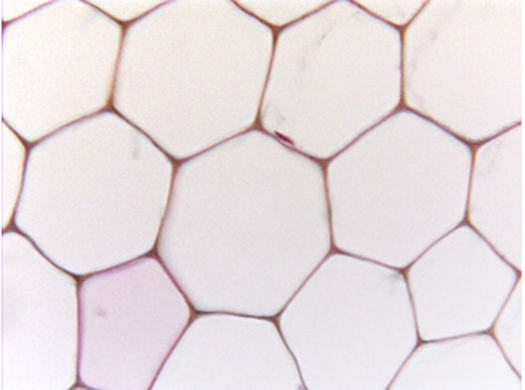
Parenchyma--Meaning parent/mother
usually living at maturity
walls: primary only, typically thin
shape: isodiamtric, block-like or narely so
functions: storage, may be photosynthetic → some can become specialized
locations: all over plant, found in meristems (areas of cell division)
ALL CELLS START AS PARENCHYMA!
Collenchyma-- Meaning glue-like
living at maturity
walls: primary only, but thickened unevenly
shape: elongated, compared to parenchyma
functions: structured support, may be photosynthetic
locations: usually just under surface of an organ (leaf, stem, root)
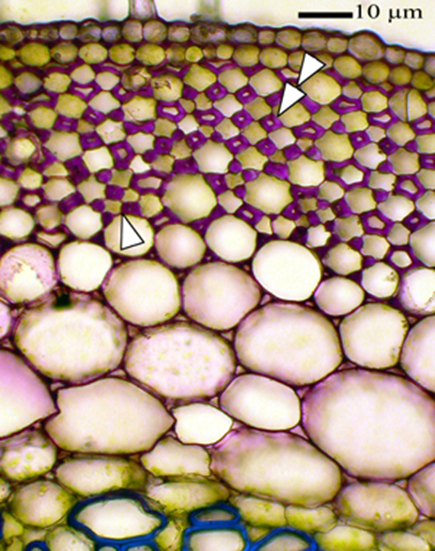
Sclerenchyma--Meaning skleras → hand
usually dead at maturity
walls: primary and secondary
functions: support and protection
Two major types of scelerenchyma (differently shaped):
Fibers--elongate, tapered ends fitted together, protoplasm dies, cell functions while dead, may be found in vascular of surrounding tissues
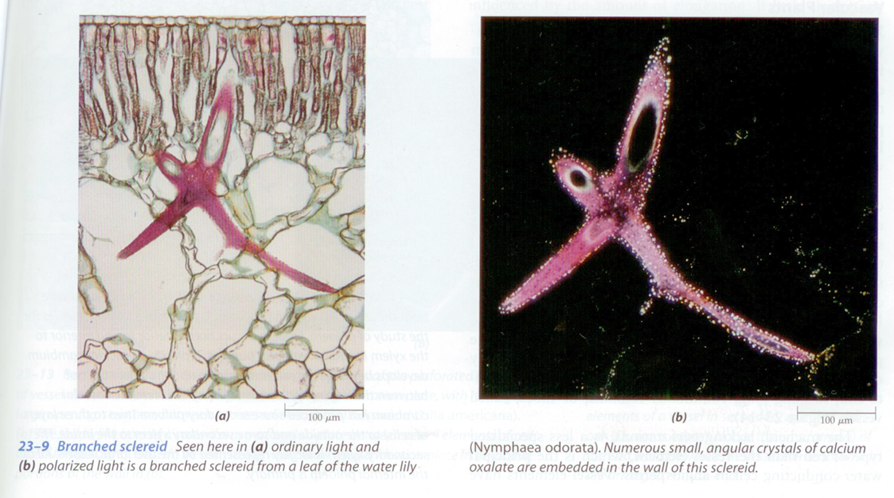
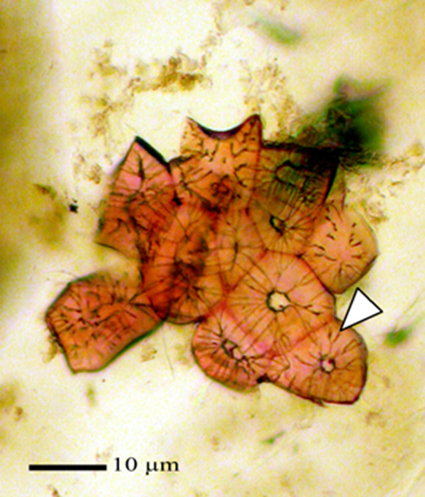
Sclereids--isodiametric or branched, not elongated like fibers (e.g., stone cells in a pear), scattered throughout plant