4.4 & 4.5a: Intro + Psychodynamic & Humanistic Theories
Neo-Freudians - Psychodynamic
Overview of who they are:
Followers of Freud
Many of these thinkers agreed with Freud’s concept of the unconscious mind & the importance of childhood
What they maintain from Freud:
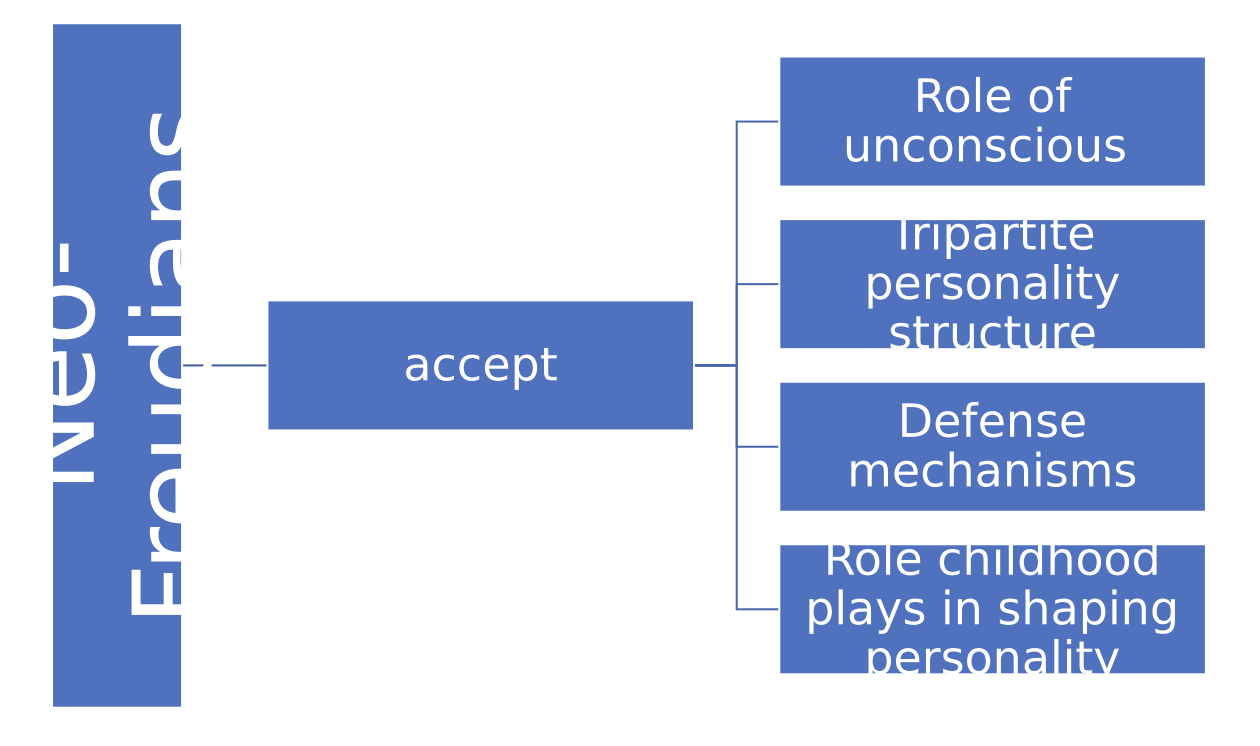
What they change/adapt from Freud:
More emphasis on the conscious mind
Diminish the role played by sex and aggression
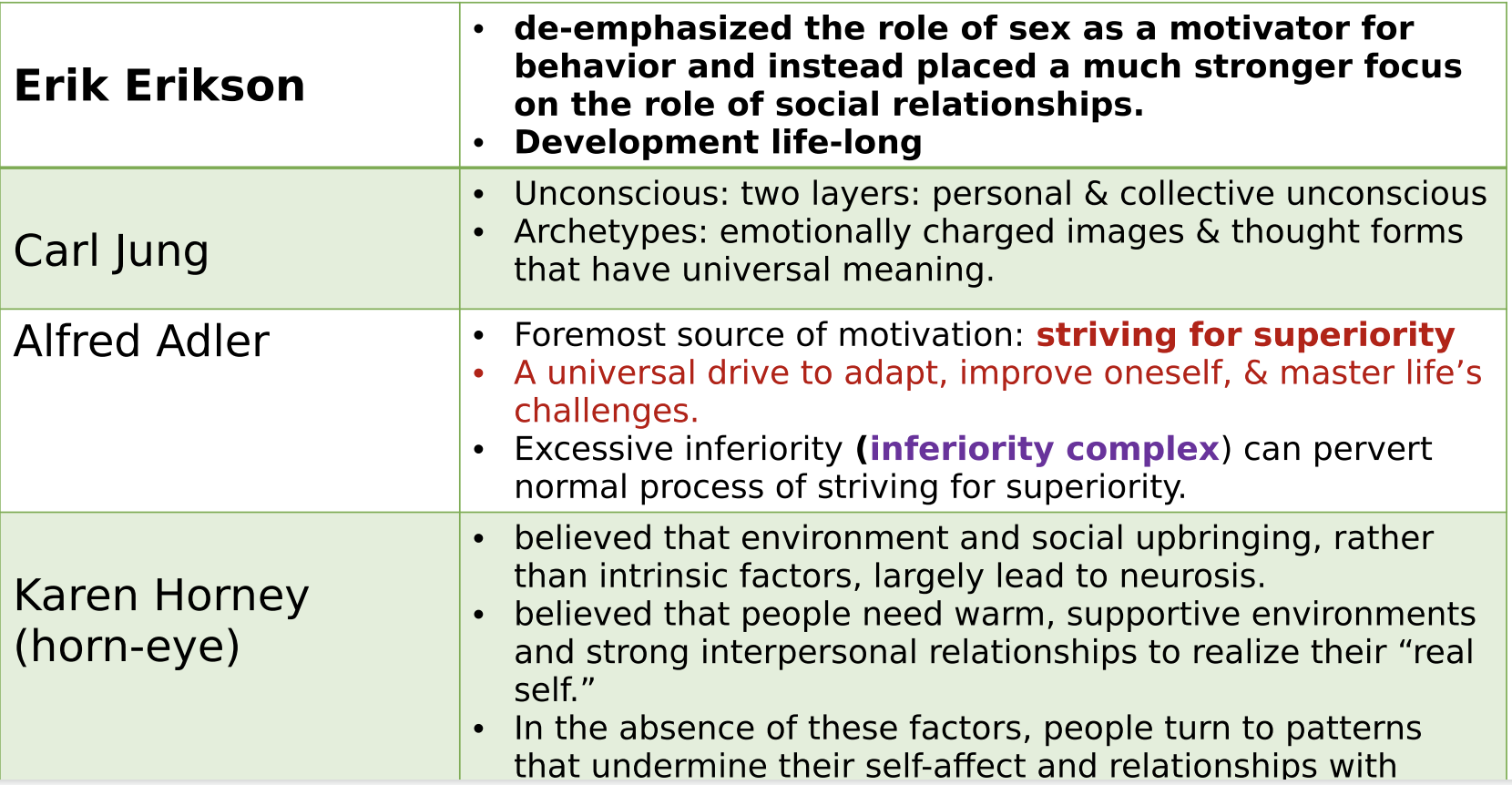
Important Neo-Freudians:
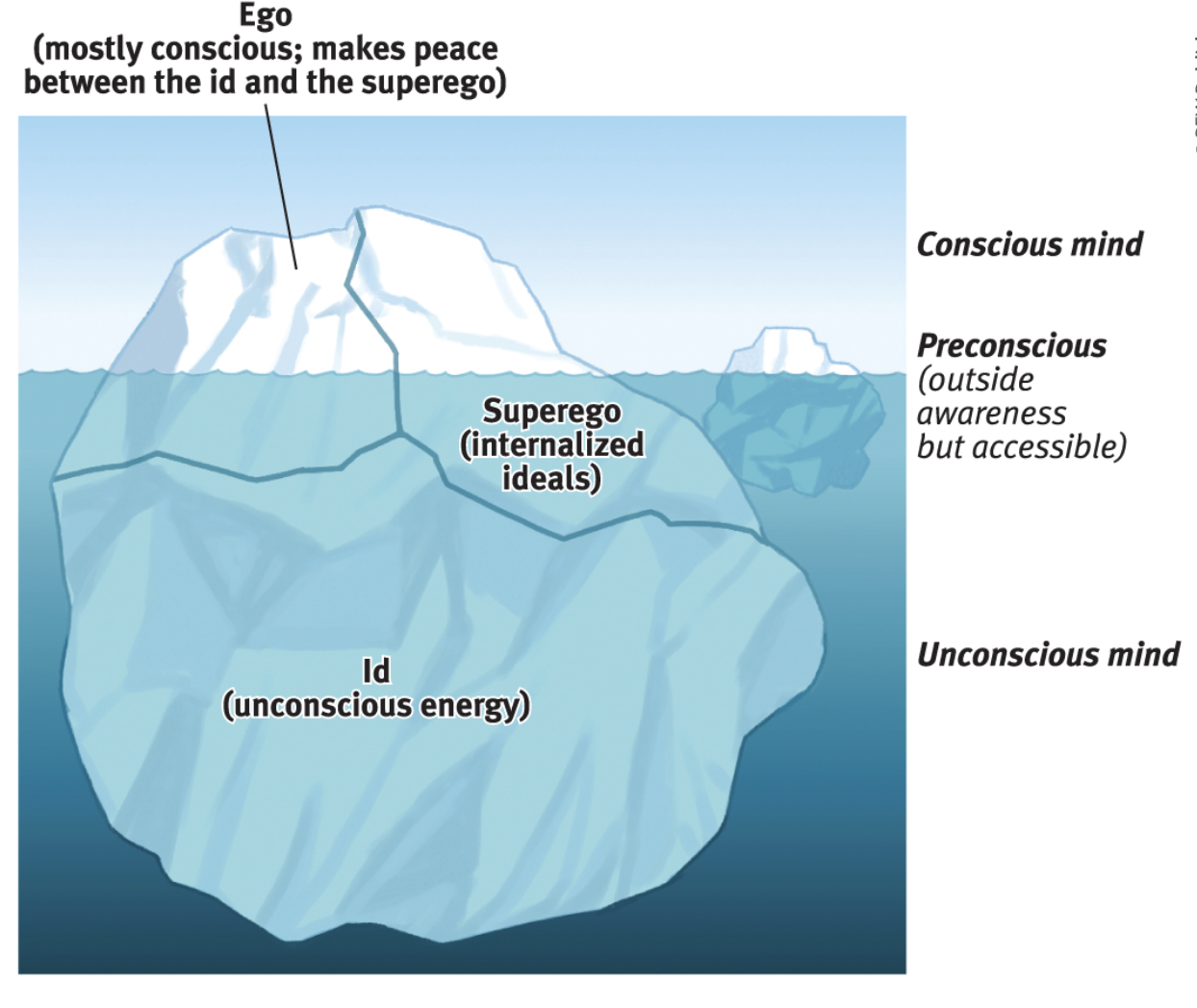
Personality Structures (according to Freud)
Id (devil on the shoulder): a reservoir of unconscious psychic energy that strives to satisfy basic sexual and aggressive drives
operates on the pleasure principle, demanding immediate gratification
Ego (the mediator): the partly conscious “executive” part of personality that mediates among the demands of the id, the superego, and reality
operates on the reality principle, satisfying the id’s desires in ways that will realistically bring pleasure rather than pain
Superego (angel on the shoulder) : the partly conscious part of personality that represents internalized ideals and provides standards for judgement (the conscience) and for future aspirations
produces POSITIVE feelings of pride
produces NEGATIVE feelings of guilt
*Libido: a life energy force that fuels our pleasure-seeking
Video Resource:
Freud: Psychoanalysis Theories/Perspective
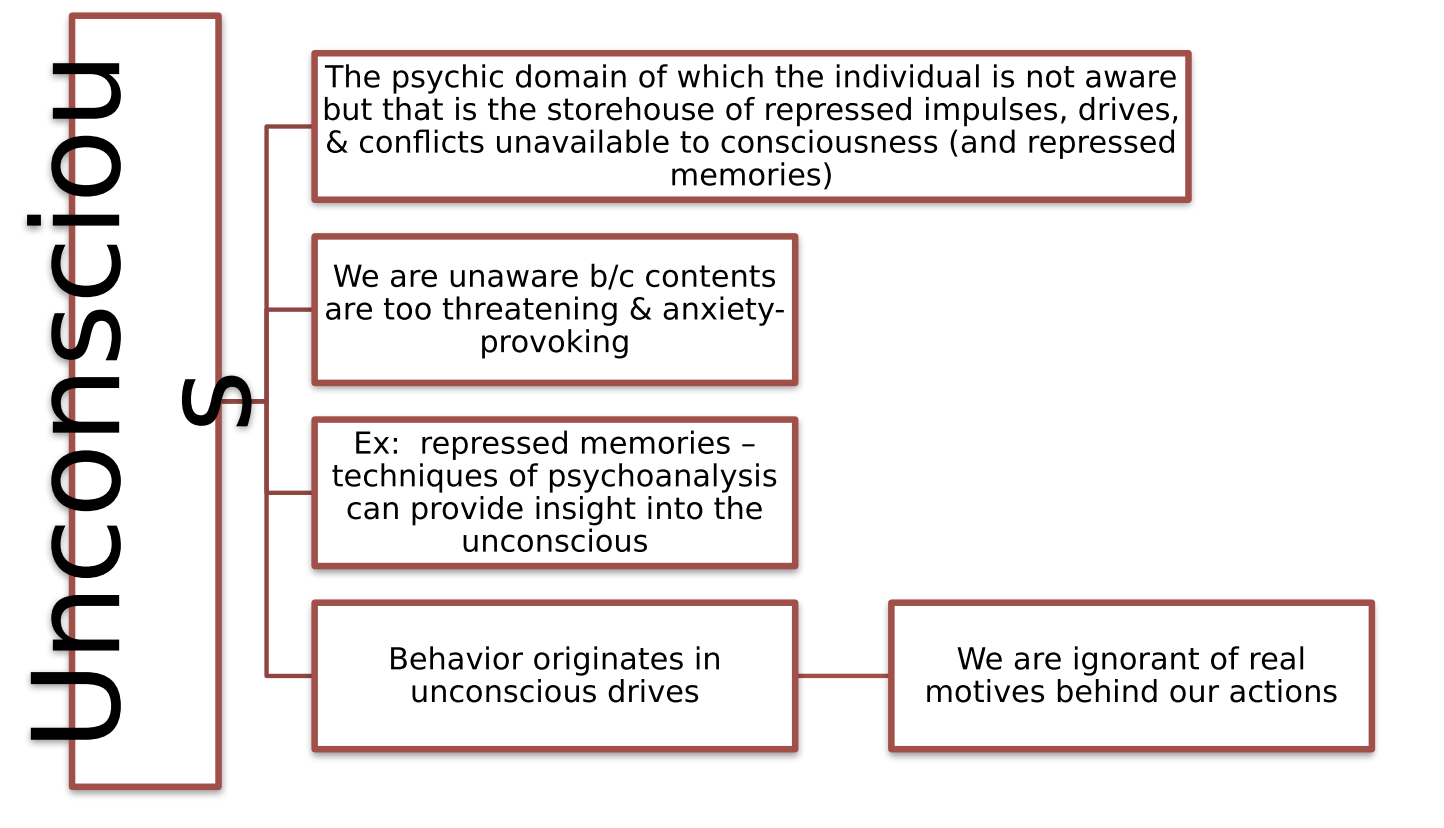
The importance of the UNCONSCIOUS:
Freud’s Techniques for “Uncovering the UNCONSCIOUS”
Free association: a method of exploring the unconscious in which the person relaxes and says what comes to mind (no matter how trivial/embarrassing) w/o fear of negative evaluation
Freud believed repressed impulses were trying to break free
Dream Interpretation/Analysis:
Manifest content: active plot of the dream
Latent content: hidden, symbolic meaning of the dream; could reveal unconscious conflicts
Slips of The Tongue (Freudian Slips): an unintentional error in speech, memory, or action, that according to Freud, reveals repressed, unconscious thoughts, motives, or desires
Freud’s Psychosexual Stages
Fixation: unresolved stage resolution; lingering focus of pleasure-seeking energies
What is happening during these stages?:
id directs behavior to erogenous zones
child associates pleasure w/ stimulation of specific body areas (erogenous zones)
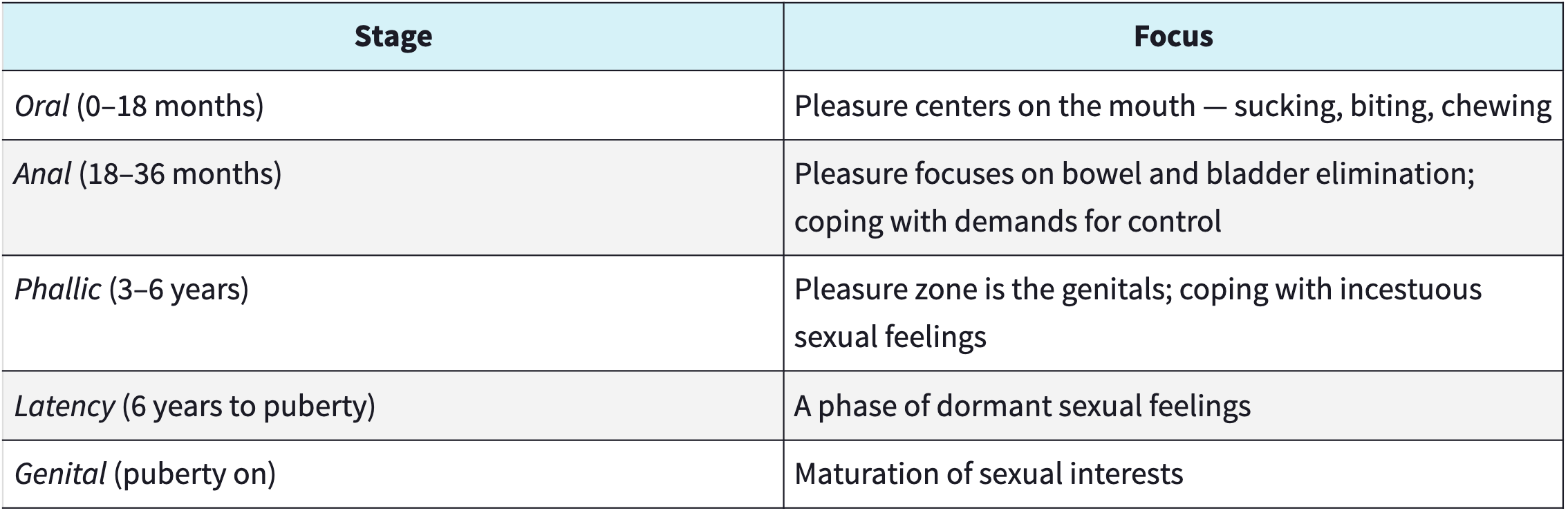
*Oral-Anal: ego develops
*Phallic: superego develops
⭐ Freud believed that during this stage, boys/girls develop both unconscious sexual desires for their mother/father & jealousy & hatred for their father/mother (rival)
Oedius complex (for boys)
Electra complex (for girls)
Projective Tests (Psychodynamic)
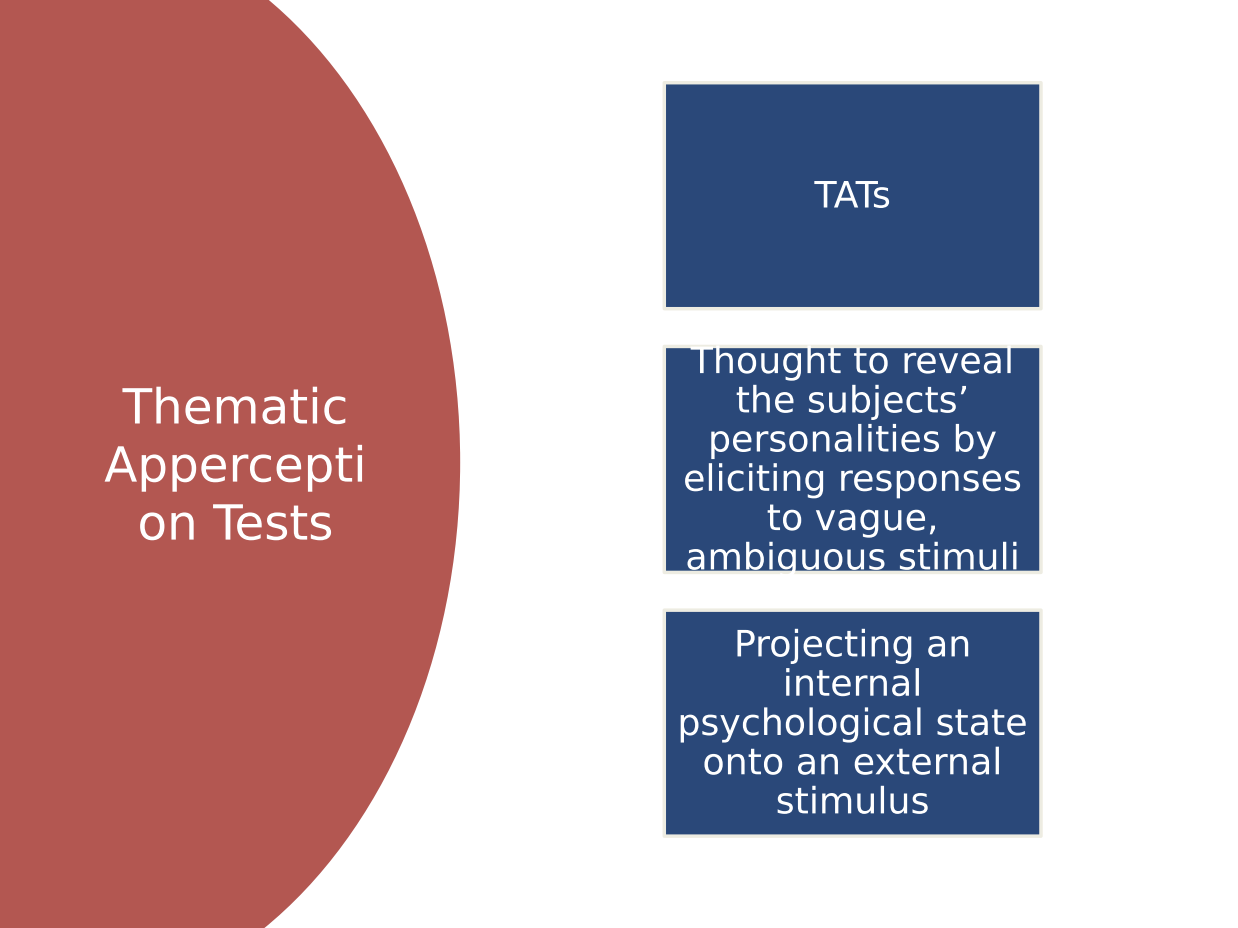
Projective test: a personality test that provides ambiguous images designed to trigger projection of one’s inner dynamics and explore the preconscious and unconscious mind
the client responds w/ whatever comes to mind
based on Freud’s DM of projection
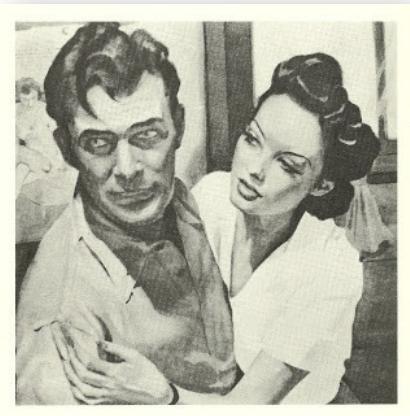
Thematic Apperception Test (TAT): ppl express their inner feelings and interests through the stories they make up abt ambiguous scenes
provides a valid, reliable map of ppl’s implicit motives
responses show consistency over time
→ How the TAT usually goes:
generate a story
what are characters doing/thinking?
what led up to the event?
how will the situation end?
continue w/ questions & fill in until the story is fully made
→ Example picture:
Brief overview of TAT:
Rorschach Inkblot Test: designed by Hermann Rorschach; seeks to identify ppl’s inner feelings by analyzing how they interpret 10 inkblots
low reliability/validity
some clinicians value it as a source of suggestive leads, icebreaker, or a revealing interview technique
→ Example picture: