Microbial Diseases
Skin Diseases
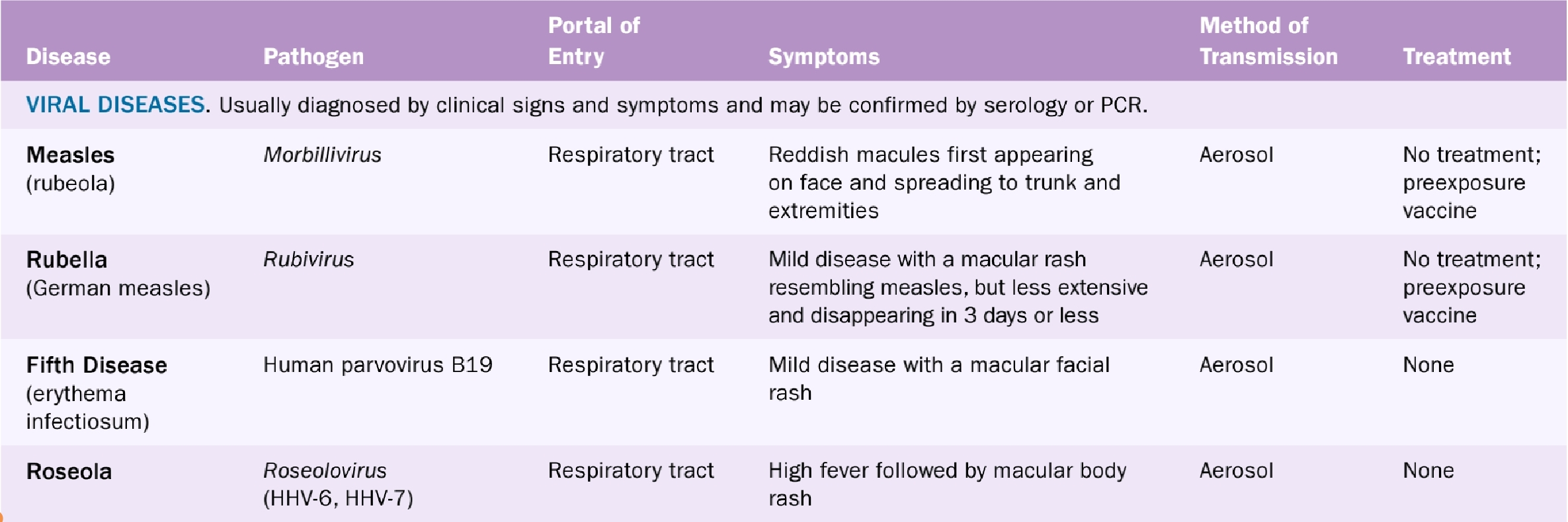
Macular Rashes
Macular rashes are flat, discolored spots on the skin that are usually red or pink. They are commonly caused by viral infections and may spread widely across the body. These rashes often appear together with fever, cough, swollen lymph nodes, or other systemic symptoms.
Viral Diseases Associated with Macular Rashes
Measles (rubeola)
Measles is a highly contagious viral disease caused by the Morbillivirus. It spreads through respiratory droplets when an infected person coughs or sneezes. The illness usually begins with high fever, cough, runny nose, and red watery eyes. Small white spots called Koplik spots may appear inside the mouth before the rash develops. The characteristic rash starts as flat red macules on the face and behind the ears, then spreads downward to the trunk and limbs. The rash may merge into larger patches. Complications can include pneumonia, ear infections, encephalitis, and even death in severe cases. Vaccination through the MMR vaccine is the best prevention.
Rubella
Rubella, also known as German measles, is caused by the Rubivirus. It is generally milder than measles but is dangerous during pregnancy because it can cause congenital rubella syndrome in the fetus. Symptoms include mild fever, headache, swollen lymph nodes—especially behind the ears—and a pink macular rash that starts on the face and spreads downward. The rash usually lasts about three days. Joint pain is more common in adults, especially women. Vaccination is the primary preventive measure.
Fifth disease (erythema infectiosum )
Fifth disease is caused by Parvovirus B19 and commonly affects children. It is also called “slapped cheek disease” because of the bright red rash on the cheeks. After the facial rash appears, a lacy or net-like rash may spread to the arms, trunk, and legs. Mild fever, fatigue, and cold-like symptoms may occur before the rash. In healthy children the illness is usually mild, but it may cause serious complications in pregnant women or individuals with blood disorders.
Roseola
Roseola is commonly caused by Roseolovirus (HHV-6, HHV-7) and mostly affects infants and toddlers. The disease typically begins with a sudden high fever lasting several days. Once the fever subsides, a pink macular or maculopapular rash appears on the trunk and spreads to the neck and limbs. Children may also experience irritability, swollen lymph nodes, or mild respiratory symptoms. Febrile seizures may occur because of the high fever. Most children recover completely without complications.
Vesicular and Pustular Rashes
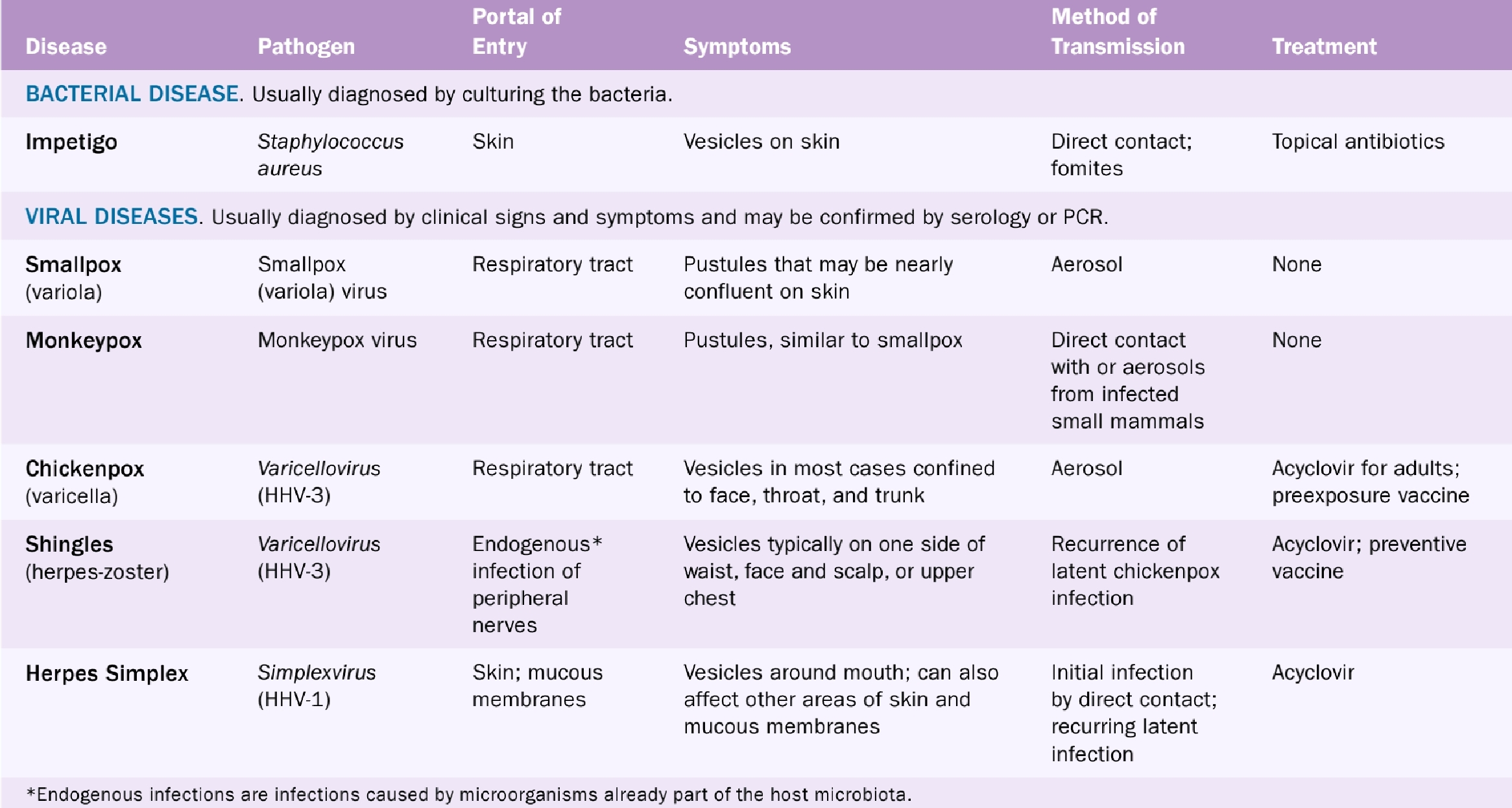
These rashes are characterized by fluid-filled blisters (vesicles) or pus-filled lesions (pustules). They may be caused by bacterial or viral infections and can range from mild skin conditions to severe systemic diseases.
Bacterial Disease
Impetigo
Impetigo is a highly contagious superficial skin infection usually caused by Staphylococcus aureus. It commonly affects children and spreads through direct skin contact. The disease begins as red sores or blisters that quickly rupture and form honey-colored crusts. Lesions often appear around the nose, mouth, arms, and legs. Mild itching may occur. Good hygiene and antibiotics help prevent spread and complications.
Viral Diseases Associated with Vesicular or Pustular Rashes
Smallpox
Smallpox was a severe contagious disease caused by the variola virus. It produced fever, body pain, and a widespread pustular rash. The rash progressed from macules to papules, vesicles, pustules, and eventually crusts. Lesions appeared at the same stage of development throughout the body. Survivors were often left with permanent scars. Smallpox was officially eradicated worldwide through vaccination programs.
Mpox
Mpox, formerly called monkeypox, is caused by the monkeypox virus, an orthopoxvirus related to smallpox. Symptoms include fever, swollen lymph nodes, muscle pain, and a rash that progresses from flat spots to pustules and scabs. Lesions may appear on the face, hands, feet, genitals, and mouth. Transmission occurs through close contact with infected people, animals, or contaminated materials. Most cases are self-limiting, but severe infections can occur.
Chickenpox (varicella)
Chickenpox is caused by the Varicellovirus (HHV-3). It produces an itchy vesicular rash often described as “dew drops on a rose petal.” Lesions appear in different stages simultaneously—macules, papules, vesicles, and crusts. Fever, fatigue, and loss of appetite commonly accompany the rash. The disease spreads easily through respiratory droplets or direct contact with lesions. Vaccination greatly reduces infection risk.
Shingles (herpes-zoster)
Shingles results from reactivation of the Varicellovirus (HHV-3) after a previous chickenpox infection. The virus remains dormant in nerve tissues and may reactivate later in life, especially during stress or weakened immunity. It causes painful grouped vesicles along a single dermatome or nerve pathway, usually on one side of the body. Burning pain may appear before the rash. Complications include postherpetic neuralgia, a long-lasting nerve pain condition.
Herpes simplex
Herpes simplex virus (HSV) infections produce recurrent painful vesicles on the skin or mucous membranes caused by Simplexvirus (HHV-1). HSV-1 commonly causes oral herpes or cold sores around the mouth, while HSV-2 is more associated with genital herpes. Lesions begin as clusters of small fluid-filled blisters that rupture and form ulcers or crusts. Tingling or burning sensations often occur before outbreaks. The virus remains dormant in nerve cells and can reactivate repeatedly.
Patchy Rashes and Pimple-like Conditions
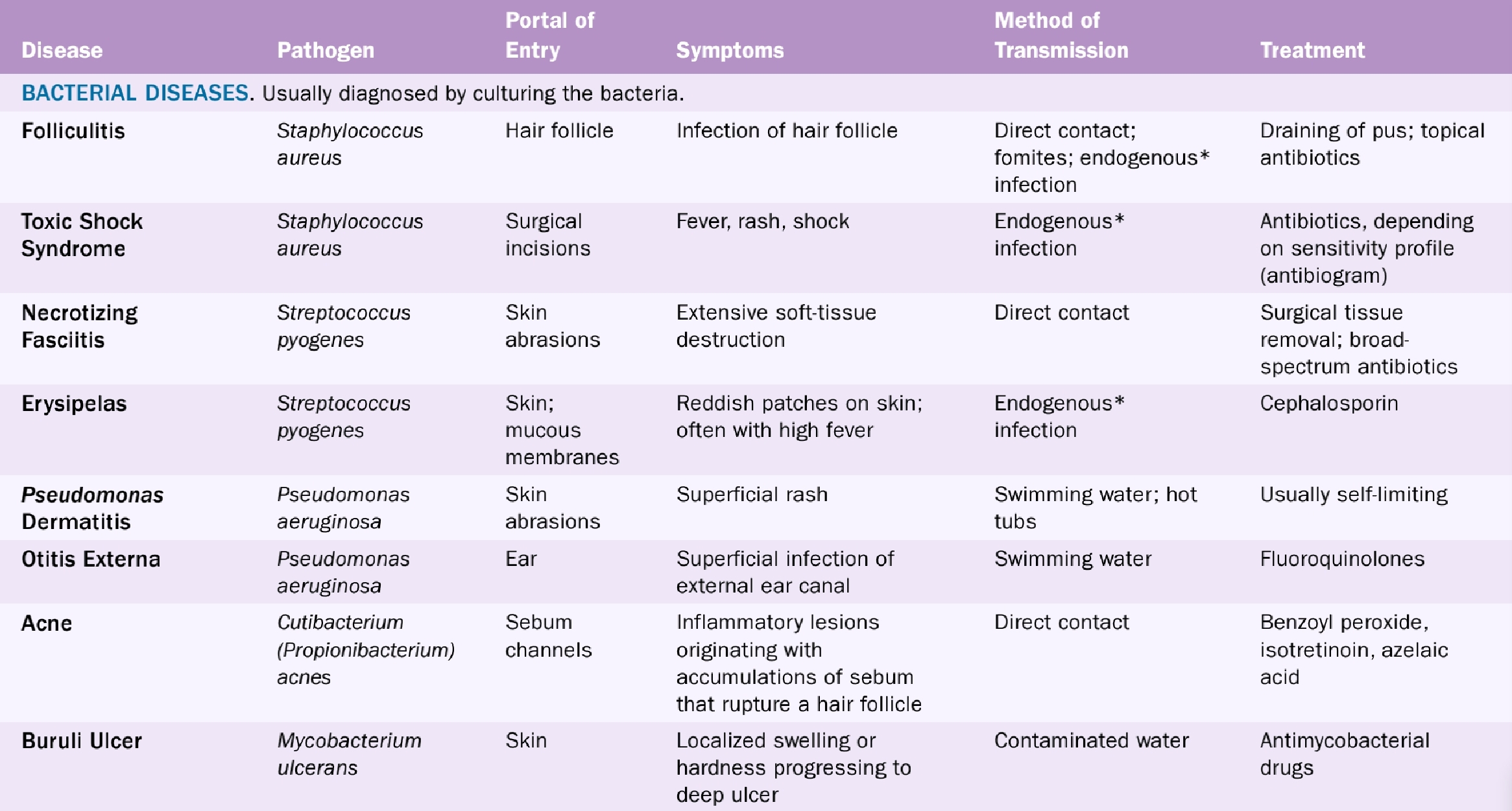
These conditions involve inflamed skin lesions, pustules, nodules, or spreading redness caused by bacterial, viral, or fungal infections.
Bacterial Diseases
Folliculitis
Folliculitis is inflammation or infection of hair follicles, commonly caused by Staphylococcus aureus. It appears as small red bumps or pus-filled pimples around hair follicles and may be itchy or painful. Poor hygiene, friction, sweating, or shaving can trigger the condition.
Toxic shock syndrome
Toxic shock syndrome (TSS) is a rare but life-threatening illness caused by toxins produced by Staphylococcus aureus. Symptoms include sudden high fever, low blood pressure, vomiting, confusion, and a widespread red rash resembling sunburn. Severe cases may lead to organ failure and shock. Immediate medical treatment is critical.
Necrotizing fasciitis
Necrotizing fasciitis, often called “flesh-eating disease,” is a rapidly spreading bacterial infection that destroys skin, fat, and connective tissues caused by Streptococcus pyogenes. Common symptoms include severe pain, swelling, redness, fever, and tissue death. The infection can spread quickly into deeper tissues and become fatal without urgent surgery and antibiotics.
Erysipelas
Erysipelas is a superficial bacterial skin infection usually caused by Streptococcus pyogenes. It produces bright red, swollen, painful skin lesions with sharply raised borders. Fever and chills are common. The face and legs are frequent sites of infection.
Pseudomonas dermatitis
Pseudomonas dermatitis, often called “hot tub folliculitis,” is caused by Pseudomonas aeruginosa. It develops after exposure to contaminated water such as hot tubs or swimming pools. Symptoms include itchy red papules, pustules, and mild fever. The rash usually resolves spontaneously but may require treatment in severe cases.
Otitis externa
Otitis externa, also known as swimmer’s ear, is an infection of the outer ear canal commonly caused by bacteria like Pseudomonas aeruginosa. Symptoms include ear pain, itching, swelling, redness, and discharge. Moisture trapped in the ear encourages bacterial growth.
Acne
Acne is an inflammatory skin condition involving clogged hair follicles and sebaceous glands. It is associated with excess oil production, hormonal changes, and bacteria such as Cutibacterium acnes. Lesions include blackheads, whiteheads, papules, pustules, and cysts. Acne commonly affects the face, chest, and back during adolescence.
Buruli ulcer
Buruli ulcer is a chronic skin infection caused by Mycobacterium ulcerans. The bacteria produce toxins that destroy skin and soft tissues, leading to painless nodules, plaques, or ulcers. If untreated, extensive tissue damage and deformity may occur.
Viral Disease
Warts
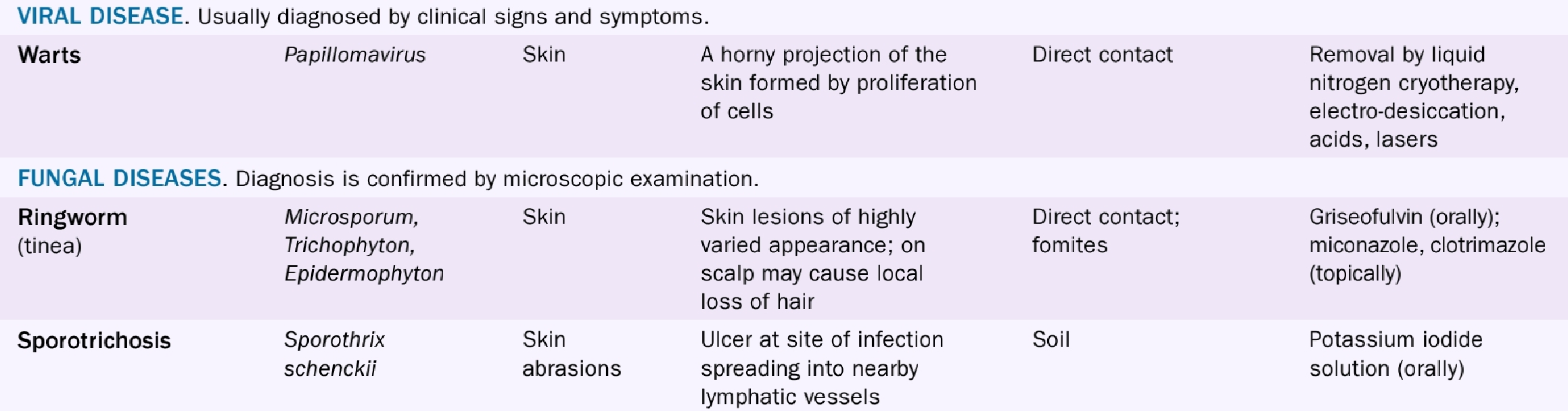
Warts are benign skin growths caused by the human papillomavirus (HPV). They appear as rough, raised papules and may occur on the hands, feet, face, or genital areas. Different HPV strains produce different types of warts. The virus spreads through direct skin contact or contaminated surfaces.
Fungal Diseases
Ringworm (tinea)
Ringworm, also called tinea, is a contagious fungal infection of the skin caused by Microsporum,Trichophyton,Epidermophyton. It produces circular, red, scaly patches with clearer centers, giving a ring-like appearance. It may affect the body, scalp, feet, or groin. Itching is common. Treatment involves antifungal medications and proper hygiene.
Sporotrichosis
Sporotrichosis is a fungal infection caused by Sporothrix schenckii, commonly found in soil, plants, and decaying vegetation. The fungus enters through small cuts in the skin, often after handling plants or thorns. The infection begins as a painless bump that may ulcerate and spread along lymphatic vessels. It is sometimes called “rose gardener’s disease.” Antifungal therapy is required for treatment.
Eye and part of Digestive System
Eye Diseases
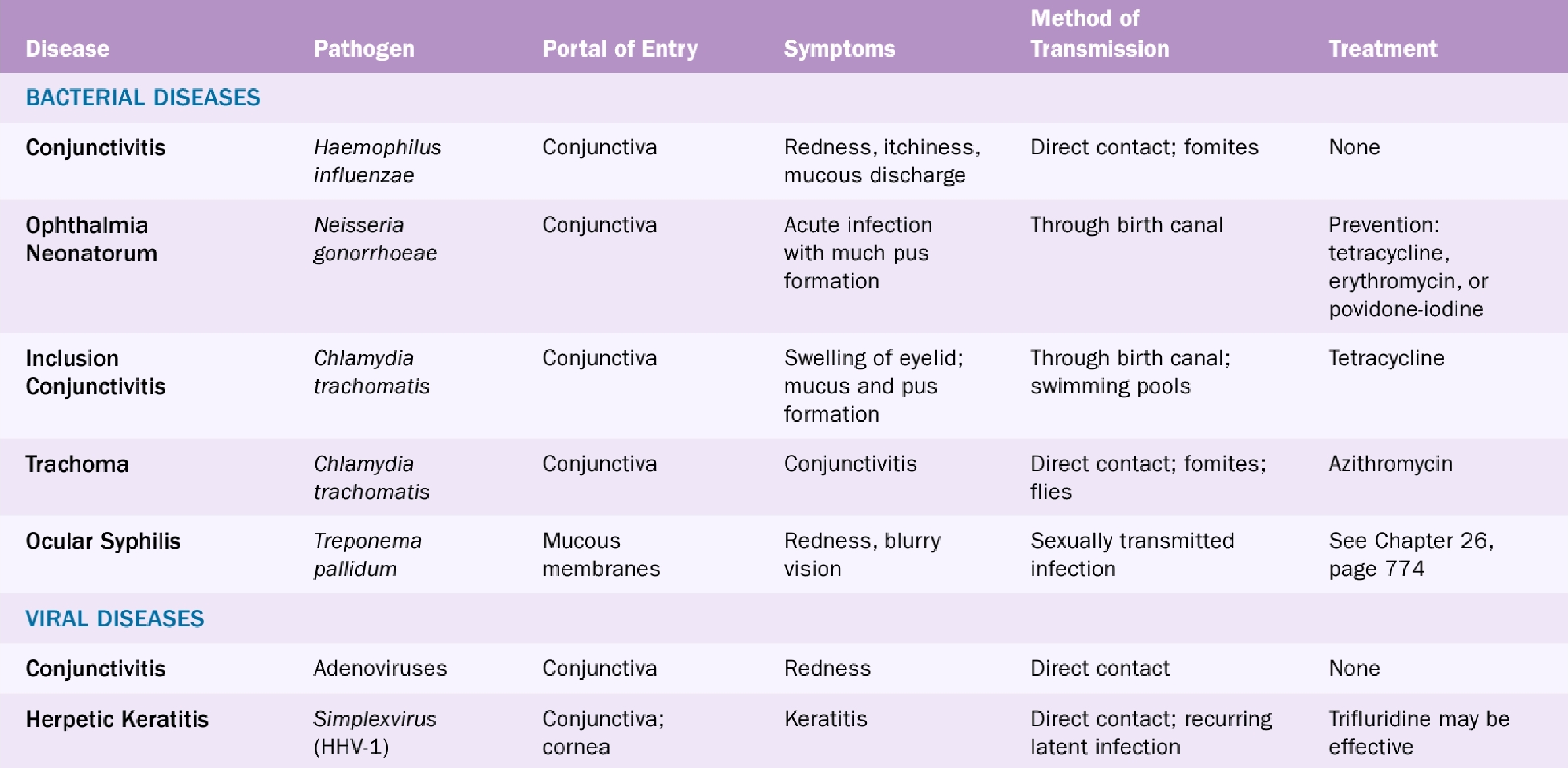
The eyes are highly sensitive organs that can easily become infected by bacteria or viruses. Eye infections may affect the conjunctiva, cornea, eyelids, or deeper eye structures. Common symptoms include redness, pain, tearing, discharge, blurred vision, and sensitivity to light.
Bacterial Diseases of the Eyes
Conjunctivitis
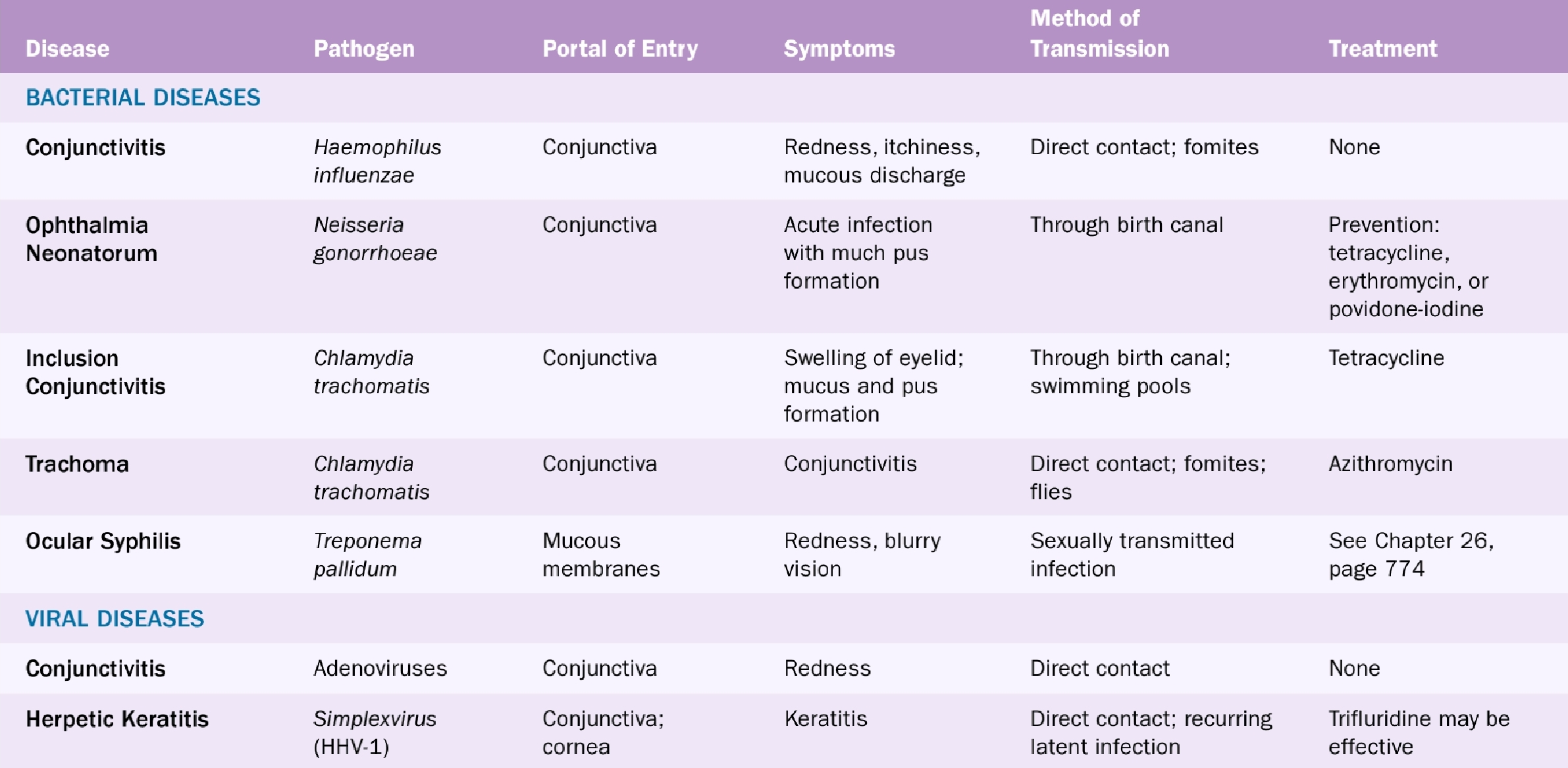
Bacterial conjunctivitis, commonly called “pink eye,” is an infection of the conjunctiva, the thin membrane covering the white part of the eye and inner eyelids. It is commonly caused by Haemophilus influenzae. Symptoms include redness, swelling, irritation, excessive tearing, and thick yellow or green discharge that may cause the eyelids to stick together. The infection spreads easily through direct contact or contaminated objects. Antibiotic eye drops are commonly used for treatment.
Ophthalmia neonatorum
Ophthalmia neonatorum is a severe eye infection occurring in newborns, usually acquired during passage through an infected birth canal. Common bacterial causes include Neisseria gonorrhoeae. Symptoms usually develop within days after birth and include redness, swelling of the eyelids, and pus discharge. Without prompt treatment, the infection may damage the cornea and lead to blindness. Preventive antibiotic eye ointments are routinely applied to newborns after delivery.
Inclusion conjunctivitis
Inclusion conjunctivitis is a chronic conjunctival infection caused by Chlamydia trachomatis. Adults usually acquire it through contact with infected genital secretions, while newborns may acquire it during birth. Symptoms include redness, mucous discharge, irritation, and swollen eyelids. The infection may persist for weeks if untreated. Antibiotic therapy is necessary to eliminate the organism.
Trachoma
Trachoma is a chronic eye infection caused by Chlamydia trachomatis and is one of the leading infectious causes of blindness worldwide. Repeated infections cause inflammation and scarring of the inner eyelid, eventually causing the eyelashes to turn inward and scratch the cornea. Symptoms include eye pain, discharge, swelling, and blurred vision. Poor sanitation and crowded living conditions increase transmission. Early antibiotic treatment and improved hygiene help prevent blindness.
Viral Diseases of the Eyes
Conjunctivitis
Viral conjunctivitis is commonly caused by adenoviruses. It produces redness, watery discharge, irritation, and sensitivity to light. Unlike bacterial conjunctivitis, the discharge is usually clear and watery rather than thick with pus. It spreads very easily through contaminated hands, towels, or respiratory droplets. Most cases resolve on their own, although supportive care helps relieve symptoms.
Herpes keratitis
Herpes keratitis is a corneal infection caused by the Simplexvirus (HHV-1). The virus infects the cornea and may lead to pain, redness, blurred vision, tearing, and extreme sensitivity to light. Recurrent infections can scar the cornea and impair vision permanently. Antiviral medications are used to control the infection and reduce complications.
Digestive System Diseases
The digestive system can be affected by infections involving the mouth, stomach, intestines, and colon. These infections are often transmitted through contaminated food, water, poor hygiene, or person-to-person contact.
Diseases of the Oral Cavity
Dental caries
Dental caries, commonly called tooth decay or cavities, result from the destruction of tooth enamel by acids produced by bacteria such as Streptococcus mutans. Bacteria break down sugars from food and produce acid that erodes the teeth. Symptoms include tooth pain, sensitivity, visible holes, and difficulty chewing. Poor oral hygiene and excessive sugary food intake increase risk.
Periodontal disease
Periodontal diseases are infections and inflammations affecting the gums and supporting structures of the teeth. They are caused by Various, primarily Porphyromonas spp. bacterial plaque accumulation around the teeth. Early stages involve gingivitis, characterized by swollen, red, and bleeding gums. Advanced disease can destroy bone and connective tissue, leading to tooth loosening and tooth loss.
Acute necrotizing ulcerative gingivitis
Acute necrotizing ulcerative gingivitis (ANUG), also known as “trench mouth,” is a severe bacterial gum infection associated with poor oral hygiene, stress, smoking, or weakened immunity caused by Prevotella intermedia . Symptoms include painful bleeding gums, ulcer formation, bad breath (halitosis) , fever, and grayish gum tissue destruction. Immediate dental care and antibiotics may be needed.
Bacterial Diseases of the Lower Digestive System
Staphylococcal food poisoning
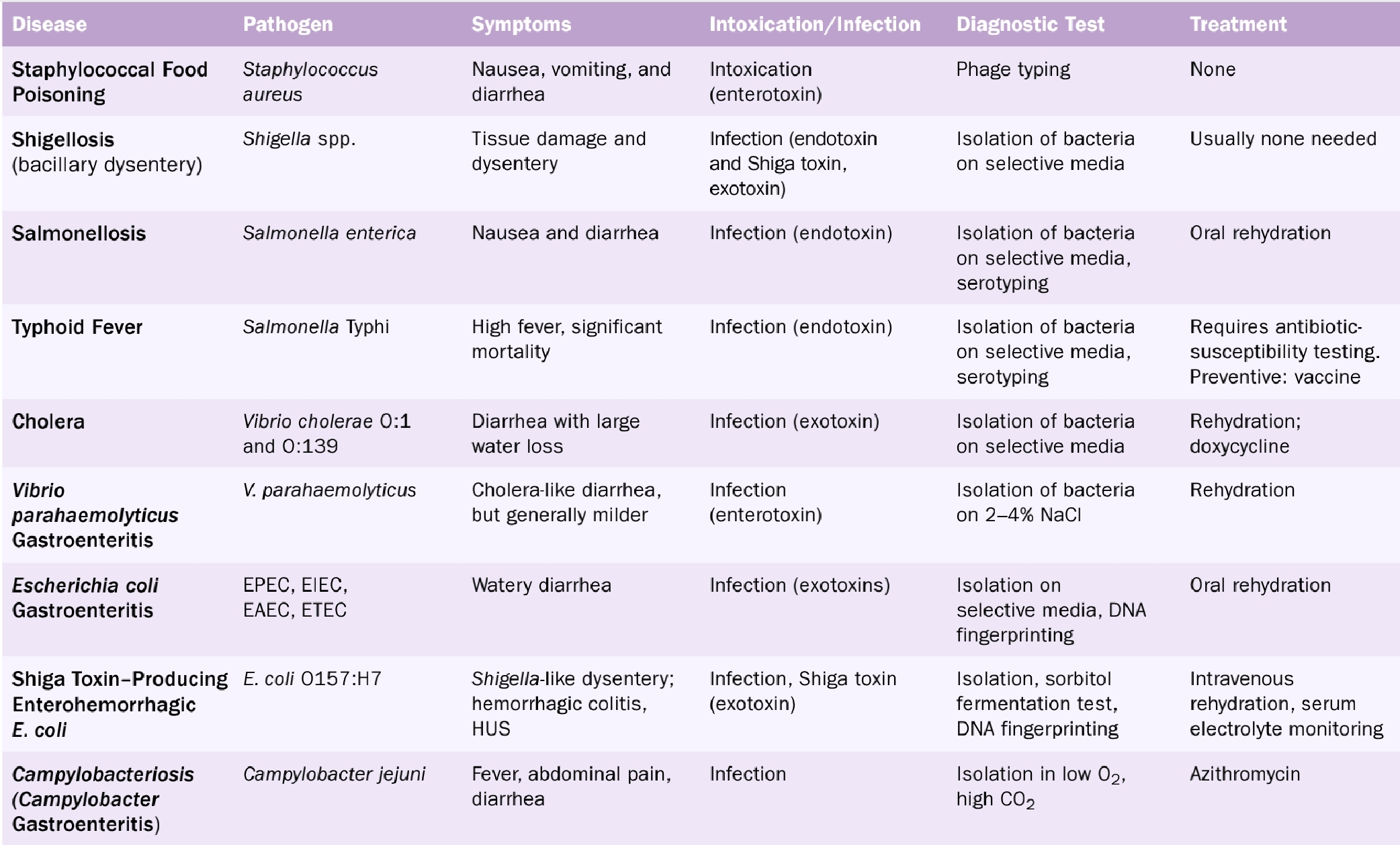
This food poisoning is caused by toxins produced by Staphylococcus aureus in contaminated food. Symptoms appear rapidly, often within a few hours, and include nausea, vomiting, abdominal cramps, and diarrhea. Common contaminated foods include meat, dairy products, pastries, and salads improperly stored at room temperature.
Intoxication/Infection: Intoxication (enterotoxin)
Diagnostic Test: Phage typing
Treatment: None
Shigellosis (bacillary dysentery)
Shigellosis is caused by Shigella species and spreads through contaminated food, water, or poor hygiene. Symptoms include fever, abdominal cramps, and diarrhea that may contain blood or mucus. Severe dehydration may occur, especially in children.
Intoxication/Infection: Infection (endotoxin and Shiga toxin, exotoxin)
Diagnostic Test: Isolation of bacteria on selective media
Treatment: Usually none needed
Salmonellosis
Salmonellosis is an intestinal infection caused by Salmonella enterica, usually from contaminated poultry, eggs, meat, or dairy products. Symptoms include diarrhea, fever, nausea, vomiting, and abdominal pain. Most cases resolve without treatment, but severe infections may spread into the bloodstream.
Intoxication/Infection: Infection (endotoxin)
Diagnostic Test: Isolation of bacteria on selective media, serotyping
Treatment: Oral rehydration
Typhoid fever
Typhoid fever is caused by Salmonella Typhi and spreads through contaminated food or water. Symptoms include prolonged high fever, weakness, abdominal pain, headache, and sometimes rose-colored skin spots. Severe cases may lead to intestinal perforation or systemic infection. Vaccination and sanitation are important preventive measures.
Intoxication/Infection: Infection (endotoxin)
Diagnostic Test: Isolation of bacteria on selective media, serotyping
Treatment: Requires antibiotic susceptibility testing. Preventive: vaccine
Cholera
Cholera is caused by Vibrio cholerae 0:1 and O:139 and produces severe watery diarrhea often described as “rice-water stools.” Massive fluid loss can quickly lead to dehydration, shock, and death if untreated. Transmission occurs through contaminated water and food. Oral rehydration therapy is lifesaving
Vibrio parahaemolyticus gastroenteritis
This infection is caused by Vibrio parahaemolyticus, commonly acquired from raw or undercooked seafood. Symptoms include watery diarrhea, nausea, vomiting, fever, and abdominal cramps. Most cases are mild and self-limiting.
Vibrio vulnificus gastroenteritis
Vibrio vulnificus infection is associated with raw shellfish consumption, especially oysters. It may cause diarrhea, vomiting, fever, and severe bloodstream infections in immunocompromised individuals or those with liver disease. The infection can become life-threatening.
Traveler’s diarrhea
Traveler’s diarrhea commonly affects individuals visiting areas with contaminated food or water. Enterotoxigenic Escherichia coli (ETEC) is the most common cause. Symptoms include loose stools, abdominal cramps, nausea, and dehydration. Proper food and water precautions help reduce risk.
Shiga toxin-producing Escherichia coli infection
STEC infections, including E. coli O157:H7, produce toxins that damage the intestinal lining. Symptoms include severe abdominal cramps, bloody diarrhea, and vomiting. Some patients develop hemolytic uremic syndrome (HUS), which can lead to kidney failure.
Campylobacter gastroenteritis
This disease is caused by Campylobacter jejuni, often from undercooked poultry or contaminated water. Symptoms include fever, abdominal pain, diarrhea, and sometimes bloody stools. Rare complications include Guillain-Barré syndrome.
Helicobacter peptic ulcer disease
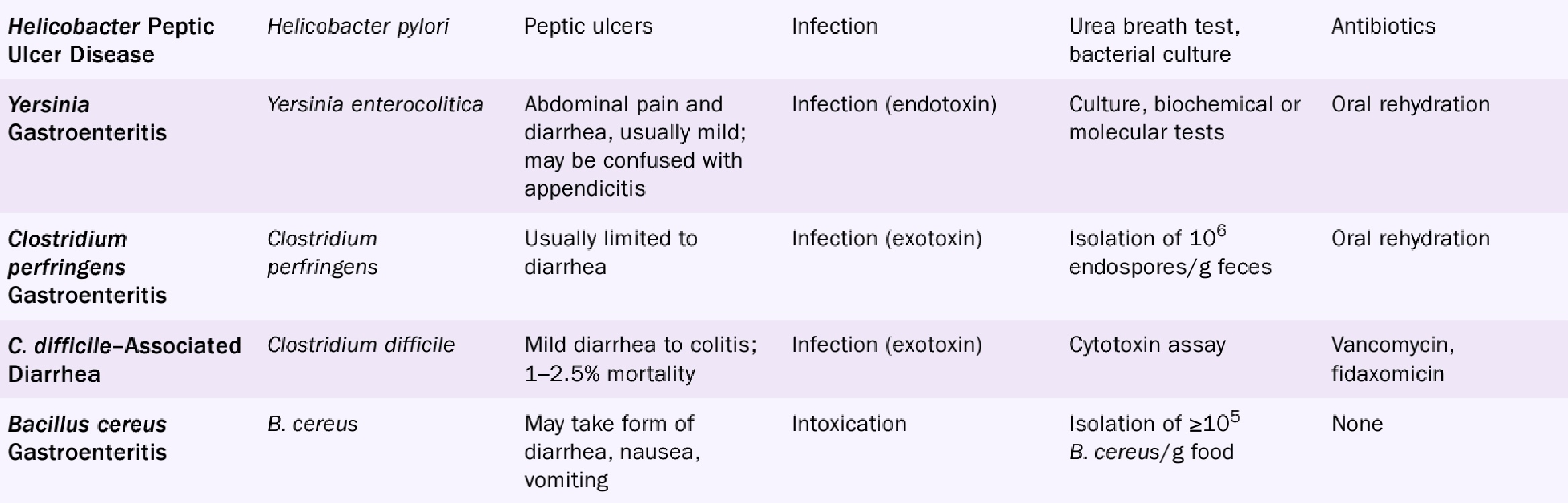
This condition is associated with Helicobacter pylori, a bacterium that colonizes the stomach lining. It contributes to gastritis and peptic ulcers by damaging the protective mucosal layer. Symptoms include burning stomach pain, bloating, nausea, and indigestion. Chronic infection may increase stomach cancer risk.
Yersinia gastroenteritis
Yersinia gastroenteritis is caused by Yersinia enterocolitica, commonly acquired from contaminated pork products or milk. Symptoms include fever, diarrhea, and abdominal pain that may resemble appendicitis.
Clostridium perfringens gastroenteritis
This foodborne illness results from toxins produced by Clostridium perfringens in improperly stored foods, especially meat dishes. Symptoms include abdominal cramps and watery diarrhea developing several hours after eating contaminated food.
Clostridioides difficile infection
This disease occurs when antibiotic use disrupts normal intestinal flora, allowing Clostridioides difficile to overgrow. Symptoms include watery diarrhea, abdominal pain, fever, and inflammation of the colon. Severe cases may cause life-threatening colitis.
Bacillus cereus gastroenteritis
Bacillus cereus food poisoning is commonly linked to improperly stored rice, pasta, and other starchy foods. It causes either vomiting or diarrheal illness depending on the toxin produced. Symptoms usually appear within hours after eating contaminated food.
Continuation of Digestive System Diseases
Viral and fungal diseases affecting the digestive system commonly involve the liver, intestines, or toxin contamination of food. These diseases may cause inflammation, diarrhea, liver damage, poisoning, or systemic complications.
Viral Diseases of the Digestive System

Hepatitis A
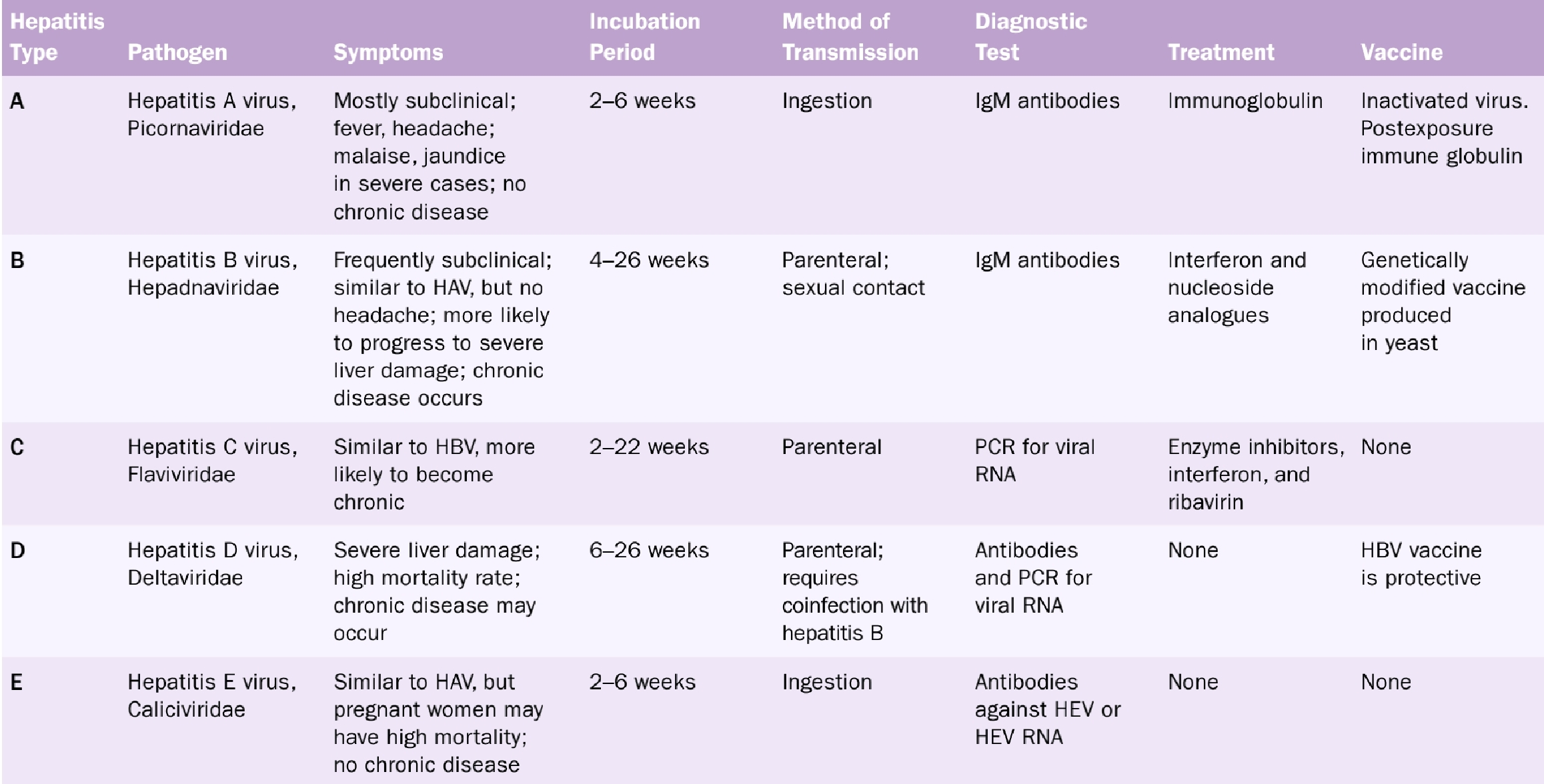
Hepatitis A is a contagious liver infection caused by the hepatitis A virus (HAV). It spreads mainly through contaminated food, water, or poor sanitation. Symptoms include fever, fatigue, nausea, abdominal pain, dark urine, jaundice, and loss of appetite. The disease is usually acute and does not become chronic. Most patients recover completely, and vaccination provides effective protection.
Hepatitis B
Hepatitis B is caused by the hepatitis B virus (HBV) and spreads through blood, sexual contact, and body fluids. It attacks the liver and may cause both acute and chronic infection. Symptoms include jaundice, fatigue, abdominal discomfort, nausea, and dark urine, although some infected individuals remain asymptomatic. Chronic infection may lead to liver cirrhosis, liver failure, or liver cancer. Vaccination is highly effective in prevention.
Hepatitis C
Hepatitis C is caused by the hepatitis C virus (HCV) and is primarily transmitted through infected blood, such as contaminated needles or blood transfusions. Many individuals show no symptoms early in infection, but chronic infection can slowly damage the liver over many years. Complications include cirrhosis, liver cancer, and liver failure. Antiviral medications can successfully cure many cases.
Hepatitis D
Hepatitis D is caused by the hepatitis D virus (HDV), which can only infect individuals already infected with hepatitis B. Coinfection worsens liver damage and increases the risk of severe hepatitis, cirrhosis, and liver failure. Transmission occurs through infected blood and body fluids. Prevention mainly depends on vaccination against hepatitis B.
Hepatitis E
Hepatitis E is caused by the hepatitis E virus (HEV) and spreads mainly through contaminated water. It commonly occurs in areas with poor sanitation. Symptoms resemble other forms of hepatitis and include jaundice, fever, nausea, fatigue, and abdominal pain. Most cases resolve spontaneously, but pregnant women are at higher risk of severe complications.
Mumps
Mumps is caused by the mumps virus and primarily affects the salivary glands, especially the parotid glands near the jaw. Symptoms include facial swelling, fever, headache, muscle aches, and difficulty swallowing. Although mainly involving the salivary glands, the virus may also affect the pancreas, testes, brain, or ovaries. Vaccination with the MMR vaccine is the best prevention.
Viral gastroenteritis
Viral gastroenteritis, commonly called “stomach flu,” is inflammation of the stomach and intestines caused by viruses such as norovirus or rotavirus. Symptoms include diarrhea, vomiting, abdominal cramps, nausea, fever, and dehydration. The infection spreads easily through contaminated food, water, or contact with infected individuals. Proper hydration is the most important treatment.
Fungal Diseases and Toxin-related Conditions

Ergotism
Ergot poisoning, also called ergotism, results from consuming grains contaminated with Claviceps purpurea, a fungus that produces toxic alkaloids. Symptoms may include vomiting, muscle pain, hallucinations, convulsions, and reduced blood flow to the limbs, which may lead to tissue death or gangrene. Historically, outbreaks occurred after eating contaminated rye products.
Aflatoxicosis
Aflatoxin poisoning is caused by toxins produced by Aspergillus fungi growing on improperly stored grains, peanuts, corn, and nuts. Aflatoxins damage the liver and may cause nausea, vomiting, abdominal pain, jaundice, and liver failure. Long-term exposure increases the risk of liver cancer. Proper food storage helps prevent contamination.
Cardiovascular Diseases
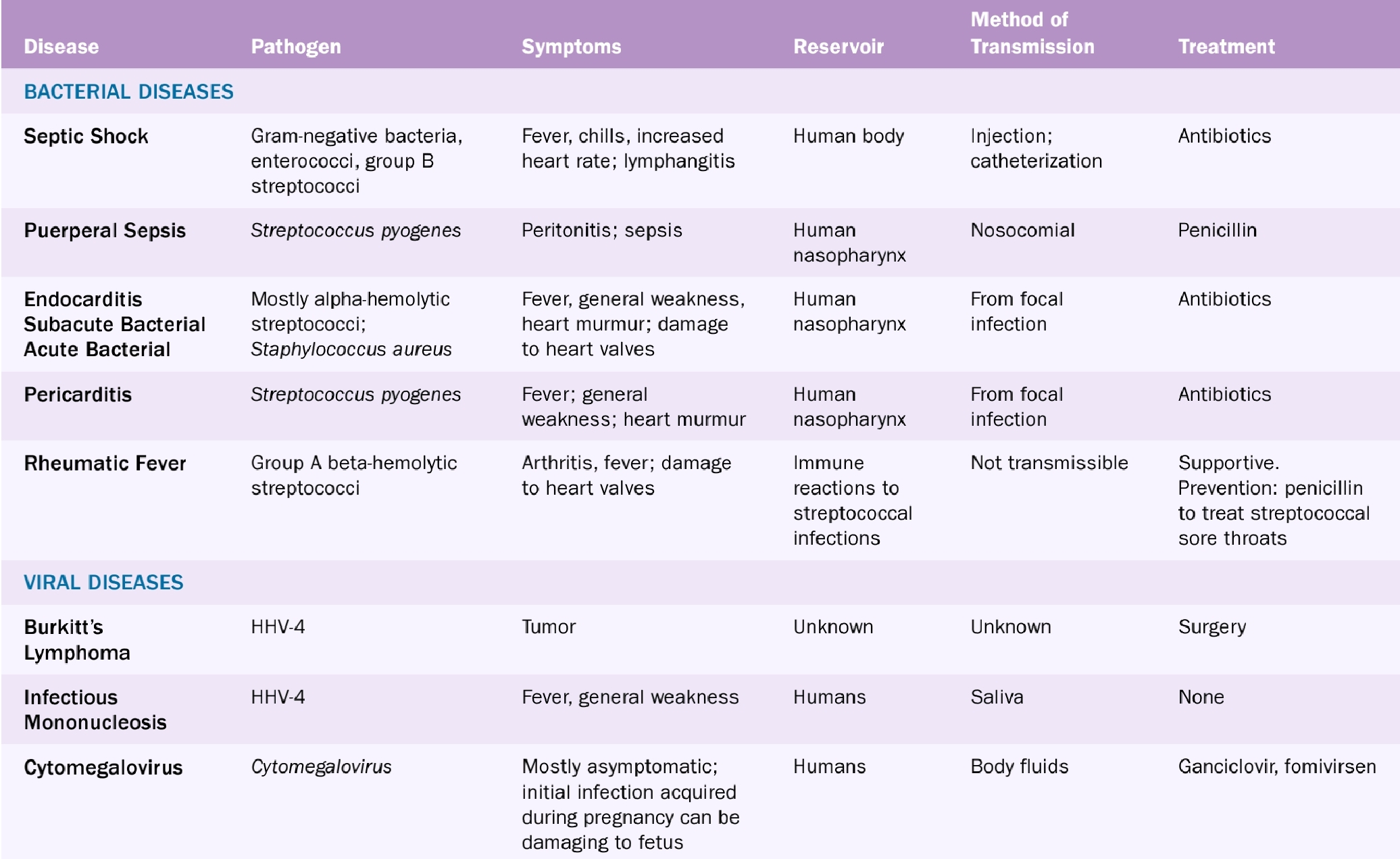
The cardiovascular system includes the heart and blood vessels. Microbial infections affecting this system can lead to severe inflammation, tissue destruction, circulatory failure, or systemic complications.
Bacterial Diseases of the Cardiovascular System
Septic shock
Septic shock is a severe and life-threatening condition resulting from overwhelming bacterial infection and systemic inflammation. Bacterial toxins trigger widespread blood vessel dilation and dangerously low blood pressure, reducing oxygen delivery to organs. Symptoms include fever, rapid heartbeat, confusion, difficulty breathing, and organ failure. Immediate medical treatment with antibiotics and supportive care is essential.
Puerperal sepsis
Puerperal sepsis is a serious bacterial infection occurring after childbirth, miscarriage, or abortion. Common bacteria include Streptococcus pyogenes and Staphylococcus aureus. Symptoms include fever, pelvic pain, foul-smelling vaginal discharge, and rapid heart rate. Without prompt treatment, the infection may spread into the bloodstream and become fatal.
Endocarditis
Endocarditis is an infection of the inner lining of the heart, especially the heart valves. It is commonly caused by bacteria entering the bloodstream from dental procedures, wounds, or intravenous drug use. Symptoms include fever, fatigue, heart murmurs, shortness of breath, and small skin hemorrhages. The infection may damage heart valves and lead to heart failure or stroke.
Pericarditis
Pericarditis is inflammation of the pericardium, the sac surrounding the heart. Bacterial infections can cause chest pain, fever, difficulty breathing, and fluid accumulation around the heart. Severe fluid buildup may impair normal heart function and become life-threatening.
Rheumatic fever
Rheumatic fever is an inflammatory disease that develops after untreated Streptococcus pyogenes throat infection. The immune response mistakenly attacks the heart, joints, skin, and nervous system. Symptoms include fever, joint pain, skin rash, and inflammation of heart tissues. Repeated attacks may permanently damage heart valves, leading to rheumatic heart disease.
Viral Diseases Related to the Cardiovascular and Lymphatic Systems
Burkitt lymphoma
Burkitt lymphoma is a rapidly growing cancer of B lymphocytes strongly associated with Epstein-Barr virus (EBV) infection. It commonly affects the jaw, abdomen, or lymph nodes. Symptoms include rapidly enlarging tumors, fever, night sweats, and weight loss. The disease is more common in certain regions of Africa and in immunocompromised individuals.
Infectious mononucleosis
Infectious mononucleosis, often called “mono” or the “kissing disease,” is caused mainly by Epstein-Barr virus. It spreads through saliva and causes fever, sore throat, swollen lymph nodes, fatigue, and enlarged spleen. Most people recover fully, although fatigue may persist for weeks.
Cytomegalovirus infection
Cytomegalovirus (CMV) infection is caused by a herpesvirus that commonly remains dormant after infection. Healthy individuals may experience mild or no symptoms, but immunocompromised individuals and newborns can develop severe disease affecting multiple organs. Symptoms may include fever, fatigue, swollen glands, pneumonia, hepatitis, or vision problems.
Respiratory Diseases
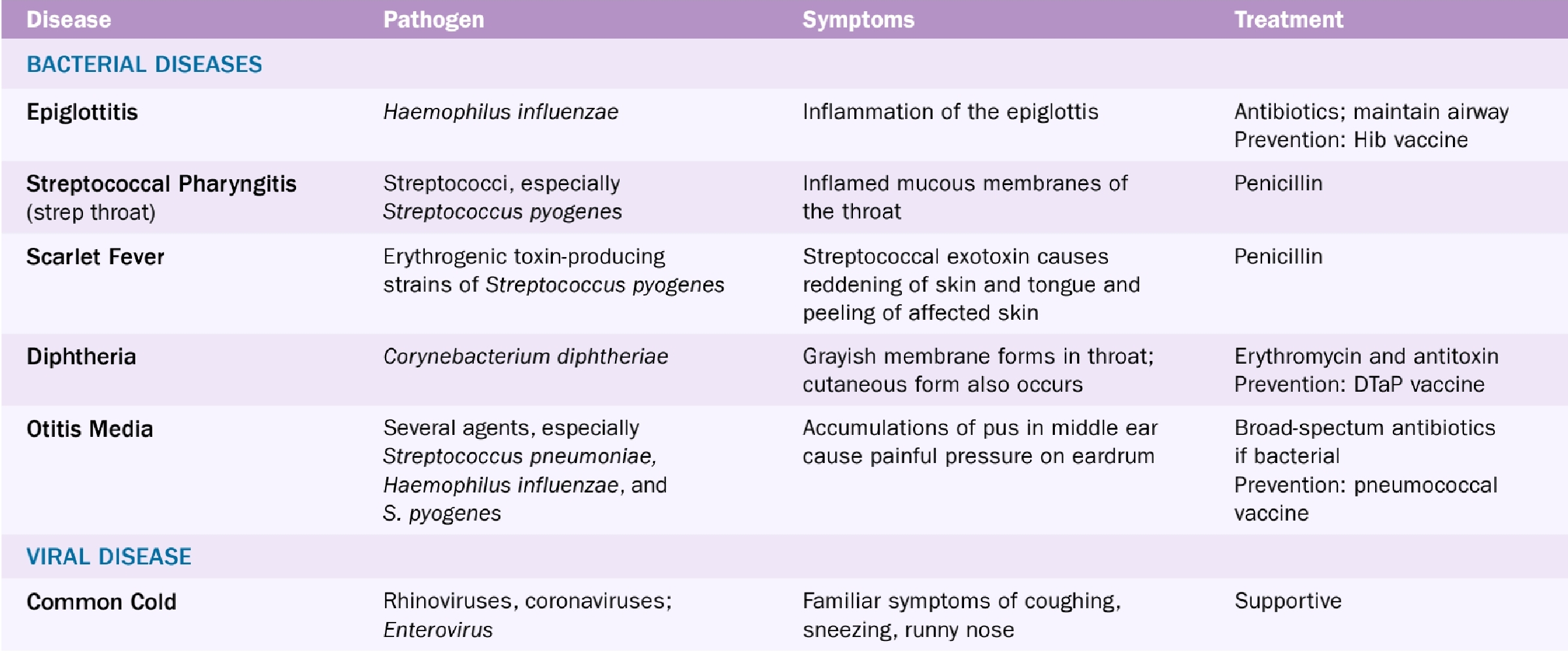
The respiratory system includes the nose, throat, airways, and lungs. Respiratory infections can be caused by bacteria, viruses, or fungi and may range from mild colds to severe lung diseases. Common symptoms include cough, fever, sore throat, breathing difficulty, chest pain, and mucus production.
Bacterial Diseases of the Upper Respiratory Tract
1. Epiglottitis
Epiglottitis is a serious bacterial infection causing inflammation of the epiglottis, the flap of tissue that covers the airway during swallowing. It is commonly caused by Haemophilus influenzae type b (Hib). Symptoms include high fever, severe sore throat, drooling, muffled voice, and difficulty breathing. Swelling of the epiglottis can block the airway and become life-threatening. Vaccination against Hib greatly reduced its occurrence.
2. Streptococcal pharyngitis
Streptococcal pharyngitis, commonly called strep throat, is caused by Streptococcus pyogenes. It produces sudden sore throat, fever, swollen tonsils, painful swallowing, and enlarged lymph nodes. White patches may appear on the tonsils. Untreated infections may lead to complications such as rheumatic fever or kidney inflammation.
3. Scarlet fever
Scarlet fever is caused by toxin-producing strains of Streptococcus pyogenes. It usually develops together with strep throat. Symptoms include fever, sore throat, and a characteristic red sandpaper-like rash that spreads over the body. The tongue may appear bright red, known as “strawberry tongue.” Antibiotic treatment helps prevent complications.
4. Diphtheria
Diphtheria is caused by Corynebacterium diphtheriae. The bacteria produce toxins that damage tissues in the throat and respiratory tract. A thick gray membrane may form in the throat, causing breathing difficulty. Symptoms include sore throat, fever, swollen neck glands, and weakness. Severe cases can affect the heart and nervous system. Vaccination is highly effective in prevention.
5. Otitis media
Otitis media is an infection of the middle ear commonly caused by bacteria such as Streptococcus pneumoniae or Haemophilus influenzae. It frequently affects children after upper respiratory infections. Symptoms include ear pain, fever, hearing difficulty, irritability, and fluid buildup behind the eardrum.
Viral Disease of the Upper Respiratory Tract
1. Common cold
The common cold is a mild viral infection usually caused by rhinoviruses, coronaviruses, or adenoviruses. Symptoms include sneezing, runny nose, nasal congestion, sore throat, cough, and mild fever. The disease spreads easily through respiratory droplets and contaminated surfaces. Most infections resolve within one to two weeks.
Common Bacterial Pneumonias
1. Pneumococcal pneumonia
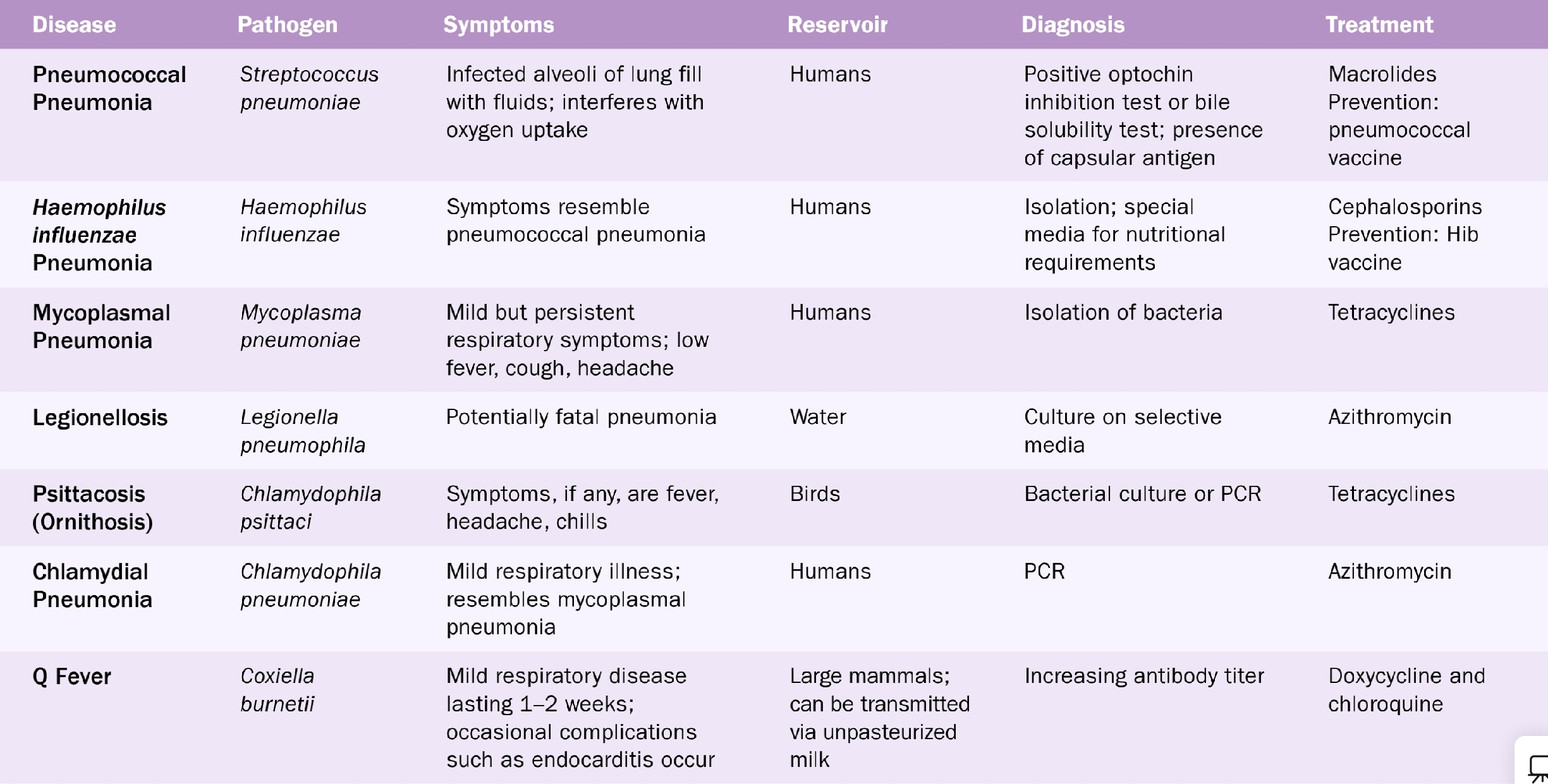
Pneumococcal pneumonia is caused by Streptococcus pneumoniae, one of the most common causes of bacterial pneumonia. Symptoms include sudden fever, chills, productive cough, chest pain, and difficulty breathing. The lungs become inflamed and filled with fluid, reducing oxygen exchange.
2. Haemophilus influenzae pneumonia
This pneumonia is caused by Haemophilus influenzae, especially in young children, elderly individuals, and people with weakened immunity. Symptoms include fever, cough, chest pain, and shortness of breath. Severe infections may spread into the bloodstream or meninges.
3. Mycoplasma pneumonia
Mycoplasmal pneumonia is caused by Mycoplasma pneumoniae and is often called “walking pneumonia” because symptoms are usually milder than typical bacterial pneumonia. Patients commonly experience dry cough, fatigue, sore throat, and low-grade fever. It spreads easily in crowded environments such as schools or dormitories.
4. Legionnaires’ disease
Legionellosis, particularly Legionnaires’ disease, is caused by Legionella pneumophila. The bacteria thrive in contaminated water systems such as air-conditioning units and cooling towers. Symptoms include high fever, cough, muscle aches, chest pain, and severe pneumonia. Some patients may also experience diarrhea or confusion.
5. Psittacosis
Psittacosis is caused by Chlamydia psittaci and is commonly acquired from infected birds such as parrots or pigeons. Symptoms include fever, headache, dry cough, muscle pain, and pneumonia. Severe infections may affect multiple organs.
6. Chlamydial pneumonia
Chlamydial pneumonia is caused mainly by Chlamydia pneumoniae. Symptoms often develop gradually and include persistent cough, sore throat, fever, and fatigue. The infection may spread easily in schools, military camps, or crowded communities.
7. Q fever
Q fever is caused by Coxiella burnetii, usually transmitted from infected farm animals through inhalation of contaminated dust. Symptoms include high fever, severe headache, muscle pain, fatigue, and pneumonia. Chronic infection may lead to endocarditis.
Lower Respiratory Diseases
Lower respiratory infections involve the bronchi and lungs and are among the leading causes of severe illness worldwide.
Bacterial Diseases of the Lower Respiratory System
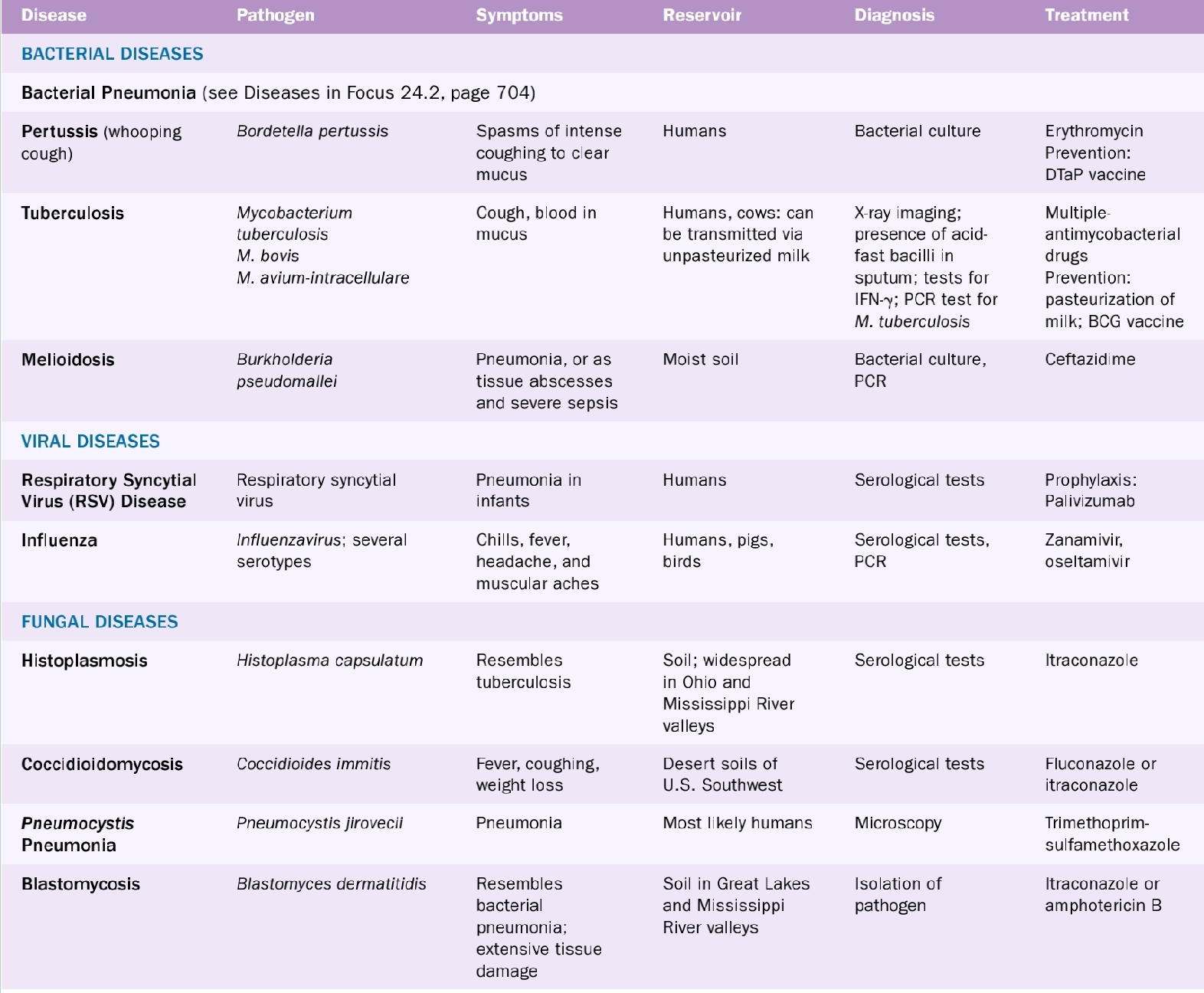
1. Bacterial pneumonia
Bacterial pneumonia refers to lung infections caused by various bacteria that inflame the air sacs of the lungs. Symptoms commonly include fever, chills, productive cough, chest pain, and breathing difficulty. The lungs may fill with pus or fluid, impairing oxygen exchange.
2. Pertussis
Pertussis is caused by Bordetella pertussis and is highly contagious. It produces severe coughing fits followed by a characteristic “whooping” sound during inhalation. Infants are especially vulnerable and may develop breathing pauses, pneumonia, or death. Vaccination is the most effective prevention.
3. Tuberculosis
Tuberculosis (TB) is caused by Mycobacterium tuberculosis. It spreads through airborne droplets released by infected individuals. Symptoms include chronic cough, weight loss, fever, night sweats, fatigue, and coughing up blood. The bacteria primarily affect the lungs but may spread to other organs. Long-term antibiotic therapy is required for treatment.
4. Melioidosis
Melioidosis is caused by Burkholderia pseudomallei, a bacterium found in soil and water. Infection occurs through inhalation, ingestion, or skin wounds. Symptoms vary from localized skin infection to severe pneumonia and bloodstream infection. It is more common in tropical regions and can become life-threatening.
Viral Diseases of the Lower Respiratory System
1. Respiratory syncytial virus infection
Respiratory syncytial virus (RSV) infection commonly affects infants, young children, and older adults. The virus infects the lower respiratory tract and may cause bronchiolitis or pneumonia. Symptoms include cough, wheezing, fever, difficulty breathing, and nasal congestion. Severe cases may require hospitalization.
2. Influenza
Influenza, or flu, is caused by influenza viruses and spreads rapidly through respiratory droplets. Symptoms include sudden fever, chills, headache, muscle aches, fatigue, sore throat, and cough. Severe infections may progress to viral pneumonia or secondary bacterial pneumonia, especially in vulnerable individuals. Annual vaccination helps reduce infection risk.
Fungal Diseases of the Respiratory System
1. Histoplasmosis
Histoplasmosis is caused by Histoplasma capsulatum, a fungus commonly found in soil contaminated with bird or bat droppings. Infection occurs through inhalation of fungal spores. Symptoms may resemble flu or pneumonia and include fever, cough, chest pain, and fatigue. Severe cases can spread throughout the body.
2. Coccidioidomycosis
Coccidioidomycosis, also called Valley fever, is caused by Coccidioides fungi found in dry soil. Inhaled spores infect the lungs and may cause cough, fever, chest pain, fatigue, and skin rash. Most infections are mild, but severe disseminated disease can occur.
3. Pneumocystis pneumonia
Pneumocystis pneumonia (PCP) is caused by Pneumocystis jirovecii and mainly affects immunocompromised individuals, especially patients with HIV/AIDS. Symptoms include dry cough, fever, chest tightness, and severe breathing difficulty. Without treatment, the disease may become fatal.
4. Blastomycosis
Blastomycosis is caused by Blastomyces dermatitidis, a fungus found in moist soil and decaying organic matter. Infection usually begins in the lungs after inhalation of spores. Symptoms include cough, fever, night sweats, chest pain, and weight loss. The infection may spread to the skin, bones, or other organs.
Measles
Causative agent: Measles virus
Portal of entry: Respiratory tract
Stages: Prodromal phase (fever, cough, runny nose) followed by rash
Signs and Symptoms: High fever, cough, runny nose, red watery eyes, Koplik spots, then flat red macules spreading downward
Method of transmission: Airborne via respiratory droplets
Reservoir: Humans
Diagnosis: Clinical evaluation, serology
Prevention/Treatment: MMR vaccine; symptomatic treatment.
Rubella
Causative agent: Rubella virus
Portal of entry: Respiratory tract
Stages: Similar to measles but milder
Signs and Symptoms: Mild fever, headache, swollen lymph nodes, pink macular rash
Method of transmission: Airborne via respiratory droplets
Reservoir: Humans
Diagnosis: Clinical evaluation, serology
Prevention/Treatment: MMR vaccine; symptomatic treatment.
Fifth disease
Causative agent: Parvovirus B19
Portal of entry: Respiratory tract
Stages: Initial cold-like symptoms followed by rash
Signs and Symptoms: Mild fever, slapped cheek rash, lacy rash on limbs
Method of transmission: Airborne via respiratory droplets
Reservoir: Humans
Diagnosis: Clinical evaluation, serology
Prevention/Treatment: No vaccine; supportive treatment.
Roseola
Causative agent: Human herpesvirus 6 (HHV-6)
Portal of entry: Respiratory tract
Stages: Initial fever followed by rash after fever subsides
Signs and Symptoms: Sudden high fever, pink macular rash on trunk
Method of transmission: Airborne via respiratory droplets
Reservoir: Humans
Diagnosis: Clinical evaluation; serology if needed
Prevention/Treatment: No vaccine; symptomatic treatment.
Vesicular and Pustular Rashes
Smallpox
Causative agent: Variola virus
Portal of entry: Respiratory tract
Stages: Initial fever, then systematic pustular rash
Signs and Symptoms: Fever, body pain, widespread pustular rash
Method of transmission: Airborne via respiratory droplets
Reservoir: Humans
Diagnosis: Clinical evaluation; history of exposure
Prevention/Treatment: Vaccination; supportive care.
Mpox
Causative agent: Monkeypox virus
Portal of entry: Skin or respiratory tract
Stages: Incubation, then rash develops
Signs and Symptoms: Fever, swollen lymph nodes, rash
Method of transmission: Close contact with infected person/animal
Reservoir: Animals (rodents) and humans
Diagnosis: Clinical evaluation, PCR testing
Prevention/Treatment: Vaccination; antiviral treatment if severe.
Chickenpox
Causative agent: Varicella-zoster virus
Portal of entry: Respiratory tract
Stages: Incubation phase before rash appears
Signs and Symptoms: Itchy vesicular rash, fever, fatigue
Method of transmission: Airborne via respiratory droplets; direct contact
Reservoir: Humans
Diagnosis: Clinical evaluation, serology
Prevention/Treatment: Vaccination (varicella); supportive treatment.
Shingles
Causative agent: Reactivated varicella-zoster virus
Portal of entry: Reactivation in nervous tissue
Stages: Dormant to active infection
Signs and Symptoms: Painful vesicular rash on dermatomes, pre-eruptive pain
Method of transmission: Contact with fluid from blisters
Reservoir: Humans
Diagnosis: Clinical evaluation, history
Prevention/Treatment: Zoster vaccine; antiviral medications during outbreaks.
Herpes simplex
Causative agent: Herpes simplex virus (HSV)
Portal of entry: Skin/mucous membranes
Stages: Primary infection; recurrent outbreaks
Signs and Symptoms: Painful vesicles on skin/mucous membranes
Method of transmission: Direct contact with lesions
Reservoir: Humans
Diagnosis: Clinical evaluation; viral culture
Prevention/Treatment: Antiviral medications; hygiene measures.