cram packet
pyschology : behavior and the study of the mind
structuralism : introspection, underlying structure of mind
functionalism : need to analyze the purpose of behavior
psychoanalytic/ dynamic: unconscious childhood
behavioral: learned , reinforced
Humanistic: free will, free choice, self actualization
cognitive: perception, thoughts
evolutionary: genes
biological: brain ,NTs
sociolcultural: society
biopyschosocial: combo of above
basic research: increase knowledge
appiled research: help people
pyschologist: research or counseling MS or PHD
psychiatrist- prescribe medications and diagnose MD
experiment: cause and effect
independent variable: what is tested/change
experimental group: special treatment , multiple group
control group: no special treatment , one group
placebo effect: think their improving but it their mind tricking them
dependent variable: what is measured
double blind: neither participant or experimental are aware
single blind: only participant blind
operational definition: clear, precise rule definition
random assignment: assign partipants to control or experimental group randomly
random sample: population; everyine has a chance to take part
correlation: relationship between 2 variables
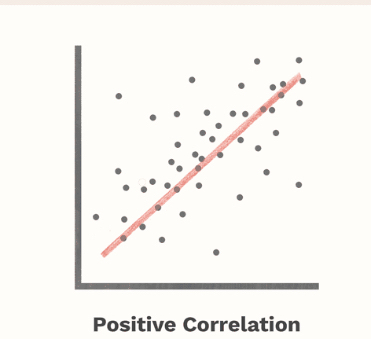
postive correlation: increase and decrease together
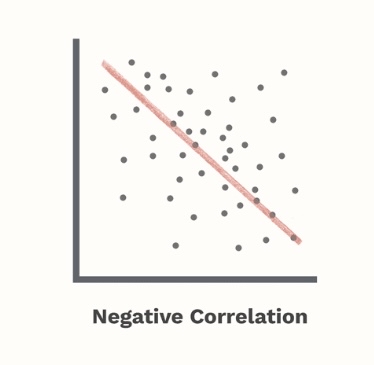
negative correlation: one increases other decreases
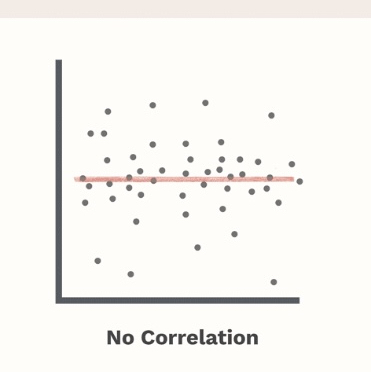
No correlation: no relationship
illusory correlation: belief of correlation that doesn’t exist
naturalistic observation: observe people in own setting
case study: study one person great detail lots of info
not due to chance, exp mampulation caused the difference in means
ETHICAL GUIDELINES (APA)
Confidentiality: names kept secret
Informed Consent: must agree to be. part of study
Debriefing: must be told the true purpose of the study (done after for deception)
Deception must be warranted
No harm- mental/physical
• Dendrites: Receive incoming signal
• Soma: Cell body (includes nucleus)
• Axon: AP travels down this
Myelin Sheath: speeds up AP down axon, protects axon, MS destroys this
Synapse: gap b/w neurons
central ns : brain and spinal cord
peripheral ns: rest of ns
sympathetic ns: flight or fight
parasympathetic ns: rest or digest
GABA: inhibitory neurotransmitters
Glutamate: excited neurotransmitter
dooamine: reward and movement
serotonin: moods and emotions
acetylcholine: memory
endorphines: pain control
oxytocin: relationships ,love
agonist: mimic effects of neurotransmitters
antagonists: block or reduce effects
narcolepsy: fall asleep out of nowhere
freud dreaming theory: dreaming unconscious desires and needs
depressants: alcohol , decrease sympathic ns
stimulants : cocaine , caffeine, increase sympathic ns
hallucinogens: marijuana, causes hallucinations
abosolute threshold: not deteching change
difference threshold: smallest amount of change you can hear
signal detection: detect stimulus
sensory adaptation: constant stimulation wont feel anymore
sensory habituation: regular exposure dont see it no more
cornea- protect eye
Rods - black/white, dim light
• Pupil/iris - controls amount of light entering eye
• Lens - focuses light on retina
• Retina - contains rods and cones
Cones - color, bright light (ted, green, blue)
top down processing: whole, smaller part, see strawberry brown memory strawberry red
bottom up processing: smaller part, whole , see brown strawberry think it kiwi
dog food=unconditioned stimulus
dog salivate= unconditioned response
unconditioned means dog have not been trained
THE BELL COMES IN….
bell = neutral stimulus
when the BELL rings, the dog DOES NOT respond (salivate )
- this is because the dog is not trained to drool when the bell rings
SO
when the food AND bell are paired together like
food is there and bell also rings after many times of practicing WHICH makes the dog drool
the dog DROOLING is still the unconditioned response
extinction: dies Out over time
spotaneous recovery: period of time conditional response comes back out of nowhere
gesalt pyschology: whole greater than sum of part
figure/ ground: objects that stand out from background
• PRINCIPLES OF OPERANT COND:
• Pos. Reinforcement: Add something nice to increase a behavior (gold star for turning in HW)
• Neg. Reinforcement: Take away something bad/annoying to increase a behavior (put on seatbelt to take away annoying car signal)
Pos. Punishment: Add something bad to decrease a behavior (spanking)
Neg. Punishment: Take away something good to decrease a behavior (take away car keys)
Primary Reinforcers: food and water
secondary reinforcer: everything else
shaping: uses rewards to train behavior
continuous reinforcement schedule: get rewards when behavior is performed
fixed ratio schedule: reward every x amount of time passed
variable ratio schedule: reward random numbers , slot machine
variable interval schedule: reward after random amount time has passed , fishing
model behavior: children learn behavior from parents bobo doll
chucking : breaking into smaller units to help memory , phone #
mnemonics: shortcuts help us remember
context dependent memory: where you learn the info to help remember
state dependent memory: where you learn where u shld take test
information processing model: short term memory, long term memory
sensory memory: snapshot of five senses
ionic memory: recall memory that last 3 secs
echoic memory: auditory memory lasts 2-3 secs
short term memory: remember info for more than 5 secs
long term memory: lasts forever
episodic: events
semantic: facts
priming : info seen earlier remember later on
serial postion effect: word in middle
primacy effect: remember beginning
recency effect: remember the end
proactive interference: old blocks new
retroactive: new blocks old
anterograde amnesia: forget new info
retrograde amnesia: forget old info
telegraphic stage: two word stage
one word stage: duh
imitation: kids repeat what they hear but dont do it perfectly
operant conditioning: behavior action happens follow by reward and punishment
fundemental attribution error: underestimate how important the situation is and just blame their behvaior
halo effect: automatically assume thing based on their actions
belief bias: making invalid conclusions to preexisting beliefs
belief perservance : maintaining your belief even when your proven wrong
confirmation bias: look for evidence to support what we believe
crystallized intelligence: learning , increase with time
Fluid : problem solving , decrease with time
apititude: learn new skill , future ( SAT)
achievement: see what they know
standard deviation: measure how much the scores vary from mean
teratogens: chemical that interfere development of fetus , alcohol/drugs
Rooting reflex: touch check baby turn it head looking for food
Sucking reflex: baby suck everything that touch their mouth
Grasping reflex: finger placed on baby palm they grasp tightly
babinski reflex: sole of feet stroked baby toes fan out and big toe point upward
stepping reflex : when held and support baby will take steps make it seem like they’re walking
accommodation: all change, adjust your old info to put into new infor
assimilation: put new info into existing info, same stuff
object performance: peak a boo
sensorimotor stage: focus on exploring the world around them
pre operational stage: use pretend play, develop language
imprinting : baby duck believe the first thing they see after hatching is their mom
authoritarian : really strict, controlled , no negotiation
authoritative: explain reasoning , combination with high expectations
permissive : kids do whatever, no rules
secure attachment: gets upset when mom leaves, calm when mom return
avoidant attachment: avoids mom, doesnt care when she leaves
ambivalent attachment: avoids mom , freaks out when she leaves
Generativity vs stagnation : focus middle school adulthood contrubite to society helping guide the next generation
trust vs mistrust: infacts want to know if their caretakers can help with their basic needs
autonomy vs shame and doubt: toolders learn to think for themselves, potty training
initiative vs guilt :learn to do tasks and carry out plans
industry vs inferiority: achievement mostly school middle school
identity vs role confusion: trying to figure out what you wanna be , forming identity
intimacy vs isolation: intimate relationships
intergrity vs despair : reflecting on life
primary sex characteristics: necessary structure for reproduction
secondary sex characteristics: characteristics that develop during puberty, deep voice
gender roles: expected norms for men and women
cross sectionsl study: study people of different ages same point of time
longitudinal study: studies people for long time
drive reduction: physiological need that motivates you to satisfy your need
primary drive: unlearned drive that you need to survive , hunger, thrist
secondary drive: learned drive ( wealth or sucess)
optimum arousal : easier tasks require more
arousal , harder task need less
Physiological needs: basic needs for survival like air, food, water , rest
safety needs: security , protection from accidents and harm.
love and belonging needs: form relationships, feel sense of belonging
esteem needs: self-respect, confidence, achievement, recognition, and status.
self actualization: acheive self growth and fulfillment
intristrinsic motivation: you do it bc u like it
extrinsic motivation: motivation to obtain trophy reward
hypothalamus makes u hungry
obesity: increased risk of heart attack , diabetes
something to alter the course of stress (planning, acceptance)
• Emotion-focused coping: reducing the emotional distress (denial, disengagement)
• GENERAL ADAPTATION
SYNDROME (GAS): three phases of a stress response
o Alarm: body/you freak out in response to stress
• Resistance: body/you are dealing with stress
• Exhaustion: body/you cannot take any more, give up
approach approach conflict: win win situation; where you have to chose one
approach avoidance conflict: win lose situation, outcome has postive and negative aspects
avoidance avoidance conflict: lose lose both outcomes are bad bc u have to choose one
mulitiple approach avoidance conflict: two or more win lose situation
id: wants and desires, operates on pleasure , devil on shoulder
superego: moral conscious , angel on shoulder , good things
ego : stuck between id and superego its you
repression: push memories back into unconscious mind( things too traumatic push back)
projection: having feelings and putting it towards another person
denial: refuse to accept reality
displacement: shift feelings from an unacceptable object to a more acceptable one ( cant yell at teacher, yell at dog )
regression : go back when u were in development period in face of stress
rationalization: when you dont get ur way say it sucks anyway
sublimation : replace unacceptable impuse to a acceptable one
social cognitive perspective : processing information and influencing behavior
self efficacy:belief that one can succeed so you can do it too
generalized anxiety disorder:being nervous all the time for no reason
panic disorder: prone to have frequent panic attacks
agaraphobia: fear of crowded places and people
phobia:scared of one thing that disrups your life
pyschodynamic: repressed thoughts
behaviorist: fear conditioning leads to anxiety
biological: natural selection favored those with certain phobias
conversion disorder: loss of feeling or usage of limb or body part no cure
illness anxiety disorder: interprets normal symptoms as major disease
dissociative identity disorder: multiple personalites
dissociative amenesia + Fungue: taking another identity
schizophrenia: hallucination delusions disoriented thinking disorganized speech
schizophrenia- too much dopamine in brain
major depressive disorder… Extreme sadness and despair towards life no known cause
Disrupted mood regulation disorder : frequent temper Tantrums
Bipolar disorder : depression and manic episodes
Antisocial : manipulative and breaks rules
Borderline : innerpersonal relationship and self image
naricisstic : Doesn’t have any empathy only admire themselves
Obsessive compulsive disorders (OCD) : Persistent unwanted thoughts and senseless rituals
Posttraumatic stress disorder PTSD : Flashbacks problems with concentration by a traumatic event
Autism spectrum disorder: diagnose in childhood Have trouble doing social relationships communication and activities
Cognitive therapy: develop by thoughts psychological problems , challenges those thoughts , best for depression
Exposure therapy : slowly expose people to whatever it is that makes them anxious
systematic densensitization : Creating a list and helping you overcome that fear step by step
Operant conditioning: use behavior modification
Family therapy treat the family as a system individual’s behaviors are influenced by family dynamics
Group therapy :to show that patients are not alone
anti- psychotic: decrease dopamine Treat schizophrenia
mood Stabilizers: treats bipolar disorder lithium
Anti-anxiety drugs: depressed central nervous system
Antidepressants: increase serotonion
Foot in the door: Starting a small request then larger request
Door in the face: Larger request being turned down lead you To be more likely to ask for a smaller request
social facilitation: perform Better or on simple or well learned task in the presence of others
Social loafing: people in a group would do less effort together
group polarization: The more time spent with a group the more stronger their thought/opinions will become
Groupthink:leads to the whole group going along with the same thinking ignoring all the possibilities or bad ideas
In group bias: favor your own group
Scrap goat theory: Outing your anger by providing someone else to blame
ethnocentrism: Seeing your own group as more important than the others
Just world phenomenon: Believing people deserve what they get, Homeless people on the floor
Mere exposure effect: Keep seeing it increases liking
Bystander effect: more people around less likely we are to help someone in need
Superordinate goals: Two or more groups were together to achieve a common goal
AAQ
A . Identify the research method : Found in method section but could also be found in the introduction
B. Explain how the dependent variable is optionally defined? Found in method section
C. Interpret basic statistics from a study. Need to interpret the basic information from the study such a explaining the importance of difference between memes interrupting correlation or other statistical information, Found in the result and discussion section
D identify a ethical issue related to the study. Found a method Section
E discuss whether the findings of a study might be generalizable or not generalizable. need to read carefully about the research participants described in the participants or the method section to know whether it is generalizable or not
F explain how the findings of the study support or do not support the hypothesis. Need to think about the question that researchers wanted to answer and whether their references and results justify the conclusion they made