Russia [SLIDE BASED]
INTRO SLIDES:
Putin & the Russian media:
Internet censorship in the country is increasing.
Principal TV channels are state-controlled (such as RT and RIA Novosti).
Social networks are mostly free.
Russia is a dangerous place for journalists working independently from the government.
Journalist Anna Politkovskaya was shot dead in 2006 after years of activism against Putin.
Putin & Russia democracy:
Jailed his main political opposition: Alexei Navalny
Navalny survived an assassination attempt in 2020, was flown to Berlin to recover, and return to Moscow in 2021 only to be detained.
FSB agent revealed that he had been instructed to clear Novichok, an extremely toxic Russian chemical, all over Navalny’s underwear. History will remember Putin as nothing more than an “underpants poisoner.”
As of August 2023, Navalny was sentenced to an additional 19 years in jail.
He has made changes to the Russian constitution.
2020 Russian constitutional referendum/All-Russian vote: Was proposed to the Federal Assembly and including amendments such as allowing Putin to run again for two more six-year presidential terms, constitutionally banning same-sex marriage (alligning with Christian values), ensuring patriotic (nationalistic) education in schools, and placing the constitution above international law.
2012 Foreign agent law: anyone who receives ‘support’ from outside Russia are labeled as foreign agents. Once they are labeled, anything they publish will have a disclaimer before it warns readers. This law has been internationally criticized as it is a tool used to suppress civil society and anyone opposing Putin.
New restrictive legislation: fines for public protesting, protests requiring government approval, arrest without trial, etc.
GONGOs (government-organized non-governmental organization) and their prevalence in modern Russian society.
Nashi (youth movement): formed in 2005 and reportedly supplied with $20m from the Kremlin, what is considered to be Putin’s personal army, has grown exponentially. With approximately 120,000 members, the members typically come from desperately poor areas of the countryside and see Putin as an idol who has brought security and prosperity to Russia. The movement was informally dissolved around 2015. Was created to build a following of young loyal supporters to avoid any youthful resistance in the future.
PART 1 SLIDES:
Pre-Revolution:
Led by strong autocrats (pre-1917):
Ivan the Terrible
Peter the Great
Catherine the Great
Huge social divisions and economic inequalities
WWI devastated Russian society
| VLADIMIR LENIN | |
|---|---|---|
First and founding head of government of Soviet Russia | In office: 1917-1924 | |
| ||
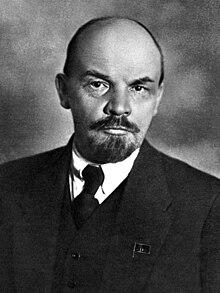
In 1924, Lenin passed away and hadn’t named a successor beforehand. Should the NEP (New Economic Plan) continue? And who will take over? Finally, they chose Joseph Stalin, who Lenin had previously warned against due to him being ill-mannered, uneducated and power hungry…
| JOSEPH STALIN | |
|---|---|---|
General Secretary of the Soviet Union | In office: 1924 - 1953 | |
| ||
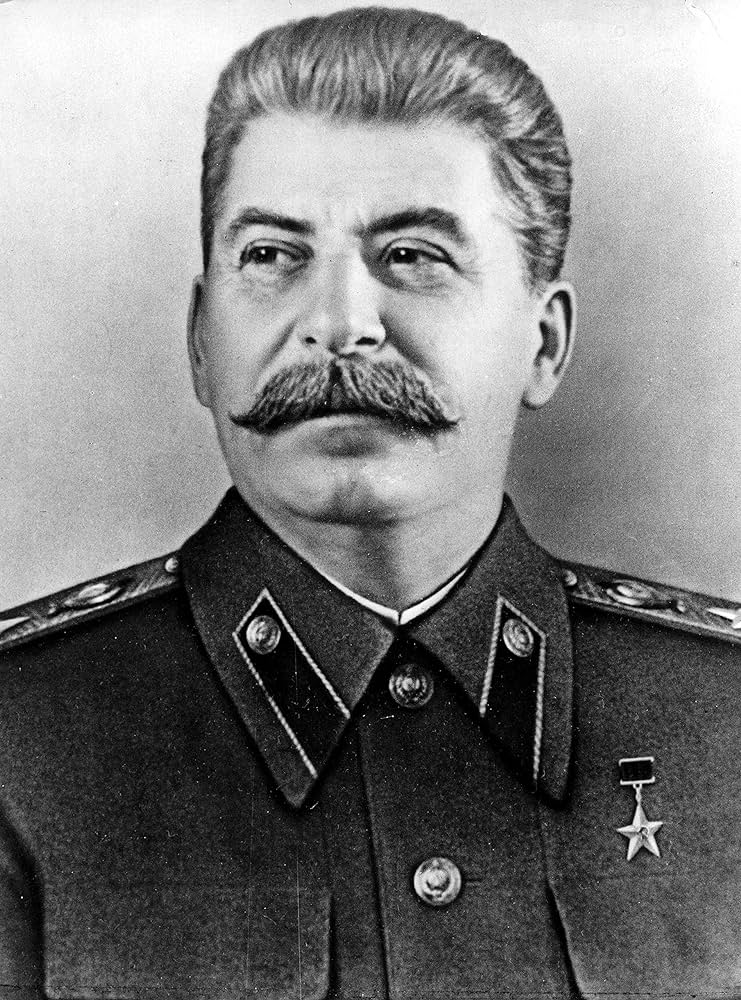
Stalin dies in 1953 and there is an attempt to ‘de-Stalinize’ the USSR. Reforms are led by Nikita Khrushchev.
| NIKITA KHRUSHCHEV | |
|---|---|---|
Secretary of the USSR | In office: 1953 - 1964 | |
| ||
Brezhnev partially reversed Khrushchev’s reforms.
| LENOID BREZHNEV | |
|---|---|---|
General Secretary of the USSR | In office: 1964 - 1982 | |
| ||
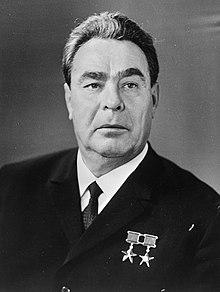
Brezhnev passed in 1982.
| MIKHAIL GORBACHEV | |
|---|---|---|
Last leader of the USSR before it dissolved | In office: 1985 - 1991 | |
| ||
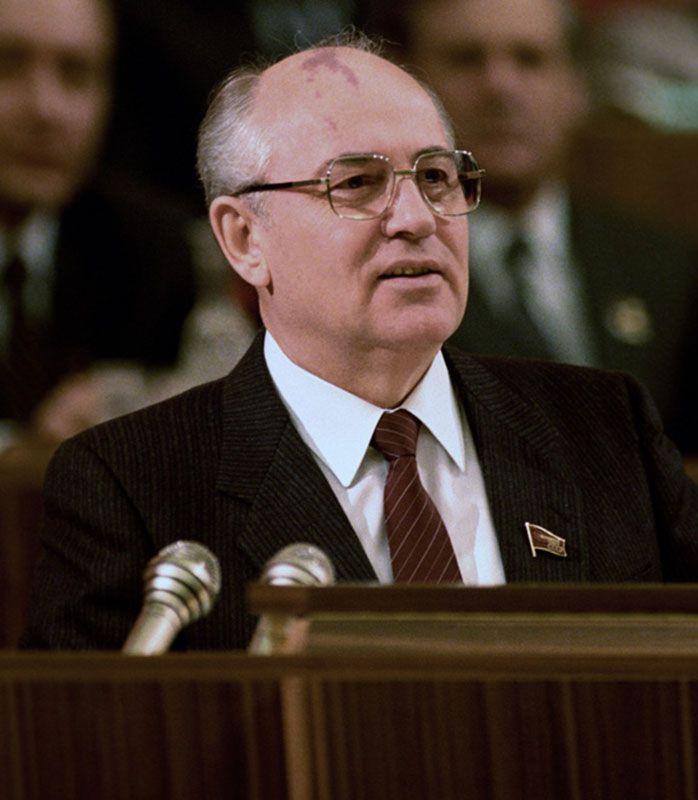
Russian Federation held its first ever election after the USSR was dissolved, and Boris Yeltsin became the first official President.
| BORIS YELTSIN | |
|---|---|---|
First President of the Russian Federation | In office: 1991 - 1999 | |
| ||
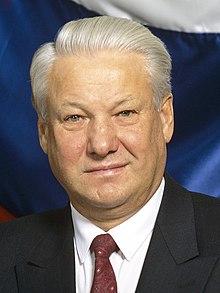
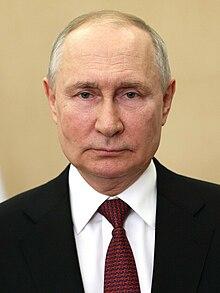
Yelstin’s frequent illnesses alcoholism led to his resignation, and his position being passed on to then-PM Vladimir Putin.
| VLADIMIR PUTIN | |
|---|---|---|
Present day President of Russia | In office: 1999 - 2008 (1st & 2nd terms) 2012 - present (3rd & 4th terms) | |
| ||
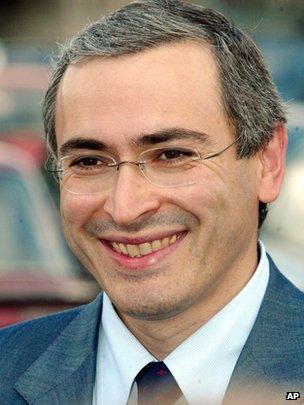
Oligarchs:
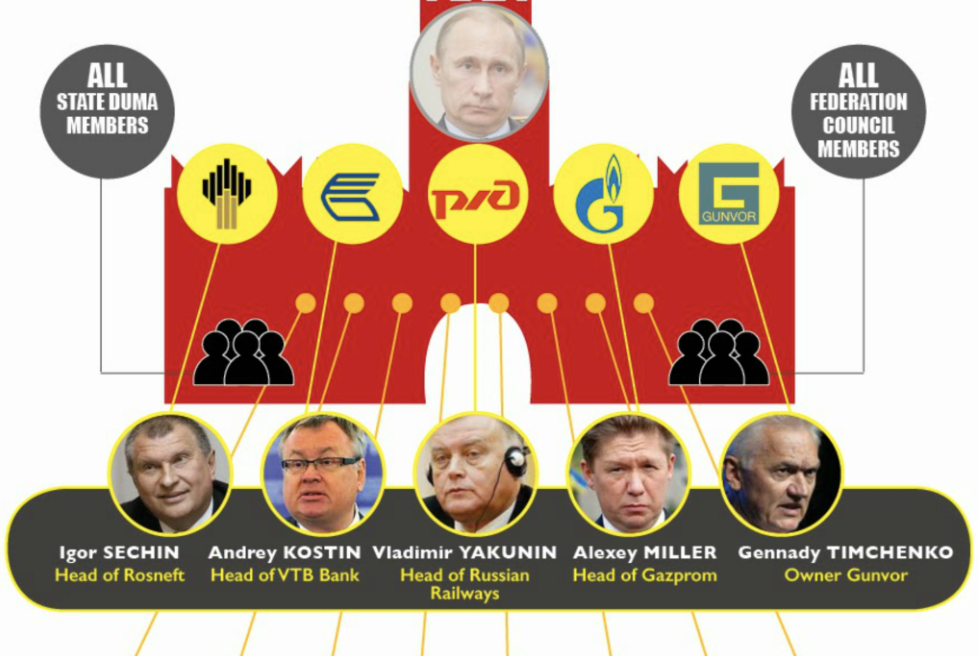
Wealthy elite that monopolized industries all over the country post-privatization: oil industry, media, etc.
At one point, oligarchs even controlled over ½ of the Russian GNP.
Originally, oligarchs backed Yeltsin, but now Putin is resisting their control.
| MIKHAIL KHODORKOVSKY | |
|---|---|---|
| ||
What is a rentier state?
A country that receives an income by selling, exporting, or leasing out a natural resource to foreign countries. Within the AP6 examples of this are Nigeria, Iran, and (somewhat) Russia.
Disadvantages of being a rentier state:
Lack of economic diversification
Price fluctuations due to the dependence on the international market
Higher chance of extreme income inequality
Increased opportunities for corruption by the state.
PART 2 SLIDES:
The political culture in | |
|---|---|
The UK | Russia |
is shaped by… | |
|
|
What is civil society like? | |
|
|
Legislative Executive system: Semi-Presidential
Legislature: Federal Assembly
Lower House: State Duma
Electoral system of Lower House: Mixed System
Upper House: Federation Council
Electoral system of Upper House: Appointed by local executive and legislature
Chief Judicial Body: Constitutional Court
Unitary of Federal division of power: Federal (asymmetric)
The only AP6 state that is identified as all 3: hybrid, competitive authoritarian regime, and illiberal democracy.
1993 Democratic Constitution
“Soft authoritarianism”
Semi-Presidential |
|
|---|---|
Presidential Powers:
| |
Prime Minister:
| |
State Council & Security Council | State Council:
|
Security Council:
| |
Bicameral Legislature | Duma - Lower House:
The State Duma does have its limitations such as the powers being limited, especially since the Duma’s attempts to reject PMs in the past have failed. And although they have the power to impeach the President, its a long process that involves both houses of the legislature, the Supreme Court, and the Constitutional Court.
|
Federation Council - Upper House:
| |
Judicial System | Constitutional Court:
|
Supreme Court:
| |
Rule of law since they have procedural codes for criminal and civil rights. However, the movement towards rule of law is becoming harder due to corruption: the security police continue autonomous operation. |
Electoral System:
President - directly elected with a majority vote (since 1996)
Duma - experienced multiple changes in electoral structure since 1990
POLITICAL PARTIES:
United Russia
Founded in April 2001 as a merger of Fatherland All-Russia Party and Unity Party of Russia, and as of now, are the dominant party in the country. They don’t have a defined ideology however they can be categorized as Pro-Putin.
Centrist
Conservative
Pragmatic
Opposed to radicalism
Communist Party of the Russian Federation
Formed from the Communist party of the Soviet Union, and are the strongest opposition party to United Russia. Their main supporters are older Russians, the economically disadvantaged, and rural residents.
Less reformist than other parties
Emphasize central planning and nationalism
A Just Russia
Formed in 2006, and like United Russia, is a merge between the Motherland People’s Patriotic Union, Party of Pensioners, and Party of Life. Led by the speaker of the Federation Council: Sergei Mironov.
Supports Putin and Medvedev
“We are the party of the working man”
Left of United Russia
Liberal Democratic Party of Russia
Was lead by Vladimir Zhirinovksy from its inception in 1992 until his death in 2022. Majority of their supporters consist of working-class men and military.
Ultranationalist
Anti-western
Nuclear threats against Japan
Anti-semetic
Sexist
Russian United Democratic Party (Yabloko)
A liberal and social-liberal party founded by former Soviet Deputy PM Grigory Yavlinsky, and is currently led by Nikolay Rybakov. In 2016, they won less than 2% of the vote and hold only a few regional legislative seats.
Social market economy
Fair competition in politics and the economy
Equal opportunity
Pro-Western and Pro-European
PART 3 SLIDES:
Demographics:
Compared to other developed countries, Russia has a shockingly low life expectancy (70 years) due to the alcoholism among men.
Low fertility rate
High abortion rates
High levels of female participation in the workforce
Nationality and Ethnic Groups:
Biggest social cleavage is nationality.
80% of the population is Russian while the rest are:
Tatar = 3.8% (Muslim)
Ukrainian = 2%
Bashkir = 1.2%
Chuvash = 1.1%
Other = 12.1%
Coinciding cleavage is religion.
The USSR prohibited religious practices of any kind so most people lost all religious affiliations during the 20th century.
Religious minorities: Muslims, Roman Catholic, Protestant, Jewish
There has been a rapid rise in the Muslim population in Russia, specifically in the Caucasus.
Russia has more Muslims than any other European country other than Turkey.
2013 Crackdown on Radical Islamists - Before the 2014 Winter Olympics in Sochi, the police arrested 300 Muslims in Moscow who were found with extremist literature and considered a threat.
2005 Belsan School Hostage Crisis
Another social cleavage is class.
The disparity between the nobility vs peasants was very evident in Tsarist Russia.
USSR abolished class, BUT created a new division between members/non members of the communist party (nomenklatura).
In the late 1990s and early 2000s, small middle class was growing in large cities.
Older and rural people remained poor, but general prosperity trickled down.
Now 73% live in cities and have a higher likelihood of good education and are far more in touch with Western values/culture.
CHECHNYA:
Why is it important?
Primarily a Muslim region
Contains many oil fields
Has fought for independence - the Kremlin knows that if they are successful and gain it, other independence movements will break out.
Common terrorist attacks from this region
POLITICAL PROTESTS:
2007 restriction of public protests
This law allows only INDIVIDUALS to picket, and that only if there is at least a 50 meter gap between the protesters. Additionally, the protests can not disrupt daily life. There is a list of places where mass action is forbidden and any action taken with more than 100 people must be authorized beforehand.
2012 arrest of punk rock band Pussy Riot
Punk rock band Pussy Riot was arrested on the 21st of Feb 2012 for performing a song titled “Punk Prayer” which protested the Orthodox church’s support of Putin in the upcoming election.