Microbiology
Microbiology is the study of small life forms (bacteria, fungi, protozoa, algae and viruses)
The control and identification of microorganisms to explain and prevent disease
Pathogens: microorganisms capable of causing disease in the host
Infection: growth and survival of microorganisms on or in the body
Infection control: preventing microbial contamination and infection
Infectious disease: occurs when microorganisms in the body multiply and cause damage in the tissues
→ Diseases were recognised before their causative agents
Caries are caused by acids produced by oral bacteria following the fermentation of sugars.
Prokaryotic | Eukaryotic | |
Macroorganisms | None known | Animals, plants |
Microorganisms | Archaea, bacteria | Algae, fungi, protozoa |
Acellular: viruses and prions
A Level: compare prokaryotic and eukaryotic
Prokaryotic: smaller, simpler and singular
Microscopy (types)
+ Atomic force microscopy
Gram-positive - large layer of peptidoglycan e.g. Streptococcus mutans
→ PURPLE
Gram-negative - small layer of peptidoglycan e.g. Porphyromonas gingivalis
→ PINK
Acid-fast bacteria e.g. Mycobacterium tuberculosis
Pleomorphic = altering morphology
Diagnostic Mircobiology:
Collect specimen
Culture technique
Nutrient broth 24h + select agars
Aerobic/anaerobic incubation
Staining
Microscopy
Biochemical test
Molecular diagnostic analysis
Capsule: well organised and not easily washed off
Slime layer: a zone of diffuse, unorganised material that is removed easily (prevents desiccation and helps bacteria to adhere to substances)
Endospores: resting/dormant structure
Flagella: long (3-20um), thin filament. AIds bacteria mobility and is made up of helices of flagellin protein
Pili: appendages (0.5um) found in gram-negative bacteria. Aids bacteria adhesion and is made up of helices of pilin protein.
Planktonic bacteria are free-living bacteria.
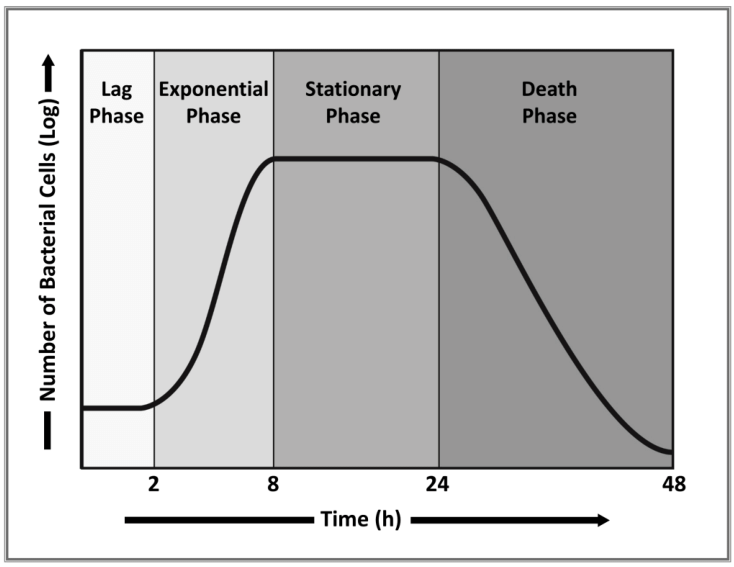
In asexual production by binary fission, daughter cells are identical.
If all progeny survive then growth is exponential.
Biofilms:
A community of bacteria are attached to a substratum or interface or to each other, embedded in a matrix of extracellular polymeric substances and displays altered phenotype characteristics
Up to 1000x more resistant to antimicrobial treatments
Responsible for >65% of microbial infections in humans
Antibiotics target prokaryotic cells.
Fungi: are eukaryotic, ubiquitous and only a few are pathogenic to humans (200) e.g. Aspergillus, Candida, etc
Causes disease in immunocompromised hosts
Examples: angular stomatitis, Pseudomembranous oral candidosis, aspergillosis
Viruses: are small (20-300um) with simple chemical composition, subunit construction and strict geometric structures. Its genetic information as DNA or RNA, replication is strictly intracellular and there is no intracellular organelles or rigid cell walls. They are sensitive to interferon.
Prions: are associated with degenerative changes in the brain. They are small proteinaceous particles with no nucleic acid. They convert normal proteins to abnormal forms e.g. variant CJD → “mad cow disease”
Transmission
Direct and indirect contact e.g. Herpes simplex
Drpolet e.g. influenza
mucus membrane contact with mucus droplets of >5um travel up to 1m
Airborne e.g. tuberculosis, measles
Small droplets <5um travel further
Other
Contaminated food, water, devices, etc
Sources:
Nosocomial infection: acquired in hospital/medical facility
Opportunistic: resulting from organisms that are usually harmless but cause disease under certain conditions
Prevent:
Isolation and PPE
Hand hygiene
Vaccinations (keep up to date)
Vaccines are substances that trick the immune system into believing that it has been exposed to infection that results in enhanced immune responses which protect against the pathogen and its subsequent infection.
Sterilisation: destroys all forms of microbial life and is carried out by physical or chemical methods
Disinfection: eliminates many or all pathogenic microorganisms except bacterial spores or inanimate objects
Autoclave
121 for 15 mins
Dry heat 140 for 2h
Irradiation to break down DNA/protein
Filter sterilise liquise (0.2um pores)
Harsh chemical treatments (bleach/alcohol)
Decontamination: removes pathogenic microorganisms from objects so they are safe to handle, use or discard.
Antimicrobial agents: active against a range of microorganisms including bacteria, viruses, fungi and protozoa (antiparasitic)
Antibiotic: a substance produced by microorganisms that kills (bactericidal) or inhibits (bacteriostatic) the growth of bacteria