Intro to Anatomy
Introduction to Anatomy
Course Instructor: Dr. Natasha Barrett
Contact Email: n.e.barrett@reading.ac.uk
Copyright: University of Reading
Usage of "PROUD TO BE AN ALLY" indicating inclusivity.
Orientation as a UNIVERSITY TEACHING FELLOW outlined.
Learning Objectives
By the end of the session, students should be able to:
Describe different levels of organization in the body.
Use anatomical terminology to name and locate different body regions and the orientation of the body.
Improve understanding of anatomical jargon, including prefixes and suffixes.
Name and locate the different organs of the body.
Describe the cavities of the body.
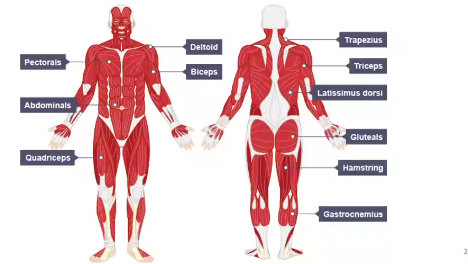
Name and locate the main bones and muscles of the body.
Recommended Reading Materials
Available in the library for various programs:
For Biomolecular Students: Ross and Wilson (2022). Anatomy and Physiology in Health and Illness. 14th Ed. Churchill Livingstone (online version available).
For Zoology/Animal Sciences Students: Aspinall and Cappello (2019). Introduction to Animal and Veterinary Anatomy and Physiology. 4th Ed. CABI. (2015 edition available online under Introduction to Veterinary Anatomy and Physiology).
Grossman & Porth (2024). Porth's Pathophysiology. 11th Ed. Lippincott, Williams and Wilkins (available in the library).
Levels of Organisation
Types of Tissue:
Epithelial Tissue
Connective Tissue
Muscle Tissue
Nervous Tissue
Hierarchical organization includes:
Atoms
Molecules
Macromolecules
Cells
Tissues
Organs
Systems
Organisms
Functions of the Systems
Respiratory System: Provides needed for oxidation (energy provision).
Cardiovascular System: Pumps blood around the body, delivers O2 CO2 and waste.
Gastrointestinal Tract: Breaks down nutrients we take in, breaks them down, and absorbs them, and then transports them to the liver for metabolism and further processing via the portal vein.
Renal System: Controls the contents of the extracellular fluid. ( e.g. plasma, blood & tissue fluid).
Endocrine and Nervous Systems: Coordinates organ system activity through hormones or electrical signals.
Musculoskeletal system: Movement and posture (important for breathing). protecting organs and in general
Anatomical Terminology - Body Regions
Key regional terms:
Head / Cranial / Cephalic
Facial
Cervical (neck)
Thorax / Thoracic
Abdomen
Pelvis
Lumbar
Limbs: UEx (Upper Extremity) / LEx (Lower Extremity)
Orientation: Left / Right (as determined from a patient’s view)
Standard Anatomical Position
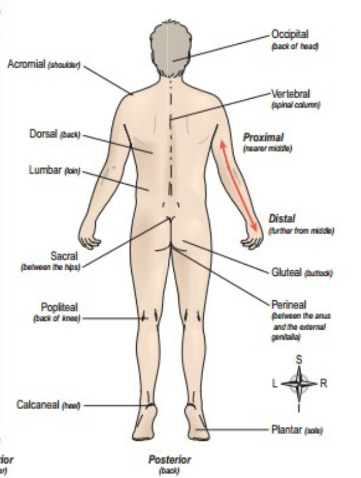
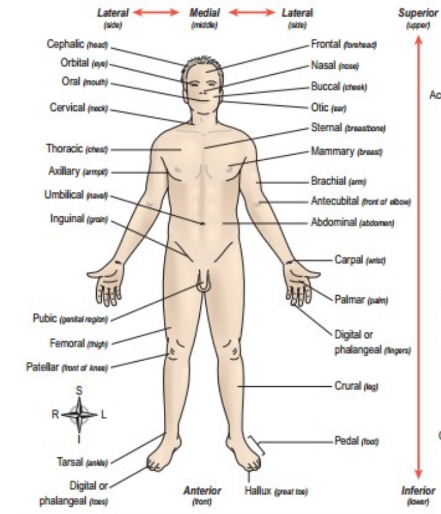
Standard anatomical position means we are standing with our palms facing forward
STP can be split up unto:
Lateral (side) view, Cephalic (head), Medial (middle), Frontal (forehead), Superior (upper).
Additional regions include:
Orbital (eye), Oral (mouth), Cervical (neck), Nasal (nose), Buccal (cheek), Acromial (shoulder), Otic (ear), Sternum (breast), and more.
Terms related to movement:
Proximal (closer to the point of attachment)
Distal (further from the point of attachment)
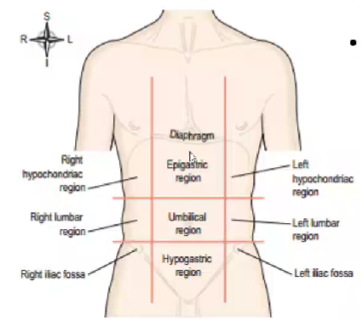
Abdominal Regions
Abdominal regions are divided into 9 sections for accurate description of locations of organs and structures.
Prefixes in Anatomical Terminology
Examples of common anatomical prefixes:
Sub-: Under, beneath, smaller
Hypo-: Under, beneath
Infra-: Under, within, below
Super- / Supra-: Above, on top of
Epi-: Above, upon, on top of
Fossa-: Depression, holllow
Inter-: Between
Ad-: Towards (e.g. muscles)
Ab-: Away from (e.g. muscles)
Contra-: Opposite
Ipsi-: Same
Bi-: Two
Uni-: One
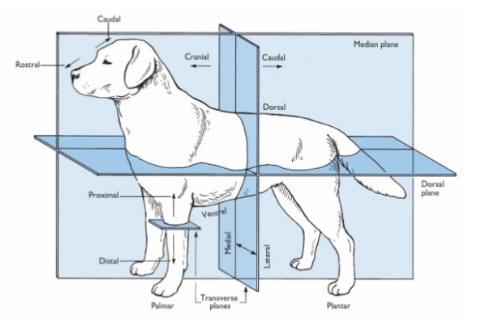
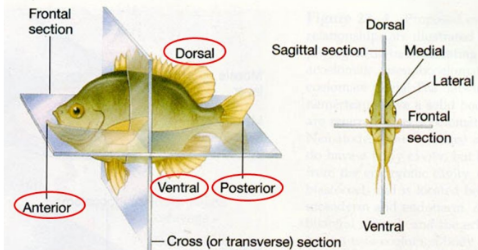
Anatomical Terminology for Quadrupeds(Dogs) and Fish
For quadrupeds/fish, planes include:
Frontal/Dorsal Plane: Ventral (frount) - Dorsal (back) - e.g. dorsal fin
Transverse Plane: Anterior (head-end) - Posterior (tail-end) - e.g. Cranial-Caudal
Median/Sagittal Plane: Medial-Lateral (e.g. dividing a fish straight down the middle with an eye on each side)
Proximal-Distal: prominal (close from center)proximal - Distal (far away)
Anatomical Terminology for Bipeds (Humans)
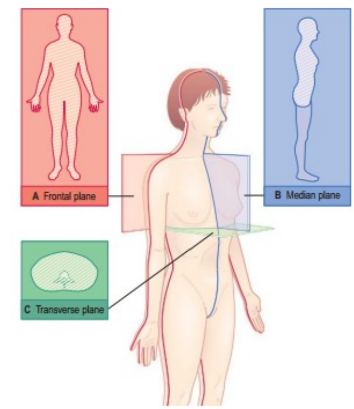
For bipeds, planes are labeled as follows:
Frontal Plane: Ventral-Dorsal = Anterior-Posterior
Transverse Plane: Cranial-Caudal (dogs) = Superior-Inferior (Humans)
Median/Sagittal (not in the center) Plane: Medial-Lateral
Proximal-Distal
Body Cavities
Most organs are located in cavities primarily for protection.
Four main cavities:
Cranial
Thoracic
Abdominal
Pelvic
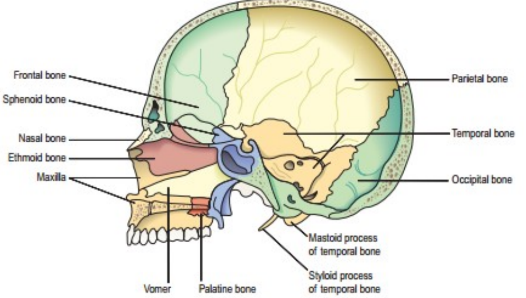
Cranial Cavity
Formed by bones of the skull.
Contains the brain.
Important bones:
Frontal bone
Sphenoid bone
Temporal bone
Occipital bone
Maxilla, Nasal bone, etc.]]#m,,,,,,,,,,,,,,,
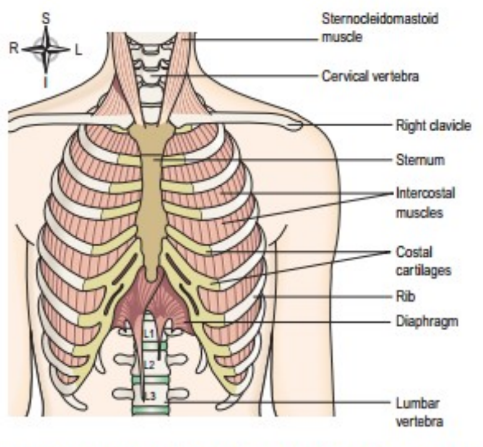
Thoracic Cavity
Formed by ribs/intercostal muscles and sternum, including other structures.
Contains:
Trachea, 2 bronchi, 2 lungs
Heart, aorta, superior and inferior vena cava, and other blood vessels
Oesophagus, lymph vessels, and some vital nerves
Mediastinum: the space between the lungs which contains the heart and major blood vessels.
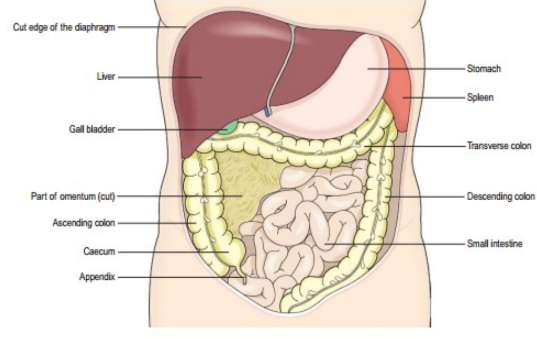
Abdominal Cavity
Largest cavity in the body.
Formed by the diaphragm and surrounding abdominal structures.
Contains:
Stomach, small intestine, most of the large intestine
Liver, gallbladder, bile ducts, pancreas
Spleen and kidneys, upper parts of ureters
Numerous blood vessels, lymph vessels/nodes, and nerves
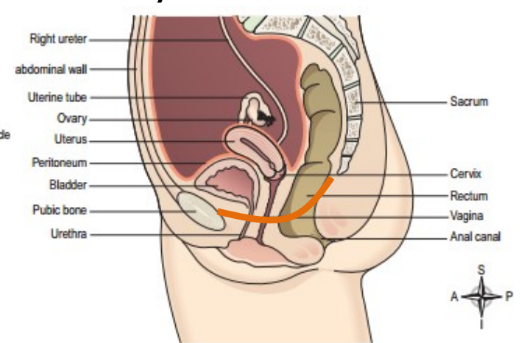
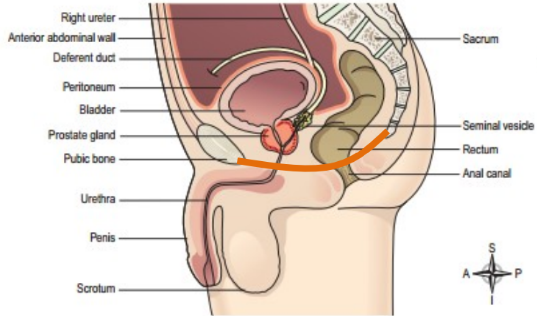
@@@@@@@@@@@@########################Pelvic Cavity
Formed by the pelvis, sacrum/coccyx, and pelvic floor.
Contains:
Sigmoid colon, rectum, anus
Some loops of the small intestine
Urinary bladder, lower parts of ureters, and urethra
Reproductive systems of both males and females.
The Skeleton
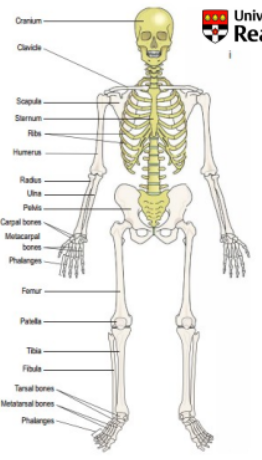
Outline of bones for identification:
Axial Skeleton: cranial and vertebral bones
Appendicular Skeleton: includes limbs and girdles.
Major bones include:
Clavicle, Scapula, Sternum, Ribs
Humerus, Radius, Ulna, Pelvis, Carpal bones, Metacarpal bones, Phalanges
Femur, Patella, Tibia, Fibula, Tarsal bones, Metatarsal bones.
Muscles
Recap and identification of various muscles within the body muscle groupings.
Summary
Key concepts covered include:
Levels of organization ranging from atoms to organisms.
Anatomical terminology for cavities and bones.
Emphasis on the complexity and amazing nature of human anatomy.
Self-study Recommendations
If material was challenging:
Read introductory chapters in anatomy and physiology texts e.g., Ross and Wilson / Aspinall and Cappello.
Listen to the audio of the lecture again.
If material was easy:
Engage in wider reading via Pubmed (http://www.ncbi.nlm.nih.gov/pubmed) and suggested articles related to anatomical nomenclature.
Everyone should prepare summary notes for exam revision and engage in exploring anatomy apps as noted during the lecture.
Prepare in advance for the next week's lecture by reviewing upcoming slides.