Health Psychology and behaviour change
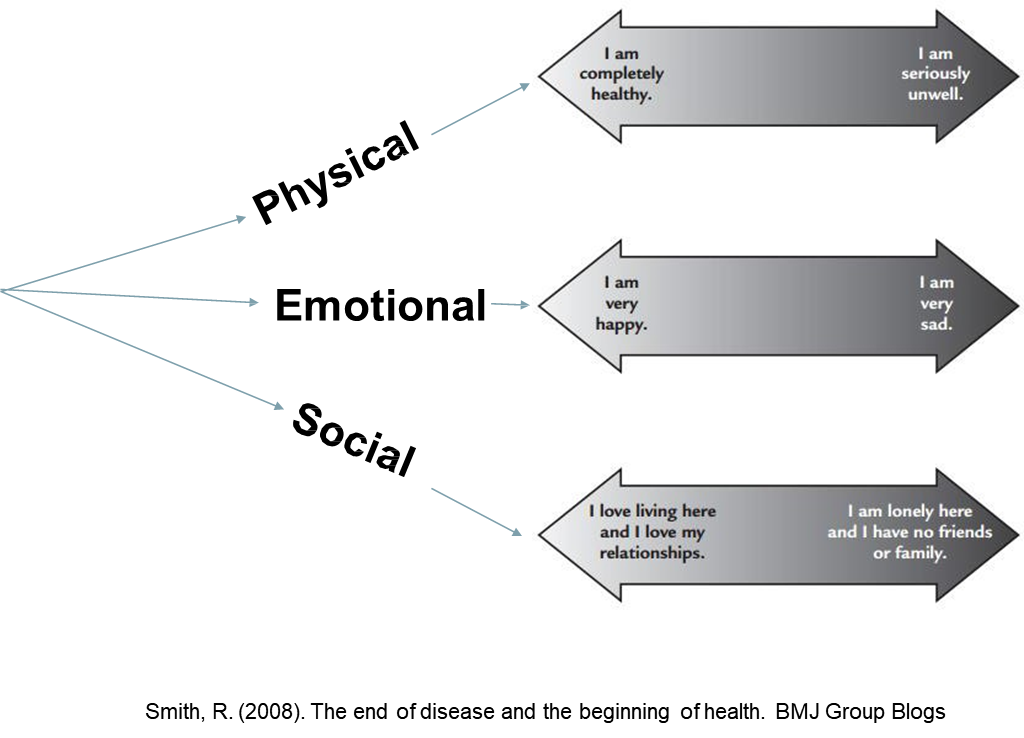
How should we define health?
- Health is:
- Multi-dimensional
- Multi-level
- Multi-determined
- World Health Organisation definition → ‘State of complete physical, mental, and social well being, not merely absence of disease’
- Too broad? Difficult to measure?
History of health, illness and medicine
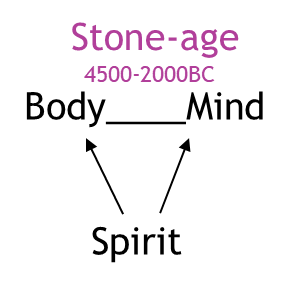

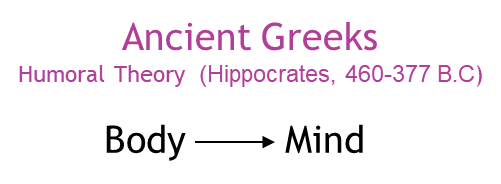
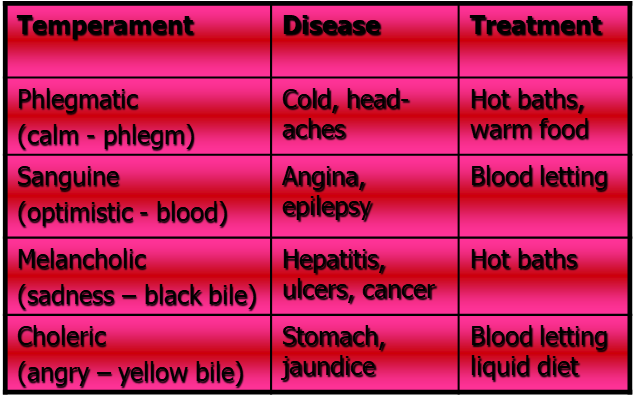
Contemporary views
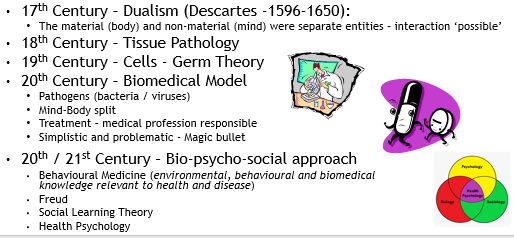
Bio-Psycho-Social Model (Engel, 1977, 1980)
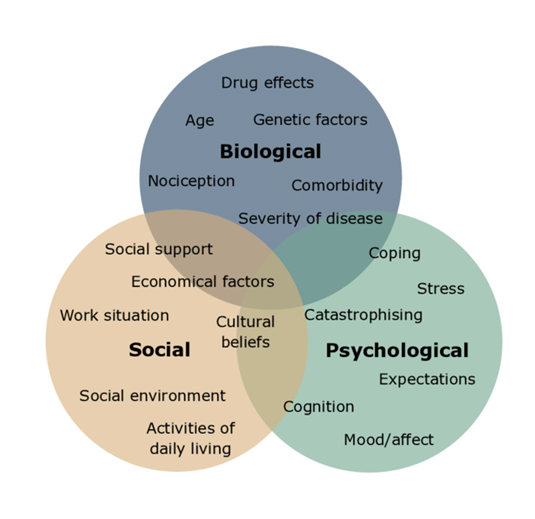
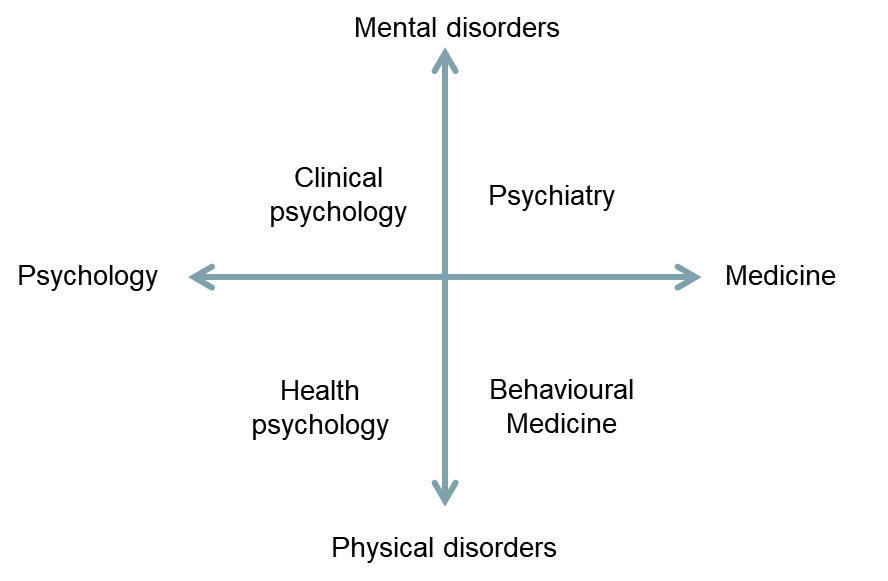
What is Health Psychology?
- Emerged in the 1980s in UK
- A branch of psychology that uses a bio-psycho-social model to challenge the traditional biomedical model that separates the body from the mind and environment
- “the aggregate of the specific educational, scientific and professional contribution of the discipline of psychology to the promotion and maintenance of health, the promotion and treatment of illness and related dysfunction” → Matarazzo (1980)
- The goal of health psychology is to:
- study the psychological processes underlying health, illness and health care,
- apply these findings to:
- the promotion and maintenance of health
- the analysis and improvement of the health care system
- health policy formation,
- the prevention of illness and disability
- the enhancement of outcomes for those living with an illness or disability
- Scientist-practitioner approach = use theories and evidence to explain how thoughts, feelings and automatic processes, alongside the environment and physiological factors, interact to influence behaviour and health outcomes
- BPS Division of Health Psychology (DHP) = UK member network
Multi-disciplines of health psychology
- Combined scientific study of:
- Biology
- living organisms, including anatomy and physiology
- Psychology
- the human mind and its functions, especially those affecting behaviour in a given context
- Sociology
- the development, structure, and functioning of human society
- Epidemiology
- the incidence, distribution, and possible control of diseases and other factors relating to health (branch of medicine)
- Medical Anthropology
- how health and illness are shaped, experienced, and understood in light of global, historical, and political forces
Clinical Psychology and Health Psychology: Connected and interacting disciplines
Epidemiology 101
- the branch of medicine which deals with the incidence, distribution, and possible control of diseases and other factors relating to health
Advances in public health
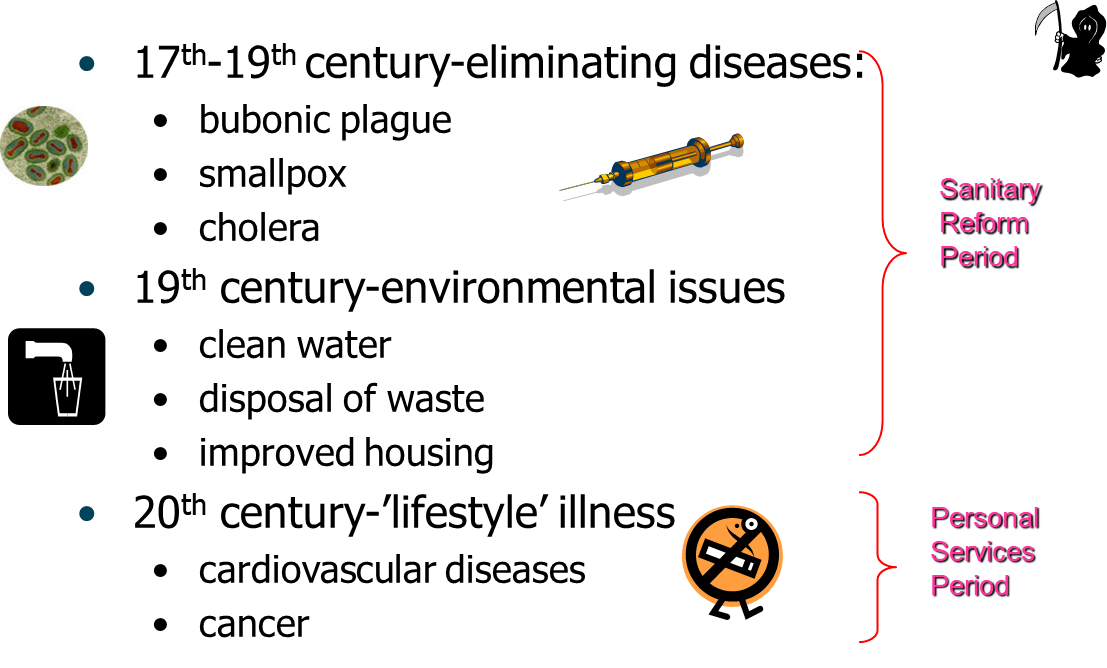
20th/20st Century Accomplishments
- Motor vehicle safety
- Safer workplaces
- Healthier mothers and babies
- Safer food
- Recognition of tobacco as a hazard
- Vaccination-control of infectious diseases
- Acknowledgement of physical activity as an important behavioural medicine
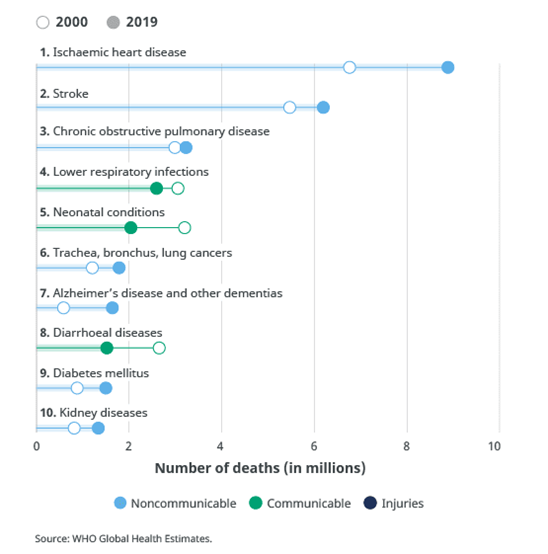
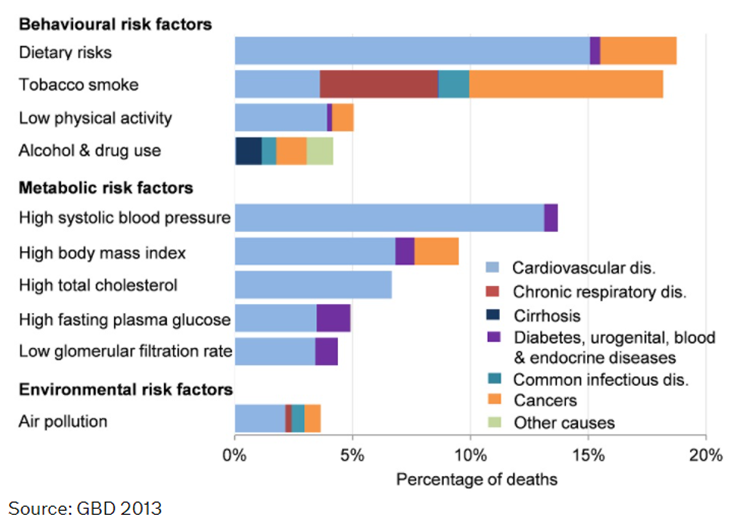
Leading causes of death and links to behaviour
Why is health psychology important?
It can improve and save lives
- Maintaining health and wellbeing
- prevent disease
- treat illness
- improve the health care system
- reduce economic burden
- reduce premature death
History of UK Health Psychology
- The term Health Psychology was first used in print by Stone et al in 1979 but can be traced back to an APA Task Force in 1973 (for which Professor Marie Johnston was a member)
- The first journals: Health Psychology in 1982; Psychology & Health in 1987; British Journal of Health Psychology in 1996.
- 1986 - UK Health Psychology was founded by Professors Marie Johnston and John Weinman who requested a Health Psychology Section within the British Psychological Society – Marie Johnston was the first Chair.
- 1987 - First UK Health Psychology conference was in Sussex
- 1993 – the Section became a Special Interest Group
- 1997 – Became the BPS Division of Health Psychology (DHP)
- 2001 – Launch of the Stage 2 qualification: ‘grandparenting’ prior to this
Health Psychology developed from other discipline’s need
- Medical profession wanted to understand:
- low uptake of health services
- poor adherence to treatment advice
- better preparation for surgery
- enhancing doctor-patient communication skills
- Public health wanted to understand behaviour linked to health concerns:
- condom use = HIV/AIDS
- smoking = lung cancer/CVD
- sunscreen = skin cancer
- diet/exercise/alcohol = obesity/diabetes
- Key messages
- Develop the science
- Be interdisciplinary
- use our theories
- apply our science
- influence policy
The role of behaviour
Why is this important?
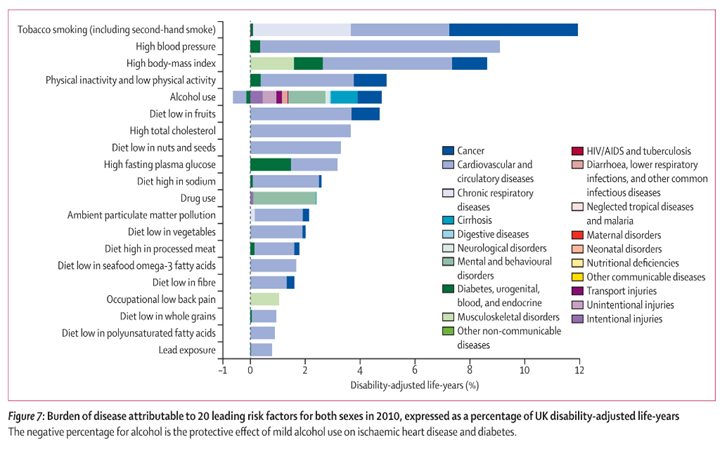
Global problems linked to behaviour(s)

Health Behaviours
- Health-protective (behavioural immunogens)
- Health-impairing (behavioural pathogens)
- The study of health behaviours is based on two assumptions
- that in industrialised countries a high proportion of the mortality from the leading causes of death are due to particular behaviours
- that these behaviours are modifiable
Behavioural risk factors: UK (Khaw et al. (2008) PLoS Med)
- Study of 20,000 women & men 45-79 yrs with no known cardiovascular disease or cancer followed up after 11 years
- 4x more likely to have died if
- smoked
- physically inactive
- ate less than 5 portions of fruit and veg per day
- drank more than recommended alcohol limits
Health Psychology Theories
Factors influencing Health Behaviour
- A combination of factor could influence health-related behaviours:
- Biological
- Genetics (predispositions)
- Psychological
- Beliefs and cognitions (confidence, attitude, intentions, goals, identity)
- Perceived symptoms (pain, breathlessness, fatigue)
- Emotional factors (anxiety, stress, tension, fear)
- Social
- Social factors (social norms, social influences, modelling, reinforcement)
Understanding behaviour
- Theory can help to understand what influences behaviour, including when, how and why behaviours occur/ do not occur
- Theory is:
- ‘set of concepts and/or statements which specify how phenomena relate to each other’
- Theory provides:
- ‘an organising description of a system that accounts for what is known, and explains and predicts phenomena’
- Theories help us identify the factors to target in interventions
- Theories help us avoid targeting irrelevant factors in interventions
Using theory to predict behaviour
- Theories often use boxes and arrows

](https://knowt-user-attachments.s3.amazonaws.com/b9ed2667b9be4b14acdb6dcce28e0596.jpeg)
Behaviour Change Theories
- There are at least 83 relevant theories and models, such as:
- Social Cognitive Theory
- Health Locus of Control
- Health Belief Model
- Protection Motivation Theory
- Unrealistic Optimism
- Transtheoretical Model of Change
- Theory of Reasoned Action
- Theory of Planned Behaviour
- Prime Theory
- Health Action Process Approach
- Implementation Intentions
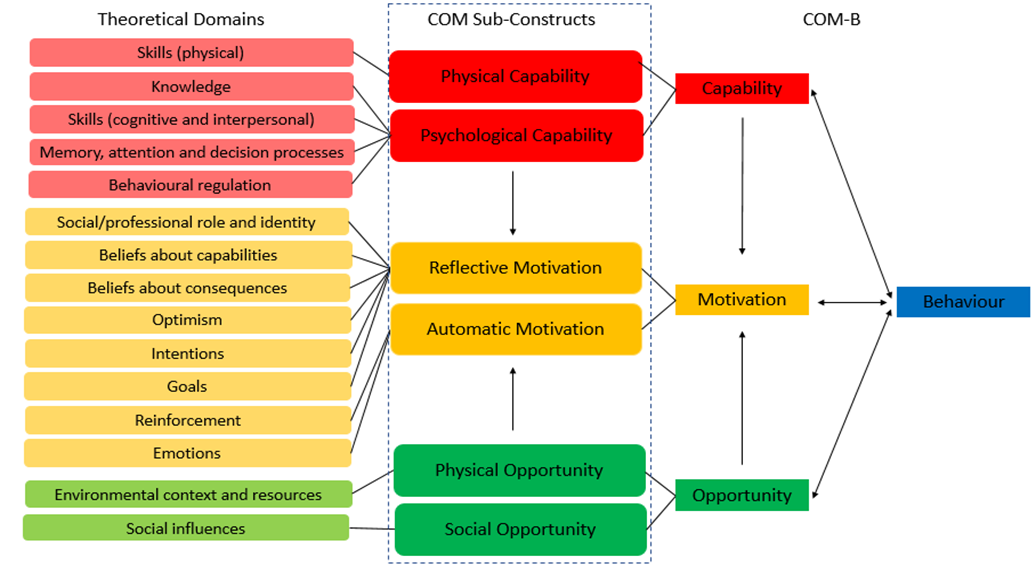
Theoretical Domains Framework (TDF) (Michie et al, 2005; Cane, O’Connor & Michie, 2012)
| Knowledge | do they know they should do x? |
|---|---|
| Skills | do they know how to do x? |
| Social/Professional role and identity | is x linked to their identity |
| Beliefs about capabilities | self-efficacy: do they believe they can do x? |
| Optimism | are they [unrealistically] optimistic about x? |
| Beliefs about consequences | do they think x will lead to a good/bad outcome? |
| Reinforcement | will they get a reward/punishment from x? |
| Intentions | do they intend to do x? |
| Goals | have they made plans to do x? |
| Memory, attention and decision processes | will they remember to do x? |
| Environment contexts and resources | does their environment influence doing x? |
| Social influences | do others influence doing x? |
| Emotion | does emotion influence x? |
| Behavioural-regulation | do they have an awareness of what steps are needed to do x? |
Based on 33 psychological theories, 84 theoretical constructs = 14 theoretical domains
Which theory? (Michie et al., 2011; 2014)
- You just need to consider 3 simple things about your target population:
- Do they have the Capability to enact the behaviour?
- Do they have the Opportunity to enable the behaviour?
- Do they have the Motivation to perform/avoid the behaviour?
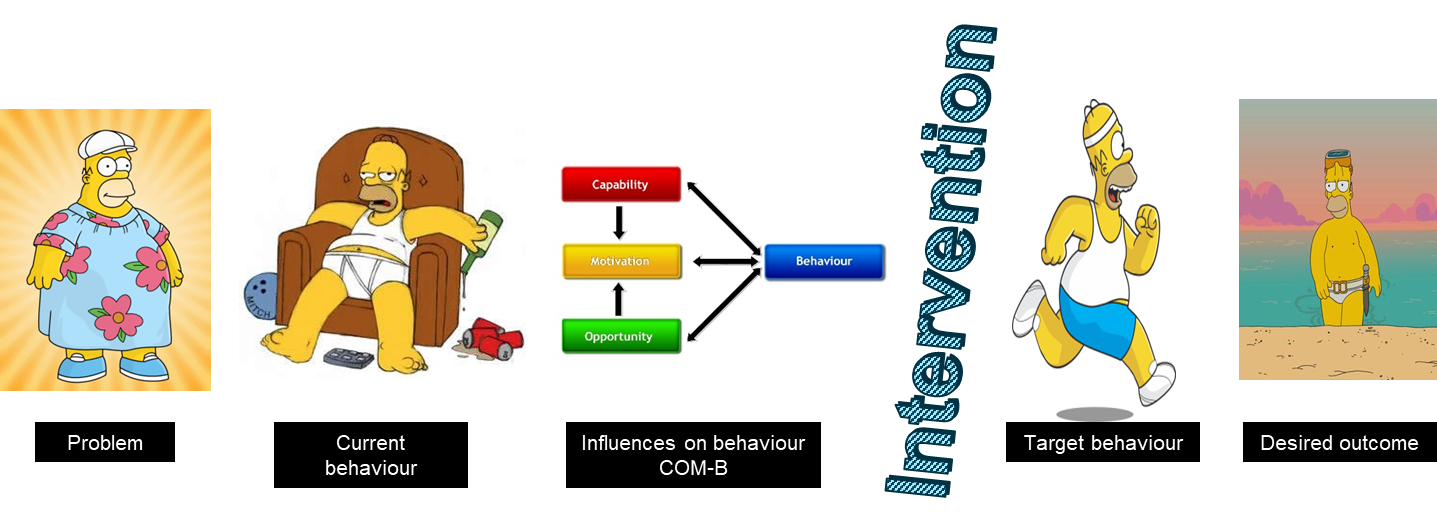
The COM-B Model
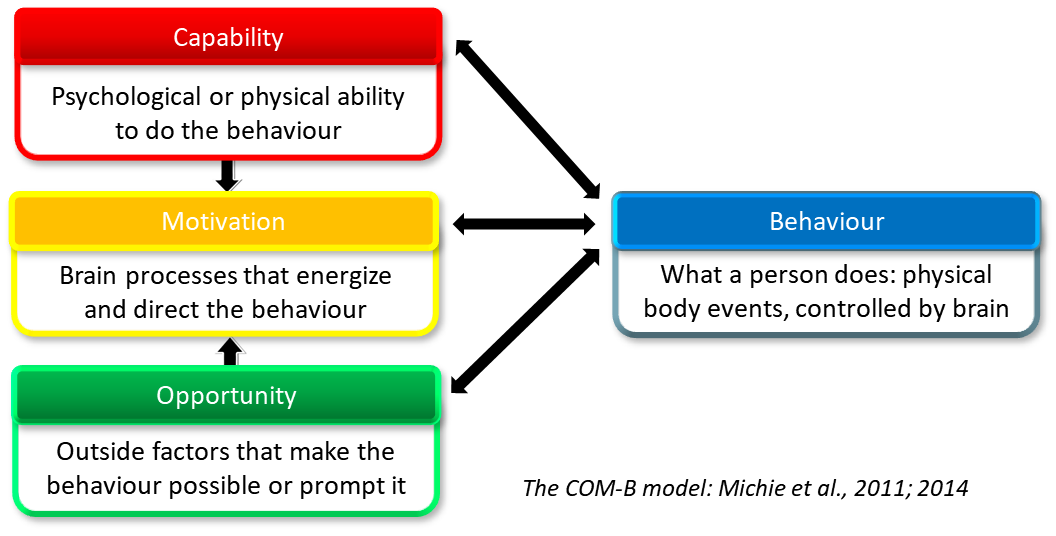
- They all interact as part of a system
- Behaviour most likely to occur when Capability, Opportunity and Motivation are all present
- Motivation must be stronger towards the target behaviour than competing behaviours
Behaviour Change Wheel (Michie et al., 2011; 2014)
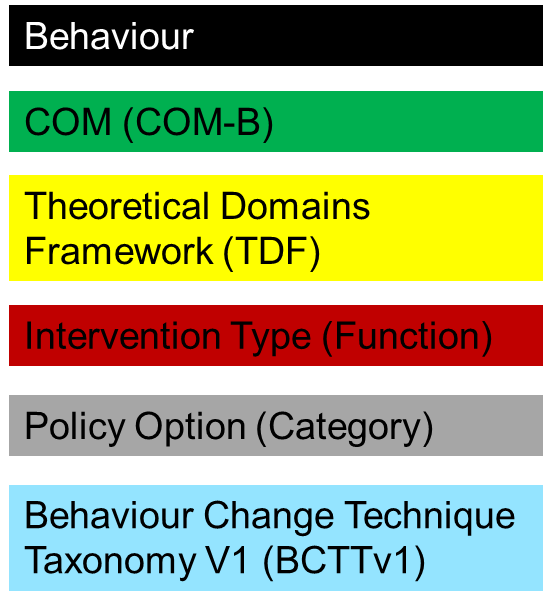
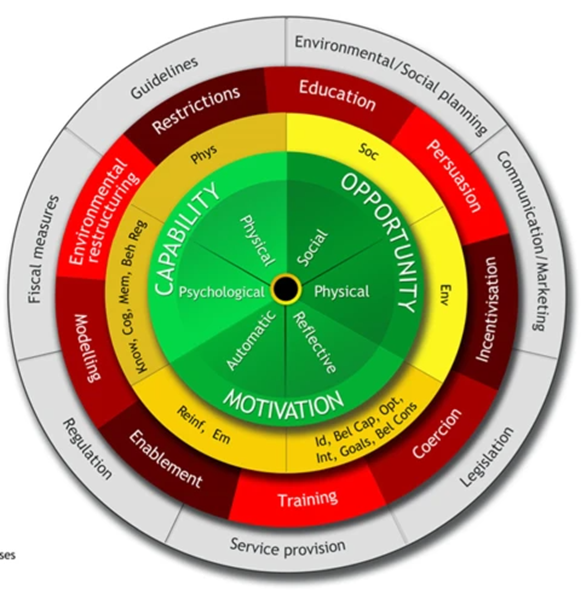
Theoretical Domains Framework and COM-B combined
Behaviour Change Wheel Approach: A staged process to understand and change behaviour
Health Psychology and Behavioural Science
- Due to the large body of research and practice in the area of behaviour and behaviour change, health psychology is often referred interchangeably as behavioural science.
- Behavioural Science = umbrella term → disciplines that deal with the subject of human actions,
- e.g. psychology, sociology, anthropology, & behavioural aspects of biology, economics, geography, law, psychiatry, political science
- Health psychology intertwines many of these
- This can be problematic due to blurred professional boundaries in relation to training, careers and expertise
Health Psychology Careers
Health Psychology training
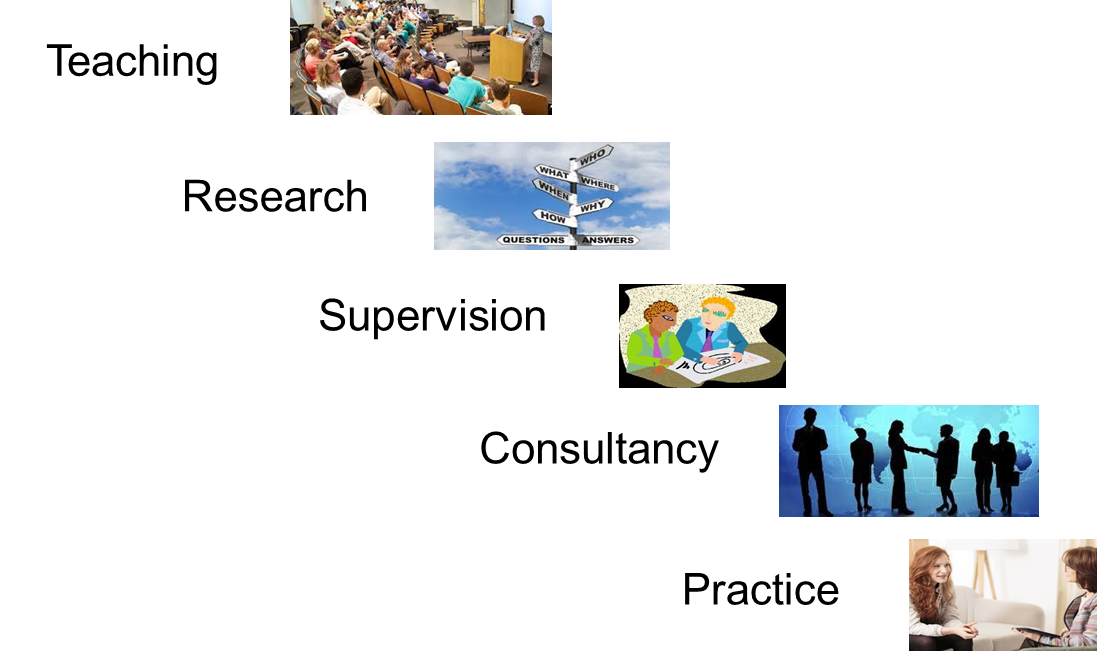
- Five core competences:
- Generic professional (ethics, supervision, guidelines, indemnity)
- Psychological interventions (formulation/assessment, delivery, evaluation; behaviour change, communication skills, )
- Research (systematic review/evidence synthesis and major research project/thesis)
- Consultancy (contracts/report)
- Teaching and training (small/large groups; 5 consecutive sessions; reflection)