Economic Freedom
Americans often take freedom for granted. Americans enjoy a mostly free-market society that is not extended to everyone around the globe. In this free-market society, Americans have the right to basic economic freedoms, and the government is responsible for protecting these freedoms and keeping people safe from harmful practices. The government plays a key role in protecting property rights and enforcing contracts as well as protecting consumers, workers, and the environment.
Property Rights and Contracts
Americans have the right to acquire private property, and these rights are secured by the laws of the individual states. The Fifth Amendment guarantees that private property cannot be seized without just compensation. Intellectual property rights are protected by patents, trademarks, and copyrights.
Contracts also play a vital role in a free-market economy. A contract is a legally binding agreement between two or more parties. When you buy a house or start a new job, for example, you sign a contract. Through the judicial system, the government makes sure that those contracts aren't broken. When you buy a house, you are protected by that contract. The government will protect your property rights for that house and will prevent anyone from trying to break the contract they signed when they sold it to you.
Protecting Consumers, Workers, and the Environment
In the previous lesson, we introduced two agencies that exist to protect consumers: the Consumer Product Safety Commission (CPSC) and the Food and Drug Administration (FDA). The government uses many such agencies to protect the consumer. Obviously, the economy hinges on the consumer purchasing goods and creating business. A nation must produce quality goods and services because the consumer drives supply and demand. If the goods and services are of low quality, the economy and the consumers suffer. The CPSC and FDA get involved in making sure that products are safe. If there is an issue with a product, the appropriate agency will issue a recall and the product will be pulled from the shelves.
The Federal Trade Commission (FTC) is another important agency that protects consumers. It's responsible for making sure that there is competition in the market. The more competition in a free-market society, the better the market performs. A monopoly refers to one organization having complete control over a certain industry. When an organization has complete control over an industry, that organization has no competition. This means it can inflate the price of its product. The consumer will be forced to pay that high price because there are no alternatives. The FTC has many responsibilities related to preserving competition in the economy. It protects the market from monopolies, regulates business mergers and acquisitions, and protects consumers from unfair and illegal business practices.
New agencies are often created when there are signs that consumers need additional protection. After the financial crisis of 2008, in which many Americans lost their homes because they were unable to pay their mortgages, the government created the Consumer Financial Protection Bureau (CFPB). This organization offers education and assistance for personal finance issues, such as buying a new home or getting out of debt.
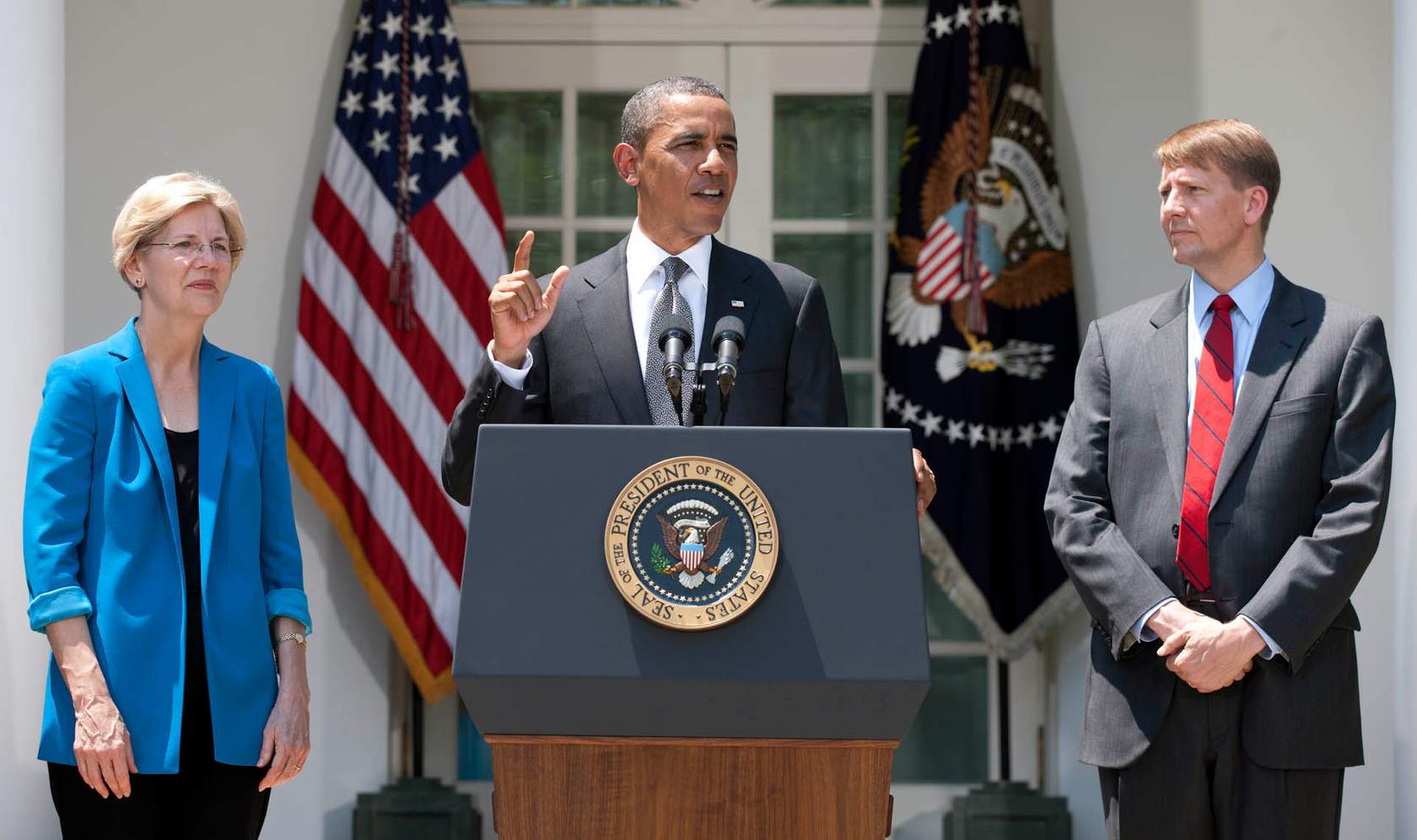
President Obama announces the nomination of the first director of the CFPB (2011).
The government also has several agencies that work to protect American workers. In the previous lesson, we discussed the Occupational Safety and Health Administration (OSHA), which creates regulations that are designed to prevent workplace injuries and deaths. OSHA is just one agency of the US Department of Labor, however. The Department of Labor is responsible for regulating labor-management relations. There are many agencies in this department in addition to OSHA, such as the Bureau of Labor Statistics, the Employment and Training Administration, and the Employee Benefits Security Administration.
Finally, the government must also protect our environment. It can be difficult to protect the environment through free-market mechanisms alone because, when a business pollutes the environment, it's not just that business that suffers the consequences—everyone does. To help prevent these consequences, the government created the Environmental Protection Agency (EPA) in 1970. The EPA has the primary responsibility of protecting the health and environment of the citizens of the United States. It creates and enforces regulations backed by laws passed by Congress and is tasked with regulating air pollution, water contamination, and ground contamination. In order to prevent contamination, the EPA seeks to reduce waste and toxins leaking into the ground and water. The EPA also prosecutes those who break the regulations and laws applicable to the environment.
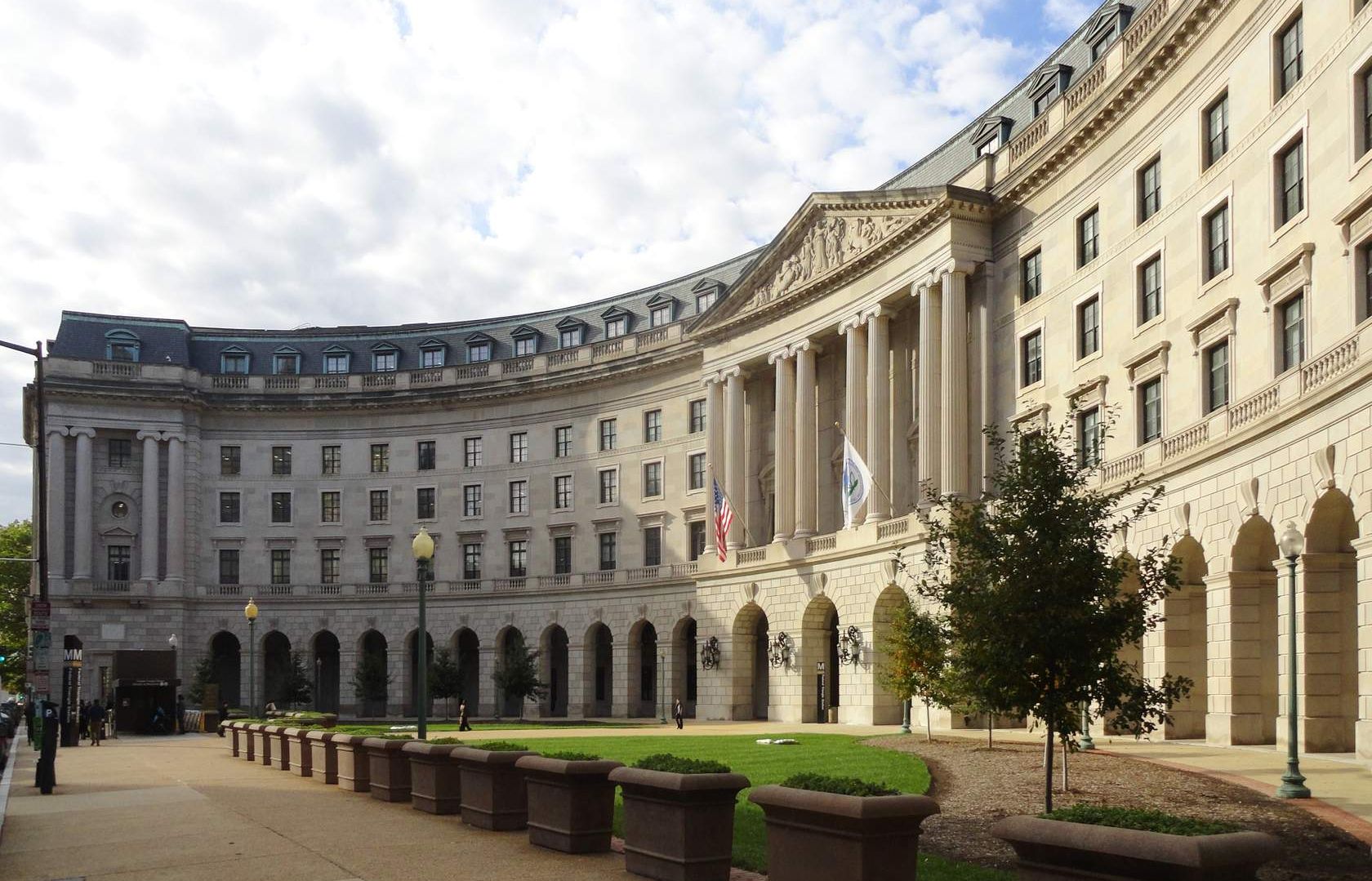
Headquarters of the EPA in Washington, DC
Public Goods and Services
Public goods and services are consumed collectively by society, and they are provided by local, state, and federal government organizations and agencies. Why is it necessary for the government to provide goods and services? Normally, it's much more efficient for the government to produce these goods and services, and it's unlikely that private businesses would provide them. Sometimes this is because the value of the good or service is higher than individual consumers can afford. Another common reason for this is that the good or service might benefit everyone, regardless of whether they paid for it.
As an example, let's look at police protection. If half of the residents of a neighborhood paid a private business for police protection, then that business would have to send its policemen to patrol the neighborhood. It would have to arrest and prosecute anyone who committed a crime there. This would help keep the entire neighborhood safe, including those who had not paid for the service. There would be no way for the police to keep the neighborhood safe for just the half of the residents who paid for it. Thus, it makes more sense for the government to provide the service for everyone because it can force everyone to pay for it through their taxes.
Public goods and services provided by the American government include:
Healthcare
Highway systems
Sanitation
Schools and public education
National defense
Police
Firefighting
Postal service
Courts
Prisons and jails
Libraries
Disaster relief
Utilities
The government produces more than most would presume. Each one of the services listed above is available to citizens daily, but most really do not give much consideration to all of these services until they are needed.
Taxation
In order to provide public goods and services, the government has to be able to pay for them! To do this, it collects taxes from everyone. In the United States, this is an expressed power granted to the federal government by the Constitution. Article I, Section 8, Clause 1 states the following: The Congress shall have Power To lay and collect Taxes, Duties, Imposts and Excises, to pay the Debts and provide for the common Defence and general Welfare of the United States; but all Duties, Imposts and Excises shall be uniform throughout the United States...
The taxation powers of the federal government were expanded by the Sixteenth Amendment: The Congress shall have power to lay and collect taxes on incomes, from whatever source derived, without apportionment among the several States, and without regard to any census or enumeration.
The Sixteenth Amendment greatly changed how the federal government collected taxes because it made it legal for the federal government to tax people's incomes. Federal income taxes have been the largest single source of government income since 1950. There are still many different types of taxes used in America, however. These include both individual and corporate income taxes, payroll taxes, customs duties, sales taxes, and property taxes. Explore the tabs below to learn about each of these.
Income Taxes
–
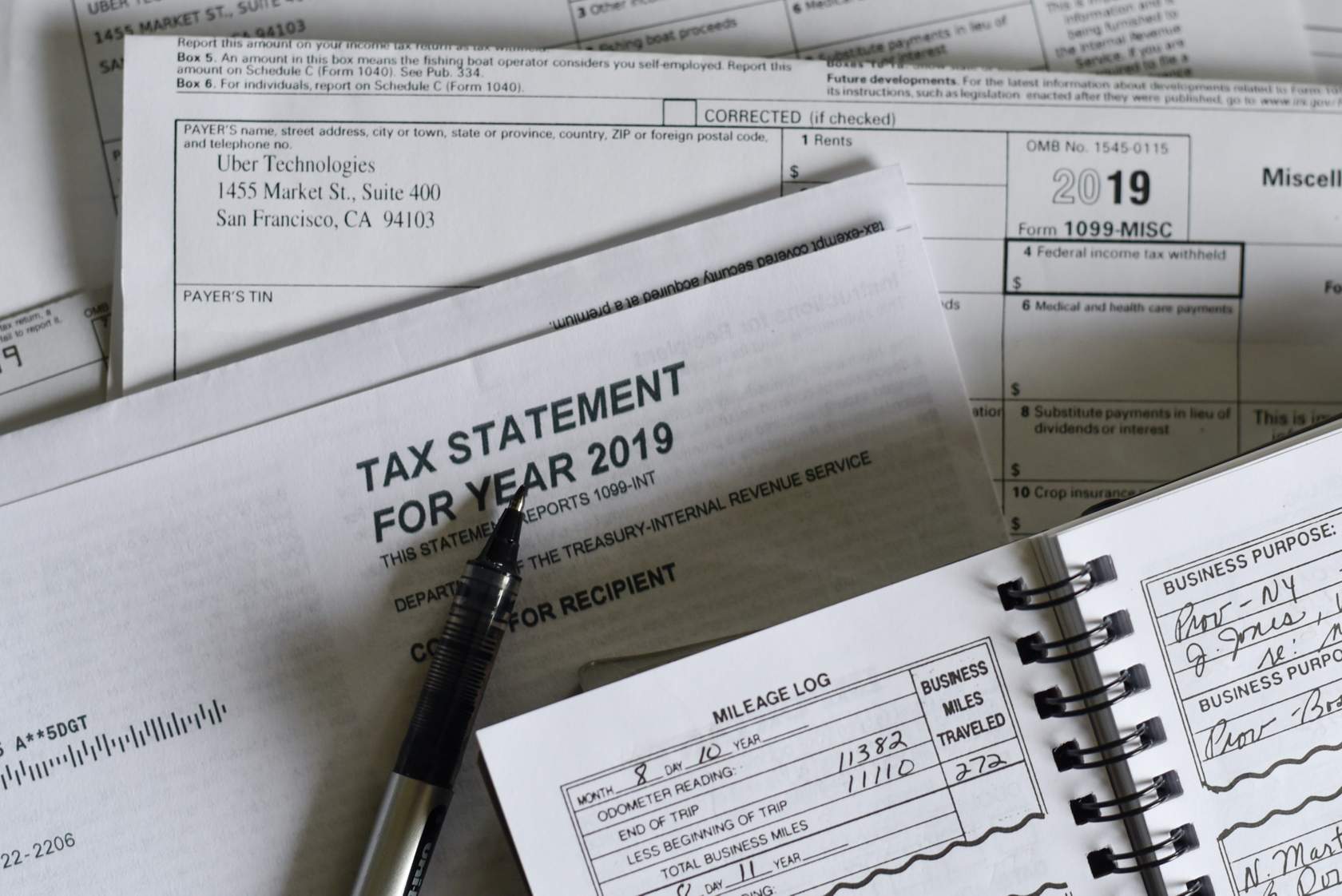
Both individuals and corporations must pay income taxes on the money they earn, and these income taxes make up the majority of tax revenue for the federal government. Most states also have a state income tax that all individuals must pay. Usually, the more money an individual makes, the higher percentage that individual must pay in income tax. As of 2020, the highest income tax rate that anyone has to pay is 37%.
Payroll Taxes
–
The Federal Insurance Contributions Act (FICA) is a mandatory payroll deduction that is used for Social Security and Medicare benefits. Payroll taxes are different than income taxes because they are paid by both the employee and the employer. Employees must pay 7.65% of their paycheck in FICA tax, and employers must pay a matching amount.

Customs Duties
–
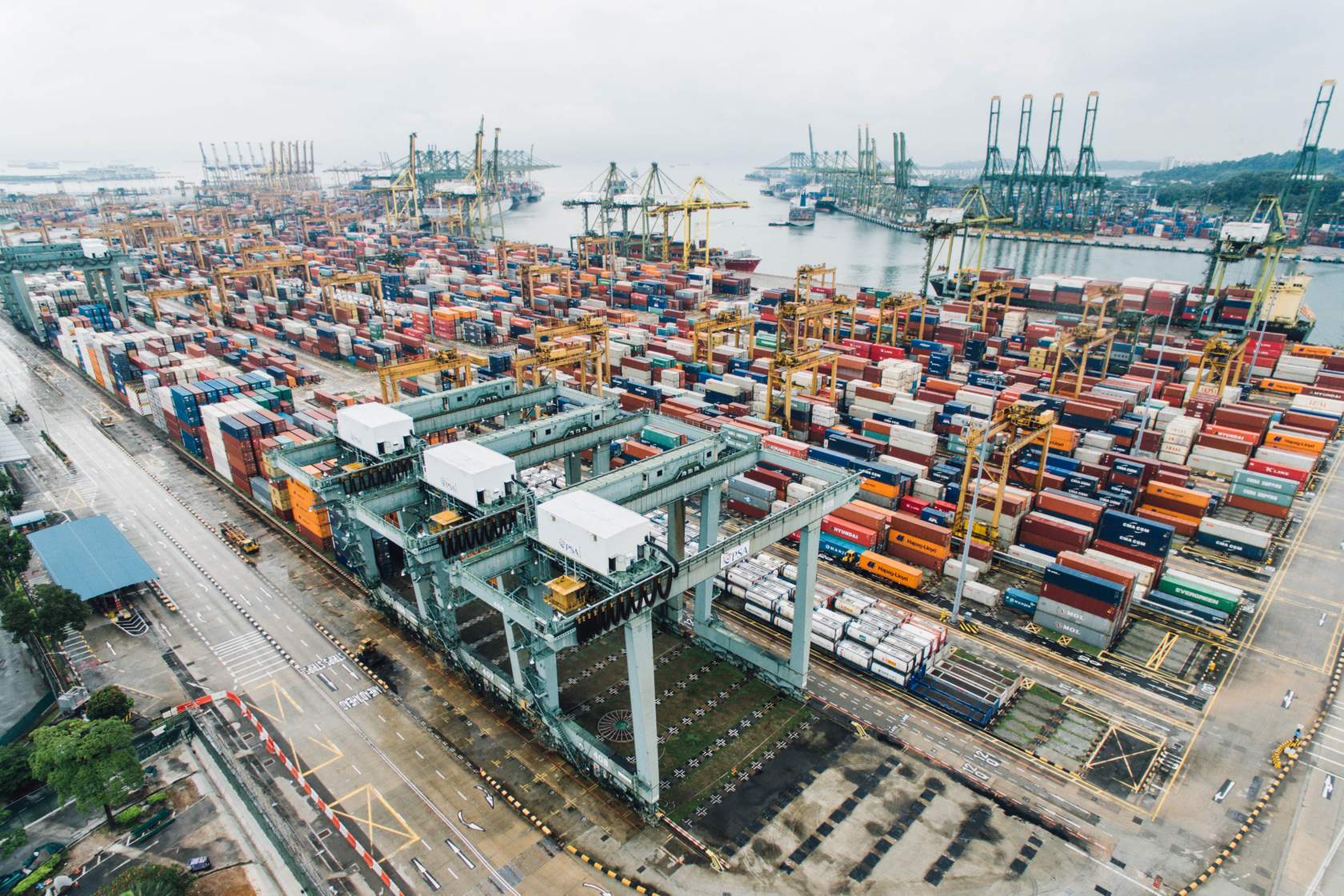
Customs duties are taxes levied on imported or exported goods. Typically, these take the form of tariffs, which are taxes on imported goods. These taxes are paid by whoever is sending the goods to the United States. For example, if there is a tariff on steel, then any foreign nation that sends steel to the United States will have to pay that tax to the American government.
Sales Taxes
–
Sales taxes are primarily used by state governments, although some local governments have a sales tax as well. A sales tax is a tax levied on the purchase of goods and services. Typically, it takes the form of a percentage of the selling price. For instance, if a state has a 5% sales tax, then you will have to pay $5.00 in sales tax for every $100.00 of goods you purchase.

Property Taxes
–
Local taxes are primarily composed of property taxes. A property tax is a tax on personal property such as real estate and automobiles. All fifty states have some form of property tax that is collected at the local level. Local property taxes are used to fund schools, parks, police, libraries, and many other programs.

Progressive, Proportional, and Regressive Taxes
All taxes can be classified as progressive, proportional, or regressive. A progressive tax is a tax in which people with higher incomes pay a higher tax rate. The federal income tax is an example of a progressive tax. These types of taxes are designed to reduce the tax burden for those who make lower incomes.
A proportional tax, also known as a flat tax, is a tax in which everyone pays the same percentage regardless of their income. Some state income taxes are proportional taxes. For example, Colorado's income tax rate is 4.63%. Everyone pays this same percentage, regardless of how much money they earn. Property taxes are another example of a proportional tax because everyone in a particular locality will pay the same tax rate on their property.
Lastly, a regressive tax is a tax in which people with lower incomes pay a higher tax rate. Sales taxes are an example of a regressive tax. This might seem strange because the sales tax is the same percentage for everyone. If it's a 5% sales tax, then everyone pays that same 5% rate on their purchases. However, people with higher incomes will generally spend a lower percentage of their incomes on taxable items. They will spend more money on things like investments, which they don't have to pay a sales tax for.
To demonstrate this, let's pretend we live in a state with a 5% sales tax. You make $100,000 but only spend $20,000 on taxable items. This means you only have to pay $1,000 in sales taxes, which works out to 1% of your total income. On the other hand, I make $50,000 and spend $15,000 on taxable items. In this scenario, I must pay $750 in sales taxes, which works out to be 1.5% of my total income. This means I've paid a higher percentage of my income in sales taxes than you have.
Government Trade-Offs
Just like everyone else in the world, the government has to deal with scarcity. It only has a certain number of tax dollars to spend. Because of this, the government has to make choices about what programs to fund. To do this, the government makes trade-offs. A trade-off is a decision where one thing is given up in order to get something else. Trade-offs aren't necessarily all-or-nothing decisions. The government doesn't have to choose between national defense and Social Security. It can instead make a trade-off to take away some money from national defense in order to fund Social Security. Whenever the government starts a new program, it has to make some sort of trade-off. It will have to increase taxes, borrow more money, or take funding away from other programs.
Fiscal and Monetary Policy
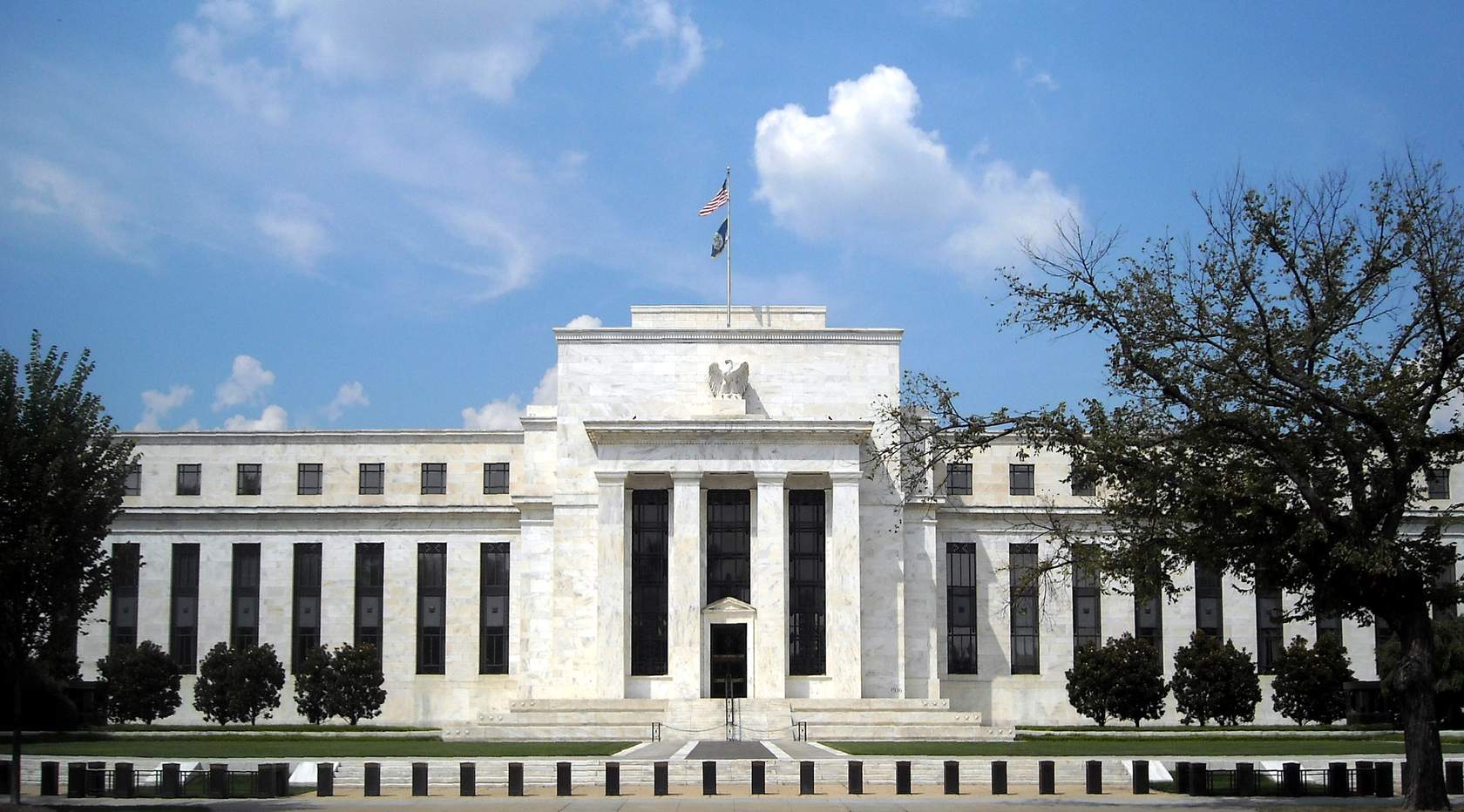
Headquarters of the Federal Reserve
The American government plays a major role in the nation's economy. There are two main ways that it can influence the market: fiscal policy and monetary policy. Fiscal policy refers to changes in federal taxation and spending designed to influence the economy. The government will change its fiscal policy in response to the nation's economic conditions. If the nation is experiencing an economic downturn, the government will often lower taxes and increase spending. This will stimulate more economic activity because people will have more money in their pockets. On the other hand, if the government wants to slow down inflation, it can raise taxes and decrease spending.
The second tool in the government's economic toolbox is monetary policy, which refers to the management of the nation's money supply and interest rates. Monetary policy is conducted through the Federal Open Market Committee (FOMC) of the Federal Reserve, the nation's central bank. The Federal Reserve seeks to maintain economic stability with policy that is overseen by Congress. The Federal Reserve has three main goals: full employment, stable prices, and economic growth. Promoting employment is important, as unemployment can often breed problems in society. Stabilizing prices is necessary because inflation can be detrimental to a country's financial health. High prices can reduce the number of businesses in the market, but competitive pricing drives the free market. Finally, economic growth is important to maintain a prosperous society.
The Federal Reserve can use monetary policy in pursuit of these goals. It can influence the economy by buying and selling government securities (e.g., stocks, bonds) to influence the money supply and interest rates. If the nation is experiencing an economic downturn, the Federal Reserve will seek to lower interest rates and expand the money supply. This puts more money into the market and encourages people to borrow and spend money. If the economy is growing too quickly, resulting in high inflation, then the Federal Reserve can raise interest rates and contract the money supply. This will slow down the economy with the goal of tamping down inflation.