ASL 2 Final First Semester
Signs for have:
Have- as in own

None- as in I have none
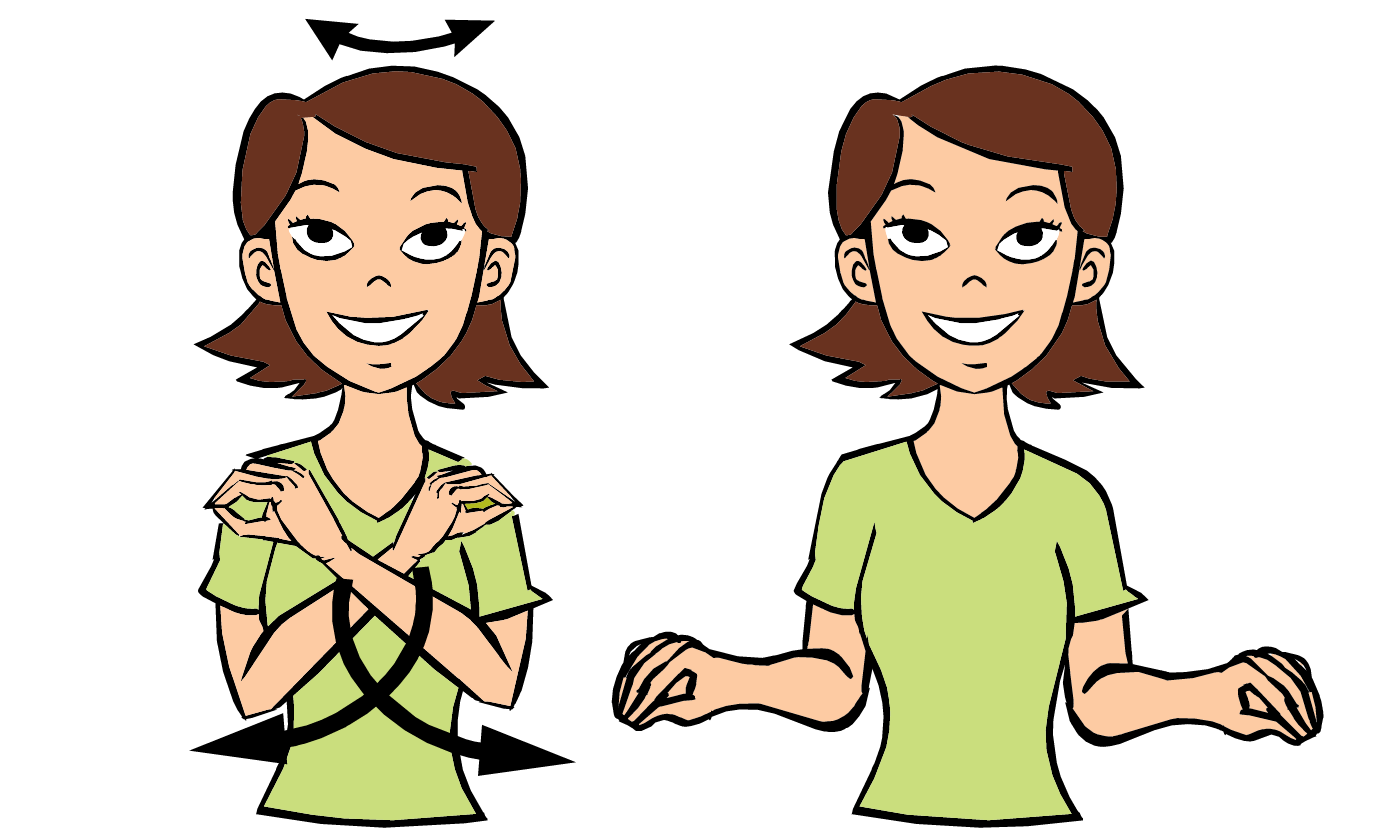
Not yet- as in I have not done this/that

Finished- as in I have finished this/that
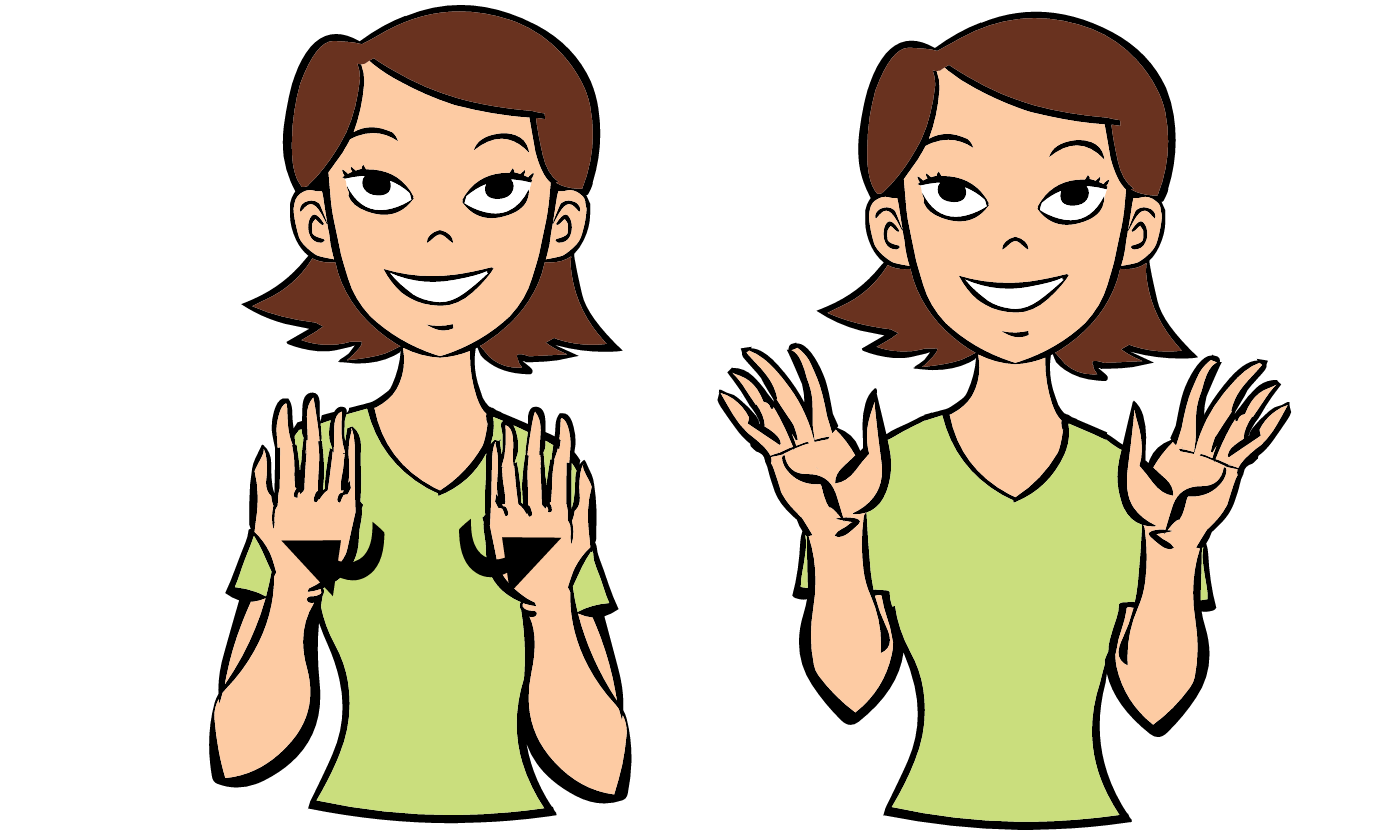
Must- as in I have to do this/that
Different negation signs:
None- I don’t have any pets
Not- no example (can’t think of one)
Illegal- It’s illegal to steal from a store
Not yet- I haven’t done my homework yet
Never- I have never eaten broccoli
Not allowed- you are not allowed to have your phone out at school
“The wave”- no, you shouldn’t do that
Refuse- My cousin refuses to eat veggies
Don’t want- I don’t want to do my homework
Don’t like- I don’t like veggies
No- just saying no
Agreement Verbs: who does what to whom, subject to direct object.
Give
Tell
Help
Pay
Ask
Call
Send
Borrow
Take from
etc.
Remember, if you need to set people up, do that first; the agreement verb comes after that, then a negation, if any.
Signing Months: use abbreviations; the first nine months are signed with the sign months, but after 10, you sign the number, then the sign months.
January- JAN
February- FEB
March- MARCH
April- APRIL
May- MAY
June- JUNE
July- JULY
August- AUG
September- SEPT
October- OCT
November- NOV
December- DEC
Can’t Remember a Sign:
Describe it
Write it
Draw it
Act it out
Point to it
Use oppisites
Categorize it
When Describing a Person:
You can sign anything about the person you are describing. It will not be considered rude in the deaf culture. In Deaf culture, this is not offensive; it’s simply practical communication. Because ASL relies heavily on visual information, describing someone’s appearance, body shape, clothing, or noticeable features helps identify the person quickly and accurately. This can include things like hairstyle, height, body type, facial hair, or distinctive accessories. The intent is not to judge or criticize, but to provide clear, efficient information. Directness is valued in Deaf culture, and clarity is more important than politeness conventions found in spoken languages.
Signing Years:
Ex: 2008 would be signed 2,0,0,8
Ex: 1909 would be signed 19,0,9
Ex 2025 would be signed 20,25
Seeing someone you know: It’s important to politely get their attention, such as with a wave or a light tap. People in the Deaf community appreciate it when you say hello and goodbye directly, maintaining eye contact. It’s also polite to use clear facial expressions and stay visually engaged while communicating.
Sign Friendly Clothing:
Simple clothing
No bright colors
No distracting logos or words
Most people wear black clothing
Neighborhood Description:
What’s next to you
What’s across from you
The size of you neighborhood
The name of your neighborhood
Directions
The people
What you like
What you don’t like
Stay or move
What activities are near you
What is close to you
How far is the ____ from your house
How do you get from your house to ____
etc.
Signing time: Any time from 1:00 to 9:00 starts at your wrist with the number, then it is signed. Once you get to 10:00 to 12:00, you sign the time, then the number. Remember that the O’Clocks shake. When you sign minutes or hours, it’s the same thing. 1 minute/hour to 9 minutes/hour is signed with the sign minutes/hours. Once you get to 10 minutes/hours, you sign the number, then minutes/hours.
Mouth Morphemes:
Far- open mouth like you are saying the word far
Close- act like you are saying Ooo
Kinda close- open your mouth just a little
People:
Nathie Marbury- Started many organizations for people in black culture and Deaf culture, especially if they are in both
Arthur Kruger- Father of Deaf athletics
Eric Malzkuhn- Deaf playwright and poet, famous for interpreting Lewis Carroll’s.
Perspective Shift: When you are giving directions, and you turn, what’s in front of you is now different. Also know that when giving someone directions, you are explaining it as if you were them.
Spatial Agreement Verbs: Where movement takes place from start to finish
Bring
take
pick up
drop off
give
Gloss: “Tanya bawled me out yesterday for putting a dead rat in her room.”
Time-Location-Topic- Comment
YESTURDAY, TANYA IX-there, HER ROOM, DEAD RAT, I PUT-IX, SHE BAWLED ME OUT.