Ireland
Ireland
The Republic of Ireland officially formed in 1949, with Ulster—Northern Ireland (Ulster)—voted to remain part of the UK
Popular culture in US tends to associate and blend all Celtic music (Irish-based music) together as one
The Uilleann Pipes –
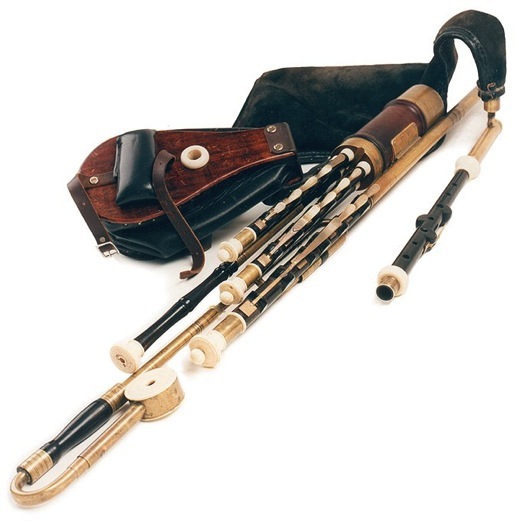
The Irish Bagpipes
Different from the Scottish highland pipes because the air is pumped by a bellows into the bag – not filled by blowing through a tube into the bag
Uillean = elbow
The instrument is named for the elbow that pumps the bellows.
Played indoors for domestic occasions
Can be solo or ensemble instrument
Are bellows not mouth driven
About the Instrument
Consist of the airbag, the bellows and strap, the chanter pipe (melody), three drone pipes, three “regulators”—a set of pipes with keys played with the side of the hand —that allow production of chords (harmony)
Bellows are secured with a belt across right hip and use right arm/elbow to pump and fill bag
Player presses on the bag with left arm
Use fingers of both hands to play melody on chanter and press regulator keys with side of right hand
Musical characteristics
Played indoors for domestic occasions
Mellower than Scottish highland pipes
Fuller sound, warmer tone
Can hear occasional chords of harmony
Types of music-
Similar dance music as the highland pipes
Dances—jig, reel, horn-pipe, polka
Lyric and sentimental songs
Drinking songs
May be major/minor or pentatonic
Much of Irish music seems sad or sentimental
Other Traditional Irish Instruments –
The Celtic Harp
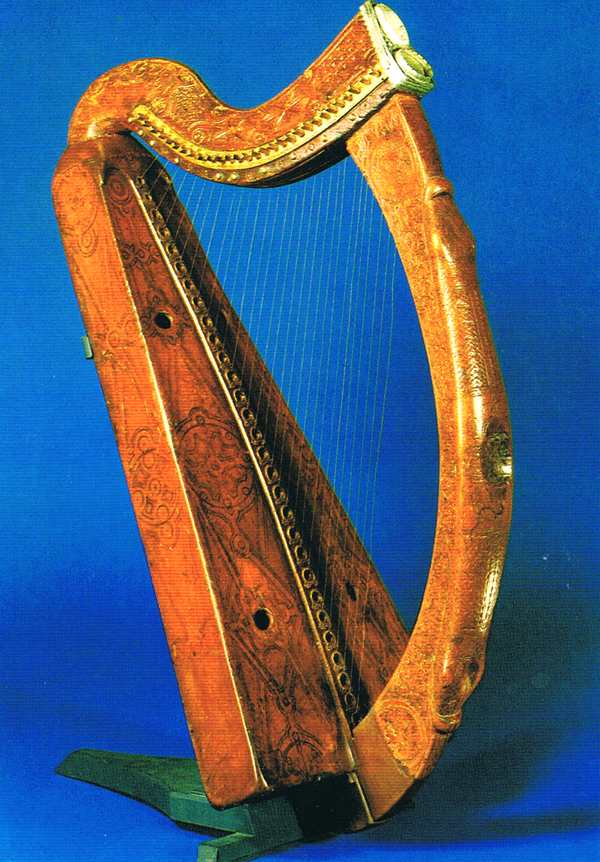
The original Irish instrument was the harp—fell into oblivion around 1800
Harp revival in 20th century (1900s) – it is now the symbol of Ireland
Notice its distinctive outwardly bowed shape
The Tin Whistle
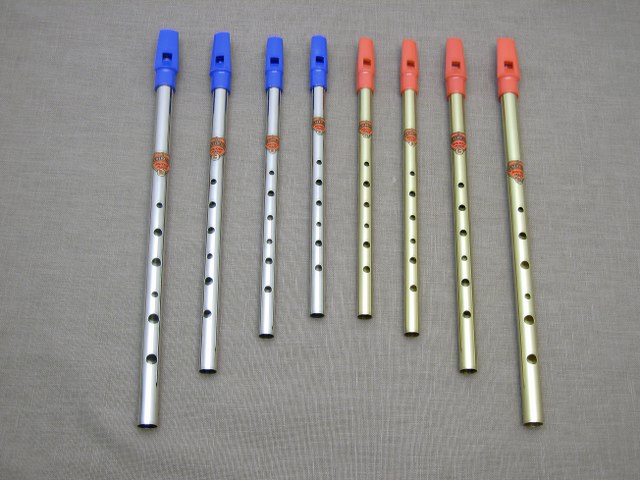
A flute aerophone
Once called the penny whistle (inflation necessitated its name change)
The Bodhran
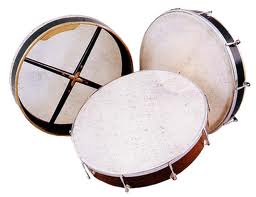
A type of frame membranophone drum
Played with a stick that was originally a fowl/chicken leg bone (the drumstick)
The main percussion instrument in Irish/Celtic folk music
The fiddle –
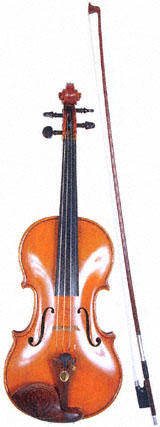
The same instrument as the violin
A type of bowed lute chordophone
Performance Places/Contexts
Traditionally music was played communally for family/friends in private settings
Now often in pubs or smaller settings
New types of Irish-based folk music is generally labeled “Celtic”
Other often used instruments –
“timber” flute (wooden transverse)
bellows-driven free reed instruments with keyboards—melodeon, concertina, accordion
Adopted instruments—Italian mandolin, American tenor banjo, guitar, bouzouki (after Greco-turkish lute)