TidalEnergy Part1
Introduction to Tidal Energy
Learning Objective:
Understanding tidal resources
tidal stream
tidal barrage
power output calculations
overview of the tidal energy industry.
Recommended Reading:
Renewable Energy – Power for a Sustainable Future by Stephen Peake, Chapter 7.
Waves, Tides and Shallow Water Processes – Open University, Chapter 2.
Overview of Tidal Energy in the UK
UK electricity consumption: ~350 TWh/year.
Potential tidal contributions:
Severn Estuary: 17 TWh/year.
Pentland Firth: 3.9 TWh/year.
Tidal streams could meet up to 16% of UK electricity demand.
UK: Leading in tidal technology research and development.
Tides as a Renewable Energy Resource
History:
Tidal mills date back to 900 AD.
Middle Ages: Reservoirs with sluice gates filled at high tide and released to drive water wheels.
Causes of Tides:
Gravitational forces from the Moon and Sun; explained by Newton's Law of Universal Gravitation.
Spring Tides: Larger tides during New and Full Moons (Sun and Moon aligned).
Neap Tides: Smaller tides when Sun and Moon are at 90° angles.
Tides follow a lunar day: 24 hours, 50 minutes.
Tidal Stream and Barrage Technologies
Tidal Stream:
Horizontal water movements (currents).
Maximum flow: Mid-tidal range; zero flow: High and low water.
Power equation similar to wind turbines.
Tidal Barrages:
Utilize reservoirs and sluice gates.
Understanding tides
A key fact to understand is that we have two tides in the day.
One comes from the moon, as it pulls on the Earth, causing water in the ocean to rise.
The other comes from how both the Earth and the moon move around a common centre of mass. Its presence indicates that there must be another force acting towards that centre of mass, causing another section of the tide to rise.
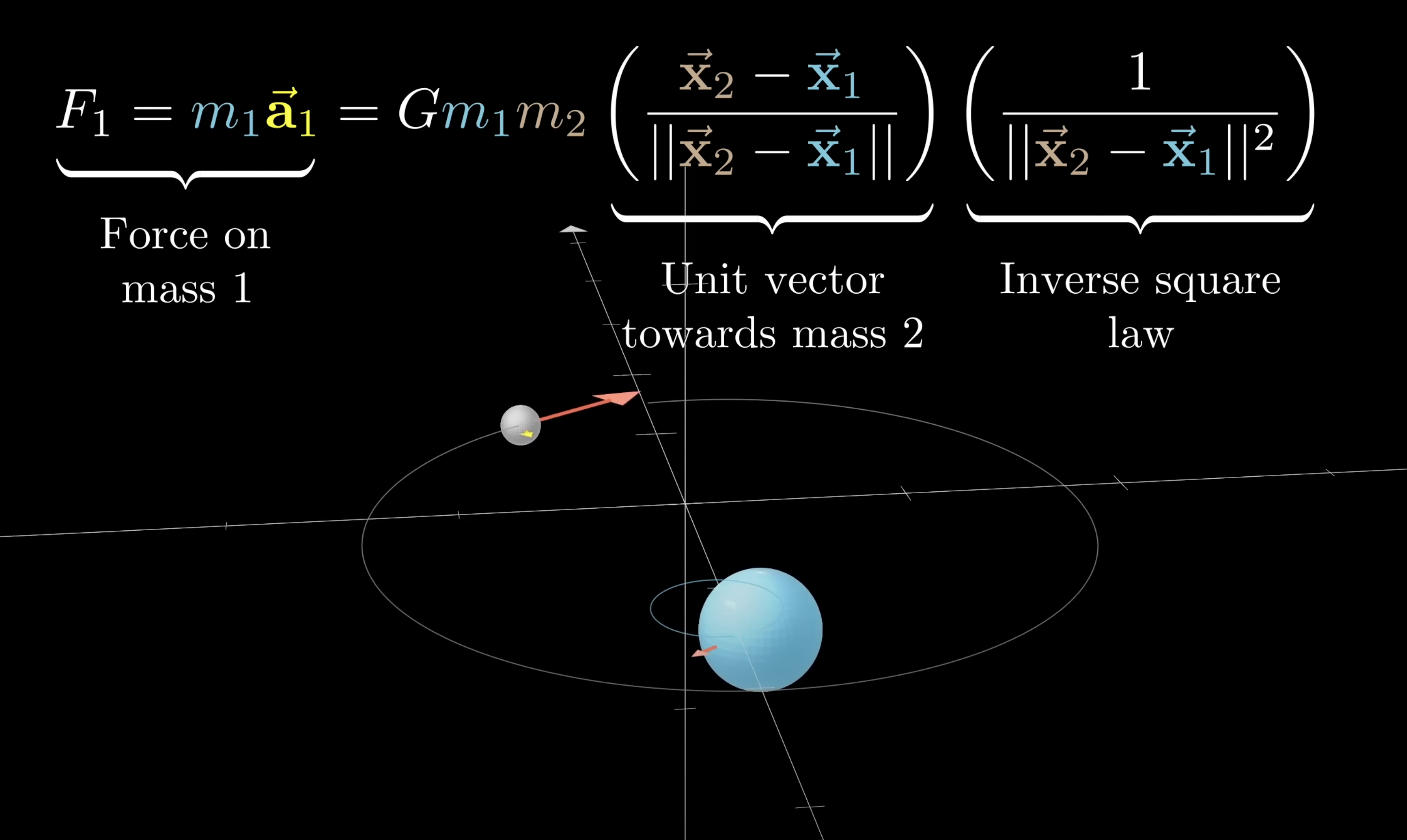
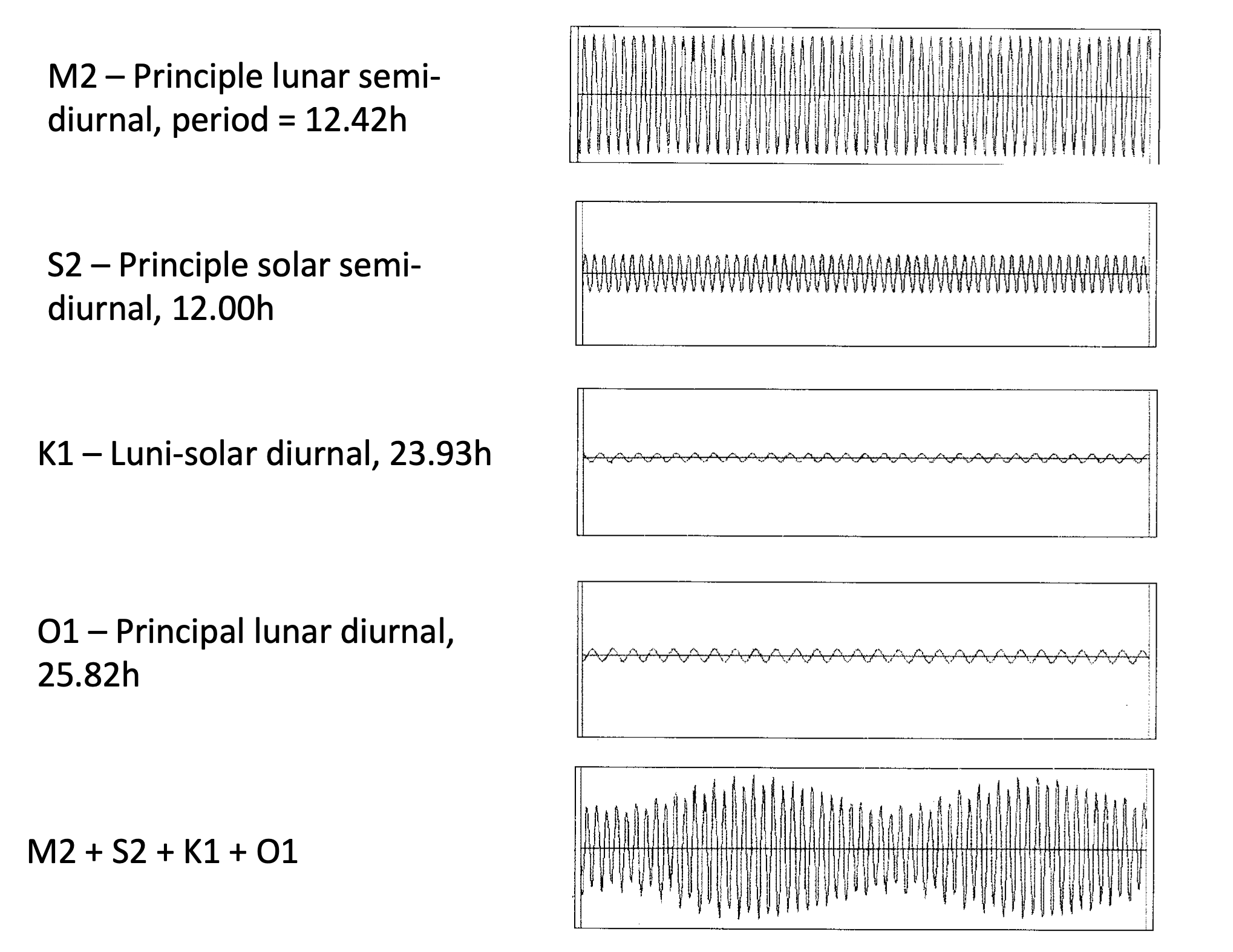
Other places that influence the tides are the sun and the weather, although the two mentioned earlier are the strongest.
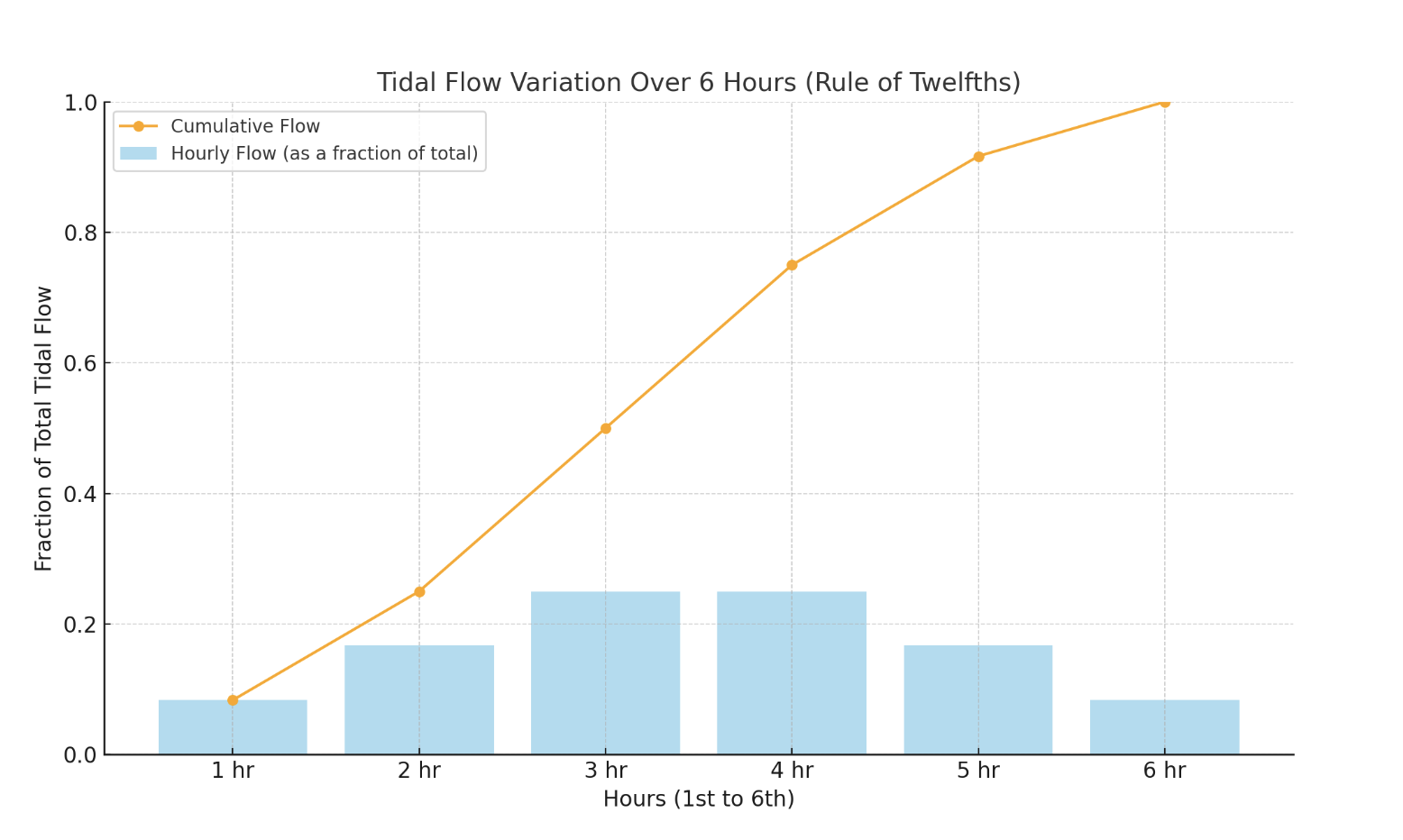
The waves are described with the rule of twelfths. As shown in the graph below for the progression of a wave crest (high tide) for a certain point:
1/12th
2/12ths
3/12ths
3/12ths
2/12ths
1/12ths
Key UK Tidal Projects
MeyGen (Scotland):
World’s first commercial tidal farm.
Phase 1a: 6 MW (powers ~2600 homes).
Expansion plans: Targeting 50 MW by 2028.
Shetland Tidal Array:
World’s first operational tidal array.
Current capacity: 600 kW.
Challenges in Tidal Energy
Environmental:
Wildlife collision🐟⛓️💥
sedimentary changes 🪨
underwater noise 🔊
electromagnetic fields 🧲
impacting the abilities of certain species (salmon, eels, etc)
Operational:
Corrosion🧪
turbulence🛩
blade fouling (similar to corrosion)
debris damage ⛓️💥
Maintenance:
Accessibility ⛔️
from bad weather