Spain
Flamenco music – Cultural history and background
It is a unique blend of European and north African cultural characteristics
It was born in Andalusia—southern region of Spain
Vibrant music—featuring singers, guitar, rhythmic clapping and heel-stomping
Also incorporates audience participation in handclapping, dance, vocal interjections
The Vocals
It was originally for voice alone (called cante)
Incorporates the strained timbre and heavy use of melisma typical of Arabic vocal traditions
Cante has three forms deep, intermediate, and light—determined by subject matter
The vocalist—the cantaora – can be male or female, but male predominates
Often sing in high vocal range with strained timbre—makes the music more passionate
Intricately ornamented melismas have emotional effect—make singer sound like crying/wailing
Lyrical content—death and love common themes
Modern Flamenco
Flamenco in modern form—from 19th century
Gypsy musicians sang the cante with instrumental accompaniment
1840’s - had Cafés cantantes—clubs devoted to flamenco with guitar becoming standard
Rhythmic Vibrancy
Hand clapping (palmas) and finger-snapping (palillos or pitos) are common
They articulate the basic beat
Also interlock claps to create thick rhythmic density
Lots of syncopation
Dancers
Add rhythmic vibrancy through toe and heel stamping
Improvisation
A key element between voice, guitar, dancer, hand clapping
Places of Performance
Traditionally was performed in intimate settings where performer and audience could interact—bar, café, home, restaurant, side street
More modern – concert stage
Harmony and Meter
Minor keys predominant
Triple meter most common
Syncopations common
Some shifting meters between duple and triple
Some rhythmically free passages
The Guitar
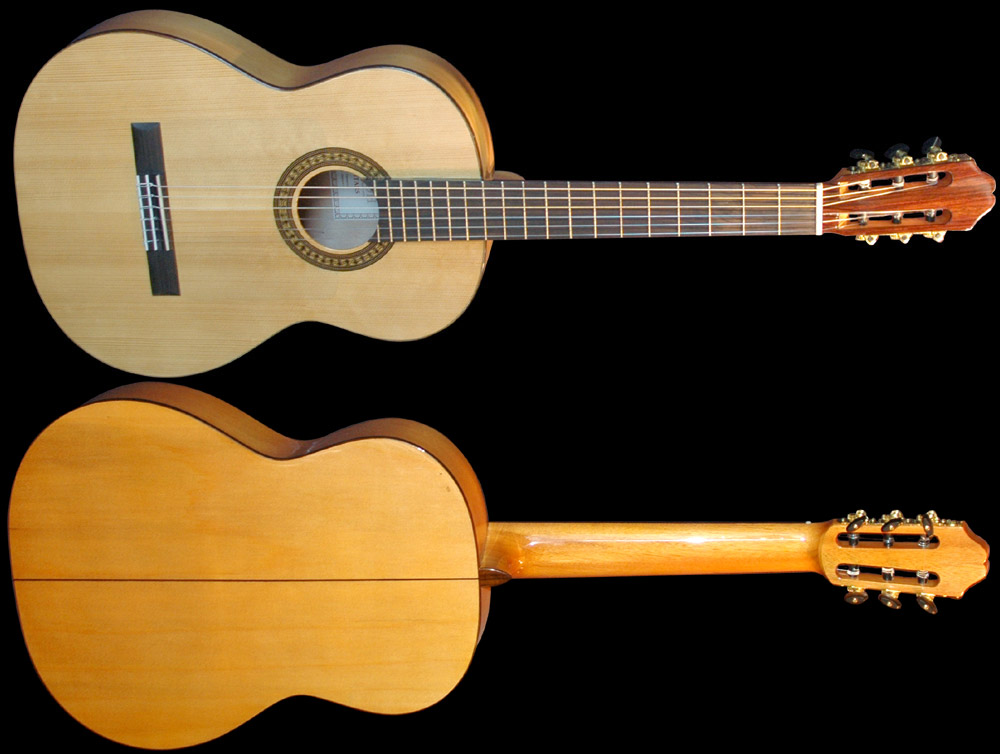
he top is often made of spruce for its bright snappy sound
The back and sides are often made of cypress – a light and resonant wood
Low frets/low string height makes it easier to play fast notes up and down the neck
A thinner flatter neck makes it easier to play chords
Flamenco has one of most virtuosic guitar styles—
It uses intricate strumming technique
Use fleshy part of fingers for some sounds
Strummed flourishes and solo work (melodic) use fingernails
Percussive accents from slapping the face of the guitar—emphasize a melodic passage or articulate specific rhythm
Elements
The traditional elements of flamenco include singing (cante), guitar playing (toque), dance (baile), and handclaps (palmas)
El cante - singing
[el cantaor/la cantaora - the singer]
El baile - dancing
[el bailaor/la bailaora - the dancer
La guitarra- guitar playing
[el/la guitarirsta - the guitarist]
Las palmas - rhythmic hand clapping
[el palmero/la palmera - the hand-clapper]
Los jaleos - calls of encouragement
[el festero/la festera - the person who animates]
and the taping sounds made by the dancer
Playing tech
Using the Capo, it can range the pitch.
Strumming with 4, 3, 1 fingers
Using the right-hand thumb.
Picado: alternating the index and middle finger
Arpeggios: playing the notes of a chord in sequence rather than simultaneously to create a more melodic line.
/