AP LANG Spring Final - von der Linden
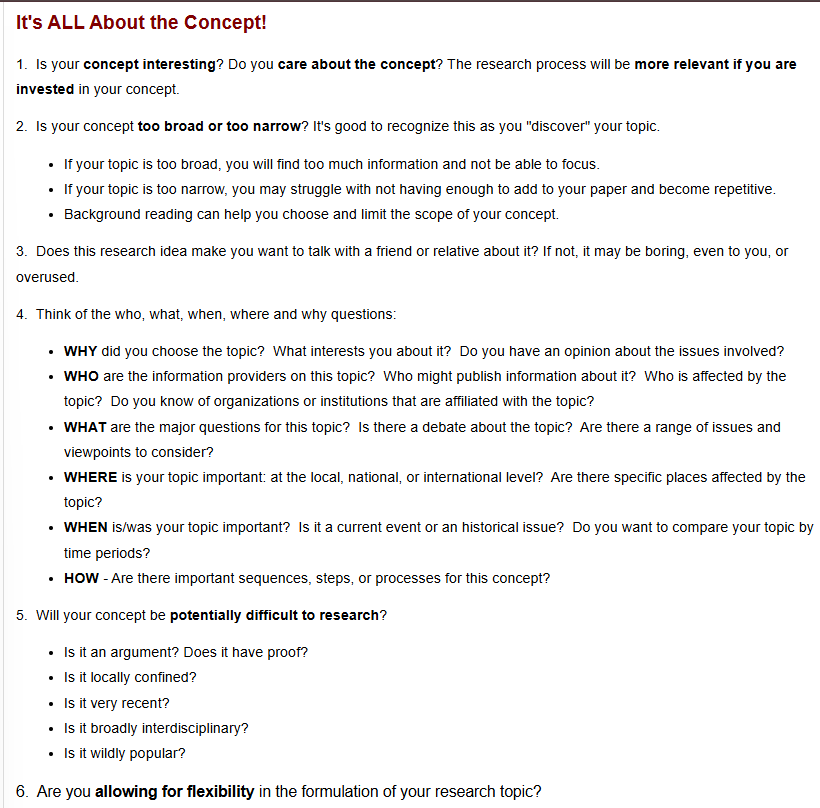
Benefits of Concept Mapping:
Keywords vs Subject Terms
Keywords
Natural world language terms - broad, everyday words - helps for start of research process
Subject Terms
More specific to databases - much more scholarly - specific to things related to the topics.
Types of Searching - Vocab
Federated Searching
Information retrieval technology that provides simultaneous searching across multiple resources - kind of similar to lateral reading
Iterative Searching
Repetitive search process where the terms and strategies are honed as the research process advances
Site-specific searching
Basically, just searching through a specific site
Use site:
Stages of Pre-searching
Research Process Stages
PRE-Searching → PRE-Searching → RE-Searching → Writing → RE-Searching

Pre-search vs Research
Pre-search
Informal, exploring phase - used for getting background knowledge, help narrow a topic
Research
Producing evidence, locating sources to investigate selected topic
Boolean Operators

Advanced Research Strategies
Result Refining:
Using limiters to narrow initial results
Journal Runs:
Conducting focused searches inside a given journal
Pearl Growing:
Mining citation or subject headings
Forward Chaining:
Finding sources that cited the article you located
Backward Chaining:
Using an article’s citations to find others
Types of Resources
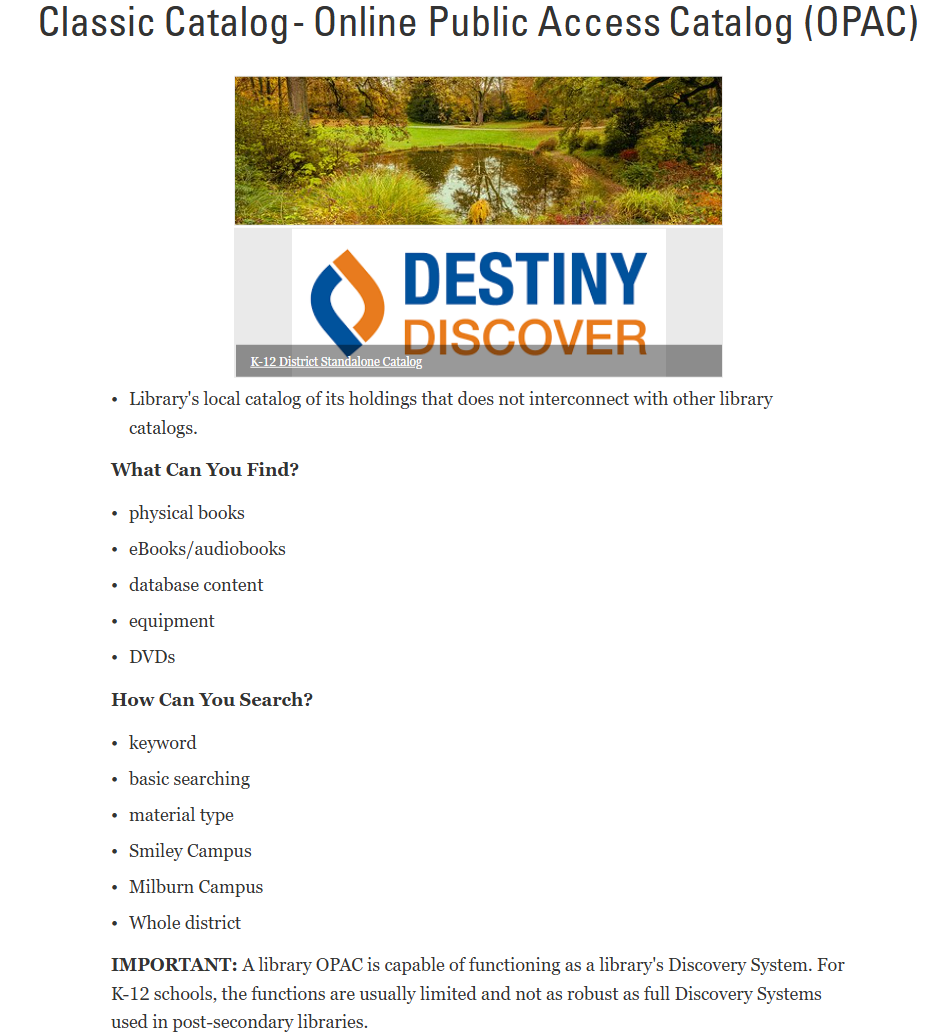
OPAC
Online Public Access Catalog
RSS Feeds
Really Simple Syndication (RSS)
Simple, standardized content distribution method that helps a researcher stay up-to-date with a specific information from databases, newcasts, websites, social media channels, etc.
Constant updates about a topic searched up
Types of sources (like actual sources)
Primary Source
Records of events or evidence from that moment in time without any interpretation or commentary
Info that is original
ex: Gov reports, photographs, poems, original artwork, etc.
Secondary Source
Analysis or restatement of primary sources
Describe or explain a primary source
Summarize, interpret, or provide value to a primary source
ex: textbooks, books and articles that are reviews over other subjects
Tertiary Source
Index, abstract, organize, compline or digest other sources
Typically not credited to a particular author
ex: Dictionaries/encyclopedias - could also be secondary - wikipedia, textbooks, and more
Scholarly Sources
Useful for in-depth research
Contain academic vocab
Extensive source references
Peer-reviewed to ensure reliability
Assist in answering the “So What?” question
Popular Sources
Useful for general knowledge
May entertain, inform, or persuade
Assist in answering the 5 W’s and H
Has research, but doesn’t have full citation
Trade Publications
Useful for general news, trends, and opinions in a specific industry or profession
Not peer-reviewed
Not focused on advancing a field of knowledge or reporting research findings
Considered essential in the field of business and specialized industry
Resources:
OCLC
GALE
DESTINY
EBSCO
Information Cycle

Types of Possible Content
Misinformation:
False, but not with the intent to harm
Malinformation:
Based on reality, used with the intent to harm
Disinformation:
False, and deliberately created with the intent to harm
Fabricated Content:
Uses content that is made up and designed to fool
False Context:
Uses and image, quote, or other piece of content and puts it into a new, false context to change its meaning
Imposter Content:
Uses a well-known brand, name, or logo to fool a person into believing it’s real
Manipulated Content:
Uses the alteration of the original to deceive
Satire:
Uses humor or exaggeration to critique or mock
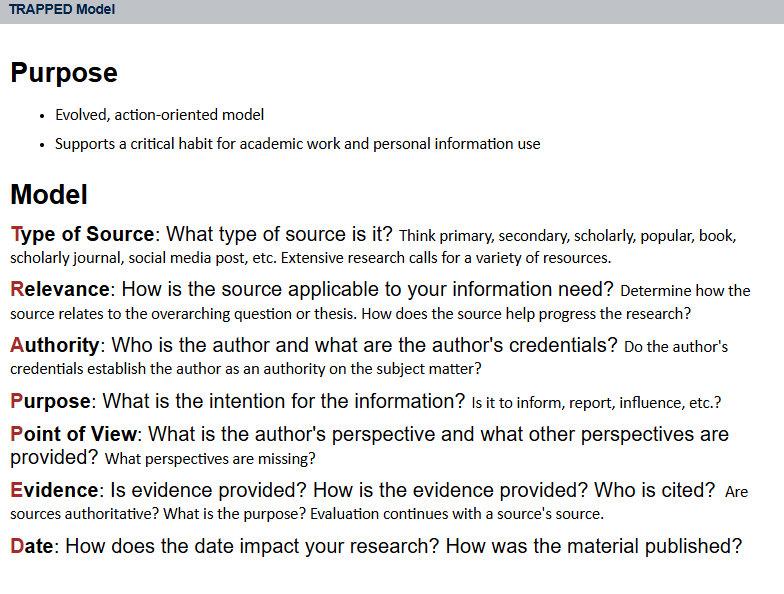
TRAPPED Model
CLUE
CLUE - a way to introduce a source and explain the evidence being evidence
Claim:
Lead-in:
Use the Evidence:
Explain:
Quote Formatting - MLA
Block Quote Format:
4 or more lines
No quotes
Indent
In-text Citation:
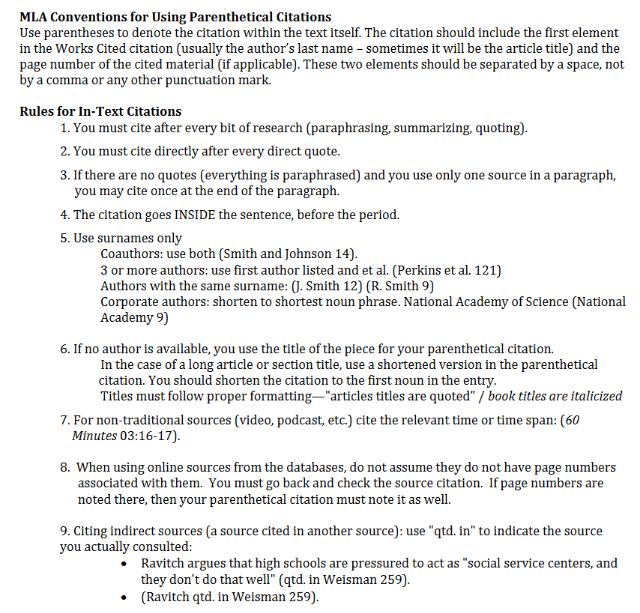
Source Citation:
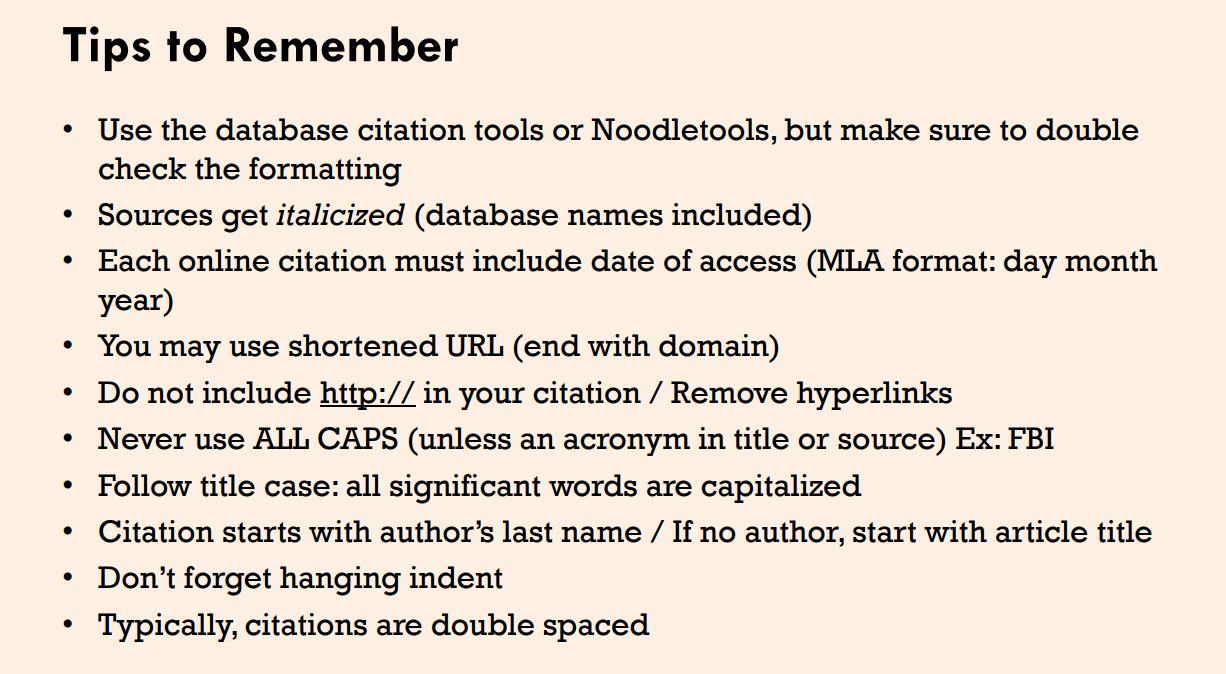
Works Cited Page Format:
Alphabetical order
AP-Style Readings and Questions
Composition
Style
Editing